
London
Obvious, but unbeatable value once you remember the big museums are free: dinosaurs at the Natural History Museum, rockets at the Science Museum, mummies at the British Museum.
- Best forFamilies · Culture seekers · Nightlife
- In February10°C · 11 rainy days
- Ideal stay4–5 nights
- Approx. flying time~11h from Los Angeles
- CurrencyGBPPound sterling
- LanguageEnglish
- Local time14:07same time as the UK
- PlugsType GUK plugs fit
- Drive on theLeftSame as the UK
- Dialling code+44
Why go
A city of villages that never quite resolved into one, spread across 1,500 square kilometres and best understood a neighbourhood at a time. The great museums are free, the parks are enormous and the walking between them is half the experience. Costs are high, particularly for accommodation, though the fixed attractions are less of a problem than people expect. The weather is unreliable in every month, and nobody plans around it.
Four nights lets you see one or two areas properly rather than sprinting between landmarks. Public transport is comprehensive and contactless payment works on all of it, so a car is a liability. Summer is the busiest and hottest stretch, while late spring and September are more comfortable. Central hotels cost a great deal, and staying two or three stops out usually buys a considerably better room.
- Ideal stay
- 4–5 nights
- The vibe
- Vast, layered, endlessly walkable
From our guides
London's cocktail scene runs from gilded hotel institutions — the Connaught and the Savoy's American Bar, both worth booking weeks ahead — to the dense, inventive cluster around Soho and the East End. The satisfying crawl is a contrast: one grand hotel martini, then the low-lit rooms of Shoreditch where the world's-best lists are written. Go Tuesday to Thursday; Friday in Soho is a contact sport, and Sundays half the good rooms rest.
Featured in Ten easy city breaks that work with kids in tow and Ten cocktail cities for a very grown-up bar crawl
Things to do
-
The free national museums
The British Museum, the Natural History Museum, the Science Museum, Tate Modern and the National Gallery all charge nothing for their permanent collections.
-
The royal parks and heaths
Hyde Park, Regent's Park, Richmond and Hampstead Heath are large enough to lose an afternoon in, with swimming ponds up on the Heath.
-
Borough Market
A working produce market under the railway arches near London Bridge, and the easiest place in town to eat well standing up.
-
The South Bank walk
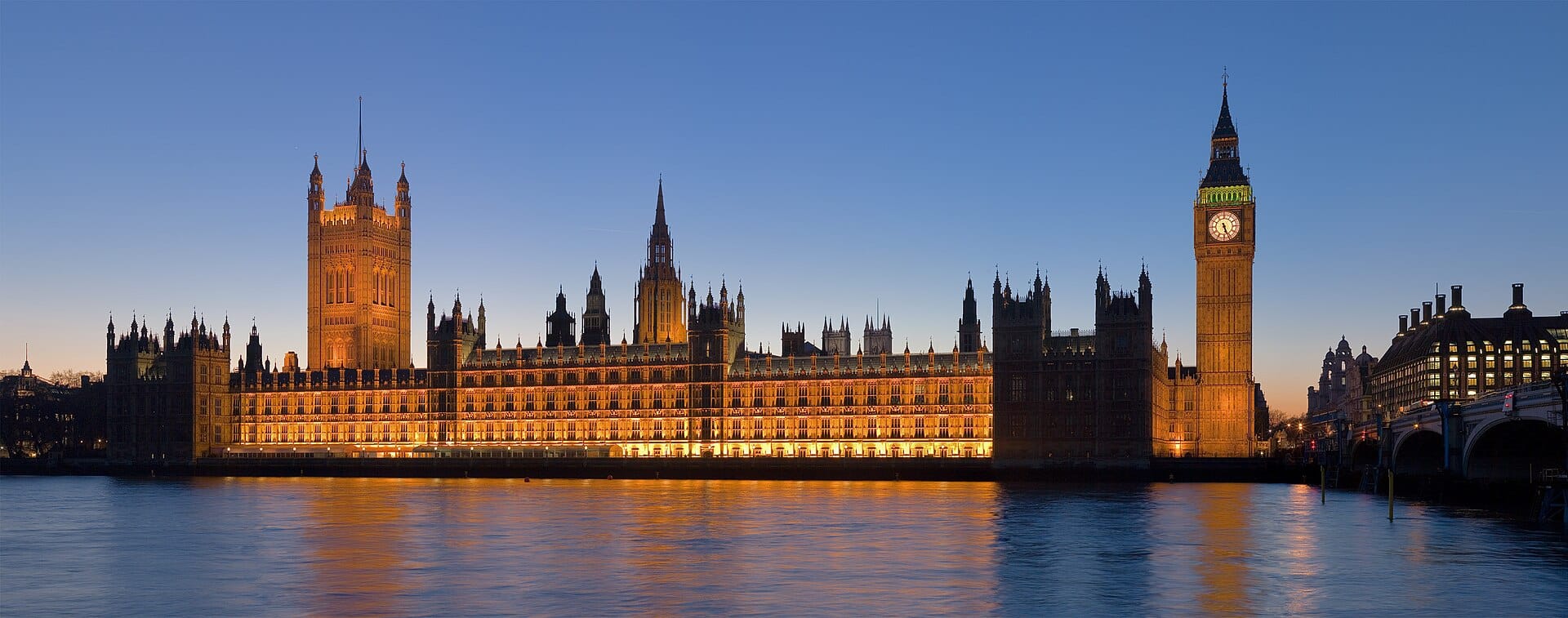
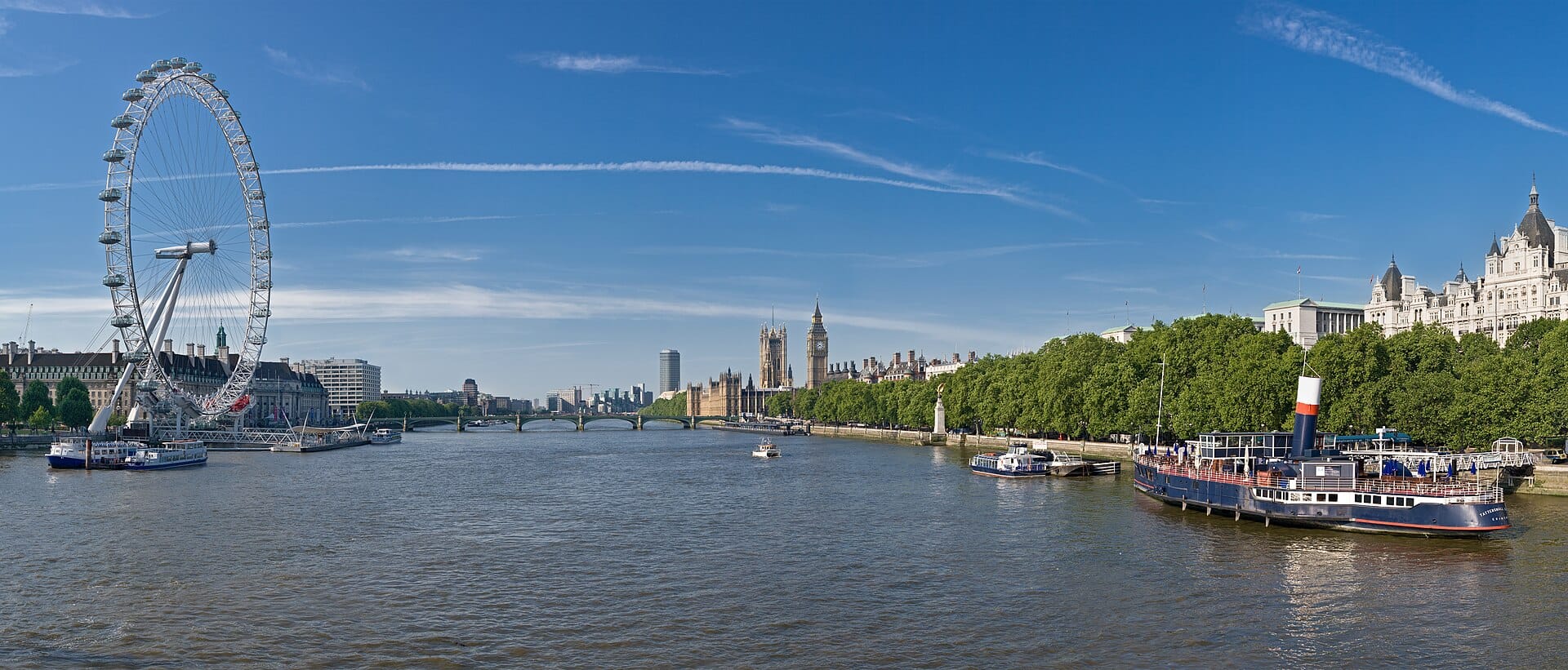
The riverside path from Westminster to Tower Bridge takes in theatres, skate ramps, book stalls and most of the good views.
-
Greenwich
A boat down the river reaches the observatory, the maritime museum and a clipper in dry dock, with a hill view back over the city.
-
The West End
Theatre runs seven days a week across dozens of stages, with day seats and returns for anyone willing to queue in the morning.
Getting there
-
Fly to
London (LCY)
Nearest airport to London, about 13km away as the crow flies.
-
Then
To London
London City (LCY) is about twenty-five minutes from the centre on the DLR and Elizabeth line. Heathrow, Gatwick, Stansted and Luton all have direct rail links taking thirty minutes to an hour.
-
On the ground
Getting around
The Underground, buses, Overground and Elizabeth line cover everything, with contactless payment capped daily. Central London is more walkable than most visitors expect, and the museums cluster together.
Public transport: Outstanding, and a car is a liability given the congestion and emissions charges. Night Tube and night buses cover weekends.
Flights
Los Angeles London, England
Fly from anywhere — search 4,000+ airports worldwide.
Roughly 11h in the air from Los Angeles (LAX), estimated from the distance — check for a direct route. Pick a month to see every available flight with live prices.
Check dates and prices
Pick your departure date, then your return.
Search flightsNot sure when? Compare fares across a whole month.
Flight times are estimates; prices open on Google Flights.
When to go
Daytime highs run from about 8°C in January to 22°C in August. Wettest in October, with rain on about 15 days.
The year at a glance — pick a month for detail
February10° · rain 11 daysCold with rain most weeks.
Monthly figures averaged from daily records for 2020–2024 at this location (ERA5 reanalysis). Live conditions from MET Norway, CC BY 4.0.
Where to stay
Every category exists here: chains at all levels, historic grand hotels, aparthotels with kitchens, and a large short-let market. Rooms are small by international standards.
-
Best base overall
South Bank and Waterloo
River walks to Westminster and Borough Market, the Tate and the National Theatre, and half the Underground network from one station. Hotel rates are not cheap, but the walking saves fares.
Find stays in South Bank and Waterloo -
Best with children
South Kensington
The Natural History, Science and V and A museums are all free and all within a few minutes of each other, with Hyde Park behind. It is expensive and short on evening life.
Find stays in South Kensington -
Best for nightlife
Shoreditch
Bars, music venues and late kitchens packed into a few streets, with the City quiet at weekends alongside. Thursday to Saturday nights are noisy well past closing.
Find stays in Shoreditch -
Best value
Bloomsbury and King's Cross
Georgian squares, the British Museum on the doorstep and a wide range of hotels at more sensible rates. It is a longer walk to the river than the map suggests.
Find stays in Bloomsbury and King's Cross
Worth knowing before you book: Rates swing hugely by day; midweek in the City is dear, weekends there are cheap, and the reverse holds in the West End. Check the walk to the nearest Tube station.
Search everything else in London by budget. These are indicative budget bands in GBP per night for two people, not live quotes or guarantees of hotel type. Check your dates, guests, taxes and final price on Booking.com.
Good to know
- Transport
- Contactless cards and phones work on the tube, buses, trams and most trains, so there is no need to buy a separate travelcard.
- Book ahead
- Timed tickets are standard for major exhibitions, the Tower and any theatre worth seeing. Same-day availability is unreliable.
- Timing
- Museums are quietest in the first hour and on the late-opening evenings that several of them run once a week.
- Costs
- Accommodation is the expense, not the sightseeing. Staying outside the centre and eating at markets makes a large difference.
- Pack this
- A waterproof and comfortable shoes. Rain arrives without warning, and Londoners walk far further than they admit.
Similar places

Nearby destinations
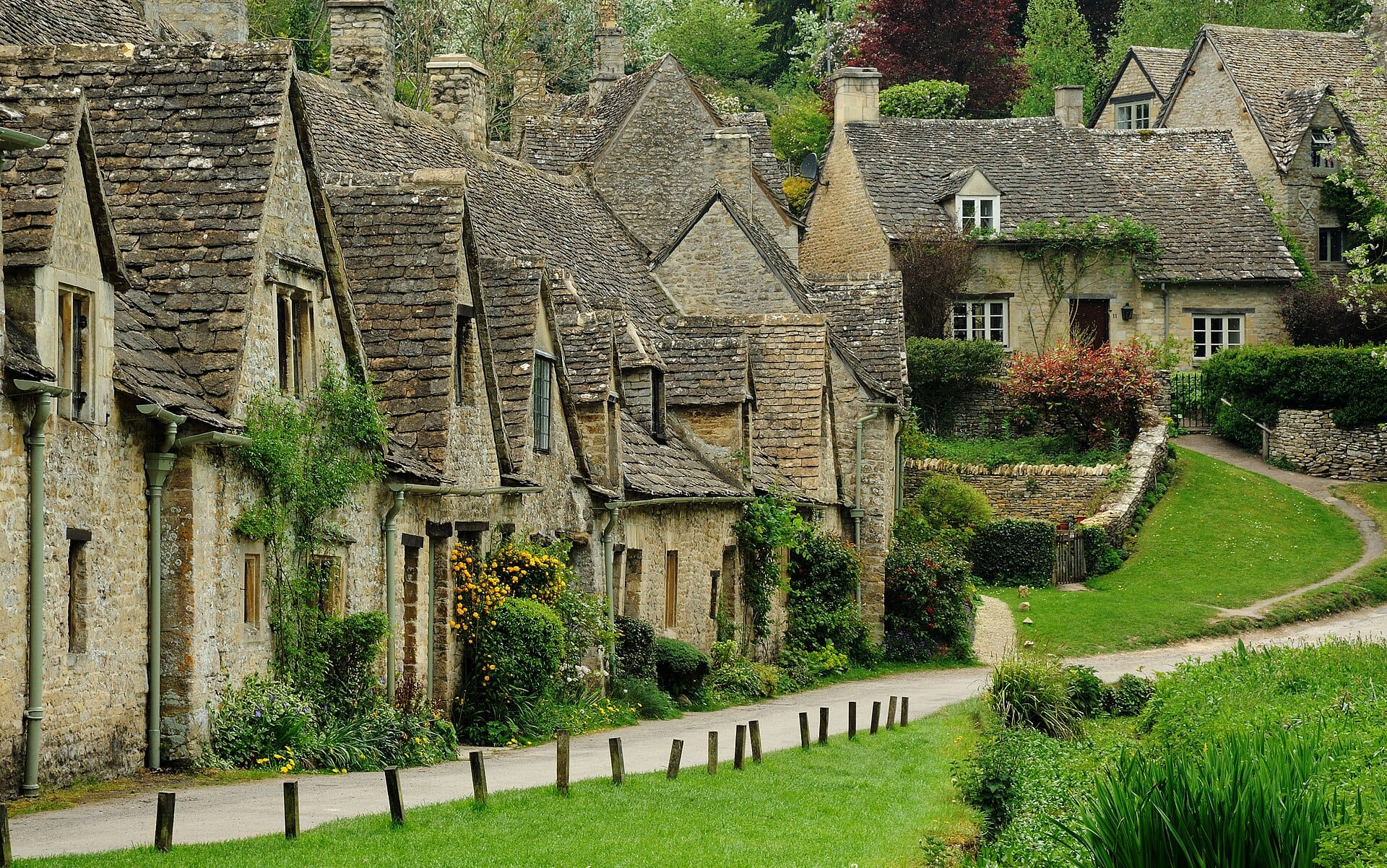
The Cotswolds
England · 75km away →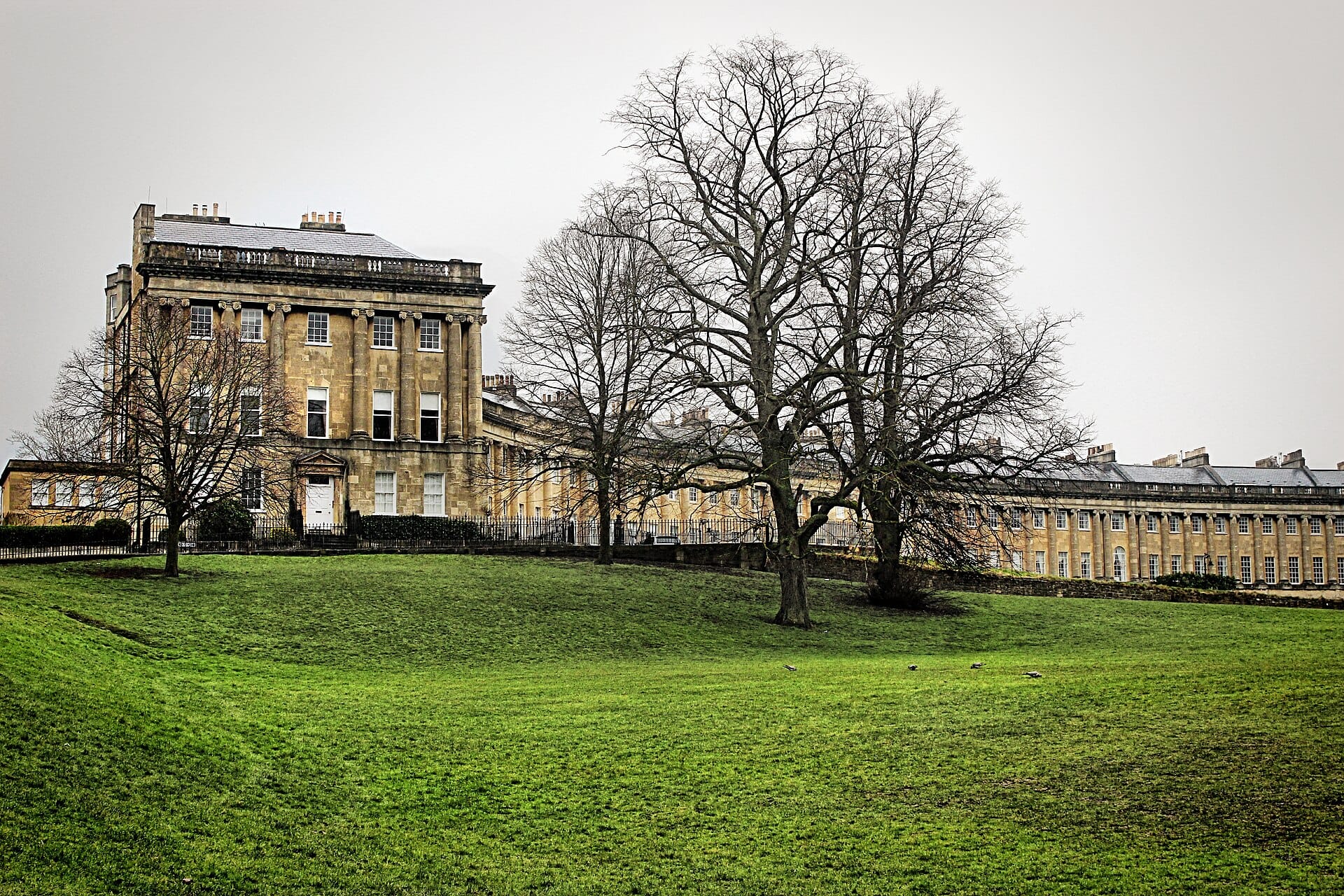
Bath
England · 155km away →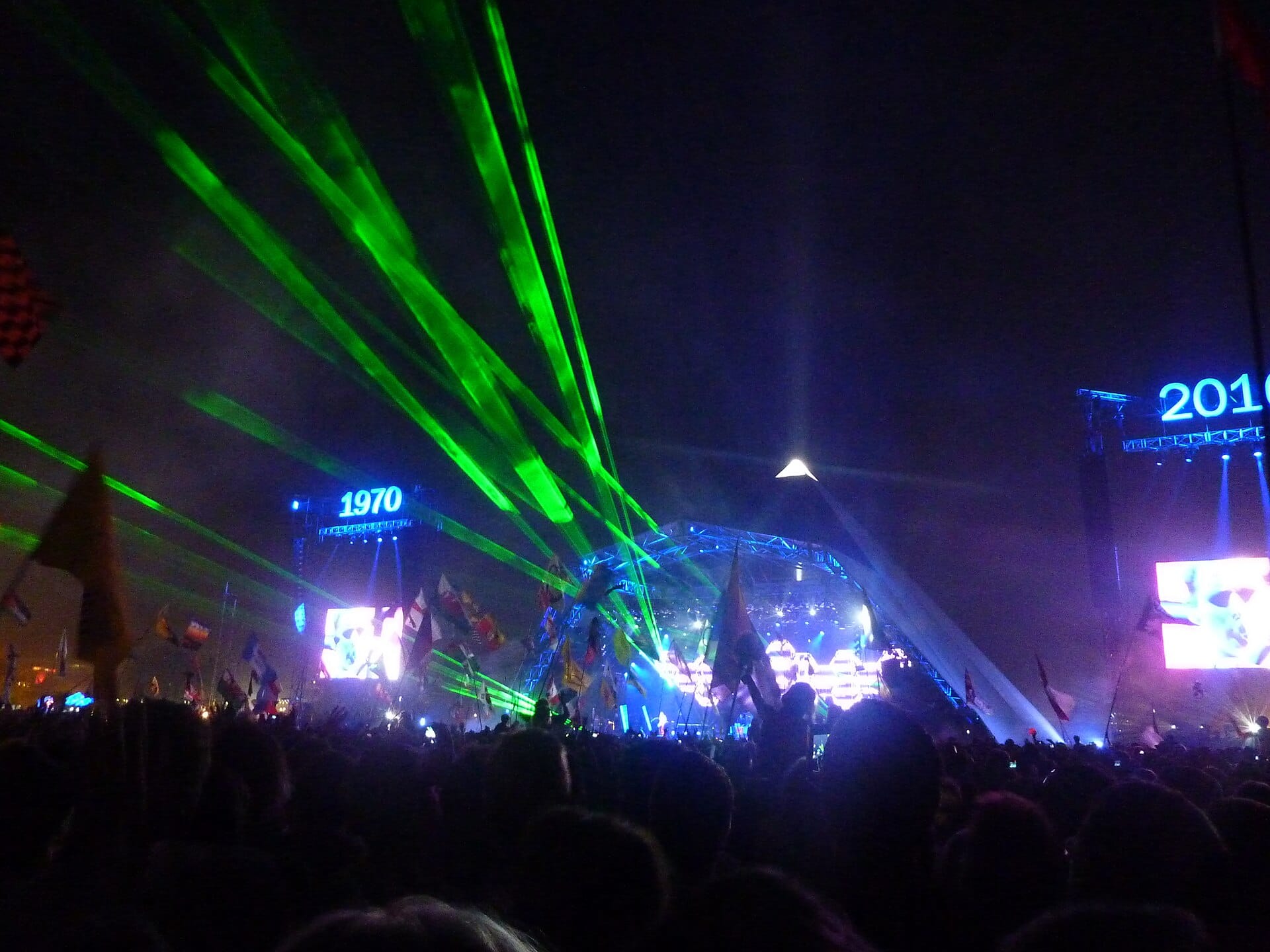
Glastonbury
Somerset, England · 184km away →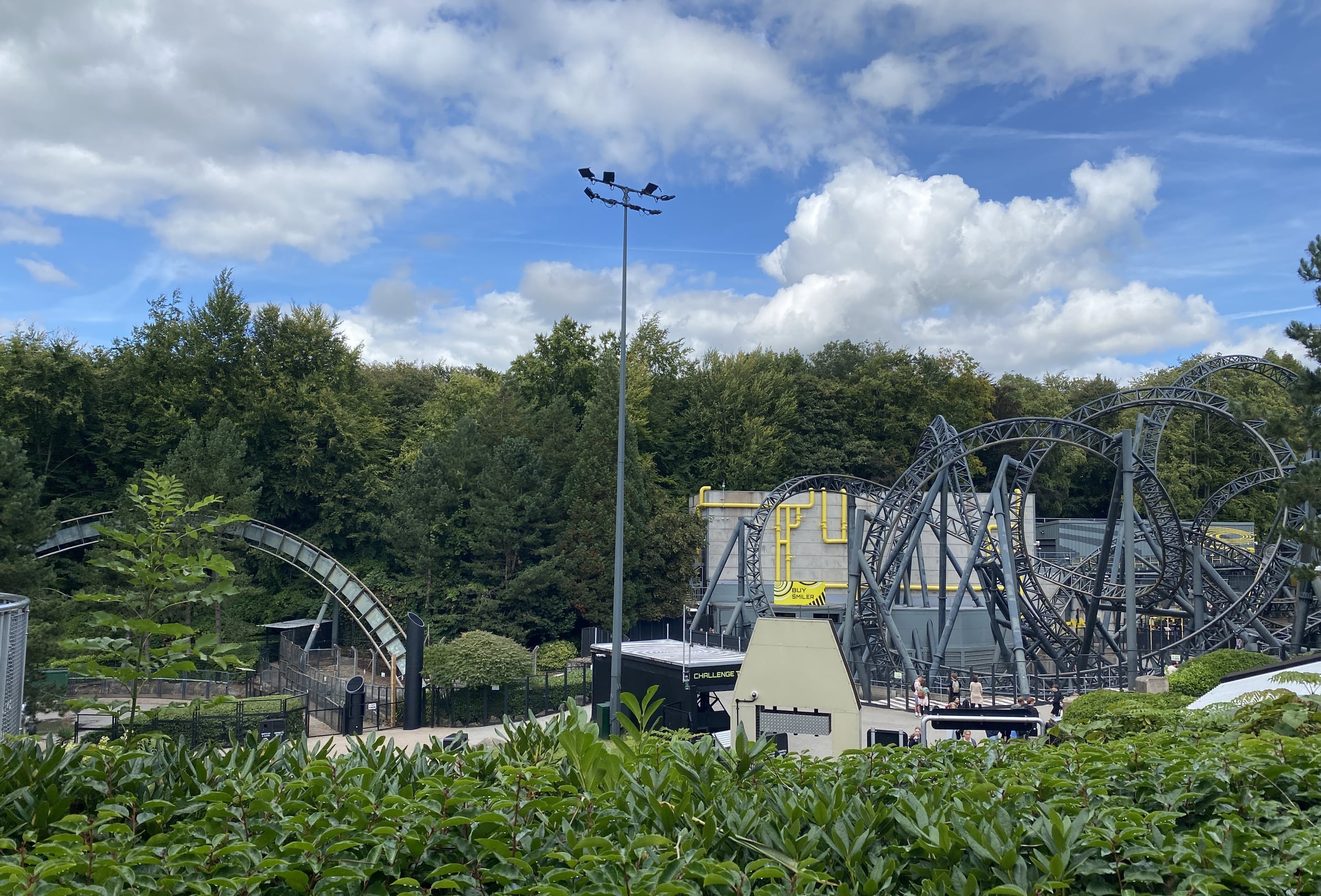
Alton Towers
England · 204km away →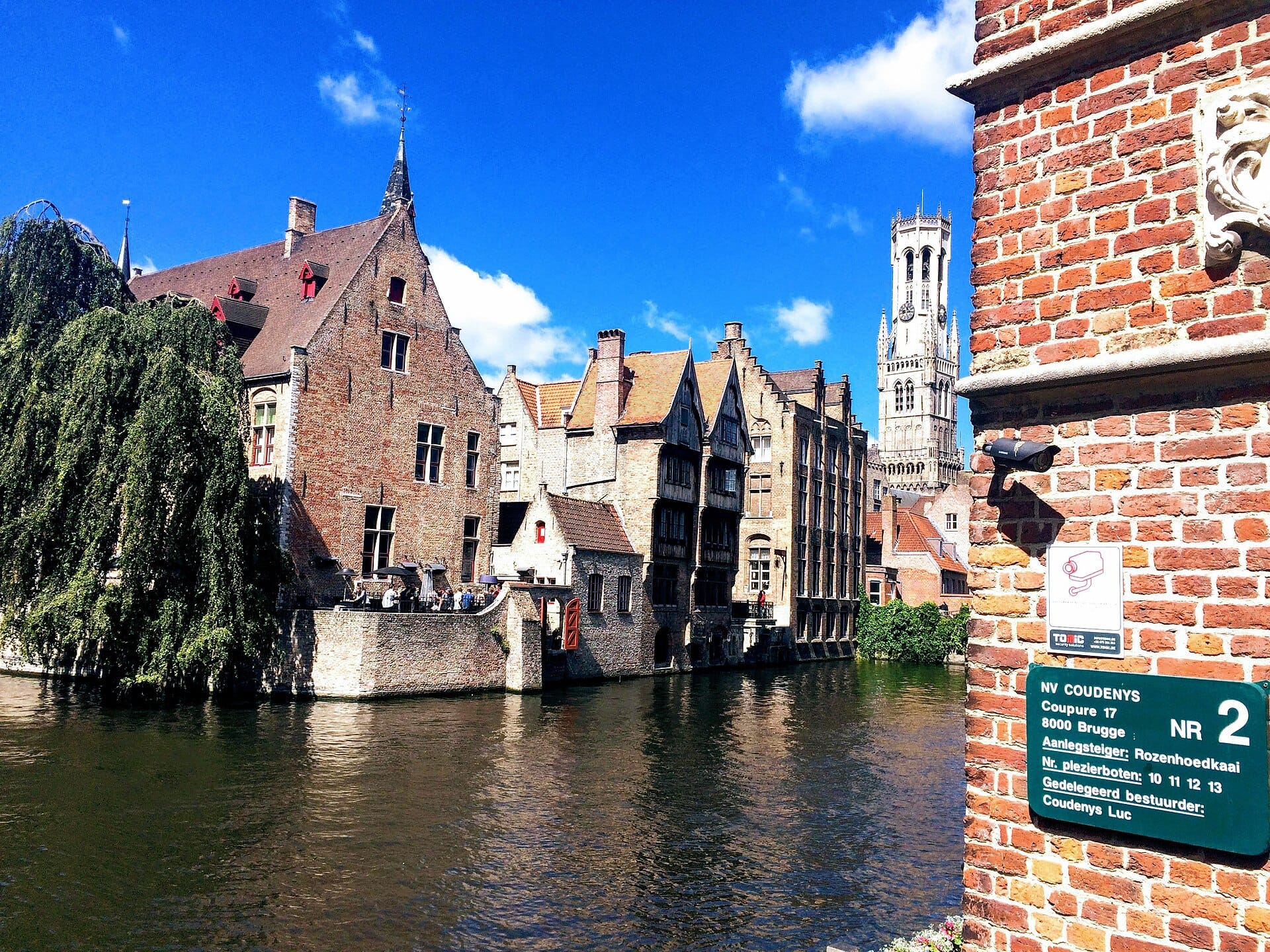
Bruges
Belgium · 235km away →
A working farm stay
Devon, England · 262km away →Elsewhere in England
Related articles

Quick answers
When is the best time to visit London?
Daytime highs run from about 8°C in January to 22°C in August. Wettest in October, with rain on about 15 days.
How long should I spend in London?
Our suggestion: 4–5 nights.
How do I get to London?
London City (LCY) is about twenty-five minutes from the centre on the DLR and Elizabeth line. Heathrow, Gatwick, Stansted and Luton all have direct rail links taking thirty minutes to an hour.
Do I need a car in London?
No. Outstanding, and a car is a liability given the congestion and emissions charges. Night Tube and night buses cover weekends.
What currency and language are used in London?
Currency: Pound sterling (GBP). Language: English. Plugs: type G.
Who is London best for?
Best for families, culture seekers and nightlife. In a phrase: vast, layered, endlessly walkable.