
Kilimanjaro
Africa's roof is a walk — a high, cold, breathless walk, but a walk.
- Best forAdventure seekers · Walkers & hikers · Solo travellers
- In January9°C · 22 rainy days
- Ideal stay7-9 days on the mountain
- Approx. flying time~19h 20m from Los Angeles
- CurrencyTZSTanzanian shilling
- LanguageSwahili and English
- Local time13:182h ahead of the UK
- PlugsType D / GUK plugs fit
- Drive on theLeftSame as the UK
- Dialling code+255
Why go
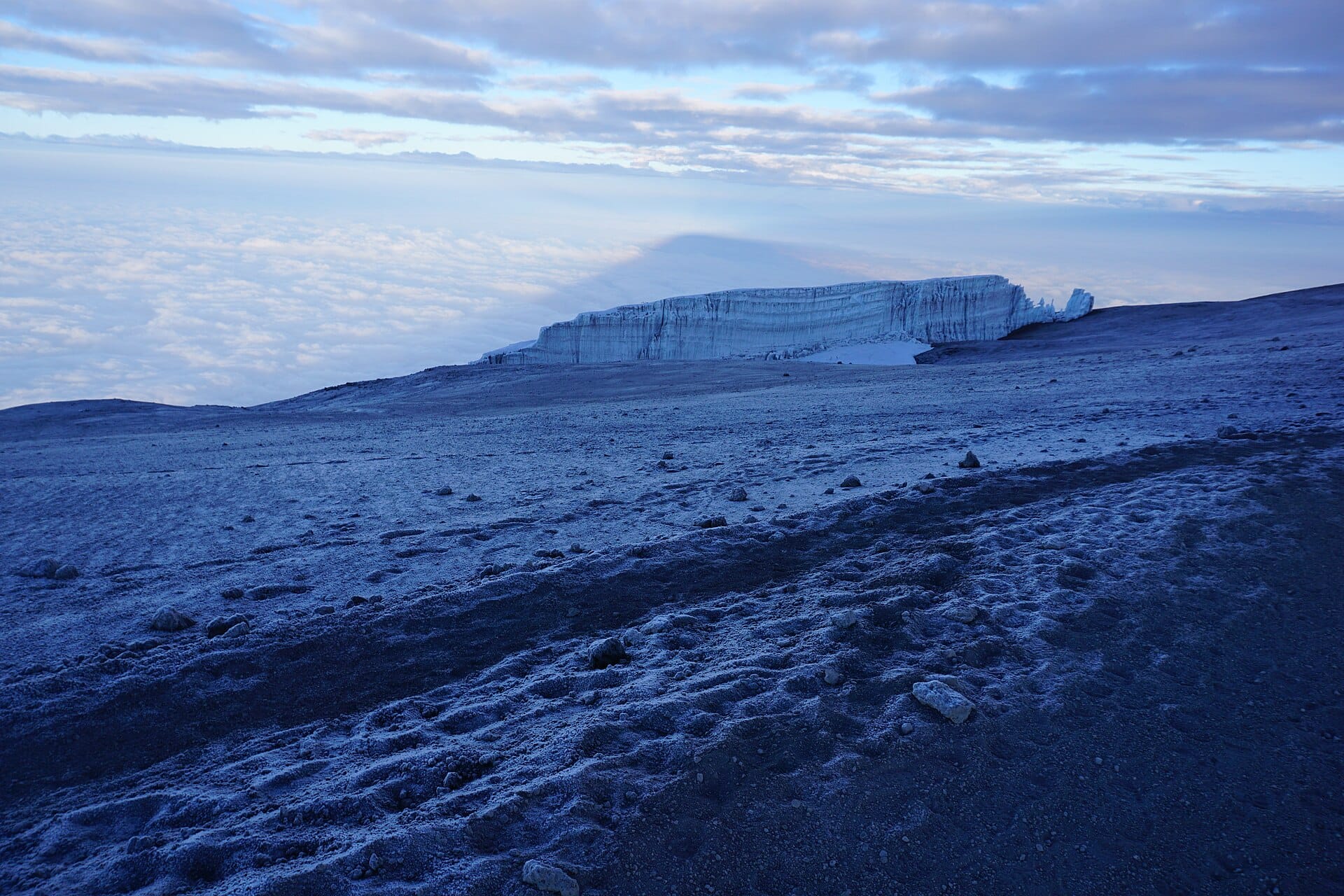
The mountain stands alone above the plains of northern Tanzania, a dormant volcano of 5,895 metres with a flat glaciated crown visible from a hundred kilometres away. Climbing it means walking up through five distinct zones in under a week, from dripping rainforest to moorland to a high desert of scree and lava, and then a slow ascent through the night to reach the crater rim at dawn.
Climbs are sold as packages with guides, porters and cooks, which is a legal requirement rather than an indulgence. Route choice matters more than fitness, and itineraries of eight or nine days acclimatise far better than short ones. Most people add a few days of safari in the Serengeti or Ngorongoro, or a week on Zanzibar afterwards. The dry windows run January to March and June to October.
- Ideal stay
- 7-9 days on the mountain
- The vibe
- Slow, cold, single-minded
From our guides
No ropes, no crampons, just five to nine days through rainforest, moorland and alpine desert to a summit-night push under head torches. Altitude is the only real opponent, so book the longer Lemosho or Machame routes; the extra days of acclimatisation dramatically improve your odds of standing at Uhuru Peak grinning. January to March and June to October are the dry, climbable windows.
Featured in Ten treks for your first big summit or base camp
Things to do
-
Uhuru Peak
The summit sign on the crater rim, reached at first light after a night of walking. The glaciers alongside it are shrinking visibly decade by decade.
-
Lemosho route
The longest and quietest of the main approaches, coming in from the west through forest and across the Shira plateau over eight days or so.
-
Barranco Wall
A scramble of a few hundred metres on the Machame and Lemosho routes. Hands are needed but no ropes, and it looks far worse from below than it is.
-
The rainforest zone
The first day climbs through moss, tree ferns and colobus monkeys, usually in rain. Everything above it is drier and barer.
-
Shira Plateau
A high, open remnant of an older crater at around 3,800 metres, with the summit ahead of you and cloud sitting below.
-
Moshi and Marangu
The towns at the foot of the mountain are where trips begin and end, with coffee farms, waterfalls and the first cold beer in a week.
Getting there
-
Fly to
Arusha (JRO)
Nearest airport to Kilimanjaro, about 55km away as the crow flies.
-
Then
To Moshi
Most climbers fly into Kilimanjaro International (JRO) and transfer about an hour by road to Moshi. From Amboseli's Ol Tukai airstrip (ASV) it is a long cross-border drive, so the Tanzanian airport is the practical option.
-
On the ground
Getting around
Your operator drives you from Moshi to the route gate, an hour or two depending on whether you start at Machame, Lemosho or Marangu. After that it is entirely on foot with guides and porters.
Public transport: Buses and shared minibuses run between Moshi and Arusha, but park transfers are handled by your climbing company.
Flights
Los Angeles Kilimanjaro, Tanzania
Fly from anywhere — search 4,000+ airports worldwide.
Roughly 19h 20m in the air from Los Angeles (LAX), estimated from the distance — check for a direct route. Pick a month to see every available flight with live prices.
Check dates and prices
Pick your departure date, then your return.
Search flightsNot sure when? Compare fares across a whole month.
Flight times are estimates; prices open on Google Flights.
When to go
Daytime highs run from about 7°C in July to 9°C in March. Driest in February; wettest in December, with rain on about 28 days.
The year at a glance — pick a month for detail
January9° · rain 22 daysCold and often wet.
Monthly figures averaged from daily records for 2020–2024 at this location (ERA5 reanalysis). Live conditions from MET Norway, CC BY 4.0.
Where to stay
Trekking lodges and guesthouses in Moshi, garden lodges on the lower slopes and a spread of hotels in Arusha. Many operators include the first and last nights in the price.
-
Best base overall
Moshi
The climbers' town, sitting directly beneath the mountain with the trekking outfitters, gear shops and coffee houses all in walking distance. Views of the summit come and go with the cloud.
Find stays in Moshi -
Closest to the sights
Machame village
Lodges on the forested slopes right by the Machame gate, which shortens the drive on day one and helps you sleep at altitude first. There is little to do beyond walk and wait.
Find stays in Machame village -
Quietest
Marangu
Green, cool and full of waterfalls on the mountain's eastern flank, with old garden lodges used by climbers on the hut route. It is a long way from Moshi's restaurants and nightlife.
Find stays in Marangu -
Best with children
Arusha
More choice of lodges with pools and gardens, and the obvious launchpad for safari when only part of the family is climbing. It is well over an hour from the Kilimanjaro gates.
Find stays in Arusha
Worth knowing before you book: Beds in Moshi are scarce over the January and August climbing peaks. Check whether your climb package already covers the nights either side before booking anything separately.
Search everything else in Moshi by budget. These are indicative budget bands in GBP per night for two people, not live quotes or guarantees of hotel type. Check your dates, guests, taxes and final price on Booking.com.
Good to know
- Altitude
- Nearly every failure is altitude, not fitness. Walk slowly, drink several litres a day and be honest with your guide about headaches.
- Route choice
- Pay for the extra days. Seven nights or more on Lemosho or Machame gives far better odds than a five-day climb.
- Pack this
- Layers for tropical rain and for well below freezing on summit night, broken-in boots, a warm sleeping bag and a head torch with spare batteries.
- Tipping
- Crew tips are a substantial and expected part of the cost, pooled at the end of the climb. Bring the cash with you in small notes.
- Timing
- January to March is warmer and quieter, June to October drier and busier. Avoid the long rains of April and May.
Further afield
Related articles
Quick answers
When is the best time to visit Kilimanjaro?
Daytime highs run from about 7°C in July to 9°C in March. Driest in February; wettest in December, with rain on about 28 days.
How long should I spend in Kilimanjaro?
Our suggestion: 7-9 days on the mountain.
How do I get to Kilimanjaro?
Most climbers fly into Kilimanjaro International (JRO) and transfer about an hour by road to Moshi. From Amboseli's Ol Tukai airstrip (ASV) it is a long cross-border drive, so the Tanzanian airport is the practical option.
Do I need a car in Kilimanjaro?
No. Buses and shared minibuses run between Moshi and Arusha, but park transfers are handled by your climbing company.
What currency and language are used in Kilimanjaro?
Currency: Tanzanian shilling (TZS). Language: Swahili and English. Plugs: type D and G.
Who is Kilimanjaro best for?
Best for adventure seekers, walkers & hikers and solo travellers. In a phrase: slow, cold, single-minded.