
Interlaken
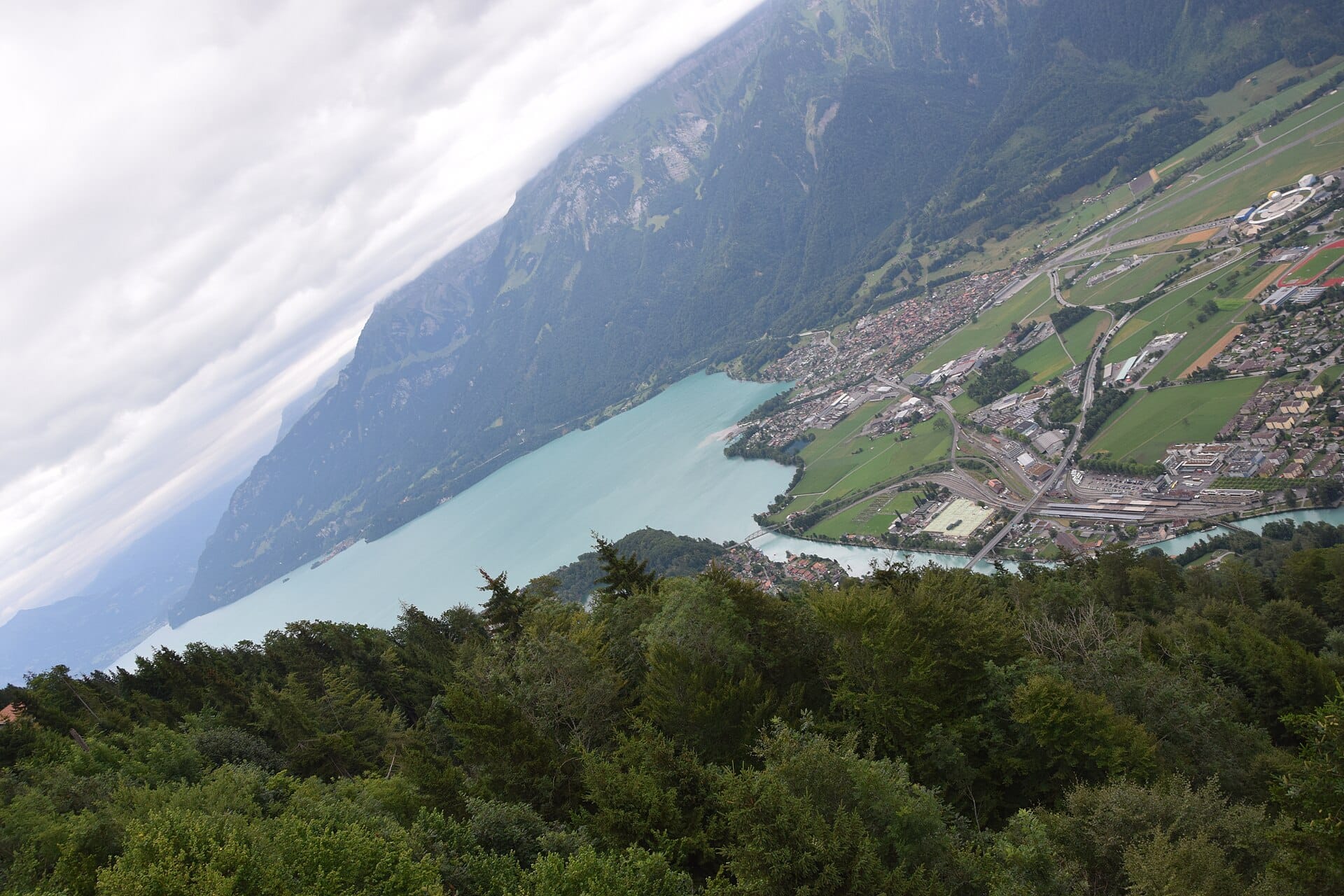
Interlaken sits between two lakes — turquoise Thun and greener Brienz — with the Eiger, Mönch and Jungfrau filling the gap in the skyline.
- Best forWalkers & hikers · Adventure seekers · Photographers
- In October17°C · 15 rainy days
- Ideal stay4 nights
- Approx. flying time~11h 55m from Los Angeles
- CurrencyCHFSwiss franc
- LanguageGerman, French, Italian and Romansh
- Local time11:291h ahead of the UK
- PlugsType C / JBring an adapter
- Drive on theRightOpposite to the UK
- Dialling code+41
Why go
Wedged between two lakes of different colours, with the Eiger, Mönch and Jungfrau filling the gap in the skyline, this is a transport hub that happens to sit in one of Europe's great mountain landscapes. The town itself is workmanlike, full of watch shops and hostels, and its purpose is to launch you elsewhere: up cog railways, along lake steamers, into the Lauterbrunnen valley or off a cliff under a paraglider.
Four nights lets you get up two or three mountains and still have a weather day in reserve, which you will probably need. Summer brings wildflowers, waterfalls in full flow and long daylight; winter turns the high villages into ski resorts. Everything is expensive, so a regional travel pass and a supermarket picnic habit make a real difference. Check the summit webcams before spending money on a cloudy view.
- Ideal stay
- 4 nights
- The vibe
- Two lakes, three peaks, constant motion
From our guides
The town itself is functional rather than pretty; its genius is position. Use the excellent boats and trains to reach Giessbach falls, Iseltwald and the high villages, and take the funicular up Harder Kulm for the two-lakes panorama. A regional travel pass pays for itself within two days.
Featured in Ten lake-and-mountain towns for a perfect summer week
Things to do
-
Harder Kulm
A funicular climbs to a viewing platform hanging over the town, with Lake Thun on one side, Lake Brienz on the other and the big three peaks opposite.
-
Lauterbrunnen valley
A flat-bottomed trench between vertical walls with seventy-two waterfalls, the tallest dropping almost 300 metres beside the village. Cycle or walk the valley floor.
-
Schynige Platte
An old cog railway grinds up to a ridge with an alpine botanical garden and a panorama trail. Slower, quieter and cheaper than the famous high railway.
-
Jungfraujoch
Europe's highest railway station, at 3,454 metres, reached by tunnel through the Eiger. Expensive and busy, but the glacier view from the top is the real thing.
-
Lake Brienz boats
Steamers cross to the waterfalls at Giessbach and the tiny lakeside village of Iseltwald, with water an unlikely shade of green the whole way.
-
Schilthorn and Mürren
Cable cars climb from the valley to a car-free village and on to a revolving summit restaurant with a 360-degree panorama and a Bond film connection.
Getting there
-
Fly to
Zurich (ZRH)
Nearest airport to Interlaken, about 101km away as the crow flies.
-
Then
To Interlaken
About an hour by train from Bern (BRN) to Interlaken Ost, or a similar drive. From Zurich or Geneva allow around two and a half to three hours by rail with one change.
-
On the ground
Getting around
The town is flat and walkable between its two stations, and boats on Lake Thun and Lake Brienz reach Giessbach falls and Iseltwald. Trains climb from Interlaken Ost to Lauterbrunnen, Grindelwald and Wengen, and the Harder Kulm funicular leaves from the edge of town.
Public transport: Outstanding, and the reason to stay here. A regional travel pass covering trains, boats and cable cars pays for itself within a couple of days.
Flights
Los Angeles Interlaken, Switzerland
Fly from anywhere — search 4,000+ airports worldwide.
Roughly 11h 55m in the air from Los Angeles (LAX), estimated from the distance — check for a direct route. Pick a month to see every available flight with live prices.
Check dates and prices
Pick your departure date, then your return.
Search flightsNot sure when? Compare fares across a whole month.
Flight times are estimates; prices open on Google Flights.
When to go
Daytime highs run from about 5°C in January to 25°C in July. Driest January to April; wettest in June, with rain on about 20 days.
The year at a glance — pick a month for detail
October17° · rain 15 daysCool and often wet.
Monthly figures averaged from daily records for 2020–2024 at this location (ERA5 reanalysis). Live conditions from MET Norway, CC BY 4.0.
Where to stay
Grand belle epoque hotels on the Hoheweg, mid-range town hotels, chalets and apartments in the villages, and a strong hostel scene serving the adventure-sports crowd.
-
Best base overall
Interlaken centre
Between the two stations, with the Hoheweg hotels, the boats and trains to everywhere, and the Harder Kulm funicular. The town is functional and coach-heavy rather than pretty.
Find stays in Interlaken centre -
Best value
Wilderswil
One stop south, a proper village with cheaper rooms and the Schynige Platte line starting there. It is quiet in the evening and you will hop on a train for dinner options.
Find stays in Wilderswil -
Quietest
Unterseen
The old town across the Aare, a few minutes on foot from the centre but far calmer, with a genuine village square. Fewer beds here, so it needs booking early.
Find stays in Unterseen -
Closest to the sights
Lauterbrunnen
In the waterfall valley, twenty minutes by train and the gateway to Wengen, Murren and the high routes. Day-tripper traffic is heavy and the valley loses the sun early.
Find stays in Lauterbrunnen
Worth knowing before you book: Work out which regional pass or Jungfrau travel pass suits your days before booking, as it changes what a base is worth. Summer weekends go fast.
Search everything else in Interlaken by budget. These are indicative budget bands in GBP per night for two people, not live quotes or guarantees of hotel type. Check your dates, guests, taxes and final price on Booking.com.
Good to know
- Travel pass
- A regional pass covering trains, boats, buses and discounted mountain railways usually pays for itself within two days of active sightseeing.
- Weather first
- Summit webcams are published for every major viewpoint. Never buy a high-mountain ticket without checking one; cloud makes the whole exercise pointless.
- Costs
- Mountain railways are among the most expensive in the Alps. Picking two, and using cheaper funiculars for the rest, keeps the trip sane.
- Where to sleep
- Staying up in Wengen, Mürren or Grindelwald buys mountain views and quiet evenings; Interlaken buys convenience and cheaper food. Both are defensible.
- Altitude
- The high station stands above 3,400 metres, and some visitors feel light-headed. Move slowly at the top and drink plenty of water.
Similar places
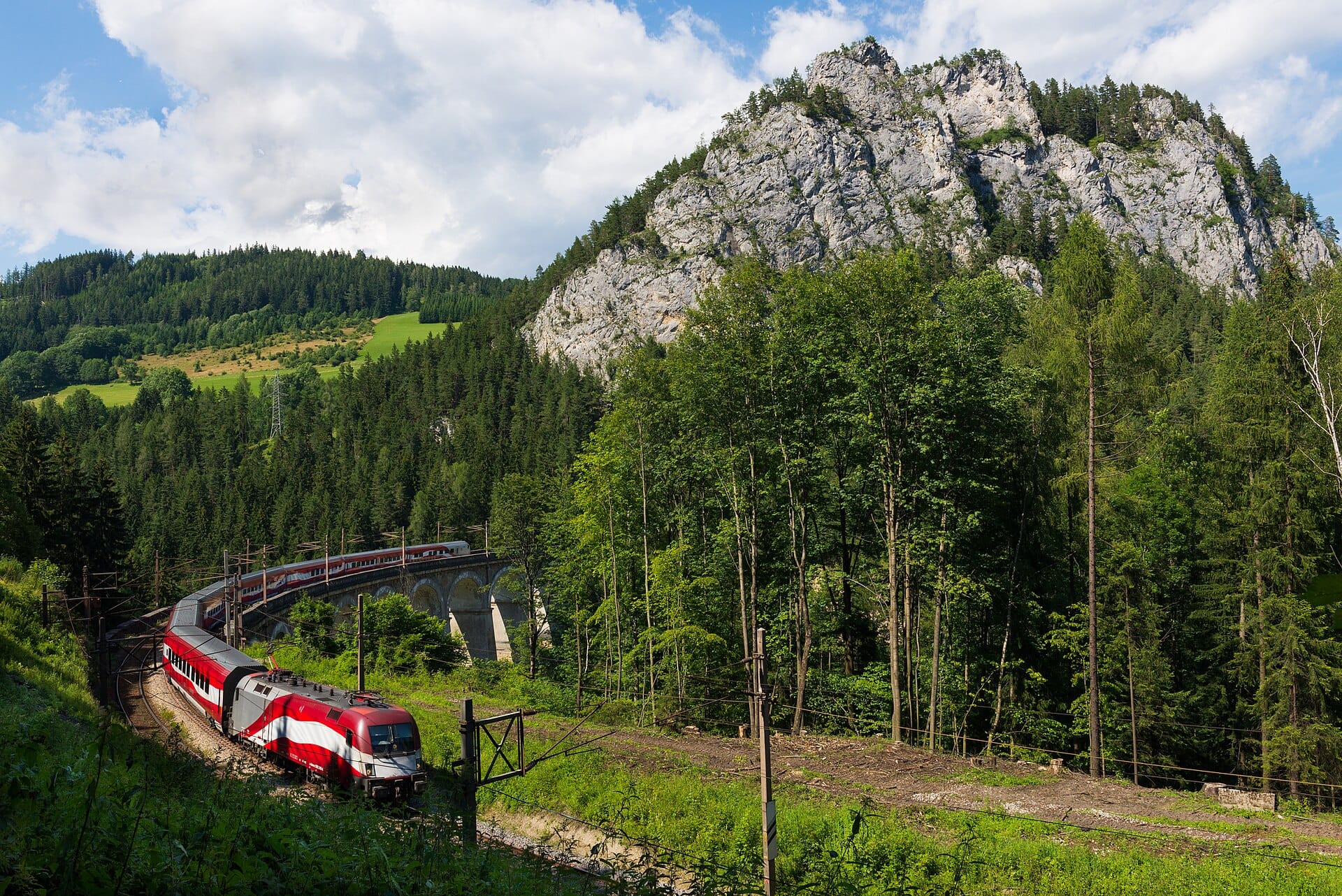
Semmering Railway
AustriaAlso for walkers & hikers and photographers · 14°C in October (17°C here) · cheaper to stay
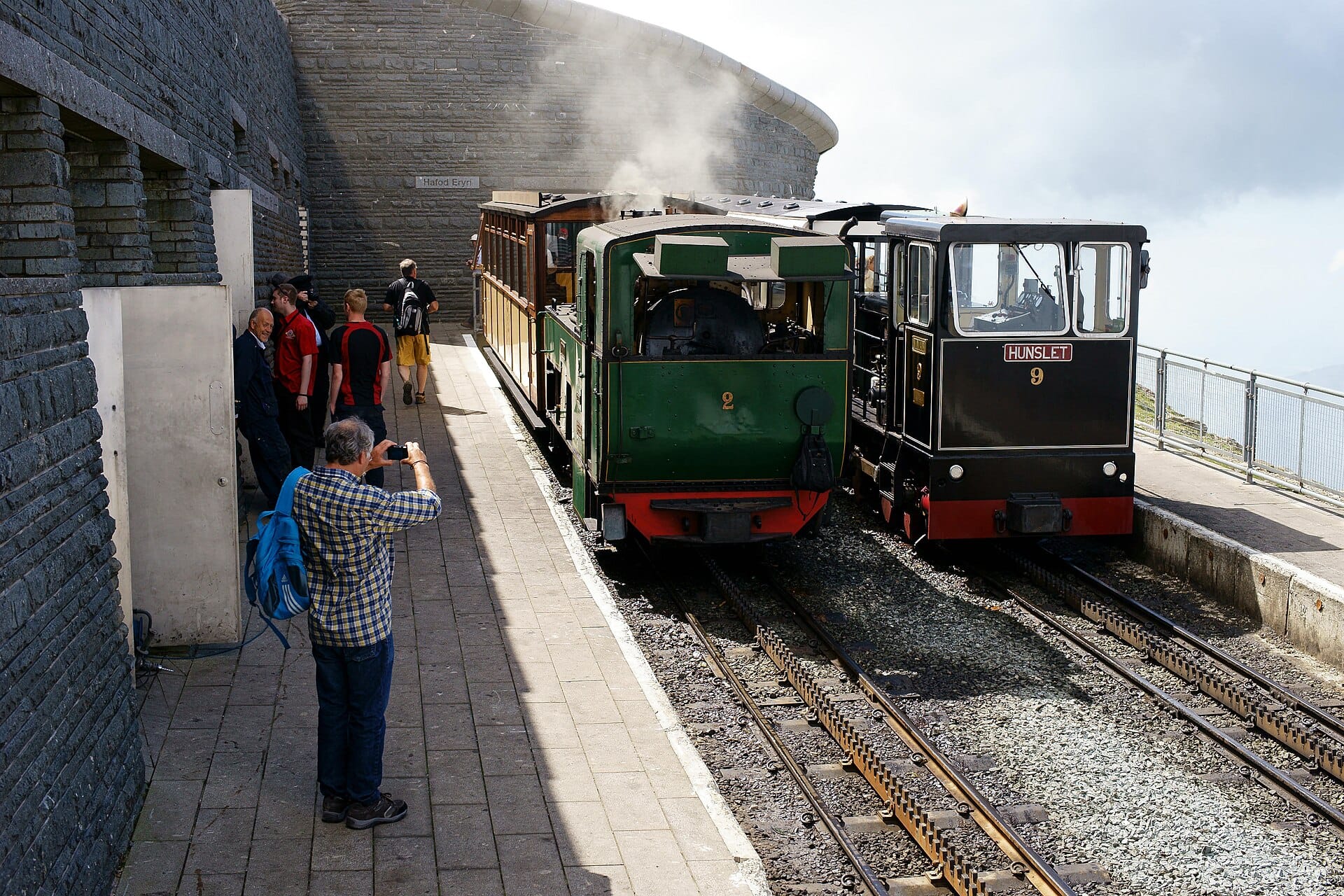
Snowdon Mountain Railway
WalesAlso for walkers & hikers and photographers · 14°C in October (17°C here) · cheaper to stay
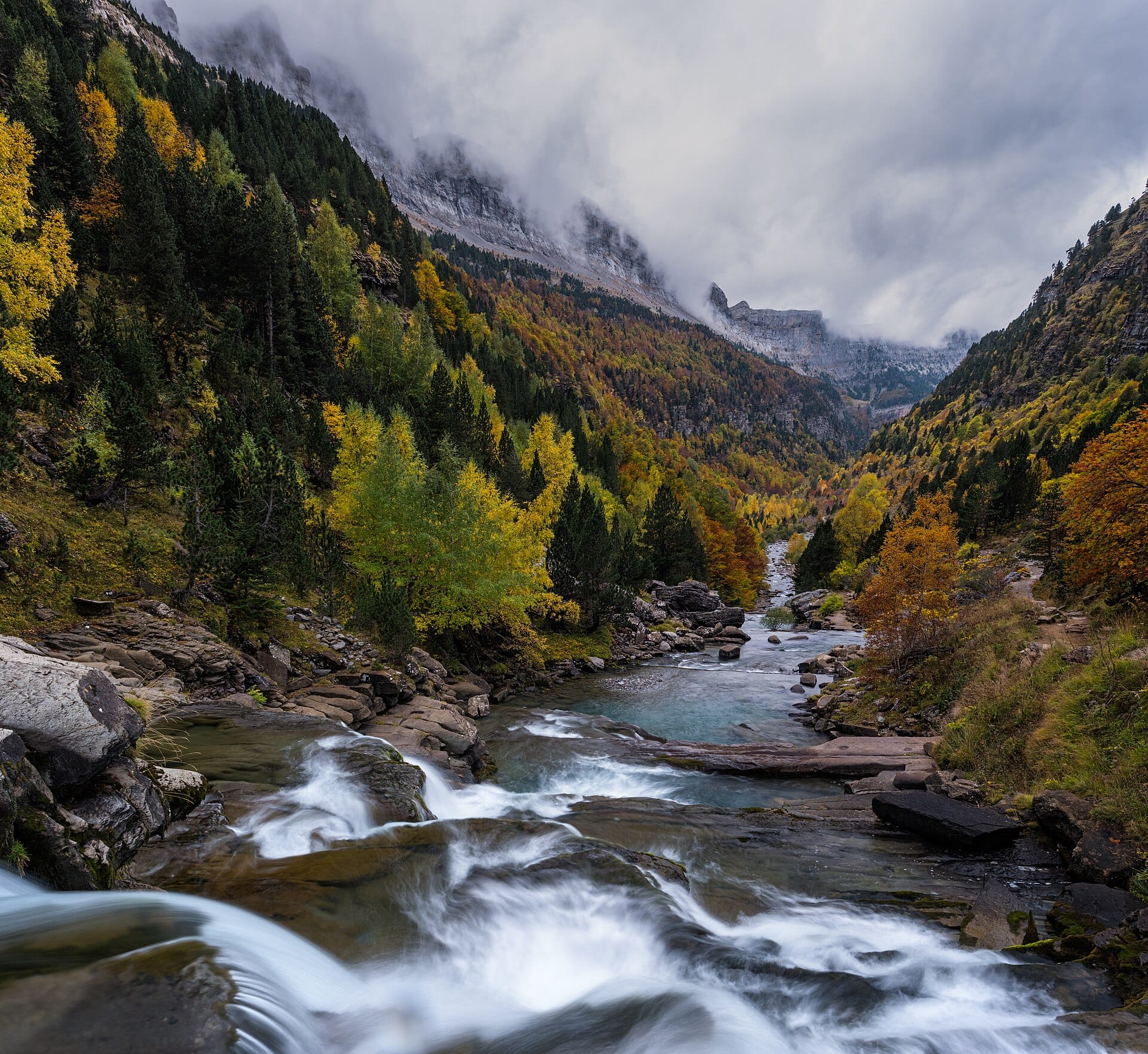
Ordesa y Monte Perdido
SpainAlso for walkers & hikers and photographers · 11°C in October (17°C here) · cheaper to stay
Nearby destinations
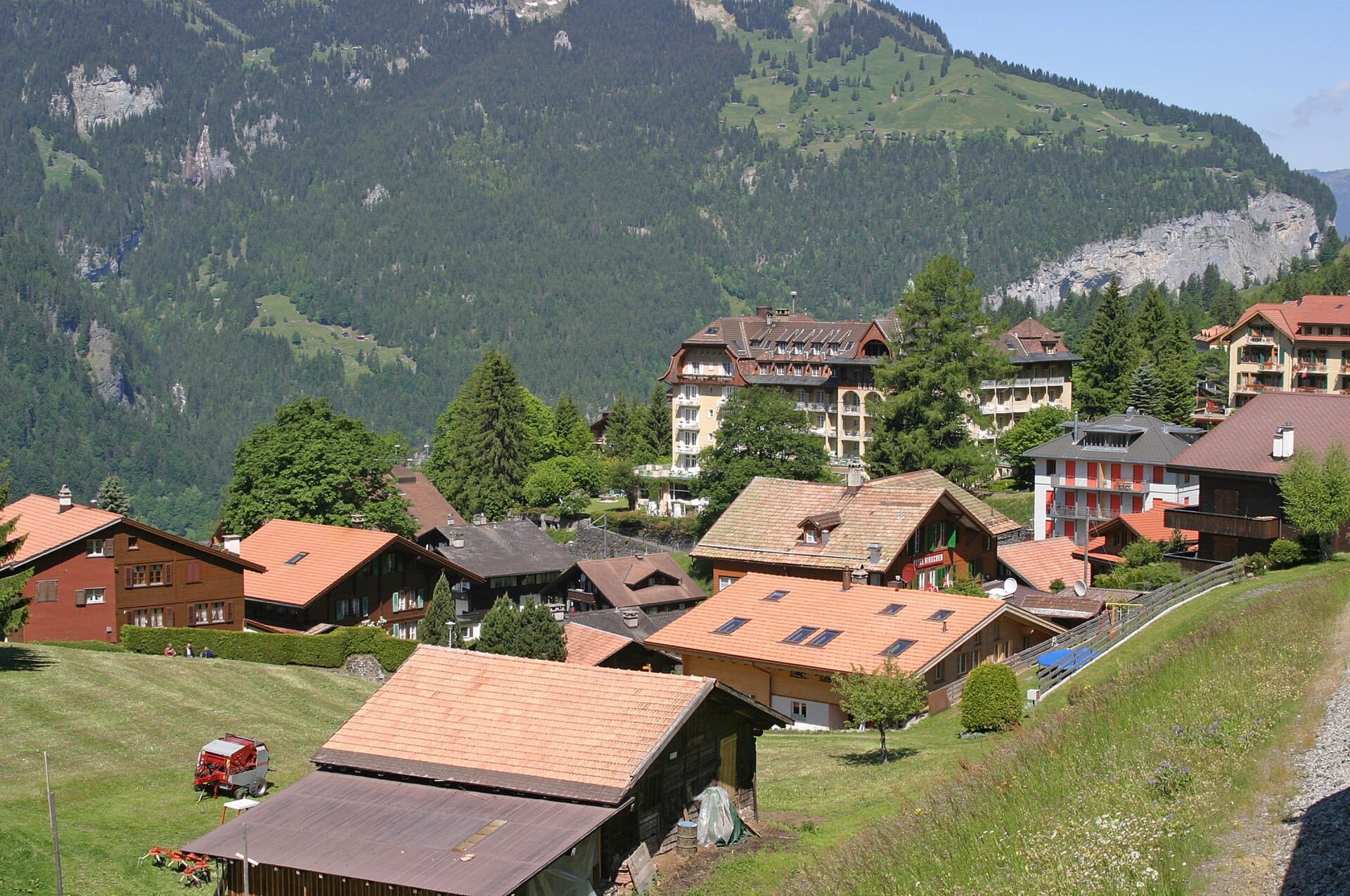
Wengen
Switzerland · 10km away →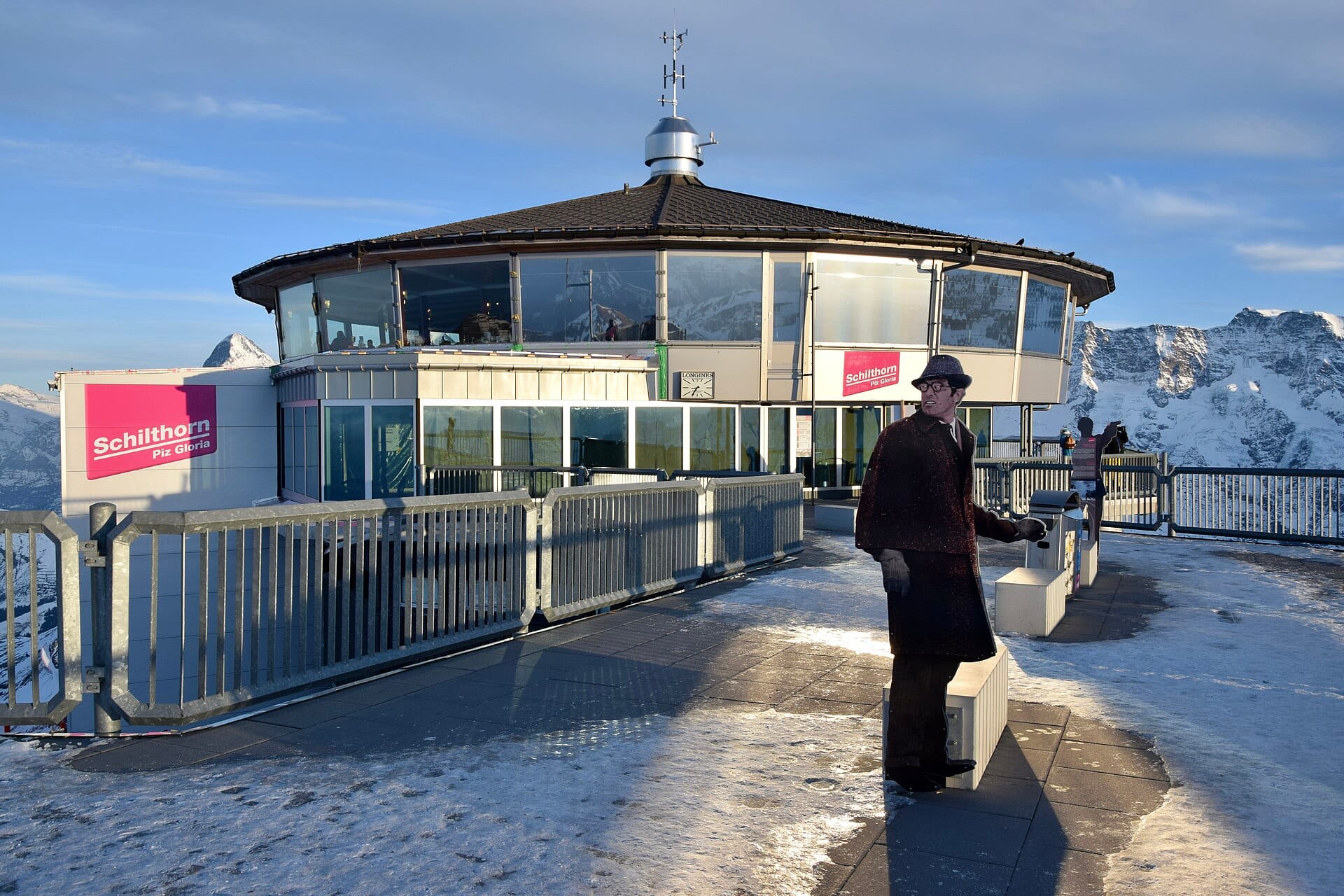
Schilthorn
Switzerland · 14km away →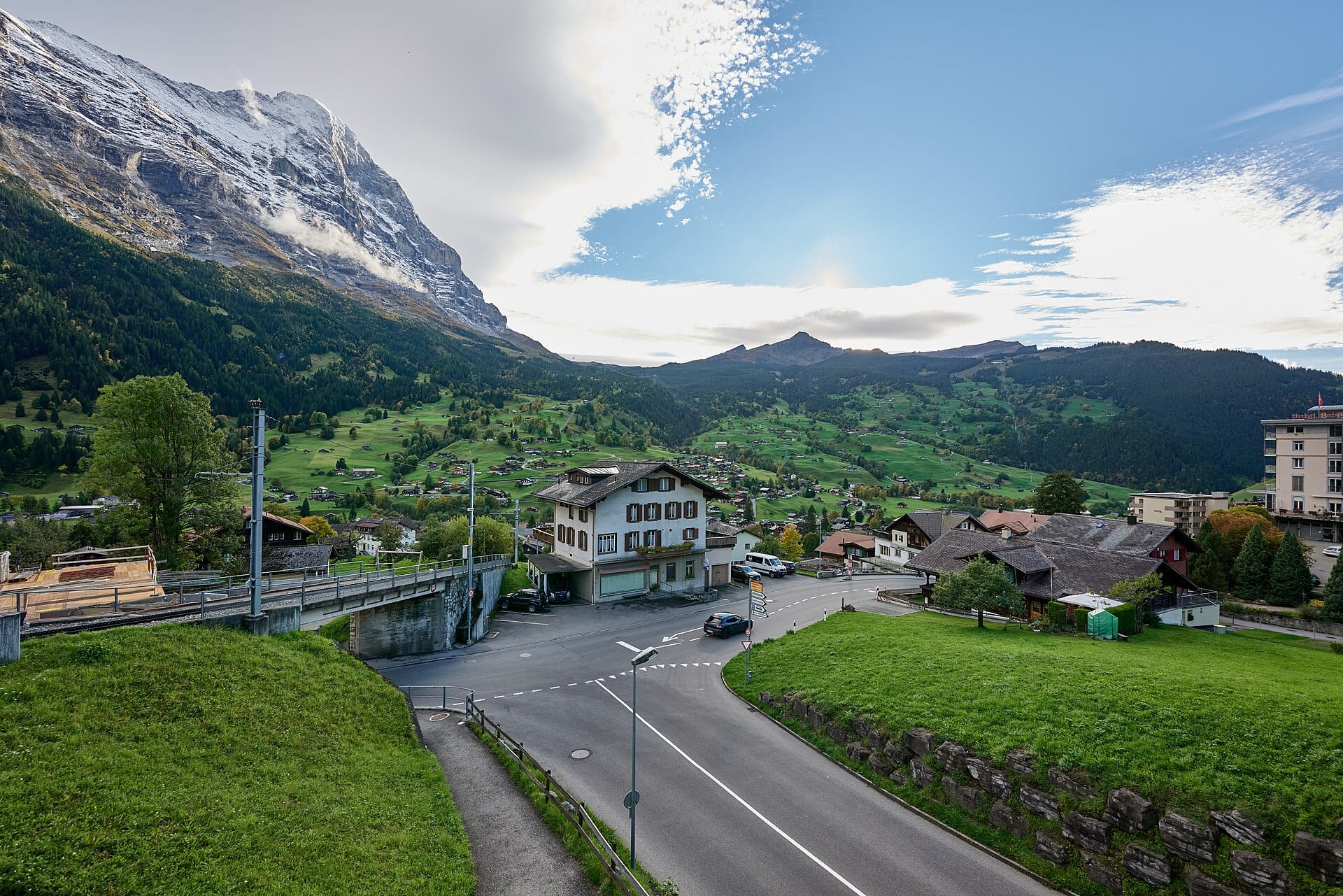
Grindelwald
Switzerland · 15km away →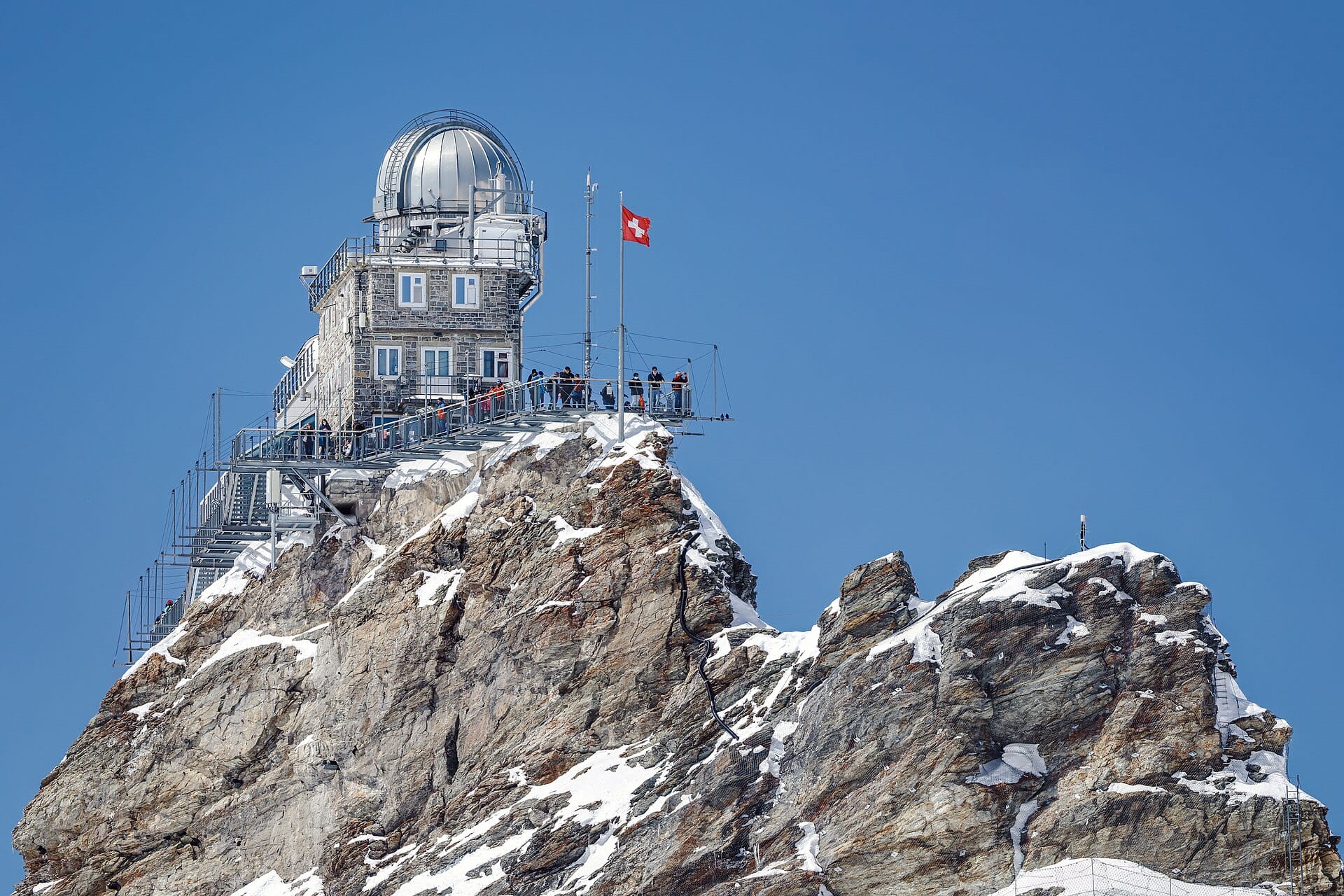
Jungfraujoch railway
Switzerland · 18km away →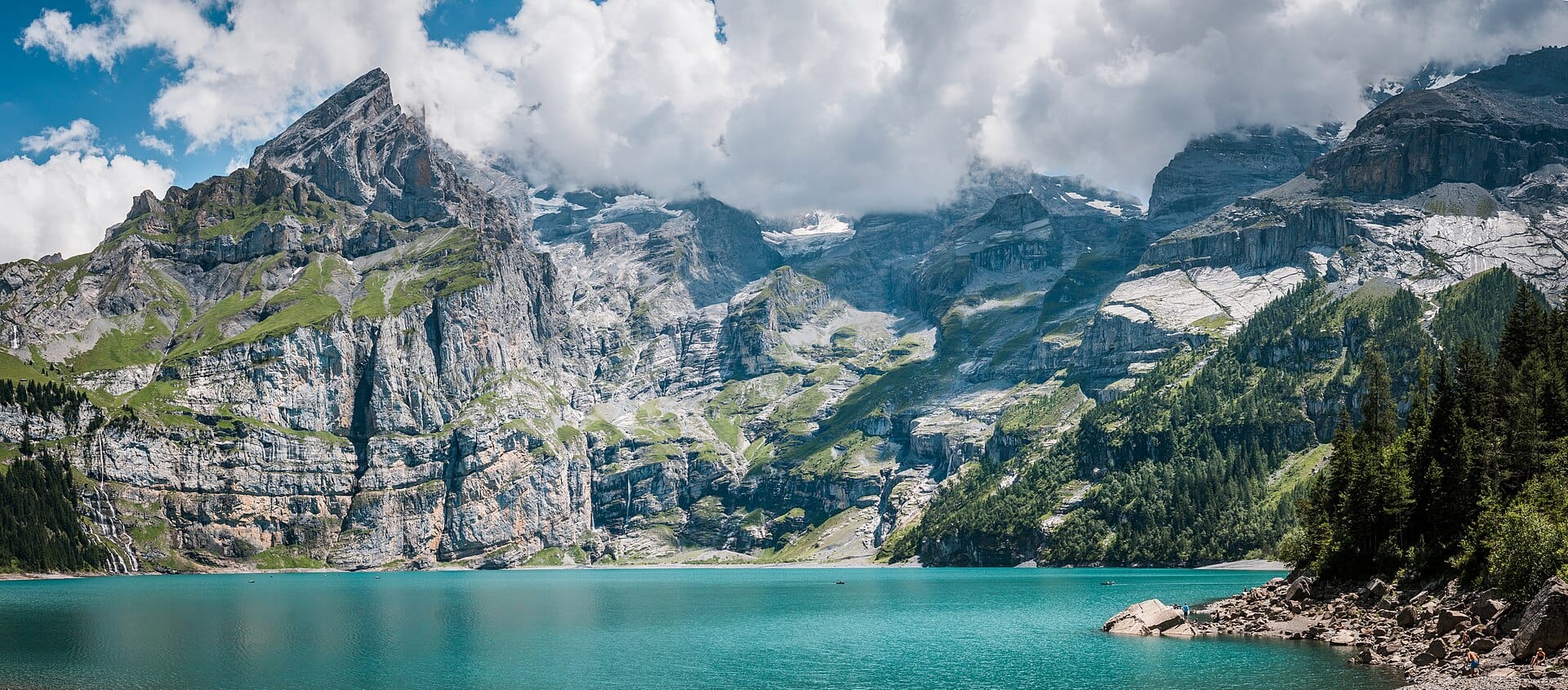
Oeschinensee
Switzerland · 23km away →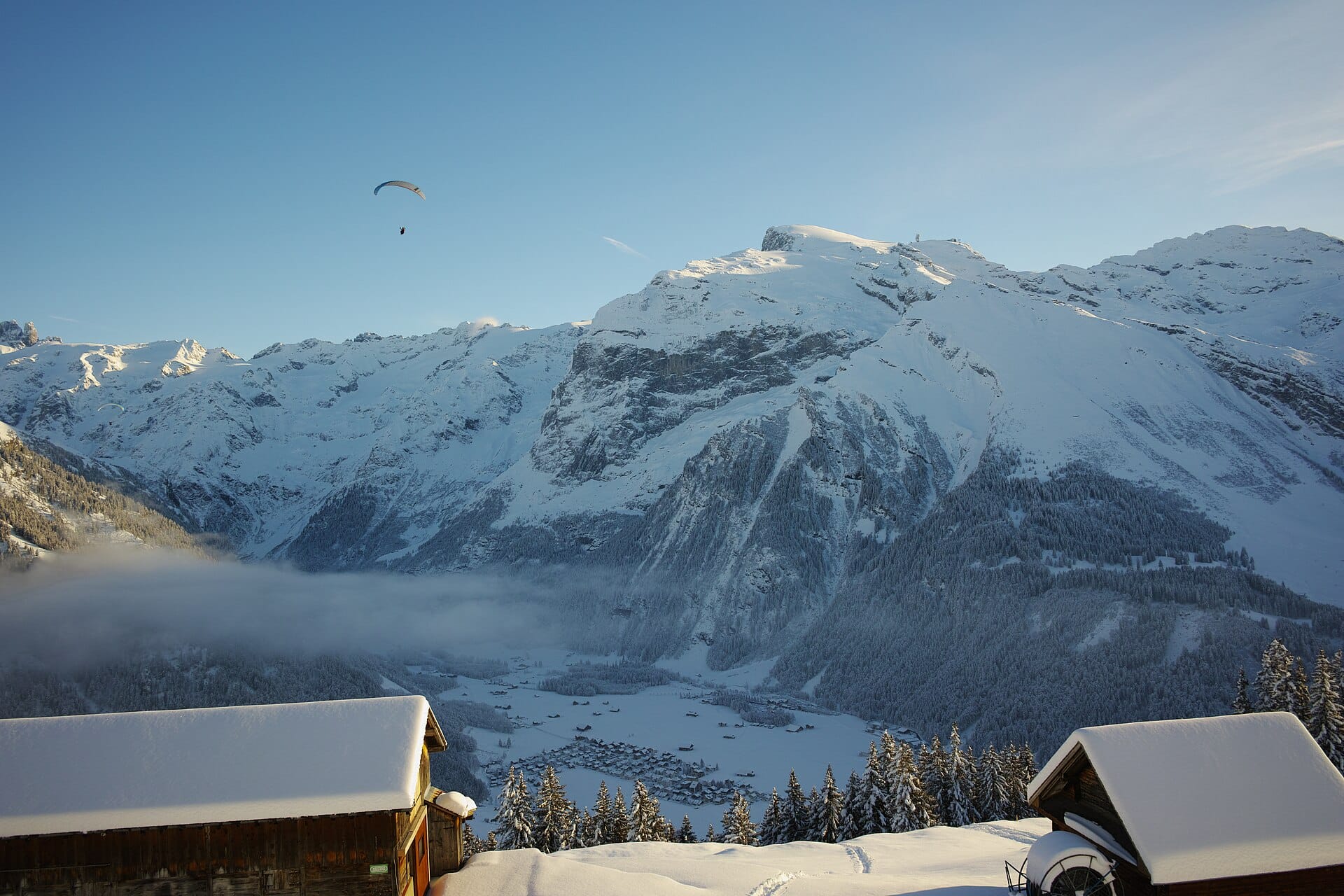
Mount Titlis
Engelberg, Switzerland · 44km away →Elsewhere in Switzerland
Related articles
Quick answers
When is the best time to visit Interlaken?
Daytime highs run from about 5°C in January to 25°C in July. Driest January to April; wettest in June, with rain on about 20 days.
How long should I spend in Interlaken?
Our suggestion: 4 nights.
How do I get to Interlaken?
About an hour by train from Bern (BRN) to Interlaken Ost, or a similar drive. From Zurich or Geneva allow around two and a half to three hours by rail with one change.
Do I need a car in Interlaken?
No. Outstanding, and the reason to stay here. A regional travel pass covering trains, boats and cable cars pays for itself within a couple of days.
What currency and language are used in Interlaken?
Currency: Swiss franc (CHF). Language: German, French, Italian and Romansh. Plugs: type C and J.
Who is Interlaken best for?
Best for walkers & hikers, adventure seekers and photographers. In a phrase: two lakes, three peaks, constant motion.