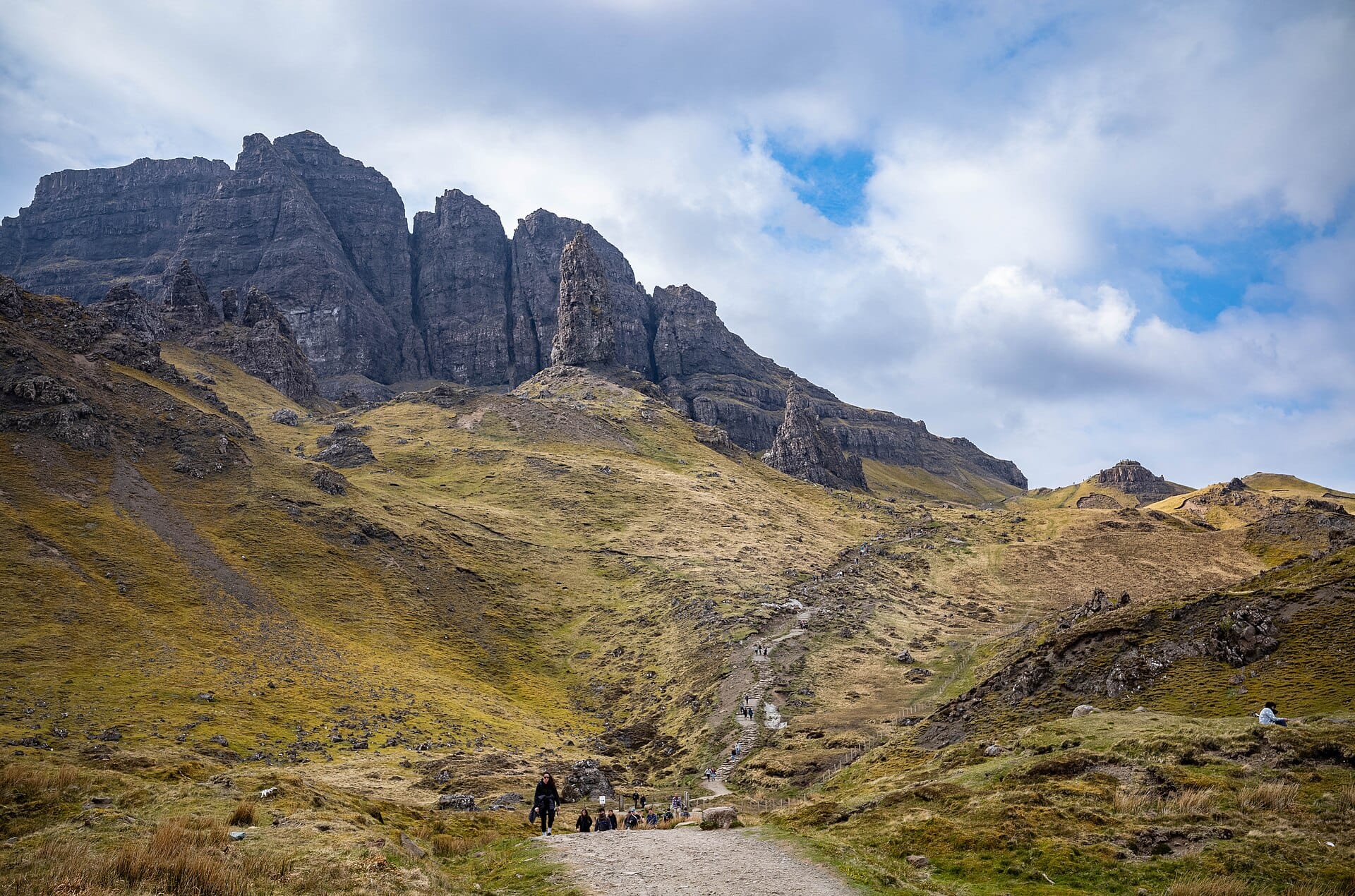
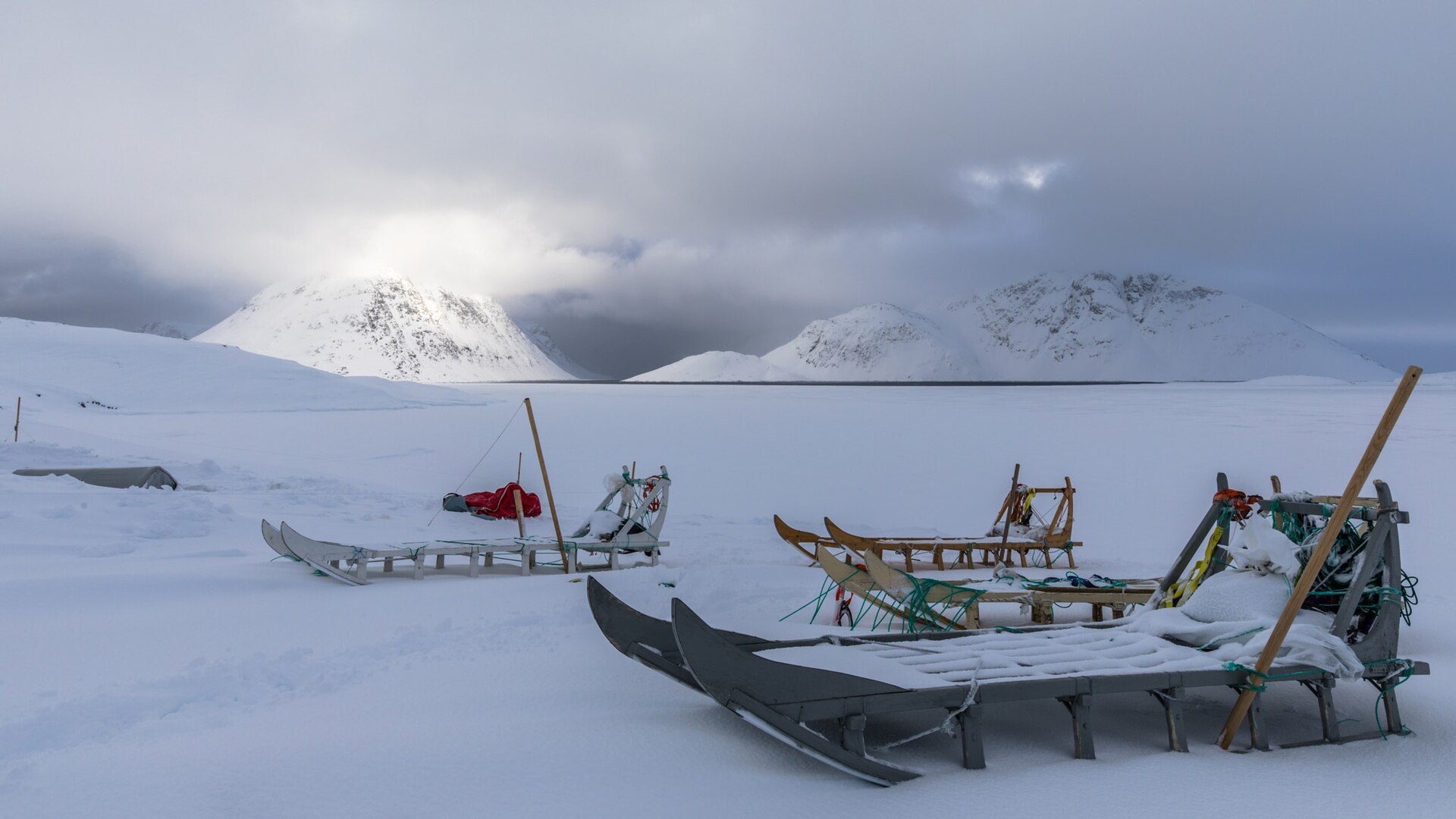
Ice caves under Vatnajökull
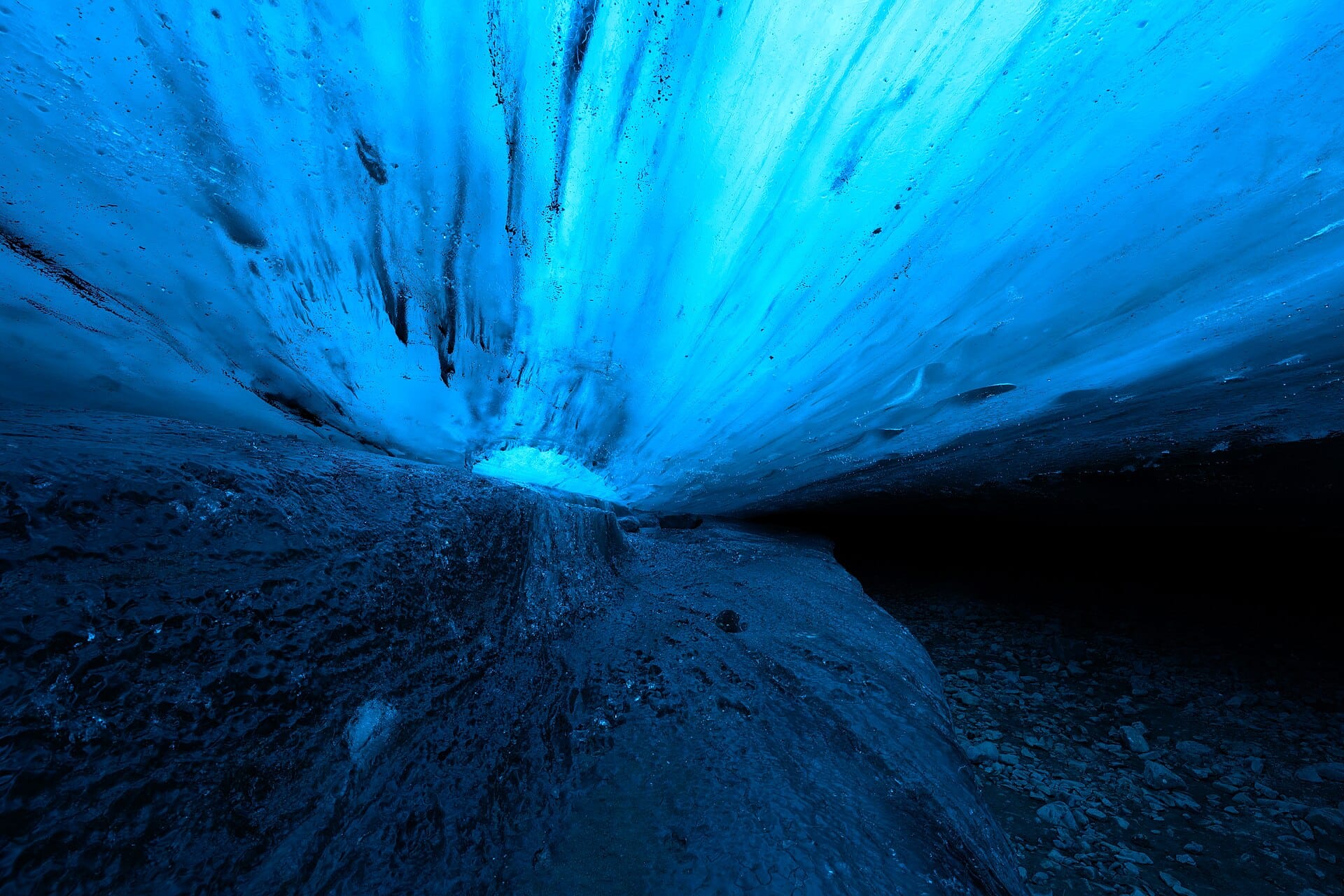
Each autumn, meltwater carves new caves beneath Europe's largest glacier, and from November to March guides lead small groups inside — cathedral spaces of rippled, glassy ice glowing an implausible sapphire blue.
- Best forAdventure seekers · Photographers · Couples
- In October-3°C · 21 rainy days
- Ideal stay2 nights on the south coast
- Approx. flying time~8h 50m from Los Angeles
Happens around Vatnajökull, Iceland — nearest airport Reykjavík (KEF), about 278km away.
- CurrencyISKIcelandic króna
- LanguageIcelandic
- Local time20:111h behind the UK
- PlugsType C / FBring an adapter
- Drive on theRightOpposite to the UK
- Dialling code+354
The experience
Meltwater carves tunnels through the base of Europe's largest ice cap each summer, and once winter freezes them solid, guides lead small groups inside. The ice is compressed, ancient and almost free of air bubbles, which is why it glows an improbable blue where daylight filters through. Every cave is new each year and none survives, so what you see is genuinely temporary. The walking involved is short and manageable.
Trips run from around November to March and depart from the glacier lagoon area on the south coast, roughly five hours from Reykjavik along the ring road. Give the region two nights rather than attempting a day trip, and pair the cave with icebergs on the lagoon and the black sand beach where they wash up. Weather cancels tours without much notice, so build slack into the itinerary.
- Ideal stay
- 2 nights on the south coast
- The vibe
- Blue, cold, geologically humbling
From our guides
Every cave is different every year, which is half the romance. Tours run from the Jökulsárlón glacier lagoon in super-jeeps; crampons and helmets are provided and the walking is short and manageable. Book a morning slot for the best light, and pair it with iceberg-spotting on the lagoon.
Featured in Ten winter adventures beyond the ski piste
Make a trip of it
-
The blue ice chambers
Rippled walls and ceilings of clear glacial ice, sculpted by running water and lit from outside. Photographs undersell the colour rather than exaggerating it.
-
Jökulsárlón lagoon
Icebergs calved from the glacier drift across a deep lagoon towards the sea, with seals among them. Boat trips run in summer, and the shore walk works year round.
-
Diamond Beach
Blocks of ice wash back onto black volcanic sand opposite the lagoon, catching low winter light. It sits directly across the road.
-
Super-jeep approach
Most tours cross rough moraine in modified vehicles, which is an enjoyable part of the day and the only way to reach the cave entrances.
-
Skaftafell
The old national park area on the glacier's southern edge has marked trails, a waterfall framed by basalt columns and views up to Iceland's highest peaks.
Getting there
-
Fly to
Reykjavík (KEF)
Nearest airport to Vatnajökull, about 278km away as the crow flies.
-
Then
To Hofn
Hofn's small airport (HFN) has flights from Reykjavik and is minutes from the town. Most visitors instead drive the ring road from Keflavik, about six hours, or base themselves nearer the glacier lagoon around Hnappavellir.
-
On the ground
Getting around
Tours depart from the Jokulsarlon glacier lagoon car park, around an hour west of Hofn, and go on from there by super-jeep. The walking inside the caves is short, and crampons and helmets are provided.
Public transport: A scheduled bus runs along the south coast in summer but is close to useless in the ice-cave season of November to March. Tour operators will collect from nearby hotels.
Flights
Los Angeles Vatnajökull, Iceland
Fly from anywhere — search 4,000+ airports worldwide.
Roughly 8h 50m in the air from Los Angeles (LAX), estimated from the distance — check for a direct route. Pick a month to see every available flight with live prices.
Check dates and prices
Pick your departure date, then your return.
Search flightsNot sure when? Compare fares across a whole month.
Flight times are estimates; prices open on Google Flights.
When to go
Daytime highs run from about -8°C in December to 3°C in July. Driest in July and August; wettest in November, with rain on about 24 days.
The year at a glance — pick a month for detail
October-3° · rain 21 daysCold and often wet.
Monthly figures averaged from daily records for 2020–2024 at this location (ERA5 reanalysis). Live conditions from MET Norway, CC BY 4.0.
Where to base yourself
Farm guesthouses, small country hotels and self-catering cottages strung along the ring road, plus a few chain-style hotels in Hofn. No resorts and very few rooms overall.
-
Best base overall
Hofn
The largest town in the south-east, with hotels, restaurants and the langoustine, and tours that will collect you. It sits over an hour east of the glacier lagoon, so mornings start in the dark.
Find stays in Hofn -
Closest to the sights
Hali and the farms near Jokulsarlon
A scatter of guesthouses along the ring road within twenty minutes of the lagoon, which makes an early super-jeep departure painless. There is essentially nothing to do in the evening.
Find stays in Hali and the farms near Jokulsarlon -
Best with children
Freysnes and Skaftafell
Beside the national park, with short waymarked walks, a visitor centre and one of the few larger hotels on this coast. Beds are limited and book out a long way ahead.
Find stays in Freysnes and Skaftafell -
Best value
Kirkjubaejarklaustur
Further west, guesthouses here cost noticeably less and it works if you are driving from Reykjavik. Add a good hour each way to the lagoon on winter roads.
Find stays in Kirkjubaejarklaustur
Worth knowing before you book: Beds between Vik and Hofn are scarce in cave season, so book accommodation and the tour together. Winter storms close the road, so leave a spare day.
Search everything else in Hofn by budget. These are indicative budget bands in GBP per night for two people, not live quotes or guarantees of hotel type. Check your dates, guests, taxes and final price on Booking.com.
Good to know
- Guides only
- Never enter a glacier or an ice cave without a qualified guide. Conditions change daily and collapses happen; this is not a place for independent exploration.
- Season
- Caves are only safe once winter has frozen them, roughly November to March. Outside that period, operators run other glacier options instead.
- What to wear
- Waterproof trousers and jacket, warm layers and sturdy boots that take crampons. Helmets and crampons are supplied; jeans and trainers are refused.
- Driving
- The south coast road can close in storms and winter driving demands care. Check road and weather services each morning and never underestimate the wind.
- Timing
- Book a mid-morning departure in deep winter, when daylight is short, so there is enough light entering the cave to show the colour.
Nearby destinations
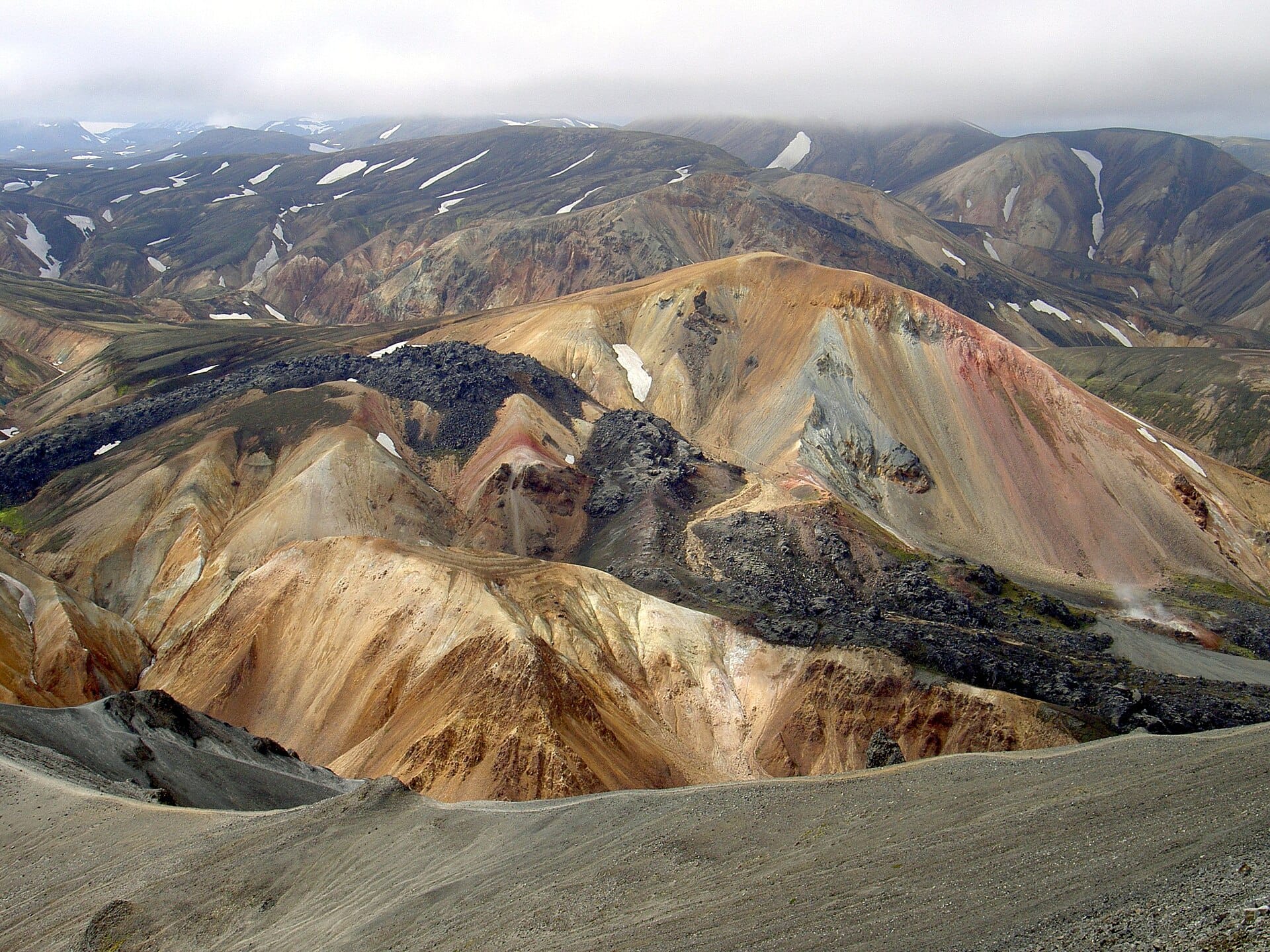
The Laugavegur trail
Iceland · 112km away →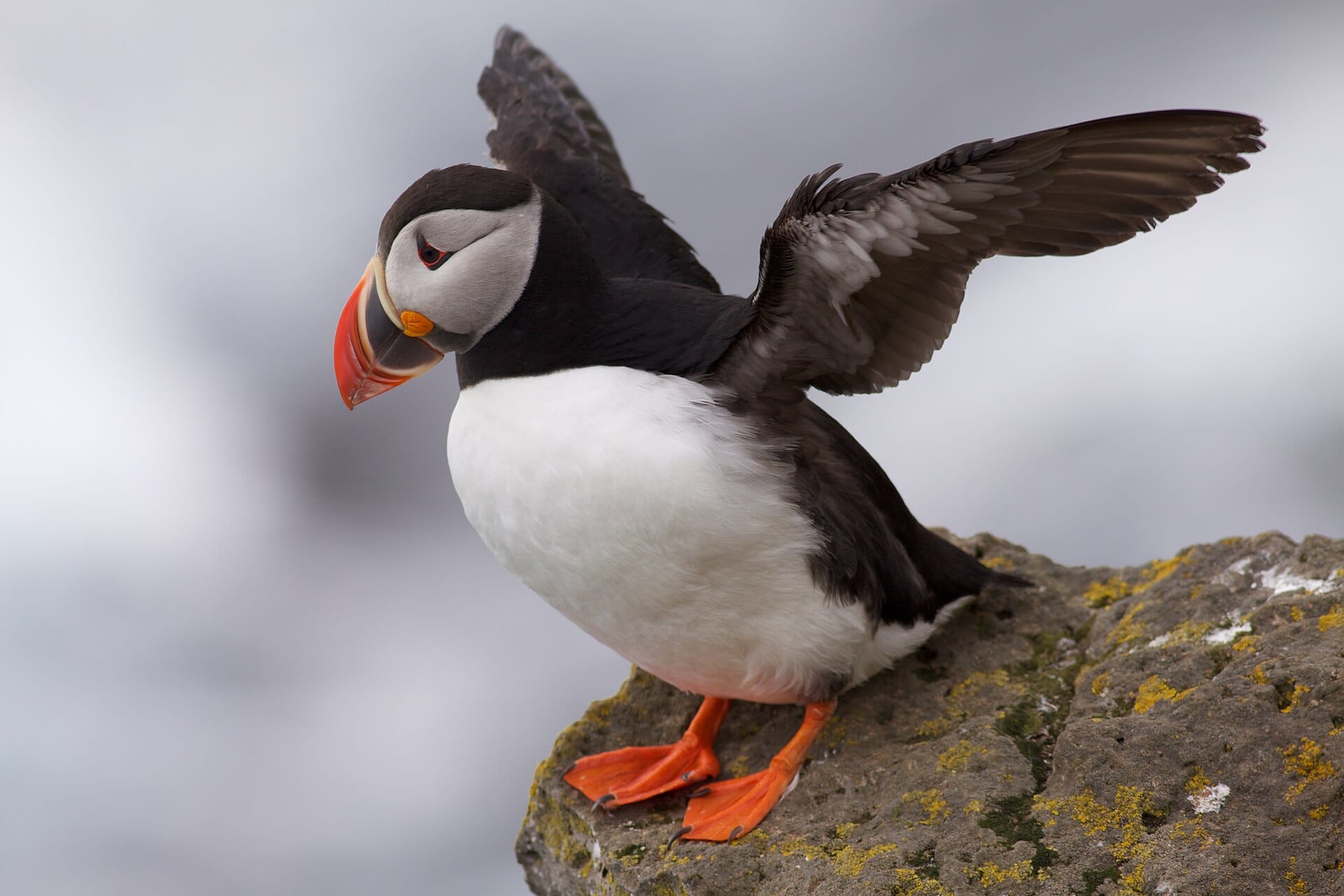
Puffins in the Westman Islands
Iceland · 195km away →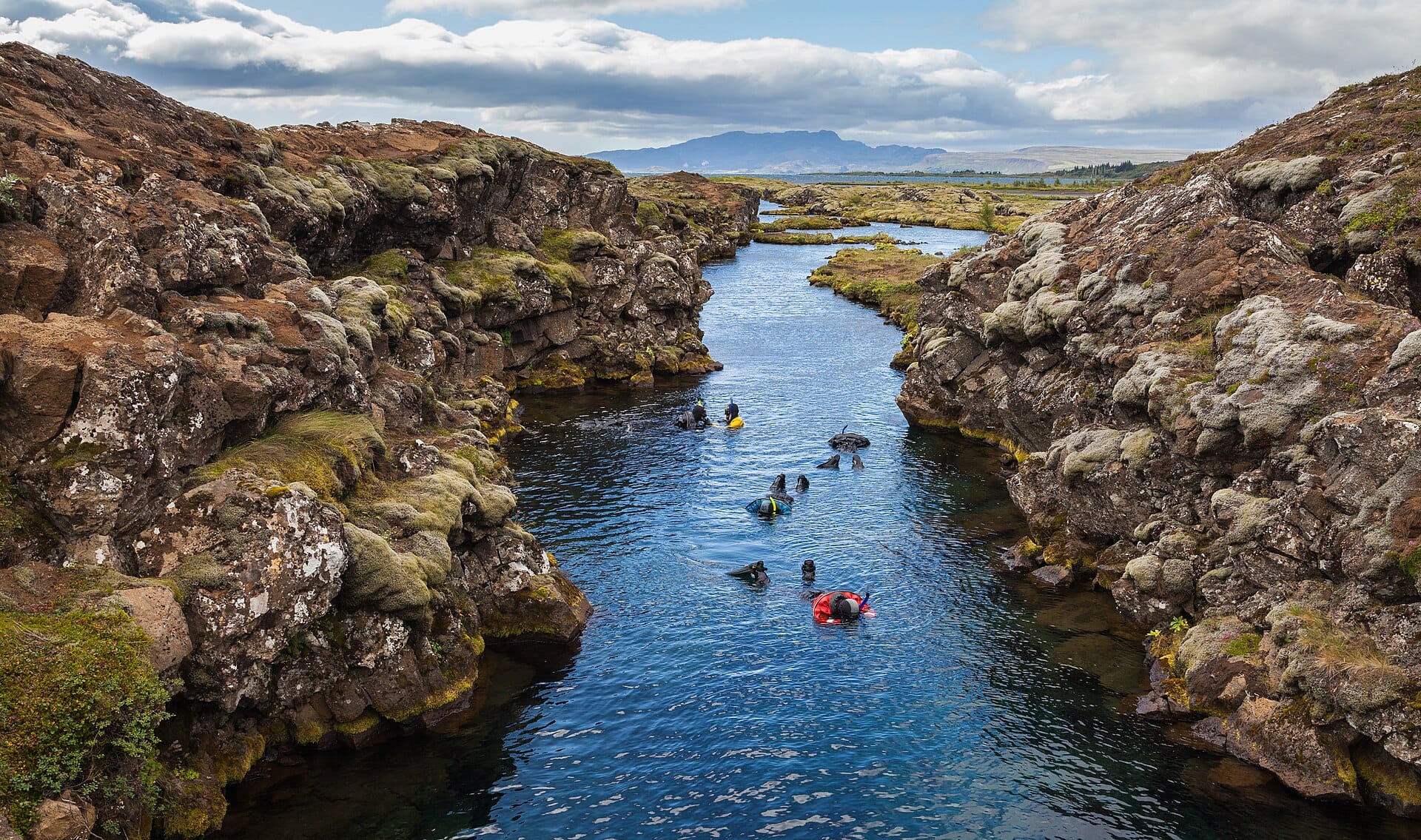
Snorkelling between continents at Silfra
Iceland · 202km away →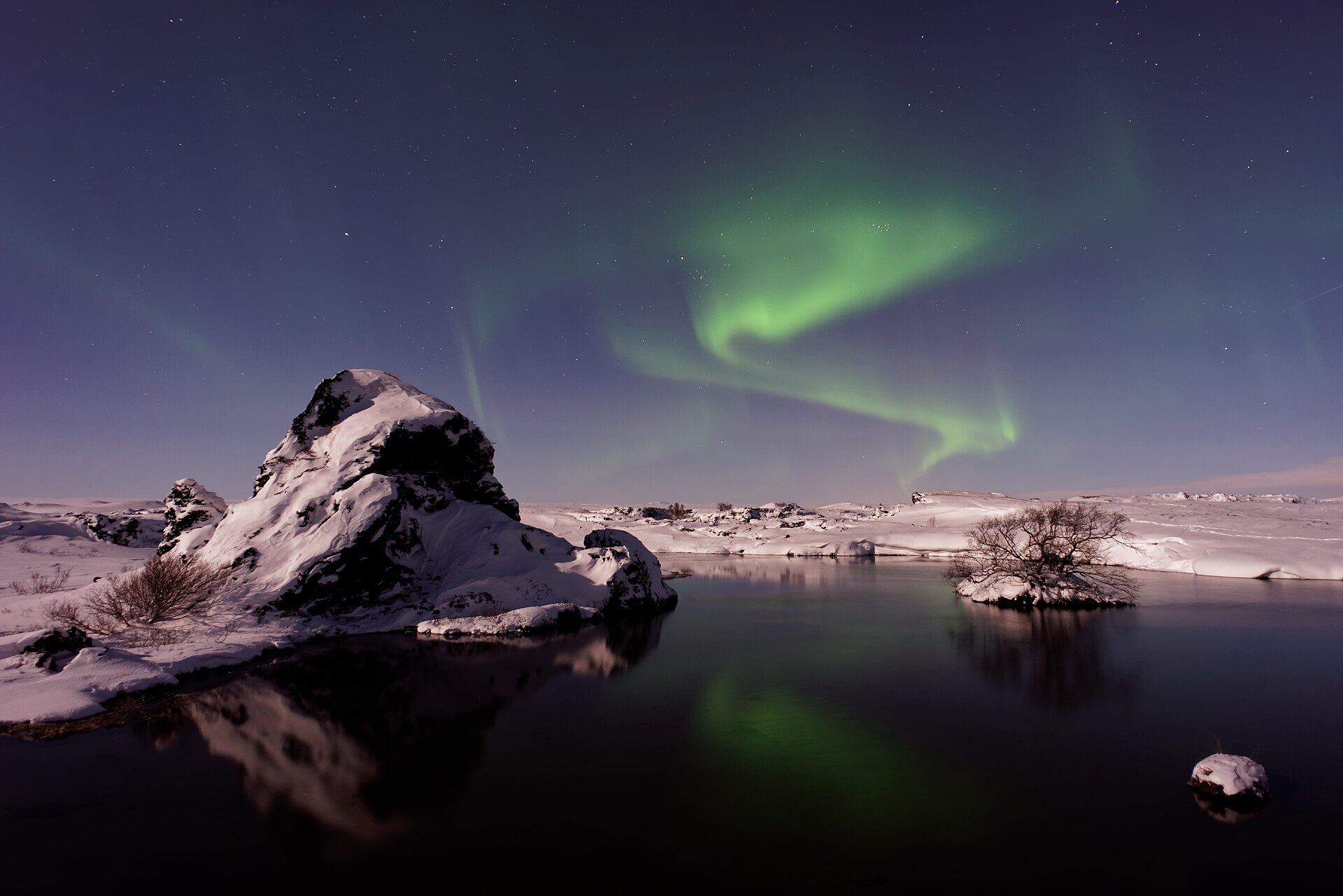
Northern lights snowmobiling
Iceland · 244km away →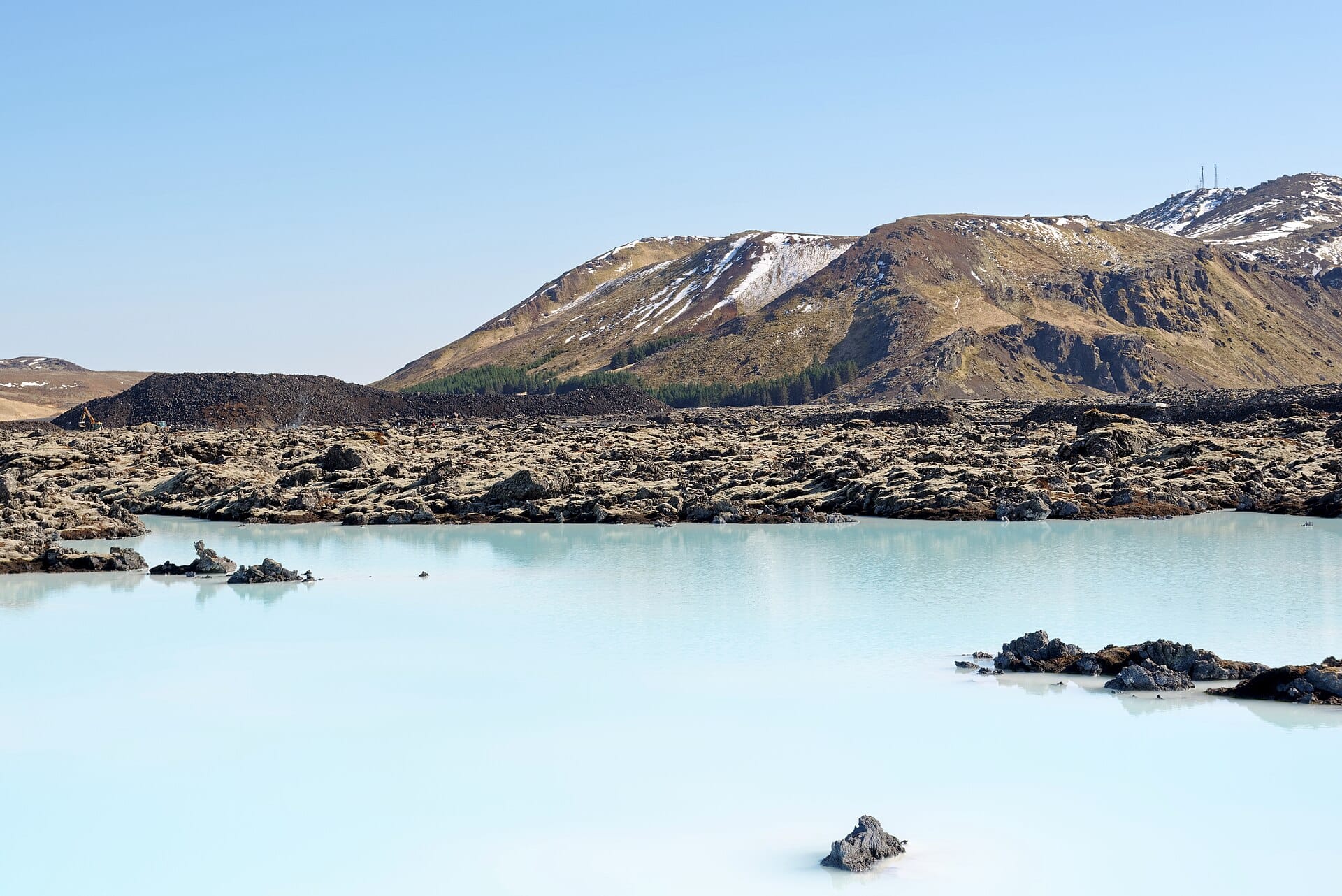
Blue Lagoon
Iceland · 273km away →