
Hvar
A Venetian harbour town that moonlights as the Adriatic's glossiest party island.
- Best forNightlife · Couples · Groups of friends
- In September23°C · 8 rainy days
- Ideal stay4 nights
- Approx. flying time~12h 45m from Los Angeles
- CurrencyEUREuro
- LanguageCroatian
- Local time12:151h ahead of the UK
- PlugsType C / FBring an adapter
- Drive on theRightOpposite to the UK
- Dialling code+385
Why go
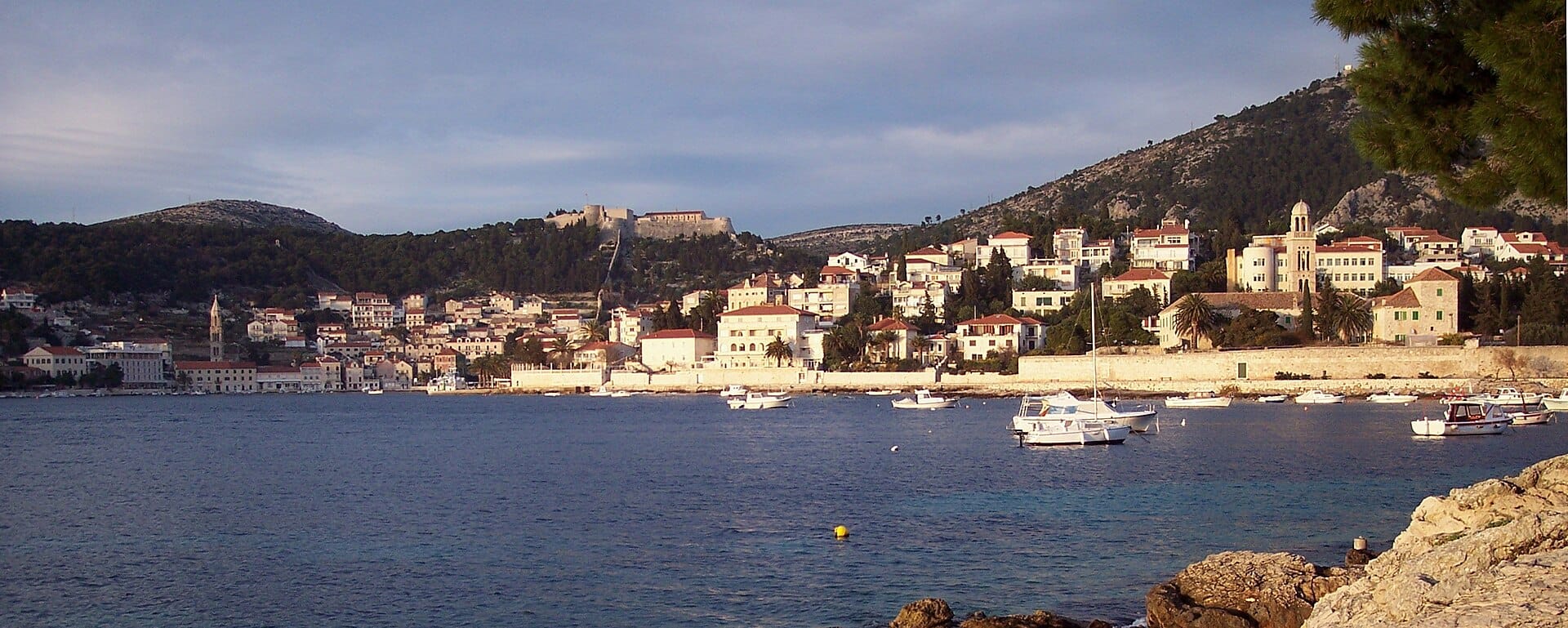
A Venetian harbour town wrapped around a marble square, with a fortress above it and a scatter of wooded islets just offshore, Hvar has spent two decades as the Adriatic's most fashionable island. Days run to boat trips and swimming off rocks; evenings run late and expensive. Inland, the island is quite another thing: lavender terraces, stone hamlets, vineyards and an agricultural plain the Greeks laid out in the fourth century BC.
Split your time so the party town does not become the whole trip. Two nights in Hvar Town and two in Stari Grad or Jelsa gives you both versions, and a boat day to the Pakleni islands is close to compulsory. June and September deliver warm sea, thinner crowds and lower prices than the August peak. Families and light sleepers should base themselves away from the harbour entirely.
- Ideal stay
- 4 nights
- The vibe
- Glossy, sun-bleached, late-night
From our guides
Afternoons belong to Hula Hula's sunset sessions, nights to Carpe Diem across the water, and the yachts provide the people-watching. It's flashier than the rest of this list — but June and September deliver the same turquoise-and-cocktails formula with softer prices and room to breathe.
Featured in Ten European party spots beyond the obvious
Things to do
-
Fortica fortress
A steep fifteen-minute climb above the town gives the classic view over red roofs to the Pakleni islands, and the walls hold a small collection of ancient amphorae.
-
St Stephen's Square
The largest square in Dalmatia, paved in white stone with a cathedral at one end and an old arsenal, containing one of Europe's earliest municipal theatres, at the other.
-
Pakleni Islands
Taxi boats run continually from the harbour to a chain of pine-covered islets with swimming coves and lunch spots. Palmižana and Jerolim are the usual choices.
-
Stari Grad Plain
A UNESCO-listed field system of dry-stone walls laid out by Greek colonists and farmed ever since. Best explored slowly, by bicycle, through vines and olives.
-
Lavender country
The hills around Velo Grablje and Brusje turn purple in June, a legacy of the island's old lavender trade. The coast road between them is spectacular.
-
Sveta Nedjelja wines
Steep southern slopes produce powerful Plavac Mali reds, with cellars cut into the hillside. The tunnel through the ridge to reach them is an experience in itself.
Getting there
-
Fly to
Split (SPU)
Nearest airport to Hvar, about 46km away as the crow flies.
-
Then
To Hvar Town
Brac airport (BWK) is the closest but has few flights. In practice you fly to Split, take a catamaran from the harbour to Hvar Town in about an hour, or the car ferry to Stari Grad and drive 20 minutes over the island.
-
On the ground
Getting around
Hvar Town is compact and pedestrianised around the harbour, with everything walkable. Water taxis run out to the Pakleni islands in minutes, and buses cross to Stari Grad and Jelsa.
Public transport: Ferries and catamarans to Split and the neighbouring islands are frequent in summer and thin out badly in winter. Island buses are timed to the ferries rather than to you.
Flights
Los Angeles Hvar, Croatia
Fly from anywhere — search 4,000+ airports worldwide.
Roughly 12h 45m in the air from Los Angeles (LAX), estimated from the distance — check for a direct route. Pick a month to see every available flight with live prices.
Check dates and prices
Pick your departure date, then your return.
Search flightsNot sure when? Compare fares across a whole month.
Flight times are estimates; prices open on Google Flights.
When to go
Daytime highs run from about 11°C in January to 26°C in August. Driest in July; wettest in December, with rain on about 16 days.
The year at a glance — pick a month for detail
September23° · rain 8 daysMild with rain most weeks.
Monthly figures averaged from daily records for 2020–2024 at this location (ERA5 reanalysis). Highlighted months are warm and mostly dry — June and July. Live conditions from MET Norway, CC BY 4.0.
Where to stay
Apartments and rooms in family houses make up most of the stock, with a small number of design hotels in Hvar Town and agroturizam conversions inland.
-
Best base overall
Hvar Town
The Venetian harbour, the fortress, the ferries and every famous beach club are here. It is also the loudest and priciest point on the island, and parking is a genuine ordeal.
Find stays in Hvar Town -
Best with children
Stari Grad
The car ferry port and the island's oldest town, with a calm bay, shallow swimming and a proper year-round community. Nightlife barely exists and the best beaches need a drive.
Find stays in Stari Grad -
Best value
Jelsa
A low-key harbour town on the north coast where apartments cost considerably less than Hvar Town, with pine-backed coves nearby. Buses run infrequently, so a car helps a great deal.
Find stays in Jelsa -
Quietest
Milna
A small bay fifteen minutes east of Hvar Town, with a pebble beach, a couple of konobas and nothing else. You will drive or water-taxi in for dinner and evening.
Find stays in Milna
Worth knowing before you book: July and August apartments are gone by spring, many with a week-long minimum stay changing over on Saturdays. Catamarans from Split also sell out, so book those first.
Search everything else in Hvar Town by budget. These are indicative budget bands in GBP per night for two people, not live quotes or guarantees of hotel type. Check your dates, guests, taxes and final price on Booking.com.
Good to know
- Getting there
- Fast catamarans from Split reach Hvar Town in about an hour; car ferries dock at Stari Grad, twenty minutes' drive away. Book vehicles ahead in summer.
- Dress code
- Hvar Town fines people for walking through the centre in swimwear or bare-chested. Throw a shirt on when you leave the beach.
- Water shoes
- Beaches here are pebble, rock and concrete rather than sand. Rubber-soled shoes save both your feet and your dignity getting in.
- Cash or card
- Croatia uses the euro and cards work widely, but small taxi boats, beach bars and konobas inland may still want cash.
- Timing
- August is hot, full and priced accordingly. Late May, June and September give the same sea with noticeably more room.
Similar places
Nearby destinations
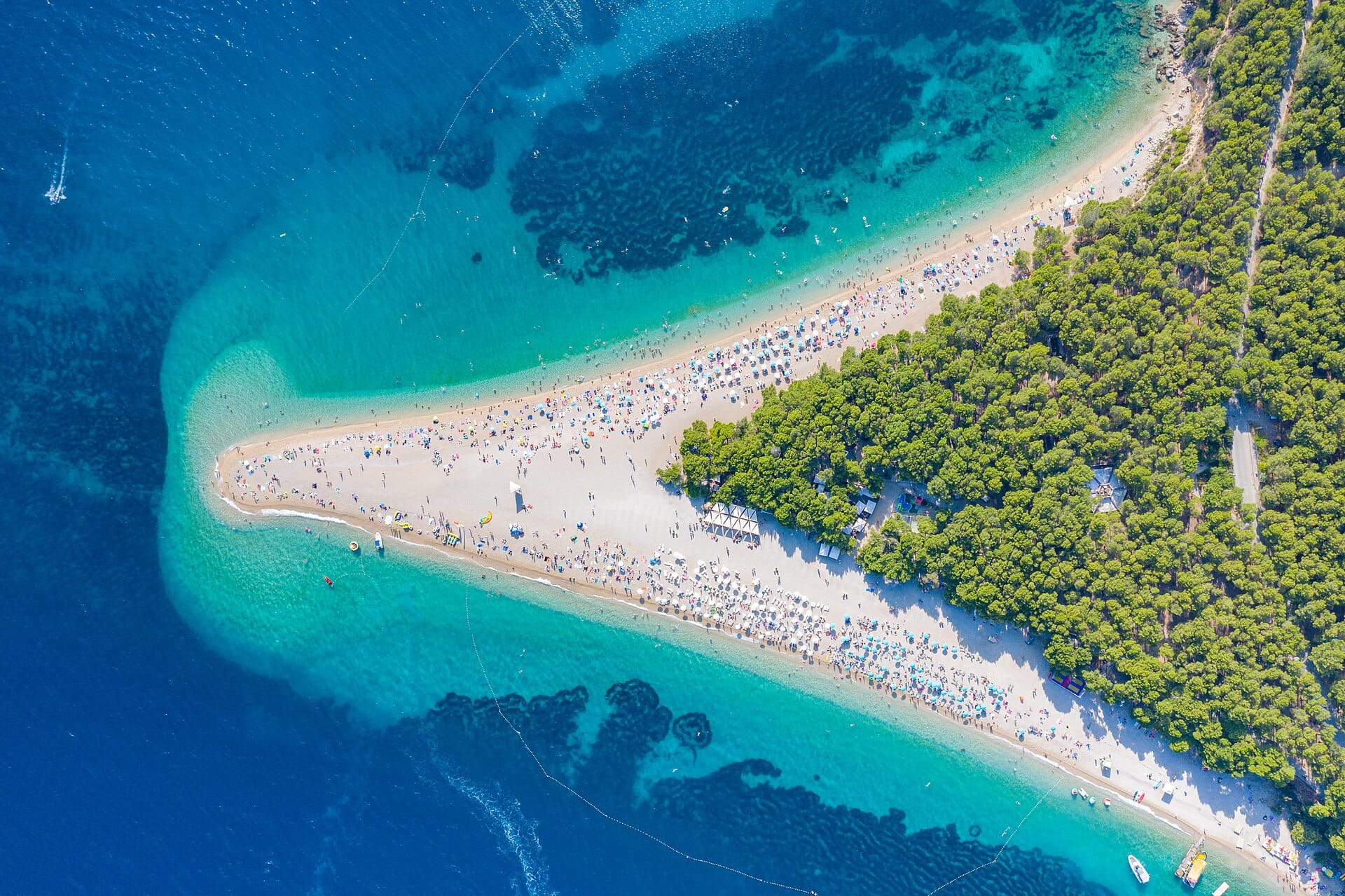
Zlatni Rat
Brač, Croatia · 18km away →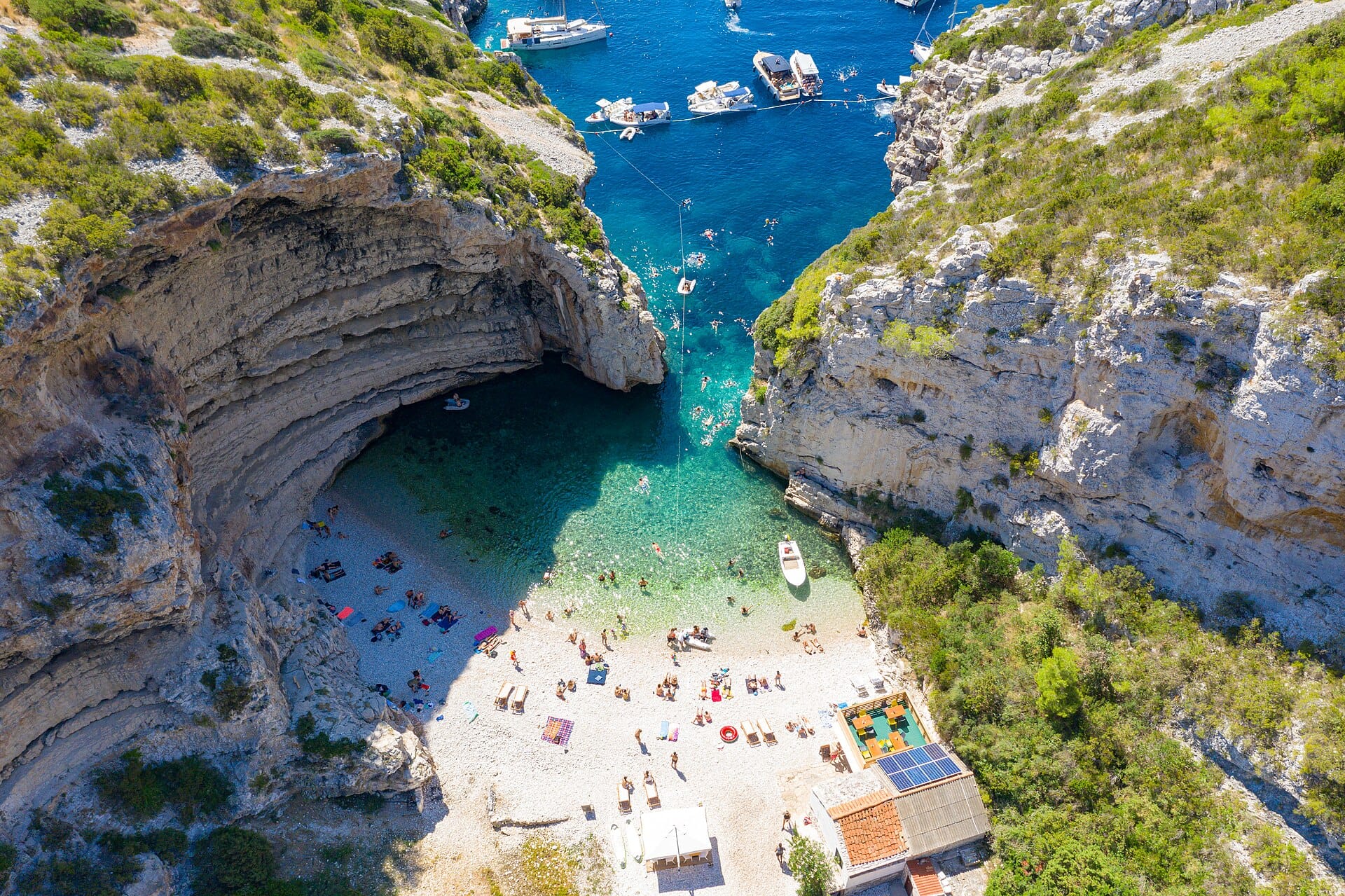
Vis
Croatia · 35km away →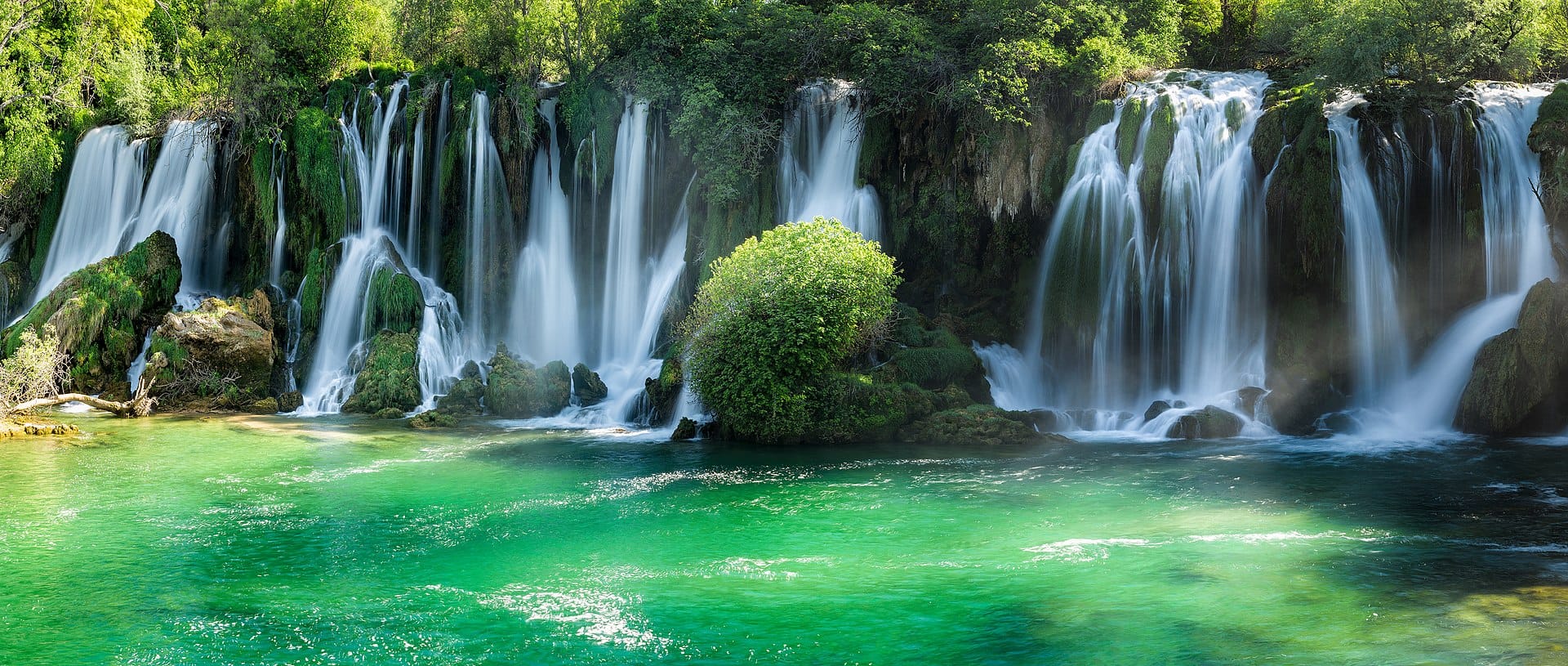
Swimming the Kravica waterfalls
Bosnia and Herzegovina · 85km away →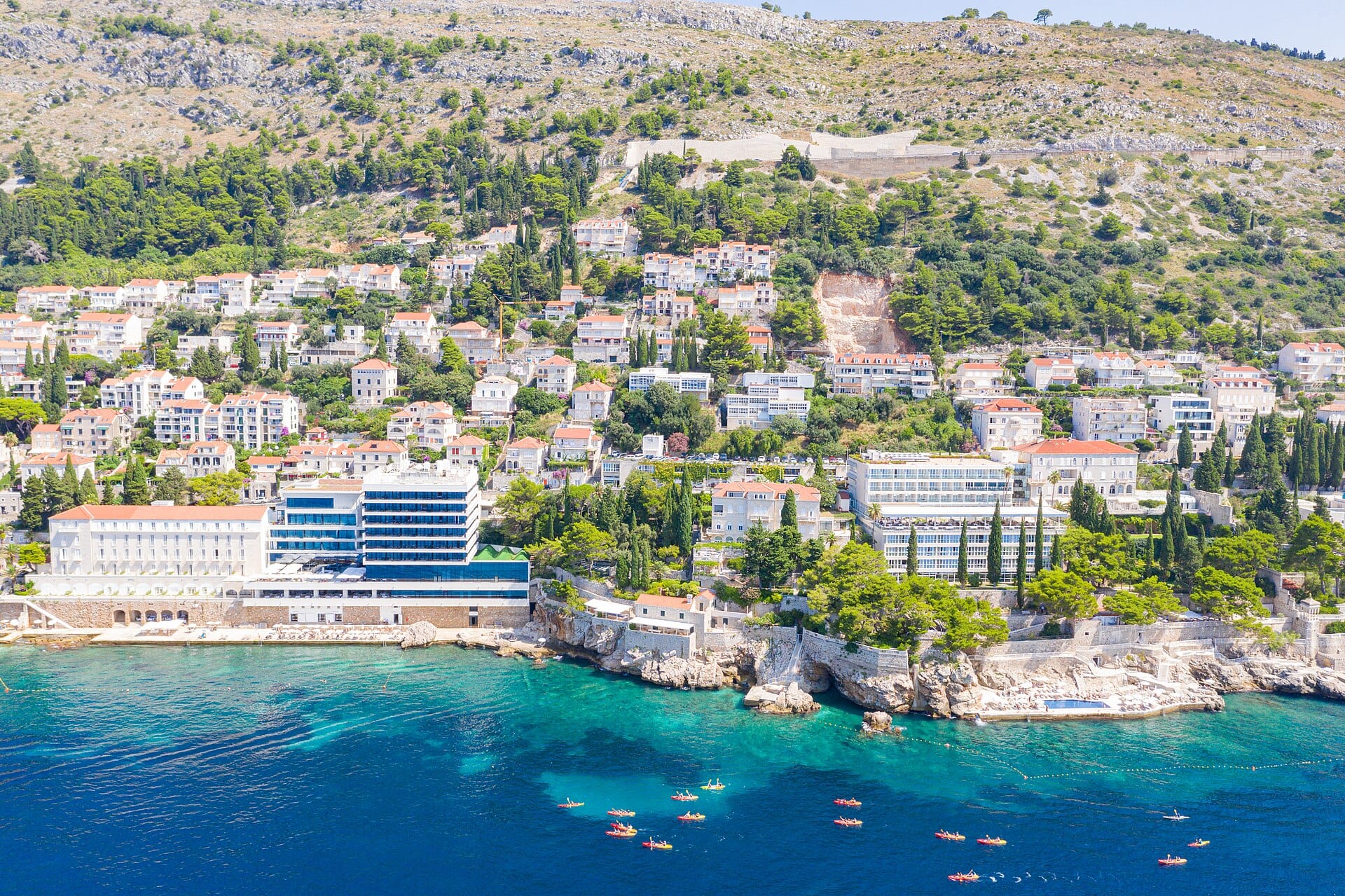
Sea kayaking the Elaphiti Islands
Croatia · 119km away →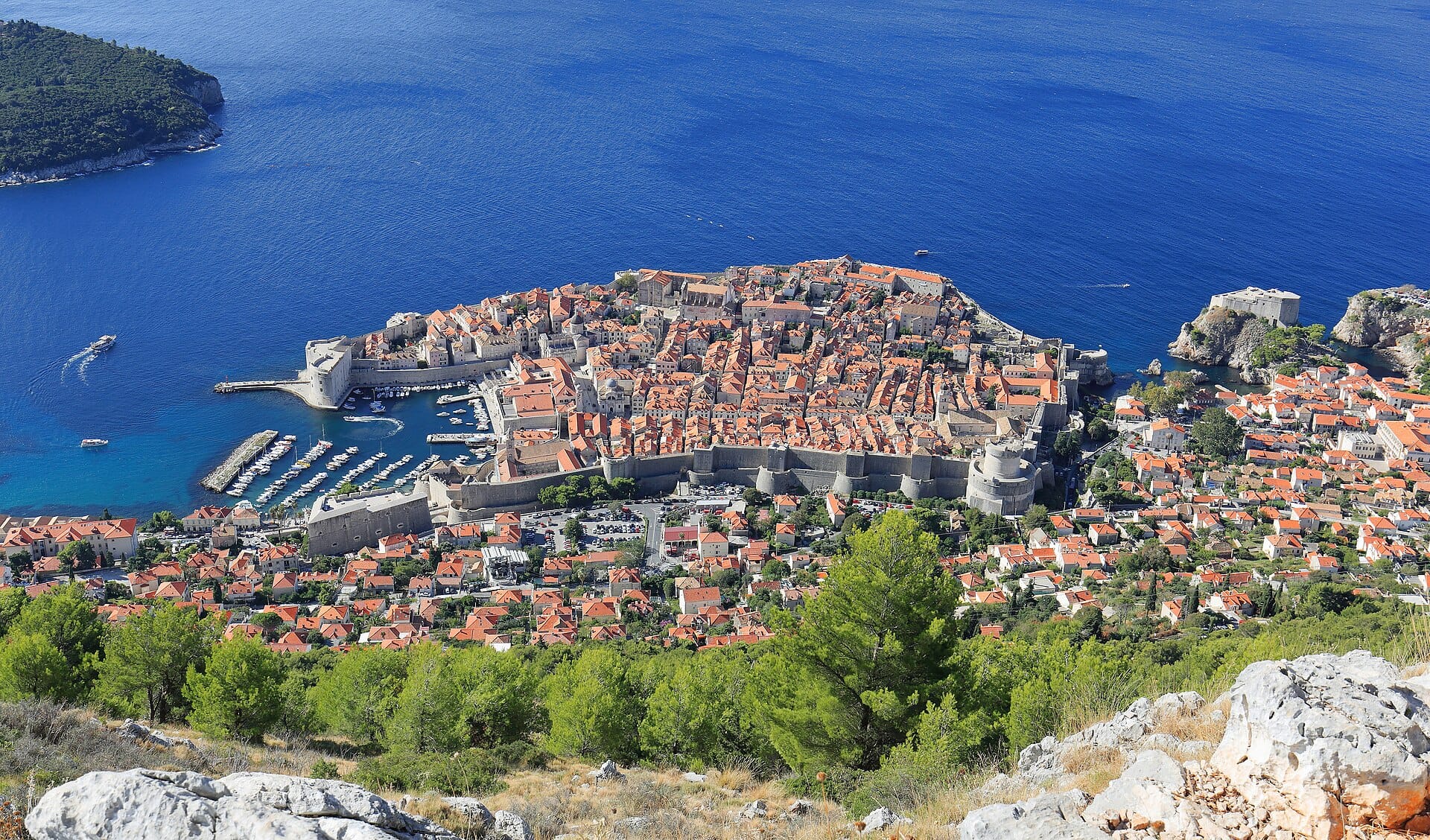
Dubrovnik
Croatia · 138km away →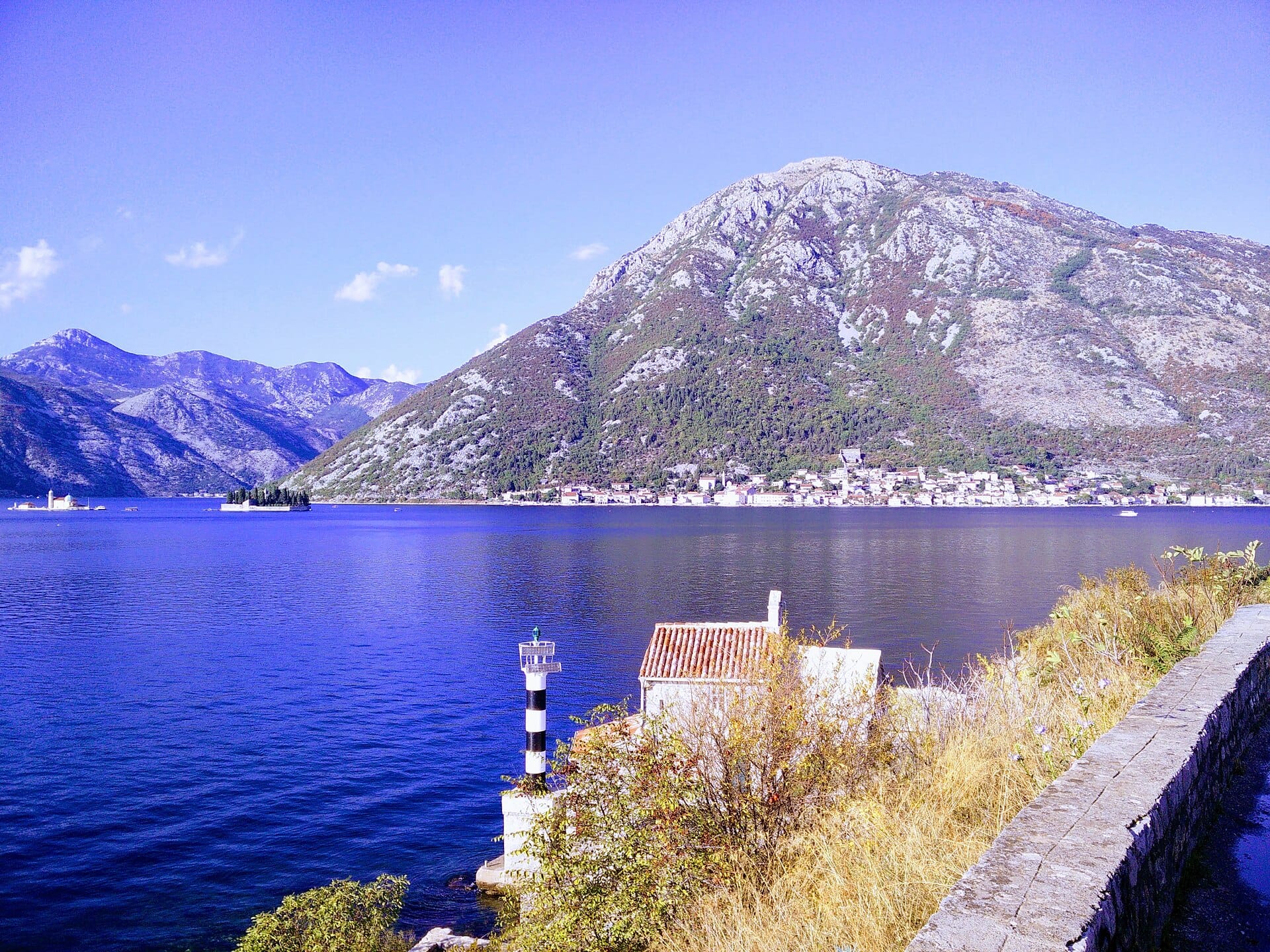
Bay of Kotor
Montenegro · 190km away →Elsewhere in Croatia
Related articles
Quick answers
When is the best time to visit Hvar?
For warm, mostly dry days, June and July. That means highs of 20–34°C with rain on six days a month or fewer. Daytime highs run from about 11°C in January to 26°C in August. Driest in July; wettest in December, with rain on about 16 days.
How long should I spend in Hvar?
Our suggestion: 4 nights.
How do I get to Hvar?
Brac airport (BWK) is the closest but has few flights. In practice you fly to Split, take a catamaran from the harbour to Hvar Town in about an hour, or the car ferry to Stari Grad and drive 20 minutes over the island.
Do I need a car in Hvar?
No. Ferries and catamarans to Split and the neighbouring islands are frequent in summer and thin out badly in winter. Island buses are timed to the ferries rather than to you.
What currency and language are used in Hvar?
Currency: Euro (EUR). Language: Croatian. Plugs: type C and F.
Who is Hvar best for?
Best for nightlife, couples and groups of friends. In a phrase: glossy, sun-bleached, late-night.