
Hong Kong
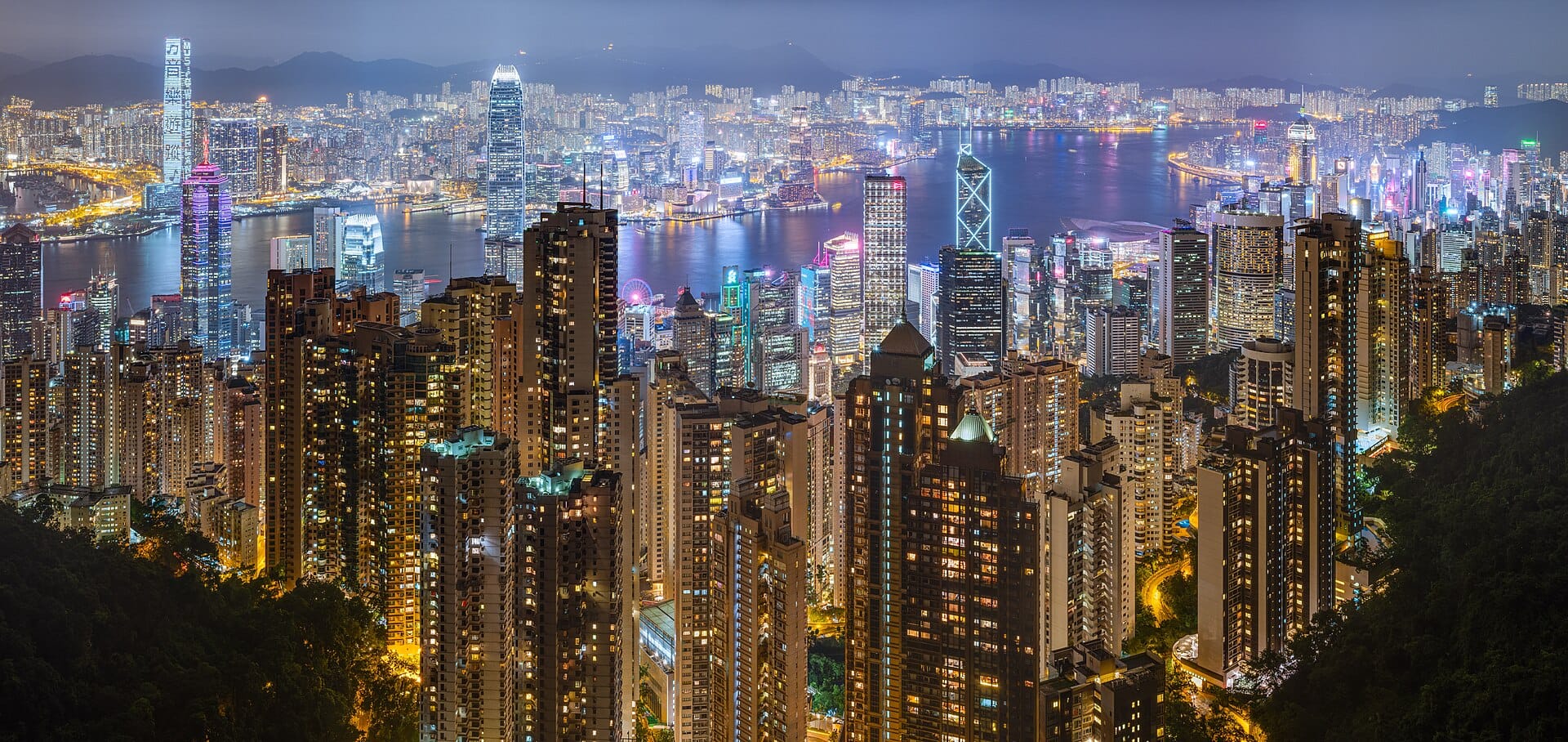
Victoria Harbour stages the world's most theatrical skyline, and Hong Kong lets you choose your seat: Ozone, on the 118th floor of the ICC, is officially the planet's highest bar, while the Kowloon waterfront roofs look straight back at the island's full neon wall.
- Best forFoodies · Nightlife · Culture seekers
- In February20°C · 6 rainy days
- Ideal stay4 nights
- Approx. flying time~14h 30m from Los Angeles
- CurrencyHKDHong Kong dollar
- LanguageCantonese and English
- Local time19:107h ahead of the UK
- PlugsType GUK plugs fit
- Drive on theLeftSame as the UK
- Dialling code+852
Why go
Few skylines perform like this one, and the city knows it: towers stacked up a mountainside, a harbour crossed by green-and-white ferries, and a nightly light show fired across the water. Underneath the spectacle sits a compact, ferociously efficient place where a cable car to a giant Buddha, a bowl of wonton noodles and a hike along a ridge can all happen in one day.
Four nights is enough for Hong Kong Island, Kowloon and one of the outlying islands, with a serious hike if you want one. Autumn is the best season, dry and clear; summer is hot, humid and prone to typhoons; winter is cool and grey. Distances are short and transport is superb, so the main risk is trying to do everything and seeing very little of any of it.
- Ideal stay
- 4 nights
- The vibe
- Vertical, fast, gloriously theatrical
From our guides
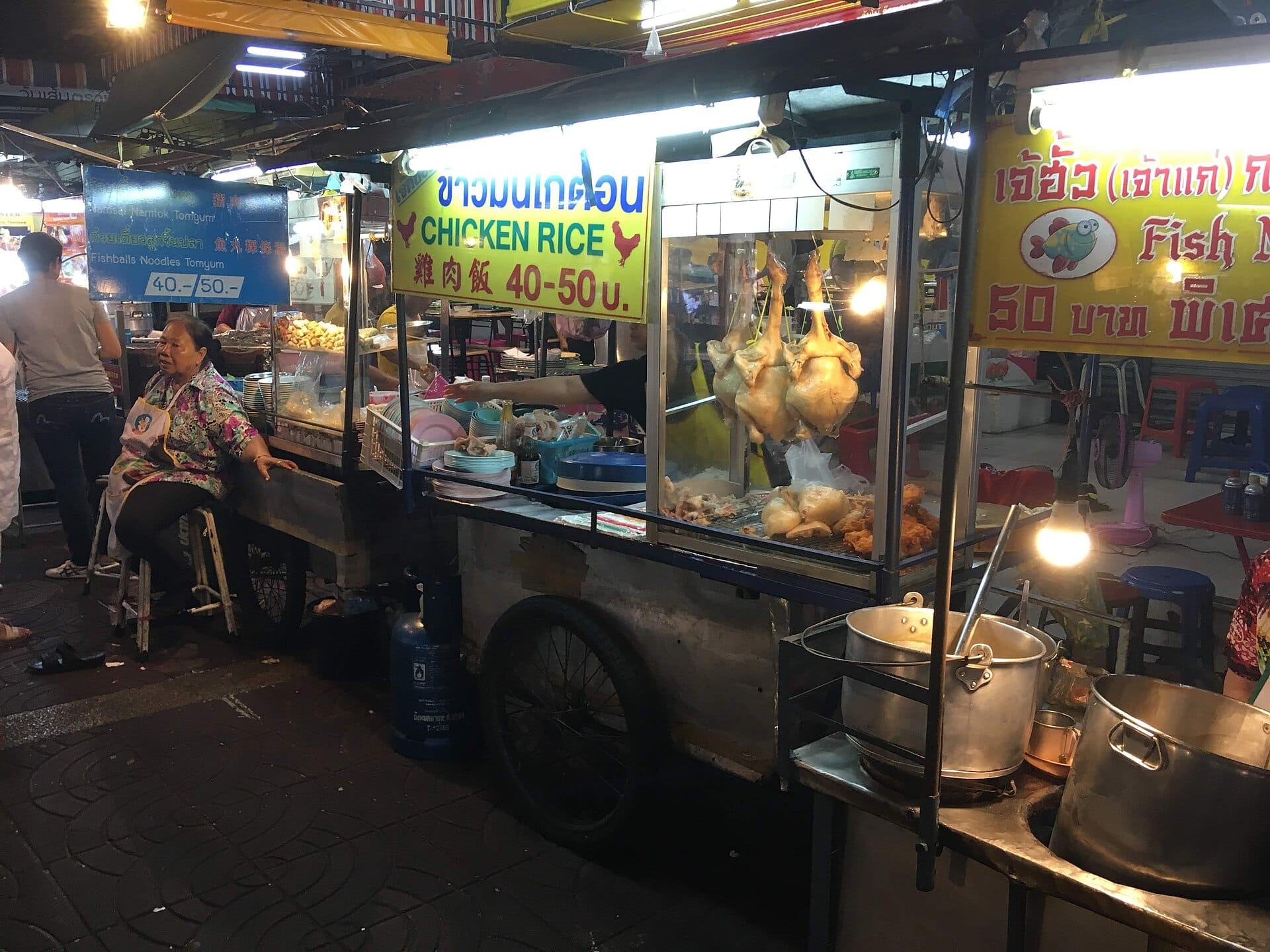
Temple Street is the last of Hong Kong's great open-air night markets and still the full theatre: fortune tellers, Cantonese opera singers, trinket stalls and dai pai dong kitchens dishing out clay-pot rice and chilli crab under strings of bare bulbs. Arrive around 9pm when the opera corner warms up, and eat at the open-air tables on Woosung Street — point at a neighbour's clay pot and order that. Haggling at the stalls is expected; start at half.
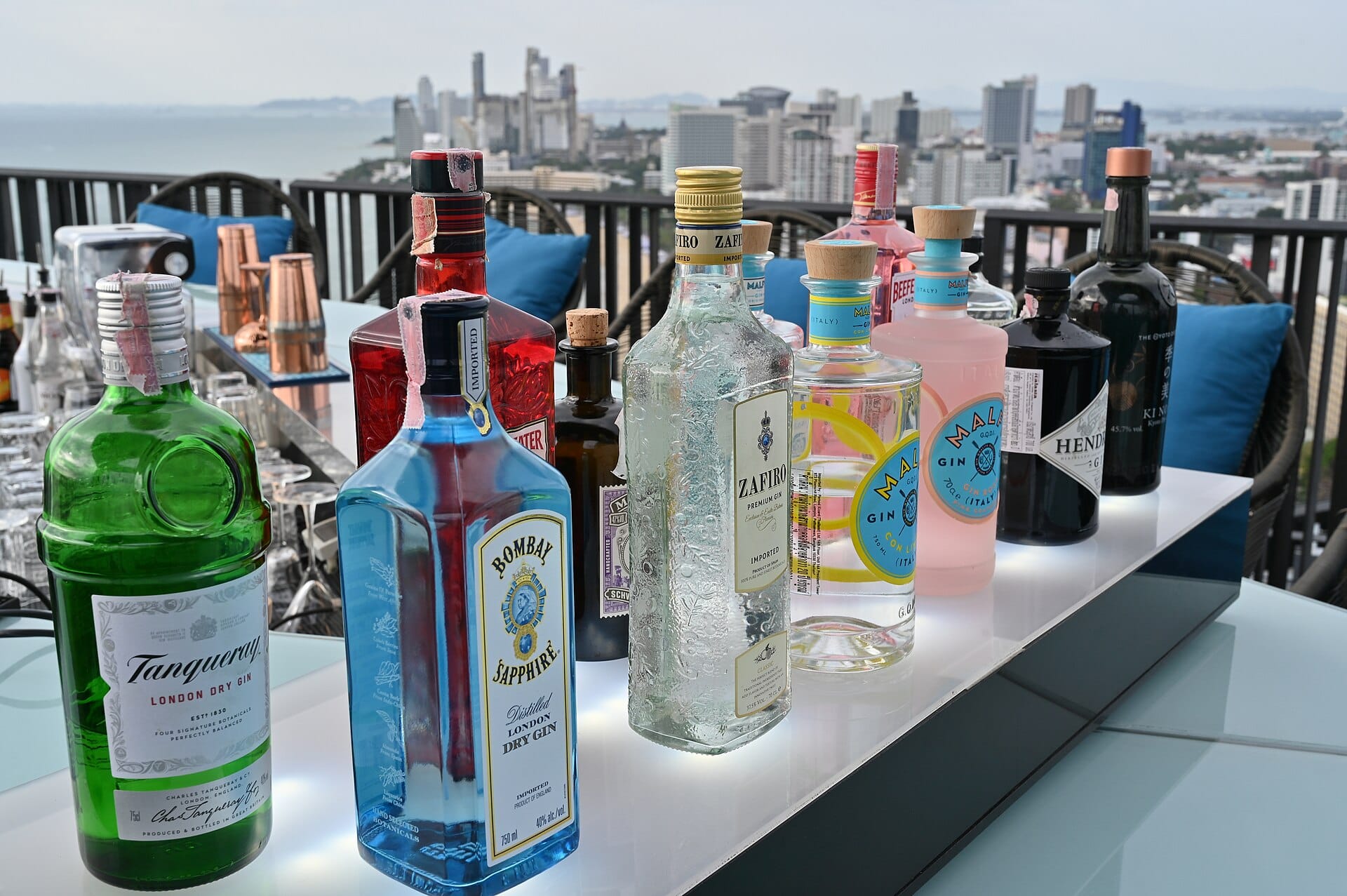
Featured in Ten rooftop-bar cities for golden-hour drinks and Ten cities where the night market is the main event
Things to do
-
Star Ferry
The crossing between Kowloon and Central has run since the 1880s and remains the cheapest good view in Asia. Sit on the open lower deck.
-
Victoria Peak
A steep funicular climbs to viewing terraces above the towers. The circular path around the summit is flat, shaded and far quieter than the platforms.
-
Temple Street night market
Kowloon's surviving open-air night market, with fortune tellers, Cantonese opera singers and open-air kitchens serving clay-pot rice under bare bulbs.
-
Symphony of Lights
Buildings on both sides of the harbour are choreographed into a light and sound show each evening at eight. The Kowloon promenade has the better angle.
-
Tian Tan Buddha
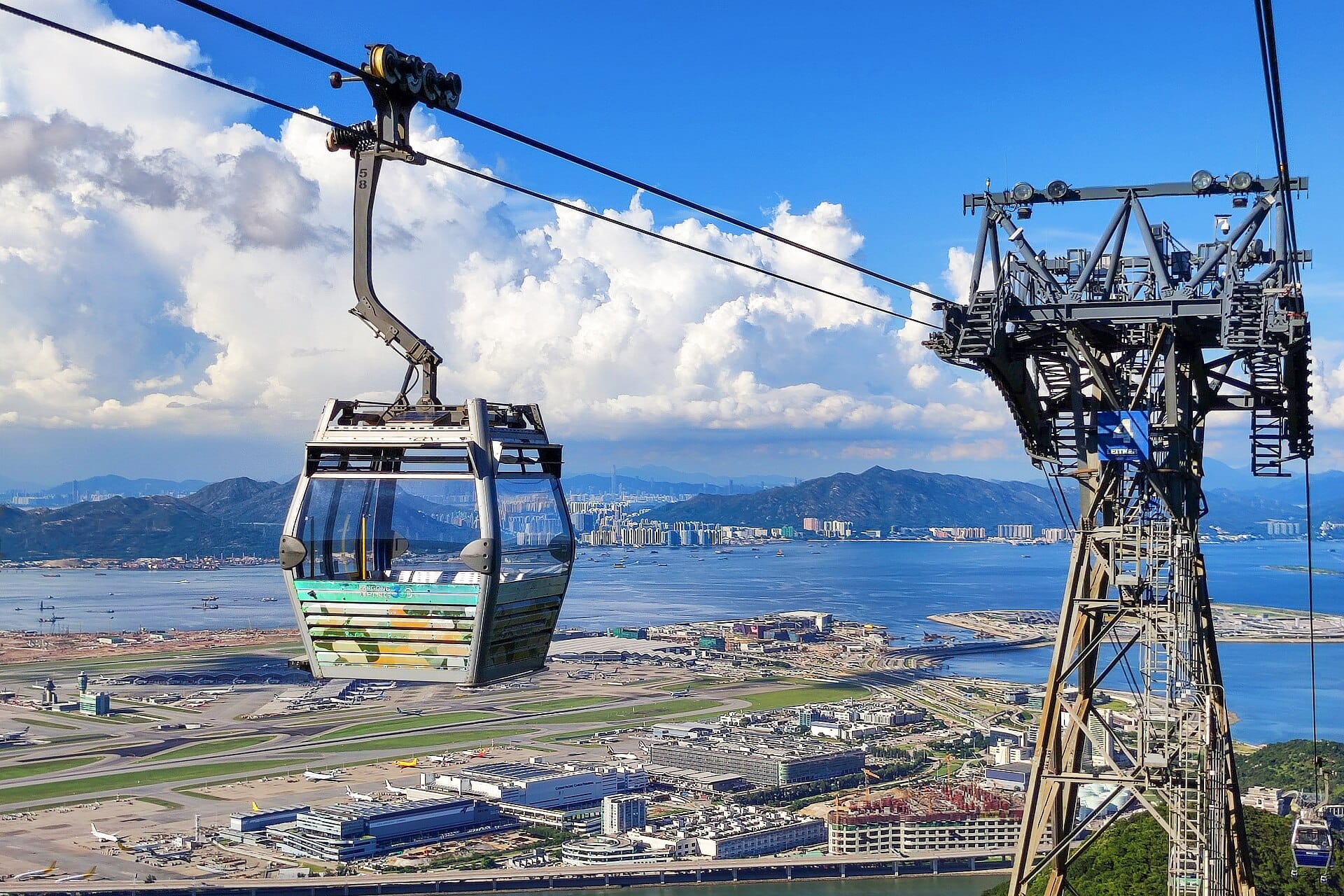
A bronze Buddha thirty-four metres tall sits above a monastery on Lantau, reached by a long cable car over forest and water, or by a stiff walk up steps.
-
Dragon's Back
A ridge walk on the island's south-east side with sea views most of the way, ending at a surf beach. Around two hours, and easily reached by bus.
Getting there
-
Fly to
Hong Kong (HKG)
Nearest airport to Hong Kong, about 25km away as the crow flies.
-
Then
To Hong Kong
The Airport Express train reaches Kowloon in about 20 minutes and Hong Kong Island in 25, with free shuttle buses on to the main hotels. A taxi takes 40 minutes or so depending on which side of the harbour you want.
-
On the ground
Getting around
The MTR is fast, clean and reaches almost everywhere, and the Star Ferry across Victoria Harbour is both transport and sightseeing. Trams on Hong Kong Island and the Peak Tram fill in the rest.
Public transport: Among the best in the world. One stored-value card covers metro, buses, trams and ferries, and a car would be a burden.
Flights
Los Angeles Hong Kong
Fly from anywhere — search 4,000+ airports worldwide.
Roughly 14h 30m in the air from Los Angeles (LAX), estimated from the distance — check for a direct route. Pick a month to see every available flight with live prices.
Check dates and prices
Pick your departure date, then your return.
Search flightsNot sure when? Compare fares across a whole month.
Flight times are estimates; prices open on Google Flights.
When to go
Daytime highs run from about 19°C in January to 31°C in July. Driest in December and January; wettest in August, with rain on about 28 days.
The year at a glance — pick a month for detail
February20° · rain 6 daysMild with the odd shower.
Monthly figures averaged from daily records for 2020–2024 at this location (ERA5 reanalysis). Live conditions from MET Norway, CC BY 4.0.
Where to stay
Vertical city hotels at every level, from serviced apartments and design hotels to guesthouses in subdivided towers. Rooms are small by international standards even at the top end.
-
Best base overall
Tsim Sha Tsui
The Kowloon waterfront gives you the skyline view, the Star Ferry, the museums and the MTR. It is relentlessly commercial, and the cheapest rooms in the district are famously tiny.
Find stays in Tsim Sha Tsui -
Best for nightlife
Central and Sheung Wan
SoHo, Lan Kwai Fong and the escalator streets sit above the business district, so you can walk home from dinner. Rooms cost the most in the city and weekday mornings are frantic.
Find stays in Central and Sheung Wan -
Best with children
Causeway Bay
Victoria Park, the tram, department stores and endless casual restaurants make life easy with a pram. It is one of the densest shopping areas on earth, so expect crowds at weekends.
Find stays in Causeway Bay -
Best value
Mong Kok
Deeper into Kowloon, hotel prices fall sharply and the markets, including Temple Street nearby, are the real attraction. Streets are loud, packed and short on greenery.
Find stays in Mong Kok
Worth knowing before you book: Rates spike hard around trade fairs at the convention centre and Chinese New Year. Check the exhibition calendar before fixing dates, and confirm whether a harbour view is actually unobstructed.
Search everything else in Hong Kong by budget. These are indicative budget bands in GBP per night for two people, not live quotes or guarantees of hotel type. Check your dates, guests, taxes and final price on Booking.com.
Good to know
- Octopus card
- A single stored-value card covers the metro, buses, trams, ferries and most convenience shops. Buy one at the airport and stop thinking about fares.
- Typhoons
- Between May and October, storm signals can shut transport, shops and attractions within hours. Signal 8 means the city closes; take it seriously.
- Hiking
- Roughly forty per cent of the territory is country park, with well-marked trails minutes from the metro. Carry more water than you think you need.
- Haggling
- Prices at street markets are expected to be negotiated, though not in shops or malls. Starting at around half the asking price is normal.
- Timing the view
- Air quality varies enormously. If a clear day appears, drop your plans and go up the Peak or across the harbour that evening.
Similar places
Nearby destinations
Related articles
Quick answers
When is the best time to visit Hong Kong?
Daytime highs run from about 19°C in January to 31°C in July. Driest in December and January; wettest in August, with rain on about 28 days.
How long should I spend in Hong Kong?
Our suggestion: 4 nights.
How do I get to Hong Kong?
The Airport Express train reaches Kowloon in about 20 minutes and Hong Kong Island in 25, with free shuttle buses on to the main hotels. A taxi takes 40 minutes or so depending on which side of the harbour you want.
Do I need a car in Hong Kong?
No. Among the best in the world. One stored-value card covers metro, buses, trams and ferries, and a car would be a burden.
What currency and language are used in Hong Kong?
Currency: Hong Kong dollar (HKD). Language: Cantonese and English. Plugs: type G.
Who is Hong Kong best for?
Best for foodies, nightlife and culture seekers. In a phrase: vertical, fast, gloriously theatrical.