Giant tortoises and sea lions
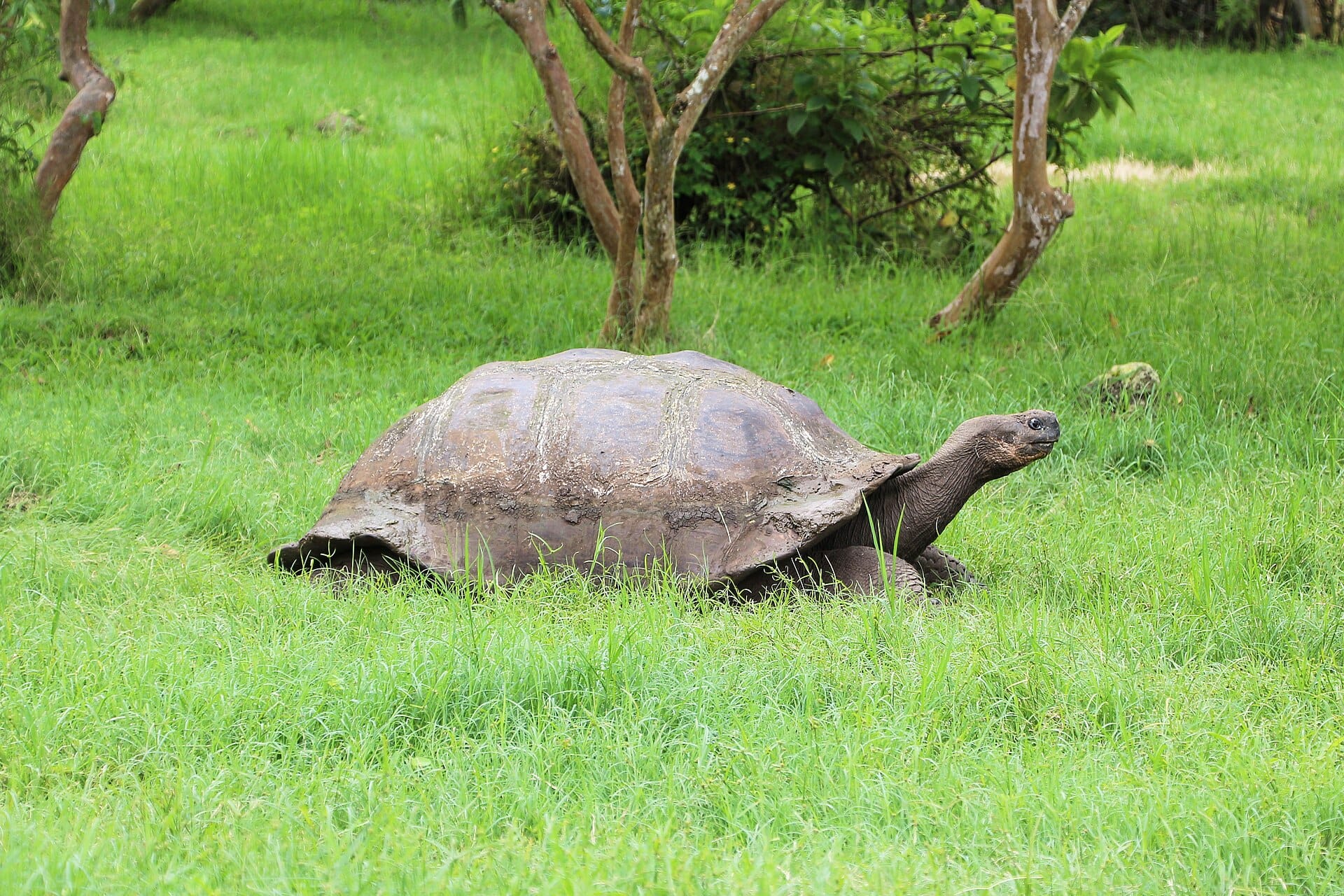
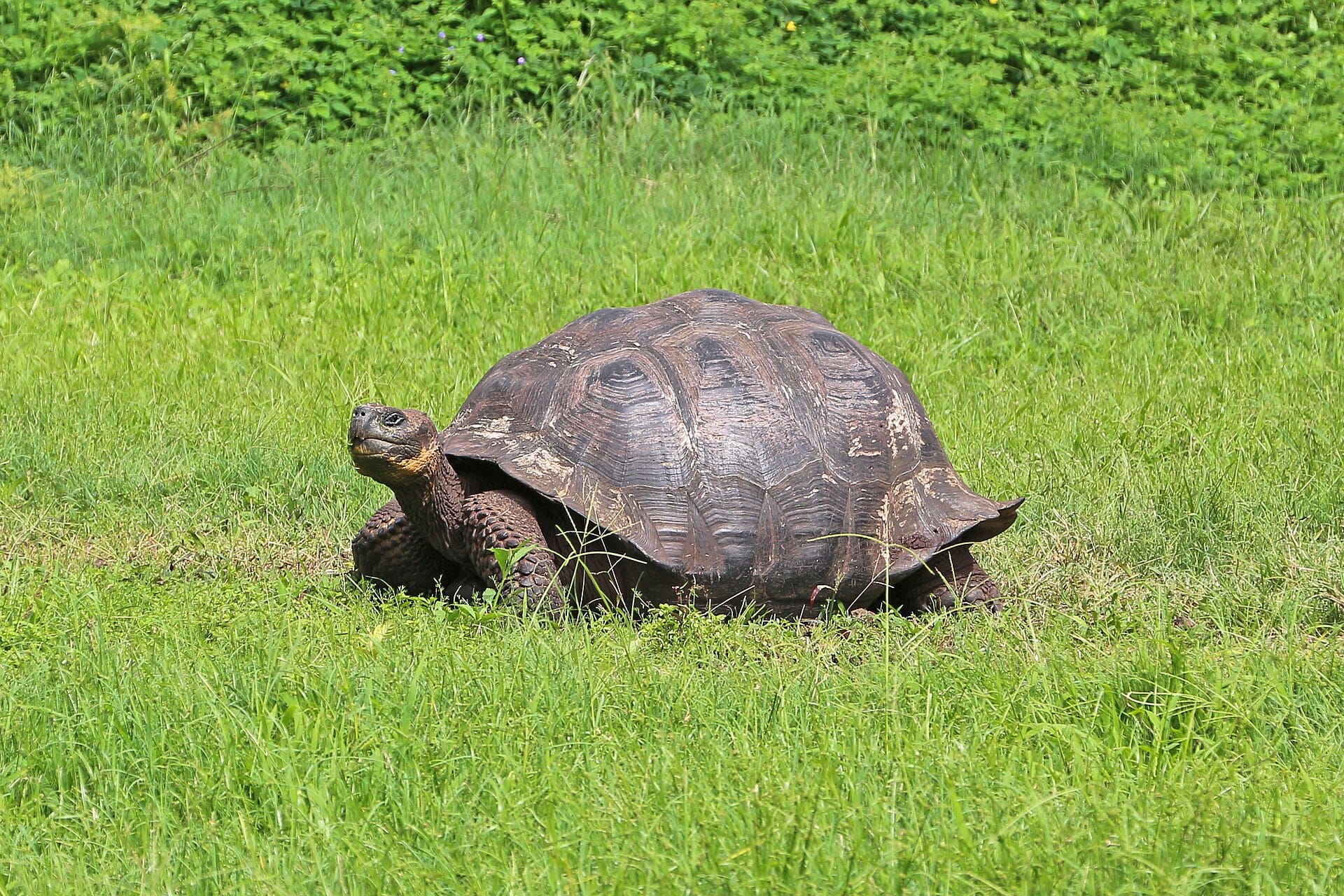
Nowhere else does wildlife so comprehensively fail to care about you: sea lions nap on harbour benches, blue-footed boobies dance mid-path, and in the Santa Cruz highlands giant tortoises the size of coffee tables graze around your ankles.
- Best forWildlife & nature · Photographers · Adventure seekers
- In October24°C · barely any rain
- Ideal stay8–10 days
- Approx. flying time~6h 20m from Los Angeles
Happens around Galápagos, Ecuador — nearest airport Isla Baltra (GPS), about 63km away.
- CurrencyUSDUS dollar
- LanguageSpanish
- Local time06:077h behind the UK
- PlugsType A / BBring an adapter
- Drive on theRightOpposite to the UK
- Dialling code+593
The experience
What is unusual here is not the species list but the behaviour: nothing runs away. Sea lions sleep on harbour steps and public benches in Puerto Ayora, blue-footed boobies court on the path rather than beside it, and giant tortoises graze the damp Santa Cruz highlands with no interest whatsoever in an audience. Snorkelling adds penguins, turtles and marine iguanas feeding on algae underwater.
A land-based trip hopping between Santa Cruz, Isabela and San Cristóbal covers the tortoises, the sea lions and daily snorkelling at a fraction of cruise prices, with speedboat transfers of around two hours between islands. Cruises earn their cost on the outer islands. Flights arrive from Quito and Guayaquil, and a park fee is payable on landing. Water is warmest between December and May.
- Ideal stay
- 8–10 days
- The vibe
- Close-quarters, unbothered, quietly extraordinary
From our guides
Cruises reach the outer islands, but land-based trips hopping between Santa Cruz and Isabela are cheaper and better than their reputation suggests. Snorkel daily — penguins and marine iguanas join in. There is no bad season; December to May has warmer, calmer water.
Featured in Ten wildlife encounters that will humble you
Make a trip of it
-
El Chato tortoise reserve
Farmland and ponds in the Santa Cruz highlands where wild tortoises gather in the wet season. You walk among them in borrowed rubber boots.
-
Sea lions in Puerto Ayora
The fish market, jetty and benches are colonised by sea lions that have to be stepped around. Pelicans join the queue for scraps.
-
Snorkelling at Los Túneles
Lava arches and tunnels off southern Isabela, with turtles, rays and seahorses in the shallow water between them.
-
Marine iguanas on the lava
Black, salt-sneezing lizards pile up on the rocks and graze on algae underwater, found nowhere else on earth.
-
Tortoise breeding centres
Santa Cruz and Isabela both rear hatchlings until they can survive introduced predators, and explain the conservation story properly.
-
Concha de Perla
A sheltered lagoon on Isabela reached by a mangrove boardwalk, where sea lions, turtles and rays swim in calm, waist-deep water.
Getting there
-
Fly to
Isla Baltra (GPS)
Nearest airport to Galápagos, about 63km away as the crow flies.
-
Then
To Puerto Ayora
Fly to Baltra (GPS) from Quito or Guayaquil, then take the shuttle bus, the Itabaca Channel ferry and a bus or taxi across Santa Cruz to Puerto Ayora, about two hours in total.
-
On the ground
Getting around
The tortoise reserves at El Chato are around 45 minutes up into the Santa Cruz highlands by taxi, usually as a half-day trip. Sea lions need no effort at all, they are on the harbour benches and at Tortuga Bay, a 40-minute walk from town.
Public transport: Shared taxis and highland buses handle Santa Cruz; hops to Isabela and San Cristobal are by scheduled passenger speedboat, a couple of hours each way.
Flights
Los Angeles Galápagos, Ecuador
Fly from anywhere — search 4,000+ airports worldwide.
Roughly 6h 20m in the air from Los Angeles (LAX), estimated from the distance — check for a direct route. Pick a month to see every available flight with live prices.
Check dates and prices
Pick your departure date, then your return.
Search flightsNot sure when? Compare fares across a whole month.
Flight times are estimates; prices open on Google Flights.
When to go
Daytime highs run from about 24°C in September to 28°C in March. Driest July to December; wettest in March, with rain on about 11 days.
The year at a glance — pick a month for detail
October24° · no rainWarm and dry.
Monthly figures averaged from daily records for 2020–2024 at this location (ERA5 reanalysis). Live conditions from MET Norway, CC BY 4.0.
Where to base yourself
Simple hostales and mid-range hotels in the ports, a few ranch-style highland lodges, and cabins aboard cruise boats. Nothing resembling a beach resort.
-
Best base overall
Puerto Ayora
Santa Cruz's harbour town runs the show: agencies, dive shops, boats and dinner. Sea lions colonise the fish market steps, and the highland tortoise reserves are twenty minutes uphill.
Find stays in Puerto Ayora -
Best with children
Puerto Villamil
Isabela's sleepy village has sand streets, a shallow bay for paddling, flamingos on the lagoon and a tortoise breeding centre within walking distance. The crossing from Santa Cruz is rough.
Find stays in Puerto Villamil -
Closest to the sights
Puerto Baquerizo Moreno
On San Cristobal, sea lions sprawl across the town beach and the benches, so the wildlife starts before breakfast. Fewer boat options for the outer islands than Santa Cruz.
Find stays in Puerto Baquerizo Moreno -
Quietest
Santa Rosa
A scattering of farm lodges in the Santa Cruz highlands where wild tortoises graze between the fields. Cool, damp and green, and a taxi ride from any restaurant.
Find stays in Santa Rosa
Worth knowing before you book: Inter-island ferries run at fixed morning and afternoon times and sell out in season, so secure boat seats before committing to a night on another island.
Search everything else in Puerto Ayora by budget. These are indicative budget bands in GBP per night for two people, not live quotes or guarantees of hotel type. Check your dates, guests, taxes and final price on Booking.com.
Good to know
- Etiquette
- Park rules set a two-metre distance from all animals and guides enforce it. Do not touch, feed or block the path of anything.
- Pack this
- A rash vest or thin wetsuit top, reef-safe sunscreen and seasickness tablets for the inter-island speedboats.
- Book ahead
- Day tours to the popular sites cap visitor numbers daily and fill quickly in high season. Arrange them several days out.
- Timing
- December to May brings warmer water and better visibility. June to November is cooler and rougher, but the water is richer in food.
- Cash or card
- The currency is the US dollar. Cash is needed for the park entry fee on arrival and for many smaller operators.