
Douro Valley
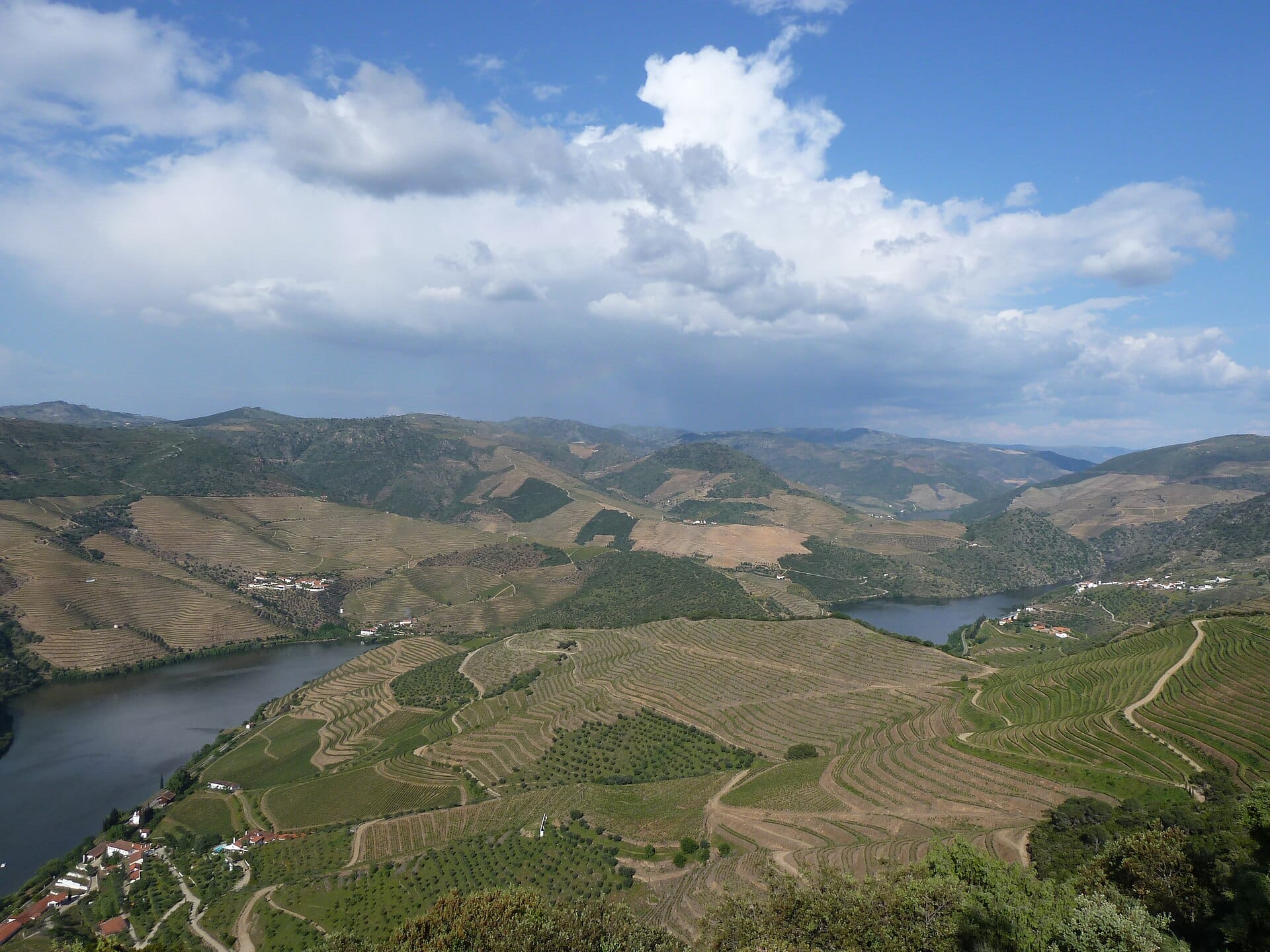
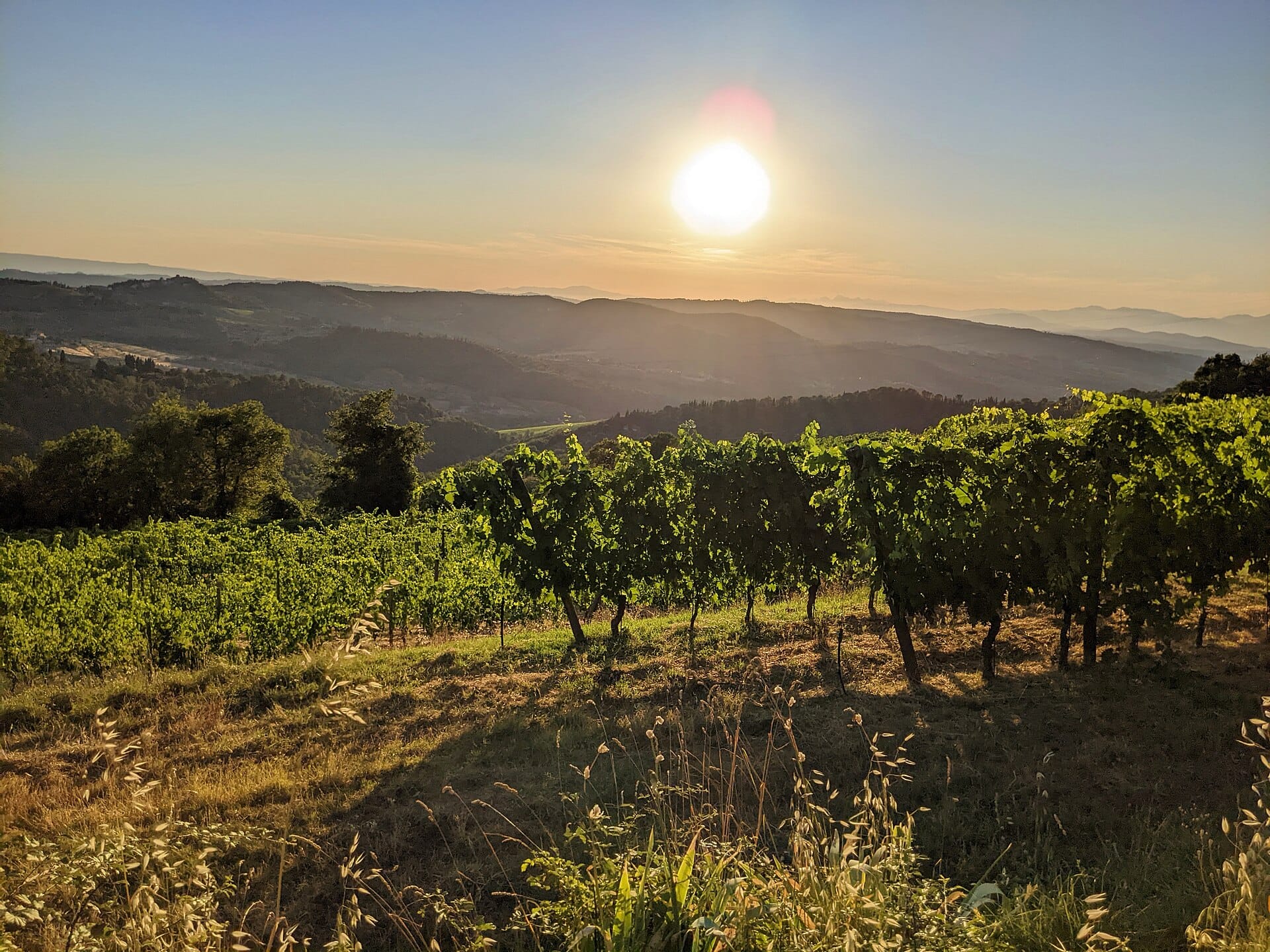
Terraced vineyards fold down to a lazy green river, and wine estates — quintas — take guests in handfuls rather than coachloads.
- Best forCouples · Honeymooners · Foodies
- In November15°C · 12 rainy days
- Ideal stay3-4 nights
- Approx. flying time~11h 20m from Los Angeles
- CurrencyEUREuro
- LanguagePortuguese
- Local time12:12same time as the UK
- PlugsType C / FBring an adapter
- Drive on theRightOpposite to the UK
- Dialling code+351
Why go
The Douro is farmed rather than wild, its steep slate hillsides cut into narrow terraces that have grown grapes for port and table wine for centuries, a landscape recognised by UNESCO for exactly that reason. The river itself is calm and dammed in sections, ideal for slow boat trips between quintas, while the historic railway line hugs the water for one of Europe's more scenic short journeys. Pinhão is the unofficial capital, a small station town surrounded by vineyards on all sides.
Base at a quinta with a pool overlooking the vines for two or three nights, tasting as you go and eating dinners built around local wine rather than the other way round. Porto, an hour or so downstream, makes an easy bookend for a longer trip. Late September and October bring the grape harvest and, in some places, the chance to join the traditional foot-treading; spring is quieter and equally attractive.
- Ideal stay
- 3-4 nights
- The vibe
- Terraced, romantic, wine-soaked
From our guides
The world's oldest demarcated wine region is also its most dramatic: vine terraces contour-lined down slate slopes to a slow green river. Stay at a quinta near Pinhão with a pool above the vines, taste ports where they were born, and take the historic train or a rabelo boat rather than driving the hairpins. Visit in late September to watch — or join — the grape treading at harvest.
Featured in Ten grown-up escapes for a proper romantic reset and Ten vineyard escapes for lovers of a long lunch
Things to do
-
Quinta tastings
Family-run wine estates offering tastings and cellar tours, many with rooms attached for overnight stays among the vines.
-
Pinhão station
A small railway stop decorated with blue-and-white tiles depicting the region's wine harvest, worth a stop even without boarding a train.
-
Douro river cruises
Boat trips through the terraced valley, some stopping at riverside quintas along the way for tastings and lunch.
-
Historic Douro railway
A scenic line following the river between Porto and the upper valley, one of the region's classic journeys.
-
Peso da Régua
The valley's working town, with a wine museum explaining the region's long history and a riverside promenade for an evening walk.
-
Grape harvest, September
The annual vindima, when some quintas invite guests to join the traditional foot-treading and taste the new wine straight from the barrel.
Getting there
-
Fly to
Porto (OPO)
Nearest airport to Douro Valley, about 79km away as the crow flies.
-
Then
To Pinhão
Vila Real (VRL) handles almost no scheduled flights, so arrive at Porto and either drive or take the Douro line train, about two hours to Pinhão.
-
On the ground
Getting around
The riverside railway links Régua and Pinhão, and boats drift the valley floor, but the quintas up on the terraces need a car or an estate transfer.
Public transport: The Douro line train is scenic and genuinely useful along the river. Nothing much climbs the slopes above it.
Flights
Los Angeles Douro Valley, Portugal
Fly from anywhere — search 4,000+ airports worldwide.
Roughly 11h 20m in the air from Los Angeles (LAX), estimated from the distance — check for a direct route. Pick a month to see every available flight with live prices.
Check dates and prices
Pick your departure date, then your return.
Search flightsNot sure when? Compare fares across a whole month.
Flight times are estimates; prices open on Google Flights.
When to go
Daytime highs run from about 11°C in January to 30°C in July. Driest in July and August; wettest in October, with rain on about 14 days.
The year at a glance — pick a month for detail
November15° · rain 12 daysCool with rain most weeks.
Monthly figures averaged from daily records for 2020–2024 at this location (ERA5 reanalysis). Highlighted months are warm and mostly dry — July and August. Live conditions from MET Norway, CC BY 4.0.
Where to stay
Wine estates taking guests in small numbers, converted manor houses, a few design hotels above the terraces and simple town hotels. No resorts and effectively no chains.
-
Best base overall
Pinhão
The heart of the vineyard bend, on the river and on the train line, with quintas all around. The village itself is tiny, so evenings mean eating at your quinta.
Find stays in Pinhão -
Best value
Peso da Régua
The valley's working town, with cheaper hotels, the wine museum and good rail connections. Less scenic than the terraces upstream, and busier with traffic.
Find stays in Peso da Régua -
Quietest
Provesende and Favaios
Hill villages above the river where old manor houses take a handful of guests. Steep narrow roads, and you drive down for everything.
Find stays in Provesende and Favaios -
Best with children
Lamego
A proper town with a castle, a famous stairway and more to do on a non-tasting day. It sits back from the river, so the vineyard views are a drive away.
Find stays in Lamego
Worth knowing before you book: Harvest in September and early October is the busiest and priciest window, and quinta rooms number in the handful, so book a season ahead.
Search everything else in Pinhão by budget. These are indicative budget bands in GBP per night for two people, not live quotes or guarantees of hotel type. Check your dates, guests, taxes and final price on Booking.com.
Good to know
- Getting there
- Porto is the nearest airport, with the valley reached by car, train or river cruise in under two hours.
- Timing
- Late September and October bring the harvest; spring offers similar scenery with fewer visitors.
- Book ahead
- Quinta stays and harvest experiences fill up well ahead of the September peak.
- Driving
- The valley's roads are narrow and winding, so the train or a boat is a relaxing alternative to self-driving.
- Cash or card
- Cards are accepted at most quintas and restaurants, though smaller family cellars may prefer cash.
Similar places
Nearby destinations
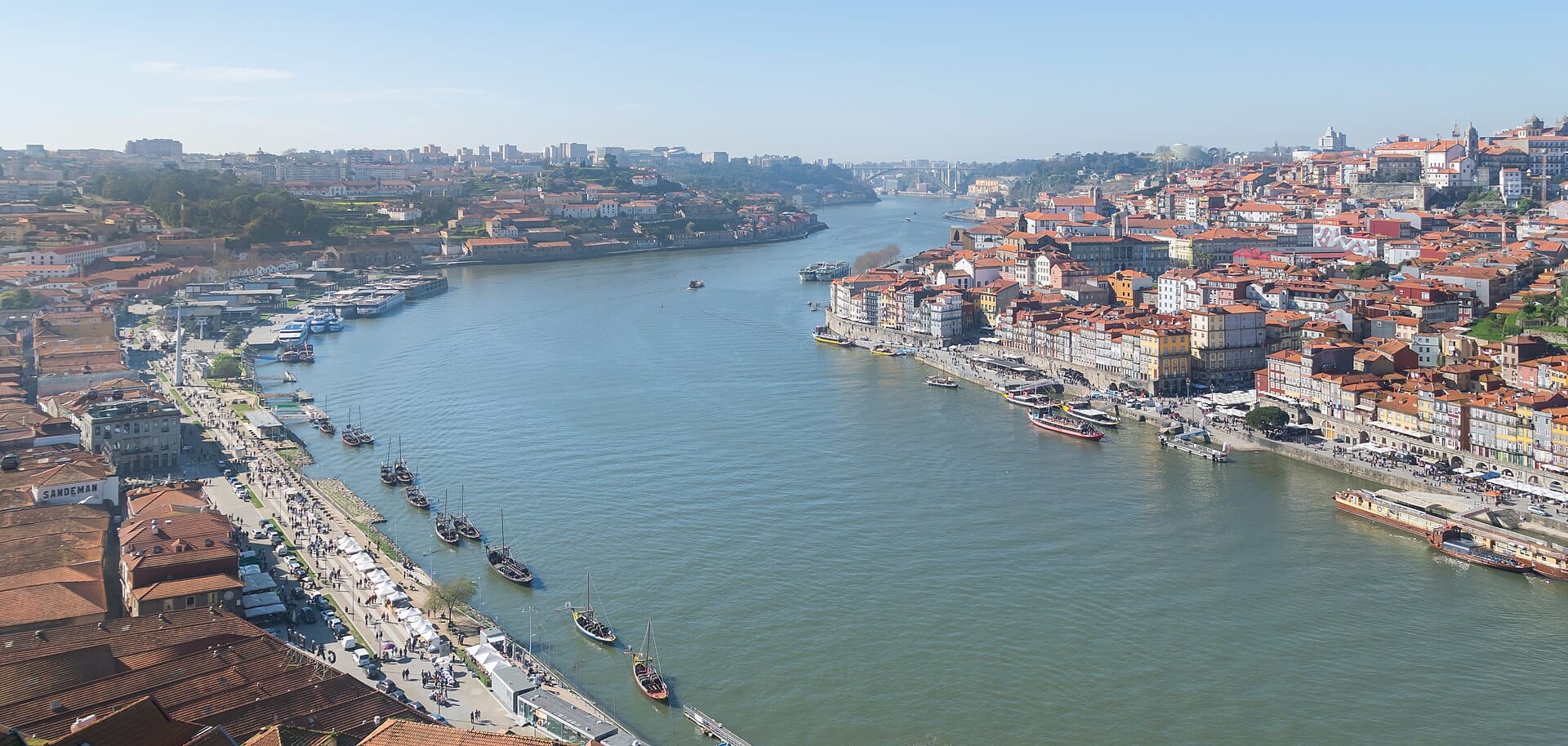
Porto
Portugal · 74km away →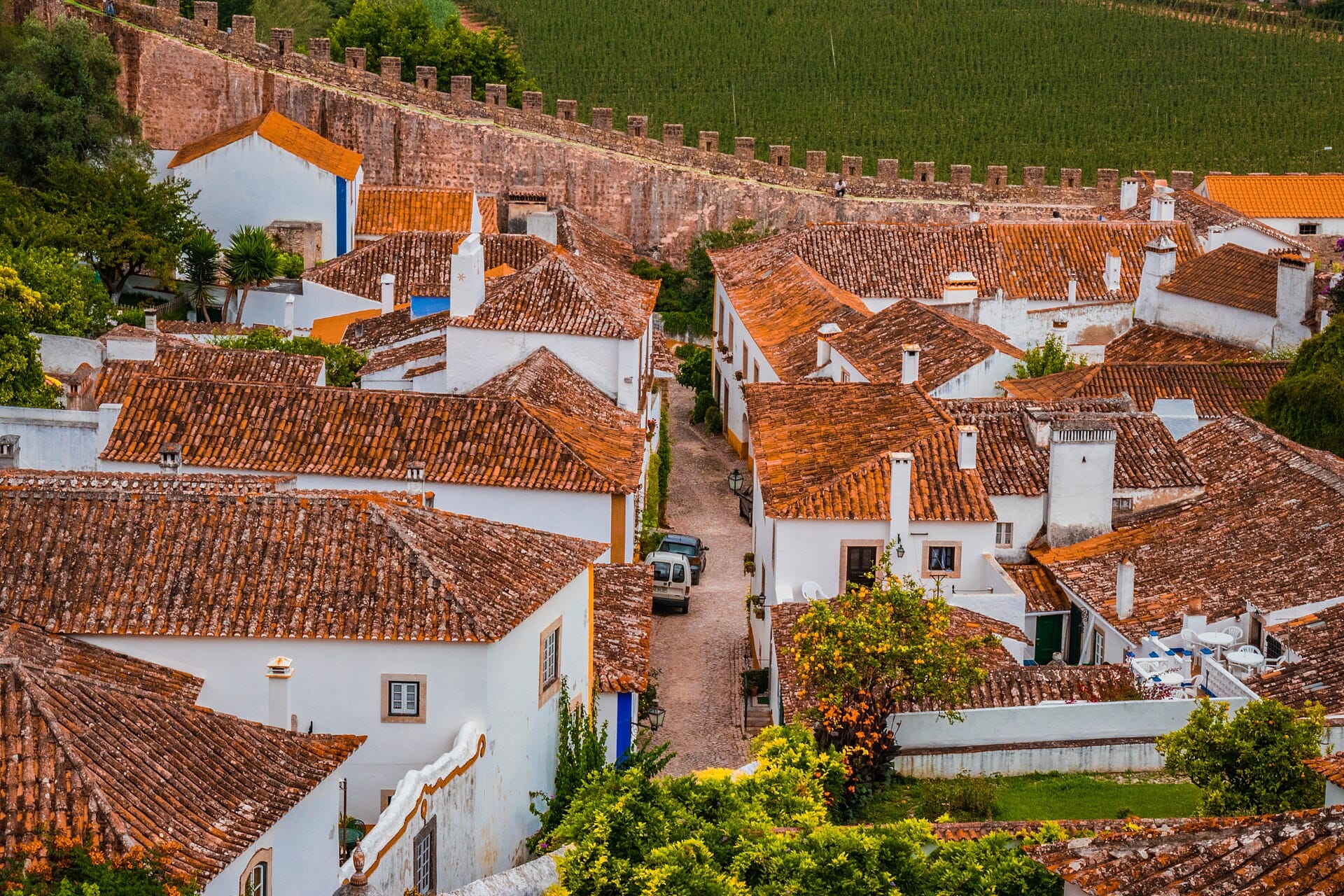
Óbidos
Portugal · 246km away →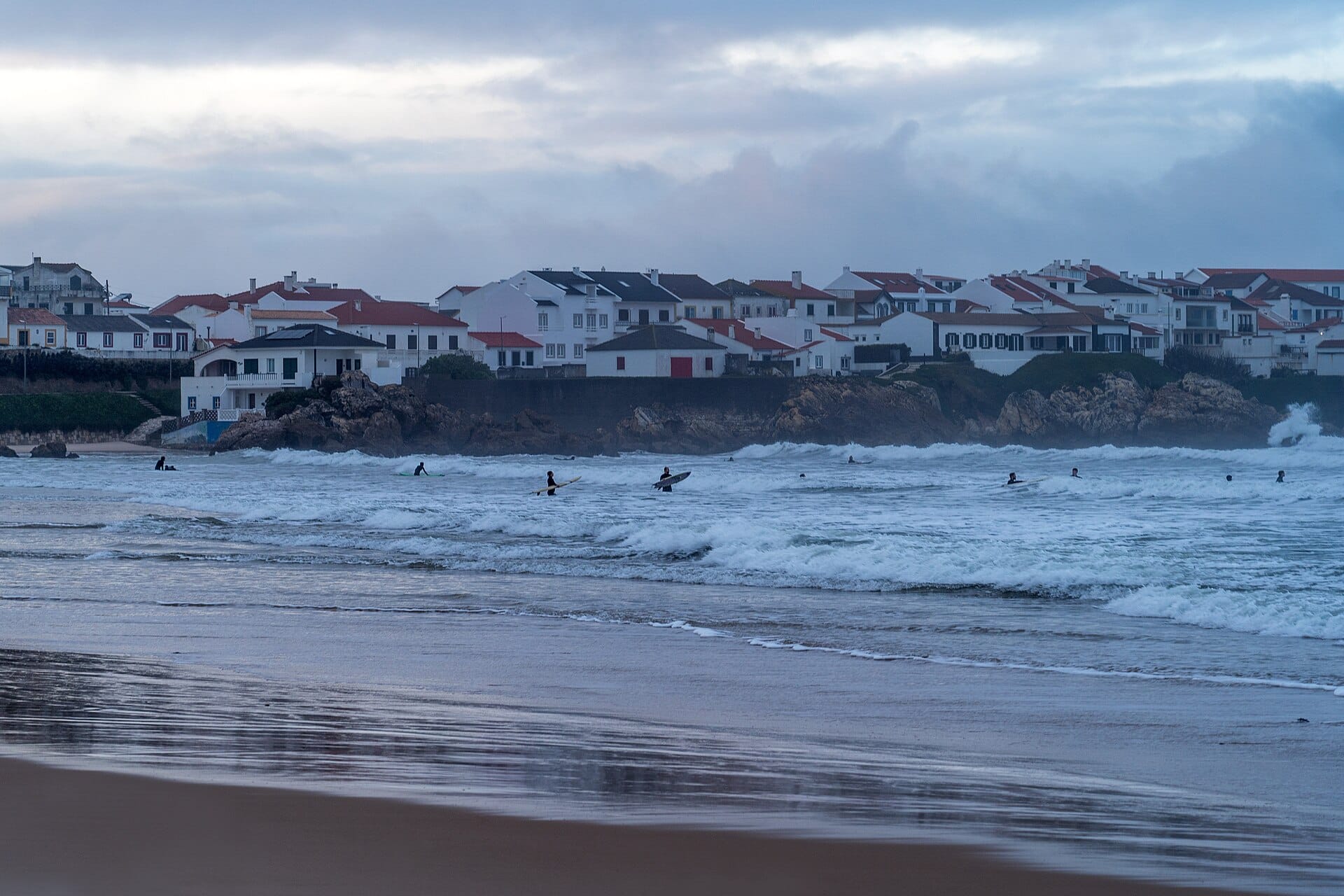
Baleal
Peniche, Portugal · 252km away →
Lisbon
Portugal · 311km away →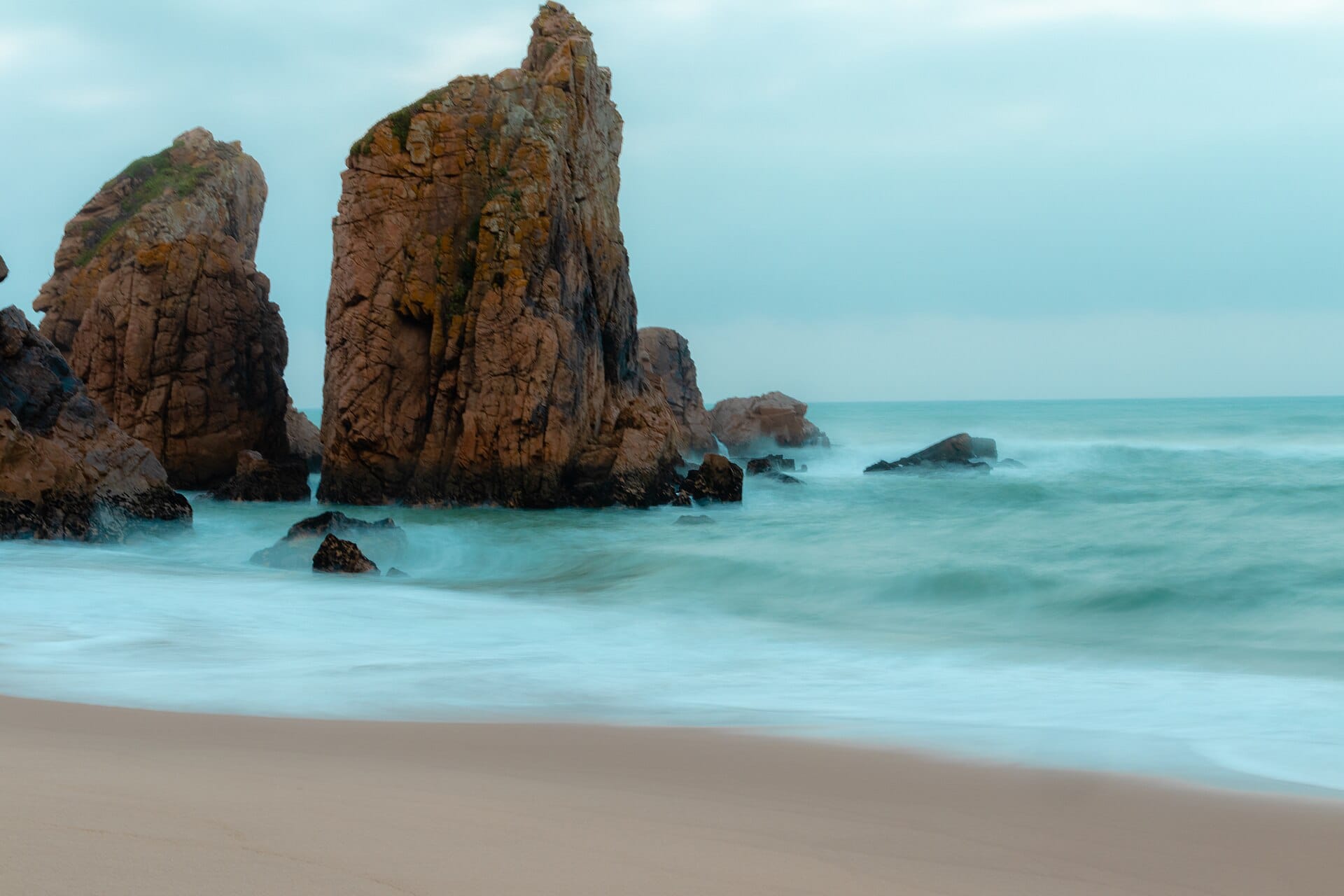
Praia da Ursa
Sintra, Portugal · 315km away →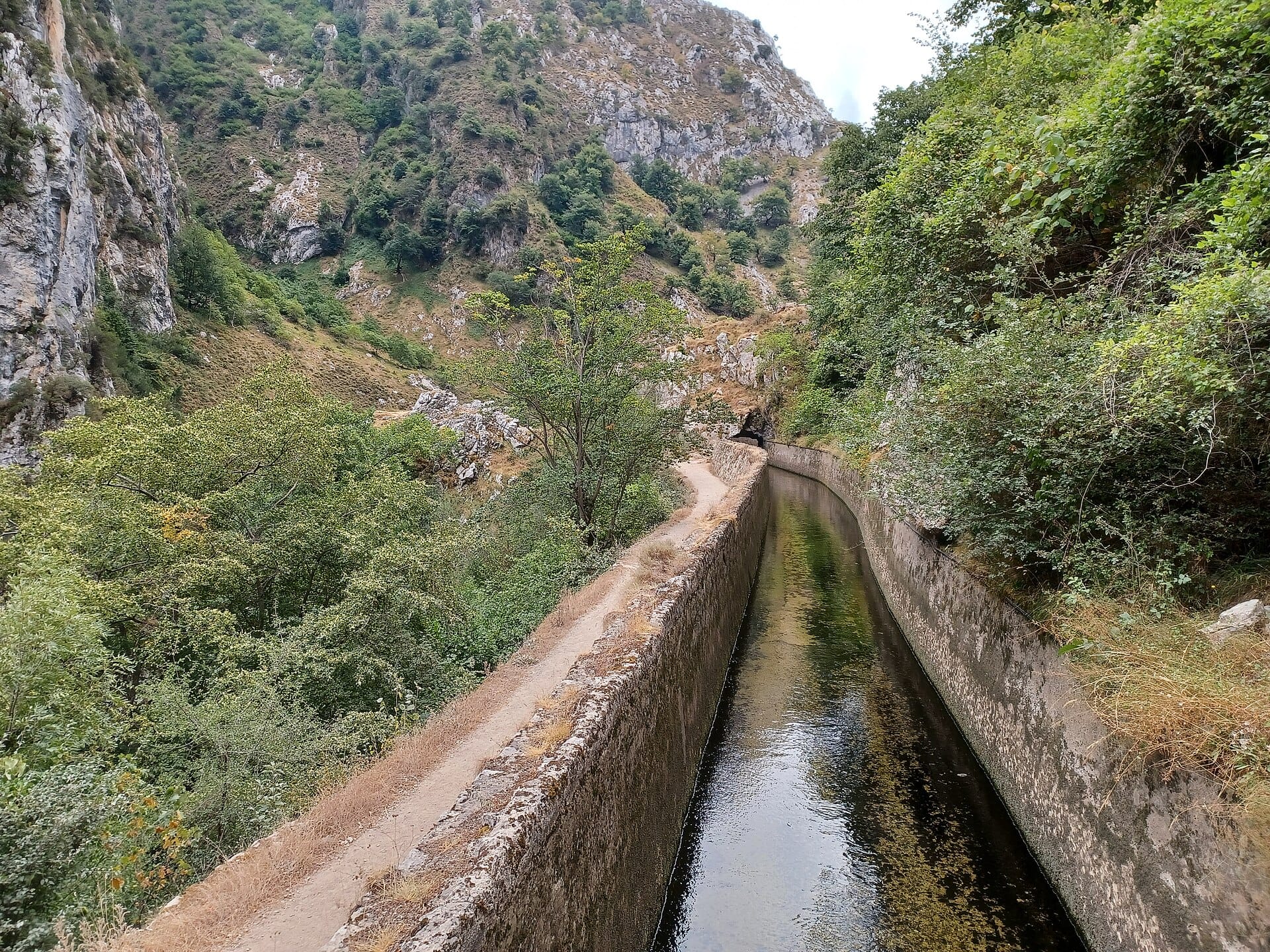
Cares Gorge
Picos de Europa, Spain · 319km away →Elsewhere in Portugal
Related articles

Quick answers
When is the best time to visit Douro Valley?
For warm, mostly dry days, July and August. That means highs of 20–34°C with rain on six days a month or fewer. Daytime highs run from about 11°C in January to 30°C in July. Driest in July and August; wettest in October, with rain on about 14 days.
How long should I spend in Douro Valley?
Our suggestion: 3-4 nights.
How do I get to Douro Valley?
Vila Real (VRL) handles almost no scheduled flights, so arrive at Porto and either drive or take the Douro line train, about two hours to Pinhão.
Do I need a car in Douro Valley?
Yes, a car makes a real difference here. The Douro line train is scenic and genuinely useful along the river. Nothing much climbs the slopes above it.
What currency and language are used in Douro Valley?
Currency: Euro (EUR). Language: Portuguese. Plugs: type C and F.
Who is Douro Valley best for?
Best for couples, honeymooners and foodies. In a phrase: terraced, romantic, wine-soaked.