
Dalmatia: Hvar
Start glamorous on Hvar, where yachts stack three-deep below the fortress, then catch the catamaran to Vis for the slow island Croatia kept to itself, and finish among the walled streets and vineyards of Korčula.
- Best forCouples · Beach lovers · Photographers
- In March13°C · 7 rainy days · sea 15°C
- Ideal stay1-2 weeks
- Approx. flying time~12h 45m from Los Angeles
- CurrencyEUREuro
- LanguageCroatian
- Local time15:101h ahead of the UK
- PlugsType C / FBring an adapter
- Drive on theRightOpposite to the UK
- Dialling code+385
Why go
This stretch of Dalmatia works as a single trip because the three islands are so different: Hvar is the polished one, all stone piazzas and yacht-lined harbours; Vis, closed to foreign visitors until the 1990s, still feels like the Adriatic before tourism arrived; Korčula claims to be Marco Polo's birthplace and pairs walled-town grandeur with inland vineyards. Between them, the sailing and swimming are constant, with pine-backed coves replacing sand almost everywhere.
Split is the natural starting point, with ferries and catamarans threading the route through summer, though the schedule thins outside June to September. A week allows two or three nights on each island without feeling rushed; sailing your own route or joining a small-boat cruise is the classic way to see all three properly. July and August bring the heaviest crowds and the highest prices of the year.
- Ideal stay
- 1-2 weeks
- The vibe
- Sun-bleached, maritime, unhurried
From our guides
Swimming is off pebbles and rock into water of absurd clarity. Split is the natural gateway, and the Krilo catamarans sew the whole route together through summer.
Featured in Ten island-hopping routes for the perfect beach fortnight
Things to do
-
Hvar Town
A harbour town of stone lanes below a hilltop fortress, busy with yachts through the summer months and quieter well after dark.
-
Vis Town and Komiža
Two fishing towns on the least developed of the three islands, with quiet coves close by and far fewer visitors than Hvar.
-
Blue Cave, Biševo
A sea cave off Vis where sunlight refracting through the water turns it an intense blue, best visited on a small morning boat trip.
-
Korčula Old Town
A walled peninsula town with a herringbone street plan and a Gothic cathedral at its centre, said to be Marco Polo's birthplace.
-
Pakleni Islands
A scatter of pine-covered islets off Hvar, good for a day of boat-hopping and swimming stops away from the crowds.
-
Korčula vineyards
Inland villages growing local white grape varieties, with tastings offered in family-run cellars alongside plates of local cheese and cured meat.
Getting there
-
Fly to
Split (SPU)
Nearest airport to Dalmatia: Hvar, about 42km away as the crow flies.
-
Then
To Hvar Town
Brac (BWK) is a small seasonal airport, so most arrive via Split and take the catamaran across, about an hour by fast boat to Hvar Town.
-
On the ground
Getting around
Catamarans and car ferries link Hvar, Vis and Korcula through the summer. The old towns are pedestrianised, and taxi boats reach the Pakleni islands.
Public transport: The ferry network is the public transport here and it works well in season; island buses are infrequent.
Flights
Los Angeles Dalmatia: Hvar, Croatia
Fly from anywhere — search 4,000+ airports worldwide.
Roughly 12h 45m in the air from Los Angeles (LAX), estimated from the distance — check for a direct route. Pick a month to see every available flight with live prices.
Check dates and prices
Pick your departure date, then your return.
Search flightsNot sure when? Compare fares across a whole month.
Flight times are estimates; prices open on Google Flights.
When to go
Daytime highs run from about 12°C in January to 27°C in August. Driest in July; wettest in December, with rain on about 16 days. The sea is warmest in August at around 27°C, coolest at 15°C.
The year at a glance — pick a month for detail
March13° · rain 7 days · sea 15°Cool with the odd shower.
Monthly figures averaged from daily records for 2020–2024 at this location (ERA5 reanalysis). Highlighted months are warm and mostly dry — June to August. Live conditions from MET Norway, CC BY 4.0.
Where to stay
Apartments and sobe rooms rented by families, small boutique hotels in the old towns, plus a few large hotels on the edges. Villas with pools inland, almost no chains.
-
Best base overall
Hvar Town
The catamaran hub, with the fortress, the square and the boats to the Pakleni islands. It is the loudest and priciest place in Dalmatia in July, and hills mean stairs with luggage.
Find stays in Hvar Town -
Best with children
Stari Grad
The other end of Hvar island, calmer, flatter and cheaper, with a car ferry and swimming off the bay. Nothing much happens at night, and the town beach is modest.
Find stays in Stari Grad -
Quietest
Vis Town
The slow island the Croatians kept, with a long waterfront, good konobas and no scene to speak of. Fewer boats, so plan the catamaran timetable carefully.
Find stays in Vis Town -
Best for couples
Korčula Old Town
A walled fishbone of streets on a peninsula, with vineyards and beaches nearby. Rooms in the old town are small, hot and up steps, and the day-trip crowds arrive by noon.
Find stays in Korčula Old Town
Worth knowing before you book: July and August apartments are booked by the previous winter, most take a week minimum, and inter-island catamarans sell out days ahead in season.
Search everything else in Hvar Town by budget. These are indicative budget bands in GBP per night for two people, not live quotes or guarantees of hotel type. Check your dates, guests, taxes and final price on Booking.com.
Good to know
- Getting there
- Split is the main gateway, with ferries and catamarans running on to all three islands through the summer season.
- Book ahead
- Ferry tickets, especially for cars, sell out on peak summer sailings, so book in advance.
- Timing
- June and September offer warm seas with fewer crowds than the July and August peak.
- Cash or card
- Cards are widely accepted, though small harbourside cafes sometimes prefer cash.
- Driving
- A car is useful on the islands themselves but adds complication and expense to inter-island ferry crossings.
Similar places
Nearby destinations
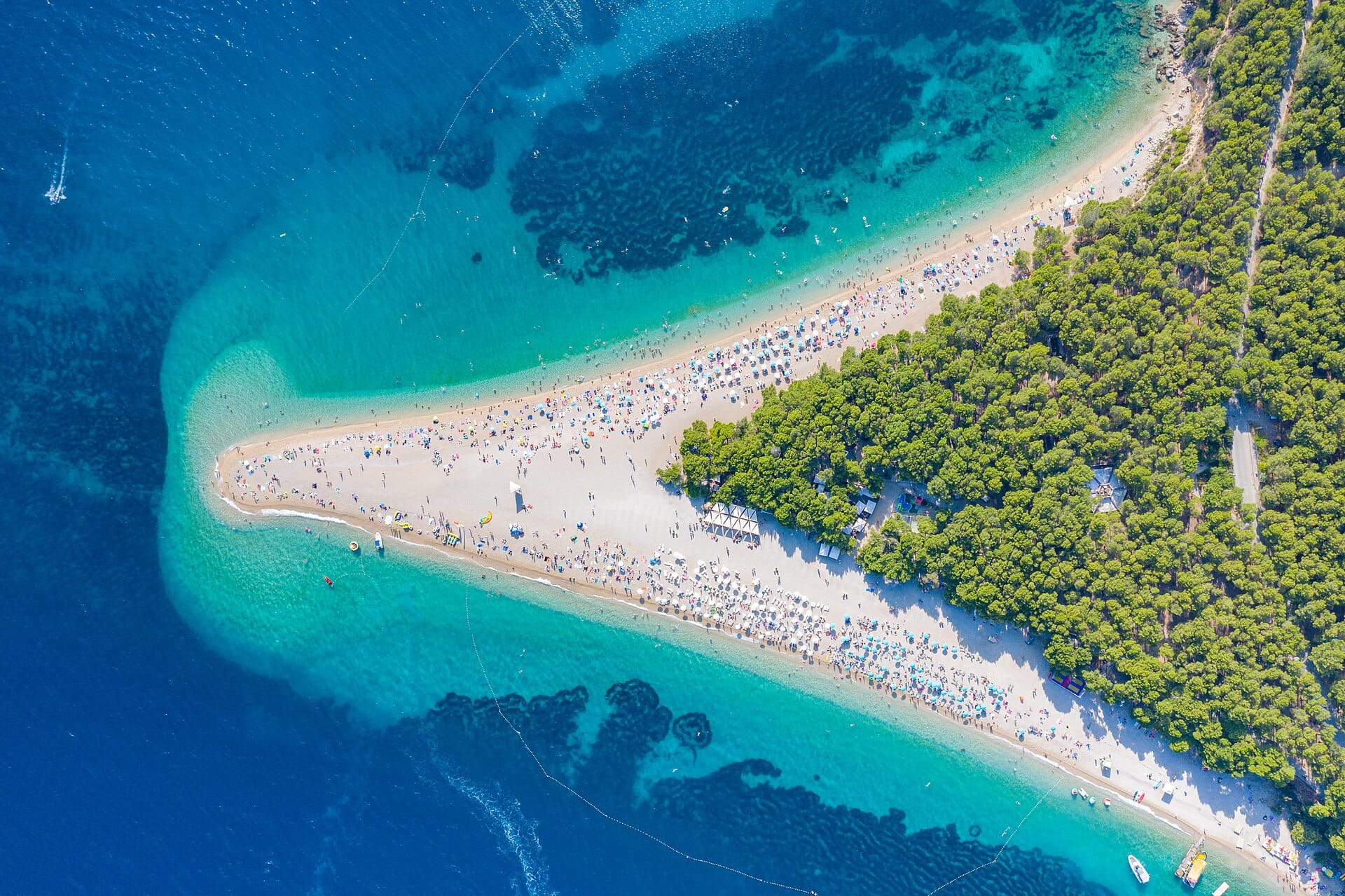
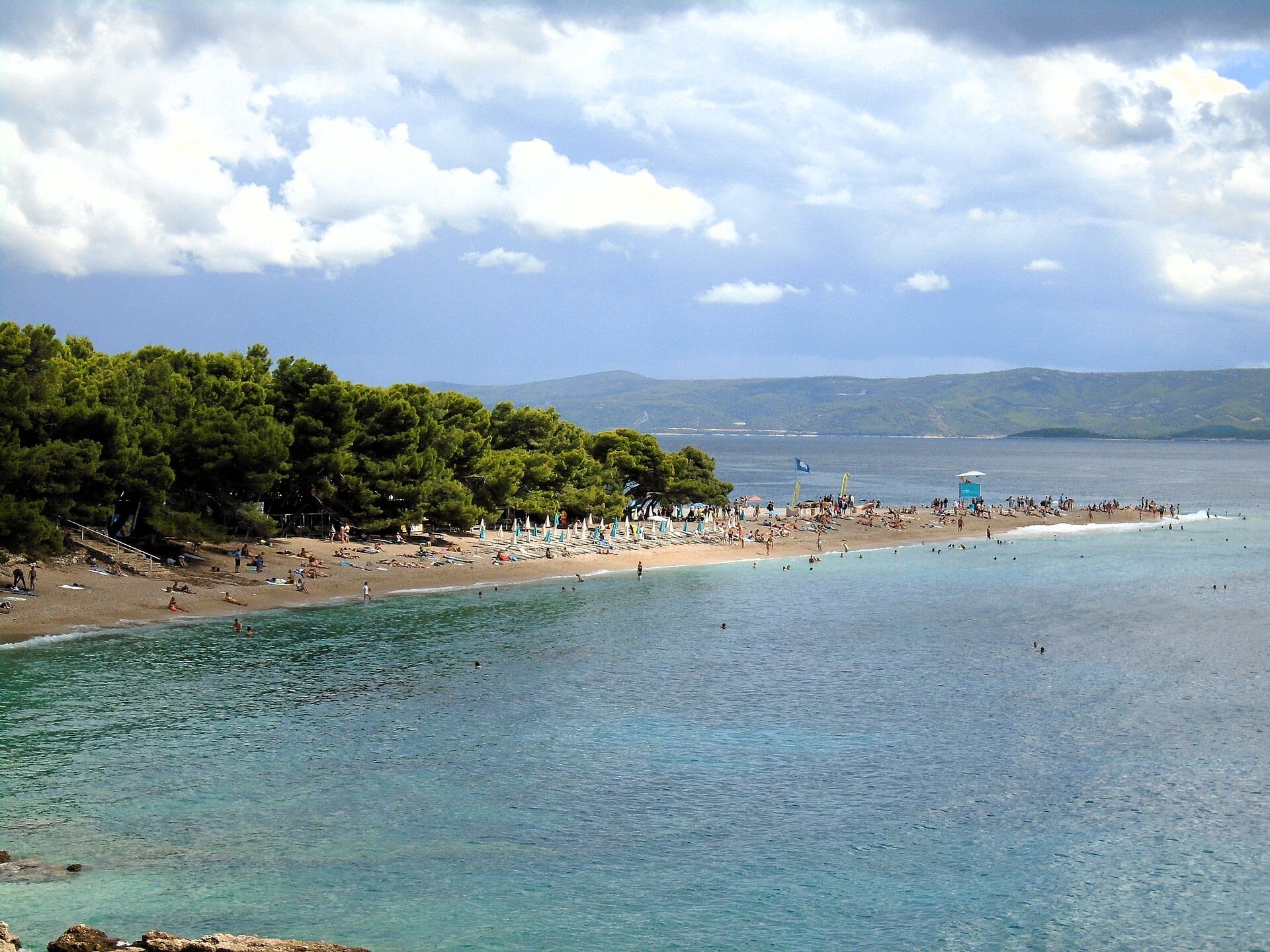
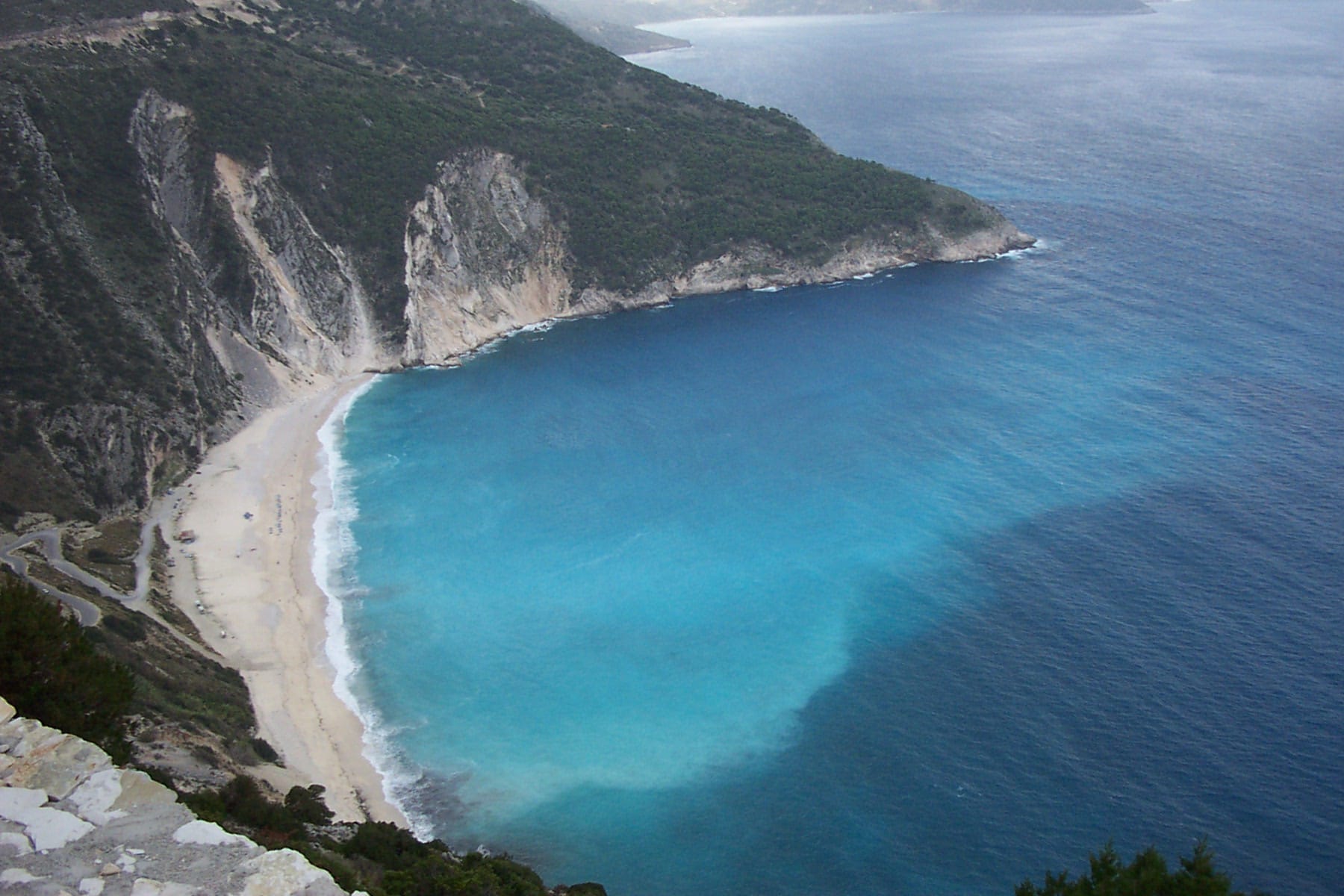
Zlatni Rat
Brač, Croatia · 25km away →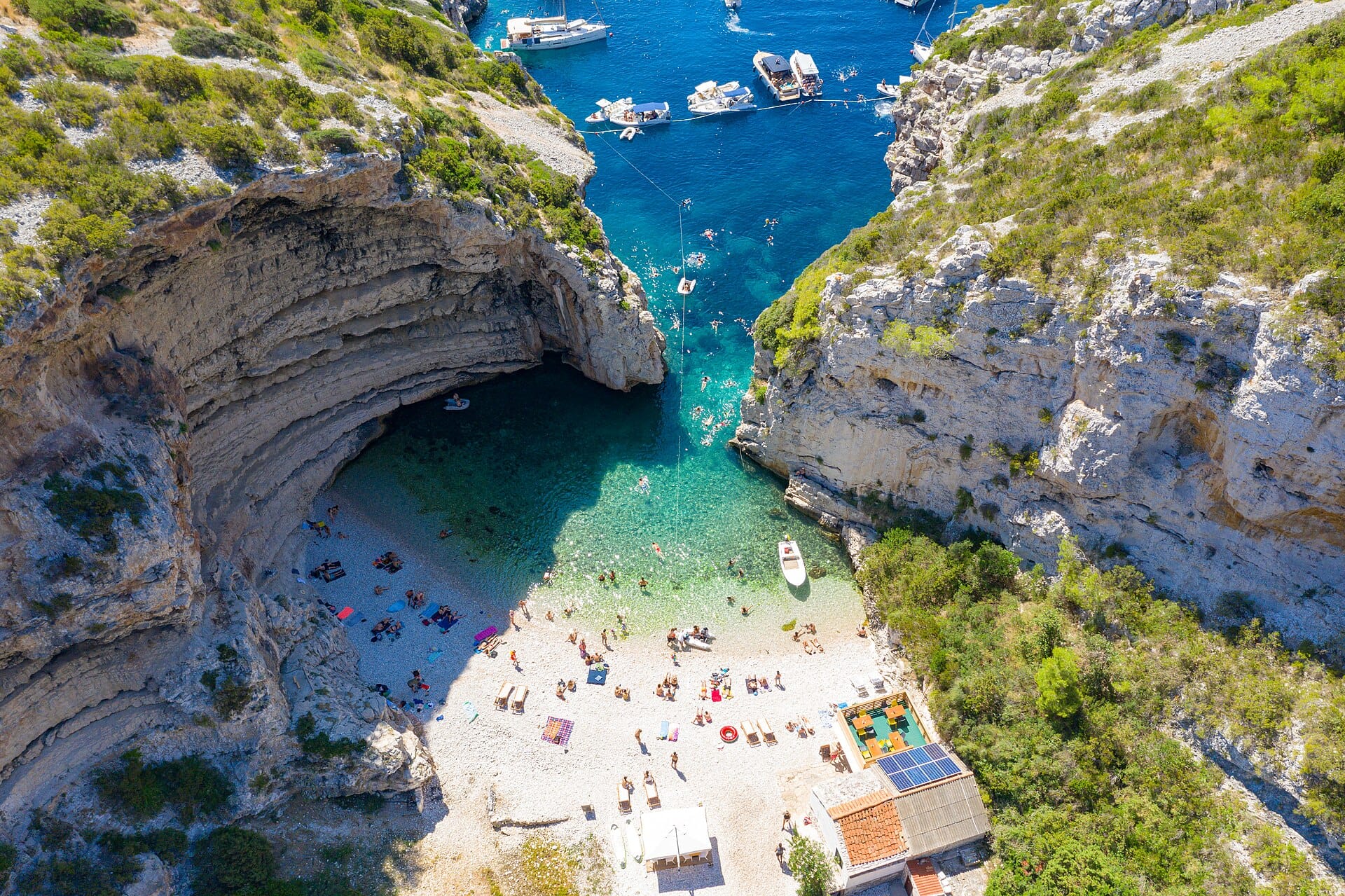
Vis
Croatia · 26km away →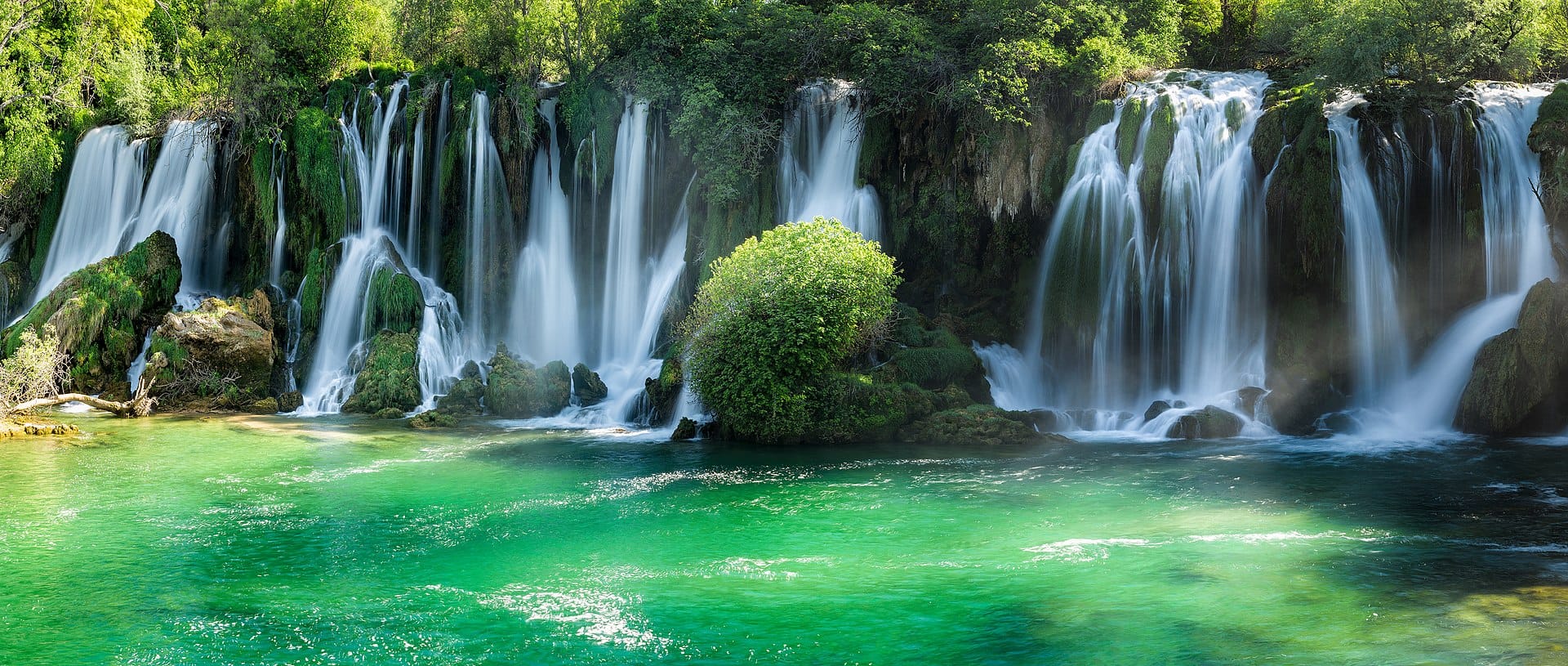
Swimming the Kravica waterfalls
Bosnia and Herzegovina · 95km away →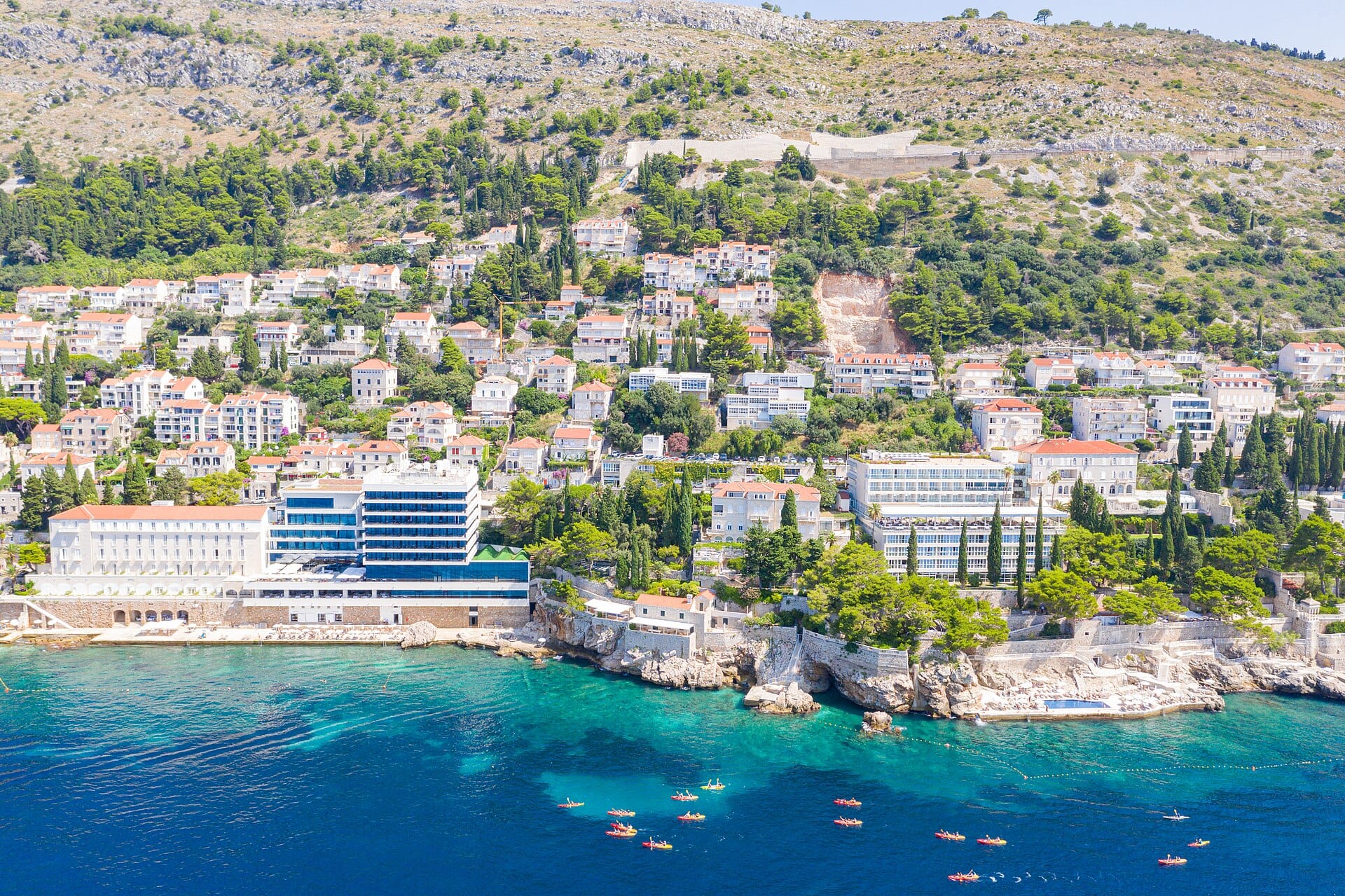
Sea kayaking the Elaphiti Islands
Croatia · 128km away →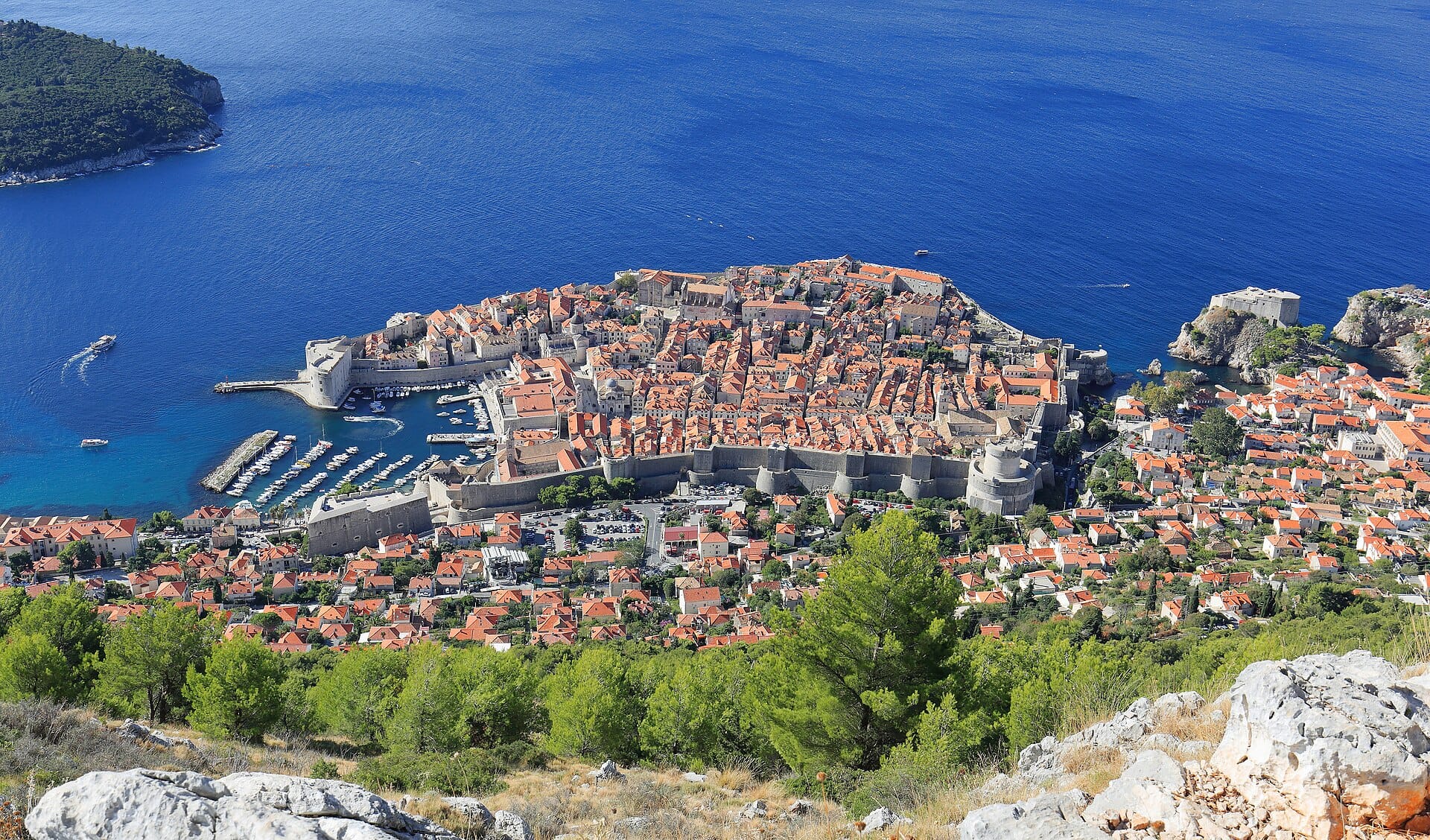
Dubrovnik
Croatia · 147km away →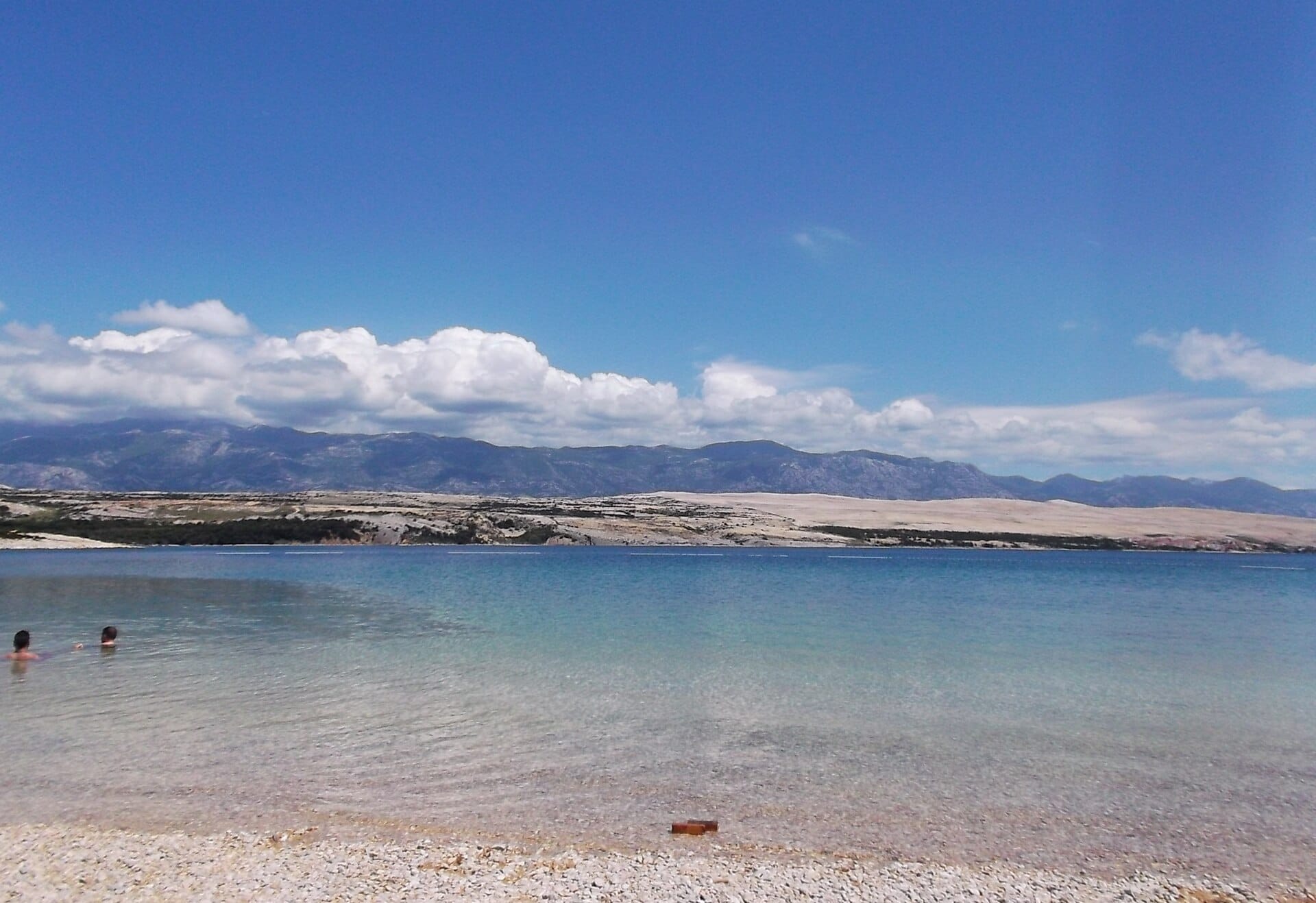
Zrće Beach
Pag, Croatia · 189km away →Elsewhere in Croatia
Related articles
Quick answers
When is the best time to visit Dalmatia: Hvar?
For warm, mostly dry days, June to August. That means highs of 20–34°C with rain on six days a month or fewer. Daytime highs run from about 12°C in January to 27°C in August. Driest in July; wettest in December, with rain on about 16 days. The sea is warmest in August at around 27°C, coolest at 15°C.
How long should I spend in Dalmatia: Hvar?
Our suggestion: 1-2 weeks.
How do I get to Dalmatia: Hvar?
Brac (BWK) is a small seasonal airport, so most arrive via Split and take the catamaran across, about an hour by fast boat to Hvar Town.
Do I need a car in Dalmatia: Hvar?
No. The ferry network is the public transport here and it works well in season; island buses are infrequent.
What currency and language are used in Dalmatia: Hvar?
Currency: Euro (EUR). Language: Croatian. Plugs: type C and F.
Who is Dalmatia: Hvar best for?
Best for couples, beach lovers and photographers. In a phrase: sun-bleached, maritime, unhurried.