Coasteering
The original extreme sport of the Welsh coast asks a simple question at increasing heights: will you jump?
- Best forAdventure seekers · Families · Groups of friends
- In October14°C · 19 rainy days
- Ideal stayHalf a day, within a week on the coast
- Approx. flying time~10h 50m from Los Angeles
Happens around Pembrokeshire, Wales — nearest airport Cardiff (CWL), about 119km away.
- CurrencyGBPPound sterling
- LanguageEnglish
- Local time11:34same time as the UK
- PlugsType GUK plugs fit
- Drive on theLeftSame as the UK
- Dialling code+44
The experience
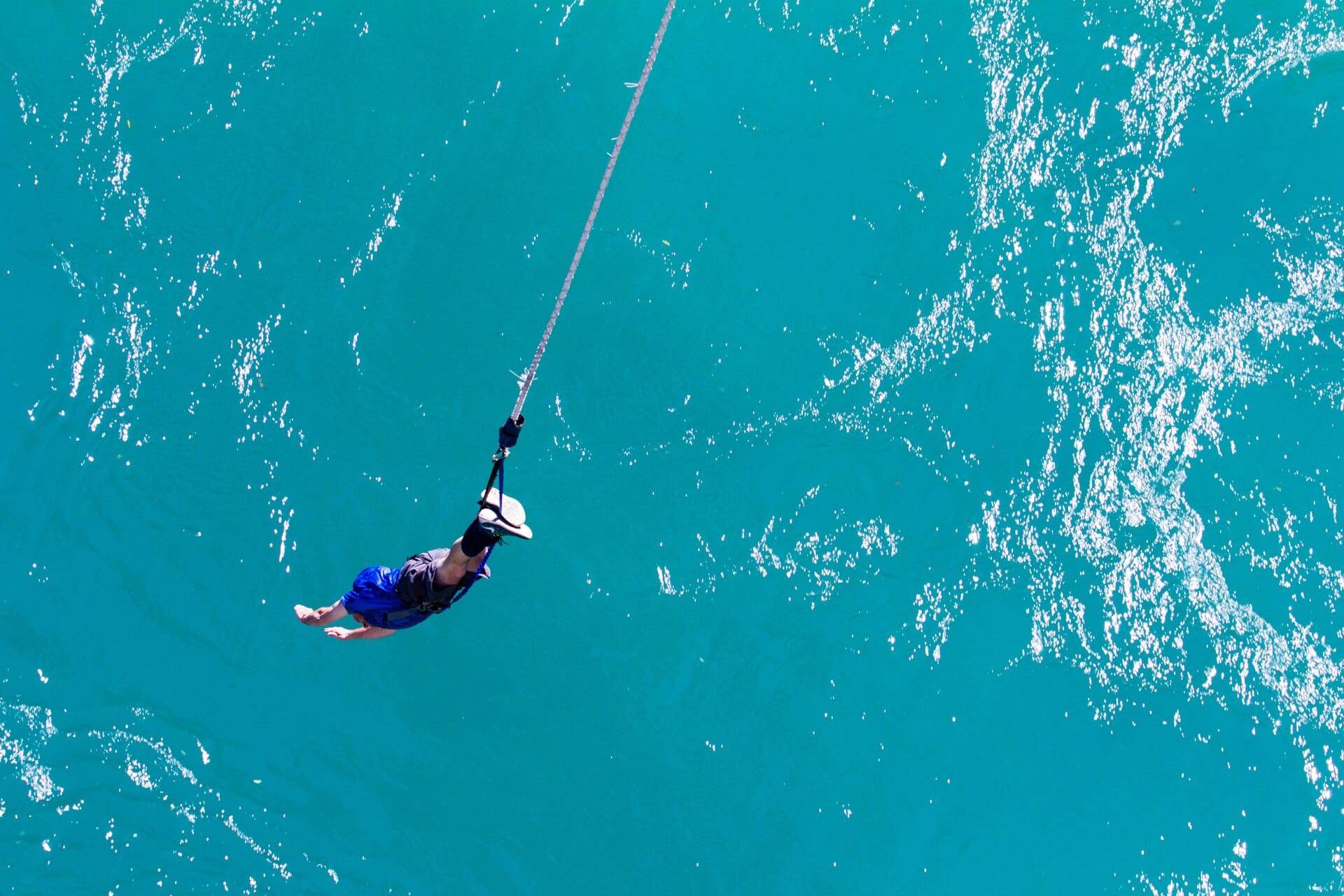
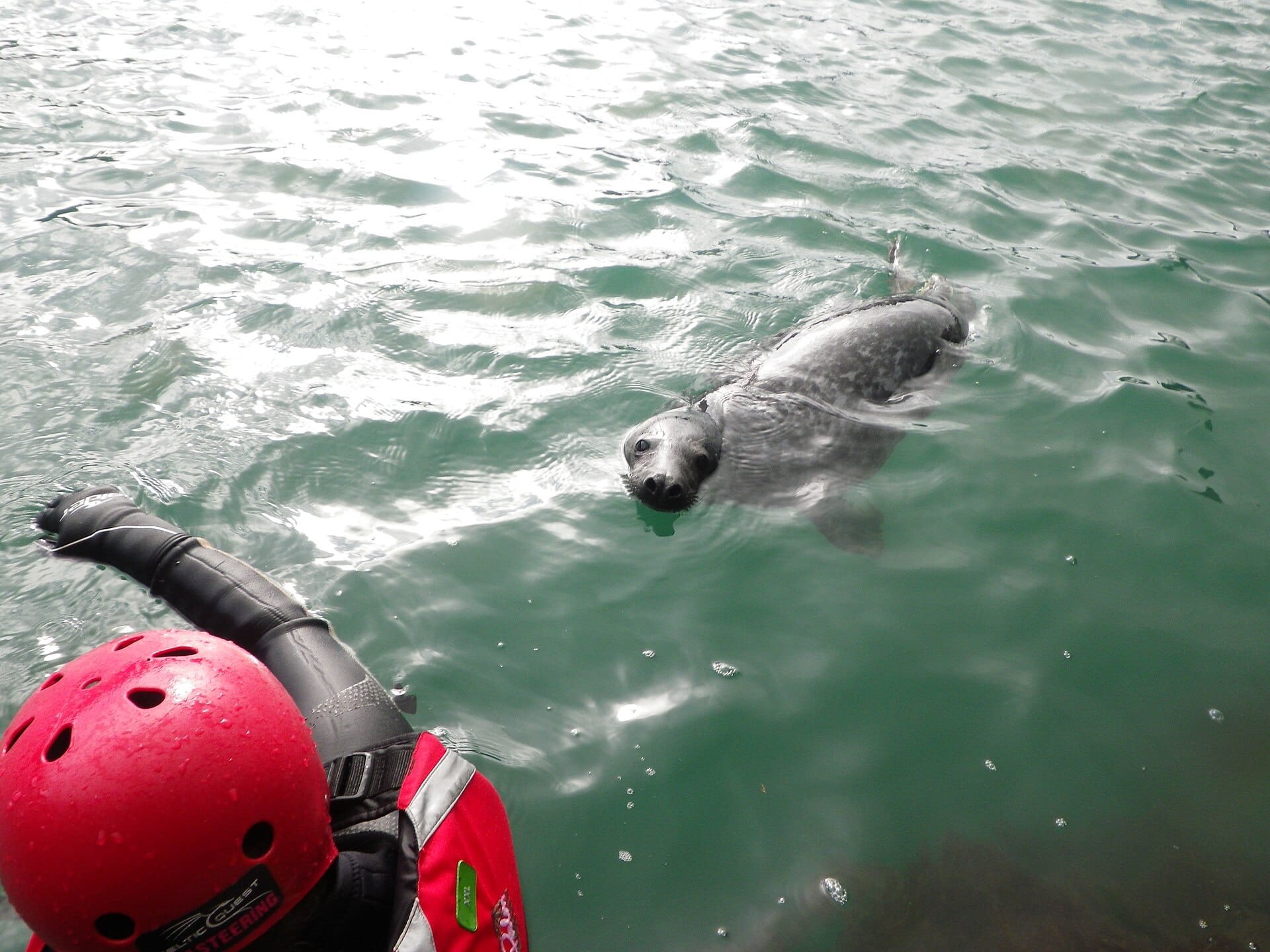
The sport was invented on this coast, and the format has not changed much: a wetsuit, buoyancy aid and helmet, then a few hours moving along the base of the cliffs by whatever means the rock and swell allow. You scramble, traverse, swim through gullies and jump from ledges into deep water, with a guide reading the sea and choosing the line. Seals often turn up to watch, which never stops being disconcerting.
St Davids and the surrounding villages are the usual meeting points, with sessions running roughly April to October and lasting three hours or so. It fits neatly into a week on the Pembrokeshire coast alongside walking, sea kayaking and beaches that are among the best in Britain. Minimum ages are typically around eight. You need to be a competent swimmer and comfortable being tumbled about; fitness matters less than nerve.
- Ideal stay
- Half a day, within a week on the coast
- The vibe
- Cold, salty, nerve-testing, hilarious
From our guides
Between leaps you traverse barnacled rock at sea level, ride swells into gullies and haul out through whitewater, all in thick wetsuits that make the Atlantic almost cosy. Operators around St Davids run sessions from around age eight upwards, April to October, with every jump strictly optional. Confidence in the water matters more than fitness. The last ledge is always higher than it looked.
Featured in Ten adrenaline days out: canyons, bridges and big jumps and Ten wild swimming and water adventures across Europe
Make a trip of it
-
Blue Lagoon, Abereiddy
A flooded slate quarry connected to the sea, with sheltered turquoise water and quarry walls used for jumps. The best-known coasteering spot in Britain.
-
St Davids
The smallest city in the UK, essentially a village around a cathedral set below ground level in a hollow. The base for most operators and a good evening.
-
Ramsey Island
Boat trips run out to an RSPB reserve of choughs, seals and peregrines, through the tide race at the Bitches. Rough water, excellent wildlife.
-
Pembrokeshire Coast Path
Around 300 kilometres of national trail along the cliffs, and any single day section between St Davids and Solva shows you what you have been swimming under.
-
Barafundle Bay
A sheltered beach on the southern coast reached only on foot from Stackpole, with dunes, pines and clear water. Half an hour's walk keeps it civilised.
-
Skomer puffins
Between April and July, boats from Martin's Haven land on an island where puffins nest within a metre of the footpath. Book the crossing well ahead.
Getting there
-
Fly to
Cardiff (CWL)
Nearest airport to Pembrokeshire, about 119km away as the crow flies.
-
Then
To St Davids
About three hours by car from Cardiff (CWL), west on the M4 then the A40 and A487 through Haverfordwest.
-
On the ground
Getting around
Operators meet in St Davids and drive groups the short distance to the cliffs around Whitesands and Porthclais. A car makes reaching the coast path far easier.
Public transport: Trains reach Haverfordwest with local coastal buses on to St Davids, but services are sparse outside the summer.
Flights
Los Angeles Pembrokeshire, Wales
Fly from anywhere — search 4,000+ airports worldwide.
Roughly 10h 50m in the air from Los Angeles (LAX), estimated from the distance — check for a direct route. Pick a month to see every available flight with live prices.
Check dates and prices
Pick your departure date, then your return.
Search flightsNot sure when? Compare fares across a whole month.
Flight times are estimates; prices open on Google Flights.
When to go
Daytime highs run from about 8°C in January to 19°C in August. Driest in April and May; wettest in October, with rain on about 19 days.
The year at a glance — pick a month for detail
October14° · rain 19 daysCool and often wet.
Monthly figures averaged from daily records for 2020–2024 at this location (ERA5 reanalysis). Live conditions from MET Norway, CC BY 4.0.
Where to base yourself
Farmhouse B&Bs, cottages, bunkhouses and a strong campsite network, plus a few small hotels. No large hotels and nothing resembling a resort anywhere on this coast.
-
Best base overall
St Davids
Britain's smallest city, and the operators meet here, so you can walk to the briefing. Pubs, a cathedral and a few good places to eat; parking in summer is a competitive sport.
Find stays in St Davids -
Best with children
Solva
A sheltered creek village fifteen minutes east, with a harbour to crab in and calm water when the sea is wild. Fewer beds than St Davids, and the lower village floods with day visitors.
Find stays in Solva -
Closest to the sights
Whitesands Bay area
Right by the beach where many sessions launch, with camping and a couple of farm stays. Facilities are thin, so you will drive into St Davids for supper.
Find stays in Whitesands Bay area -
Best value
Newgale
Campsites and simple B&Bs behind a two-mile pebble bank, cheaper than anything in St Davids. It is exposed, and the road floods on big spring tides.
Find stays in Newgale
Worth knowing before you book: The Pembrokeshire coast fills for Welsh and English school holidays well before Easter, and many cottages take Saturday-to-Saturday weeks only in summer.
Search everything else in St Davids by budget. These are indicative budget bands in GBP per night for two people, not live quotes or guarantees of hotel type. Check your dates, guests, taxes and final price on Booking.com.
Good to know
- Season
- Sessions run from around April to October, with the sea at its warmest in late August and September. Wetsuits make the earlier months perfectly bearable.
- What's provided
- Wetsuit, buoyancy aid, helmet and usually old trainers come with the session. Bring a swimming costume, a towel and warm clothes for afterwards.
- Jumps are optional
- Guides offer several heights at each ledge and no one is obliged to jump at all. Say what you want before you get in the water.
- Tides
- Sessions are scheduled around tide and swell, not around your diary. Expect a start time to be given a day or two before rather than at booking.
- Getting there
- Pembrokeshire is a long drive from most of England, roughly five hours from London. Trains reach Haverfordwest, but a car is needed beyond it.
Nearby destinations
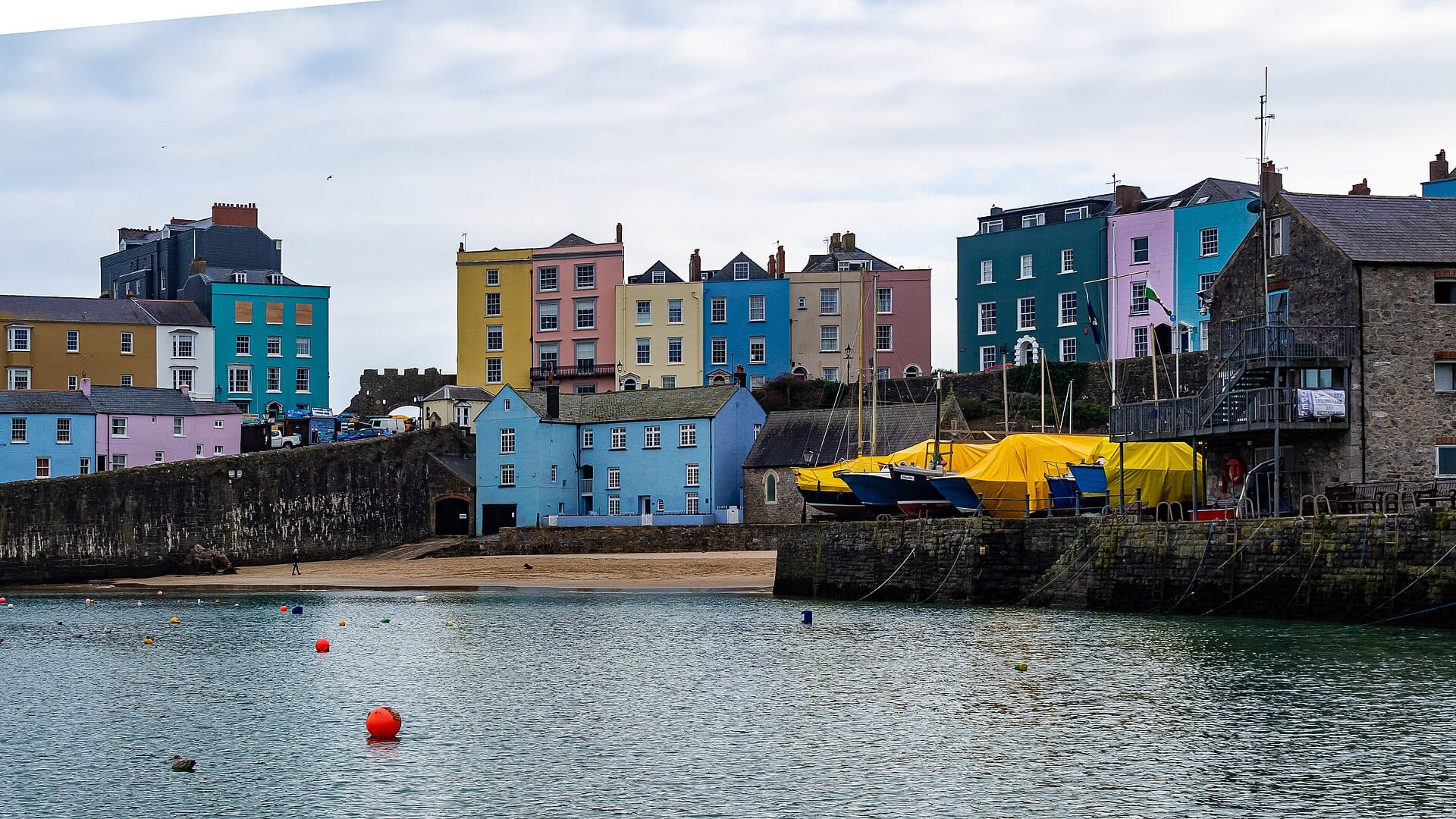
Tenby
Pembrokeshire, Wales · 23km away →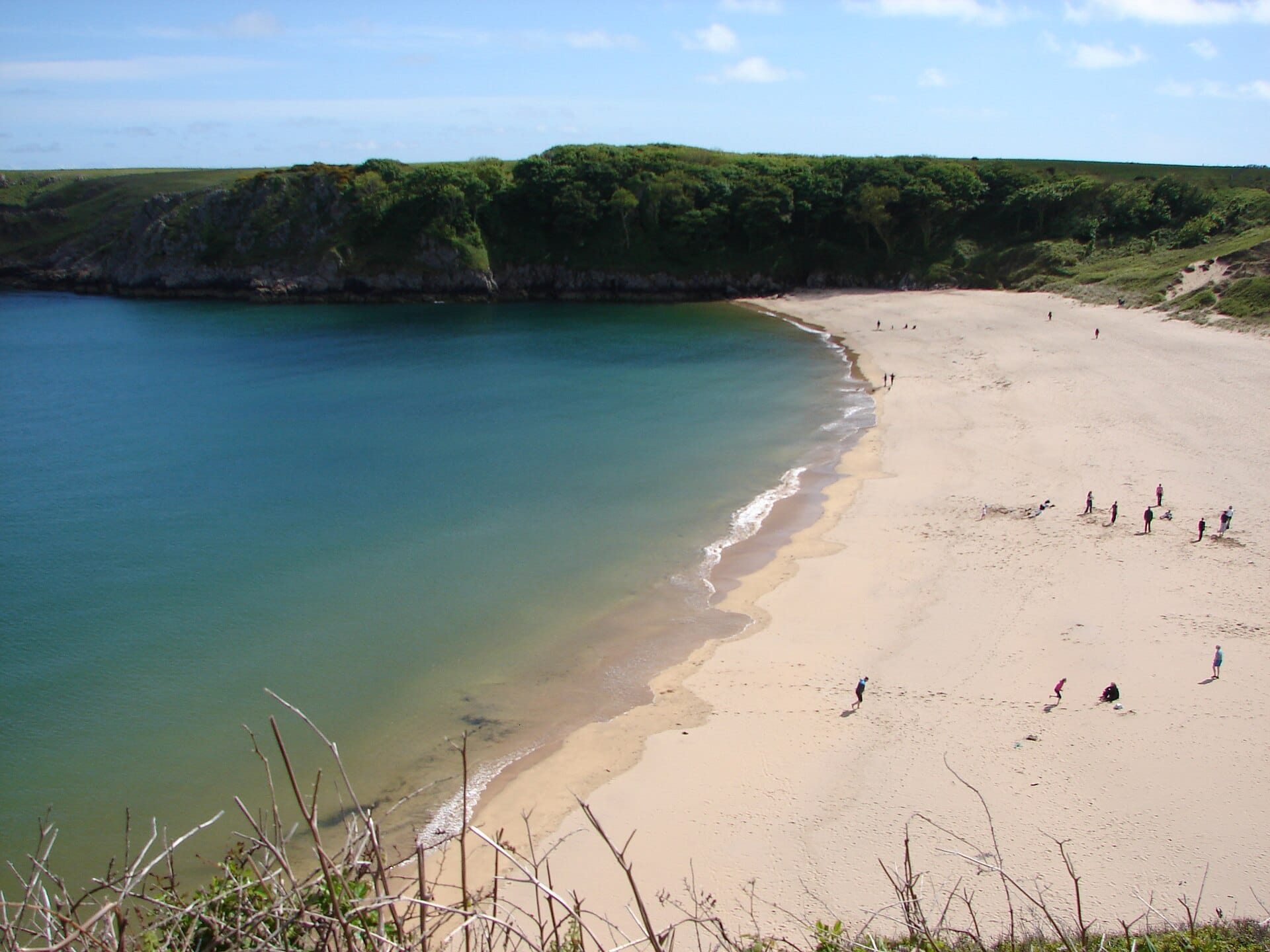
Barafundle Bay
Pembrokeshire, Wales · 24km away →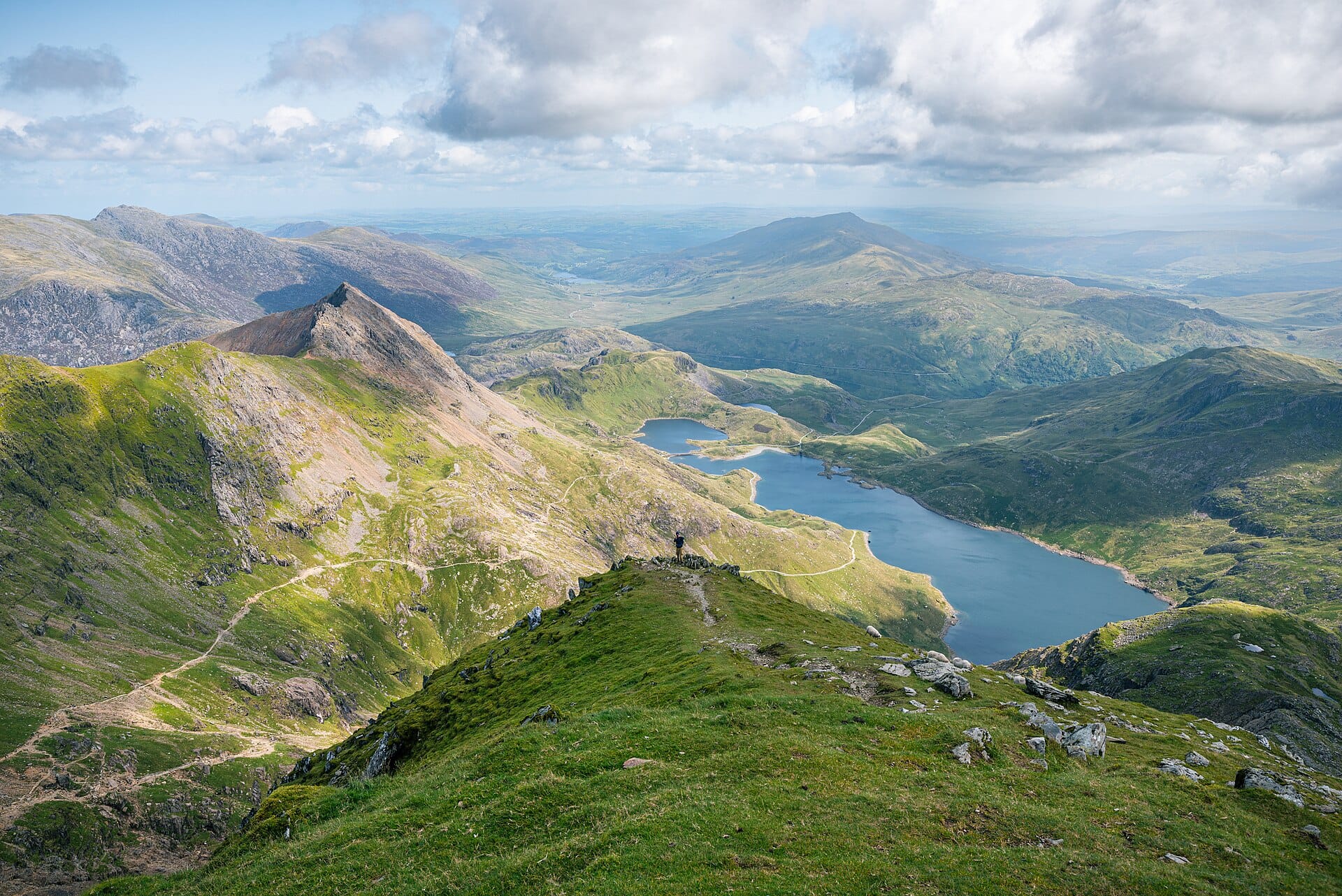
Snowdon via the Llanberis Path
Wales · 149km away →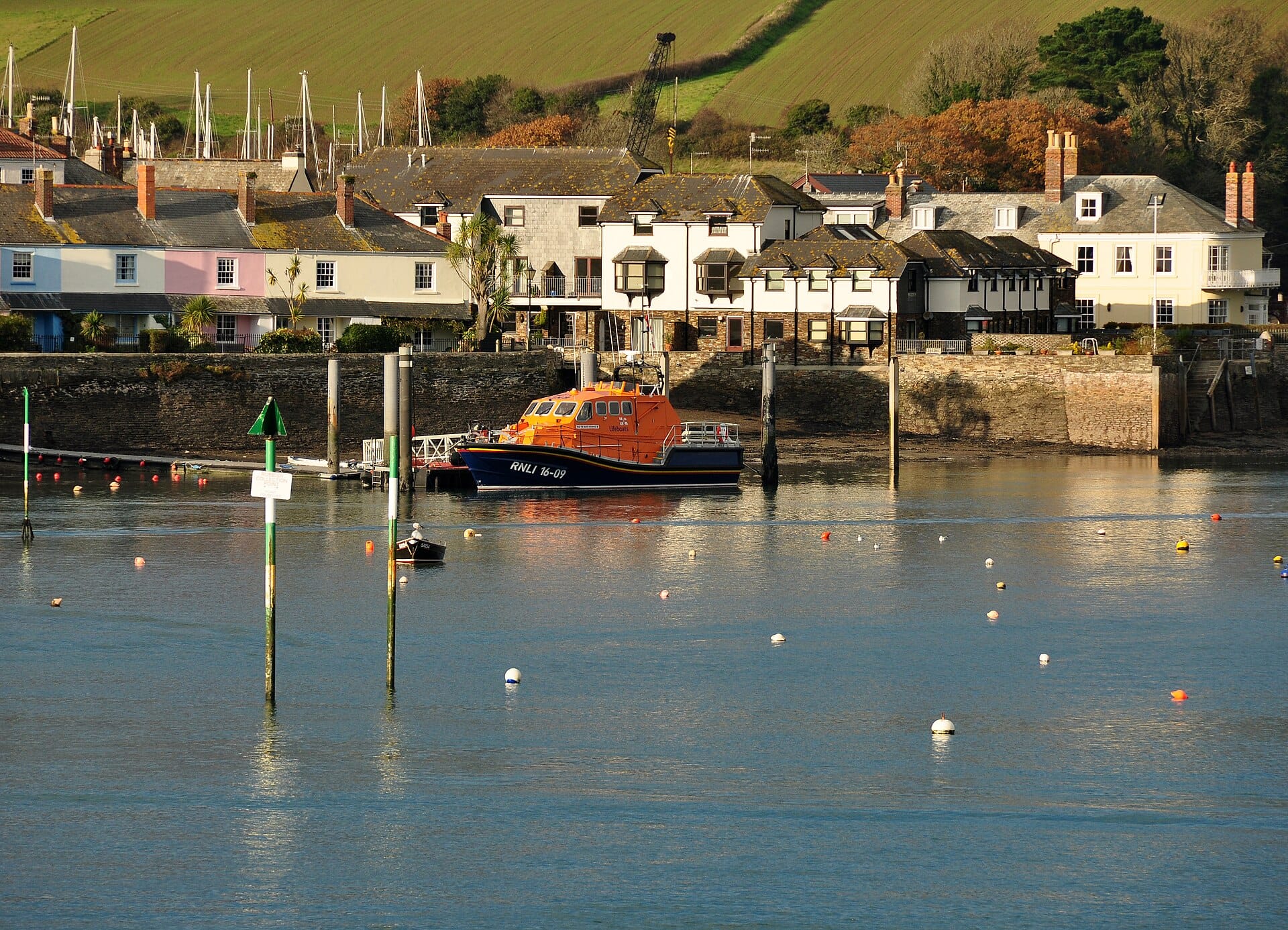
A working farm stay
Devon, England · 151km away →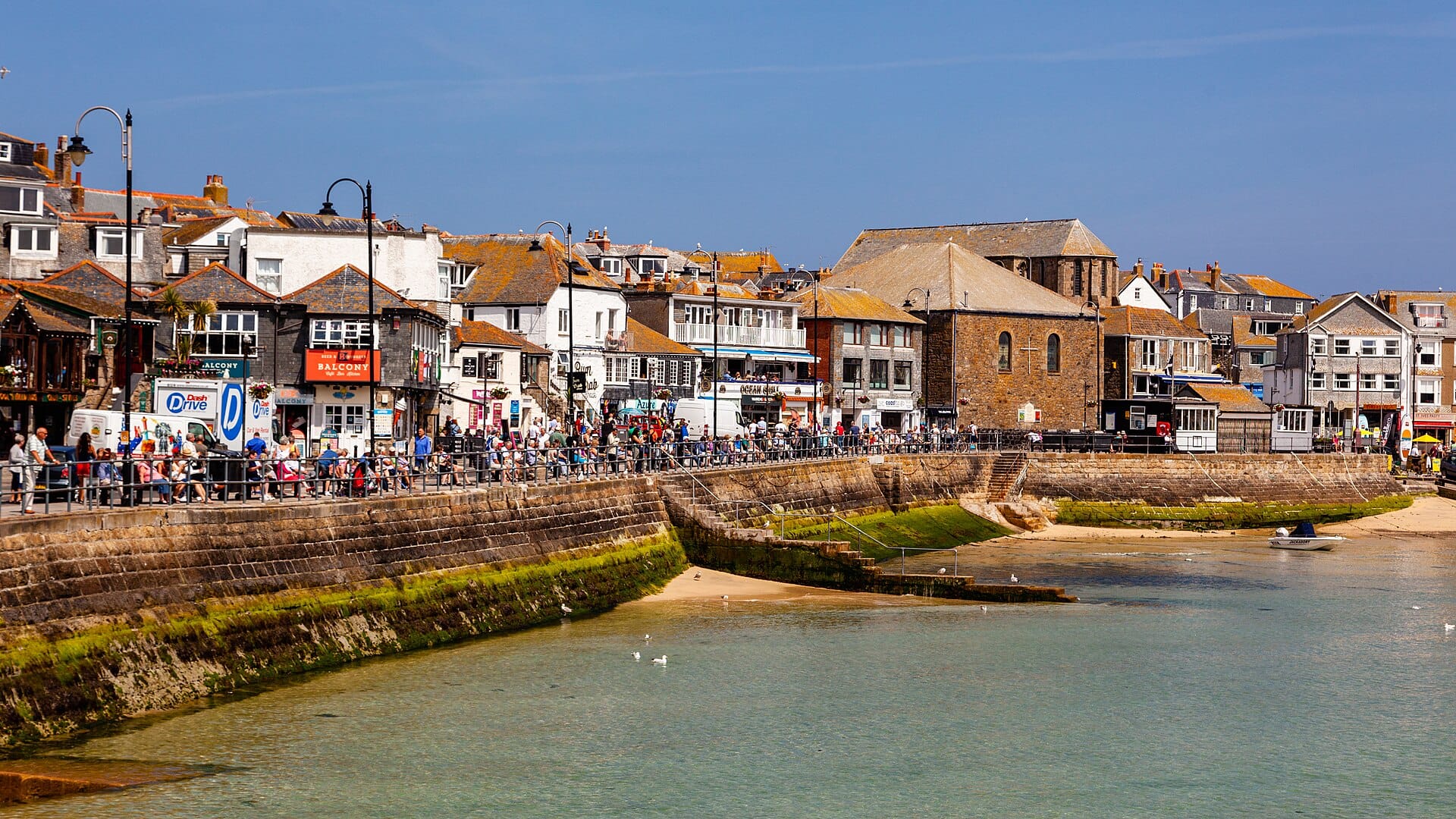
Cornwall
England · 156km away →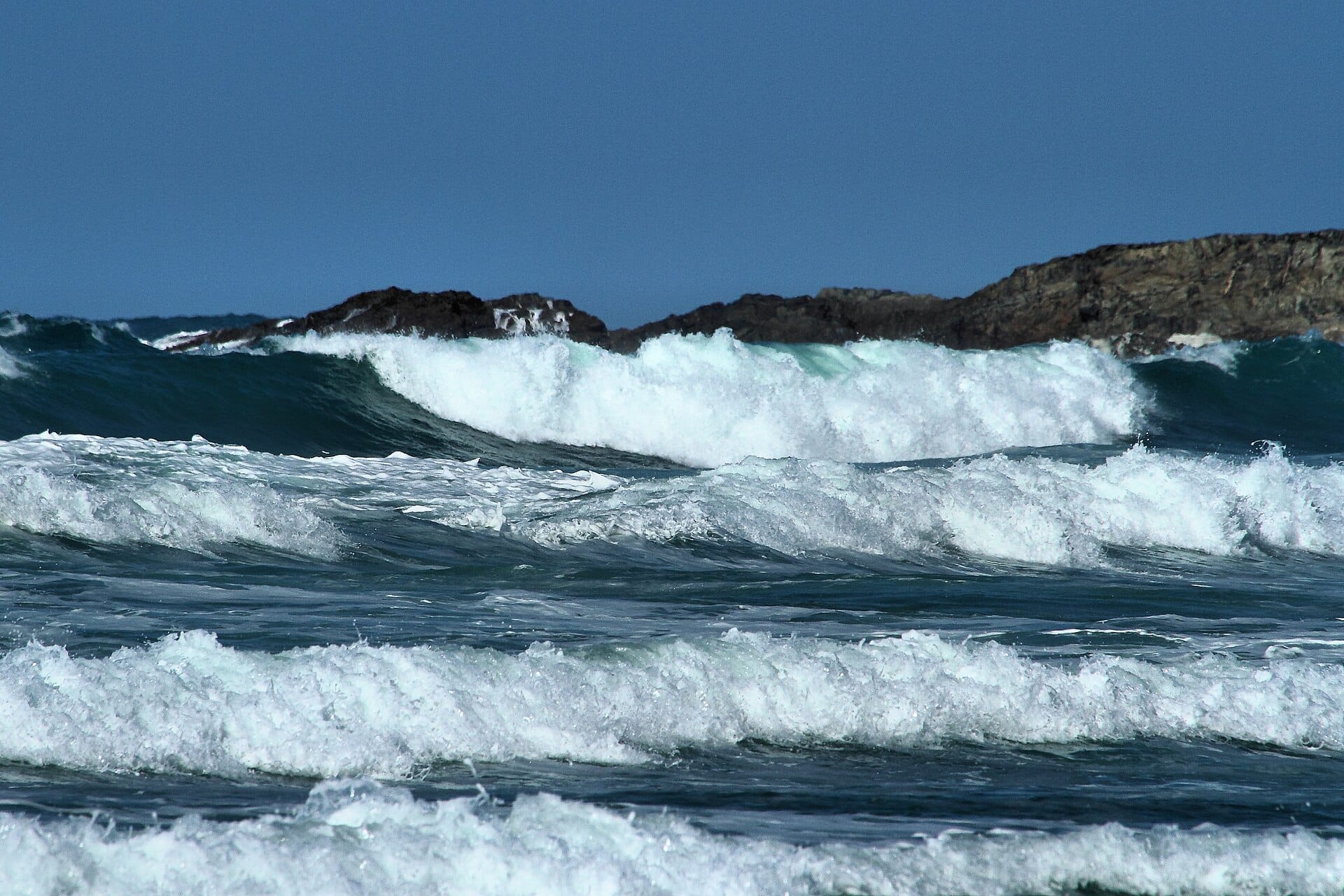
Fistral Beach
Newquay, England · 158km away →Elsewhere in Wales