
Cairns
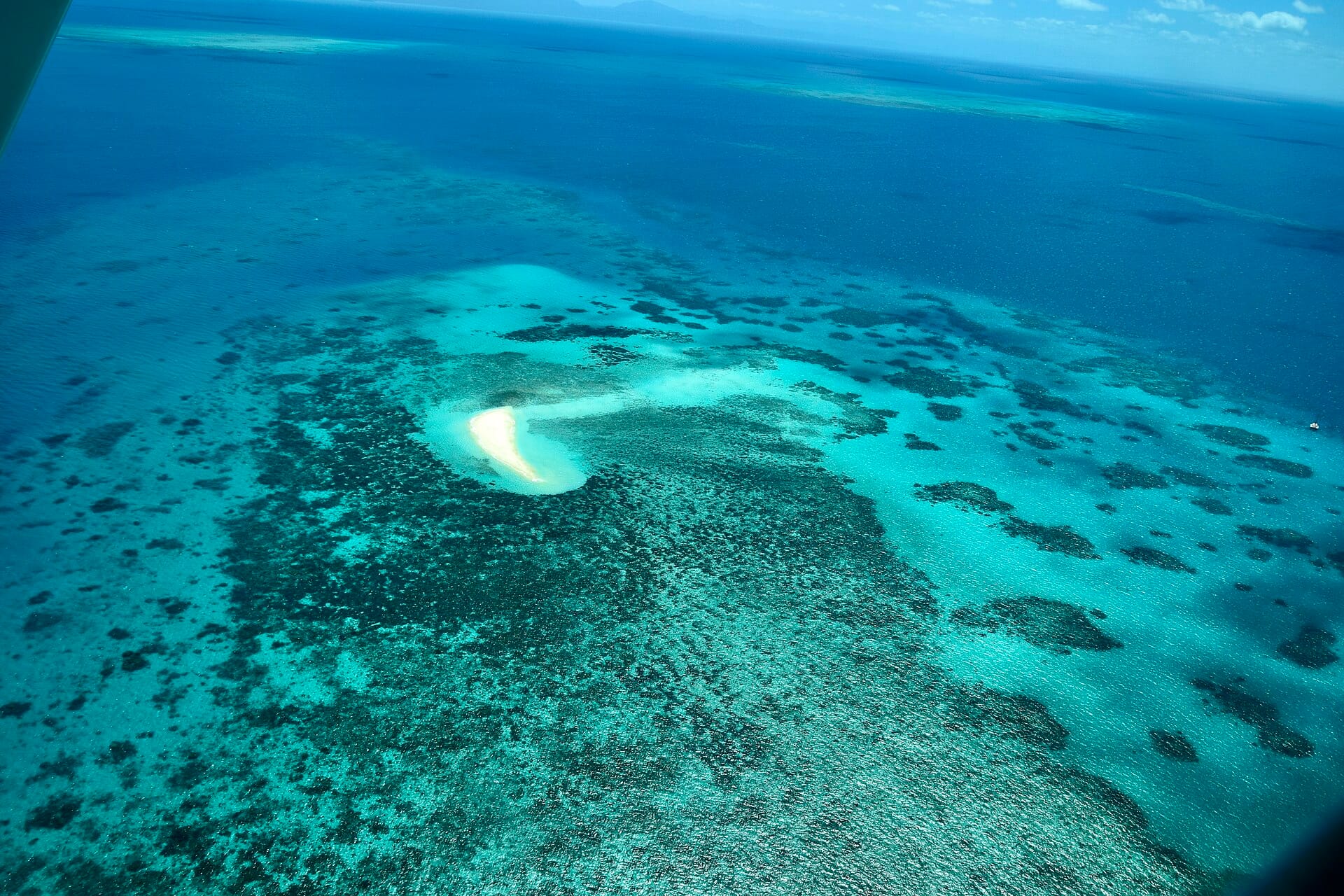
The Great Barrier Reef sounds intimidating and is anything but from Cairns, where big catamarans deliver you to pontoon-moored outer-reef sites with guides, wetsuits and lunch included.
- Best forDivers & snorkellers · Wildlife & nature · Families
- In November29°C · 11 rainy days · sea 28°C
- Ideal stay4–5 nights
- Approx. flying time~14h 20m from Los Angeles
- CurrencyAUDAustralian dollar
- LanguageEnglish
- Local time19:249h ahead of the UK
- PlugsType IBring an adapter
- Drive on theLeftSame as the UK
- Dialling code+61
Why go
The town is really a base rather than a destination: a tropical waterfront city on the Queensland coast, organised around getting people out to the Great Barrier Reef and up into the rainforest behind it. There is no beach in the centre, only a saltwater lagoon on the esplanade. The heat is heavy, the vegetation is loud and the reef is an hour or two offshore.
Four or five nights lets you do two reef days, a rainforest day and a run north to Port Douglas or the Daintree. The dry season from around June to October brings clearer water and no stingers, while the wet season is hot, humid and prone to cyclones. Anyone who mainly wants beaches should consider basing themselves further up the coast.
- Ideal stay
- 4–5 nights
- The vibe
- Humid, practical, reef-focused
From our guides
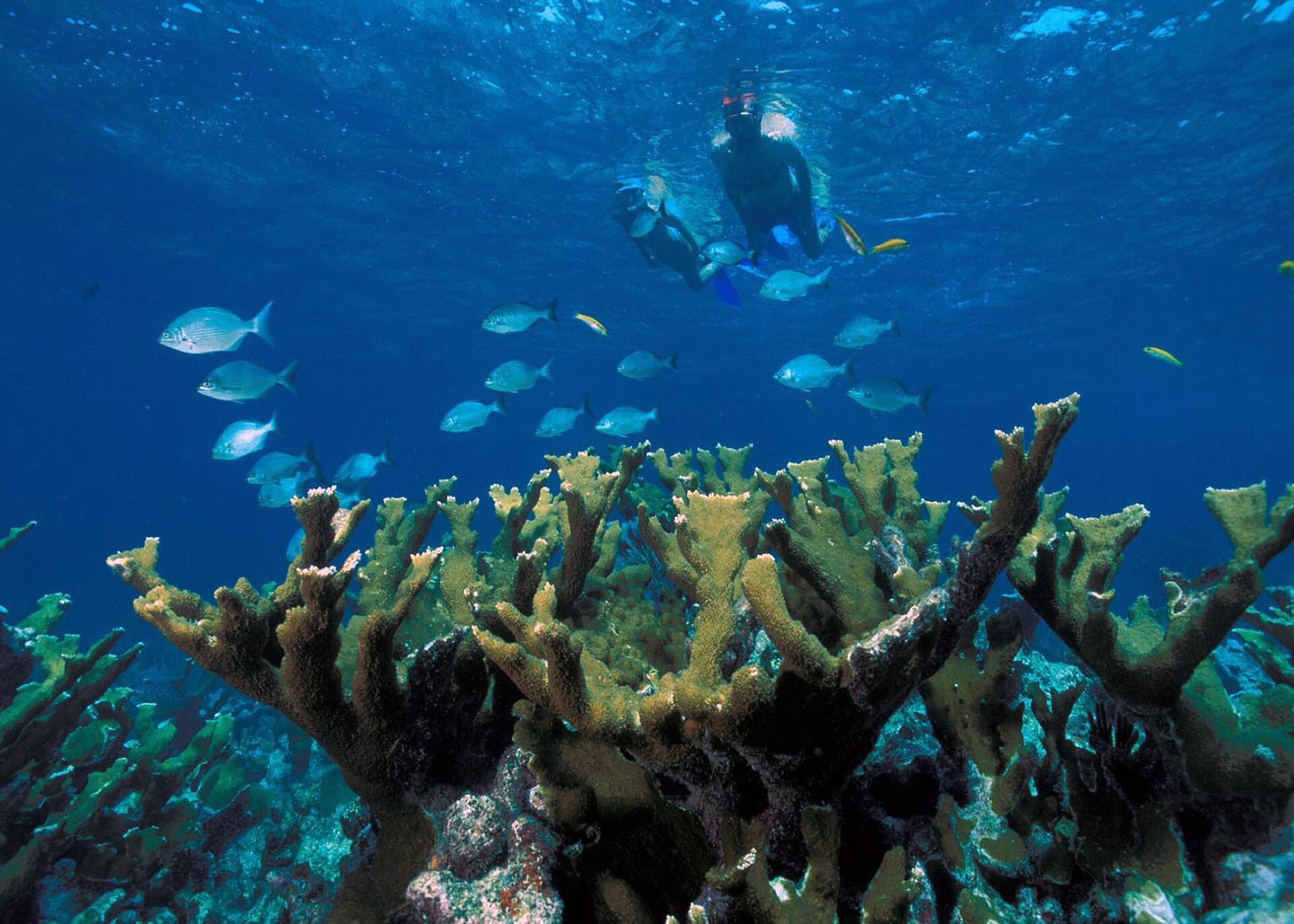
Giant clams, turtles and clouds of fusiliers appear within metres of the ladder. Pay extra for an outer-reef trip rather than a cheap inner one — the coral is markedly healthier. June to November brings clear water and no stingers.
Featured in Ten tropical snorkel and dive spots perfect for first-timers
Things to do
-
Outer reef day trips
Catamarans run to pontoons and moorings on the outer reef, where the coral is generally in better condition than at the closer inshore sites.
-
Daintree and Cape Tribulation
Rainforest running down to the sea north of the Daintree River, crossed by a cable ferry, with boardwalks and crocodile spotting cruises.
-
Skyrail and Kuranda
A cableway over the rainforest canopy up to a village on the tablelands, with the scenic railway back down through the gorge.
-
Atherton Tablelands
Cooler upland country an hour inland, with waterfalls, volcanic crater lakes and platypus in the creeks around dusk.
-
The Esplanade Lagoon
A free saltwater swimming lagoon on the waterfront, which is where everyone swims given the shoreline is mudflat and mangrove.
-
Fitzroy and Green Islands
Closer islands reachable in under an hour, with beach snorkelling for anyone who does not want a full day at sea.
Getting there
-
Fly to
Cairns (CNS)
The airport is on the doorstep.
-
Then
To Cairns
Around fifteen minutes by taxi or shuttle from Cairns (CNS) into the city centre and Esplanade.
-
On the ground
Getting around
The centre is flat and walkable, and reef boats leave from the Reef Fleet Terminal in town, so most days start on the waterfront. Day trips to the Daintree, Kuranda and the Tablelands all pick up from city hotels.
Public transport: Local buses cover the northern beaches and the Kuranda Scenic Railway runs inland, which is enough for most visitors.
Flights
Los Angeles Cairns, Australia
Fly from anywhere — search 4,000+ airports worldwide.
Roughly 14h 20m in the air from Los Angeles (LAX), estimated from the distance — check for a direct route. Pick a month to see every available flight with live prices.
Check dates and prices
Pick your departure date, then your return.
Search flightsNot sure when? Compare fares across a whole month.
Flight times are estimates; prices open on Google Flights.
When to go
Daytime highs run from about 23°C in July to 30°C in January. Driest in October; wettest in January, with rain on about 25 days. The sea is warmest in January at around 30°C, coolest at 24°C.
The year at a glance — pick a month for detail
November29° · rain 11 days · sea 28°Warm with rain most weeks.
Monthly figures averaged from daily records for 2020–2024 at this location (ERA5 reanalysis). Live conditions from MET Norway, CC BY 4.0.
Where to stay
High-rise apartments and hotels along the Esplanade, resort-style properties on the northern beaches, holiday houses and a very large hostel scene.
-
Best base overall
Cairns Esplanade and city centre
Where the reef boats leave from and where the restaurants are, with the free saltwater lagoon pool for swimming since the seafront is mudflat. It is a backpacker town at heart, so nights can be rowdy.
Find stays in Cairns Esplanade and city centre -
Best for couples
Palm Cove
Half an hour north, a single palm-lined street facing a real beach, with spas and good restaurants. Reef trips mean an early transfer back into Cairns unless you pay for a local boat.
Find stays in Palm Cove -
Best value
Trinity Beach
A quieter northern beach suburb with apartments at well below Palm Cove rates and a handful of cafes. You need a car or the bus for everything, including the reef departures.
Find stays in Trinity Beach -
Best with children
Port Douglas
An hour north, with Four Mile Beach, a stinger net, wildlife parks and easy access to both the outer reef and the Daintree. It is pricier than Cairns and the drive is long after a day at sea.
Find stays in Port Douglas
Worth knowing before you book: The dry season from June to October is peak and fills early. Confirm your reef operator before locking dates, as the good outer-reef trips sell out ahead of the hotels.
Search everything else in Cairns by budget. These are indicative budget bands in GBP per night for two people, not live quotes or guarantees of hotel type. Check your dates, guests, taxes and final price on Booking.com.
Good to know
- Stingers
- Box jellyfish season runs roughly November to May. Swim inside stinger nets or wear a suit, which operators provide on reef trips.
- Book ahead
- Reef trips fill through the dry season. Pay for an outer-reef boat rather than the cheapest inshore option, which is worth the difference.
- Crocodiles
- Estuaries, mangroves and rivers hold saltwater crocodiles. Obey the warning signs and never swim where they are posted.
- Seasickness
- The crossing to the outer reef can be rough. Take tablets before boarding rather than once you start to feel it.
- Sun
- UV is extreme here. A rash vest is better than sun cream on the reef, and better for the coral as well.
Similar places
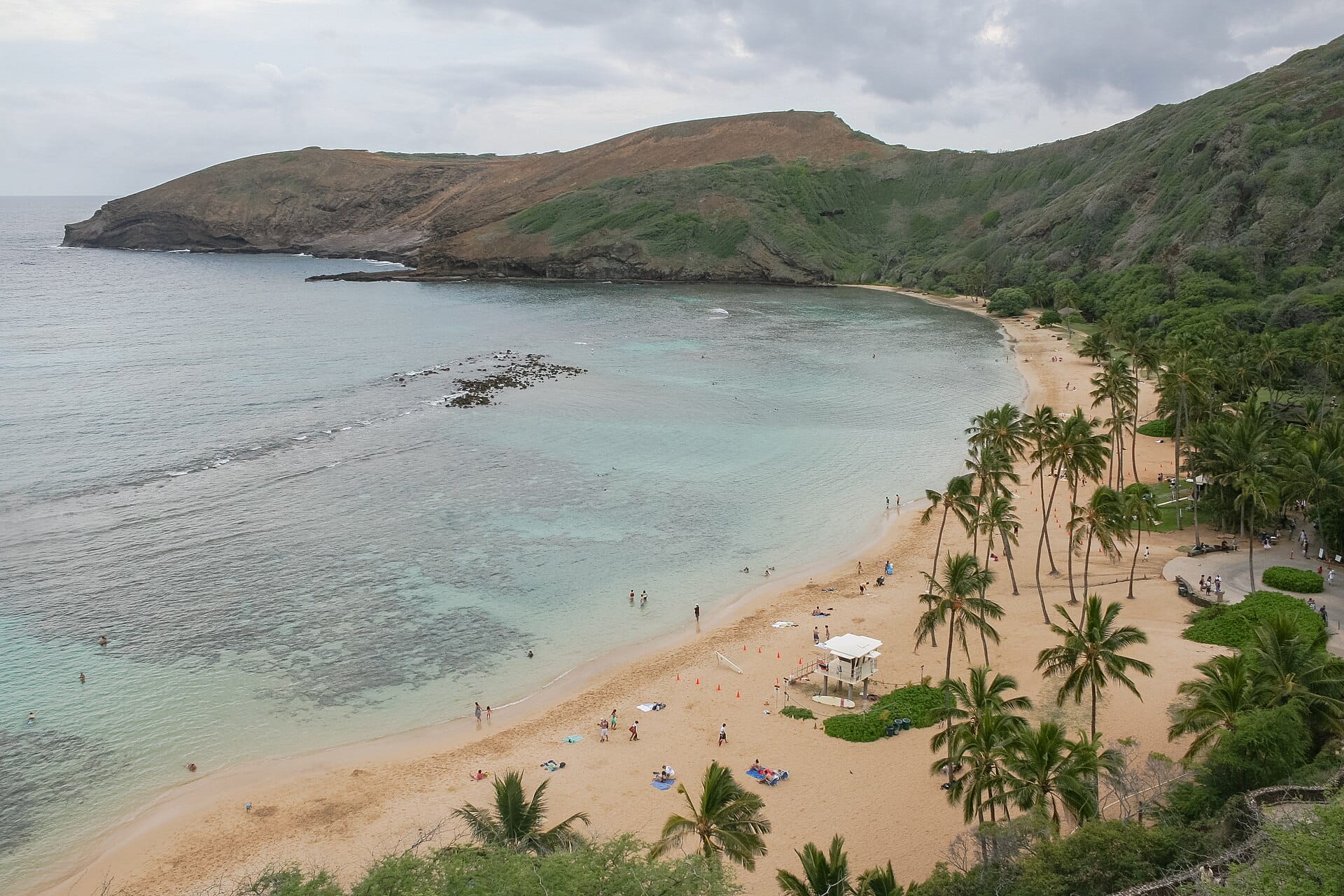
Hanauma Bay
Oahu, HawaiiAlso for divers & snorkellers and wildlife & nature · 27°C in November (29°C here)
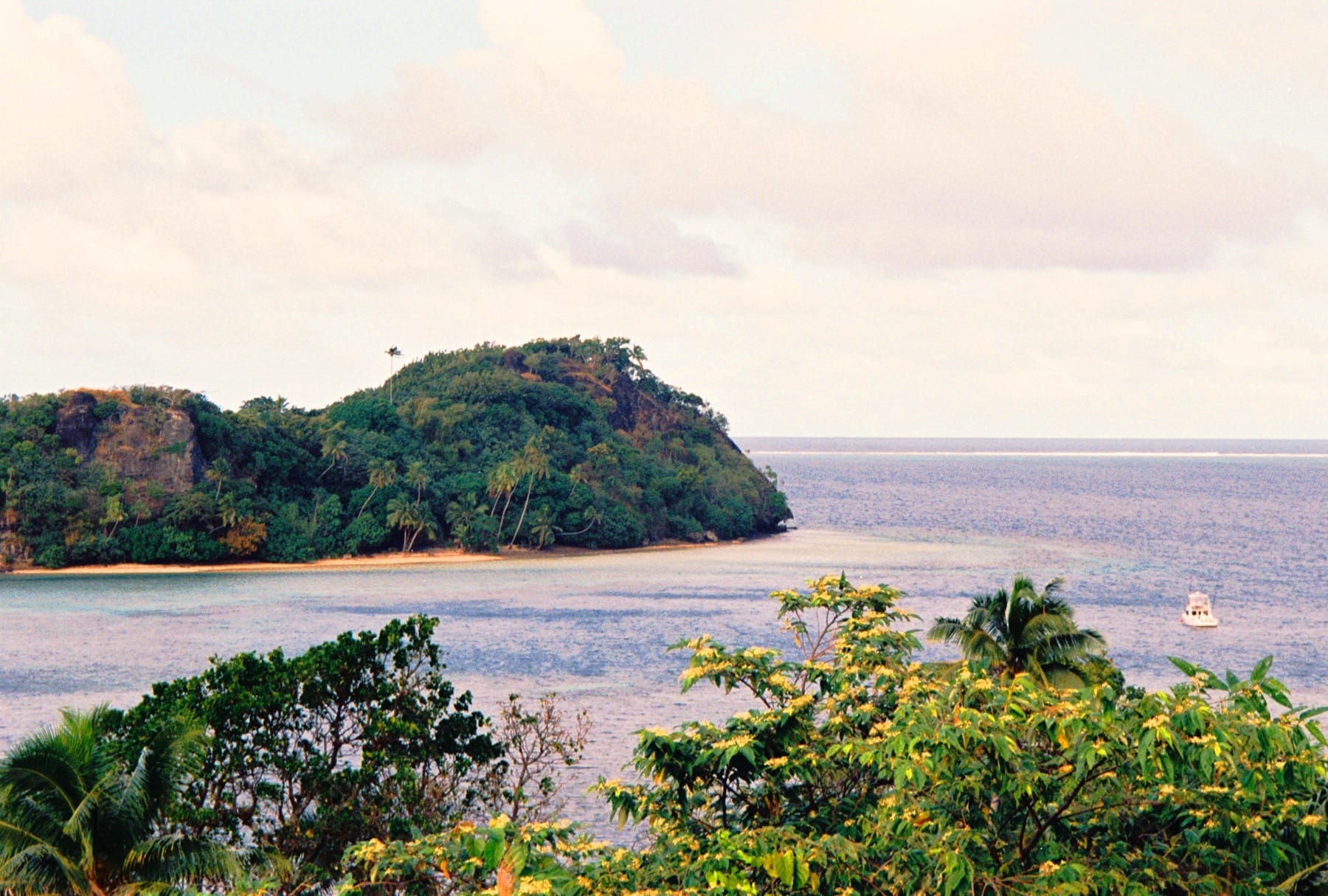
Kadavu
FijiAlso for divers & snorkellers and wildlife & nature · 26°C in November (29°C here)
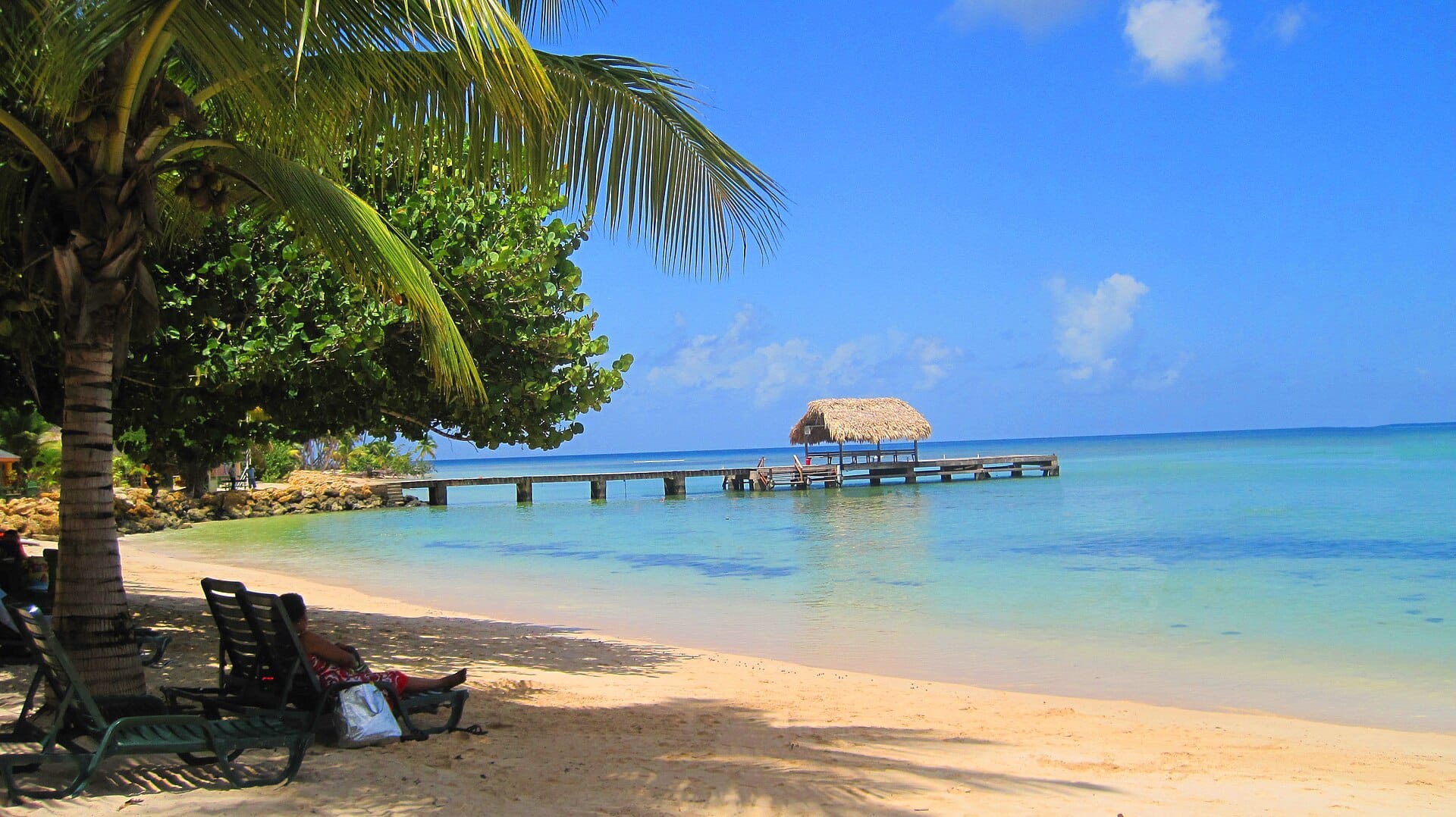
Tobago
ExploreAlso for divers & snorkellers and wildlife & nature · 26°C in November (29°C here)
Nearby destinations
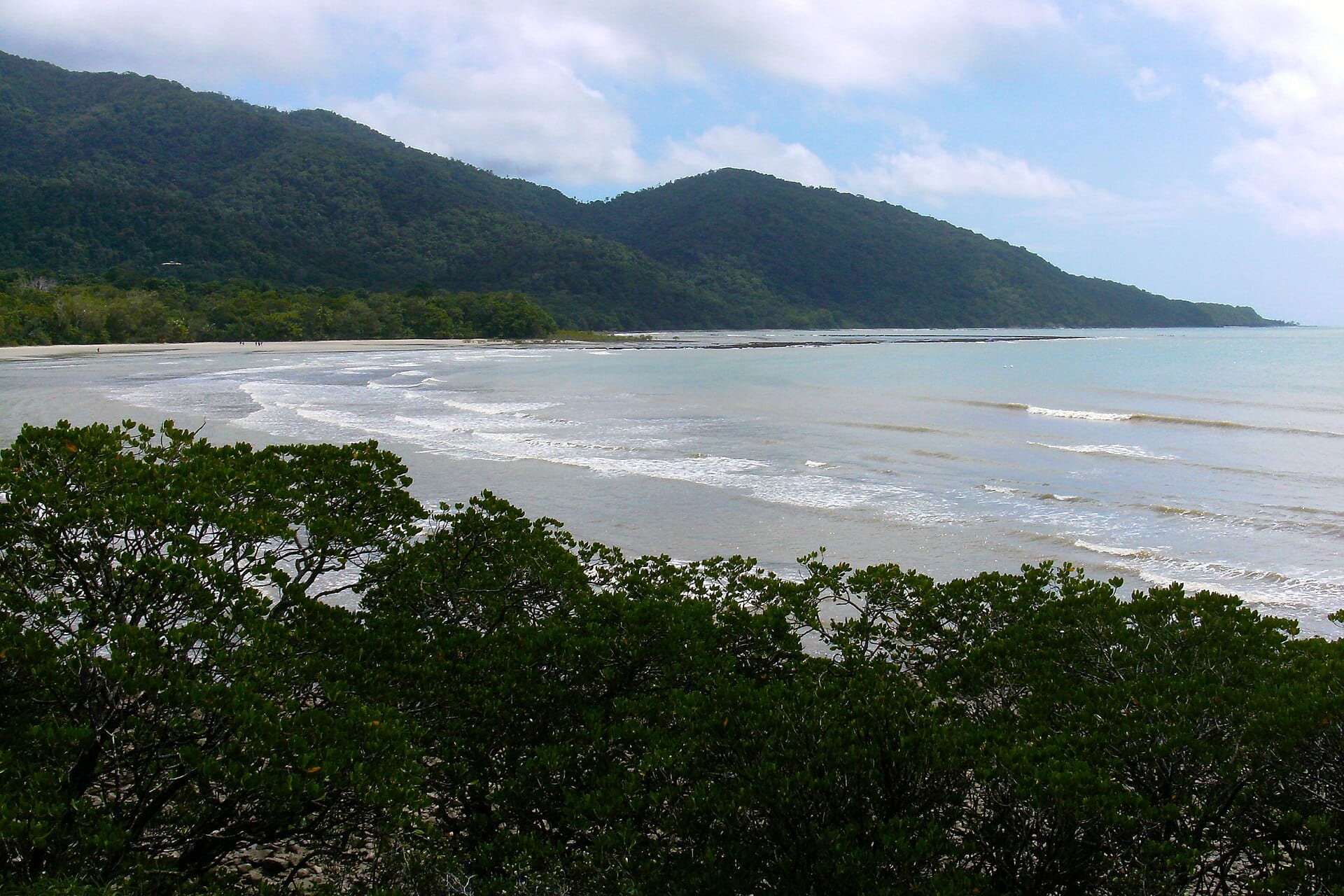
Cape Tribulation
Australia · 98km away →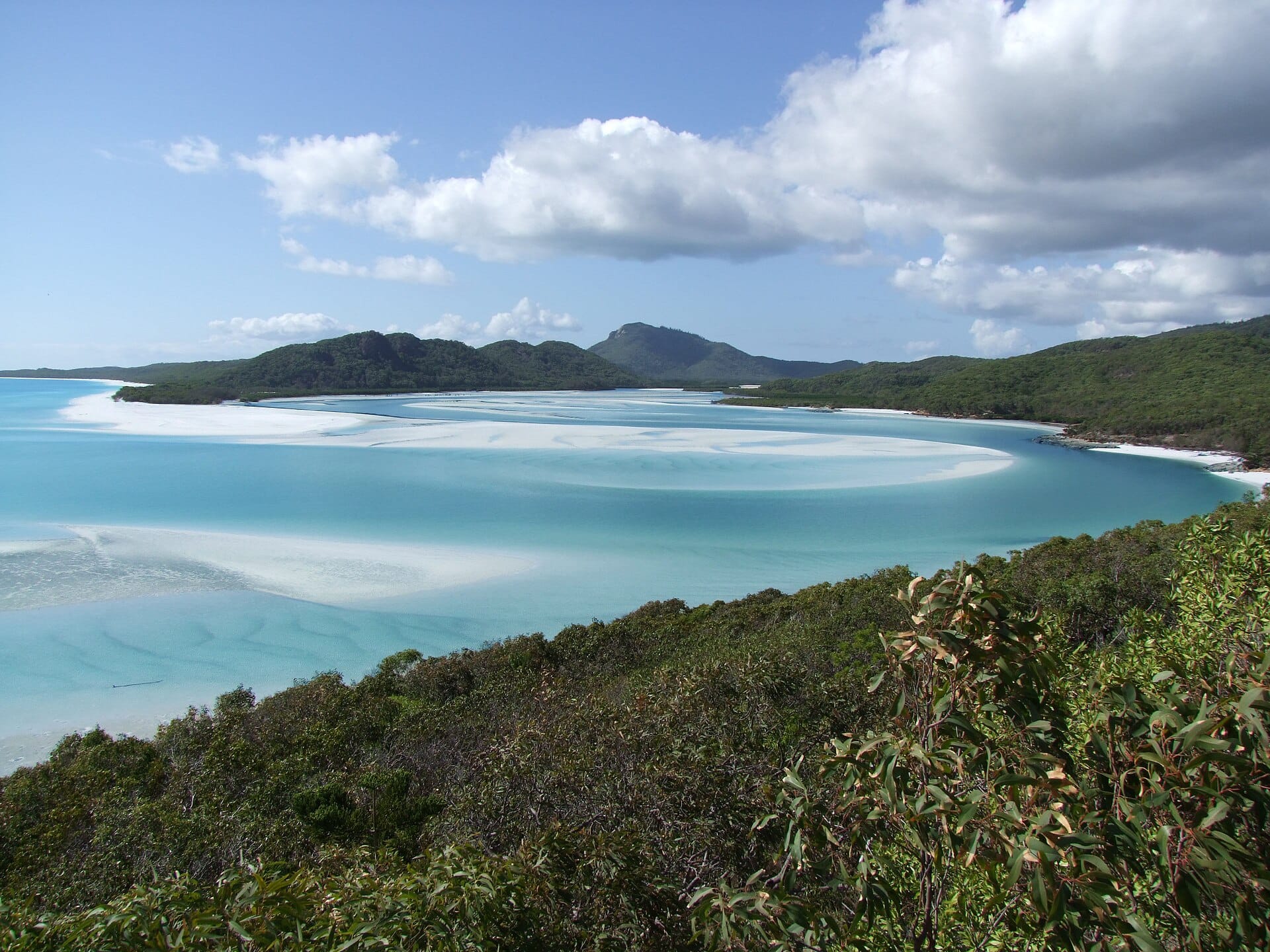
Whitehaven Beach
Whitsundays, Australia · 507km away →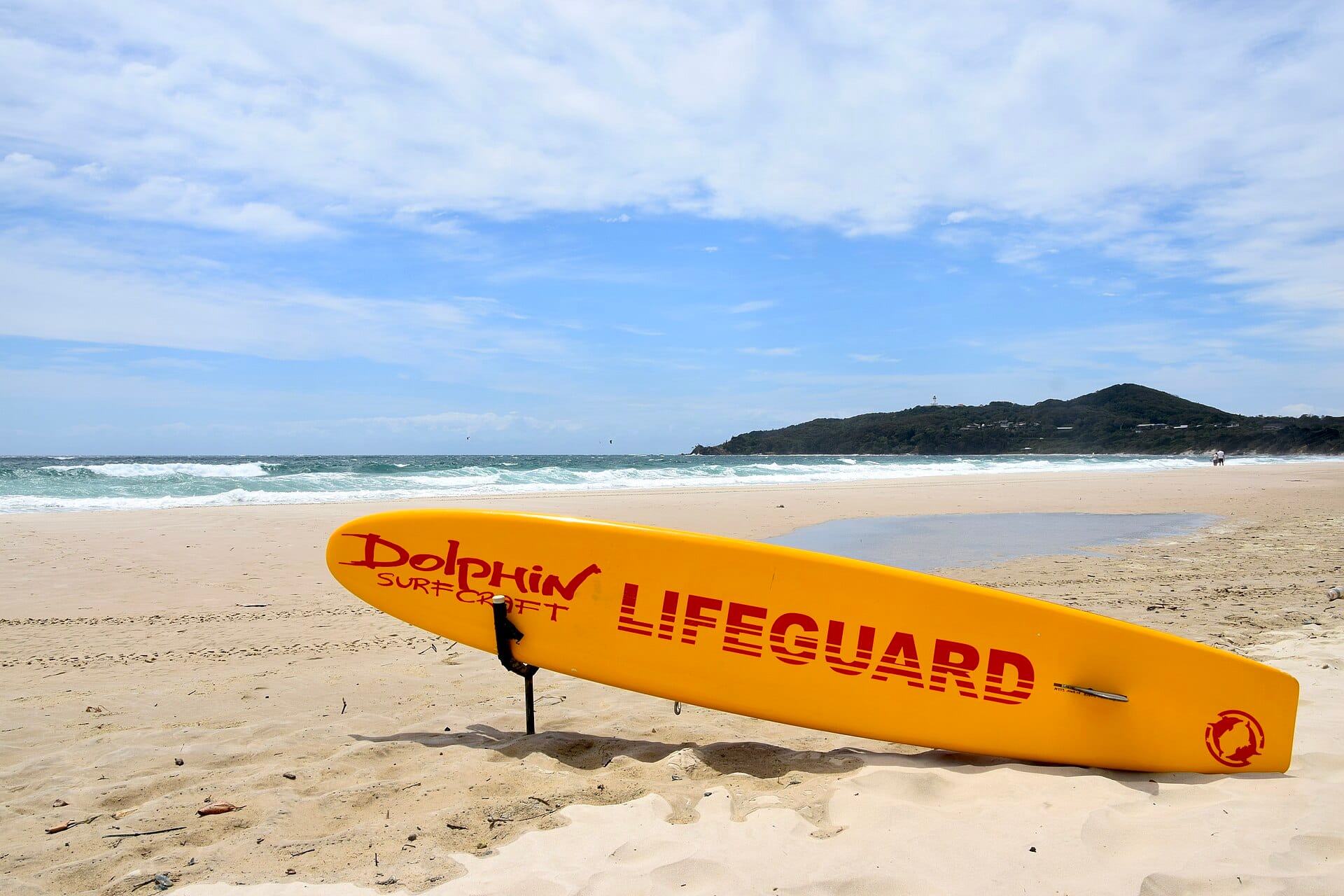
Byron Bay
New South Wales, Australia →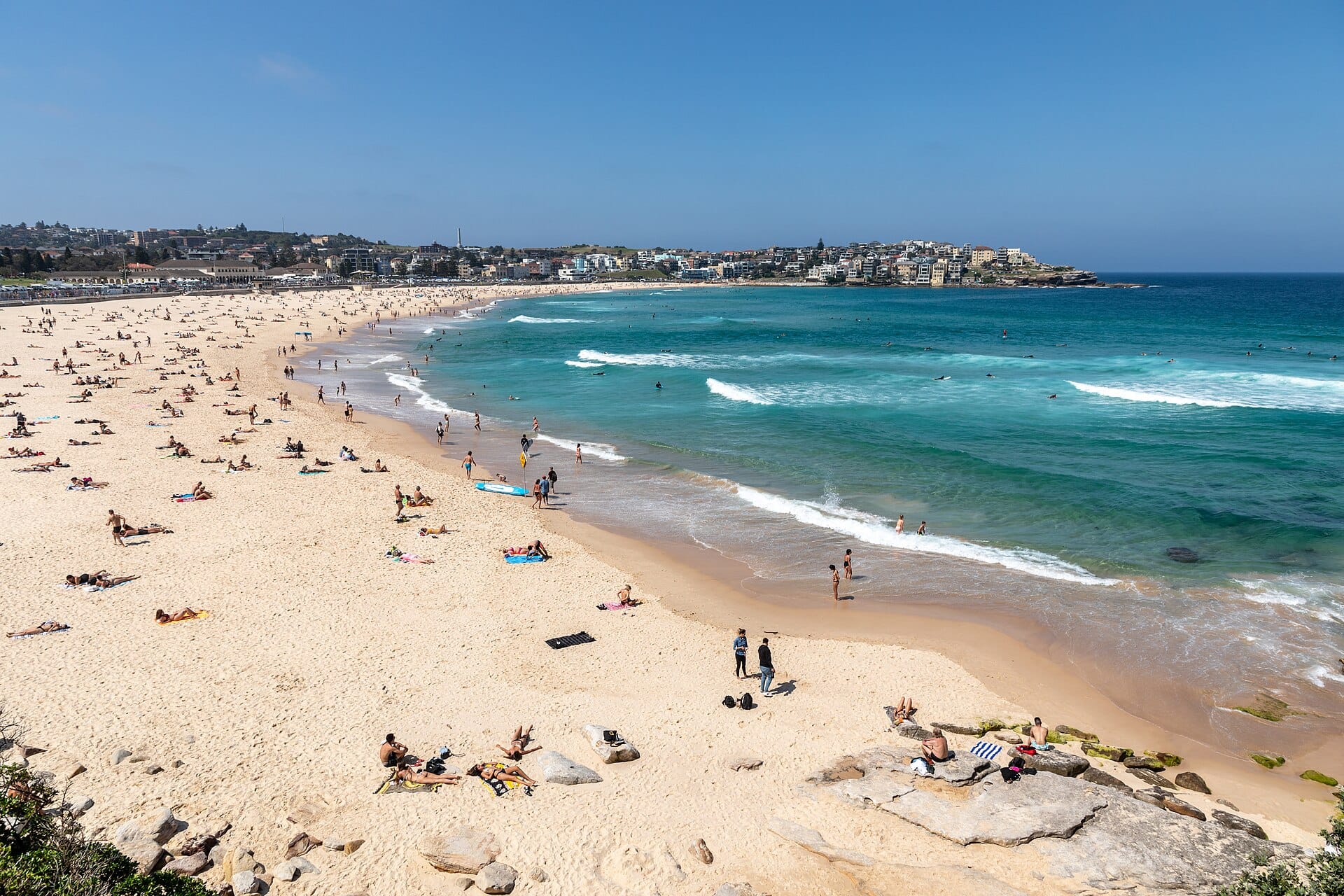
Sydney
Australia →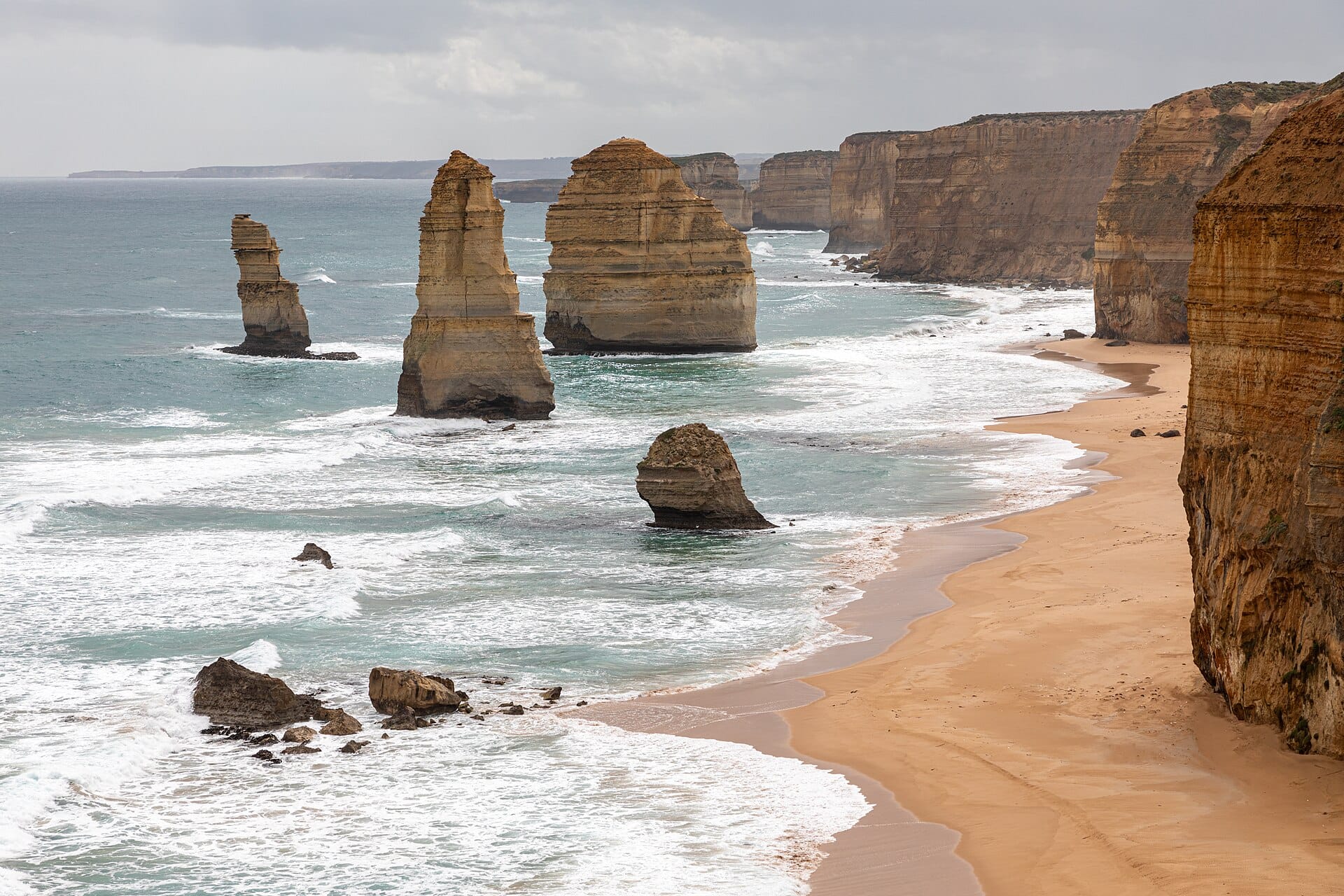
Great Ocean Road
Australia →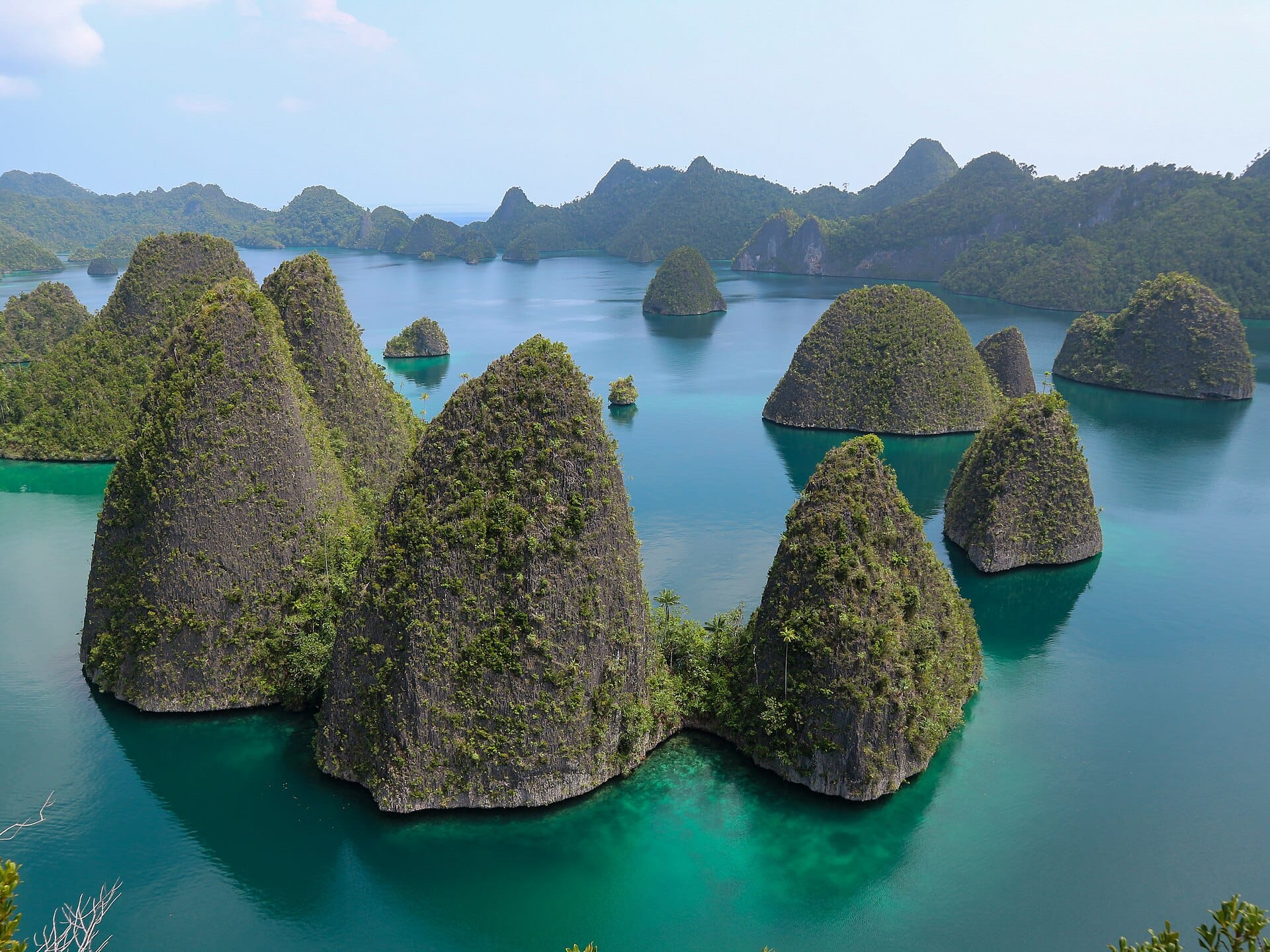
Raja Ampat
Indonesia →Elsewhere in Australia
Related articles
Quick answers
When is the best time to visit Cairns?
Daytime highs run from about 23°C in July to 30°C in January. Driest in October; wettest in January, with rain on about 25 days. The sea is warmest in January at around 30°C, coolest at 24°C.
How long should I spend in Cairns?
Our suggestion: 4–5 nights.
How do I get to Cairns?
Around fifteen minutes by taxi or shuttle from Cairns (CNS) into the city centre and Esplanade.
Do I need a car in Cairns?
No. Local buses cover the northern beaches and the Kuranda Scenic Railway runs inland, which is enough for most visitors.
What currency and language are used in Cairns?
Currency: Australian dollar (AUD). Language: English. Plugs: type I.
Who is Cairns best for?
Best for divers & snorkellers, wildlife & nature and families. In a phrase: humid, practical, reef-focused.