
Anse Chastanet
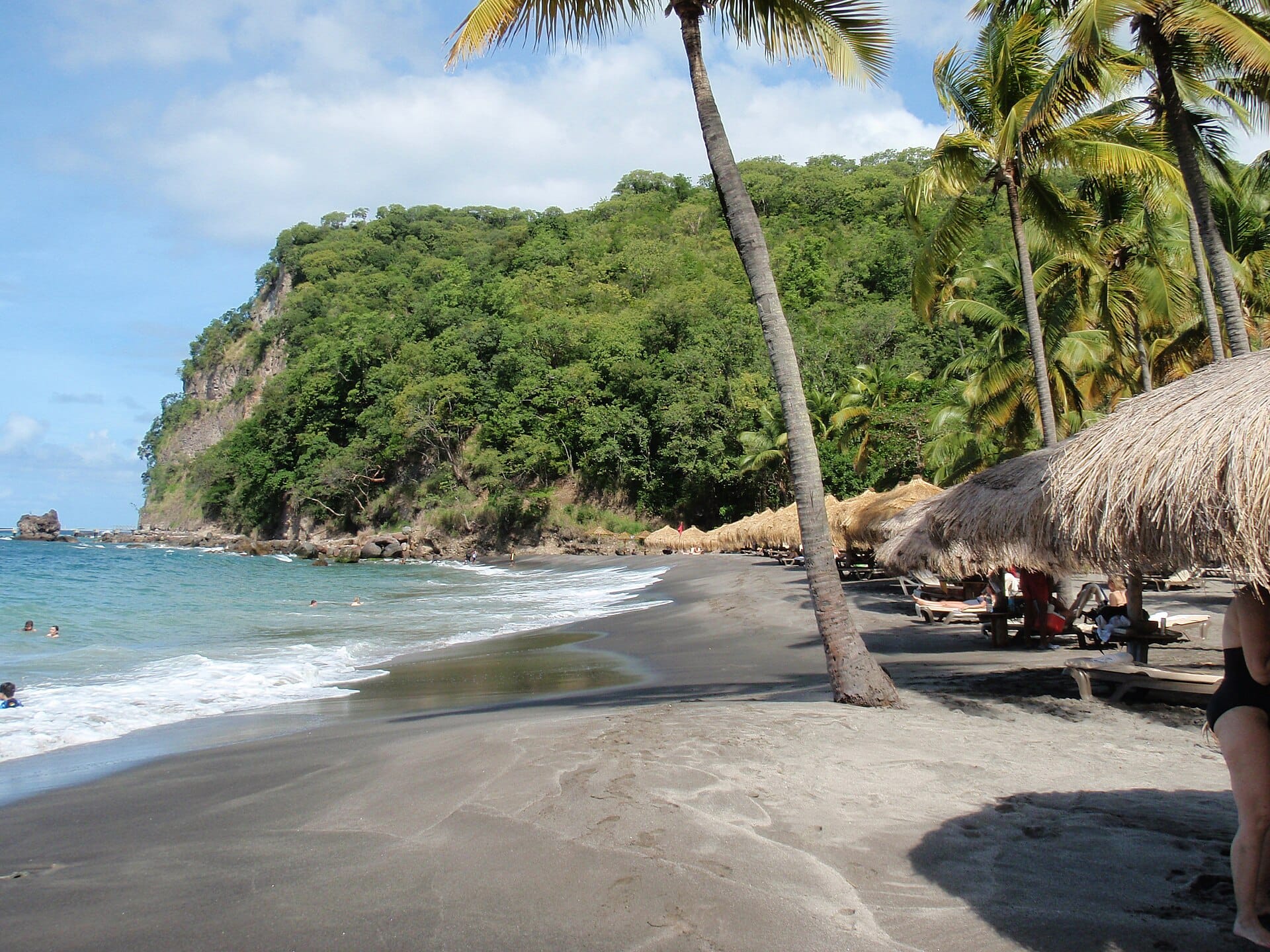
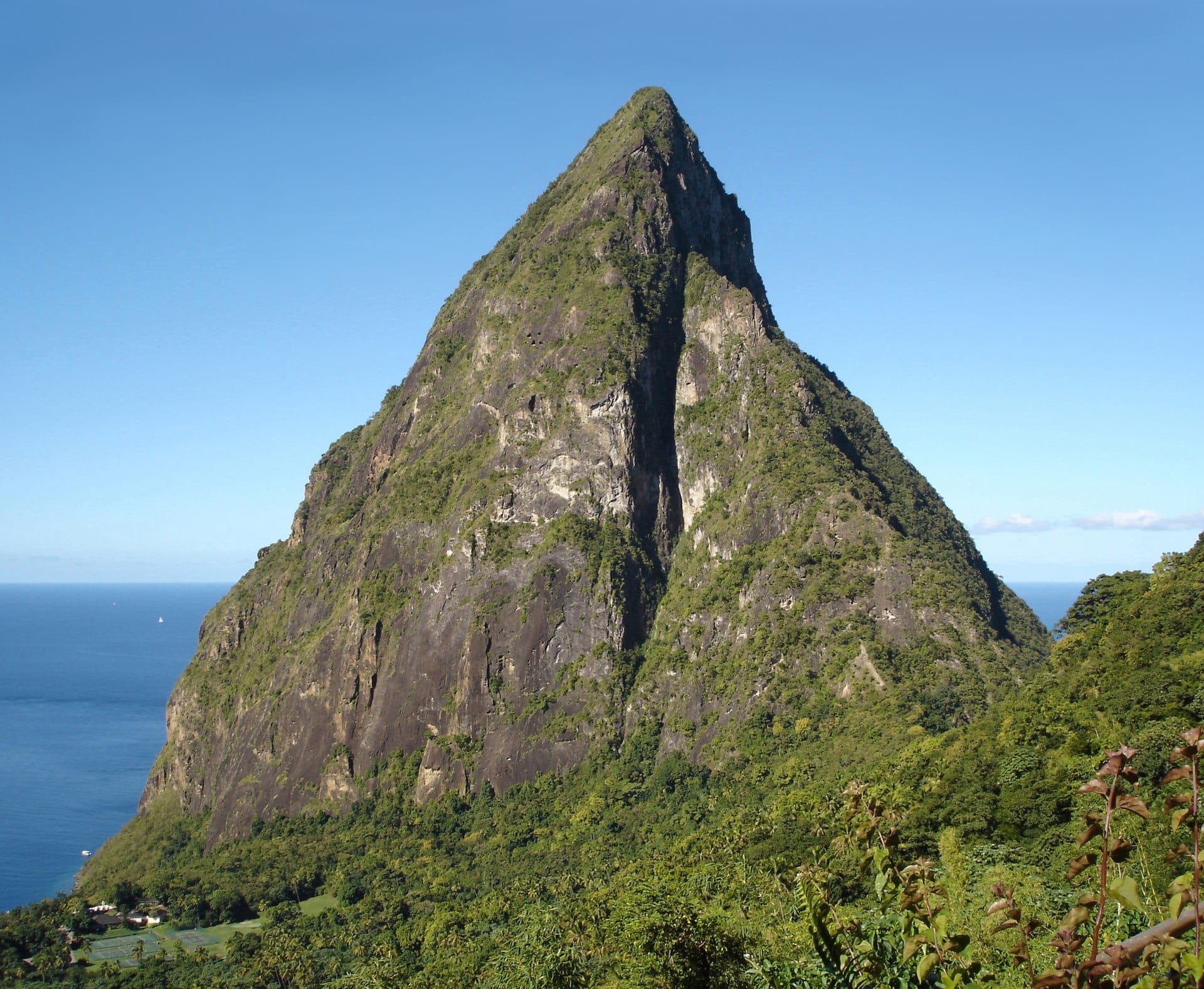
In the shadow of the Pitons, St Lucia's twin volcanic spires, Anse Chastanet's reef begins a few fin-kicks from the dark golden sand and drops away in tiers of sponge and coral patrolled by trumpetfish and turtles.
- Best forDivers & snorkellers · Couples · Honeymooners
- In August31°C · 23 rainy days · sea 30°C
- Ideal stayA week
- Approx. flying time~7h 55m from Los Angeles
- CurrencyXCDEast Caribbean dollar
- LanguageEnglish
- Local time09:085h behind the UK
- PlugsType GUK plugs fit
- Drive on theLeftSame as the UK
- Dialling code+1
Why go
A dark golden beach on the west coast north of Soufrière, backed by forested hills and looking straight at the Pitons. The reef begins a few metres out and steps down in tiers, so the snorkelling is unusually good for somewhere you simply walk into. Access is by a rough track or by boat, which keeps numbers down, and the water stays calm for most of the year.
It works as a base for a week or as a day trip from elsewhere on the island. Soufrière puts the sulphur springs, waterfalls and both Pitons within a short drive, and the diving here is the best on St Lucia. December to April is the dry season, while September and October are wet and fall in hurricane season. Every beach on the island is public by law.
- Ideal stay
- A week
- The vibe
- Volcanic, green, reef fringed
From our guides
The marine reserve status shows underwater. It's attached to a famously romantic resort, but the beach — like all in St Lucia — is public. Snorkel the morning, then climb Gros Piton to earn dinner.
Featured in Ten snorkelling beaches with reefs right off the sand
Things to do
-
The house reef
Coral, sponges and sea fans begin in shallow water and drop away in stages, with trumpetfish, parrotfish and turtles common close to shore.
-
Anse Mamin
A quieter beach a short walk north through an old plantation, with ruins among the trees and mountain bike trails running behind it.
-
Climbing Gros Piton
A guided ascent of the larger cone takes around four hours there and back, steep and stepped, with a view over the whole south west coast.
-
Sulphur springs
A drive in volcanic crater near Soufrière has steaming vents and warm mud baths, which are messy, pungent and genuinely good for aching legs.
-
Toraille and Diamond falls
Two accessible waterfalls near Soufrière, one dropping into a garden pool, the other streaked with mineral colour from the volcano.
-
Diving the marine reserve
Protected for decades, the reefs along this coast hold seahorses, frogfish and healthy coral, dived from the shore or on short boat trips.
Getting there
-
Fly to
Vieux Fort (UVF)
Nearest airport to Anse Chastanet, about 20km away as the crow flies.
-
Then
To Soufrière
Most long-haul flights land at Hewanorra in the south, about an hour and a quarter by road to Soufrière. From Castries (SLU) in the north it is roughly an hour of winding coastal driving, or a short water taxi.
-
On the ground
Getting around
The final stretch is a steep, rough track down to the bay, so many guests arrive by boat transfer instead. The reef is a few fin-kicks off the sand.
Public transport: Shared minibuses run between the main towns but not down to the beach, and they finish in the early evening.
Flights
Los Angeles Anse Chastanet, St Lucia
Fly from anywhere — search 4,000+ airports worldwide.
Roughly 7h 55m in the air from Los Angeles (LAX), estimated from the distance — check for a direct route. Pick a month to see every available flight with live prices.
Check dates and prices
Pick your departure date, then your return.
Search flightsNot sure when? Compare fares across a whole month.
Flight times are estimates; prices open on Google Flights.
When to go
Daytime highs run from about 29°C in January to 31°C in May. Driest March to May; wettest in July, with rain on about 24 days. The sea is warmest in September at around 31°C, coolest at 27°C.
The year at a glance — pick a month for detail
August31° · rain 23 days · sea 30°Hot and often wet.
Monthly figures averaged from daily records for 2020–2024 at this location (ERA5 reanalysis). Live conditions from MET Norway, CC BY 4.0.
Where to stay
Cliff and hillside resorts around Soufrière, plus small guesthouses in town and a larger conventional hotel strip in the north. Beaches are public everywhere.
-
Best base overall
Soufrière
The town below the Pitons, ten minutes from the beach, with local restaurants and boat trips from the jetty. Scruffier than the resorts, and the road in is steep and winding.
Find stays in Soufrière -
Best for couples
Anse Chastanet and Anse Mamin
The bay itself, reached by a rough track, with the reef a few strokes from the sand. Wonderfully secluded, and you are captive for meals.
Find stays in Anse Chastanet and Anse Mamin -
Best with children
Marigot Bay
Twenty-five minutes north, a sheltered natural harbour with calm water, a small beach and easy dining. Not a swimming beach of any size, but very easy with young children.
Find stays in Marigot Bay -
Best value
Rodney Bay and Gros Islet
The busy north, with the widest hotel choice, supermarkets and the Friday street party. About an hour and a half from the Pitons on a slow road.
Find stays in Rodney Bay and Gros Islet
Worth knowing before you book: December to April is peak with minimum stays over Christmas. Transfers from the airport take about an hour and a half, so agree the price or book the boat in advance.
Search everything else in Soufrière by budget. These are indicative budget bands in GBP per night for two people, not live quotes or guarantees of hotel type. Check your dates, guests, taxes and final price on Booking.com.
Good to know
- Getting there
- Hewanorra airport in the south is about an hour and a half by road, and many people take a boat transfer or a domestic hop instead.
- Driving
- The road down to the beach is steep, rough and best tackled in a four wheel drive. St Lucia drives on the left.
- Timing
- Snorkel in the morning, when the water is calmest and visibility at its best before the afternoon breeze arrives.
- Pack this
- Reef safe sunscreen, water shoes for the coarse sand and stones, and insect repellent for the evenings.
- Etiquette
- Beaches are public to the high water mark, but the land behind them may not be. Ask before crossing private property to reach the sand.
Similar places
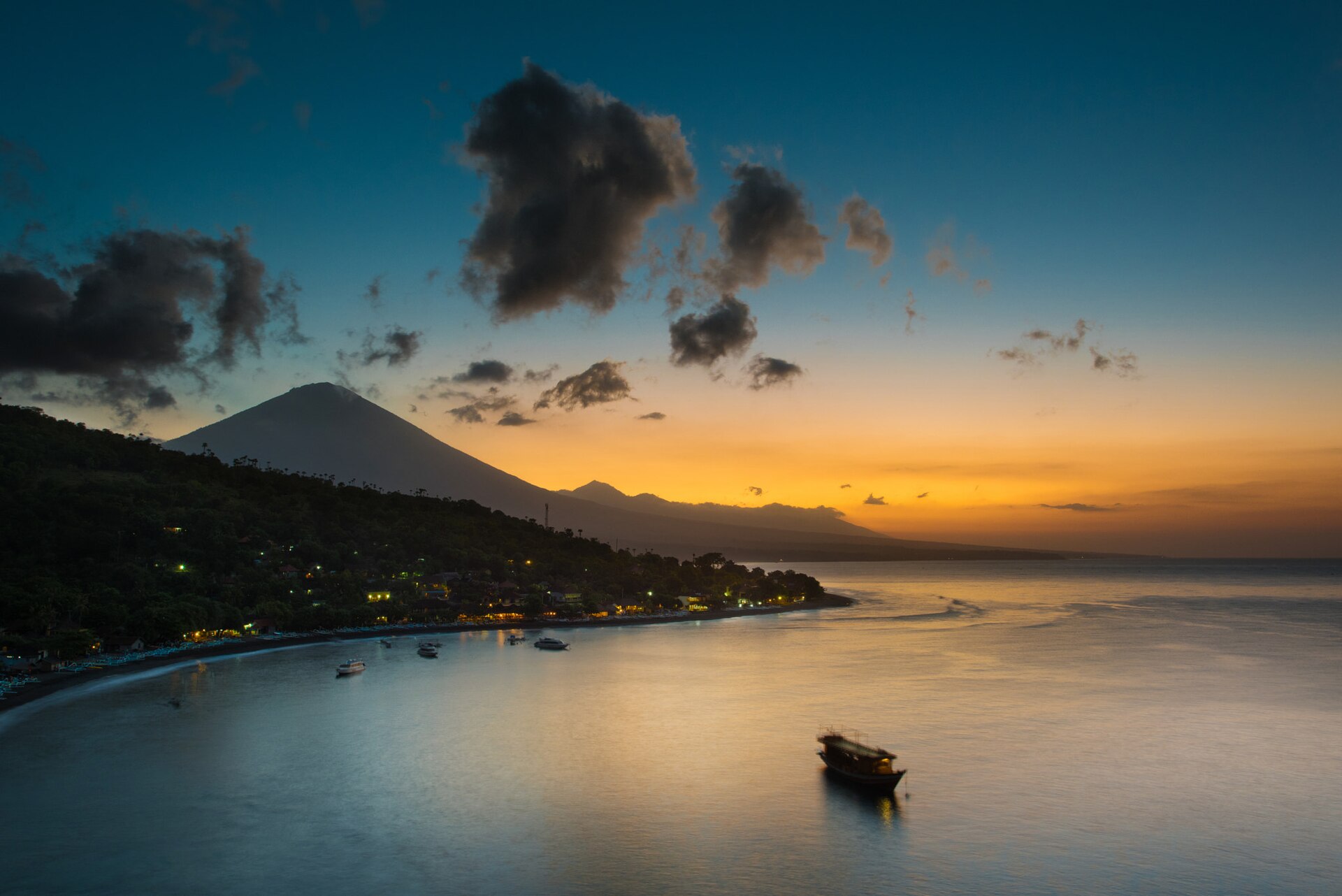
Amed
Bali, IndonesiaAlso for divers & snorkellers and couples · 30°C in August, as here · cheaper to stay
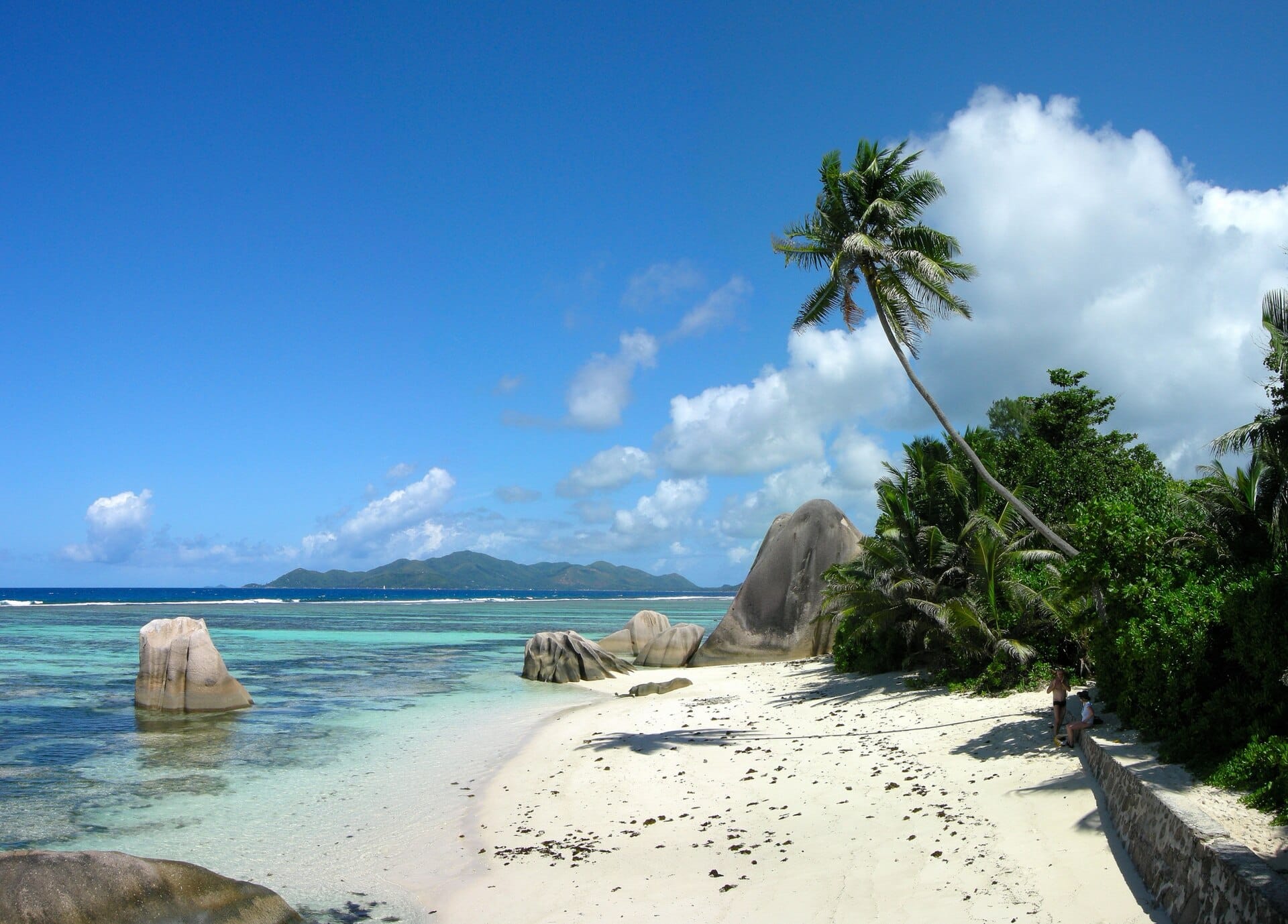
Anse Source d'Argent
La Digue, SeychellesAlso for couples and honeymooners · 26°C in August (31°C here)
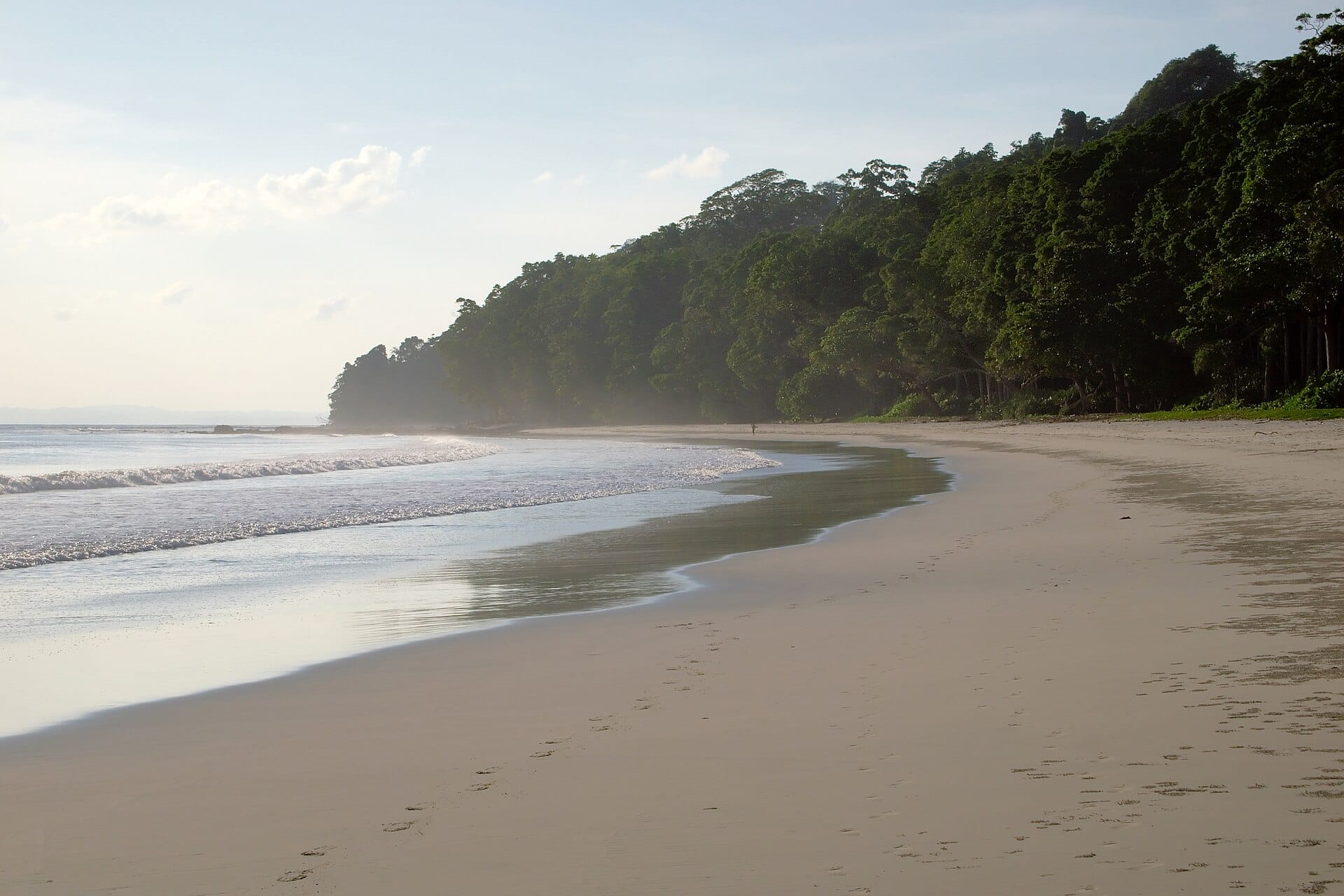
Radhanagar Beach
Havelock, Andaman IslandsAlso for divers & snorkellers and couples · 28°C in August (31°C here) · cheaper to stay
Nearby destinations
Related articles
Quick answers
When is the best time to visit Anse Chastanet?
Daytime highs run from about 29°C in January to 31°C in May. Driest March to May; wettest in July, with rain on about 24 days. The sea is warmest in September at around 31°C, coolest at 27°C.
How long should I spend in Anse Chastanet?
Our suggestion: a week.
How do I get to Anse Chastanet?
Most long-haul flights land at Hewanorra in the south, about an hour and a quarter by road to Soufrière. From Castries (SLU) in the north it is roughly an hour of winding coastal driving, or a short water taxi.
Do I need a car in Anse Chastanet?
No. Shared minibuses run between the main towns but not down to the beach, and they finish in the early evening.
What currency and language are used in Anse Chastanet?
Currency: East Caribbean dollar (XCD). Language: English. Plugs: type G.
Who is Anse Chastanet best for?
Best for divers & snorkellers, couples and honeymooners. In a phrase: volcanic, green, reef fringed.