
Abu Dabbab
On Egypt's deep-south Red Sea coast, Abu Dabbab's horseshoe bay is famous for two residents: enormous green turtles grazing the seagrass metres from shore, and the occasional dugong — the sea cow that reputedly started the mermaid myth.
- Best forDivers & snorkellers · Couples · Wildlife & nature
- In September35°C · barely any rain · sea 30°C
- Ideal stayA week
- Approx. flying time~15h 50m from Los Angeles
- CurrencyEGPEgyptian pound
- LanguageArabic
- Local time12:242h ahead of the UK
- PlugsType C / FBring an adapter
- Drive on theRightOpposite to the UK
- Dialling code+20
Why go
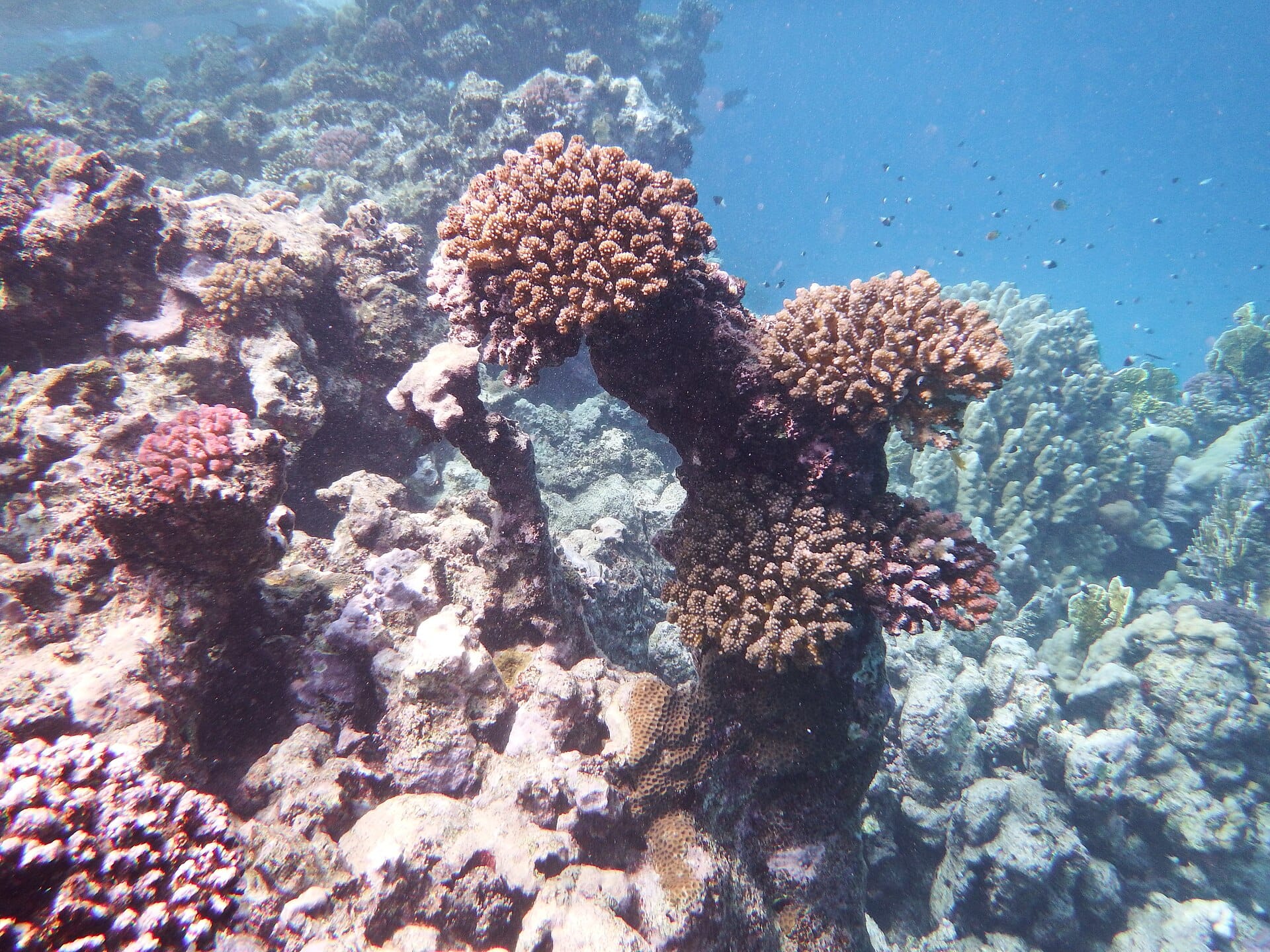
The bay is a shallow horseshoe of pale sand with a seagrass meadow spreading across the middle and reef along both arms. That grass is the reason to come, because green turtles graze it in the shallows and the resident dugong appears often enough to keep everyone scanning. Beyond the swimmers the water stays calm, warm and clear, and the desert mountains sit just behind the coast road.
This coast is a string of resorts on an otherwise empty shoreline, so a holiday here is about water rather than towns. Most people mix snorkelling days with a desert excursion or the long run north to Luxor. Winter is pleasant and busy, summer very hot but excellent for visibility. Anyone wanting nightlife, walkable streets or independent restaurants will find the setting limited.
- Ideal stay
- A week
- The vibe
- Hot, still, entirely underwater
From our guides
Coral reefs frame both arms of the bay, visibility is routinely superb, and the water stays warm enough to swim all year. Fly to Marsa Alam, thirty minutes away, and get in early — the turtles breakfast before the crowds do.
Featured in Ten snorkelling beaches with reefs right off the sand
Things to do
-
Turtles in the shallows
Green turtles feed on the seagrass in water shallow enough to snorkel from the beach. Keep several metres back and never block one heading up to breathe.
-
The two reef arms
Coral runs along the north and south sides of the bay, with drop offs holding batfish, moray eels and the occasional guitarfish.
-
Diving Elphinstone
The offshore reef north of Marsa Alam is a serious drift dive with steep walls and oceanic whitetips in autumn, run as a boat trip for certified divers.
-
Marsa Mubarak
A neighbouring bay with a similar seagrass and turtle set up plus mangrove edges, which is useful when Abu Dabbab is busy.
-
Wadi el Gemal
The national park south of Marsa Alam covers desert, mangrove and offshore islands, and is visited with a permit and a guide.
-
Desert night skies
There is almost no light pollution along this coast, and the Milky Way is plainly visible from the beach on a moonless night.
Getting there
-
Fly to
Marsa Alam (RMF)
Nearest airport to Abu Dabbab, about 29km away as the crow flies.
-
Then
To Marsa Alam
About half an hour by car or hotel transfer from Marsa Alam International (RMF), straight down the coast road. Nearly everyone arrives on a charter flight with a transfer included.
-
On the ground
Getting around
The bay is reached by a short access road off the coastal highway, and the resorts along it put you a few steps from the sand. Snorkelling is from the beach itself.
Public transport: Effectively none along this stretch of coast; hotel transfers and taxis are the only realistic options.
Flights
Los Angeles Abu Dabbab, Marsa Alam, Egypt
Fly from anywhere — search 4,000+ airports worldwide.
Roughly 15h 50m in the air from Los Angeles (LAX), estimated from the distance — check for a direct route. Pick a month to see every available flight with live prices.
Check dates and prices
Pick your departure date, then your return.
Search flightsNot sure when? Compare fares across a whole month.
Flight times are estimates; prices open on Google Flights.
When to go
Daytime highs run from about 23°C in January to 37°C in August. Rain is rare in any month. The sea is warmest in August at around 31°C, coolest at 23°C.
The year at a glance — pick a month for detail
September35° · no rain · sea 30°Hot and dry.
Monthly figures averaged from daily records for 2020–2024 at this location (ERA5 reanalysis). Highlighted months are warm and mostly dry — October to May. Live conditions from MET Norway, CC BY 4.0.
Where to stay
Large all-inclusive beach resorts strung along an empty coast road, plus a handful of dive lodges. Almost no independent hotels, and self-catering is barely a thing.
-
Best base overall
Marsa Alam
The airport town and coastal strip, half an hour from the bay, with the widest choice of hotels and dive centres. Nothing resembling a resort centre, so you eat where you sleep.
Find stays in Marsa Alam -
Closest to the sights
Abu Dabbab bay itself
Two or three large hotels sit directly on the bay, which means you can be in the water with the turtles before the day trippers arrive. Isolated, with no village and no alternative restaurants.
Find stays in Abu Dabbab bay itself -
Best with children
Port Ghalib
A purpose-built marina village near the airport with calm lagoons, shops and a promenade for evenings. Artificial in feel, and the house reef is not the draw here.
Find stays in Port Ghalib -
Quietest
El Quseir
An old Ottoman port an hour north, with small eco-lodges and a real town behind. Simpler rooms and a longer transfer to Abu Dabbab, but far more character.
Find stays in El Quseir
Worth knowing before you book: Nearly everything is sold all-inclusive with airport transfers, so book the package rather than room-only. Check the hotel actually has house-reef access at low tide.
Search everything else in Marsa Alam by budget. These are indicative budget bands in GBP per night for two people, not live quotes or guarantees of hotel type. Check your dates, guests, taxes and final price on Booking.com.
Good to know
- Timing
- Get in the water at opening. Turtles feed early, and the bay fills with day trippers by late morning.
- Etiquette
- Do not touch, chase or stand on the seagrass or coral, and leave a wide berth for dugongs, which are easily disturbed.
- Getting there
- Marsa Alam airport is roughly half an hour away and takes seasonal charter flights. Hurghada is around three hours by road.
- Pack this
- A rash vest and reef safe sunscreen. The sun is fierce and natural shade on the beach is limited.
- Cash or card
- Resorts take cards, but small cash tips in Egyptian pounds are expected for boat crews and drivers.
Similar places
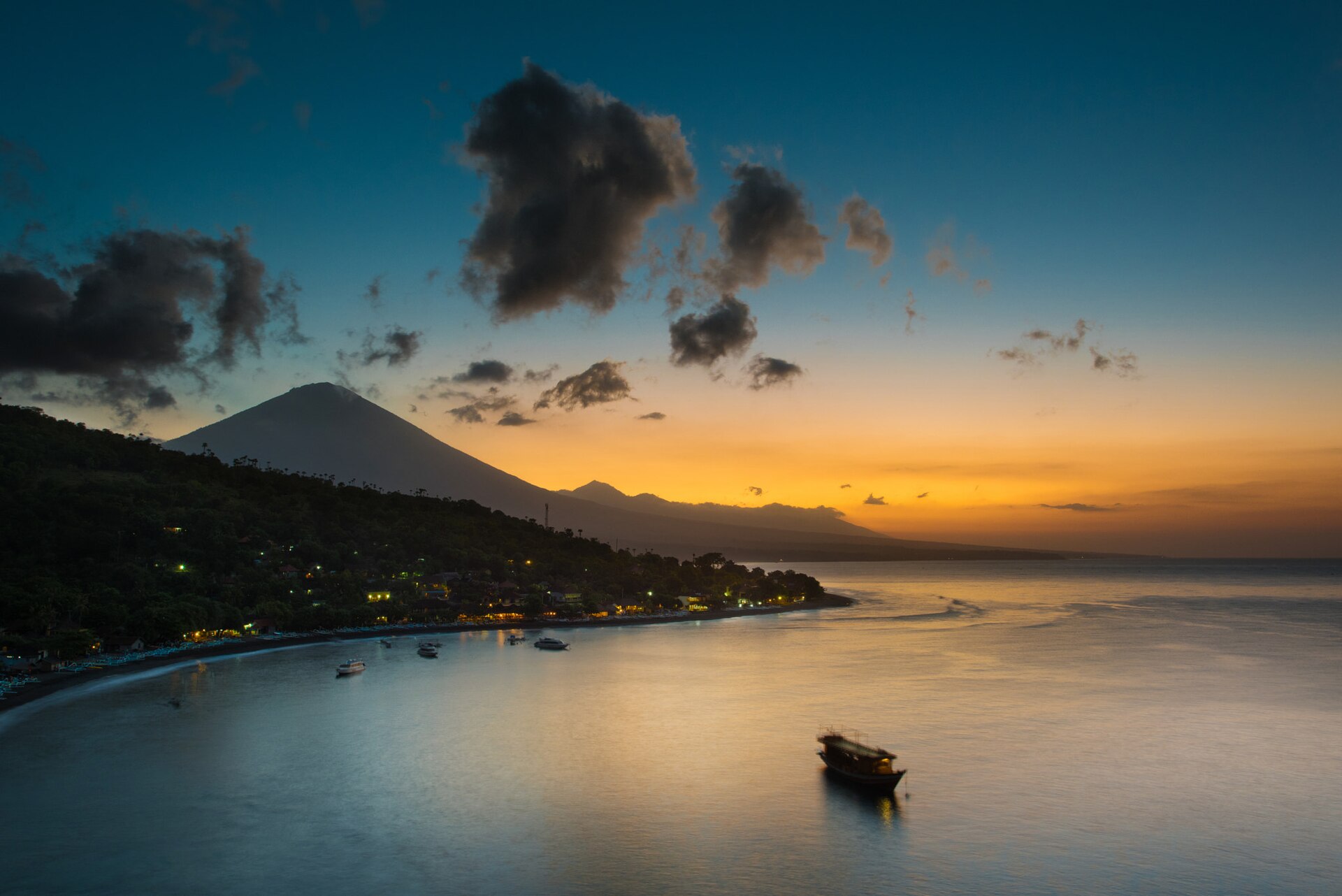
Amed
Bali, IndonesiaAlso for divers & snorkellers and couples · 31°C in September (35°C here)
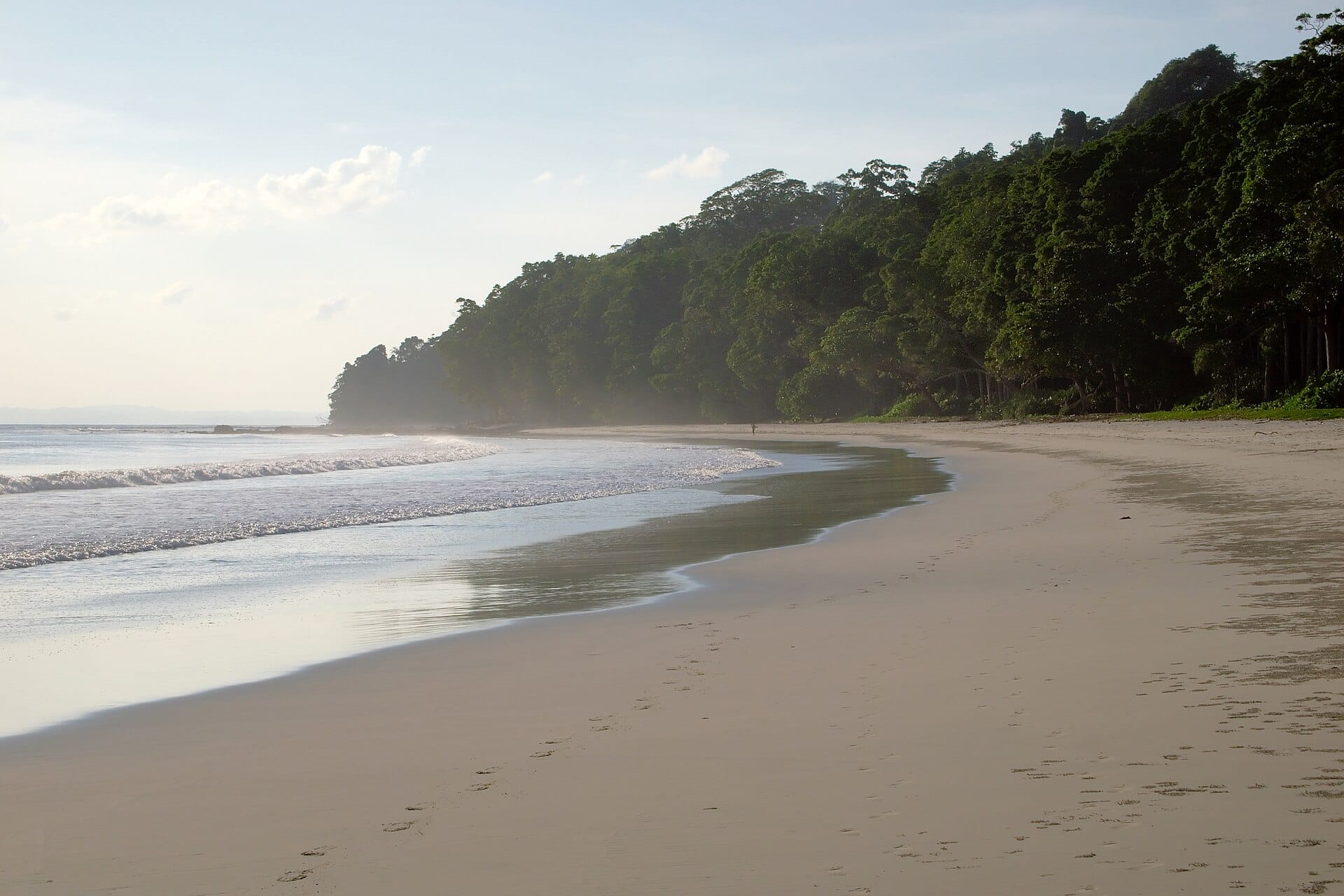
Radhanagar Beach
Havelock, Andaman IslandsAlso for divers & snorkellers and couples · 28°C in September (35°C here)
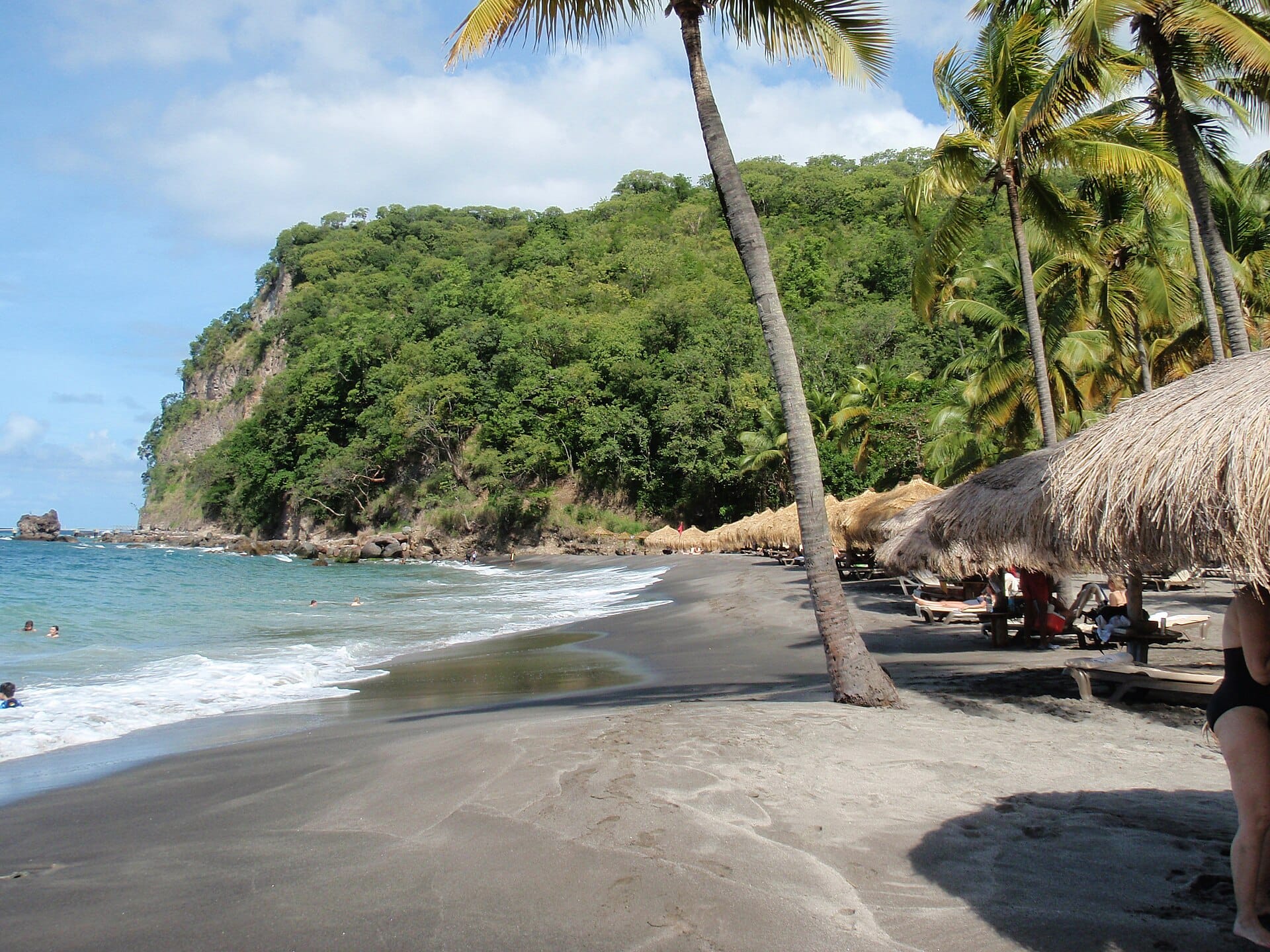
Anse Chastanet
St LuciaAlso for divers & snorkellers and couples · 31°C in September (35°C here)
Further afield
Related articles
Quick answers
When is the best time to visit Abu Dabbab?
For warm, mostly dry days, October to May. That means highs of 20–34°C with rain on six days a month or fewer. Daytime highs run from about 23°C in January to 37°C in August. Rain is rare in any month. The sea is warmest in August at around 31°C, coolest at 23°C.
How long should I spend in Abu Dabbab?
Our suggestion: a week.
How do I get to Abu Dabbab?
About half an hour by car or hotel transfer from Marsa Alam International (RMF), straight down the coast road. Nearly everyone arrives on a charter flight with a transfer included.
Do I need a car in Abu Dabbab?
No. Effectively none along this stretch of coast; hotel transfers and taxis are the only realistic options.
What currency and language are used in Abu Dabbab?
Currency: Egyptian pound (EGP). Language: Arabic. Plugs: type C and F.
Who is Abu Dabbab best for?
Best for divers & snorkellers, couples and wildlife & nature. In a phrase: hot, still, entirely underwater.