
A working farm stay
Devon does the classic British farm holiday better than anywhere: morning animal-feeding rounds, tractor-and-trailer rides, cream teas as a food group and beaches within half an hour on either coast.
- Best forFamilies · Walkers & hikers · Beach lovers
- In June19°C · 11 rainy days
- Ideal stayA week
- Approx. flying time~10h 55m from Los Angeles
- CurrencyGBPPound sterling
- LanguageEnglish
- Local time14:08same time as the UK
- PlugsType GUK plugs fit
- Drive on theLeftSame as the UK
- Dialling code+44
Why go
Devon is two coasts with a lot of hills in between: red soil, high hedgebanks, moorland at the centre and estuaries reaching inland at either end. A farm stay usually means a converted barn or cottage on a working holding, with fields for a garden and a yard where the day starts early. Children fall in with the animals within an hour, which is the closest most parents get to sitting down.
A week is the right length, with beach days on the south coast, surf and cliffs on the north, and Dartmoor in the middle for river pools and ponies. Late May, June and September avoid the worst of the traffic on the roads in and out. Rain is a normal feature of any Devon week. Anyone chasing guaranteed sunshine or an evening scene should book a flight instead.
- Ideal stay
- A week
- The vibe
- Muddy boots, salt air, early starts
From our guides
Several farms cluster bookings so children arrive to a ready-made gang for the week. Look for places offering daily activities included in the price rather than as extras — it changes the economics — and pack wellies for everyone, whatever the forecast claims.
Featured in Ten farm stays and countryside escapes kids genuinely love
Things to do
-
Dartmoor
Granite tors, ponies and river pools sit within an easy drive of most farms, and much of the moor is open access, so you can walk more or less anywhere.
-
Woolacombe and Croyde
The north coast keeps the surf, with about three miles of sand at Woolacombe and a shorter, punchier beach at Croyde, both lifeguarded through summer.
-
South Hams beaches
Bantham, Blackpool Sands and the Salcombe estuary offer calmer swimming, rockpools and boat trips, all within half an hour of one another.
-
The Tarka Trail
A flat, traffic free cycle path follows a former railway along the Taw and Torridge estuaries, which suits families with a wide spread of ages.
-
Exmoor and the coast path
The moor meets the sea at Lynton and Lynmouth, joined by a water powered cliff railway, with red deer inland and high cliffs on either side.
-
A proper cream tea
The Devon order is cream first, then jam, and arguing the Cornish way round in a farm tearoom is a recognised local sport.
Getting there
-
Fly to
Exeter, Devon (EXT)
Nearest airport to Devon, about 17km away as the crow flies.
-
Then
To Exeter
Exeter (EXT) is about twenty minutes from the city by car or bus, and most visitors arrive instead by train to Exeter St Davids or by car down the M5. Farms are then anything from twenty minutes to an hour further.
-
On the ground
Getting around
Devon farms are reached by high-hedged lanes with no pavements, so you drive everywhere, including to the beaches on either coast.
Public transport: Trains serve the main Devon towns well, but rural bus services are sparse and rarely reach a farm gate.
Flights
Los Angeles Devon, England
Fly from anywhere — search 4,000+ airports worldwide.
Roughly 10h 55m in the air from Los Angeles (LAX), estimated from the distance — check for a direct route. Pick a month to see every available flight with live prices.
Check dates and prices
Pick your departure date, then your return.
Search flightsNot sure when? Compare fares across a whole month.
Flight times are estimates; prices open on Google Flights.
When to go
Daytime highs run from about 8°C in January to 20°C in August. Driest in January and August; wettest in October, with rain on about 17 days.
The year at a glance — pick a month for detail
June19° · rain 11 daysMild with rain most weeks.
Monthly figures averaged from daily records for 2020–2024 at this location (ERA5 reanalysis). Live conditions from MET Norway, CC BY 4.0.
Where to stay
Self-catering cottages on working farms, often clustered in courtyards around the farmhouse, with a scattering of shepherd's huts and farmhouse B&Bs. Hotels are a separate world here.
-
Best base overall
Exeter
Farms in the rolling country either side of the city put both coasts within about forty minutes and the M5 close by for arrivals. Handy rather than scenic, so pick a farm well off the main roads.
Find stays in Exeter -
Best with children
Woolacombe and Croyde
North Devon farms sit minutes from huge surf beaches and rock pools, with several places running daily animal rounds. Lanes are narrow and slow, and August traffic on them tests patience.
Find stays in Woolacombe and Croyde -
Best value
Dartmoor fringes
Around Chagford and Moretonhampstead, prices drop away from the coast and you get the moor for walking. You will drive half an hour to the sea, which suits some families and not others.
Find stays in Dartmoor fringes -
Best for couples
South Hams
Between Totnes, Dartmouth and Salcombe, farm cottages come with estuary views and good food nearby. The prettiest corner of the county, and priced like it.
Find stays in South Hams
Worth knowing before you book: Summer weeks are taken by the previous autumn, Saturday to Saturday. Look for farms including activities in the price, since extras add up fast over a week.
Search everything else in Exeter by budget. These are indicative budget bands in GBP per night for two people, not live quotes or guarantees of hotel type. Check your dates, guests, taxes and final price on Booking.com.
Good to know
- Pack this
- Wellies and waterproofs for everyone. Farms are muddy in any month and the yard rarely dries out completely.
- Driving
- Lanes are narrow, banked and blind. Allow far longer than the map suggests, and expect long motorway queues in and out on summer Saturdays.
- With kids
- Ask whether animal feeding and tractor rides are included rather than charged as extras. It changes the cost of a week considerably.
- Timing
- School holidays double prices and fill the beaches. Late June and early September keep the weather with a fraction of the crowds.
- Safety
- North coast beaches have rip currents. Swim between the lifeguard flags and check tide times before walking out to a headland.
Similar places

Nearby destinations
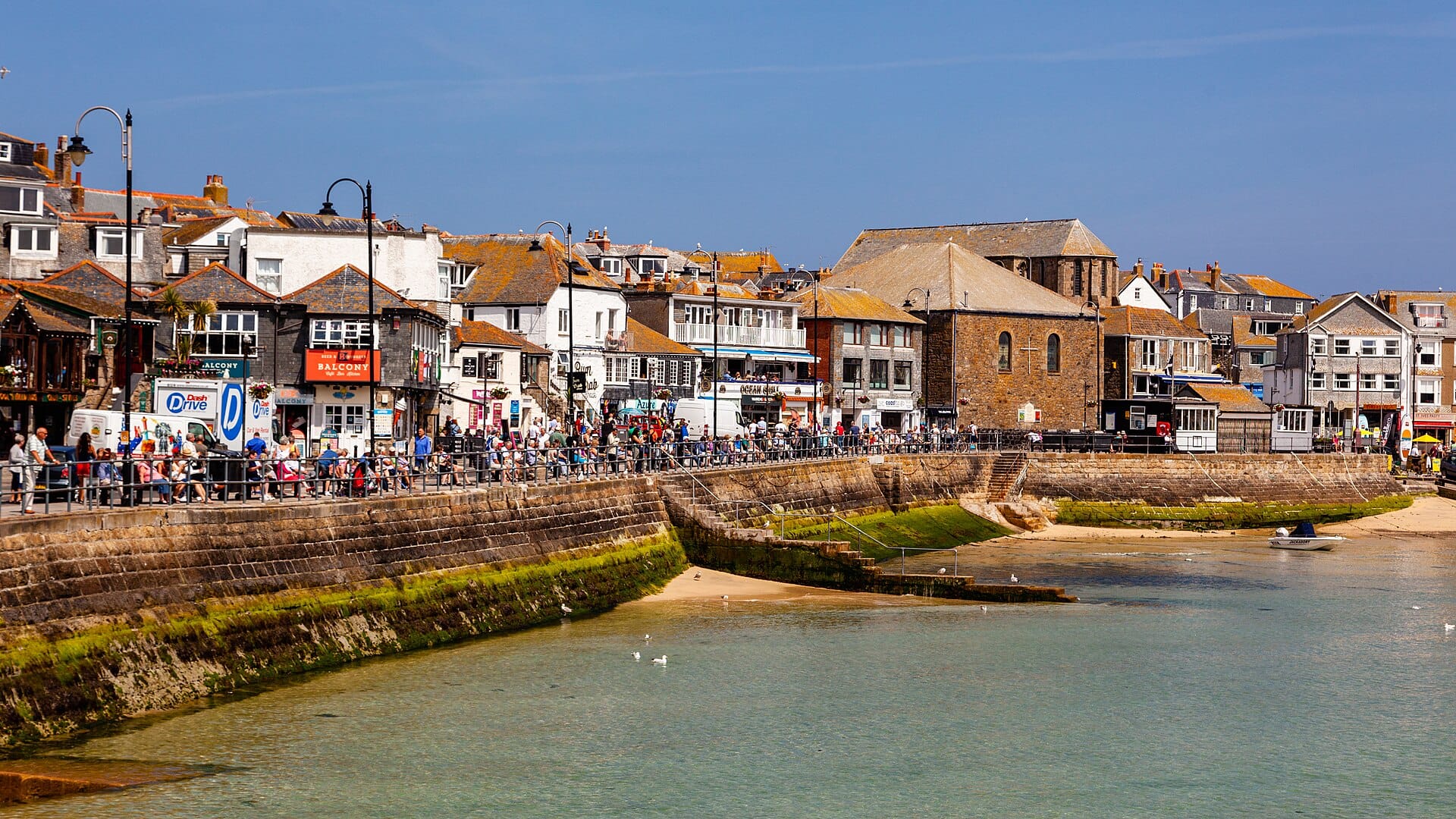
Cornwall
England · 75km away →
Glastonbury
Somerset, England · 81km away →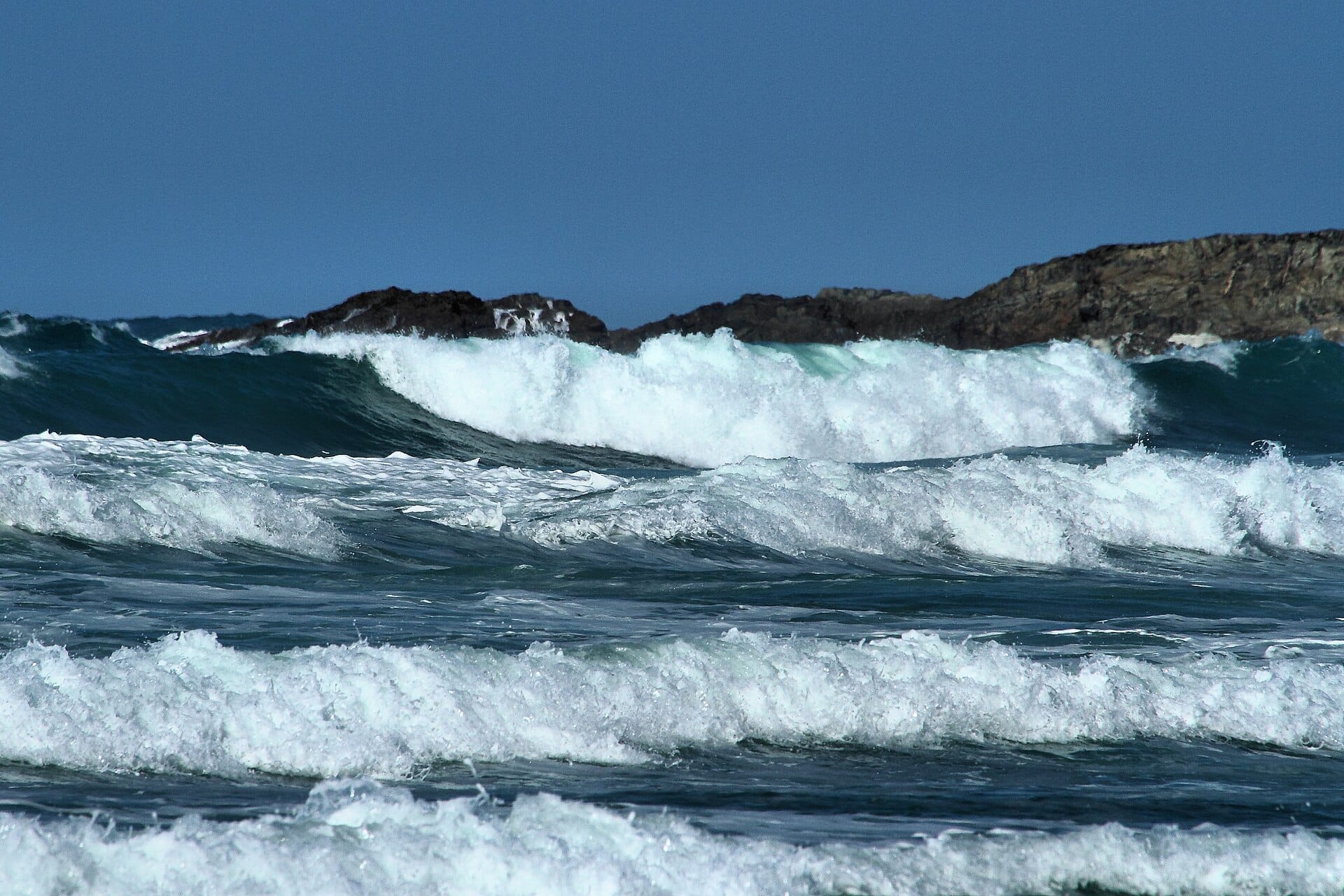
Fistral Beach
Newquay, England · 107km away →
Thermae Bath Spa
England · 117km away →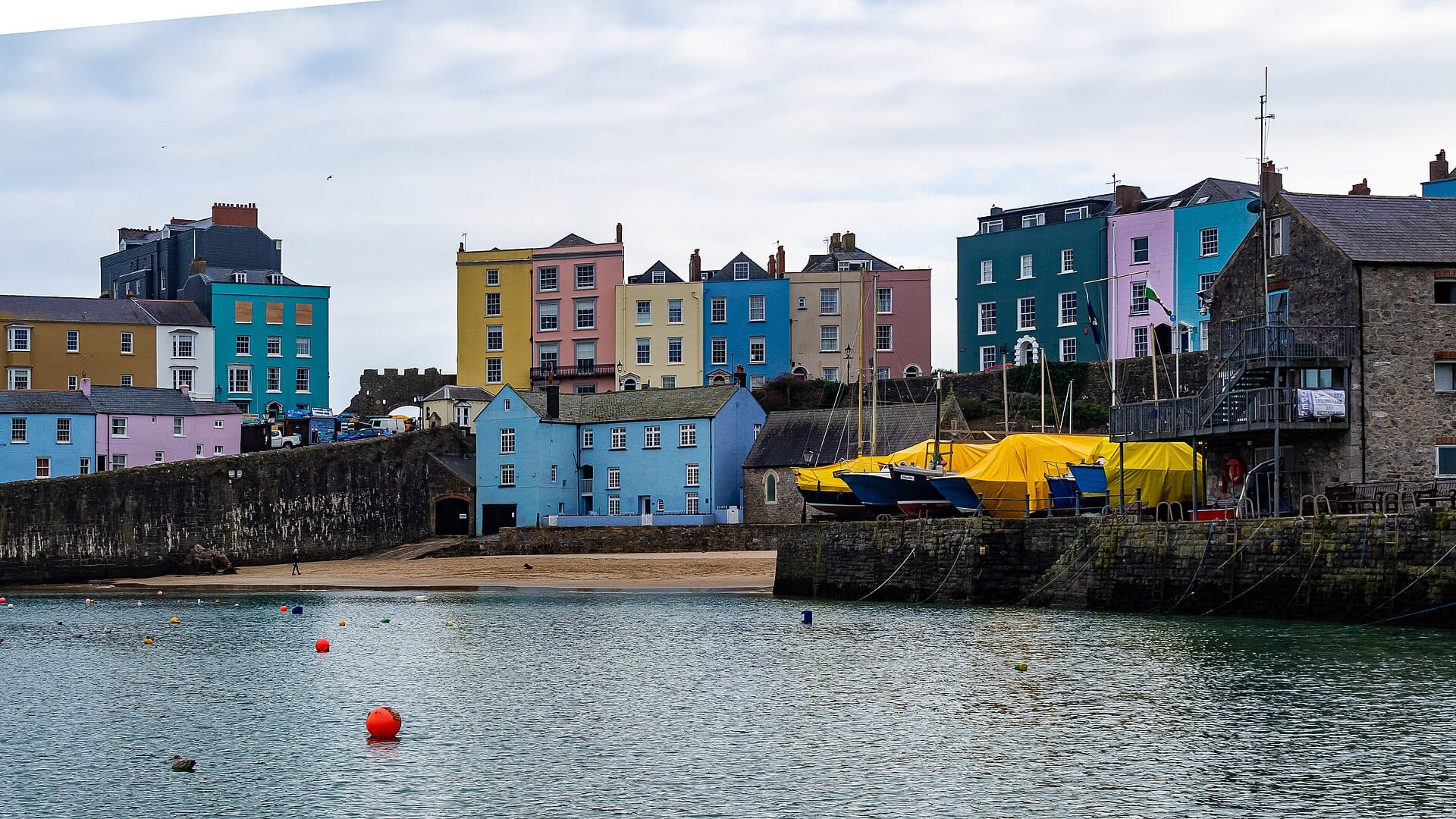
Tenby
Pembrokeshire, Wales · 128km away →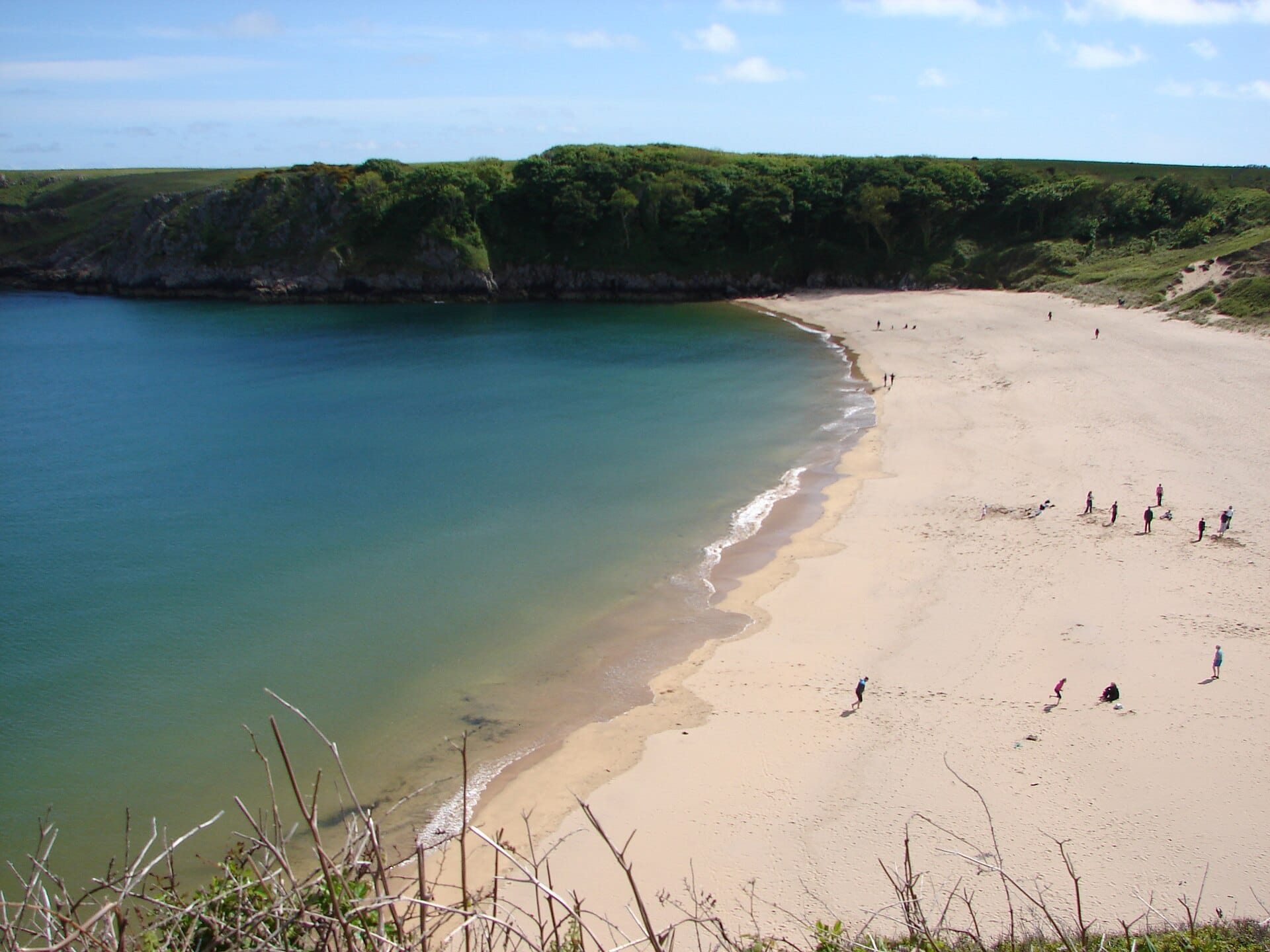
Barafundle Bay
Pembrokeshire, Wales · 132km away →Elsewhere in England
Related articles

Quick answers
When is the best time to visit A working farm stay?
Daytime highs run from about 8°C in January to 20°C in August. Driest in January and August; wettest in October, with rain on about 17 days.
How long should I spend in A working farm stay?
Our suggestion: a week.
How do I get to A working farm stay?
Exeter (EXT) is about twenty minutes from the city by car or bus, and most visitors arrive instead by train to Exeter St Davids or by car down the M5. Farms are then anything from twenty minutes to an hour further.
Do I need a car in A working farm stay?
Yes, a car makes a real difference here. Trains serve the main Devon towns well, but rural bus services are sparse and rarely reach a farm gate.
What currency and language are used in A working farm stay?
Currency: Pound sterling (GBP). Language: English. Plugs: type G.
Who is A working farm stay best for?
Best for families, walkers & hikers and beach lovers. In a phrase: muddy boots, salt air, early starts.