
Ten treks for your first big summit or base camp
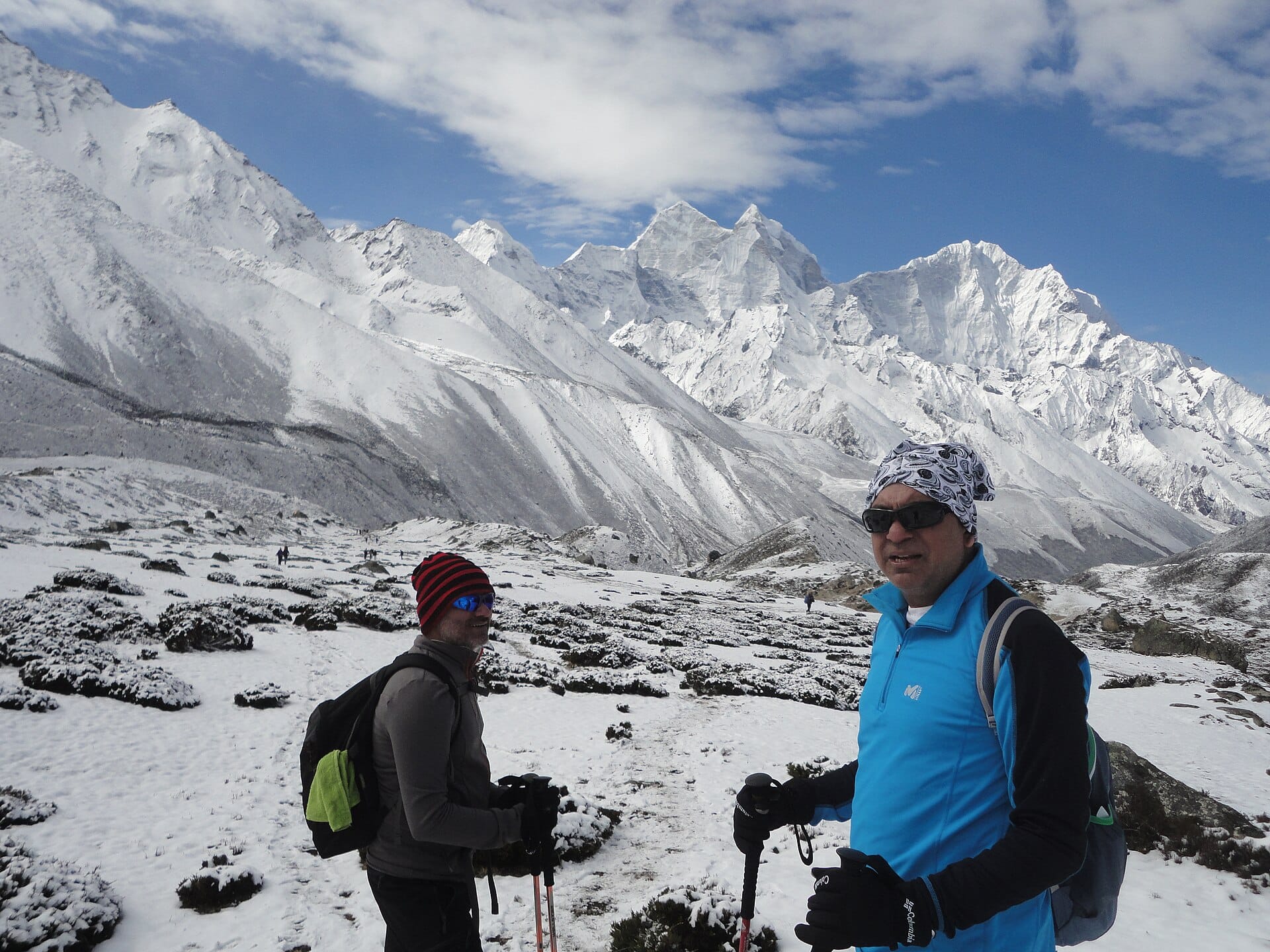
Everyone has a mountain in them somewhere — the question is which one to start with. These ten treks span the full apprenticeship, from a long Scottish day out to a fortnight in the Himalayas, and none requires ropes, crampons or any acquaintance with an ice axe. What they do require is honest hill fitness, boots that are properly broken in, and a healthy respect for altitude, which cares nothing for how fit you are. Guides and porters handle the logistics; your job is to keep walking and keep eating.
1. Kilimanjaro, Tanzania
Explore destination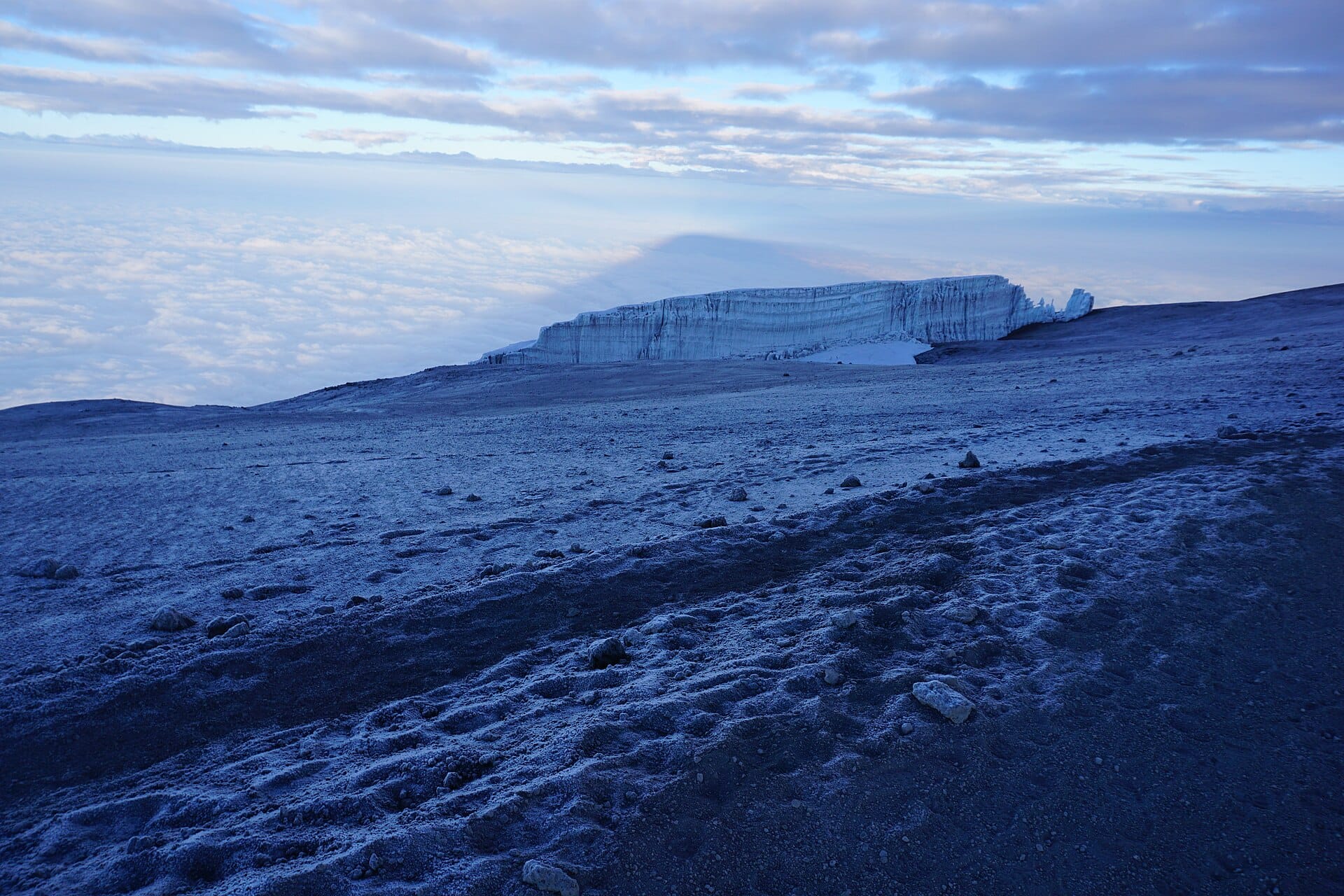
Africa's roof is a walk — a high, cold, breathless walk, but a walk. No ropes, no crampons, just five to nine days through rainforest, moorland and alpine desert to a summit-night push under head torches. Altitude is the only real opponent, so book the longer Lemosho or Machame routes; the extra days of acclimatisation dramatically improve your odds of standing at Uhuru Peak grinning. January to March and June to October are the dry, climbable windows.
2. Mount Toubkal, Morocco
Explore destination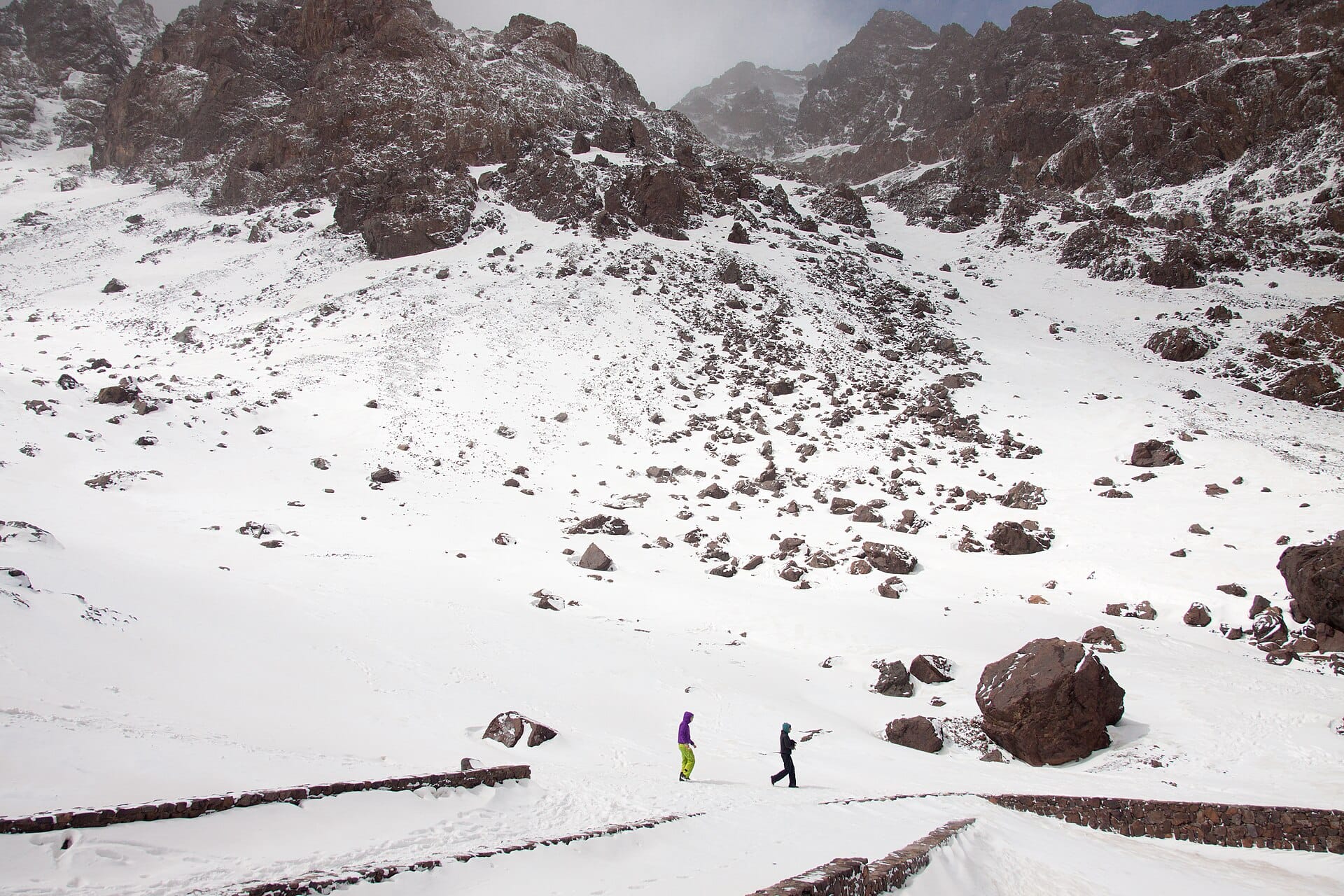
North Africa's highest peak sits a ninety-minute drive from Marrakech, which makes a 4,167-metre summit weirdly weekend-able. The standard two-day route climbs from Imlil to a mountain refuge, then tackles the scree to the top at dawn, with the Atlas rippling away towards the Sahara. Guides are mandatory and easily arranged in Imlil. Go May to October to avoid winter's ice; whatever the season, the mint tea back at the refuge is medicinal.
3. Tour du Mont Blanc, France, Italy and Switzerland
Explore destination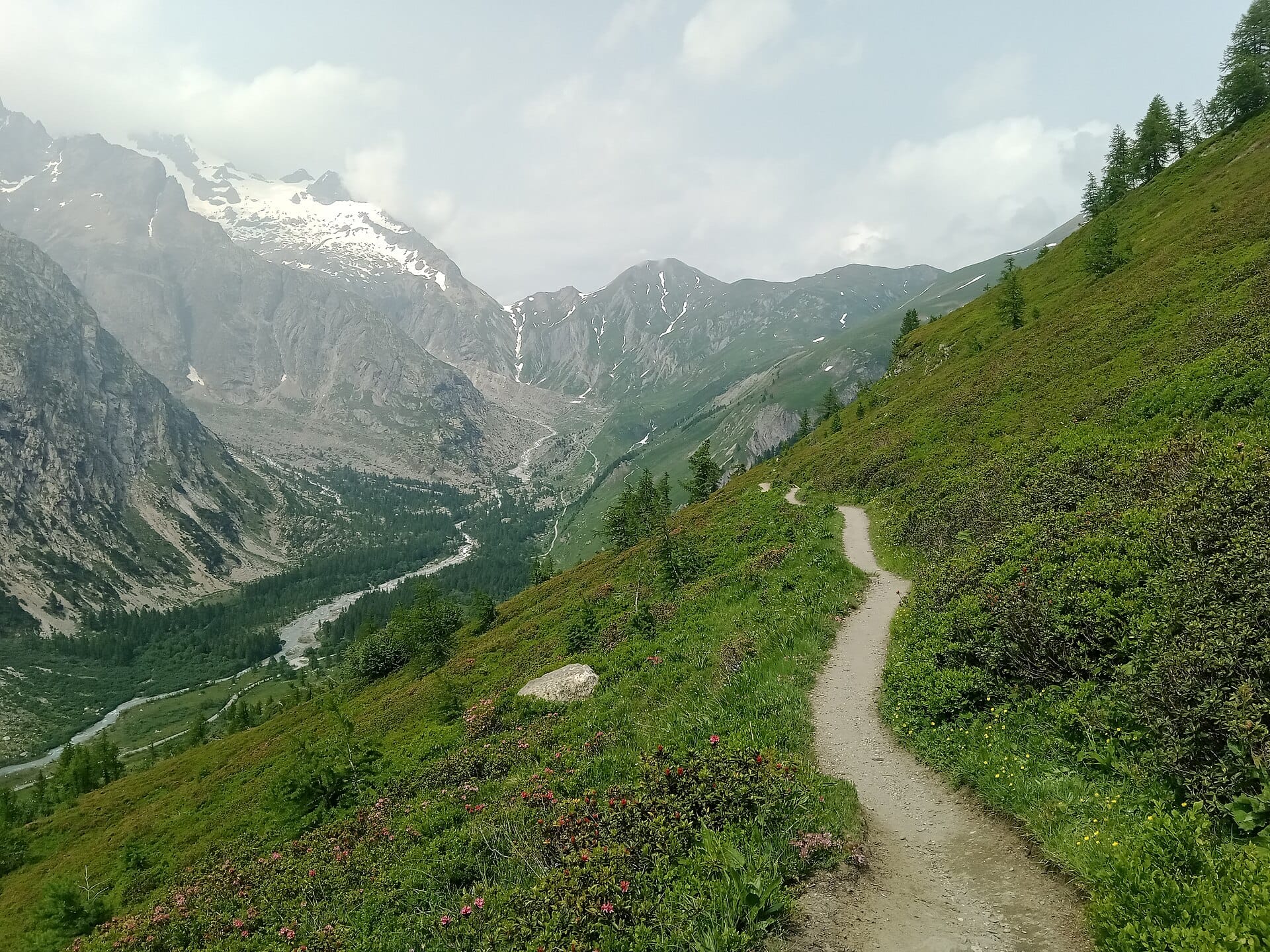
The Tour du Mont Blanc is the base-camp experience without a summit: 170 kilometres looping the massif through France, Italy and Switzerland, sleeping in mountain refuges where dinner arrives in vats. Eleven days is the classic itinerary, and skipping a stage by bus is entirely legal. You need hill fitness rather than mountaineering skills — think six-hour walking days with a light pack. Book refuges by January for July and August, or let a self-guided operator do it.
4. Everest Base Camp, Nepal
Explore destination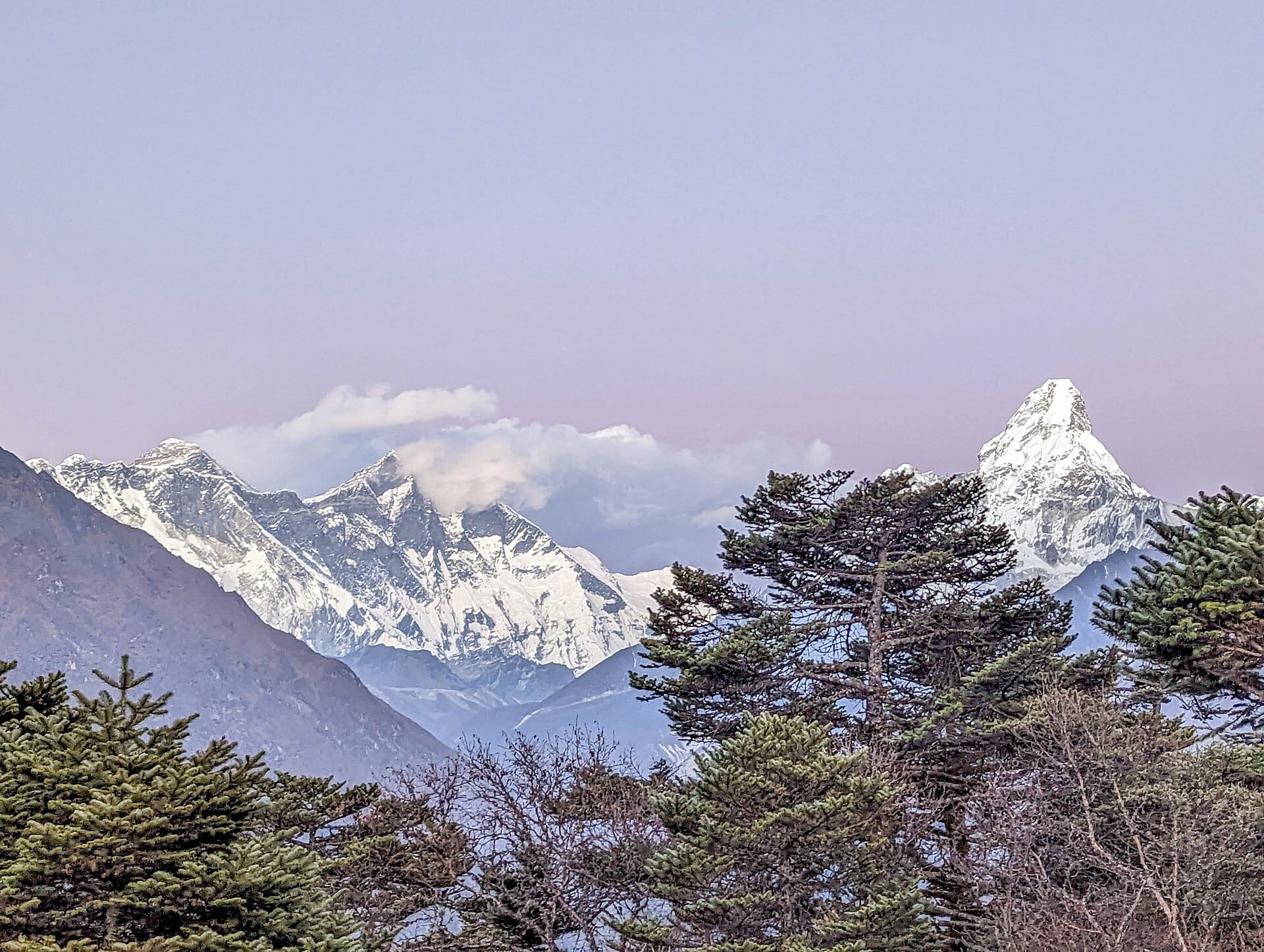
Everest Base Camp is a trek, not a climb — twelve days of teahouse-to-teahouse walking through Sherpa villages, past monasteries and under a skyline that needs no introduction. The paths are good; the altitude is the work, which is why every sensible itinerary builds in rest days at Namche Bazaar and Dingboche. Take them seriously. Fly to Lukla, walk in October and November for the clearest skies, and always give the yaks right of way.
5. Mulhacén, Spain
Explore destination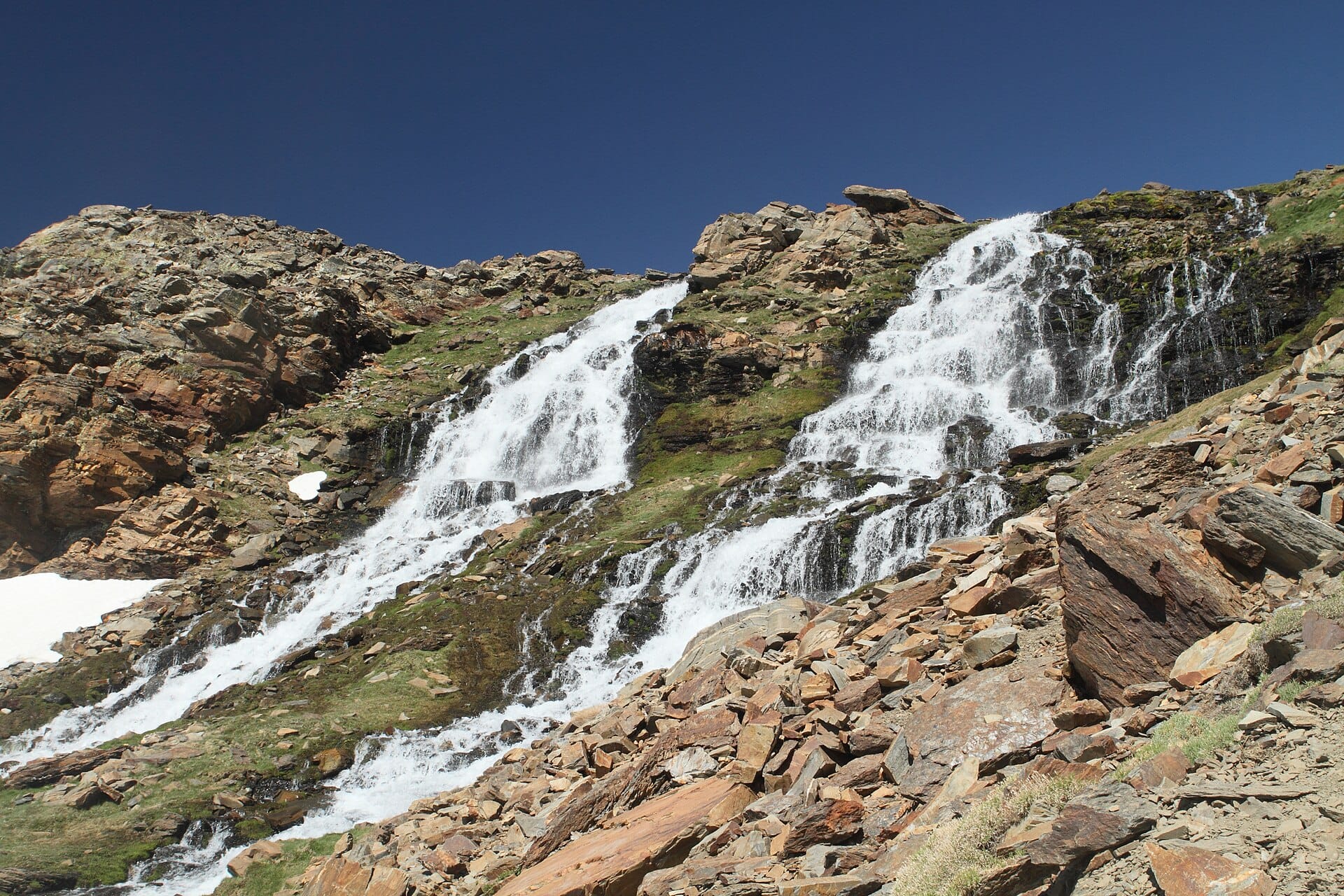
Mainland Spain's highest mountain is the continent's most forgiving three-thousander: in summer a national park minibus from Capileira drops you at 2,700 metres, leaving a broad, walkable ridge to the 3,479-metre summit. From the top the Sierra Nevada falls away towards Africa, visible across the water on clear days. Book the shuttle a few days ahead in August. Base yourself in the white villages of the Alpujarras and celebrate the descent with jamón.
6. Triglav, Slovenia
Explore destination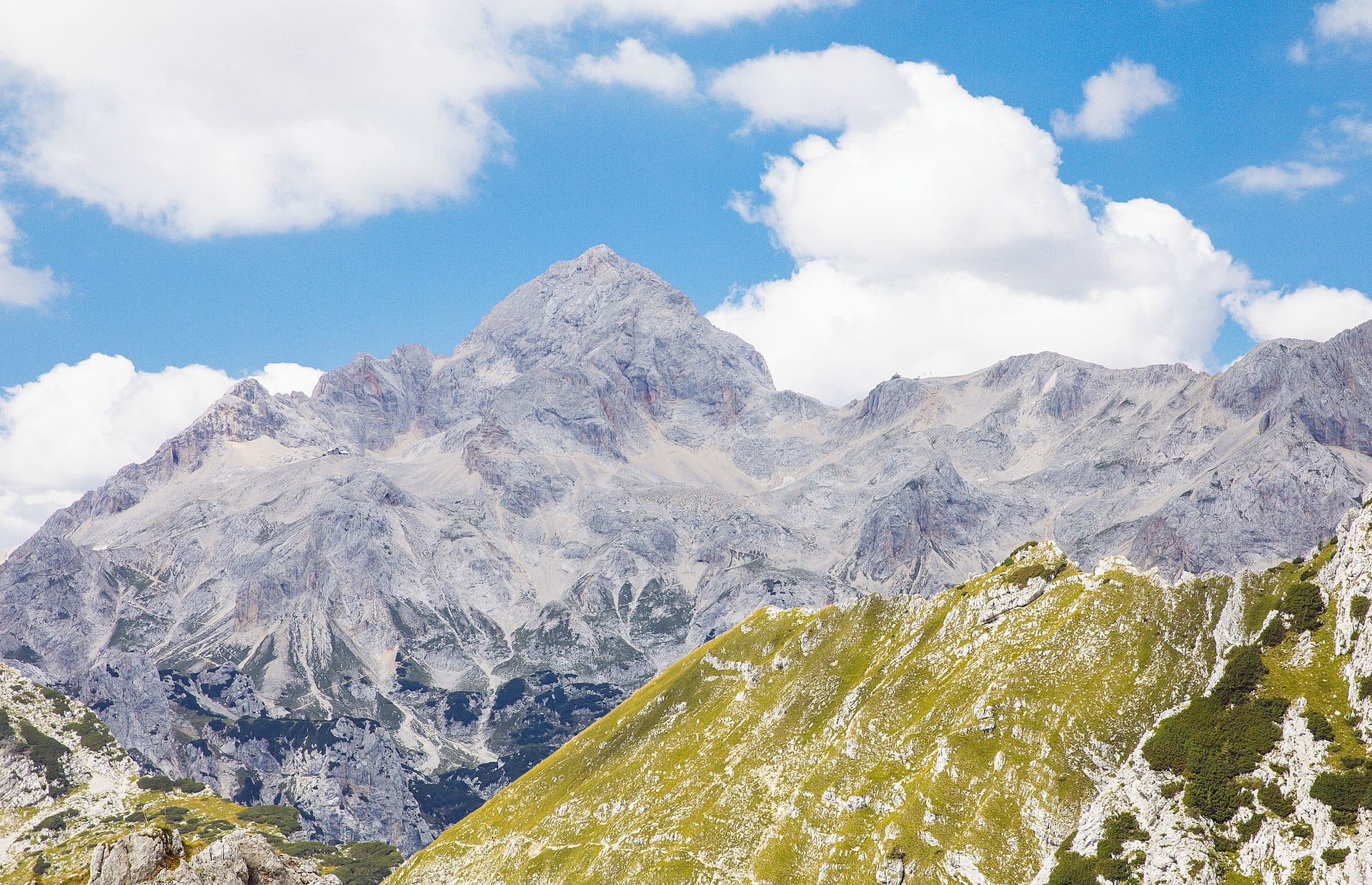
Every Slovene is supposed to climb Triglav once, and joining them is a two-day rite: hike to a mountain hut through the limestone theatre of the Julian Alps, then finish along a cabled via ferrata ridge to the 2,864-metre summit. Hire a licensed local guide for the harnessed section unless you have real scrambling experience — it is exposed. July to September is the season. At the top, tradition demands a ceremonial birching. Consent optional.
7. Ben Nevis, Scotland
Explore destination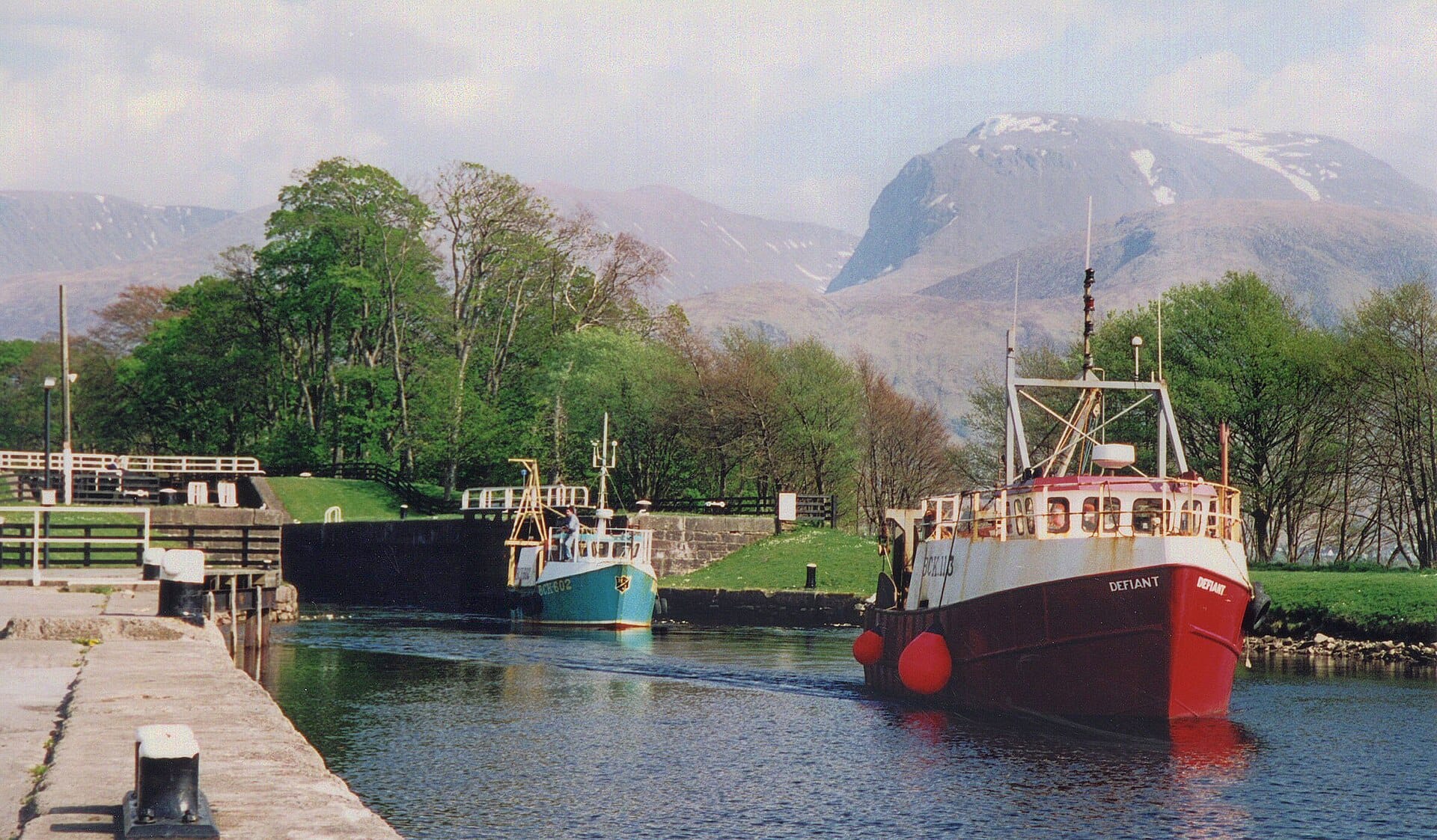
Britain's highest mountain is the perfect dress rehearsal: 1,345 metres, no technical ground on the Mountain Track, and weather that teaches you everything about respecting bigger hills. Allow seven to nine hours from Glen Nevis and pack for four seasons regardless of the forecast — the summit plateau manufactures its own. May to September gives the longest days. Finish in Fort William with chips, and start browsing Kilimanjaro flights on the train home.
8. Mount Fuji, Japan
Explore destination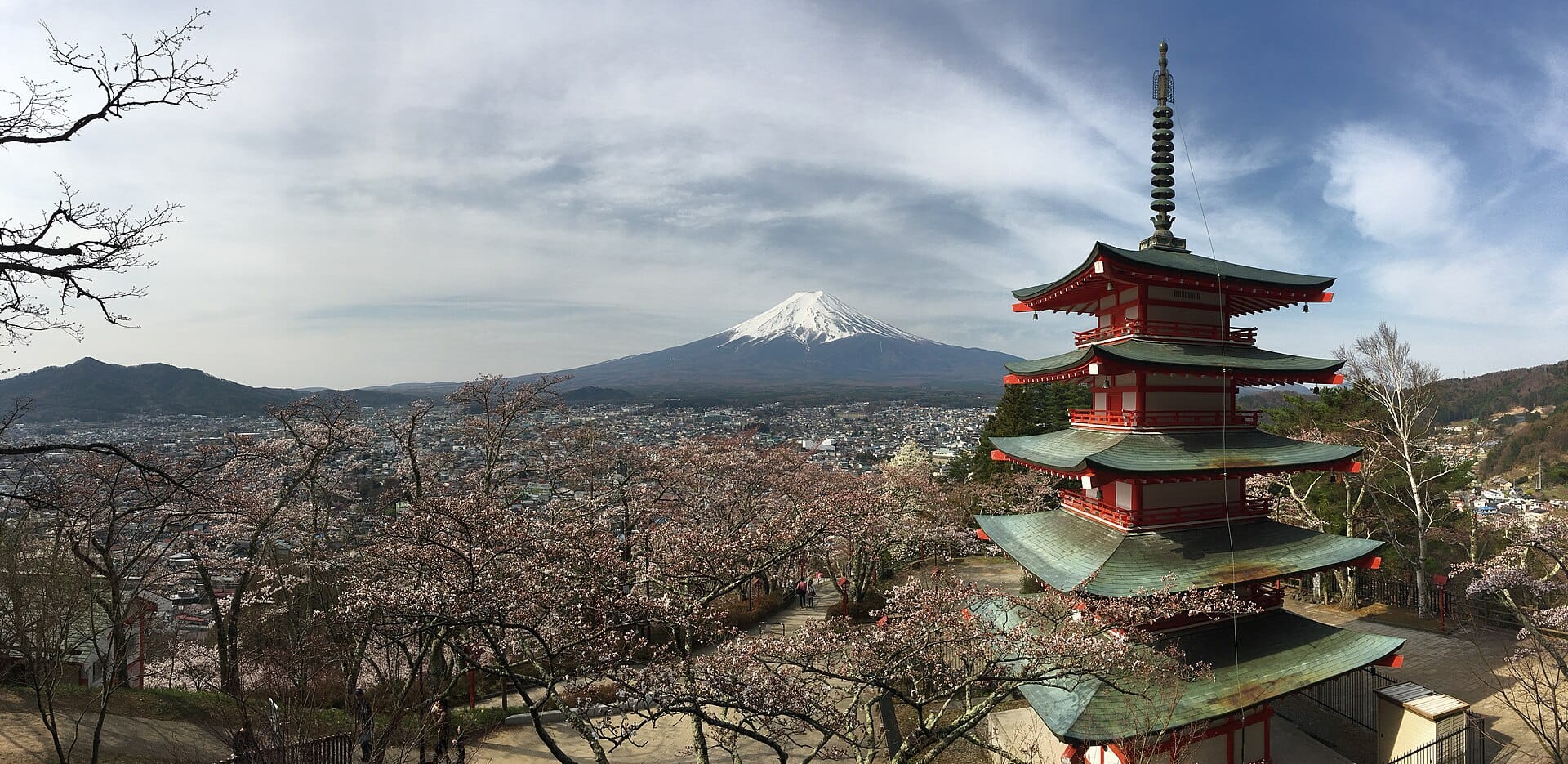
Japan's sacred volcano is climbed by everyone from schoolchildren to octogenarians during its brief official season — early July to early September — which tells you the terrain is manageable, if relentless. The classic play is the Yoshida trail: climb to an eighth-station hut in the afternoon, sleep briefly, then finish by head torch to watch goraiko, the sunrise, from the 3,776-metre crater rim. Book huts and the now-required trail reservation well ahead, and take every layer; summit dawn is bitter.
9. The Laugavegur trail, Iceland
Explore destination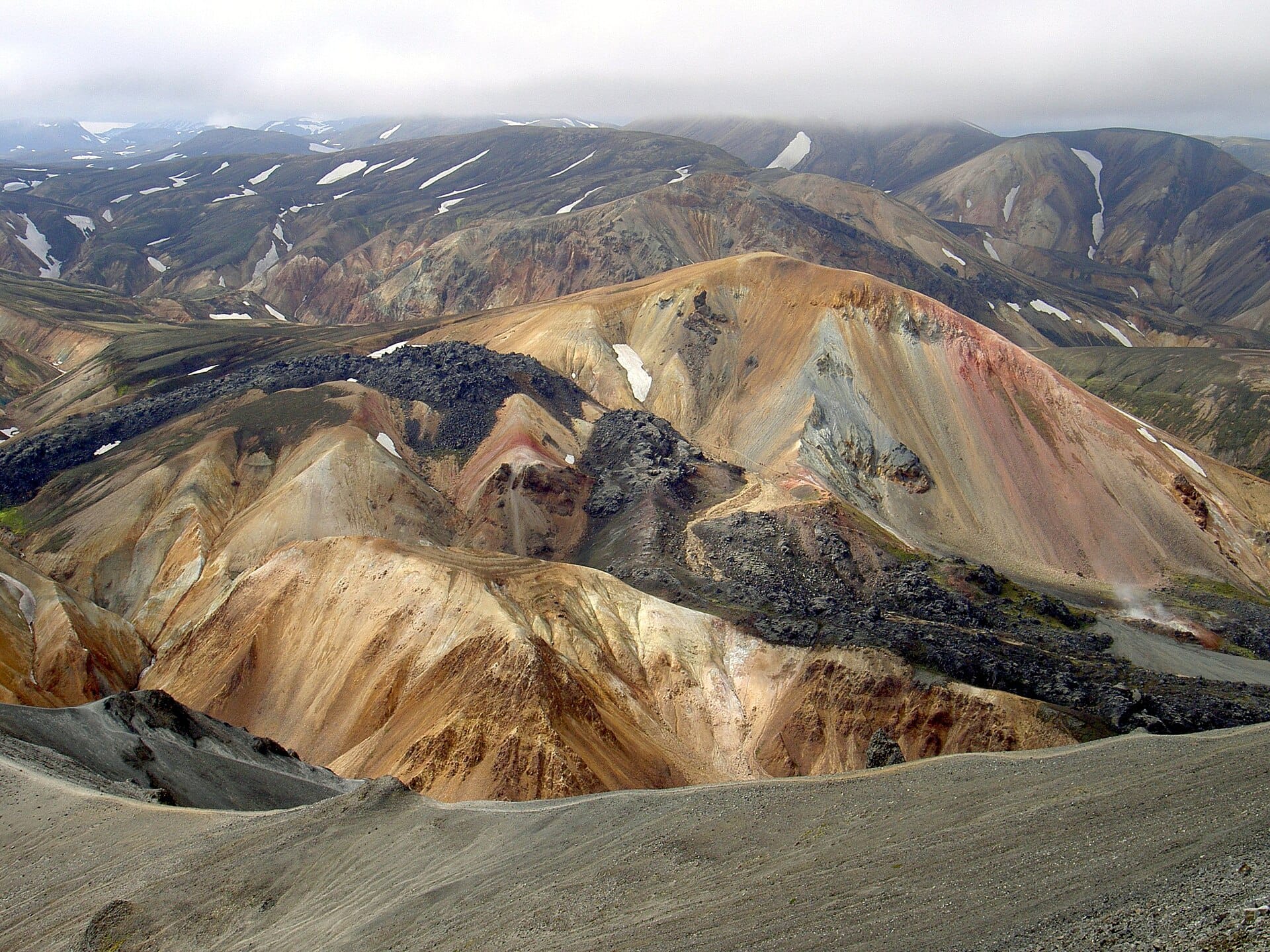
Iceland's greatest walk runs 55 kilometres from the steaming rhyolite hills of Landmannalaugar — mountains in shades of mustard, rust and mint — to the birch valley of Þórsmörk, past obsidian fields, black deserts and a couple of bracing river wades. Four days hut-to-hut is the standard; the huts book out by midwinter, so plan early or join a guided group. The season is short and sweet: mid-July to early September. Start with a soak in Landmannalaugar's natural hot spring.
10. The Inca Trail to Machu Picchu, Peru
Explore destination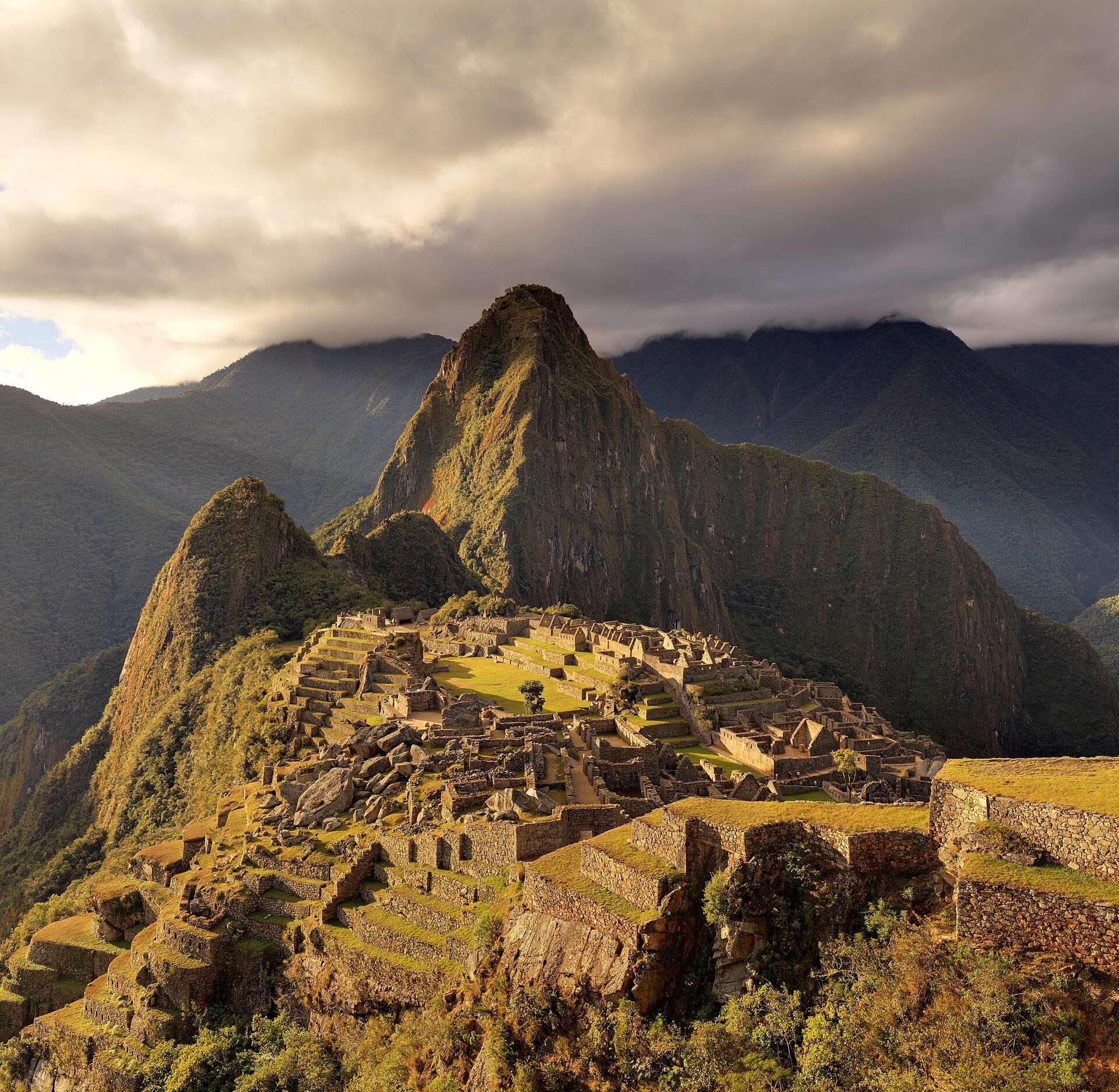
Four days of original Inca paving through cloud forest and over the 4,215-metre Dead Woman's Pass, ending at the Sun Gate with Machu Picchu arranged below at dawn — the Inca Trail earns its fame honestly. Permits are capped at 500 people a day including porters and vanish months out, so book early through a licensed operator, ideally one certified for porter welfare. Acclimatise in Cusco for two or three days first; the pass punishes the impatient.