
Zanzibar
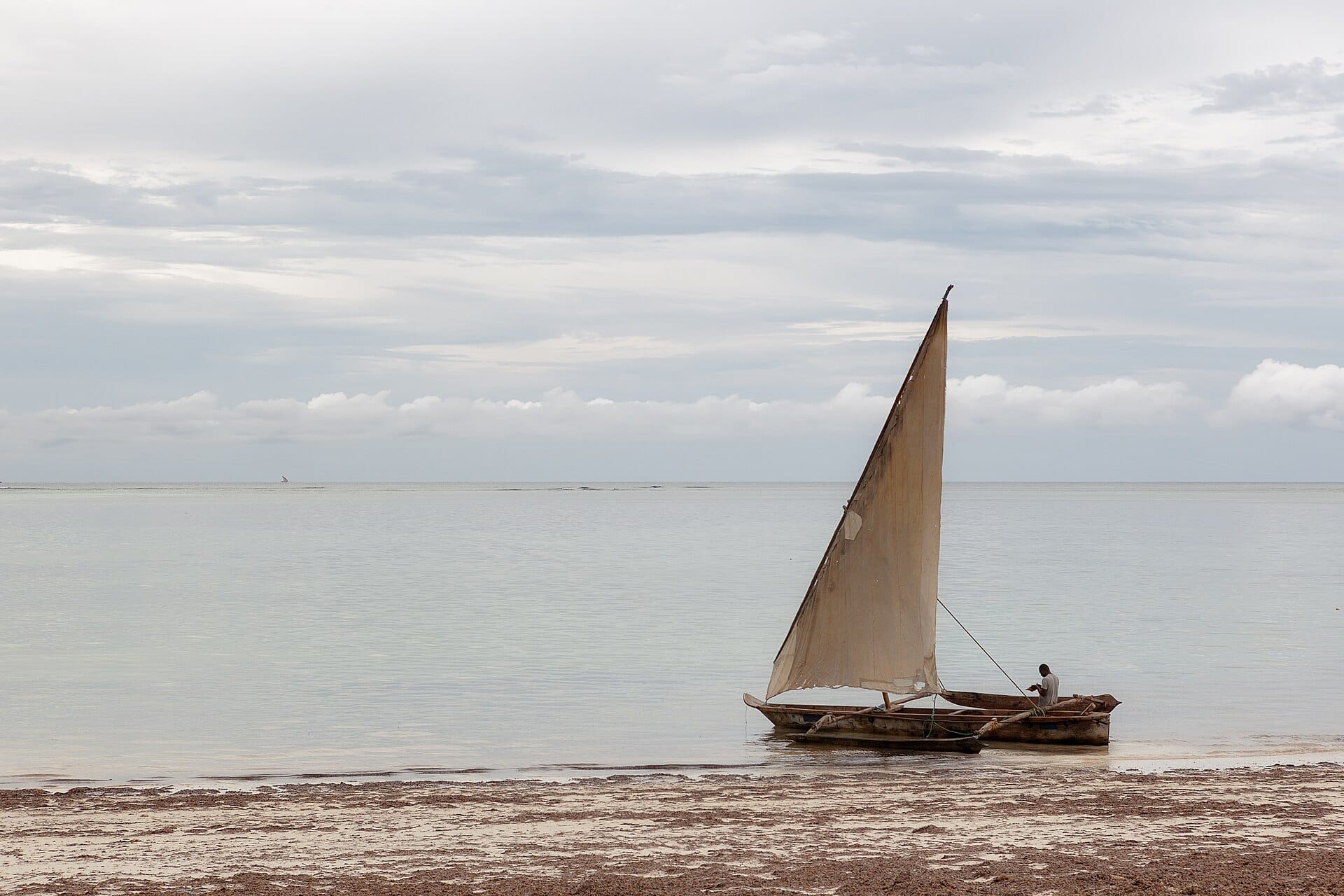
Spice-scented and story-soaked, Zanzibar pairs the carved doorways and winding lanes of Stone Town with east-coast beaches where dhows drift past on cue.
- Best forHoneymooners · Beach lovers · Culture seekers
- In August28°C · 11 rainy days · sea 26°C
- Ideal stayA week
- Approx. flying time~19h 50m from Los Angeles
- CurrencyTZSTanzanian shilling
- LanguageSwahili and English
- Local time13:362h ahead of the UK
- PlugsType D / GUK plugs fit
- Drive on theLeftSame as the UK
- Dialling code+255
Why go
Two very different places share one island. Stone Town is a dense knot of coral-stone lanes, carved doors, Omani and Indian architecture and a market that smells of cloves and dried fish. Beyond it, the coast opens into long white beaches, dhow sails and shallow lagoons that empty and refill twice a day. Between them lie spice smallholdings, mangrove creeks and a patch of forest full of red colobus monkeys.
The standard trip gives two nights in Stone Town and four or five on a beach, and it works. Which coast matters: the north-west swims at any state of the tide, the east has dramatic tides, better wind for kitesurfing and quieter villages. June to October is dry and warm, with long rains from March to May. Many people attach it to a Serengeti or Selous safari on the mainland.
- Ideal stay
- A week
- The vibe
- Spiced, tidal, unhurriedly Swahili
From our guides
Zanzibar is the honeymoon with a plot: begin among the carved doors and spice markets of Stone Town, then decamp north to Nungwi or Kendwa, where the tide barely moves and dhows cross every sunset on schedule. It pairs naturally with a Serengeti safari for the full lions-then-lagoons arc. Choose the north-west coast if you want to swim at any hour — the east's dramatic tides empty the lagoon twice daily.
Featured in Ten tropical islands that live up to the postcard and Ten dreamy honeymoon islands worth the long flight
Things to do
-
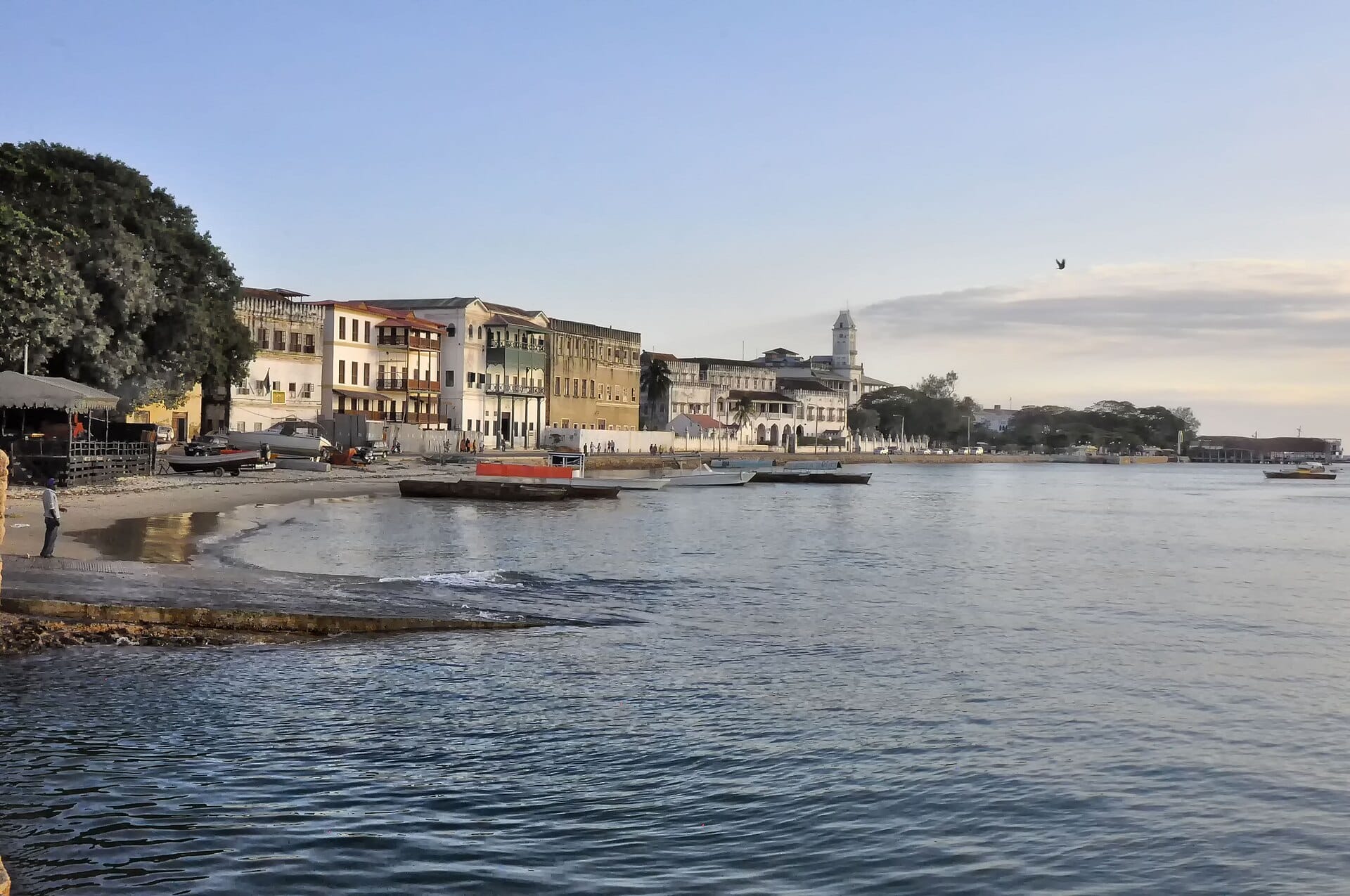
Stone Town's lanes
Get deliberately lost among carved doors, courtyards and shuttered balconies. The old fort, the market and the seafront anchor you when you need them.
-
Forodhani night market
Waterfront stalls firing up at dusk with grilled seafood, cassava and sugarcane juice pressed to order. Busy, smoky and best approached hungry.
-
Jozani forest
The last stronghold of the Zanzibar red colobus, plus a mangrove boardwalk. Monkeys are habituated but should be watched, not approached.
-
A spice smallholding
Half a day among clove, nutmeg, vanilla and cinnamon plants, with plenty to smell and taste. Genuinely interesting rather than merely a shopping stop.
-
Kitesurfing at Paje
The east coast's shallow lagoon and steady wind make it one of the Indian Ocean's better places to learn, with two windy seasons a year.
-
Snorkelling off Mnemba
Boats run from the north-east coast to the reef around the atoll, where visibility is high and turtles are regularly seen. Reef-safe sunscreen, please.
Getting there
-
Fly to
Zanzibar (ZNZ)
Nearest airport to Zanzibar, about 17km away as the crow flies.
-
Then
To Stone Town
Abeid Amani Karume (ZNZ) is about fifteen minutes by taxi into Stone Town, and an hour to an hour and a half by road to the northern and eastern beaches.
-
On the ground
Getting around
Stone Town's lanes are for walking and little else. Beach hotels arrange transfers, and taxis or a hired driver cover the rest of the island.
Public transport: Basic. Shared dala-dala minibuses link the villages cheaply but slowly, so most visitors use taxis or hotel transfers.
Flights
Los Angeles Zanzibar, Tanzania
Fly from anywhere — search 4,000+ airports worldwide.
Roughly 19h 50m in the air from Los Angeles (LAX), estimated from the distance — check for a direct route. Pick a month to see every available flight with live prices.
Check dates and prices
Pick your departure date, then your return.
Search flightsNot sure when? Compare fares across a whole month.
Flight times are estimates; prices open on Google Flights.
When to go
Daytime highs run from about 28°C in July to 31°C in February. Driest in September; wettest in April, with rain on about 27 days. The sea is warmest in March at around 30°C, coolest at 26°C.
The year at a glance — pick a month for detail
August28° · rain 11 days · sea 26°Warm with rain most weeks.
Monthly figures averaged from daily records for 2020–2024 at this location (ERA5 reanalysis). Live conditions from MET Norway, CC BY 4.0.
Where to stay
Restored merchant-house hotels in Stone Town, beach hotels and bungalow resorts on the coasts, and a few very expensive private-island lodges. All-inclusive is common in the north.
-
Best base overall
Stone Town
Carved doors, spice markets and the ferry port, with the island's only real street life and a couple of nights' worth of sights. There is no swimming beach in town.
Find stays in Stone Town -
Best for couples
Kendwa
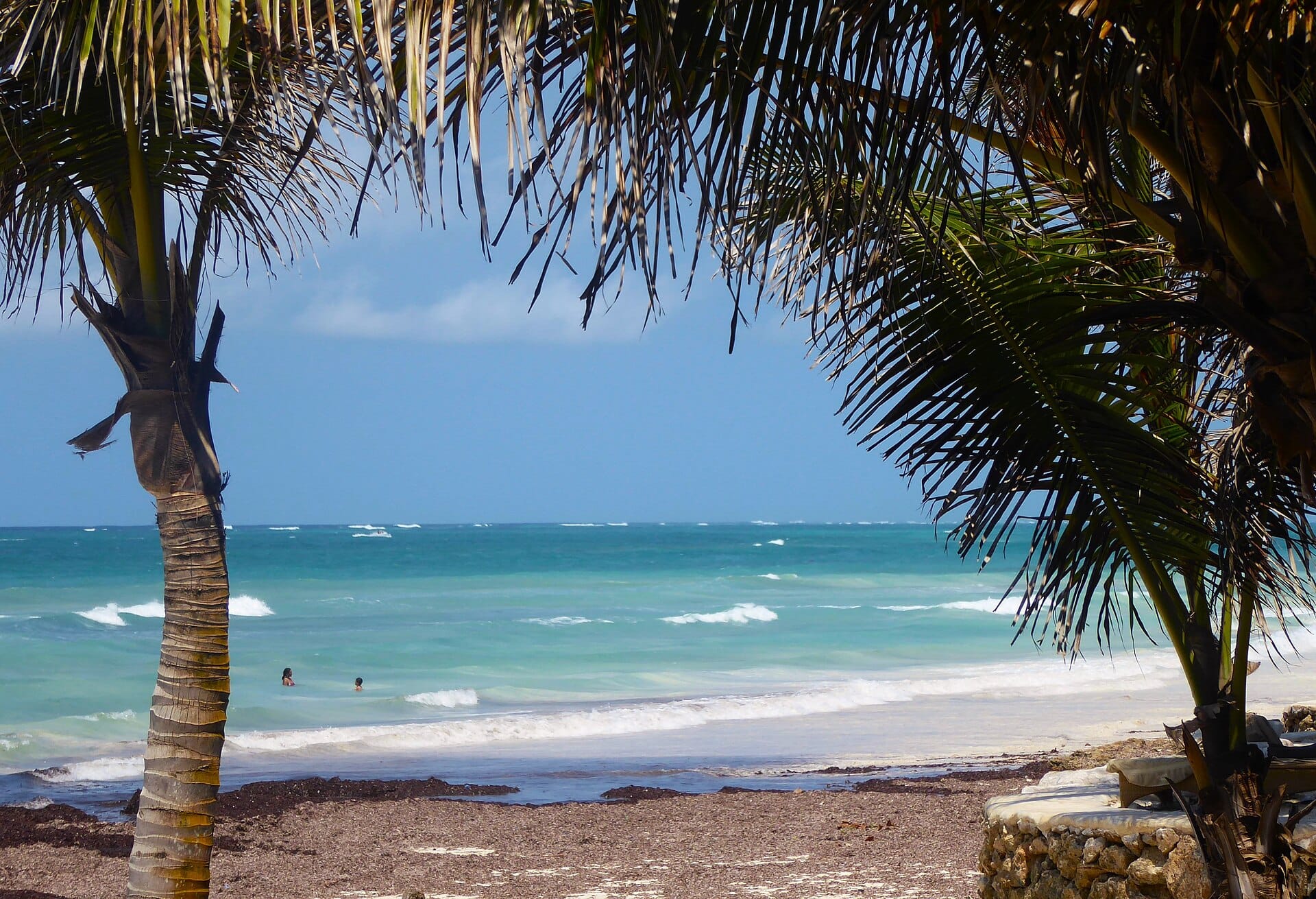
On the north-west coast, where the tide barely moves so you can swim at any hour and the sunsets arrive on cue. Full moon parties can be loud.
Find stays in Kendwa -
Best with children
Nungwi
Next door and busier, with shallow water, plenty of hotels and boat trips leaving off the sand. It has become crowded and the building never quite stops.
Find stays in Nungwi -
Best value
Paje
The east coast kitesurfing strip, cheaper and more informal, with a long white beach. The tide empties the lagoon twice daily, so swimming runs on a timetable.
Find stays in Paje
Worth knowing before you book: Choose the coast by tide, since the east coast lagoon empties twice a day. June to October and Christmas book out months ahead, and Ramadan changes what opens.
Search everything else in Stone Town by budget. These are indicative budget bands in GBP per night for two people, not live quotes or guarantees of hotel type. Check your dates, guests, taxes and final price on Booking.com.
Good to know
- Tides
- On the east coast the sea retreats hundreds of metres twice daily, which is fascinating but limits swimming. Check tide times when choosing where to stay.
- Dress
- This is a conservative Muslim island. Cover shoulders and knees in Stone Town and villages, and keep swimwear to the beach and resort grounds.
- Ramadan
- During the holy month many local places close by day and the atmosphere changes. Beach resorts operate normally, but plan Stone Town eating accordingly.
- Health
- Malaria is present, so take advice on prophylaxis and use repellent. A yellow fever certificate is required if you arrive from an endemic country.
- Timing
- June to October is the dry, breezy peak. Long rains fall from March to May, when many smaller places close and prices drop sharply.
Similar places
Nearby destinations


Related articles
Quick answers
When is the best time to visit Zanzibar?
Daytime highs run from about 28°C in July to 31°C in February. Driest in September; wettest in April, with rain on about 27 days. The sea is warmest in March at around 30°C, coolest at 26°C.
How long should I spend in Zanzibar?
Our suggestion: a week.
How do I get to Zanzibar?
Abeid Amani Karume (ZNZ) is about fifteen minutes by taxi into Stone Town, and an hour to an hour and a half by road to the northern and eastern beaches.
Do I need a car in Zanzibar?
No. Shared dala-dala minibuses link the villages cheaply but slowly, so most visitors use taxis or hotel transfers.
What currency and language are used in Zanzibar?
Currency: Tanzanian shilling (TZS). Language: Swahili and English. Plugs: type D and G.
Who is Zanzibar best for?
Best for honeymooners, beach lovers and culture seekers. In a phrase: spiced, tidal, unhurriedly Swahili.