Whale watching in the Azores
Deep water starts almost immediately off these islands, which is why so many cetaceans pass through.
- Best forFamilies · Wildlife & nature · Photographers
- In November19°C · 15 rainy days
- Ideal stayA week, ideally across two islands
- Est. flying timeChoose your city
Happens around the Azores, Portugal — nearest airport Ponta Delgada (PDL).
- CurrencyEUREuro
- LanguagePortuguese
- Local time17:531h behind the UK
- PlugsType C / FBring an adapter
- Drive on theRightOpposite to the UK
- Dialling code+351
The experience
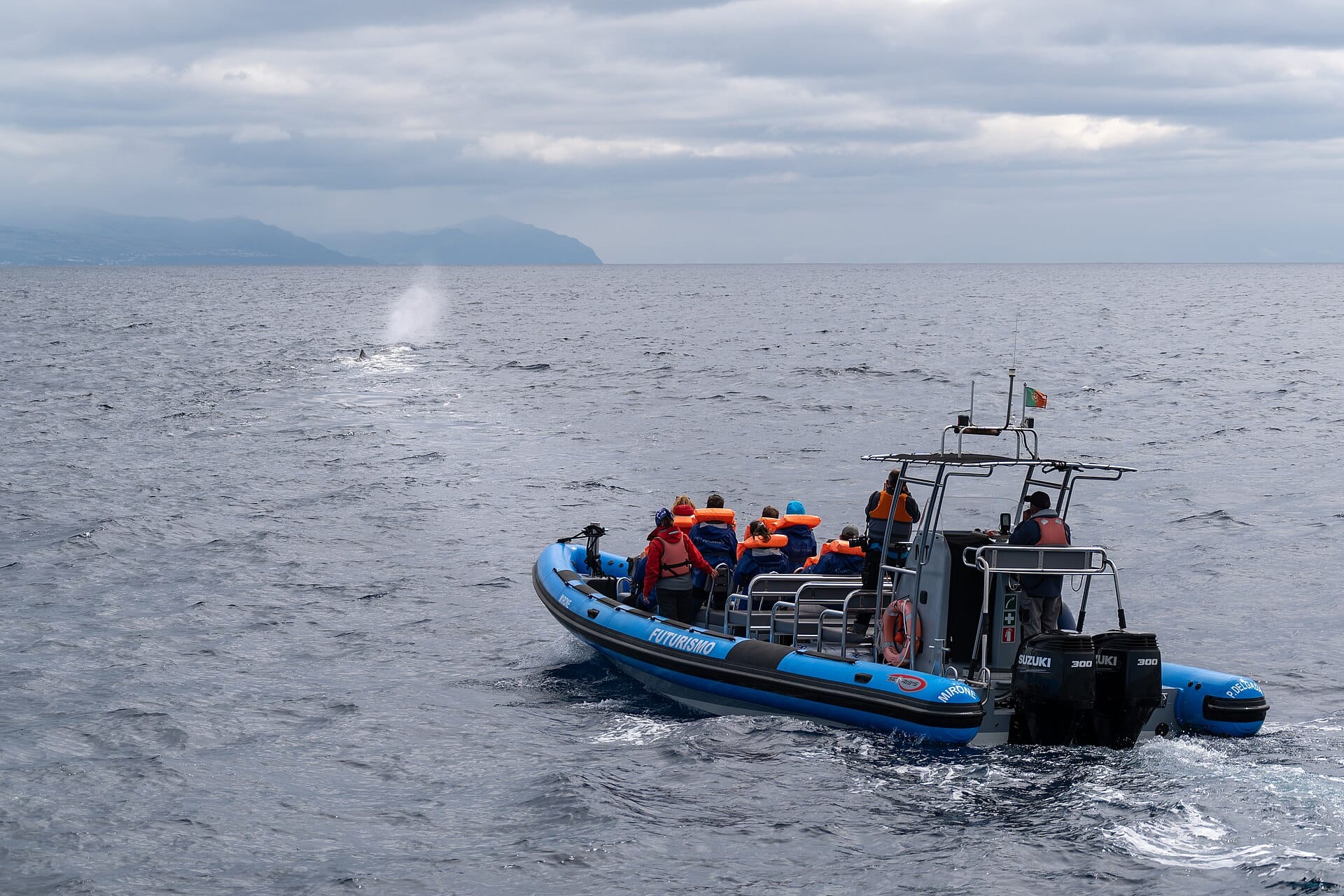
Sperm whales are resident year round, dolphins are near constant company, and spring pushes blue, fin and sei whales along the migration route. Lookouts posted on the clifftops scan with binoculars and radio the boats, a technique inherited from the whaling era, so trips rarely wander blindly. Sighting rates are among the most consistent in the Atlantic.
Most people base themselves on São Miguel for the range of trips and the landscape, or on Pico and Faial for the deeper water and the whaling history. A week split across two islands works nicely, with mornings at sea and afternoons among crater lakes, thermal pools and vineyards. Weather cancels boats regularly, so never book the trip for your last day. April and May reward you most.
- Ideal stay
- A week, ideally across two islands
- The vibe
- Green, Atlantic, weather-driven
Featured in Ten family wildlife holidays, from puffins to safaris
Make a trip of it
-
Sperm whales off Pico
Resident groups live in the deep channel year round, often logging at the surface before a slow fluke-up dive. Biologists usually narrate from on board.
-
Spring migration
April and May bring blue, fin and sei whales north past the islands. Blue whale encounters are never guaranteed, but this is one of the better places to try.
-
Whalers' museum at Lajes
In the old whaling town on Pico, boats, harpoons and scrimshaw explain how the industry worked and how the lookout system survived its end.
-
Sete Cidades crater lakes
Twin lakes, one green and one blue, filling a huge caldera on western São Miguel. Walk part of the rim rather than only driving to the viewpoint.
-
Furnas thermal pools
Iron-rich hot springs and a botanical garden pool the colour of strong tea. Stew cooked underground in the volcanic soil is the local speciality.
Getting there
-
Fly to
Ponta Delgada (PDL)
The airport is on the doorstep.
-
Then
To Ponta Delgada
Ponta Delgada (PDL) is ten minutes from the harbour by taxi, and takes direct flights from Lisbon and a number of European cities.
-
On the ground
Getting around
Trips leave from the marina in Ponta Delgada and from Vila Franca do Campo, with operators briefing you at their harbourside offices beforehand.
Public transport: Thin outside the towns. Buses connect São Miguel's main settlements but run infrequently, so afternoons at the crater lakes really want a hire car.
Flights
Your airport the Azores, Portugal
Fly from anywhere — search 4,000+ airports worldwide.
Choose where you're flying from to see a rough flight time. Pick a month to see every available flight with live prices.
Check dates and prices
Pick your departure date, then your return.
Search flightsNot sure when? Compare fares across a whole month.
Flight times are estimates; prices open on Google Flights.
When to go
Daytime highs run from about 16°C in February to 25°C in August. Driest in July; wettest in January, with rain on about 16 days.
The year at a glance — pick a month for detail
November19° · rain 15 daysMild and often wet.
Monthly figures averaged from daily records for 2020–2024 at this location (ERA5 reanalysis). Live conditions from MET Norway, CC BY 4.0.
Where to base yourself
Small hotels and guesthouses in the towns, restored stone farmhouses in the countryside, and rural tourism cottages. Resorts are few and mostly on São Miguel's south coast.
-
Best base overall
Ponta Delgada
São Miguel's main town, where most boats leave from the marina and the island's flights land. Plenty of rooms and restaurants, though the harbourfront is workmanlike.
Find stays in Ponta Delgada -
Closest to the sights
Lajes do Pico
The old whaling village on Pico, closest to the deep water where the sperm whales live and home to the best-regarded operators. Very small, with few rooms.
Find stays in Lajes do Pico -
Best with children
Ribeira Grande
On São Miguel's north coast, with black-sand beaches, surf schools and quieter family accommodation. Boats leave from the other side of the island, so allow driving time.
Find stays in Ribeira Grande -
Quietest
Furnas
Inland in a steaming volcanic caldera, with thermal pools, gardens and slow evenings. It is forty minutes from the harbour, which is a real consideration for morning sailings.
Find stays in Furnas
Worth knowing before you book: April and May are the migration months and also fill fastest, so book boats and rooms together. Sailings are cancelled for swell, so allow spare days rather than one chance.
Search everything else in Ponta Delgada by budget. These are indicative budget bands in GBP per night for two people, not live quotes or guarantees of hotel type. Check your dates, guests, taxes and final price on Booking.com.
Good to know
- Timing
- Trips run from around April to October, with April and May best for migrating baleen whales. Winter sailings are rare and weather dependent.
- Sea sickness
- The Atlantic swell is real and rigid-hulled inflatables are lively. Take tablets an hour before boarding rather than once you are already queasy.
- Layers
- Even in July it is cold at speed on open water. Windproof jacket, warm layer and something to keep spray off cameras and phones.
- Cancellations
- Operators cancel freely when the sea is up, and refund or rebook. Allow at least two possible mornings rather than pinning everything on one.
- Getting there
- Direct flights reach Ponta Delgada on São Miguel from several European cities. Inter-island flights and ferries connect the central group in summer.
Further afield
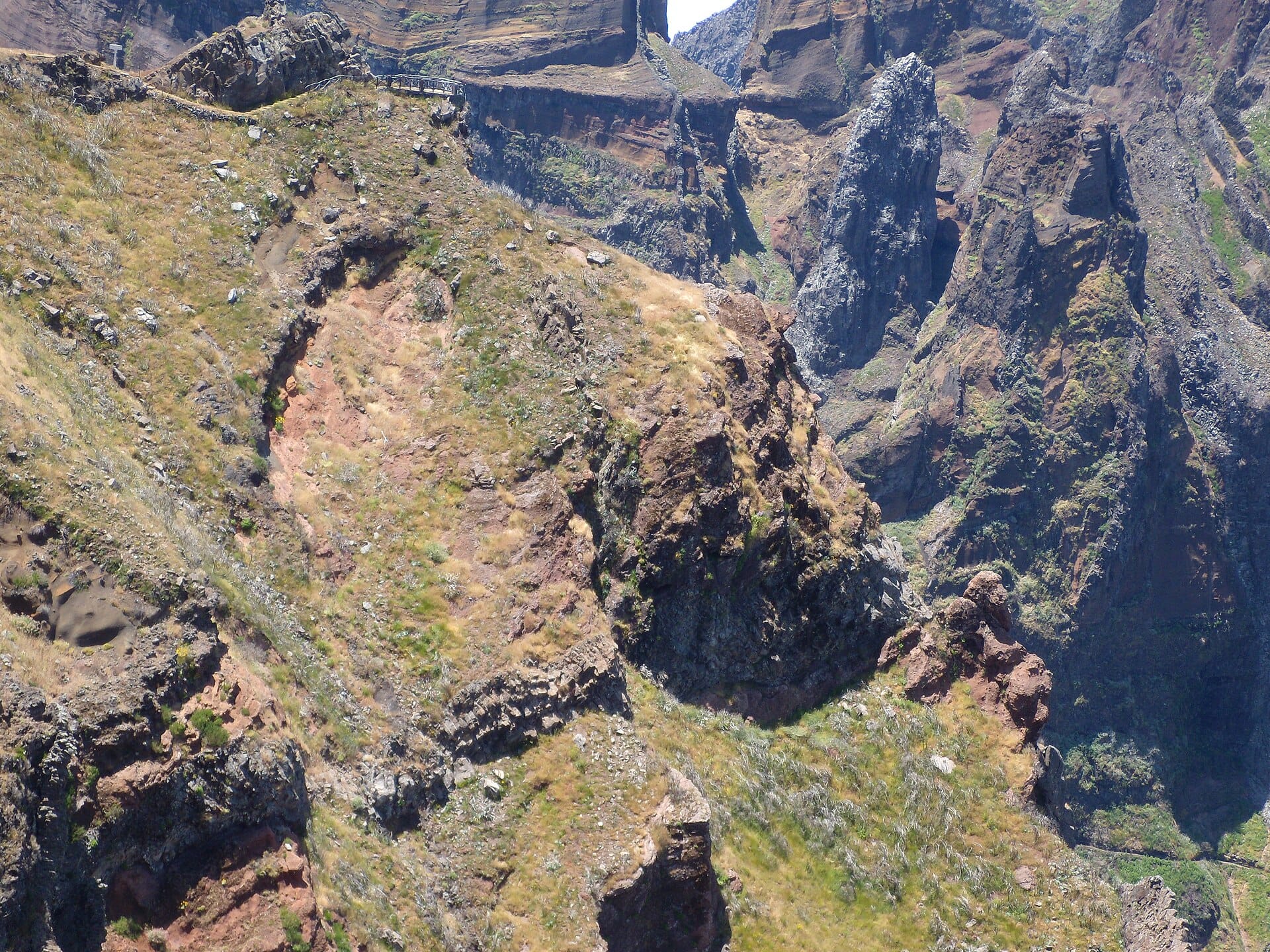
Canyoning
Madeira, Portugal · 964km away →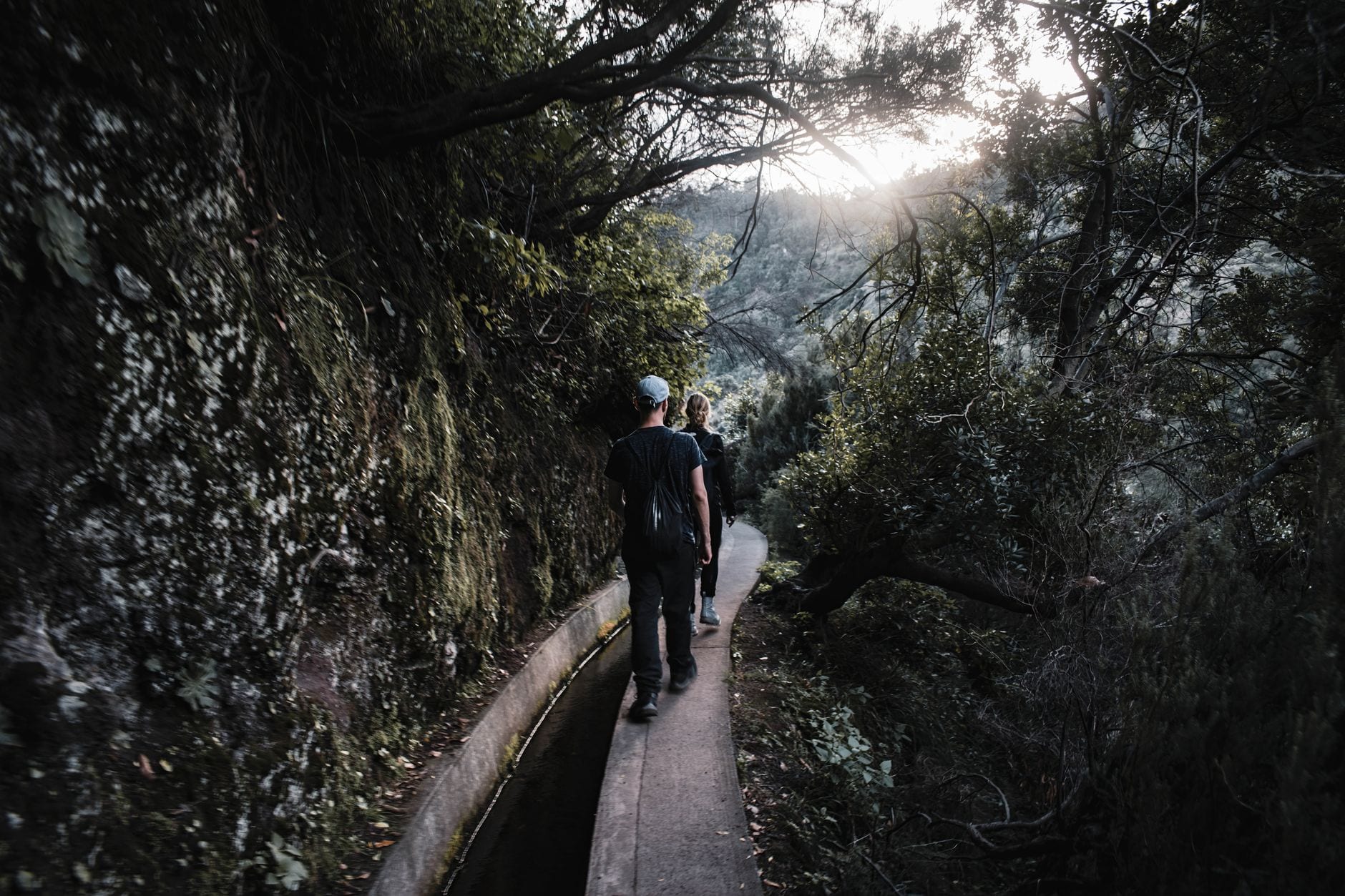
Madeira's levada walks
Portugal · 976km away →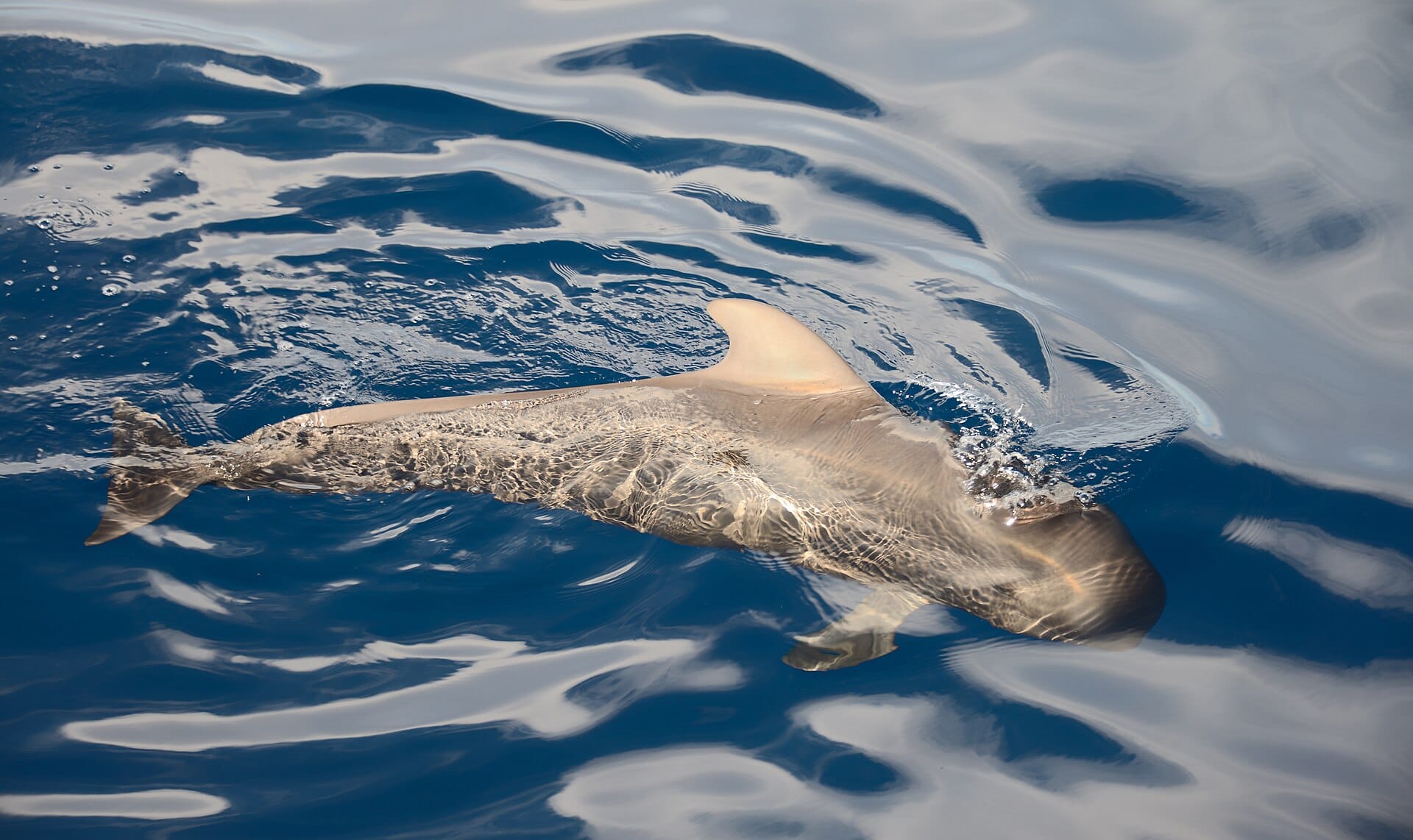
Dolphins off Tenerife
Canary Islands →
Siam Park
Tenerife, Canary Islands →
Praia da Ursa
Sintra, Portugal →
Cascais
Portugal →Elsewhere in Portugal