
Triglav National Park
Slovenia's only national park wraps the Julian Alps in a compact, hut-linked wonderland, and the Seven Lakes Valley traverse is the ideal first multi-day route: two to three days of tarns, limestone pavements and cheerful mountain huts serving goulash.
- Best forWalkers & hikers · Wildlife & nature · Adventure seekers
- In September12°C · 13 rainy days
- Ideal stay5–7 nights
- Approx. flying time~12h 25m from Los Angeles
- CurrencyEUREuro
- LanguageSlovene
- Local time14:111h ahead of the UK
- PlugsType C / FBring an adapter
- Drive on theRightOpposite to the UK
- Dialling code+386
Why go
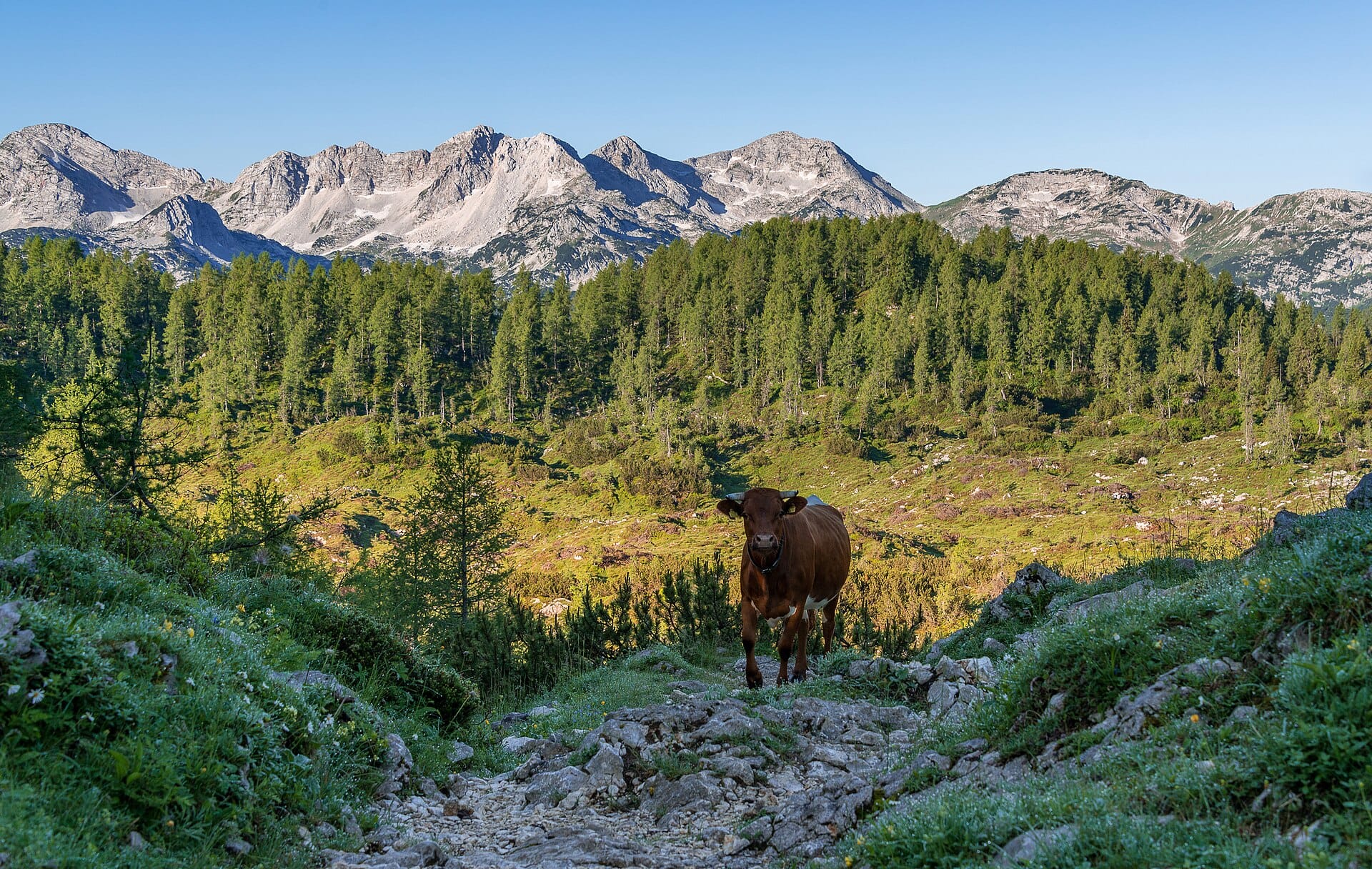
Slovenia's only national park covers most of the Julian Alps, with limestone peaks, glacial lakes and the Soča river running an implausible turquoise down the western side. Everything sits close together: gorges, waterfalls, high pastures and a network of mountain huts within a couple of hours' drive of one another. Triglav itself, at 2,864 metres, stands at the centre and on the national flag.
Bohinj, Bovec and Kranjska Gora all work as bases, and Ljubljana airport is under an hour from the eastern side. Huts open roughly from late June to September, which is also when the Seven Lakes traverse and the summit routes make sense. Outside that the valleys still offer gorges, cycling and skiing. The final ridge on Triglav is a secured scramble, so take a guide unless you are confident.
- Ideal stay
- 5–7 nights
- The vibe
- Turquoise water, limestone, clean air
From our guides
The ambitious can add Triglav itself — Slovenes consider the summit a patriotic duty — but its final ridge is a secured scramble, so hire a local guide unless you're confident with cables.
Featured in Ten national parks for your first proper trek
Things to do
-
Lake Bohinj
A long glacial lake inside the park, far quieter than Bled, with swimming from the shore, a cable car up Vogel and the Savica waterfall at the far end.
-
The Seven Lakes Valley
A two or three day hut traverse past a chain of tarns, limestone pavement and larch, and the standard first multi-day route in the Julian Alps.
-
The Soča valley
Turquoise water in a limestone bed, with the Velika Korita gorge, rafting and kayaking out of Bovec, and the Walk of Peace along the First World War front.
-
Vršič Pass
Fifty numbered hairpins over the mountains between Kranjska Gora and the Soča, with a Russian chapel built by prisoners of war partway up.
-
Vintgar Gorge
A boardwalk pinned to the rock above rushing green water near Bled, with timed entry to manage the numbers. Short, easy and deservedly popular.
-
Triglav's summit
A two-day ascent from several valleys, with a final ridge on fixed cables. Slovenes treat reaching the top as something close to a rite of passage.
Getting there
-
Fly to
Zgornji Brnik (LJU)
Nearest airport to Triglav National Park, about 51km away as the crow flies.
-
Then
To Bohinj
About an hour by car from Ljubljana (LJU), north west past Bled into the Bohinj valley. Airport shuttles and a bus or train combination also make the trip.
-
On the ground
Getting around
The Seven Lakes traverse begins at the Savica waterfall car park or from the Vogel cable car above Lake Bohinj, both a short drive or seasonal bus ride from the village.
Public transport: Reasonable in summer: buses run from Ljubljana and Bled into the valley, and a park shuttle serves the main trailheads.
Flights
Los Angeles Triglav National Park, Slovenia
Fly from anywhere — search 4,000+ airports worldwide.
Roughly 12h 25m in the air from Los Angeles (LAX), estimated from the distance — check for a direct route. Pick a month to see every available flight with live prices.
Check dates and prices
Pick your departure date, then your return.
Search flightsNot sure when? Compare fares across a whole month.
Flight times are estimates; prices open on Google Flights.
When to go
Daytime highs run from about -4°C in January to 16°C in July. Driest in February and November; wettest in May, with rain on about 20 days.
The year at a glance — pick a month for detail
September12° · rain 13 daysCool and often wet.
Monthly figures averaged from daily records for 2020–2024 at this location (ERA5 reanalysis). Live conditions from MET Norway, CC BY 4.0.
Where to stay
Apartments and rooms in private houses, small family hotels, campsites and simple mountain huts high on the trails. Big resorts and chains are effectively absent.
-
Best base overall
Bohinj (Ribčev Laz)
Right on the lake at the park's heart, with the Seven Lakes trailhead, the cable car and boat hire all within reach. Nightlife amounts to a couple of bars.
Find stays in Bohinj (Ribčev Laz) -
Quietest
Stara Fužina
A farming village minutes from the lake shore, with cheese dairies, hay racks and mountain views. You will walk or cycle for most things, which is rather the appeal.
Find stays in Stara Fužina -
Best with children
Bled
Half an hour away and far better equipped, with a castle, rowing boats, cake and easy transfers. It is busier, pricier and a drive from the best walking.
Find stays in Bled -
Best value
Bovec
Over the Vršič pass on the Soča side, cheaper than the lakes and the base for rafting and canyoning. The mountain road closes in winter, so check before committing.
Find stays in Bovec
Worth knowing before you book: Hut beds along the Seven Lakes route should be reserved for July and August, and many huts want cash. Lakeside parking is charged and strictly enforced.
Search everything else in Bohinj by budget. These are indicative budget bands in GBP per night for two people, not live quotes or guarantees of hotel type. Check your dates, guests, taxes and final price on Booking.com.
Good to know
- Huts
- Mountain huts run roughly from late June to late September, take bookings and often want cash. Bring a sleeping bag liner and indoor shoes.
- Vršič Pass
- The road closes in winter and is narrow, cobbled in places and busy with cyclists in summer. Drive it early in the day.
- Book ahead
- Entry to Vintgar Gorge is timed and sells out in high season, and Bled itself is extremely busy in July and August. Reserve slots in advance.
- Safety
- The Triglav ridges need a helmet, harness and via ferrata set, and the weather turns fast at altitude. Guides are widely available and worth it for a first ascent.
- Getting there
- Ljubljana airport is around 40 minutes from Bled. A car is easiest, though summer buses link Bled, Bohinj and Bovec.
Similar places
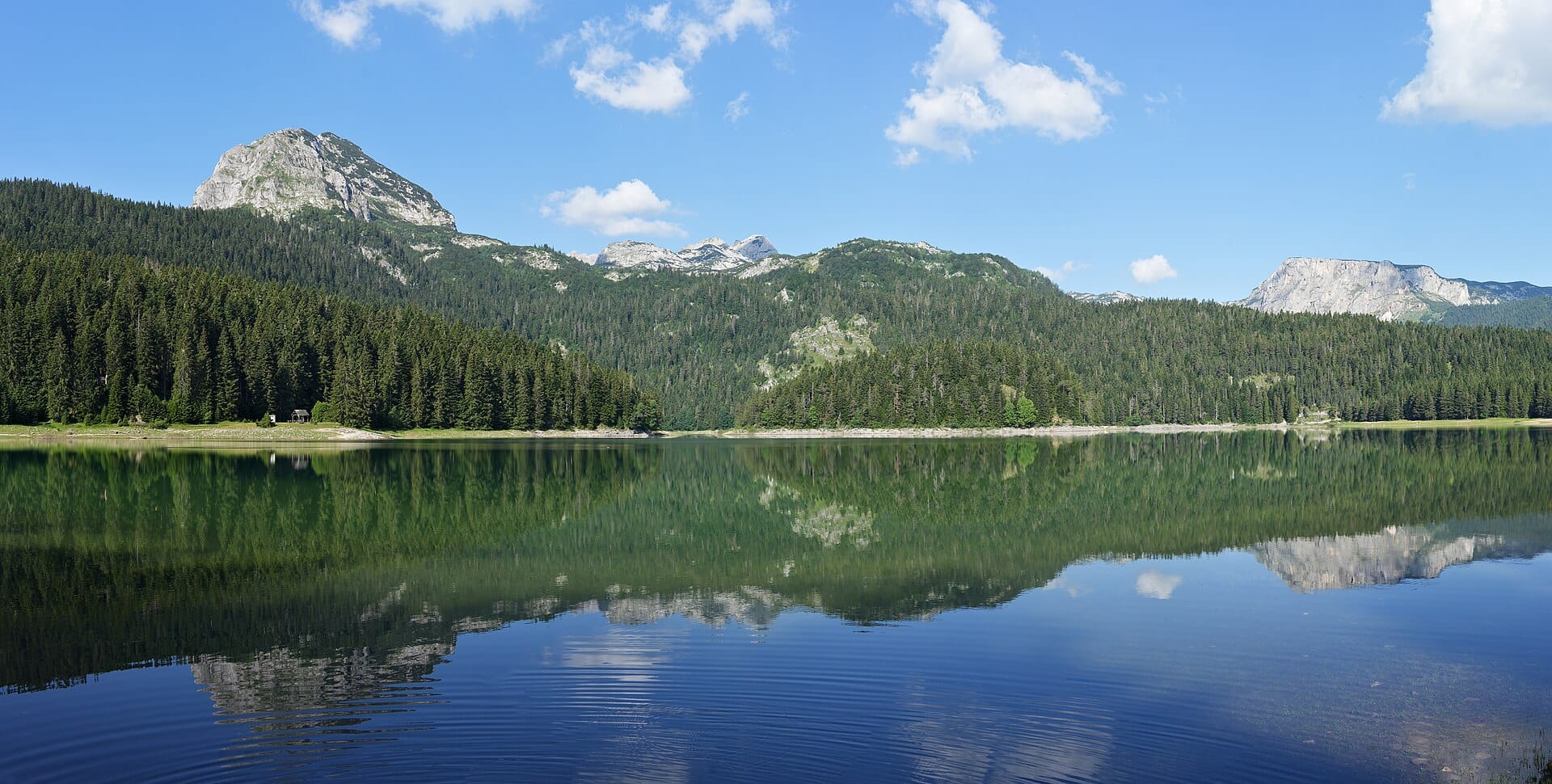
Durmitor National Park
MontenegroAlso for walkers & hikers and wildlife & nature · 13°C in September, as here · cheaper to stay
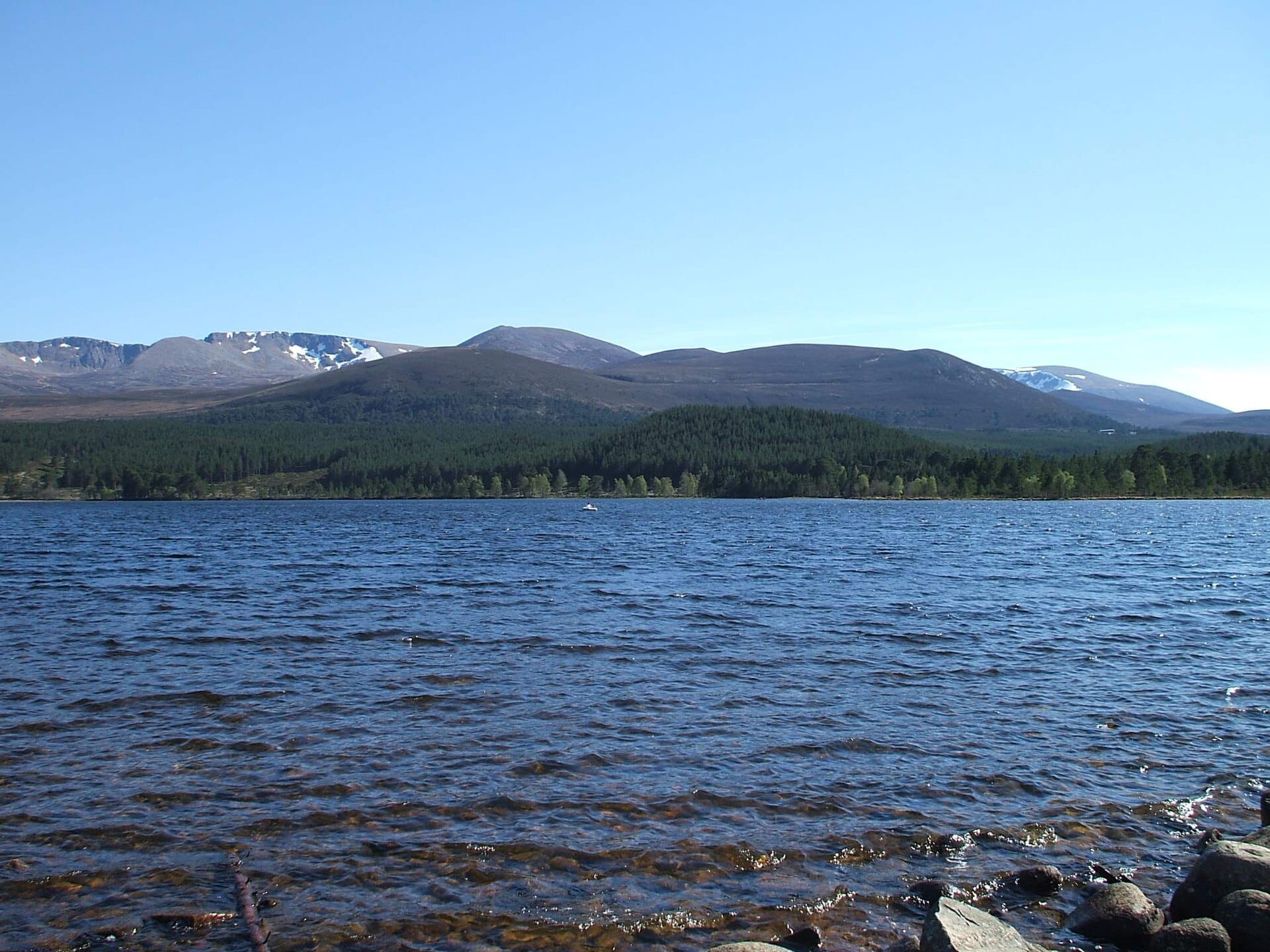
Cairngorms
ScotlandAlso for walkers & hikers and wildlife & nature · 11°C in September, as here
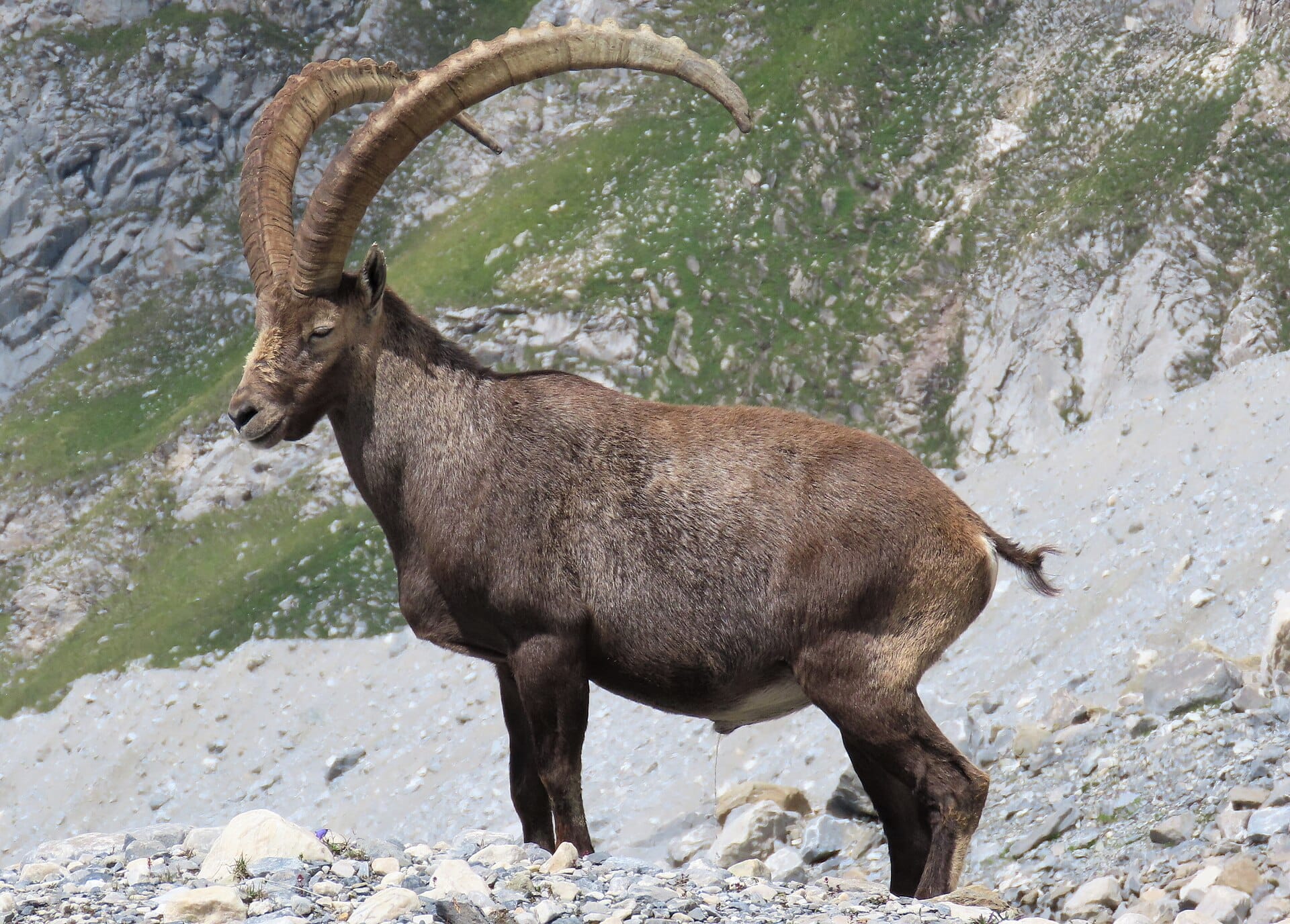
Vanoise National Park
FranceAlso for walkers & hikers and wildlife & nature · 10°C in September (12°C here)
Nearby destinations
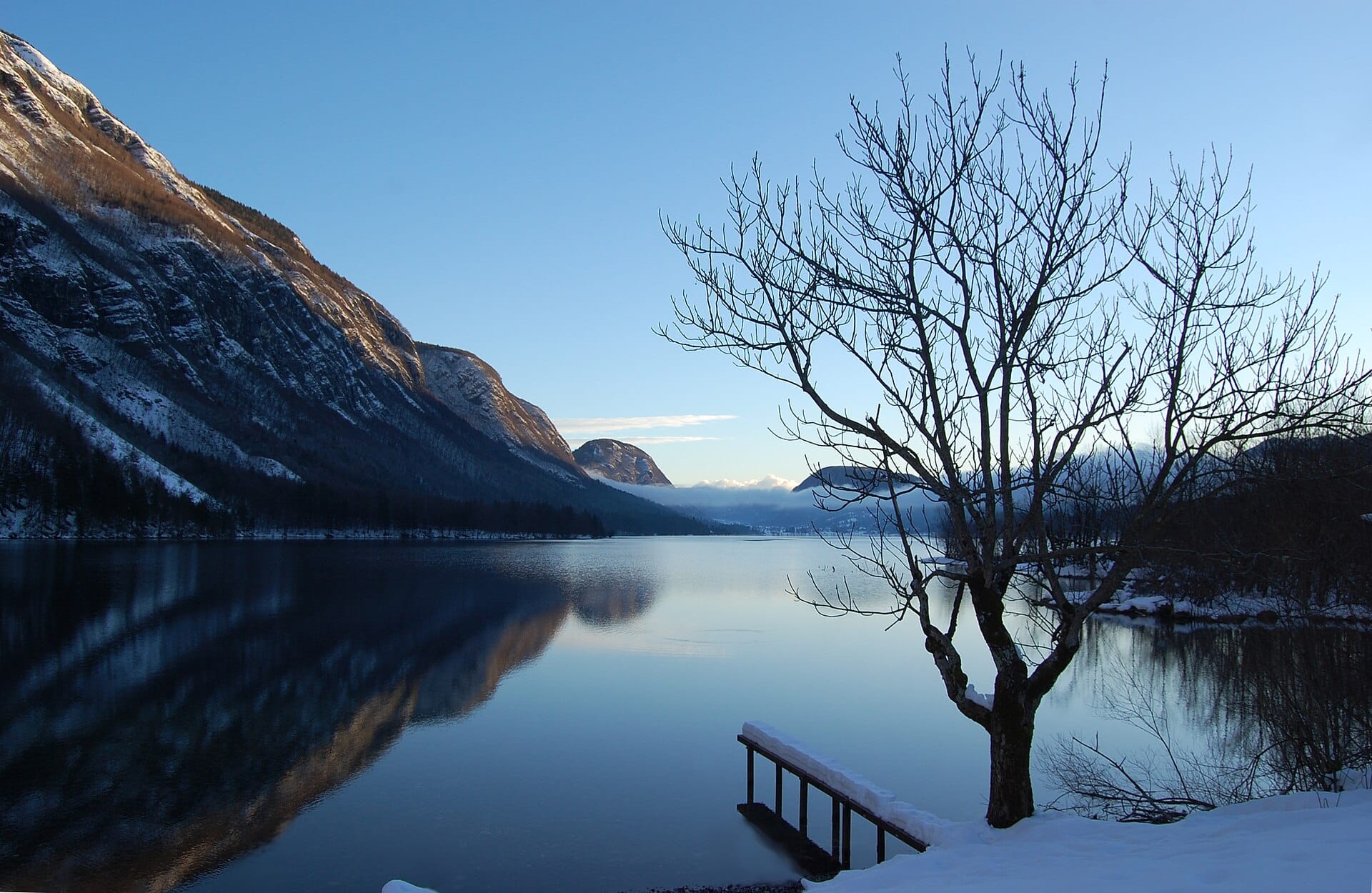
Lake Bohinj
Slovenia · 7km away →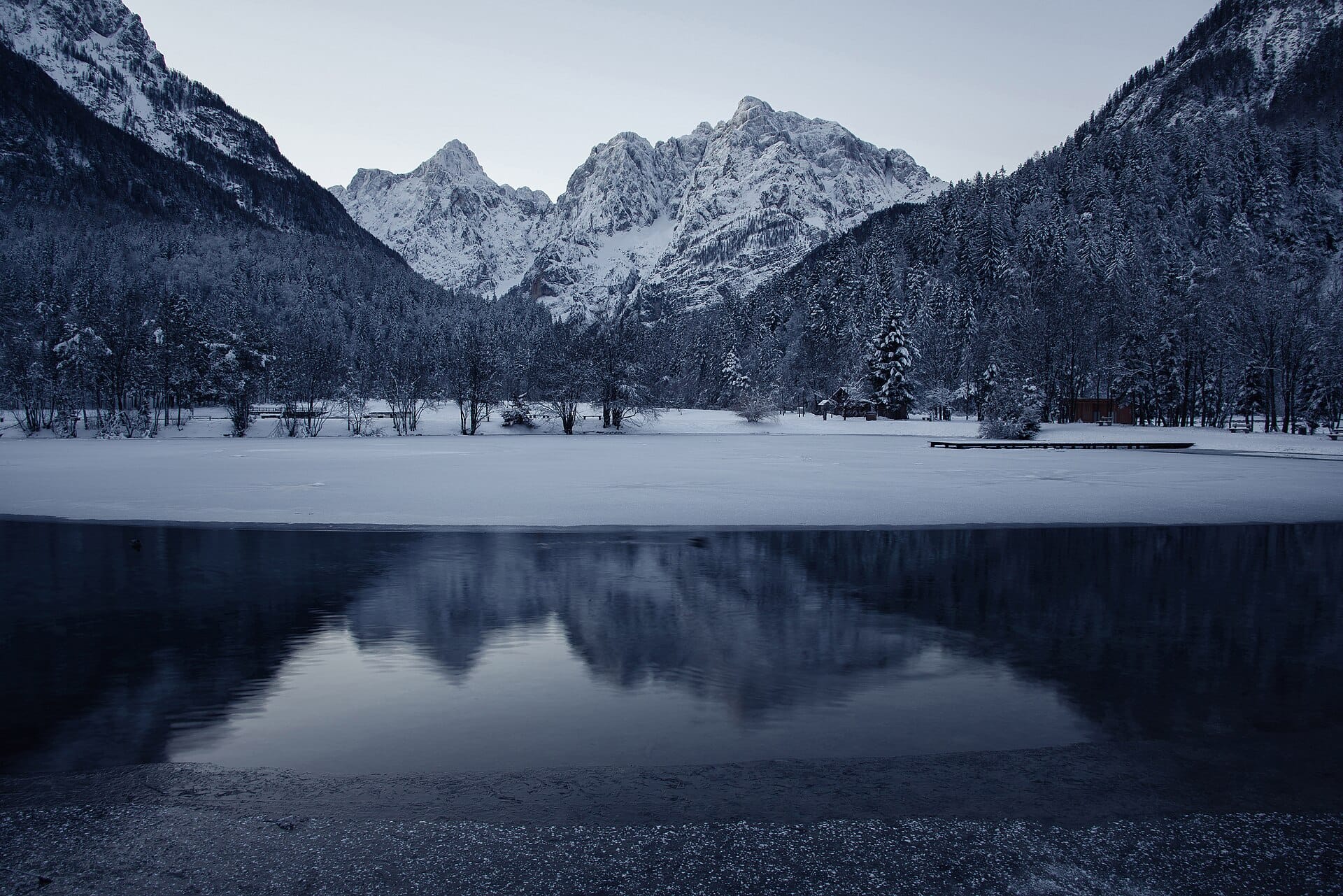
Kranjska Gora
Slovenia · 13km away →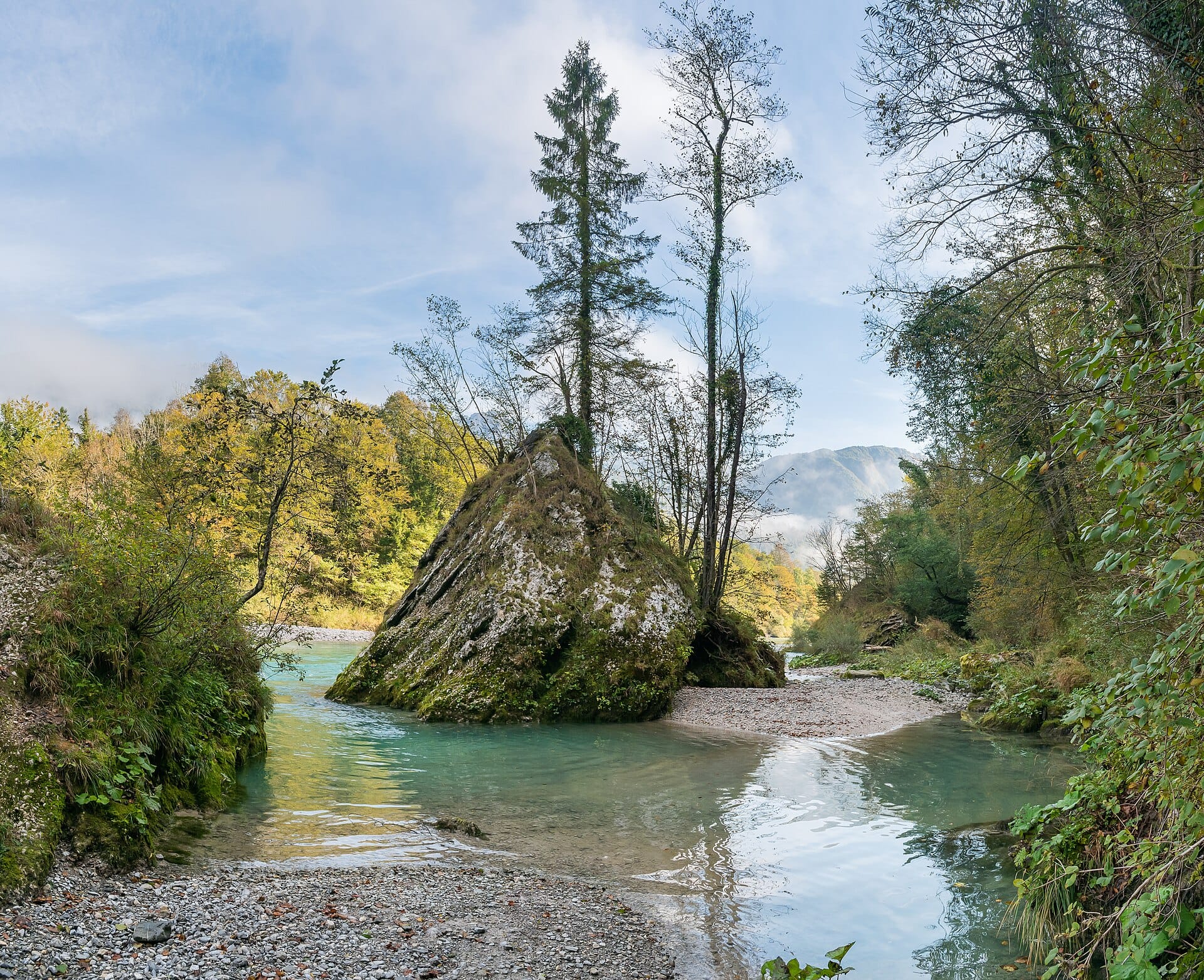
Drifting the Soča gorges
Slovenia · 15km away →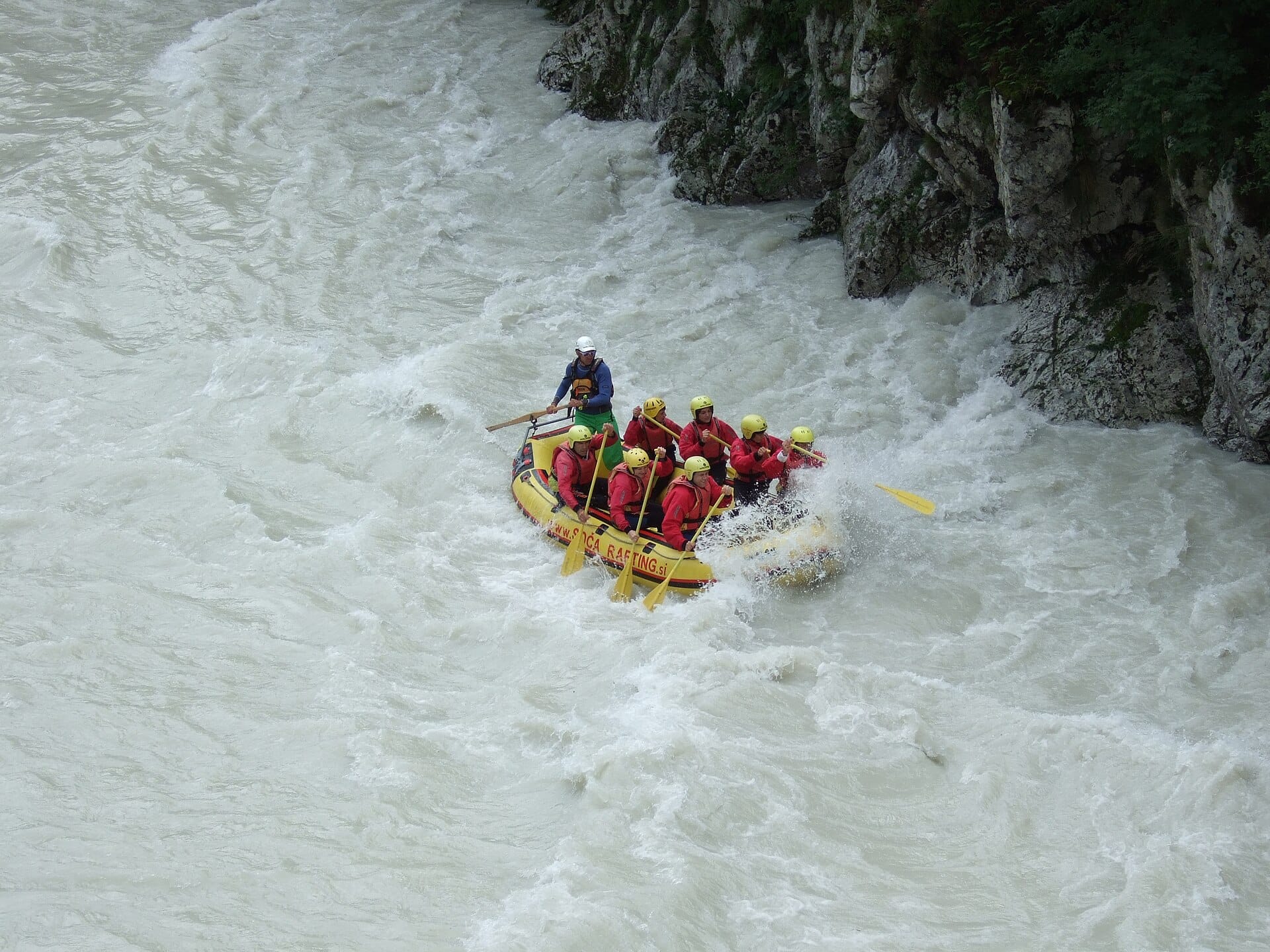
Rafting the Soča river
Slovenia · 19km away →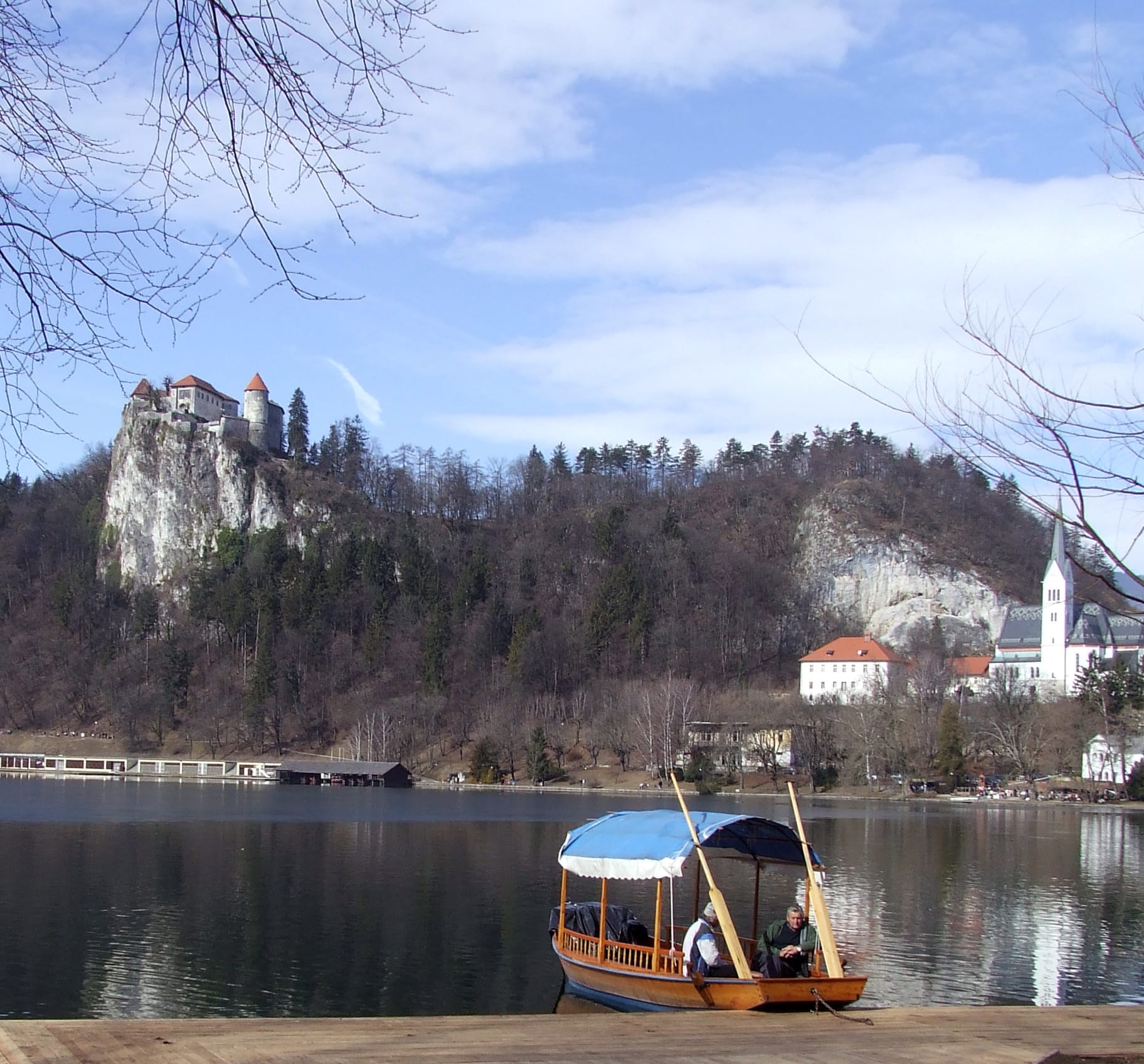
Lake Bled
Slovenia · 22km away →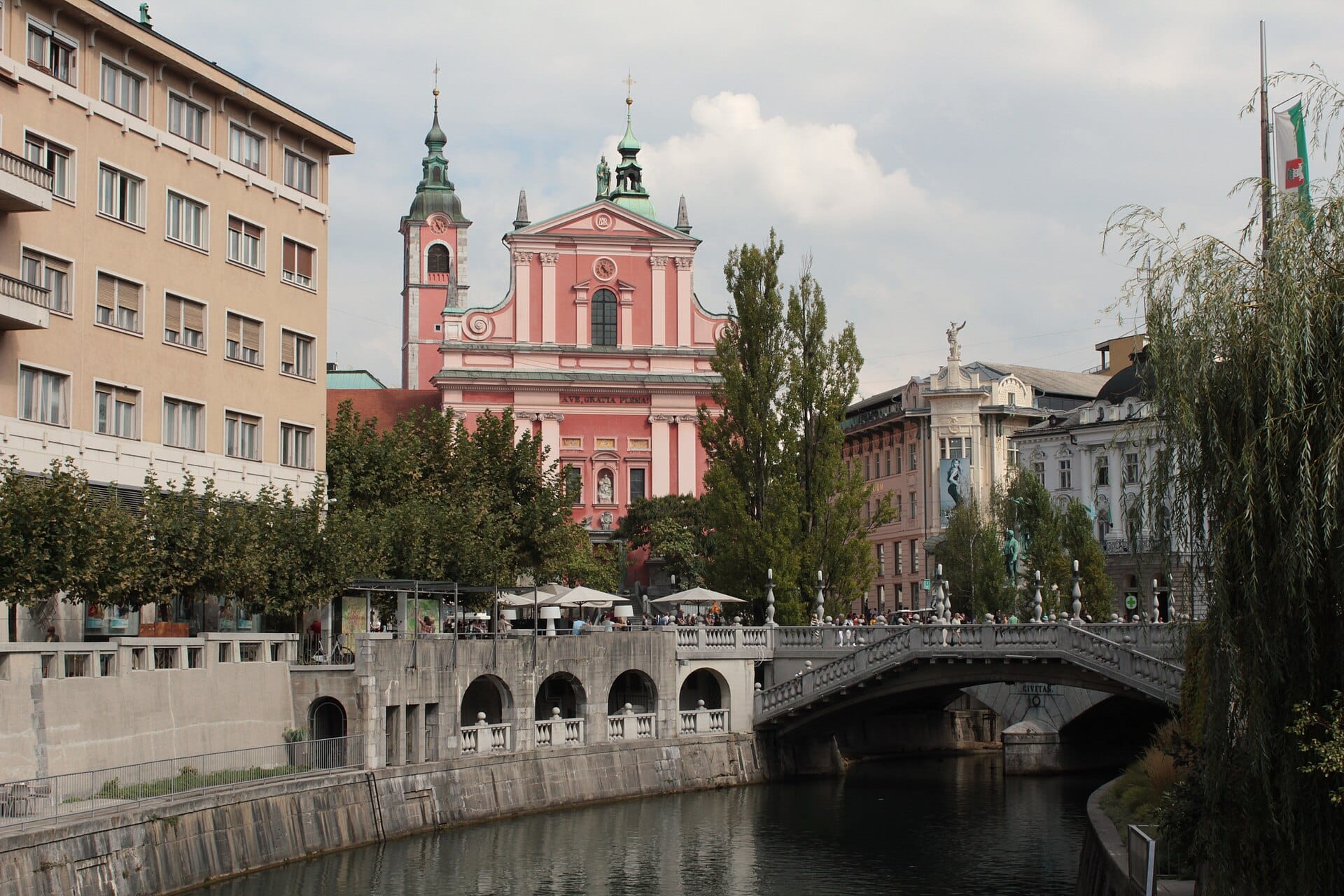
Ljubljana
Slovenia · 62km away →Elsewhere in Slovenia
Related articles
Quick answers
When is the best time to visit Triglav National Park?
Daytime highs run from about -4°C in January to 16°C in July. Driest in February and November; wettest in May, with rain on about 20 days.
How long should I spend in Triglav National Park?
Our suggestion: 5–7 nights.
How do I get to Triglav National Park?
About an hour by car from Ljubljana (LJU), north west past Bled into the Bohinj valley. Airport shuttles and a bus or train combination also make the trip.
Do I need a car in Triglav National Park?
No. Reasonable in summer: buses run from Ljubljana and Bled into the valley, and a park shuttle serves the main trailheads.
What currency and language are used in Triglav National Park?
Currency: Euro (EUR). Language: Slovene. Plugs: type C and F.
Who is Triglav National Park best for?
Best for walkers & hikers, wildlife & nature and adventure seekers. In a phrase: turquoise water, limestone, clean air.