
Tortuguero
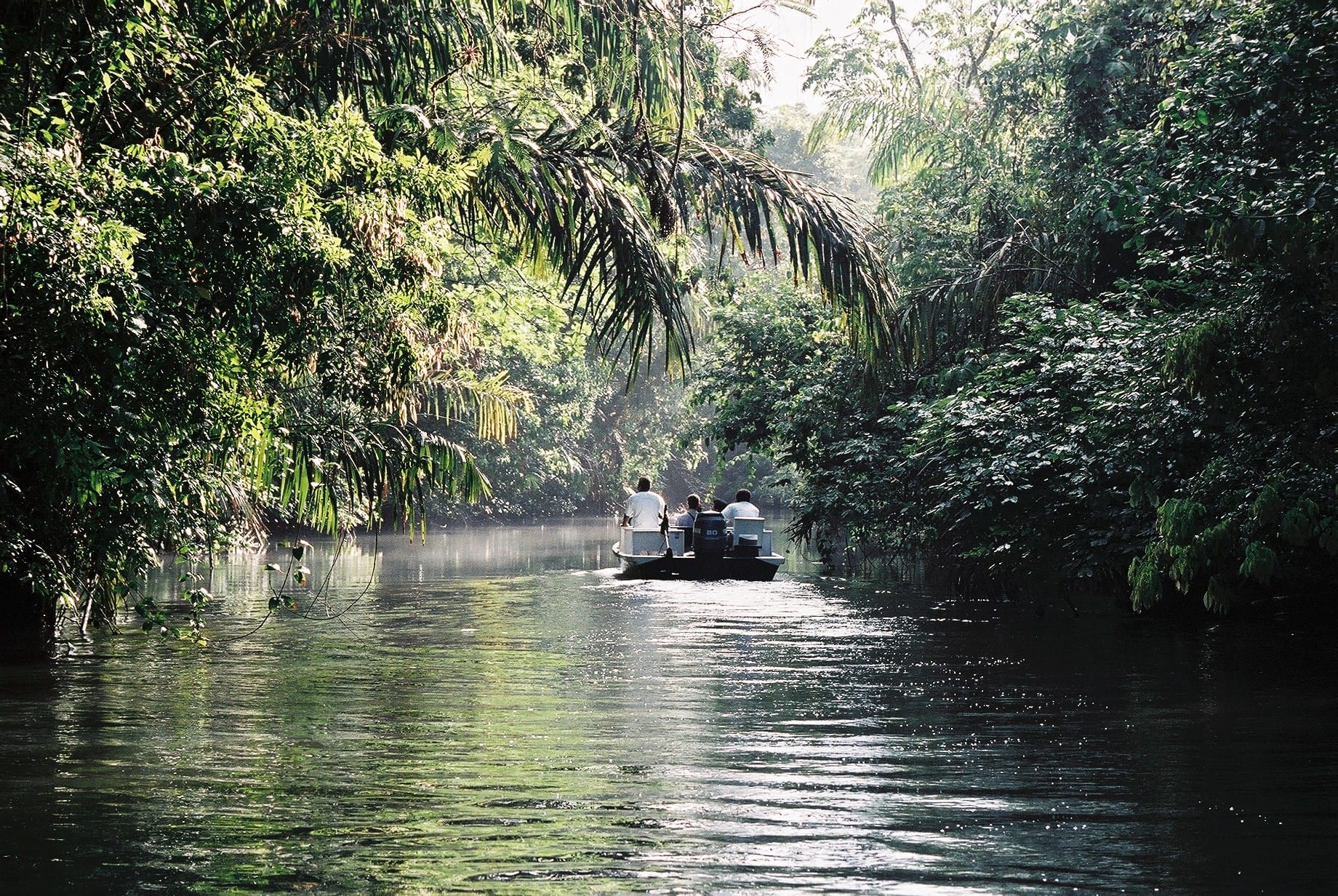
On Costa Rica's roadless Caribbean coast, Tortuguero is reached by boat through jungle canals patrolled by caimans, kingfishers and howler monkeys.
- Best forWildlife & nature · Families · Adventure seekers
- In July30°C · 21 rainy days · sea 32°C
- Ideal stay2–3 nights
- Approx. flying time~5h 50m from Los Angeles
- CurrencyCRCCosta Rican colón
- LanguageSpanish
- Local time04:147h behind the UK
- PlugsType A / BBring an adapter
- Drive on theRightOpposite to the UK
- Dialling code+506
Why go
There are no roads in, so arrival is by boat along canals cut between rainforest and sea, or by light aircraft onto a strip beside the village. The park protects lowland rainforest, freshwater canals and 35 kilometres of dark sand beach. Days are spent in boats at first light watching for caiman, monkeys, sloths and kingfishers, and the humidity never really lifts at any point.
Two or three nights is the right length, usually as part of a wider Costa Rica loop from San Jose or Arenal. Green turtles nest between July and October and leatherbacks earlier in the year, with night visits limited to small groups led by certified guides and no cameras. Rain falls all year, with slightly drier spells around February and September. The sea here is not for swimming.
- Ideal stay
- 2–3 nights
- The vibe
- Humid, green, entirely waterborne
From our guides
The main event is nocturnal: between July and October, green turtles nest on the black-sand beach in their thousands. Night viewing is only allowed with a certified local guide in small groups — book one through your lodge and leave the camera behind, since flashes are banned.
Featured in Ten wild tropical trips for animal lovers
Things to do
-
Canal boat trips
Small, quiet boats at dawn are the main event, with howler monkeys overhead, caiman on the banks and herons picking along the margins.
-
Green turtle nesting
Between July and October thousands of green turtles haul out at night. Tours are strictly regulated, in small groups, with red-filtered torches and no photography.
-
Cerro Tortuguero
A short, steep climb up the only hill for miles, with a view over the canals, the beach and forest running to the horizon.
-
The village
A sandbar settlement of a few hundred people with no cars, a Caribbean rhythm and a sea turtle conservation centre worth an hour of anyone's time.
-
Night walks
Guided walks on lodge trails turn up red-eyed tree frogs, poison dart frogs and sleeping birds. Wellingtons are generally provided at the door.
-
Kayaking the side creeks
Paddling the narrow channels without a motor gets you closer to birds and monkeys than any boat tour manages.
Getting there
-
Fly to
San José (SJO)
Nearest airport to Tortuguero, about 119km away as the crow flies.
-
Then
To Tortuguero
San José (SJO) is the gateway: about four hours by road to the boat docks at La Pavona or Moín, then an hour or so by boat through the canals. There are also short domestic flights to Tortuguero's airstrip.
-
On the ground
Getting around
There is no road: the village and lodges are reached and connected only by boat, and you walk the sandy paths once there. Canal tours by small boat or kayak run at dawn, and turtle nesting walks between July and October must go with a certified guide.
Public transport: A bus and boat combination from San José runs daily, and lodges sell the whole transfer as a package; a car is useless beyond the docks.
Flights
Los Angeles Tortuguero, Costa Rica
Fly from anywhere — search 4,000+ airports worldwide.
Roughly 5h 50m in the air from Los Angeles (LAX), estimated from the distance — check for a direct route. Pick a month to see every available flight with live prices.
Check dates and prices
Pick your departure date, then your return.
Search flightsNot sure when? Compare fares across a whole month.
Flight times are estimates; prices open on Google Flights.
When to go
Daytime highs run from about 29°C in November to 35°C in March. Driest January to March; wettest in October, with rain on about 27 days. The sea is warmest in May at around 33°C, coolest at 31°C.
The year at a glance — pick a month for detail
July30° · rain 21 days · sea 32°Hot and often wet.
Monthly figures averaged from daily records for 2020–2024 at this location (ERA5 reanalysis). Highlighted months are warm and mostly dry — December to February. Live conditions from MET Norway, CC BY 4.0.
Where to stay
All-inclusive canal lodges with their own boats, plus simple village cabinas and guesthouses. No roads and no cars, so everything arrives by launch, and there are no chains.
-
Best base overall
Tortuguero village
A sandy, car-free strip between canal and sea, with guesthouses, local restaurants and guides who live here. Simpler than the lodges, and considerably cheaper.
Find stays in Tortuguero village -
Best with children
The canal-side lodges opposite the village
Package lodges with pools, full board and boat tours included, reached by their own launches. Comfortable and contained, though you see little of the village itself.
Find stays in The canal-side lodges opposite the village -
Best value
La Pavona and Guápiles
Mainland stops on the way in, with plain hotels for anyone arriving late for the boat. There is nothing to do and you would only stay a night.
Find stays in La Pavona and Guápiles -
Quietest
The northern end of the village beach
Small cabinas towards the national park entrance, away from the boat dock, with the beach outside. Swimming is unsafe here, so it is for walking and turtle watching only.
Find stays in The northern end of the village beach
Worth knowing before you book: Turtle nesting from July to October fills both lodges and village rooms months ahead, and night tours are capped and must be booked through a licensed guide.
Search everything else in Tortuguero by budget. These are indicative budget bands in GBP per night for two people, not live quotes or guarantees of hotel type. Check your dates, guests, taxes and final price on Booking.com.
Good to know
- Getting there
- Most people take a bus and then a public or lodge boat from La Pavona or Moin. Small planes fly from San Jose in around half an hour.
- Turtle rules
- Night beach access in season is permitted only with a certified guide, in limited numbers, and cameras and torches are banned. Book through your lodge.
- Swimming
- The beach has strong currents and sharks are present. Swim in lodge pools rather than the sea, and keep children away from the surf line.
- Pack this
- A dry bag, insect repellent, a light rain jacket and quick-dry clothes. Everything you bring will be damp within a day.
- Cash
- There is a cash machine in the village but it can be empty or out of service. Bring colones from San Jose for the village, guides and tips.
Similar places
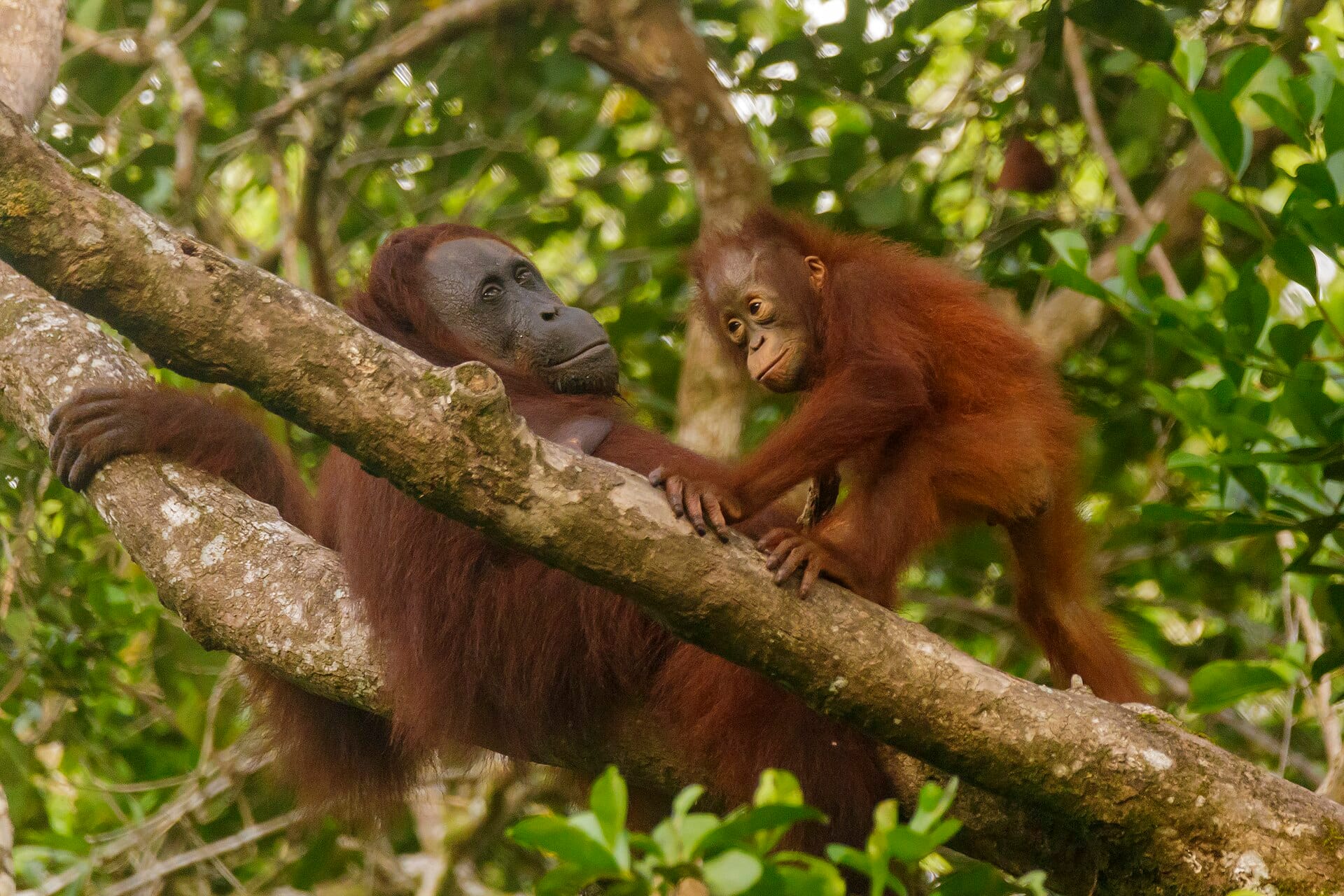
Sepilok and the Kinabatangan
Borneo, MalaysiaAlso for wildlife & nature and families · 31°C in July, as here · cheaper to stay
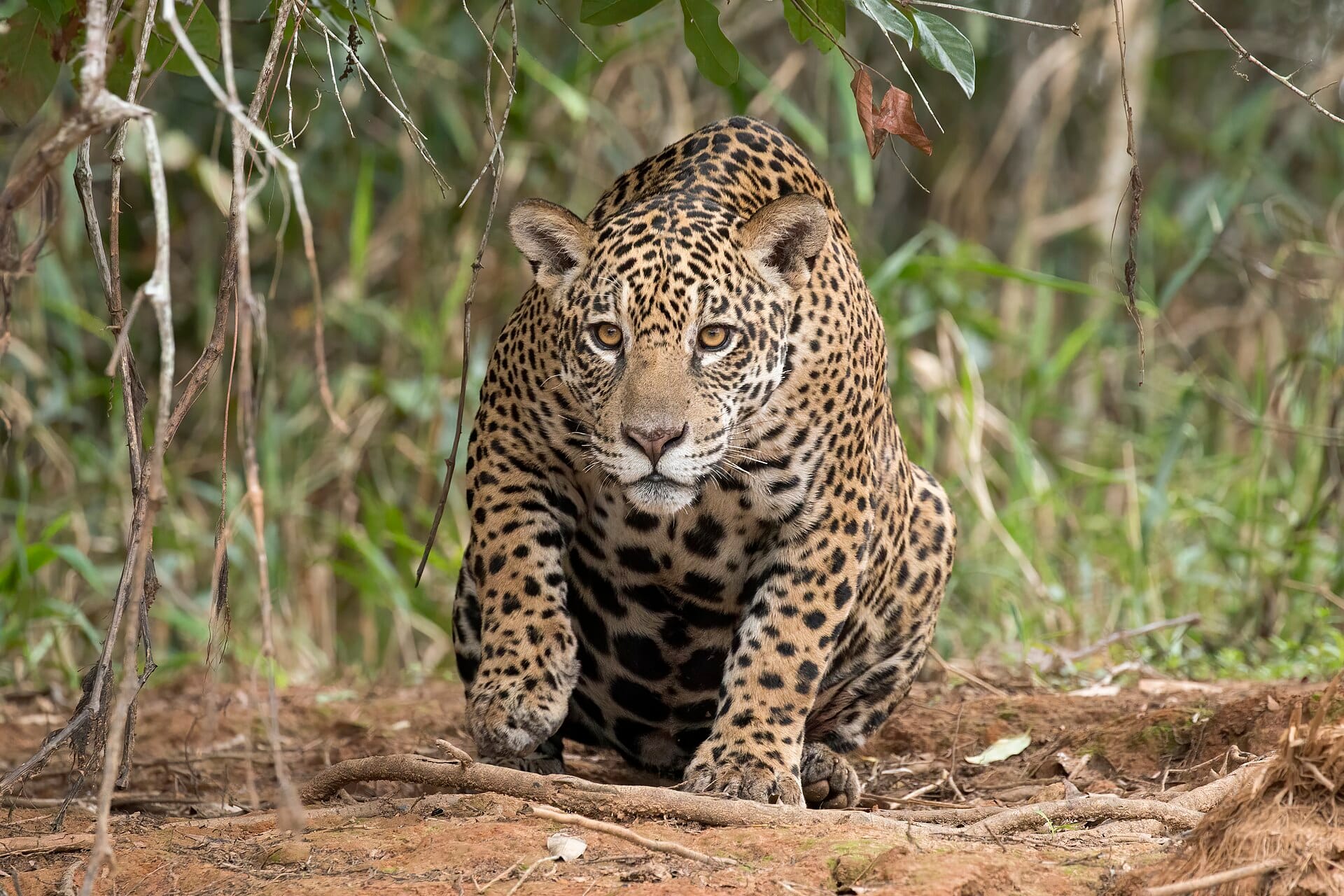
The Pantanal
BrazilAlso for wildlife & nature and adventure seekers · 31°C in July, as here · cheaper to stay
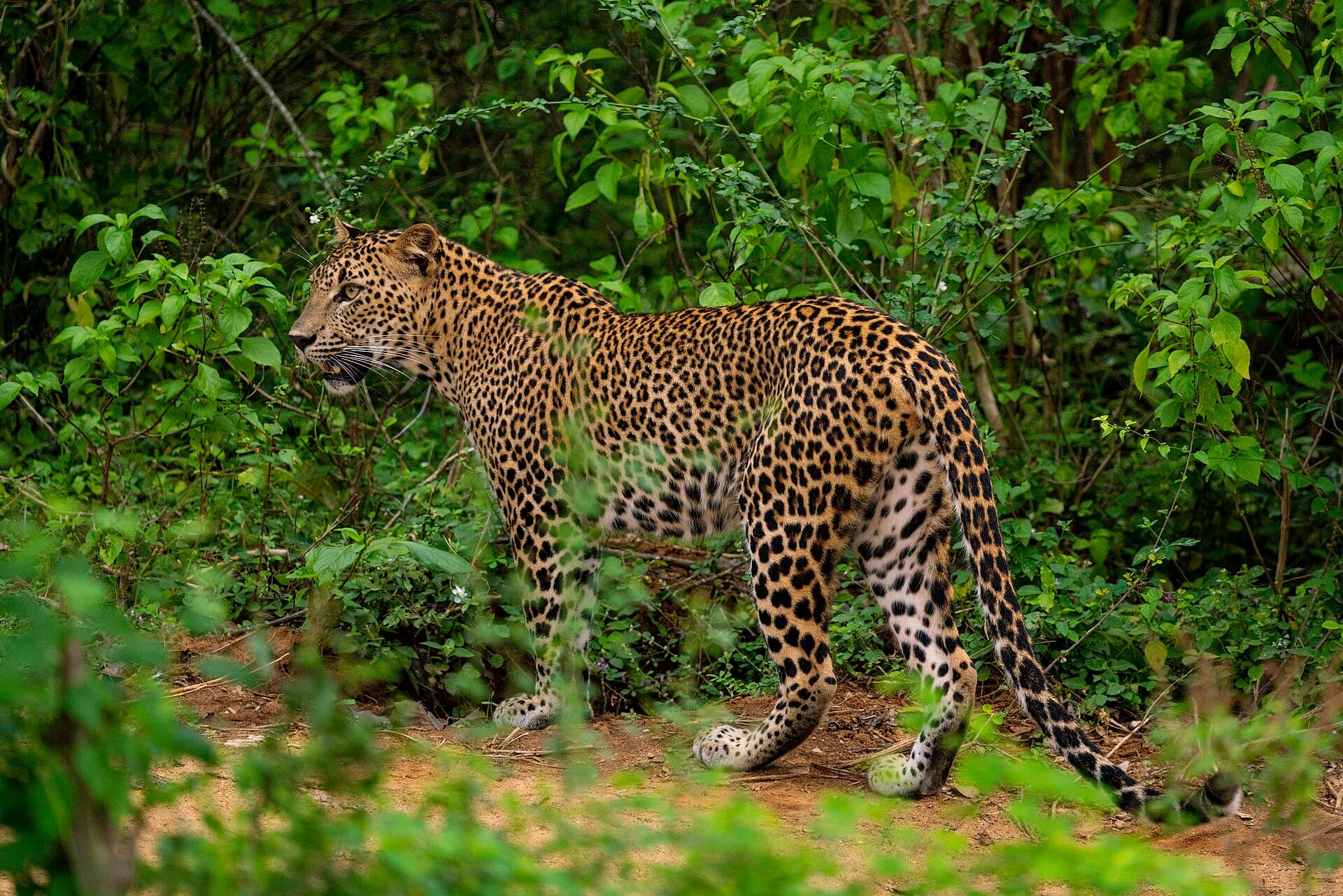
Yala
Sri LankaAlso for wildlife & nature and families · 32°C in July (30°C here) · cheaper to stay
Nearby destinations
Related articles
Quick answers
When is the best time to visit Tortuguero?
For warm, mostly dry days, December to February. That means highs of 20–34°C with rain on six days a month or fewer. Daytime highs run from about 29°C in November to 35°C in March. Driest January to March; wettest in October, with rain on about 27 days. The sea is warmest in May at around 33°C, coolest at 31°C.
How long should I spend in Tortuguero?
Our suggestion: 2–3 nights.
How do I get to Tortuguero?
San José (SJO) is the gateway: about four hours by road to the boat docks at La Pavona or Moín, then an hour or so by boat through the canals. There are also short domestic flights to Tortuguero's airstrip.
Do I need a car in Tortuguero?
No. A bus and boat combination from San José runs daily, and lodges sell the whole transfer as a package; a car is useless beyond the docks.
What currency and language are used in Tortuguero?
Currency: Costa Rican colón (CRC). Language: Spanish. Plugs: type A and B.
Who is Tortuguero best for?
Best for wildlife & nature, families and adventure seekers. In a phrase: humid, green, entirely waterborne.