
Tokyo
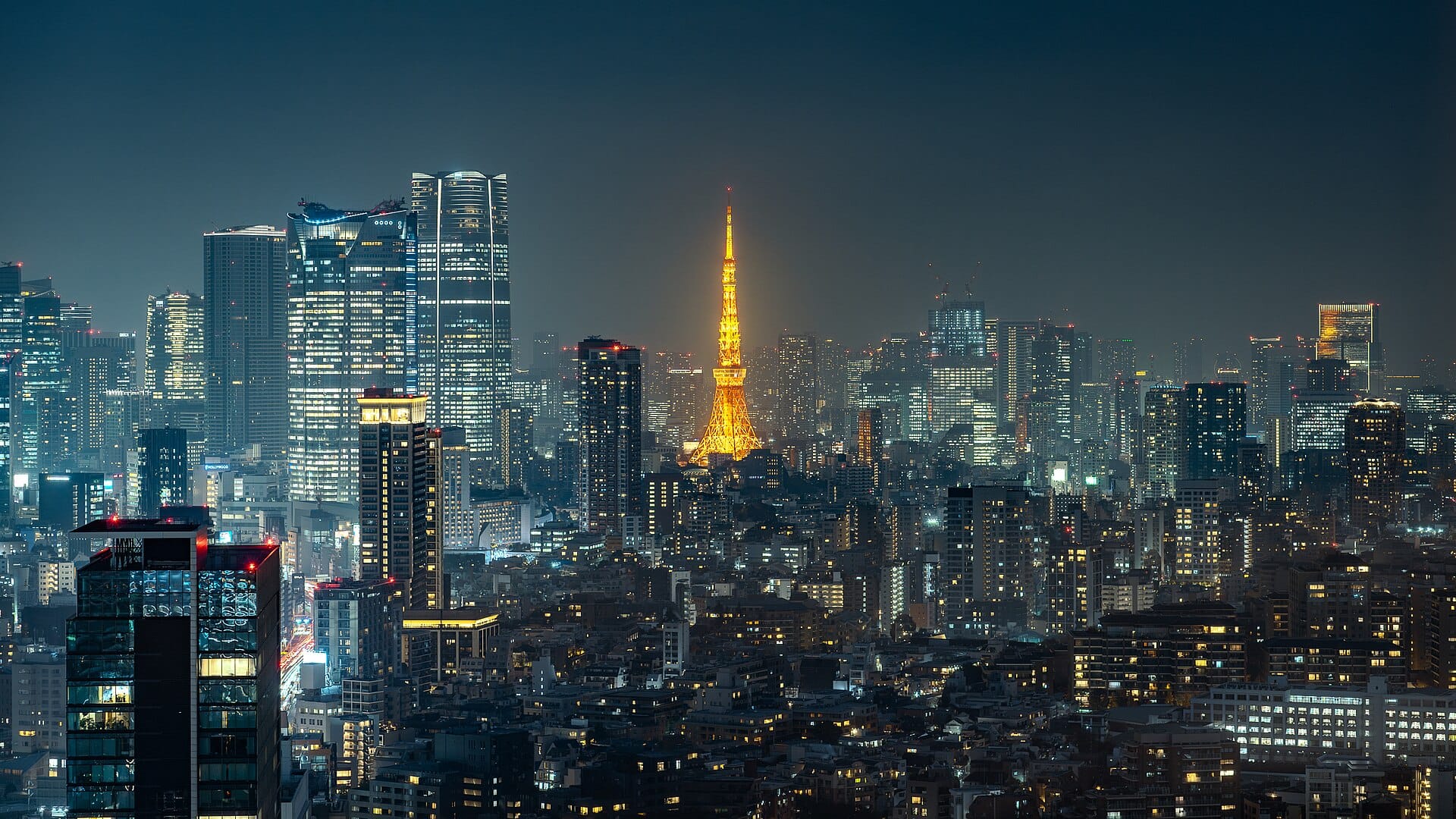
Tokyo's definitive rooftop is technically indoors: the New York Bar on the Park Hyatt's 52nd floor, of Lost in Translation fame, where a live jazz band soundtracks the endless circuitry below.
- Best forNightlife · Foodies · Culture seekers
- In March14°C · 12 rainy days
- Ideal stay5 nights or more
- Approx. flying time~11h 05m from Los Angeles
- CurrencyJPYJapanese yen
- LanguageJapanese
- Local time19:238h ahead of the UK
- PlugsType A / BBring an adapter
- Drive on theLeftSame as the UK
- Dialling code+81
Why go
The scale takes a while to register: a metropolitan area of well over thirty million people, organised into districts that each behave like a separate city. Shinjuku is neon and alleyways, Ginza is hushed and expensive, Shimokitazawa is second-hand shops and small live rooms, Yanaka is low-rise and quiet. Trains run to the minute, food is good at every price, and the streets are safe at any hour.
Five nights is a sensible minimum and a week barely dents it. Pair it with Kyoto by shinkansen, or use it as a base for Hakone and Nikko. Nightlife runs late but the trains do not, so plan around a last service somewhere around midnight and a first around five. Spring and autumn are the best seasons, while the summer is humid and August is heavy going.
- Ideal stay
- 5 nights or more
- The vibe
- Neon, precise, endlessly layered
From our guides
Tokyo bartending is a craft tradition: in Ginza's hushed second-floor rooms, a single perfect highball involves hand-carved ice and total silence, and the seat charge is the price of watching a master work. For the opposite energy, Shinjuku's Golden Gai crams two hundred shoebox bars into six alleys — pick one with space at its four or five stools and settle in. Carry cash; many of the best rooms take nothing else.
Featured in Ten rooftop-bar cities for golden-hour drinks and Ten cocktail cities for a very grown-up bar crawl
Things to do
-
Golden Gai
Six alleys of tiny bars in Shinjuku, most seating five or six people, many with a cover charge and a specific theme. Look for one with space and a welcoming sign.
-
Shibuya Sky
An open-air rooftop deck above the famous crossing, best booked for sunset. On clear winter evenings Mount Fuji appears on the horizon behind the skyline.
-
Ginza cocktail bars
Small upstairs rooms where bartenders carve ice by hand and work in near silence. A seat charge is normal and reservations are increasingly expected.
-
Omoide Yokocho
A cluster of grilled skewer counters under the railway in Shinjuku, thick with smoke and entirely unglamorous. Cheap beer, standing room and no ceremony.
-
Toyosu and Tsukiji outer market
The wholesale tuna auction at Toyosu needs an early alarm and a booking, while the old outer market at Tsukiji still sells knives, tamagoyaki and breakfast sushi.
-
Karaoke until dawn
Chain karaoke shops rent private rooms by the hour and run all night, which is how a great many Tokyo nights out actually end once the trains stop.
Getting there
-
Fly to
Tokyo (HND)
Nearest airport to Tokyo, about 14km away as the crow flies.
-
Then
To Tokyo
Haneda (HND) is the close-in airport, around 30 to 45 minutes to central Tokyo by monorail or Keikyu train, or a similar time by taxi. Narita is further out, at roughly an hour by Skyliner or Narita Express.
-
On the ground
Getting around
The metro and JR network is dense, punctual and signed in English, and an IC card covers everything. Shinjuku, Shibuya and Ginza are all walkable neighbourhoods once you surface, and taxis fill in after the trains stop around midnight.
Public transport: As good as it gets. Trains and metro reach everywhere, though they stop overnight, so plan the last train or budget for a taxi.
Flights
Los Angeles Tokyo, Japan
Fly from anywhere — search 4,000+ airports worldwide.
Roughly 11h 05m in the air from Los Angeles (LAX), estimated from the distance — check for a direct route. Pick a month to see every available flight with live prices.
Check dates and prices
Pick your departure date, then your return.
Search flightsNot sure when? Compare fares across a whole month.
Flight times are estimates; prices open on Google Flights.
When to go
Daytime highs run from about 9°C in January to 31°C in August. Driest in December; wettest in July, with rain on about 15 days.
The year at a glance — pick a month for detail
March14° · rain 12 daysCool with rain most weeks.
Monthly figures averaged from daily records for 2020–2024 at this location (ERA5 reanalysis). Live conditions from MET Norway, CC BY 4.0.
Where to stay
Compact business hotels, capsule and hostel options, high-end towers and a scattering of ryokan. Rooms are small everywhere, and apartment rentals are far scarcer than in European cities.
-
Best base overall
Shinjuku
The great transport hub, so every line and the airport buses run from here, with Golden Gai and the skyscraper bars on foot. The station is a labyrinth and the streets never quieten.
Find stays in Shinjuku -
Best for nightlife
Shibuya and Ebisu
The rooftop bars, the crossing and Ebisu's quieter izakaya streets a few minutes down the line. Rates are high and weekend nights are shoulder to shoulder.
Find stays in Shibuya and Ebisu -
Best for couples
Ginza
Hushed second-floor cocktail rooms, department stores and the smartest hotels, with a genuine sense of occasion. It is expensive and largely shuts down on Sunday evenings.
Find stays in Ginza -
Best value
Asakusa and Ueno
Old-Tokyo temples, cheaper hotels and ryokan, the park and museums, and a direct line from Narita. It is further from the nightlife, so late nights mean taxis once the trains stop.
Find stays in Asakusa and Ueno
Worth knowing before you book: Cherry blossom in late March and April, Golden Week in early May and New Year sell out and lift rates. Trains stop around midnight, so match your area to your plans.
Search everything else in Tokyo by budget. These are indicative budget bands in GBP per night for two people, not live quotes or guarantees of hotel type. Check your dates, guests, taxes and final price on Booking.com.
Good to know
- Last trains
- Services stop around midnight and restart around five. Either finish early or accept that you are out until dawn, since late-night taxis are expensive.
- Cash
- Cards are now widely accepted, but small bars, shrines and older restaurants take cash only. Convenience store machines accept foreign cards.
- Seat charges
- Many bars and izakaya add a cover charge, often with a small dish you did not order. It is standard practice rather than a scam.
- Travel cards
- Load a Suica or Pasmo card and use it on every train, metro and bus. The JR Yamanote loop connects most of the districts you will want.
- Etiquette
- Do not eat while walking, keep phone calls off trains, and carry your rubbish with you, since bins are rare. Tipping is not done anywhere.
Similar places
Nearby destinations
Related articles

Quick answers
When is the best time to visit Tokyo?
Daytime highs run from about 9°C in January to 31°C in August. Driest in December; wettest in July, with rain on about 15 days.
How long should I spend in Tokyo?
Our suggestion: 5 nights or more.
How do I get to Tokyo?
Haneda (HND) is the close-in airport, around 30 to 45 minutes to central Tokyo by monorail or Keikyu train, or a similar time by taxi. Narita is further out, at roughly an hour by Skyliner or Narita Express.
Do I need a car in Tokyo?
No. As good as it gets. Trains and metro reach everywhere, though they stop overnight, so plan the last train or budget for a taxi.
What currency and language are used in Tokyo?
Currency: Japanese yen (JPY). Language: Japanese. Plugs: type A and B.
Who is Tokyo best for?
Best for nightlife, foodies and culture seekers. In a phrase: neon, precise, endlessly layered.