
The Peloponnese
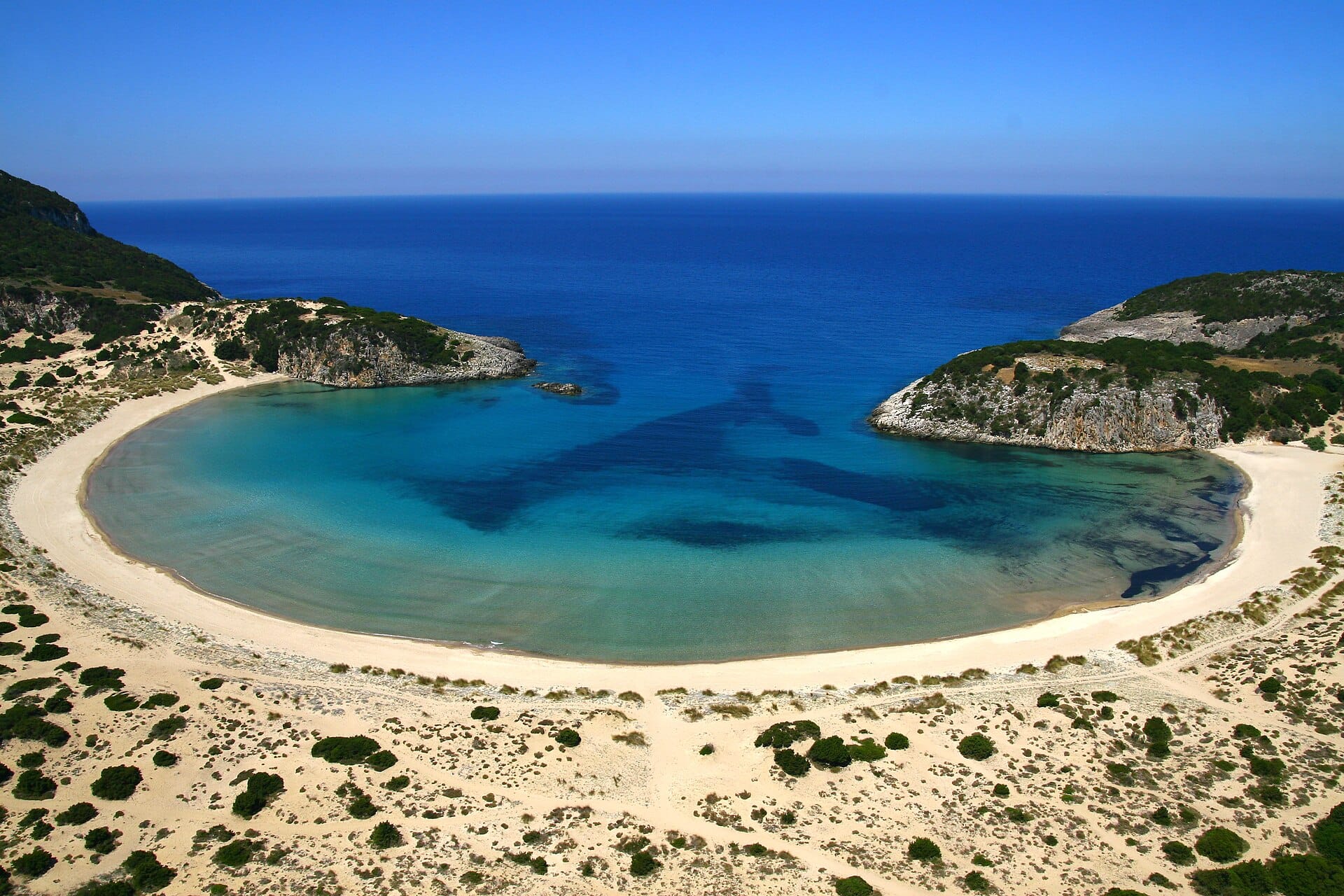
Skip the islands and drive the Peloponnese instead: the perfect horseshoe of Voidokilia beach, the ancient stadium at Olympia where children can sprint the original track, and the fortress town of Monemvasia rising out of the sea like a film set.
- Best forFamilies · Road-trippers · Culture seekers
- In September29°C · 4 rainy days
- Ideal stayA week to ten days
- Approx. flying time~13h 50m from Los Angeles
- CurrencyEUREuro
- LanguageGreek
- Local time12:242h ahead of the UK
- PlugsType C / FBring an adapter
- Drive on theRightOpposite to the UK
- Dialling code+30
Why go
A hand-shaped peninsula the size of a small country, with mountains down the middle and coastline on three sides. Classical and Byzantine sites sit within twenty minutes of good beaches, so a morning at a ruined theatre and an afternoon in the sea is the standard day. The interior is olive groves, gorges and stone villages, while the Mani in the south is bare rock and tower houses.
Driving is the way to see it. Athens airport is roughly two hours from Nafplio and Kalamata airport is closer to the south, and the roads are good, so a loop of a week or ten days works without long stints behind the wheel. May, June and September keep the sea warm and the sites bearable. Anyone set on island hopping and beach bars will find it too quiet.
- Ideal stay
- A week to ten days
- The vibe
- Slow, olive-scented, uncrowded
From our guides
Distances between wonders are short, tavernas are family-run and the crowds never quite materialise. Base yourselves near Pylos or Kardamyli, and pack water shoes for the pebblier of the coves.
Featured in Ten family holiday destinations in Europe, from toddlers to teens
Things to do
-
Voidokilia beach
A near-perfect circle of pale sand between a lagoon and the sea, with a short climb to the Frankish castle above. There are no facilities, so bring water and shade.
-
The theatre at Epidaurus
Fourth century BC, seating around 14,000, with acoustics good enough that a coin dropped on the stage floor carries to the back row. Summer performances still fill it.
-
Ancient Olympia
The original stadium track is open and children invariably race the length of it. The museum next door holds the Hermes of Praxiteles and the temple pediments.
-
Monemvasia
A fortified Byzantine town on a rock joined to the mainland by a causeway, invisible from the road until you are past it. Stay a night to have the lanes after the day trippers leave.
-
Nafplio and Palamidi
The first capital of modern Greece is all Venetian balconies and marble streets, under a fortress reached by a stairway of around 900 steps. Go up early.
-
The Mani peninsula
Stone tower villages, an unsoftened landscape and swimming coves below the road. Kardamyli makes a good base for walks into the Viros gorge.
Getting there
-
Fly to
Spata-Artemida (ATH)
Nearest airport to The Peloponnese, about 89km away as the crow flies.
-
Then
To Nafplio
Athens (ATH) is the arrival airport, and Nafplio is about two hours by car west across the Corinth Canal. Kalamata (KLX) is closer for the southern and western Peloponnese, roughly an hour to Pylos or Kardamyli.
-
On the ground
Getting around
The region is made for driving: good motorways run to Kalamata and Sparta, and the sights, Olympia, Voidokilia, Monemvasia and the Mani, sit an hour or two apart. Nafplio and Monemvasia are walkable once you park.
Public transport: KTEL coaches connect the main towns with Athens reasonably well, but reaching beaches and archaeological sites without a car is slow going.
Flights
Los Angeles The Peloponnese, Greece
Fly from anywhere — search 4,000+ airports worldwide.
Roughly 13h 50m in the air from Los Angeles (LAX), estimated from the distance — check for a direct route. Pick a month to see every available flight with live prices.
Check dates and prices
Pick your departure date, then your return.
Search flightsNot sure when? Compare fares across a whole month.
Flight times are estimates; prices open on Google Flights.
When to go
Daytime highs run from about 13°C in January to 34°C in July. Driest June to August; wettest in December, with rain on about 10 days.
The year at a glance — pick a month for detail
September29° · rain 4 daysWarm with the odd shower.
Monthly figures averaged from daily records for 2020–2024 at this location (ERA5 reanalysis). Highlighted months are warm and mostly dry — April to June and August to October. Live conditions from MET Norway, CC BY 4.0.
Where to stay
Small family-run hotels, stone-house conversions and self-catering apartments, with a few resort hotels near Costa Navarino. Villas and rural guesthouses fill the gaps inland.
-
Best base overall
Nafplio
A handsome Venetian port town in the east, near Mycenae and Epidaurus, with the best choice of restaurants and rooms in the region. The town beaches are small and pebbly.
Find stays in Nafplio -
Best with children
Pylos and Gialova
Beside Voidokilia and Gialova's shallow lagoon bay, with family hotels and easy swimming. It is a long drive from Athens, so consider flying into Kalamata.
Find stays in Pylos and Gialova -
Best for couples
Kardamyli, Mani
Stone tower houses between mountains and sea, with good walking and a slow pace. Beaches here are pebble, and the roads in are winding.
Find stays in Kardamyli, Mani -
Closest to the sights
Monemvasia and Gefyra
Sleep inside the walled rock for the full effect, or in the modern village on the mainland for far less. Inside means carrying bags up cobbles and no car access.
Find stays in Monemvasia and Gefyra
Worth knowing before you book: August fills with Greek holidaymakers as much as foreign ones, particularly in Nafplio and the Mani. Distances look short but mountain roads are slow, so allow extra driving time.
Search everything else in Nafplio by budget. These are indicative budget bands in GBP per night for two people, not live quotes or guarantees of hotel type. Check your dates, guests, taxes and final price on Booking.com.
Good to know
- Driving
- A hire car is close to essential and the motorways are tolled. Mountain roads are slow rather than dangerous, so add time rather than distance to the plan.
- Timing
- Sites open early and the heat arrives by eleven. Plan ruins for the morning, lunch long, and save beaches for four o'clock onwards.
- With kids
- Many beaches are pebble rather than sand, so water shoes are worth packing. Tavernas welcome children late and portions are easily shared.
- Cash or card
- Cards work in the towns, but village tavernas, small museums and beach kiosks often want cash. Machines are scarce off the main routes.
- Book ahead
- Small guesthouses in Monemvasia, Kardamyli and Nafplio fill quickly in high summer. Elsewhere you can usually improvise as you go.
Similar places
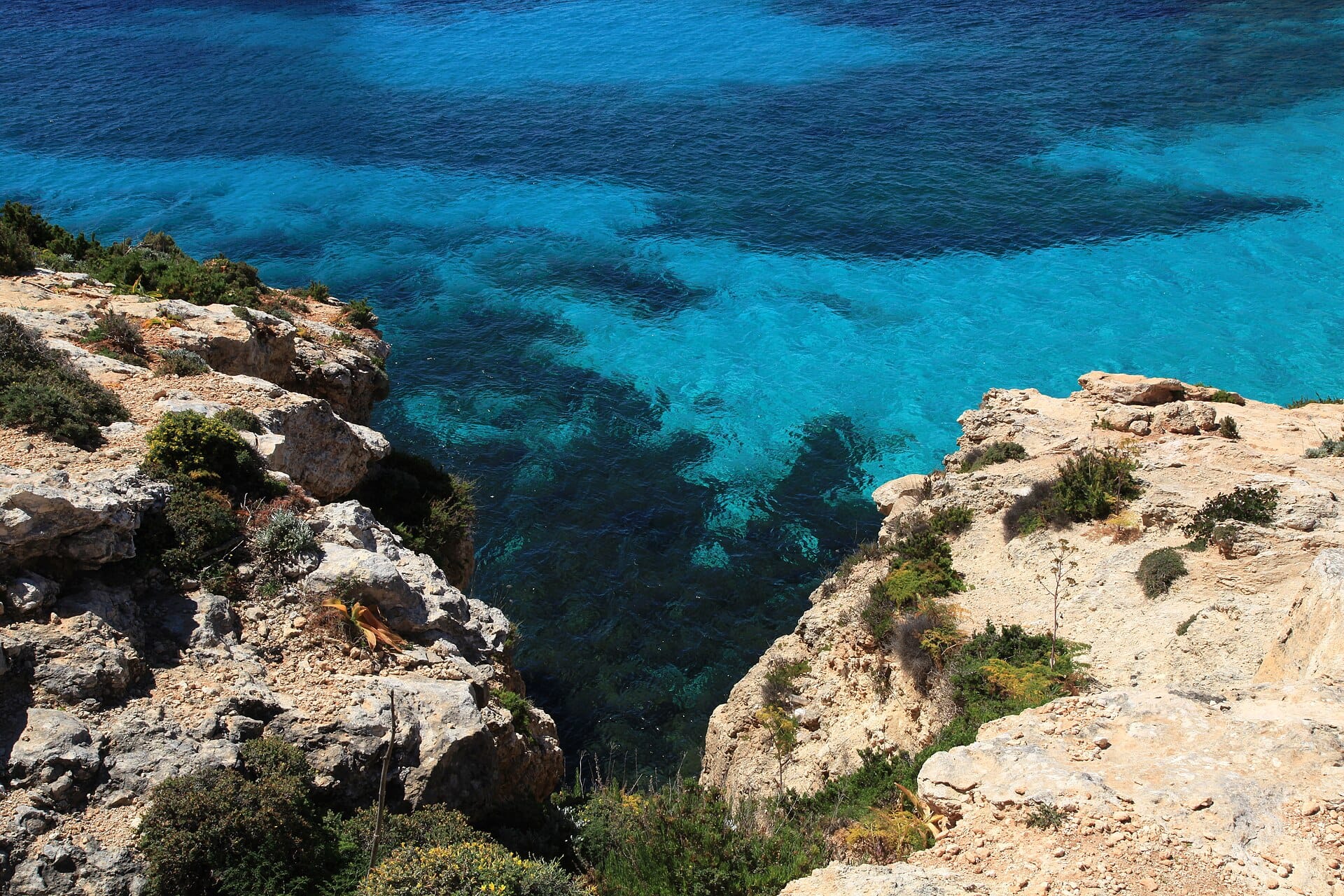
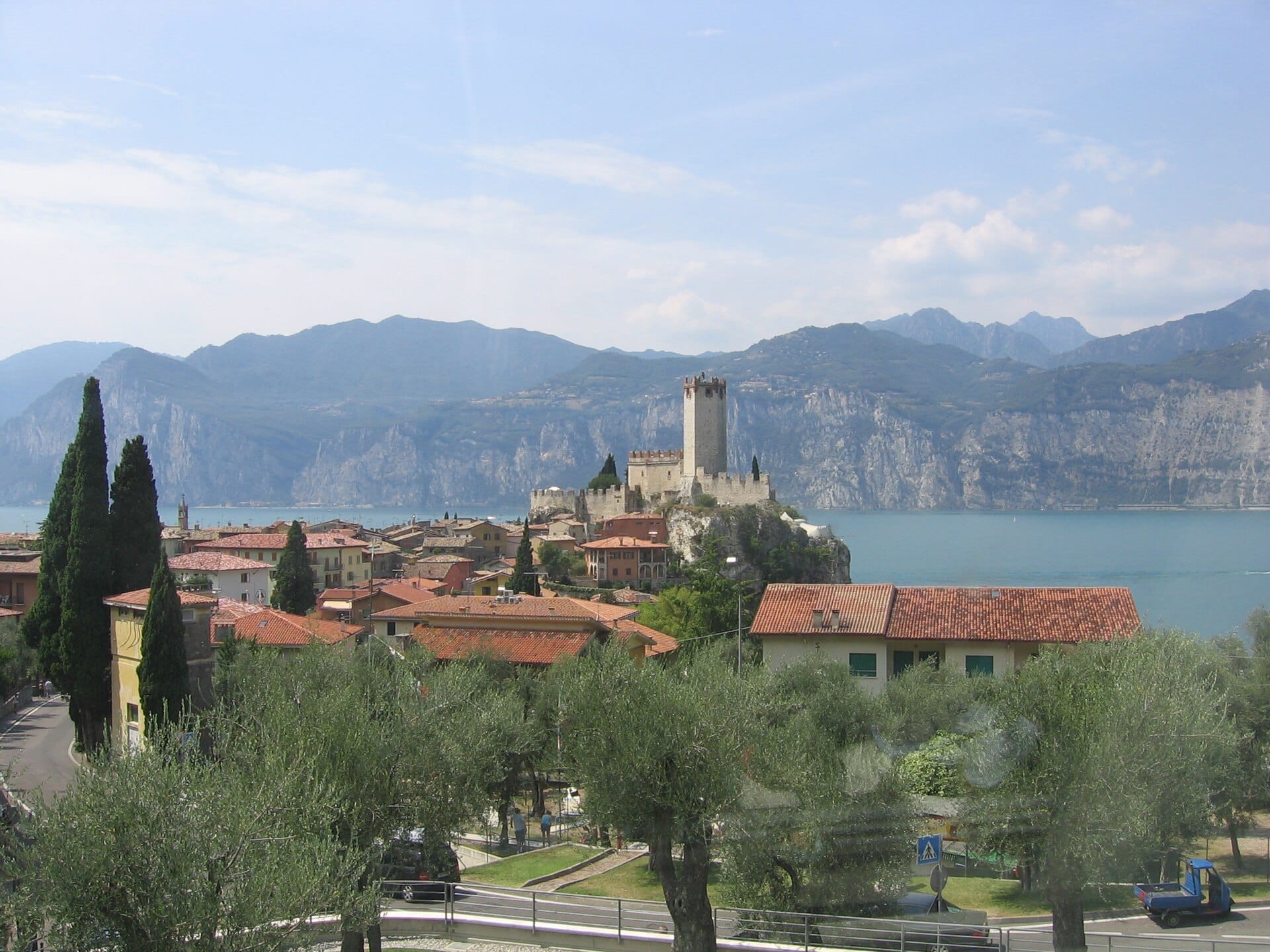
Nearby destinations
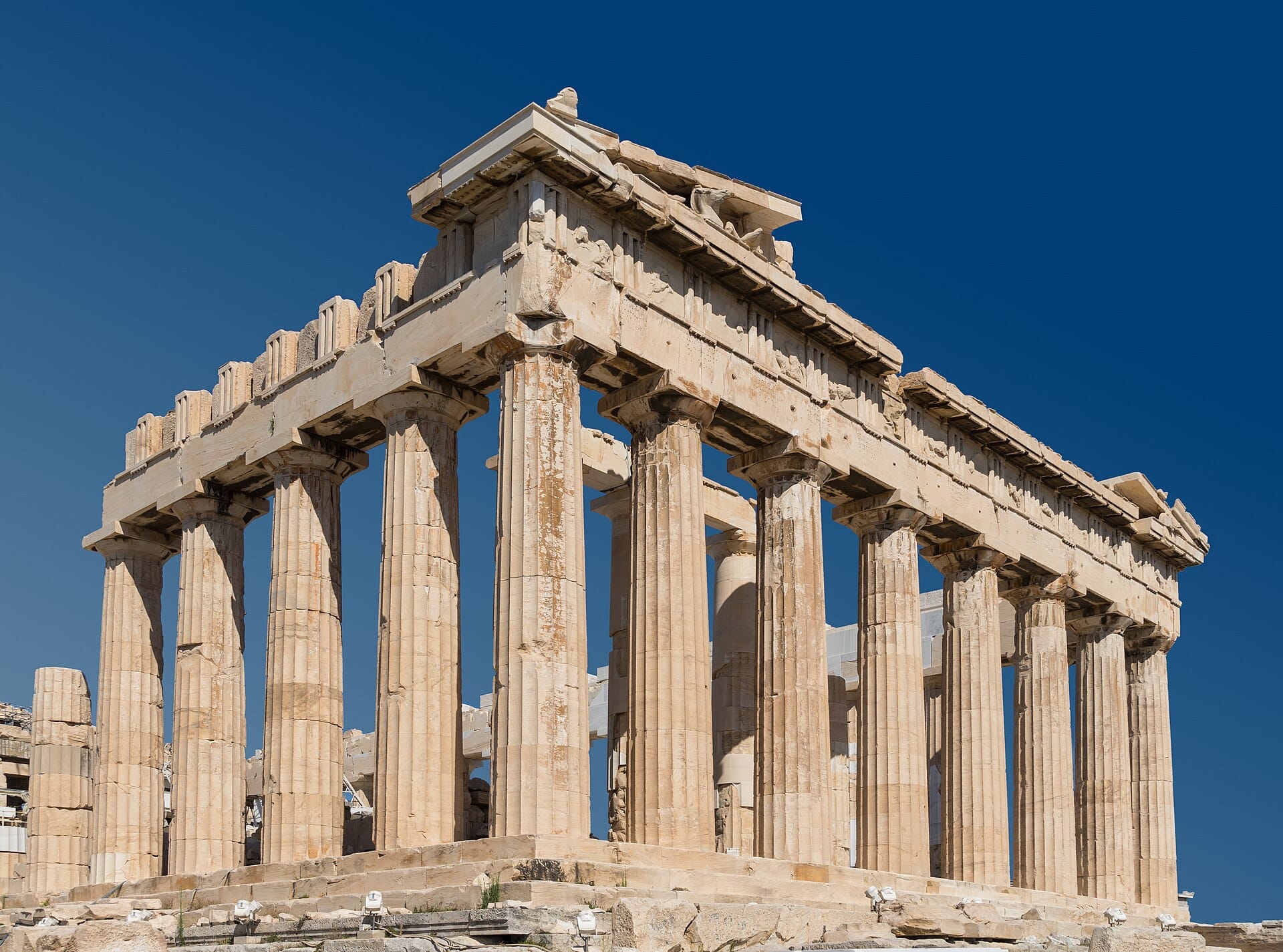
Athens
Greece · 70km away →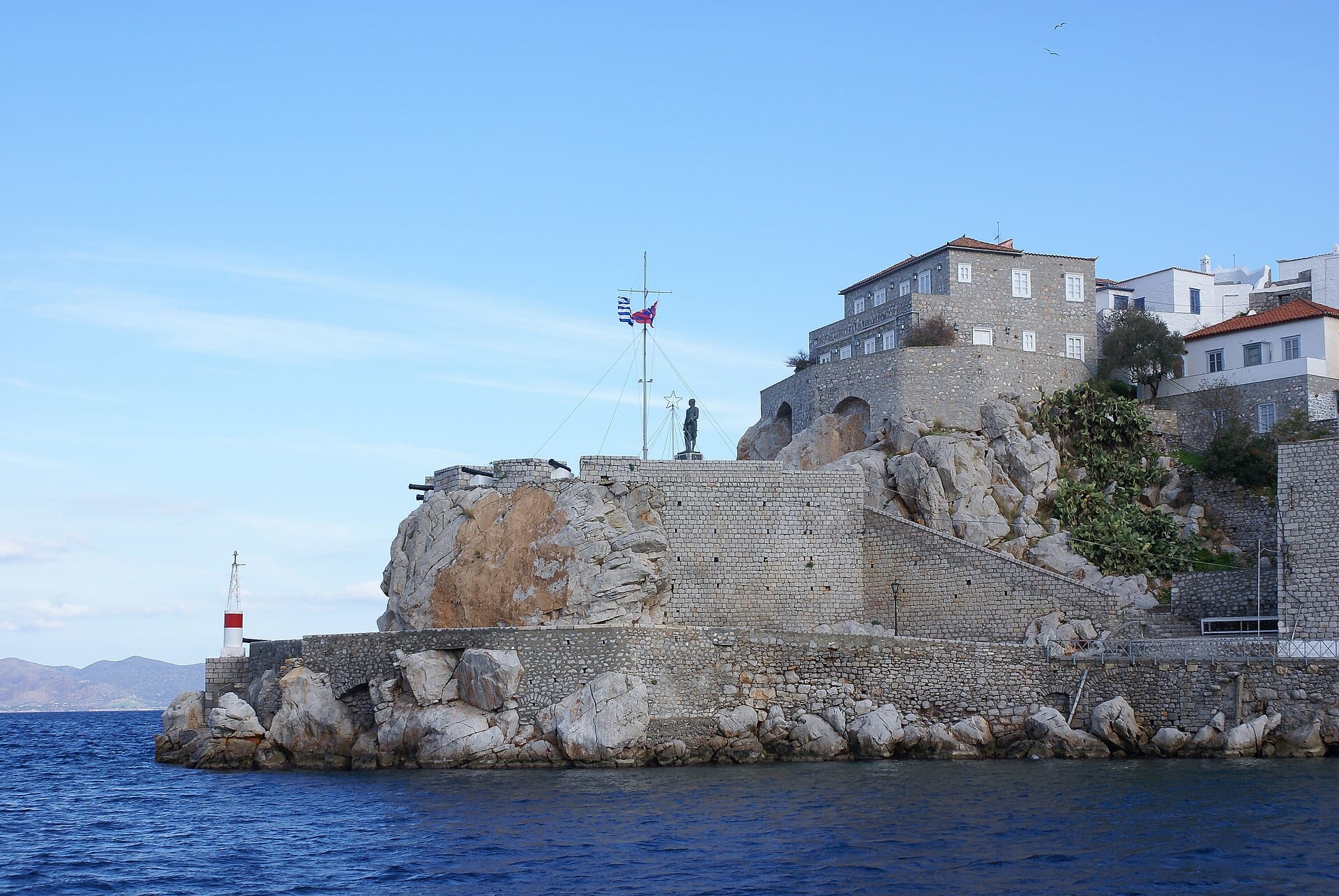
Hydra
Greece · 82km away →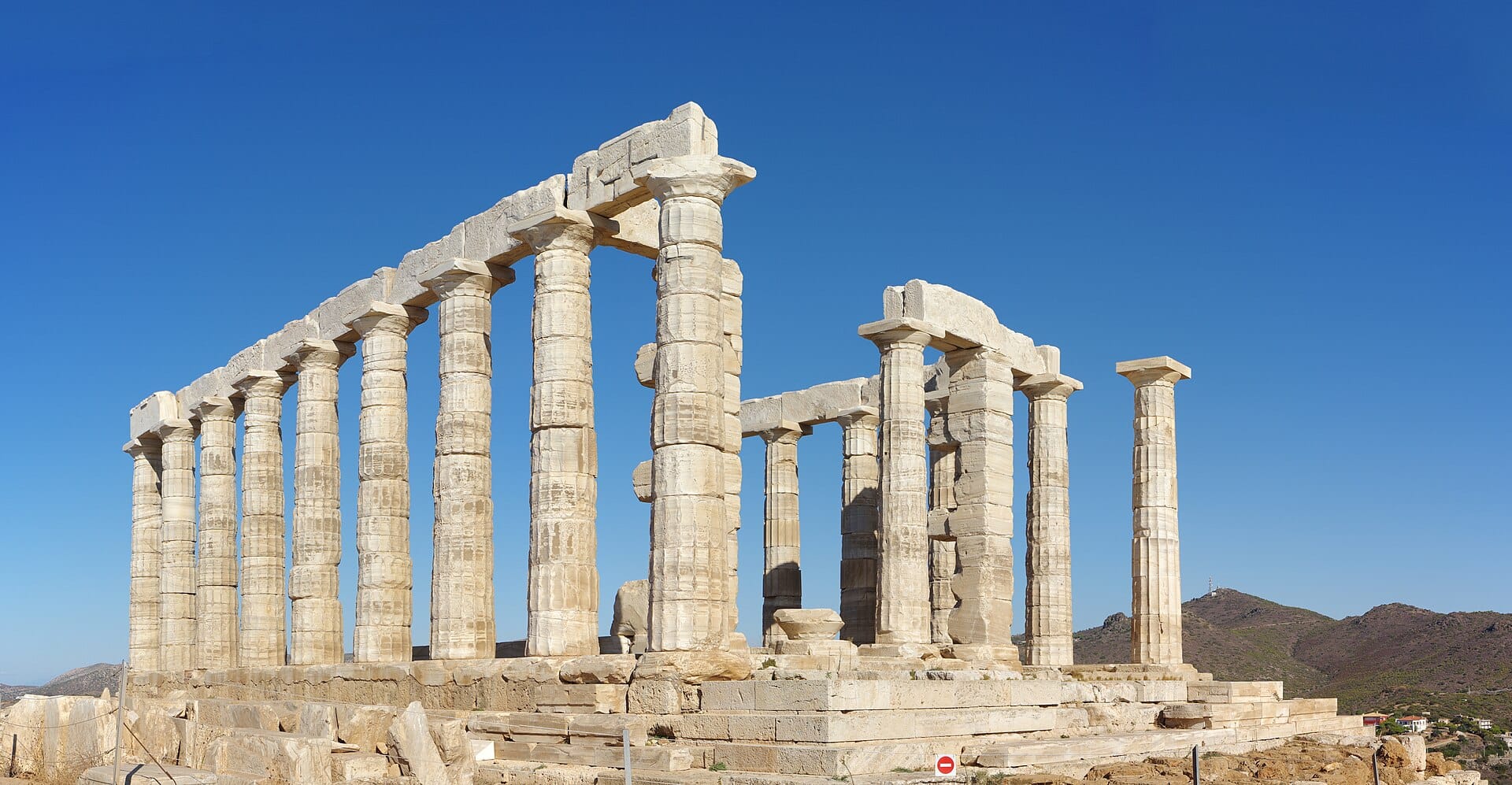
Cape Sounion
Greece · 101km away →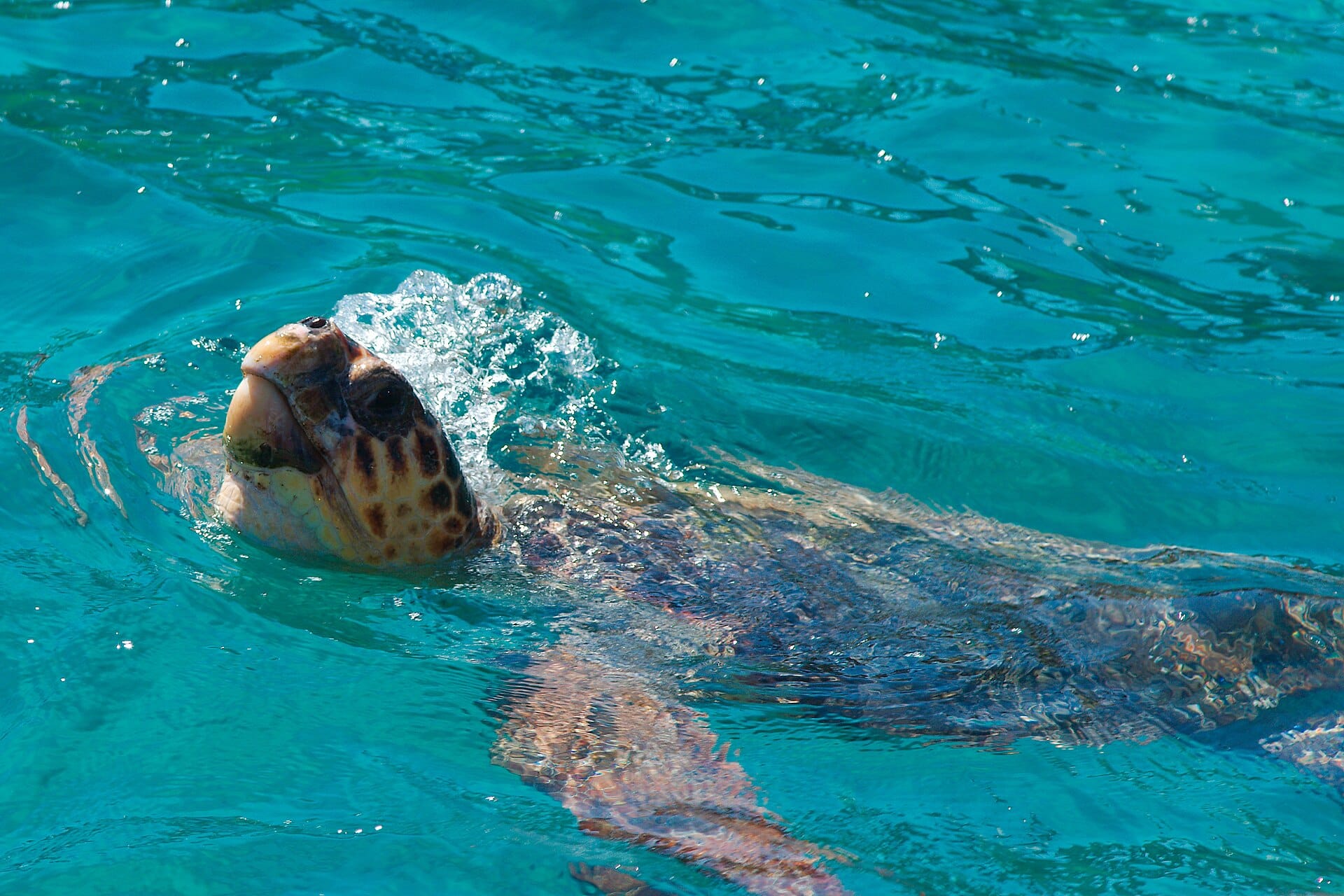
Loggerhead turtles
Zakynthos, Greece · 189km away →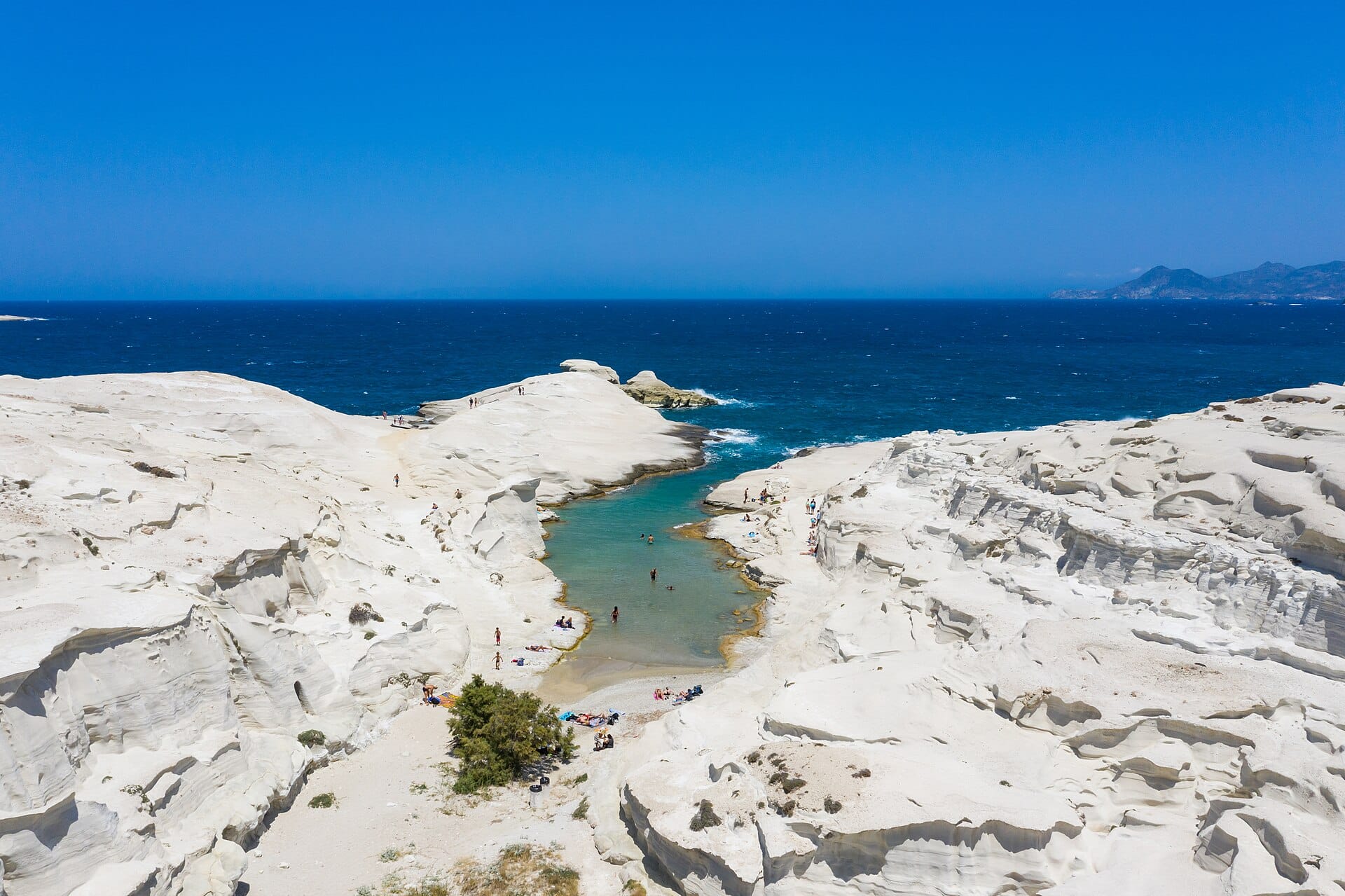
Milos
Greece · 195km away →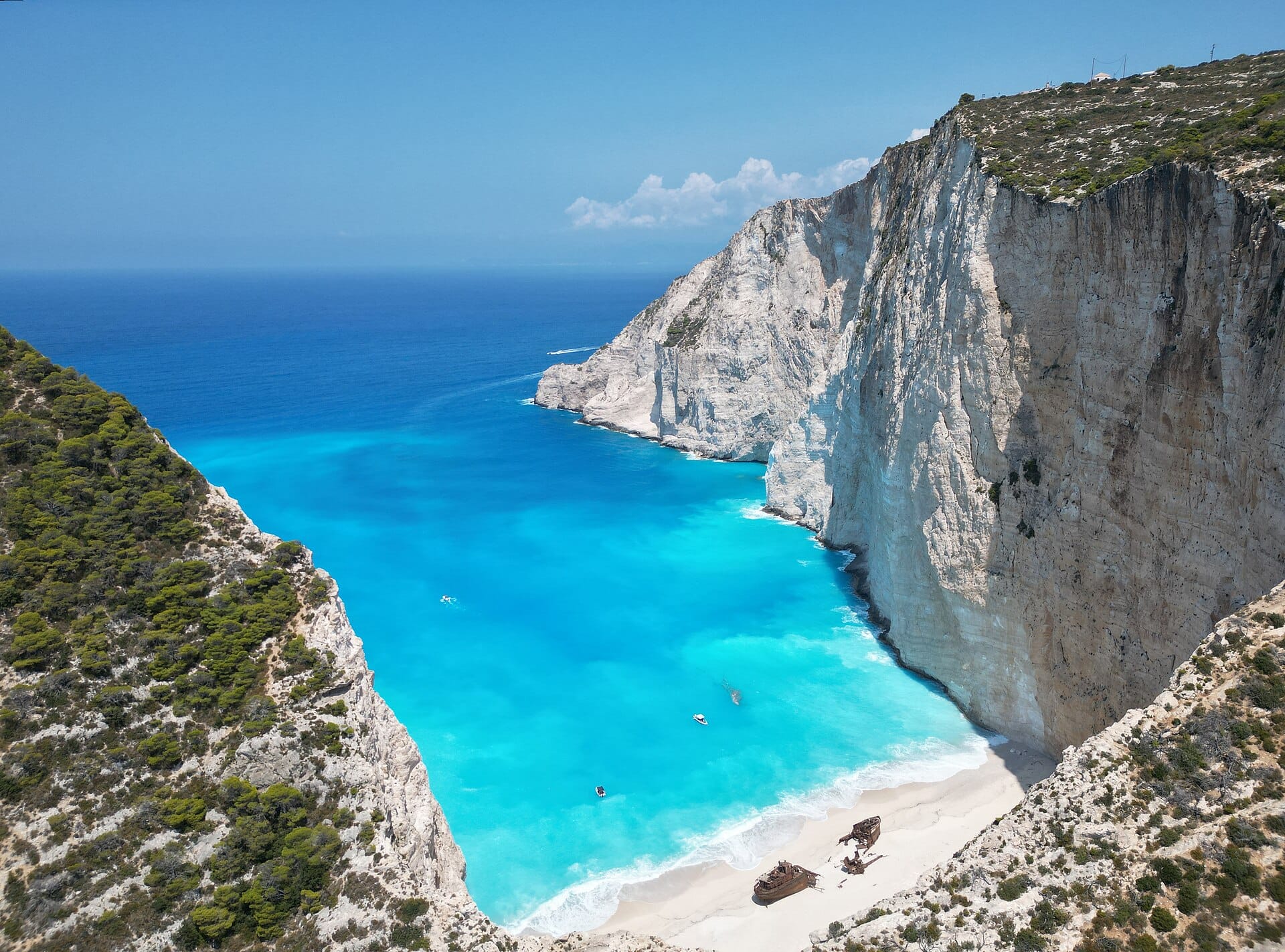
Navagio Beach
Zakynthos, Greece · 203km away →Elsewhere in Greece
Related articles
Quick answers
When is the best time to visit The Peloponnese?
For warm, mostly dry days, April to June and August to October. That means highs of 20–34°C with rain on six days a month or fewer. Daytime highs run from about 13°C in January to 34°C in July. Driest June to August; wettest in December, with rain on about 10 days.
How long should I spend in The Peloponnese?
Our suggestion: a week to ten days.
How do I get to The Peloponnese?
Athens (ATH) is the arrival airport, and Nafplio is about two hours by car west across the Corinth Canal. Kalamata (KLX) is closer for the southern and western Peloponnese, roughly an hour to Pylos or Kardamyli.
Do I need a car in The Peloponnese?
Yes, a car makes a real difference here. KTEL coaches connect the main towns with Athens reasonably well, but reaching beaches and archaeological sites without a car is slow going.
What currency and language are used in The Peloponnese?
Currency: Euro (EUR). Language: Greek. Plugs: type C and F.
Who is The Peloponnese best for?
Best for families, road-trippers and culture seekers. In a phrase: slow, olive-scented, uncrowded.