
The Masai Mara
A first safari is the closest travel comes to a guaranteed miracle, and the Mara's density of lions, elephants, giraffes and cheetahs means even short game drives deliver.
- Best forFamilies · Wildlife & nature · Photographers
- In April27°C · 17 rainy days
- Ideal stay3–4 nights
- Approx. flying time~19h 05m from Los Angeles
- CurrencyKESKenyan shilling
- LanguageSwahili and English
- Local time15:092h ahead of the UK
- PlugsType GUK plugs fit
- Drive on theLeftSame as the UK
- Dialling code+254
Why go
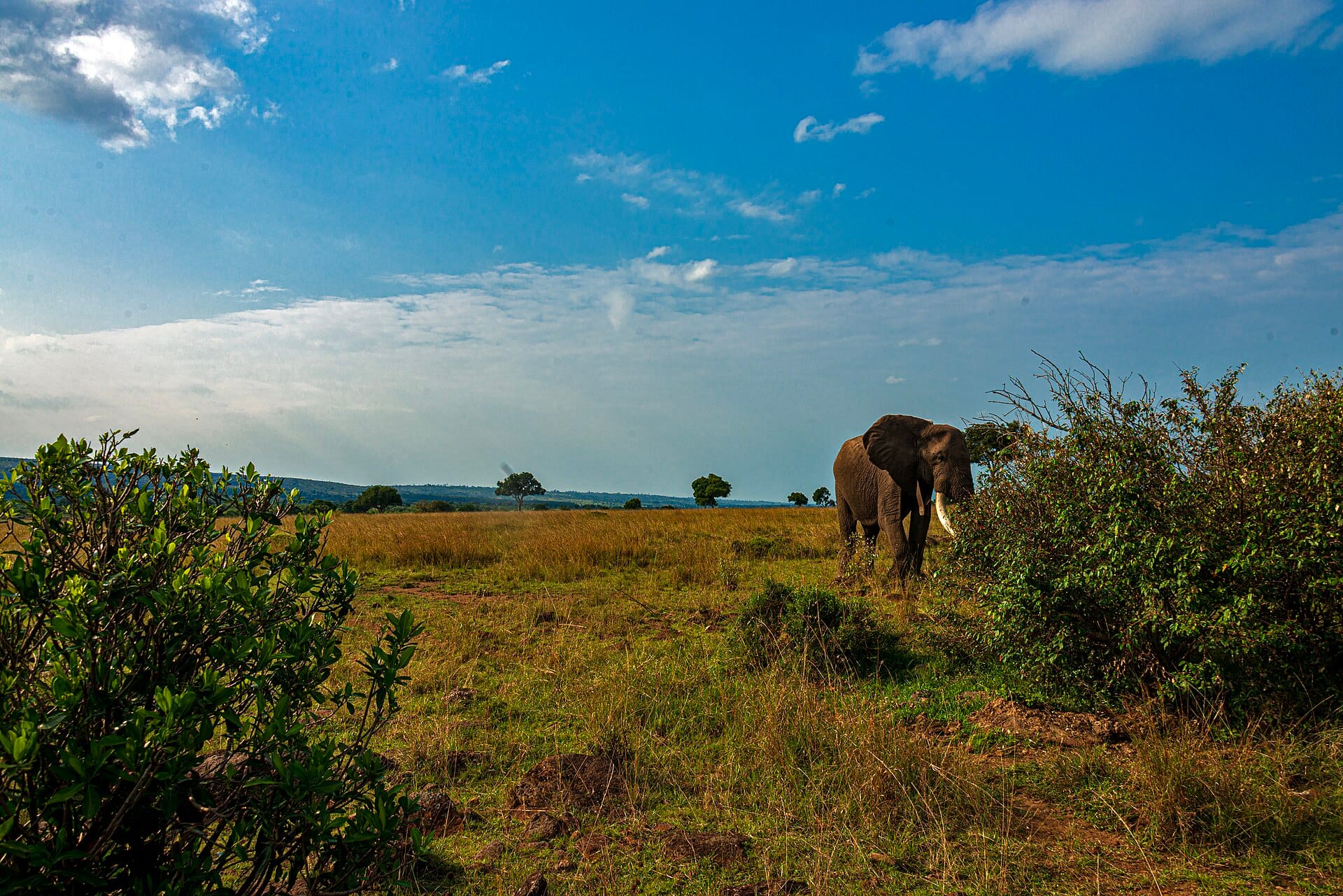
Open grassland rolls towards the Oloololo escarpment with almost nothing to interrupt the eye: a flat-topped acacia, a herd of zebra, a distant vehicle. This is the Kenyan end of the Serengeti ecosystem, and the sheer density of wildlife is what makes it forgiving for first-timers. Mornings start before six, break for coffee on the bonnet, and finish with a sundowner while the light turns everything copper.
Most people fly in from Nairobi's Wilson airport, a short hop that beats six hours of road. Three or four nights covers the main reserve, more if you add a private conservancy, where vehicle numbers are capped and night drives and walks are permitted. July to October brings the migration and the crowds; the green months after the rains are quieter and cheaper. Malaria precautions are needed.
- Ideal stay
- 3–4 nights
- The vibe
- Golden, wide open, big sky
From our guides
Choose a camp that specialises in families — private vehicles, flexible drive times and Maasai guides who turn tracking into a masterclass — and consider the quieter conservancies bordering the reserve. The wildebeest migration crosses between roughly July and October, but the wildlife is superb year-round.
Featured in Ten wildlife holidays that beat any screen
Things to do
-
Mara River crossings
Between roughly July and October, wildebeest and zebra mass on the banks before plunging through crocodile water. Sightings need patience and luck, and some days the herds simply decline.
-
Dawn balloon flight
Take off in the dark, drift low over the plains as the sun comes up, then land to breakfast laid out in the grass. Expensive, weather dependent and hard to regret.
-
The private conservancies
Land bordering the reserve limits how many vehicles can attend a sighting, and permits walking safaris and night drives that the reserve itself does not allow.
-
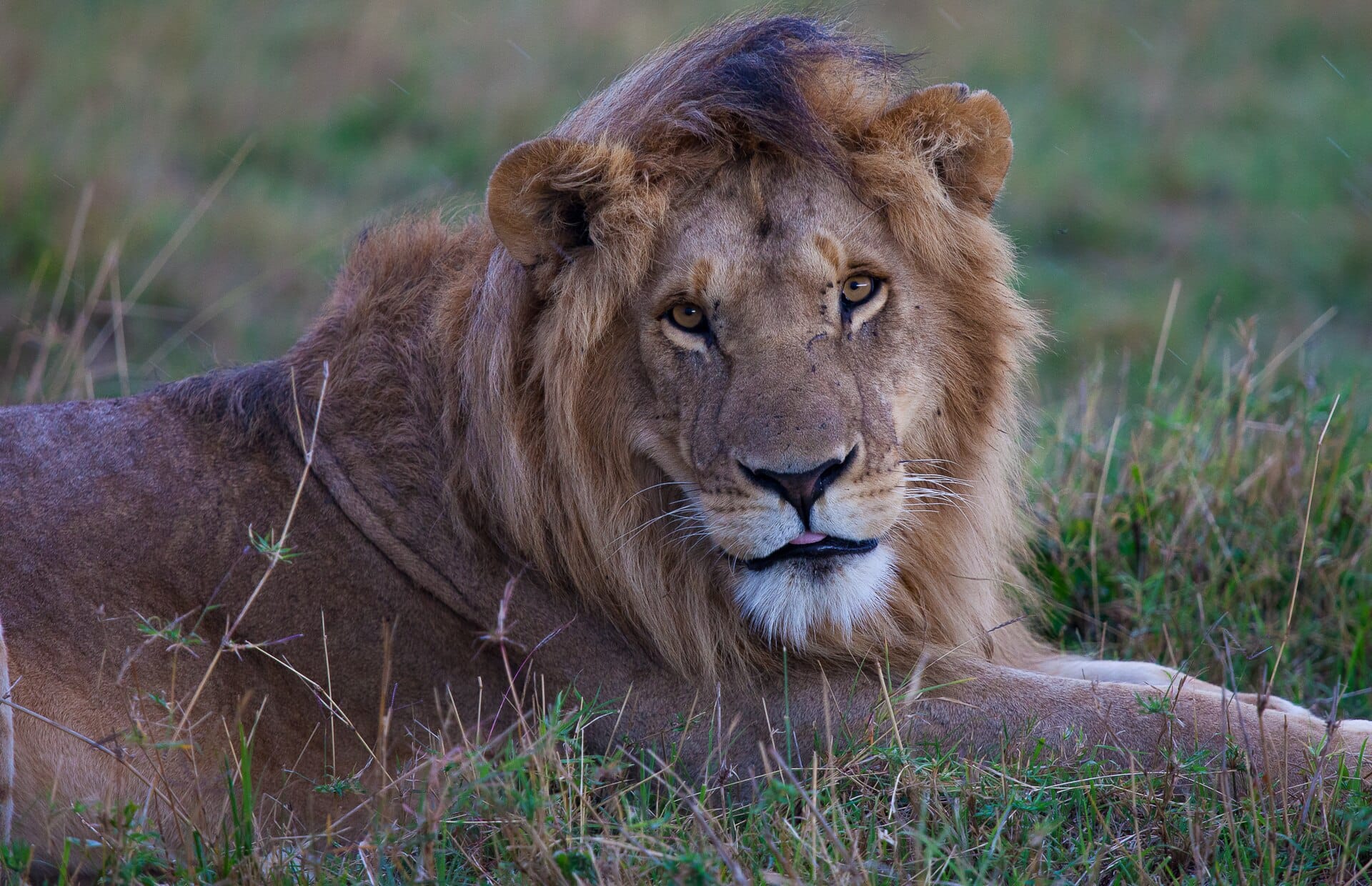
Big cats
Lion prides here are large and habituated, cheetah hunt the open plains in daylight, and leopard favour the riverine forest. Guides radio sparingly in the conservancies, so sightings feel earned.
-
Time with Maasai guides
Spotting is only half of it. The best guides read tracks, alarm calls and wind direction, and will explain grazing rights and cattle culture if you ask.
-
Rift Valley lakes add-on
Lake Nakuru and Lake Naivasha lie within a day's drive of Nairobi and add flamingos, rhino and boat trips before or after the Mara.
Getting there
-
Fly to
Nairobi (WIL)
Nearest airport to The Masai Mara, about 200km away as the crow flies.
-
Then
To Talek
Most visitors fly from Nairobi Wilson to one of the Mara's airstrips, Serena (MRE), Keekorok or Ol Kiri, in about 45 minutes to an hour, and camps meet the plane. Driving from Nairobi instead takes five to six hours on mixed roads.
-
On the ground
Getting around
Your camp or lodge provides the game-drive vehicle and guide; there is no other way to move around the reserve. Drives run at dawn and late afternoon, and the conservancies bordering the reserve allow off-road and night drives.
Public transport: None to speak of inside the reserve. Everything is arranged by the camp, either a fly-in package or a road transfer.
Flights
Los Angeles The Masai Mara, Kenya
Fly from anywhere — search 4,000+ airports worldwide.
Roughly 19h 05m in the air from Los Angeles (LAX), estimated from the distance — check for a direct route. Pick a month to see every available flight with live prices.
Check dates and prices
Pick your departure date, then your return.
Search flightsNot sure when? Compare fares across a whole month.
Flight times are estimates; prices open on Google Flights.
When to go
Daytime highs run from about 26°C in May to 30°C in October. Driest June to August; wettest in April, with rain on about 17 days.
The year at a glance — pick a month for detail
April27° · rain 17 daysWarm and often wet.
Monthly figures averaged from daily records for 2020–2024 at this location (ERA5 reanalysis). Highlighted months are warm and mostly dry — June to August and October. Live conditions from MET Norway, CC BY 4.0.
Where to stay
Tented camps, from simple canvas to serious luxury, and a handful of lodges. Almost everything is full board with game drives included. No self-catering and no towns.
-
Best base overall
Talek and the Talek Gate area
On the reserve boundary in the middle of the good game country, with camps at every price and quick access to the river crossings. It is the busier side for vehicles.
Find stays in Talek and the Talek Gate area -
Best with children
Mara North or Naboisho conservancies
Private conservancies bordering the reserve, where camps take family tents, run flexible drive times and allow off-road following. Rates include conservancy fees, so they look high.
Find stays in Mara North or Naboisho conservancies -
Best value
Sekenani Gate area
The eastern entrance nearest the Nairobi road, with the widest spread of mid-range camps and lodges. Longer drives to the Mara river crossings in migration season.
Find stays in Sekenani Gate area -
Quietest
Mara Triangle, western sector
Managed separately and far less crowded, with excellent big cat viewing. Few camps, so you book early and usually fly into Kichwa Tembo or Serena airstrip.
Find stays in Mara Triangle, western sector
Worth knowing before you book: July to October books a year ahead and rates roughly double. Conservancy camps limit vehicle numbers, so their few tents go first; check whether park fees are included.
Search everything else in Talek by budget. These are indicative budget bands in GBP per night for two people, not live quotes or guarantees of hotel type. Check your dates, guests, taxes and final price on Booking.com.
Good to know
- Getting there
- Light aircraft leave Nairobi's Wilson airport for the Mara airstrips several times daily, with strict soft bag and weight limits. The road alternative takes five to six hours.
- Book ahead
- Camps are small and the migration months sell out a year in advance. The green season, from March to May, is far easier to book and noticeably cheaper.
- Pack this
- Neutral colours, a fleece for the dawn drive, binoculars and more camera storage than you think. Dust gets everywhere, so a sealed bag for lenses helps.
- Health
- Antimalarials and yellow fever advice apply, so see a travel clinic well before you go. Camps are remote, so bring any prescriptions with you.
- Etiquette
- Stay in the vehicle unless a guide says otherwise, keep voices low at sightings, and always ask before photographing people in Maasai villages.
Further afield
Related articles
Quick answers
When is the best time to visit The Masai Mara?
For warm, mostly dry days, June to August and October. That means highs of 20–34°C with rain on six days a month or fewer. Daytime highs run from about 26°C in May to 30°C in October. Driest June to August; wettest in April, with rain on about 17 days.
How long should I spend in The Masai Mara?
Our suggestion: 3–4 nights.
How do I get to The Masai Mara?
Most visitors fly from Nairobi Wilson to one of the Mara's airstrips, Serena (MRE), Keekorok or Ol Kiri, in about 45 minutes to an hour, and camps meet the plane. Driving from Nairobi instead takes five to six hours on mixed roads.
Do I need a car in The Masai Mara?
No. None to speak of inside the reserve. Everything is arranged by the camp, either a fly-in package or a road transfer.
What currency and language are used in The Masai Mara?
Currency: Kenyan shilling (KES). Language: Swahili and English. Plugs: type G.
Who is The Masai Mara best for?
Best for families, wildlife & nature and photographers. In a phrase: golden, wide open, big sky.