
The Dordogne
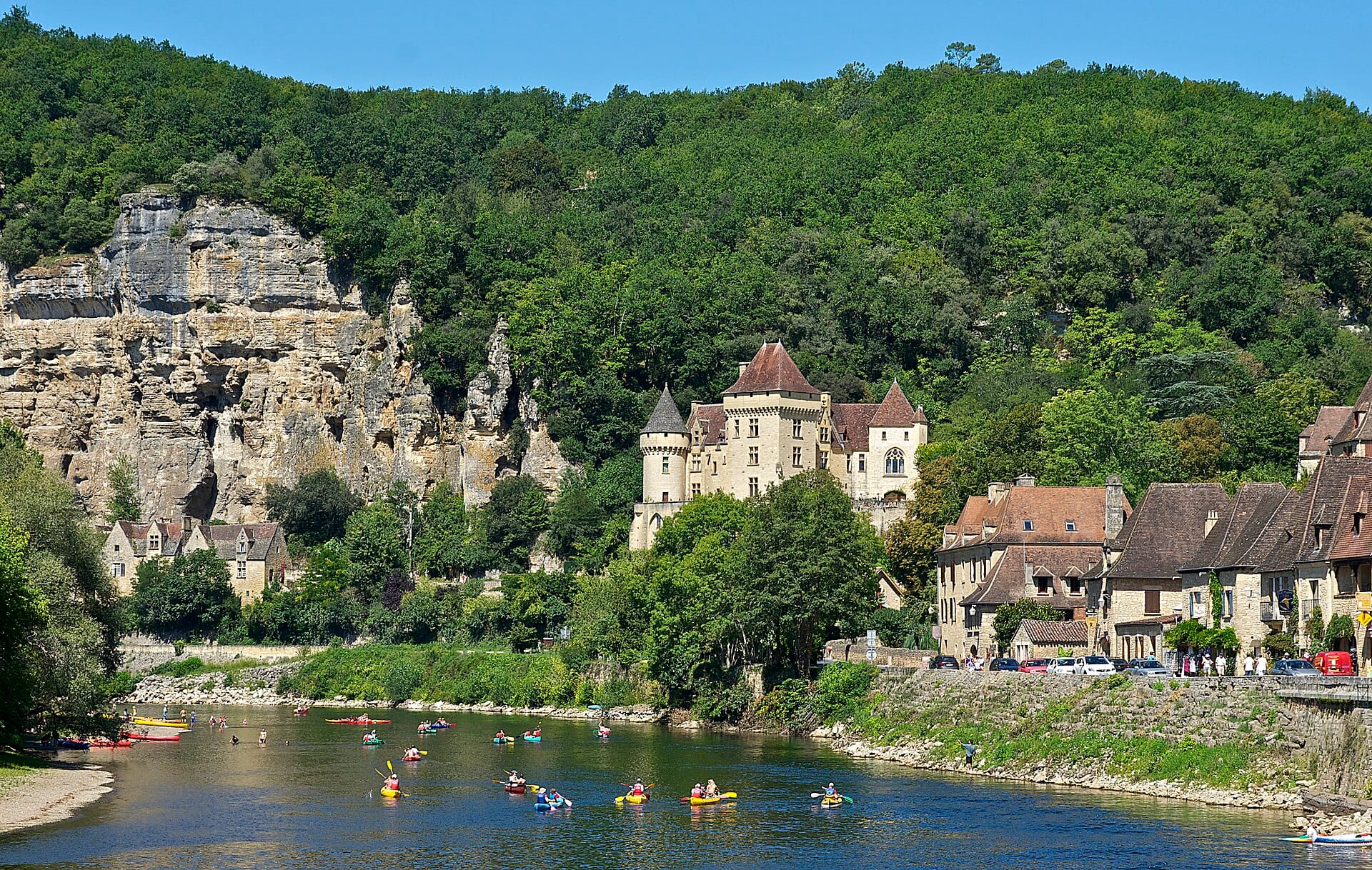
The Dordogne is the countryside as children imagine it: castles on every crag, rivers you drift down in a canoe, night markets where dinner is a plate of duck under fairy lights.
- Best forFamilies · Foodies · Couples
- In October20°C · 13 rainy days
- Ideal stayA week
- Approx. flying time~11h 40m from Los Angeles
- CurrencyEUREuro
- LanguageFrench
- Local time15:111h ahead of the UK
- PlugsType C / EBring an adapter
- Drive on theRightOpposite to the UK
- Dialling code+33
Why go
Rivers loop through limestone country in south-west France, with castles set on the cliffs above them and walnut orchards and duck farms filling the ground in between. The Vezere valley holds some of the most important prehistoric art in Europe; the Dordogne itself is wide, slow and made for canoes. Villages are built of pale stone under brown-tiled roofs, and the market is the main event of the week.
A week or two in a gite suits it, with days split between the river, a castle and a market. July and August are hot and busy, with canoe queues and full campsites; June and September are gentler in every way. Sarlat makes the obvious base, though the quieter valleys east of it cost less. Distances are short but the roads are slow.
- Ideal stay
- A week
- The vibe
- Golden-stone, riverine, comfortably rural
From our guides
Base yourselves in a gîte or farm campsite near Sarlat and mix lazy pool days with canoeing the loop past La Roque-Gageac — book the descent from Vitrac and the current does most of the work. The prehistoric cave art at Lascaux IV genuinely awes all ages.
Featured in Ten farm stays and countryside escapes kids genuinely love
Things to do
-
Lascaux IV
A full facsimile of the painted cave near Montignac, the original being closed for conservation. Book ahead, particularly for English-language tours.
-
Canoeing past La Roque-Gageac
The classic descent runs from around Vitrac or Carsac downstream past cliff villages and castles, with the current doing most of the work.
-
Sarlat market
Saturday fills the medieval town with foie gras, walnuts, cheese and mushrooms in season. A smaller market runs on Wednesday.
-
Chateau de Beynac
A cliff-top fortress above the river, largely unfurnished and better for it, with a view over the whole valley from the keep.
-
Les Eyzies and the Vezere
A valley of rock shelters and prehistory museums, including caves with original engravings that admit only small groups.
-
Night markets
Through summer, villages hold marches nocturnes where you buy a plate from a producer and eat at long shared tables.
Getting there
-
Fly to
Bergerac (EGC)
Nearest airport to The Dordogne, about 43km away as the crow flies.
-
Then
To Sarlat-la-Canéda
About an hour by car from Bergerac (EGC) east along the Dordogne valley to Sarlat. Bordeaux is the bigger airport at around two and a half hours, with trains from there to Sarlat taking a similar time with a change.
-
On the ground
Getting around
Sarlat's medieval centre is pedestrianised and walkable, but the castles, caves and canoe put-ins are spread along the valley and need a car. Canoe operators run a shuttle back upstream from the take-out point.
Public transport: There is a railway station at Sarlat and seasonal buses to a few sights, but rural services are sparse and a hire car is the norm.
Flights
Los Angeles The Dordogne, France
Fly from anywhere — search 4,000+ airports worldwide.
Roughly 11h 40m in the air from Los Angeles (LAX), estimated from the distance — check for a direct route. Pick a month to see every available flight with live prices.
Check dates and prices
Pick your departure date, then your return.
Search flightsNot sure when? Compare fares across a whole month.
Flight times are estimates; prices open on Google Flights.
When to go
Daytime highs run from about 9°C in January to 28°C in August. Driest in July and August; wettest in December, with rain on about 15 days.
The year at a glance — pick a month for detail
October20° · rain 13 daysMild and often wet.
Monthly figures averaged from daily records for 2020–2024 at this location (ERA5 reanalysis). Live conditions from MET Norway, CC BY 4.0.
Where to stay
Gites and farm campsites with pools dominate, alongside chambres d'hotes in stone farmhouses and a few chateau hotels. Ordinary town hotels are thin on the ground.
-
Best base overall
Sarlat-la-Canéda
A medieval town with the region's best market and most of the famous sights within half an hour. Summer crowds are real, and the old centre is not a place to park.
Find stays in Sarlat-la-Canéda -
Best with children
Vitrac and La Roque-Gageac
Right on the river for the canoe descents, with campsites, gites and pools along the bank. The road through La Roque-Gageac is narrow and busy in July.
Find stays in Vitrac and La Roque-Gageac -
Best value
Farm campsites and gites around Domme and Cénac
Self-catering with a pool at a fraction of hotel rates, and a market run each morning. Most let Saturday to Saturday and you will drive to everything.
Find stays in Farm campsites and gites around Domme and Cénac -
Quietest
Beynac or Saint-Léon-sur-Vézère
Small stone villages on the water, calm once the day trippers go, and handy for Lascaux. Choice of restaurants is limited and several close out of season.
Find stays in Beynac or Saint-Léon-sur-Vézère
Worth knowing before you book: Gites go Saturday to Saturday and the good ones are taken by January for August. Canoe descents and Lascaux IV tickets both need booking in advance in high summer.
Search everything else in Sarlat-la-Canéda by budget. These are indicative budget bands in GBP per night for two people, not live quotes or guarantees of hotel type. Check your dates, guests, taxes and final price on Booking.com.
Good to know
- Book ahead
- Lascaux IV, the original cave at Font-de-Gaume and the better gites sell out months in advance for the summer.
- Canoeing
- Operators run a shuttle and you paddle downstream. The river is gentle in summer but can close after heavy rain.
- Driving
- A car is essential. Village parking is tight in season and Sarlat's centre is pedestrianised, with car parks on the ring road.
- Markets
- Each town has its own market day and they run in the morning only. Bring a bag, cash and an appetite.
- With kids
- Canoes, castles and caves cover most ages, though the deeper caves involve steps, low ceilings and cool temperatures.
Similar places
Further afield
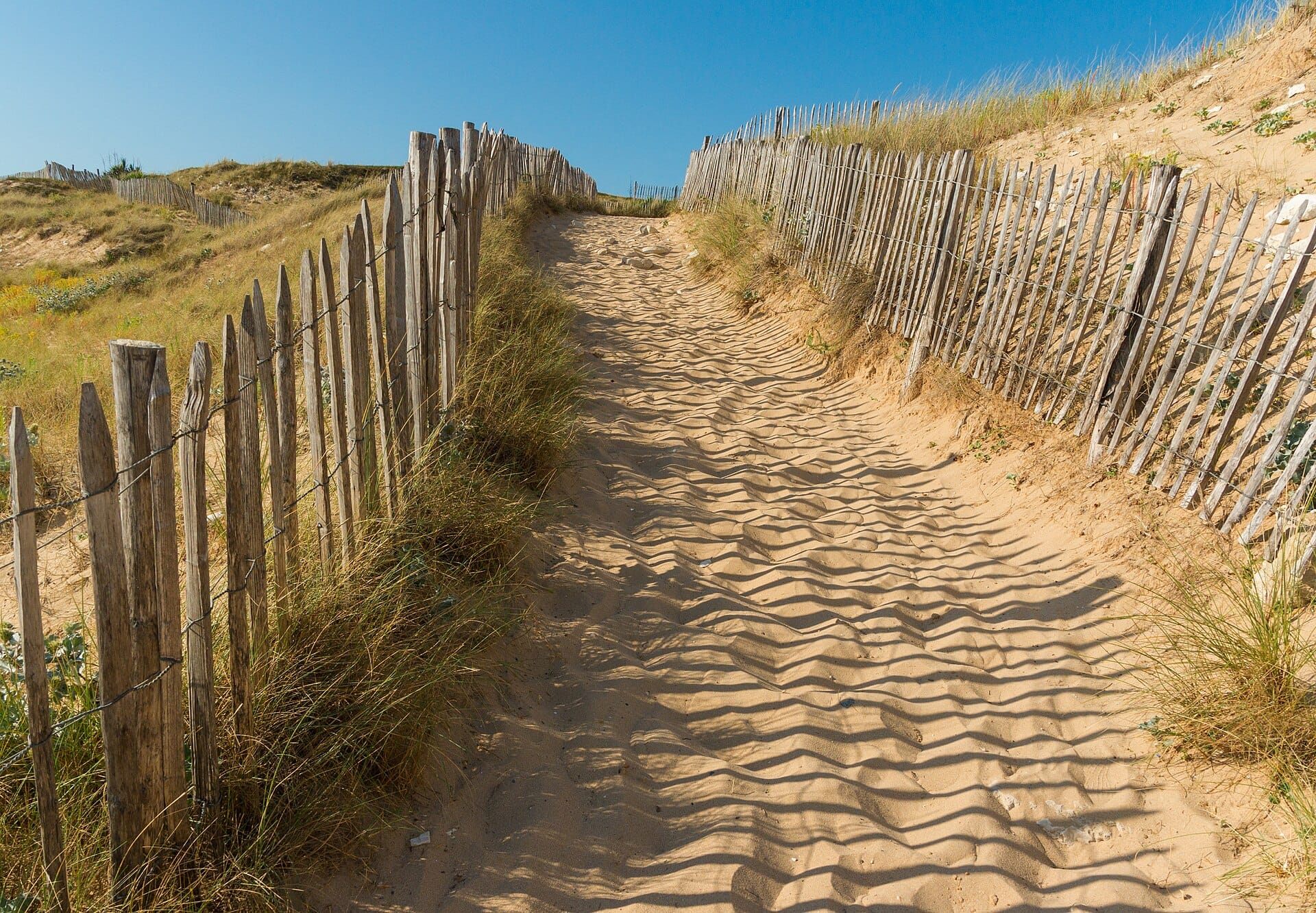
Île de Ré
France · 200km away →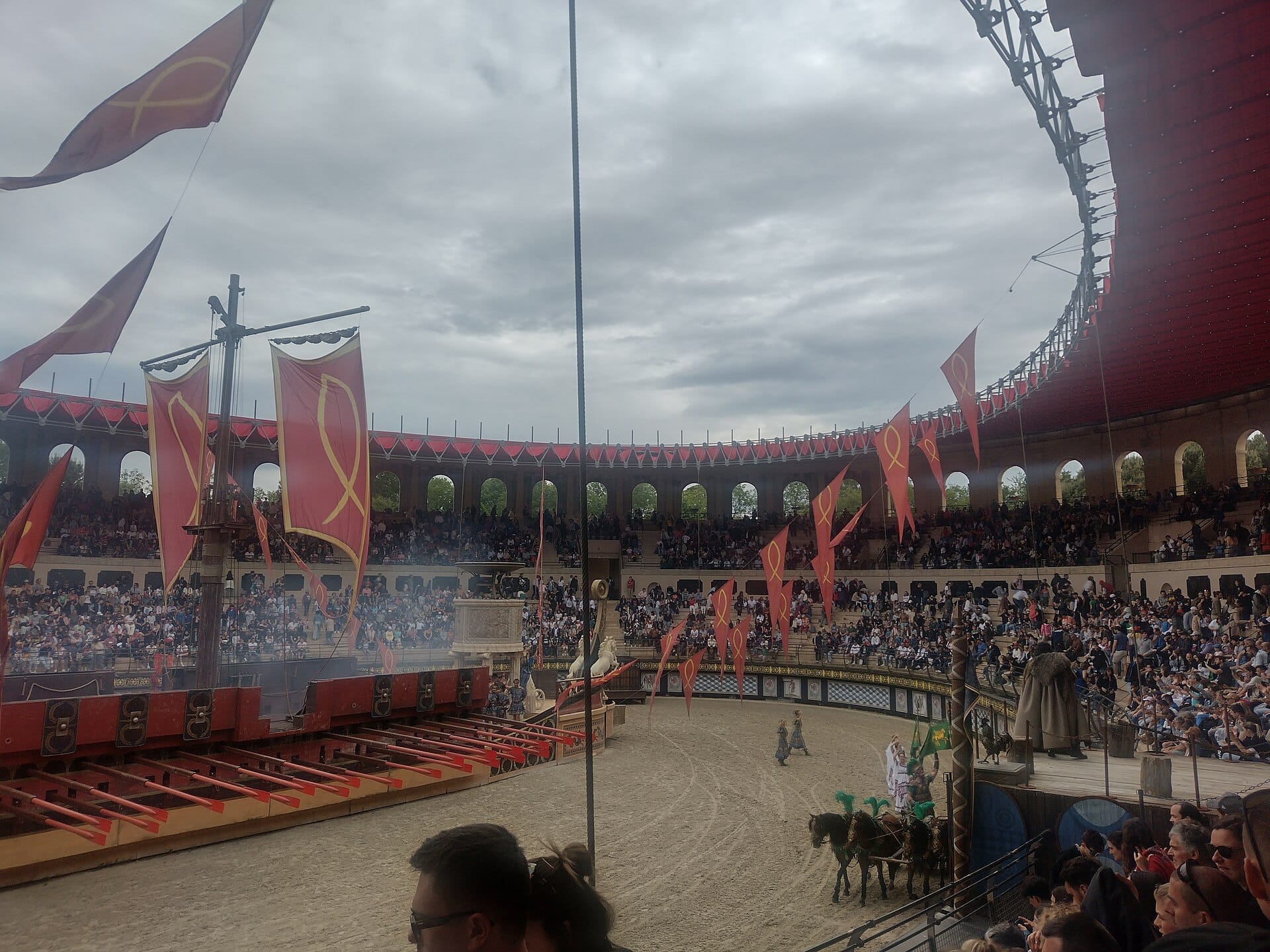
Puy du Fou
France · 228km away →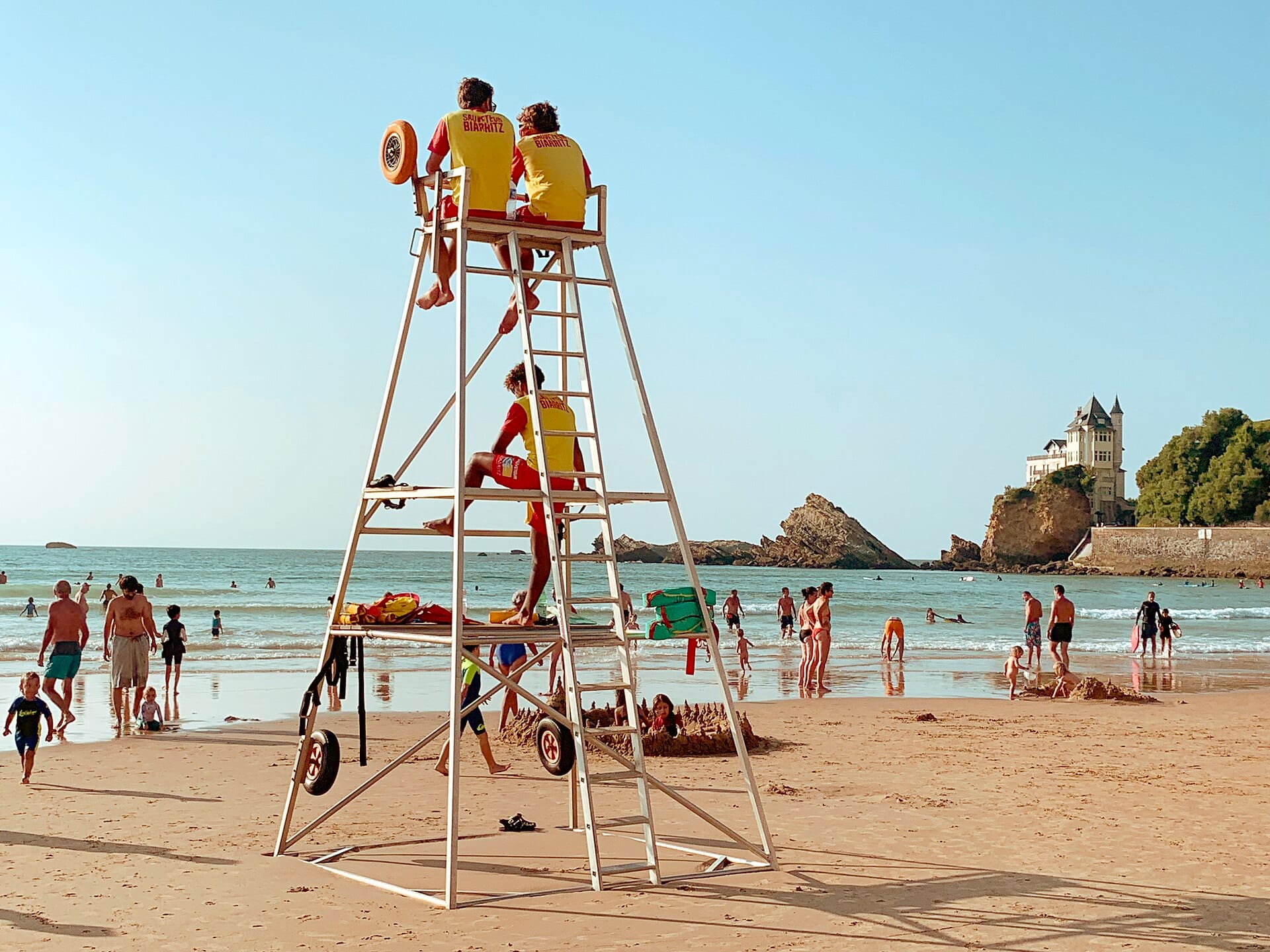
Côte des Basques
Biarritz, France · 263km away →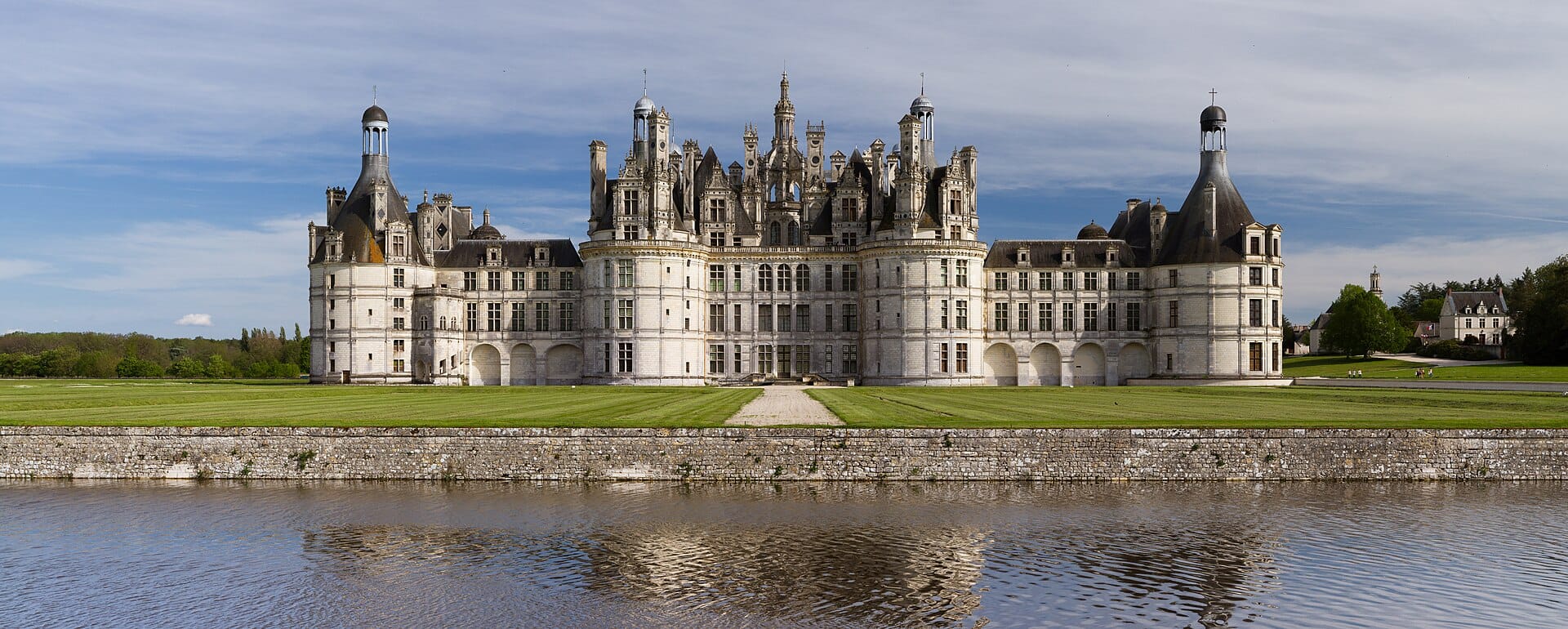
The Loire Valley
France · 265km away →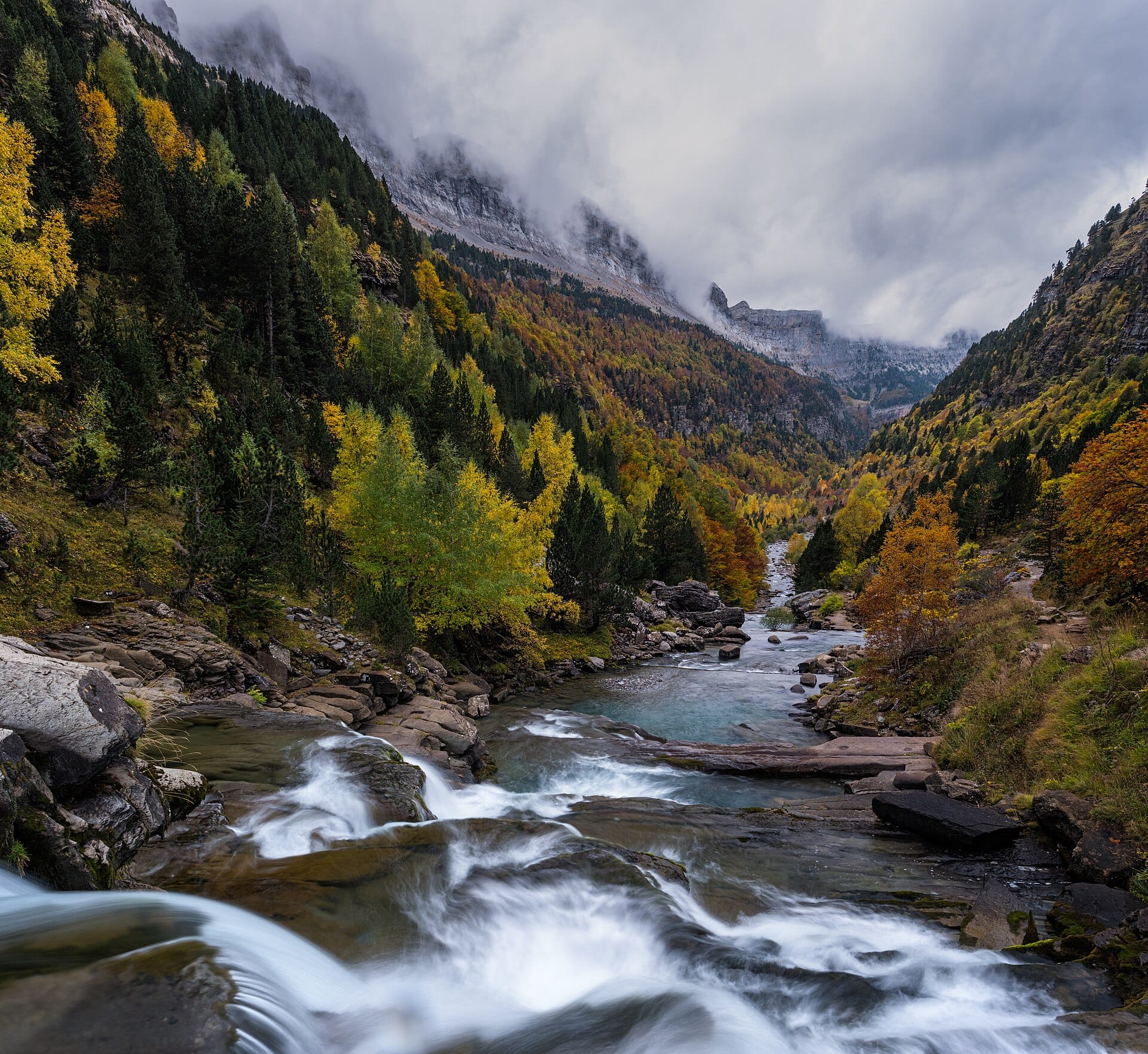
Ordesa y Monte Perdido
Spain · 291km away →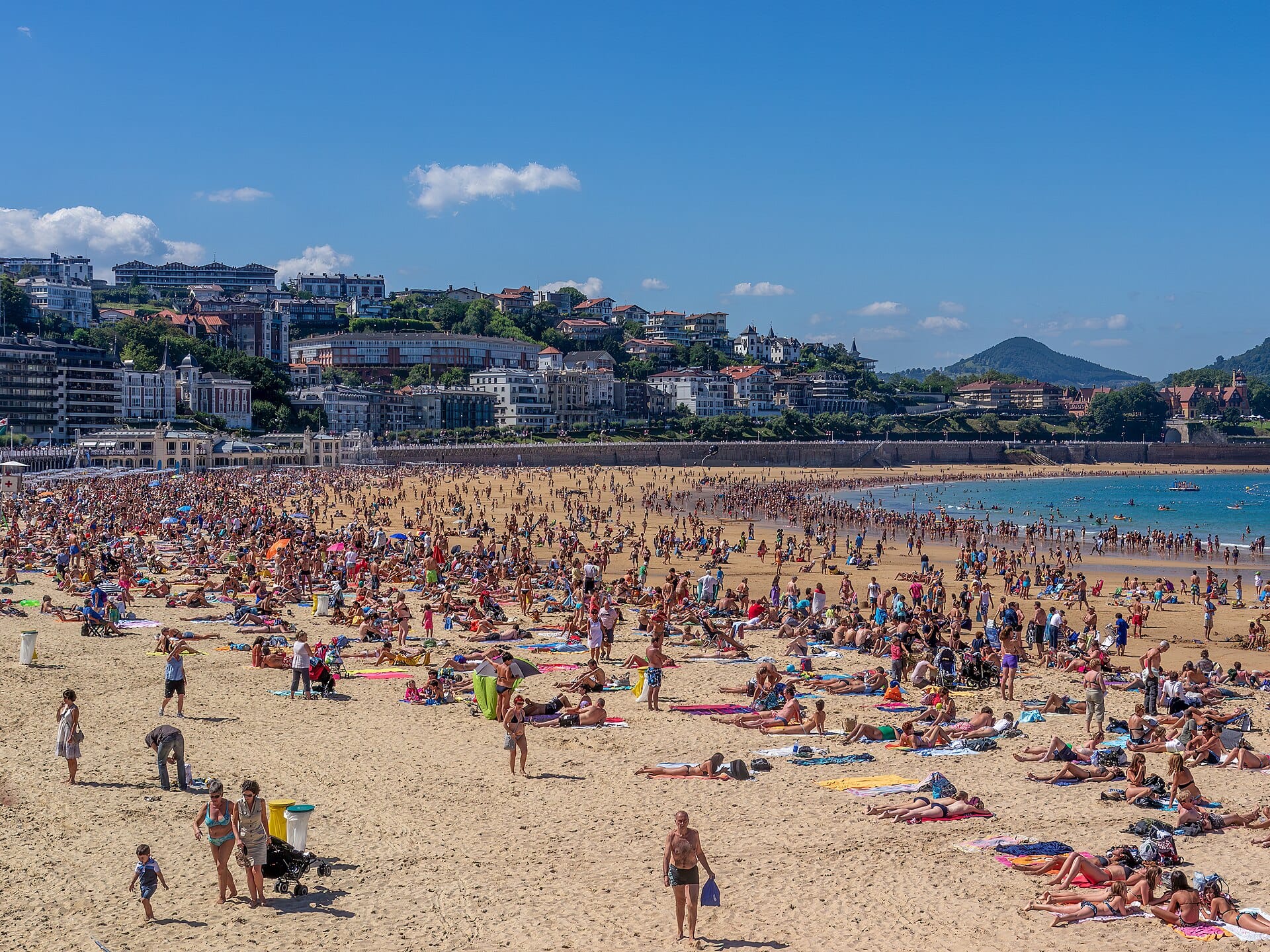
San Sebastián
Spain · 299km away →Elsewhere in France
Related articles
Quick answers
When is the best time to visit The Dordogne?
Daytime highs run from about 9°C in January to 28°C in August. Driest in July and August; wettest in December, with rain on about 15 days.
How long should I spend in The Dordogne?
Our suggestion: a week.
How do I get to The Dordogne?
About an hour by car from Bergerac (EGC) east along the Dordogne valley to Sarlat. Bordeaux is the bigger airport at around two and a half hours, with trains from there to Sarlat taking a similar time with a change.
Do I need a car in The Dordogne?
Yes, a car makes a real difference here. There is a railway station at Sarlat and seasonal buses to a few sights, but rural services are sparse and a hire car is the norm.
What currency and language are used in The Dordogne?
Currency: Euro (EUR). Language: French. Plugs: type C and E.
Who is The Dordogne best for?
Best for families, foodies and couples. In a phrase: golden-stone, riverine, comfortably rural.