
The Cyclades: Paros
The classic.
- Best forBeach lovers · Couples · Photographers
- In August27°C · barely any rain · sea 27°C
- Ideal stay10–14 nights
- Approx. flying time~13h 50m from Los Angeles
- CurrencyEUREuro
- LanguageGreek
- Local time14:142h ahead of the UK
- PlugsType C / FBring an adapter
- Drive on theRightOpposite to the UK
- Dialling code+30
Why go
Whitewashed cubes, blue shutters and bare brown hillsides are the shorthand, but these three islands differ more than the postcards allow. Paros has sandy bays, a working harbour town and a marble interior; Naxos is the greenest and largest, farming its plain behind a long west-coast beach; Milos is volcanic, with rock formations and coves in white, ochre and rust. Ferry legs between them are short.
Ten days to a fortnight lets you spend three or four nights on each without rushing. June and September bring warm sea, open tavernas and room to move; August is hot, expensive and windy when the meltemi blows. Winter closes most of the tourist infrastructure. Anyone hoping for Santorini's cliff drama will find these islands lower, plainer and far more relaxed.
- Ideal stay
- 10–14 nights
- The vibe
- Sun-bleached, breezy, unhurried
From our guides
Paros brings golden beaches and nightlife in careful doses; Naxos, the greenest of the Cyclades, has a west coast that is essentially one long sandy beach; and Milos finishes the trip with volcanic drama — the white moonscape of Sarakiniko and seventy-odd beaches in every colour rock comes in. Ferries run daily in season and the legs are short. June or September, always.
Featured in Ten island-hopping routes for the perfect beach fortnight
Things to do
-
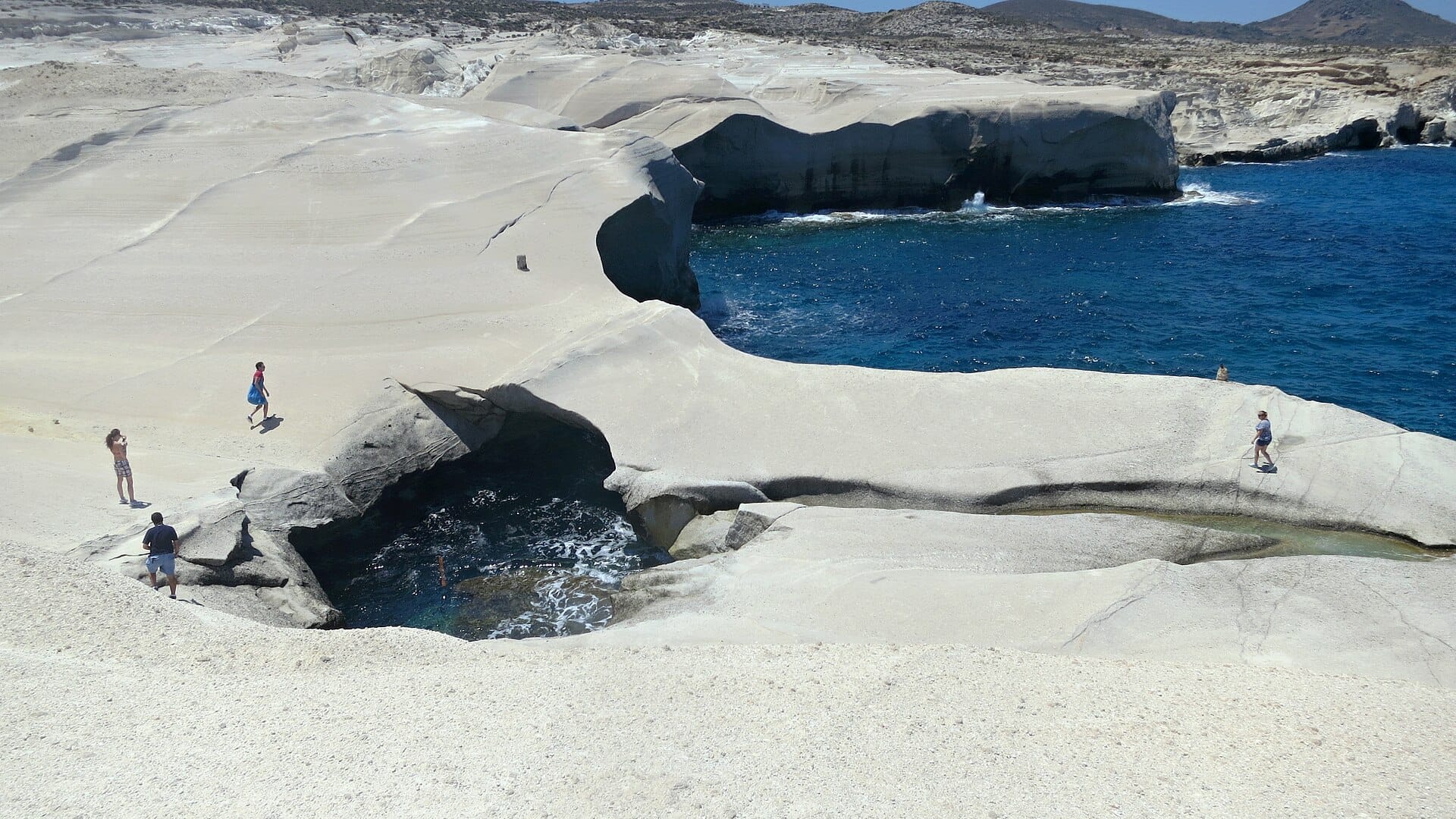
Sarakiniko, Milos
A shoreline of white volcanic rock eroded into smooth curves and inlets, unlike anywhere else in the Aegean. It is busiest in the middle of the day.
-
Kleftiko by boat
Sea caves and stacks on Milos's roadless south-west coast, reached only by boat, with swimming stops through arches and tunnels.
-
Plaka and Agios Prokopios
Naxos's long west-coast sand beaches, shallow and breezy and backed by dunes, with the southern stretches emptier and popular with kitesurfers.
-
The Portara, Naxos
A freestanding marble doorway from an unfinished temple of Apollo, standing on an islet by the harbour and the usual spot for sunset.
-
Naxos mountain villages
Halki, Apeiranthos and Filoti sit inland among olive terraces, with marble streets, a citron distillery and paths up Mount Zas.
-
Parikia and Naousa
Paros's two towns: one a ferry port with a notable Byzantine church, the other a former fishing harbour with a Venetian ruin in the water.
Getting there
-
Fly to
Spata-Artemida (ATH)
Nearest airport to Milos, about 145km away as the crow flies.
-
Then
To Adamas
Milos (MLO) is barely ten minutes by taxi from Adamas, the port town, though flights are small and seasonal. Most visitors arrive instead by ferry from Piraeus, three to five hours depending on the boat.
-
On the ground
Getting around
Ferries hop between Milos, Paros and Naxos in short legs through the summer. On Milos the beaches are scattered and often down rough tracks, so a hire car or the boat tours around the coast are how people get about.
Public transport: Island buses cover the main villages and a few beaches in season, and ferries handle the island hopping, but Milos's best coves want your own wheels or a boat.
Flights
Los Angeles Milos, Greece
Fly from anywhere — search 4,000+ airports worldwide.
Roughly 13h 50m in the air from Los Angeles (LAX), estimated from the distance — check for a direct route. Pick a month to see every available flight with live prices.
Check dates and prices
Pick your departure date, then your return.
Search flightsNot sure when? Compare fares across a whole month.
Flight times are estimates; prices open on Google Flights.
When to go
Daytime highs run from about 14°C in January to 27°C in August. Driest April and June to August; wettest in December, with rain on about 12 days. The sea is warmest in August at around 27°C, coolest at 17°C.
The year at a glance — pick a month for detail
August27° · rain 1 day · sea 27°Warm and dry.
Monthly figures averaged from daily records for 2020–2024 at this location (ERA5 reanalysis). Highlighted months are warm and mostly dry — May to October. Live conditions from MET Norway, CC BY 4.0.
Where to stay
Family-run studios and apartments with kitchenettes, small whitewashed hotels and a rising crop of boutique places with pools. Large resorts are rare and hostels rarer still.
-
Best base overall
Adamas, Milos
The ferry port, so arrivals and island tours are simple, with tavernas around the bay and a car hire desk on every corner. It is functional rather than lovely.
Find stays in Adamas, Milos -
Best with children
Naxos Town and Agios Prokopios
Long shallow sandy beaches minutes from a real town with a castle and shops. The meltemi wind can blow hard on this coast for days at a stretch.
Find stays in Naxos Town and Agios Prokopios -
Best for nightlife
Parikia or Naousa, Paros
Naousa keeps the smarter bars around its fishing harbour, Parikia the cheaper, louder ones by the port. Both are noisy in August, so ask where your room sits.
Find stays in Parikia or Naousa, Paros -
Quietest
Pollonia, Milos
A small fishing village at the north-east tip with good seafood and the boat to Kimolos. Sarakiniko and the west coast beaches are a drive away.
Find stays in Pollonia, Milos
Worth knowing before you book: Ferry timetables for the following summer appear late, so book rooms first and flexible fares second. August rates are roughly double June and September.
Search everything else in Adamas by budget. These are indicative budget bands in GBP per night for two people, not live quotes or guarantees of hotel type. Check your dates, guests, taxes and final price on Booking.com.
Good to know
- Ferries
- Fast and conventional ferries link the three islands and Piraeus daily in season. Strong meltemi winds in July and August can cancel sailings.
- Timing
- The meltemi blows hardest in high summer, which suits windsurfers and unsettles everyone else. June and September are calmer.
- Driving
- A small hire car or a quad reaches the remoter beaches. Book vehicles well ahead in August, when islands genuinely run out.
- Beaches
- Many bays have no shade and no facilities. Take water and an umbrella, and check a track is passable before committing the car.
- Cash or card
- Cards are accepted in most tavernas now, but remote beach canteens and small bakeries still prefer euros in cash.
Similar places
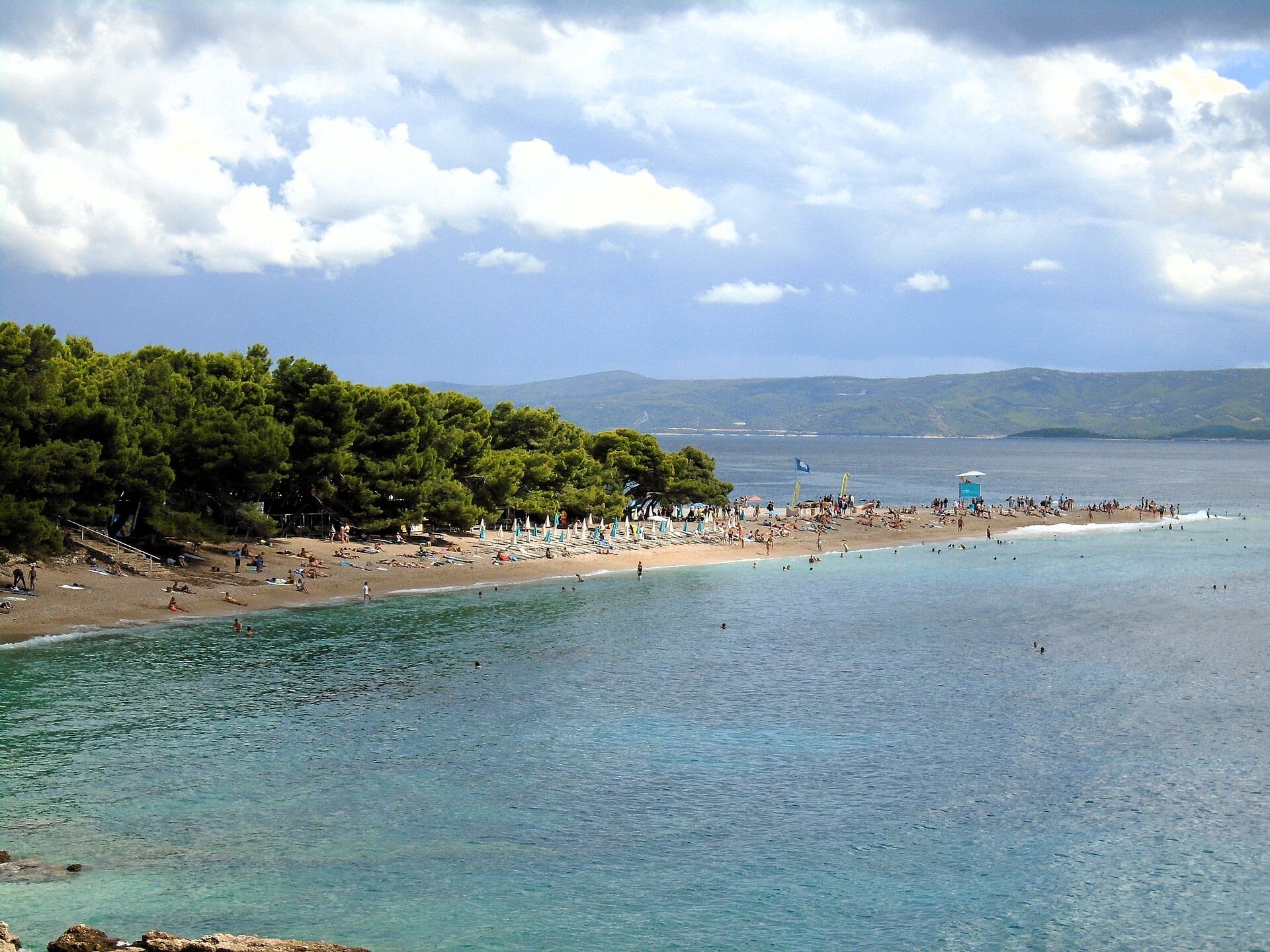
Dalmatia: Hvar
Vis and Korčula, CroatiaAlso for beach lovers and couples · 27°C in August, as here
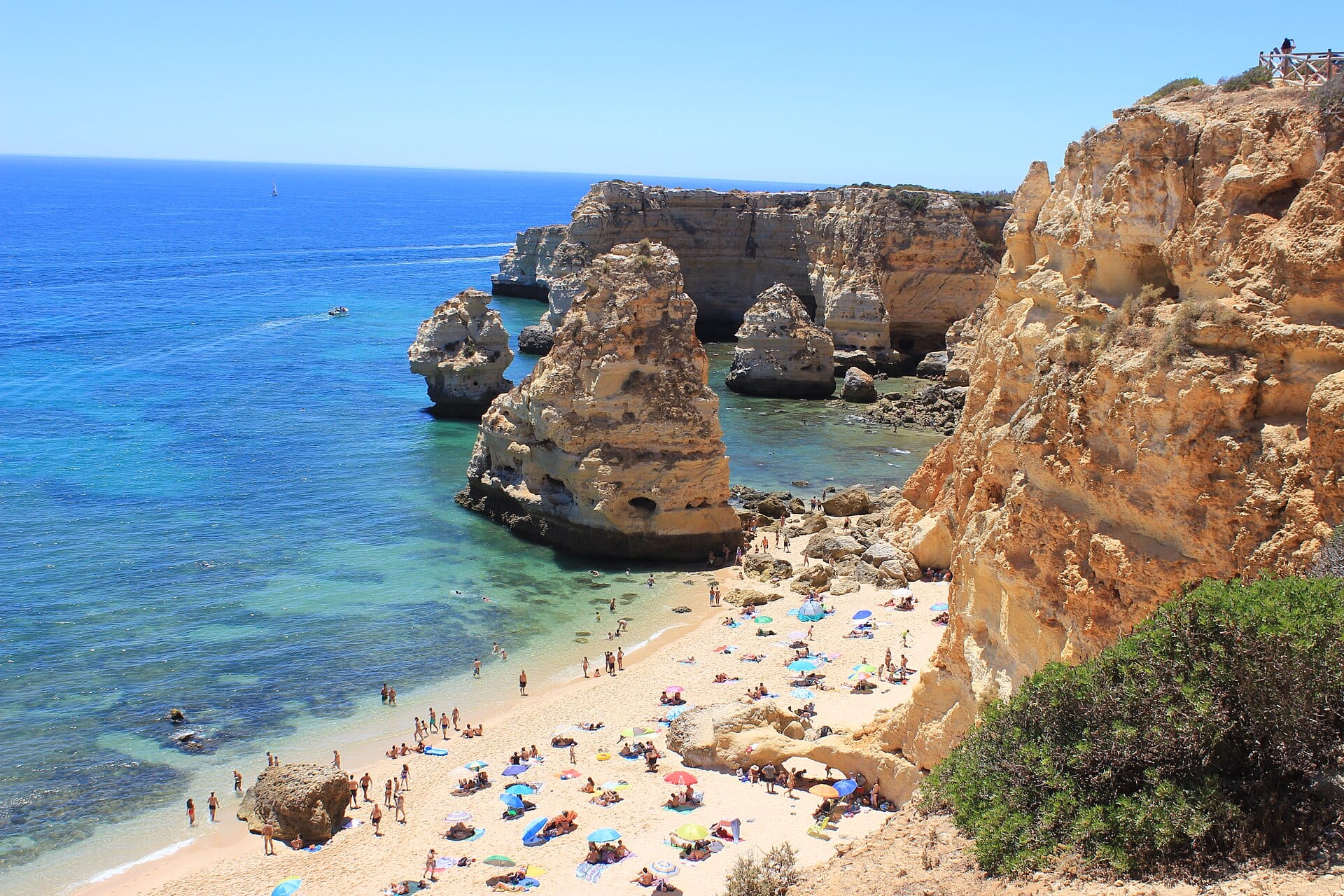
Praia da Marinha
Algarve, PortugalAlso for beach lovers and couples · 32°C in August (27°C here)
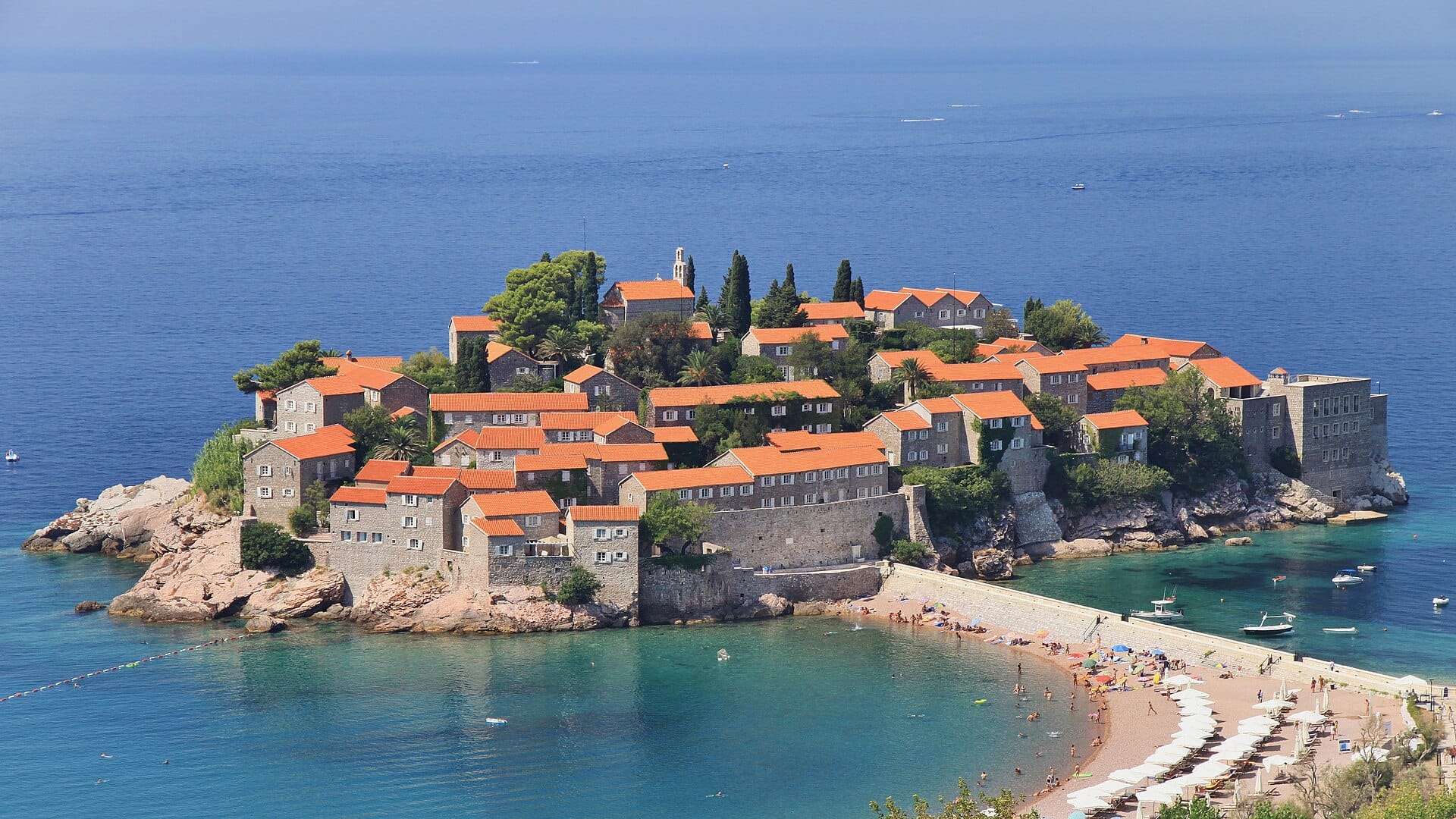
Sveti Stefan
MontenegroAlso for beach lovers and couples · 29°C in August (27°C here) · cheaper to stay
Nearby destinations
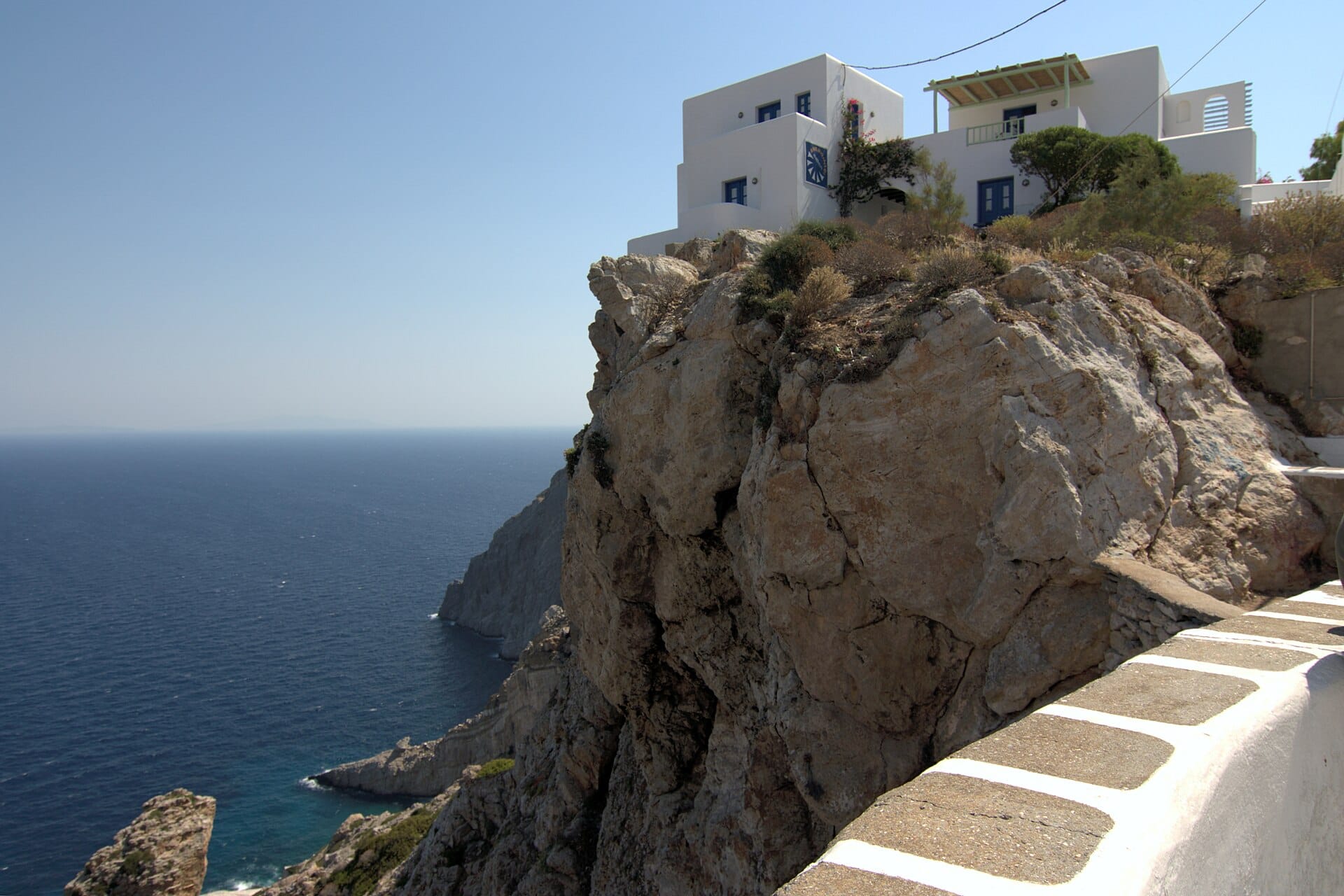
Folegandros
Greece · 37km away →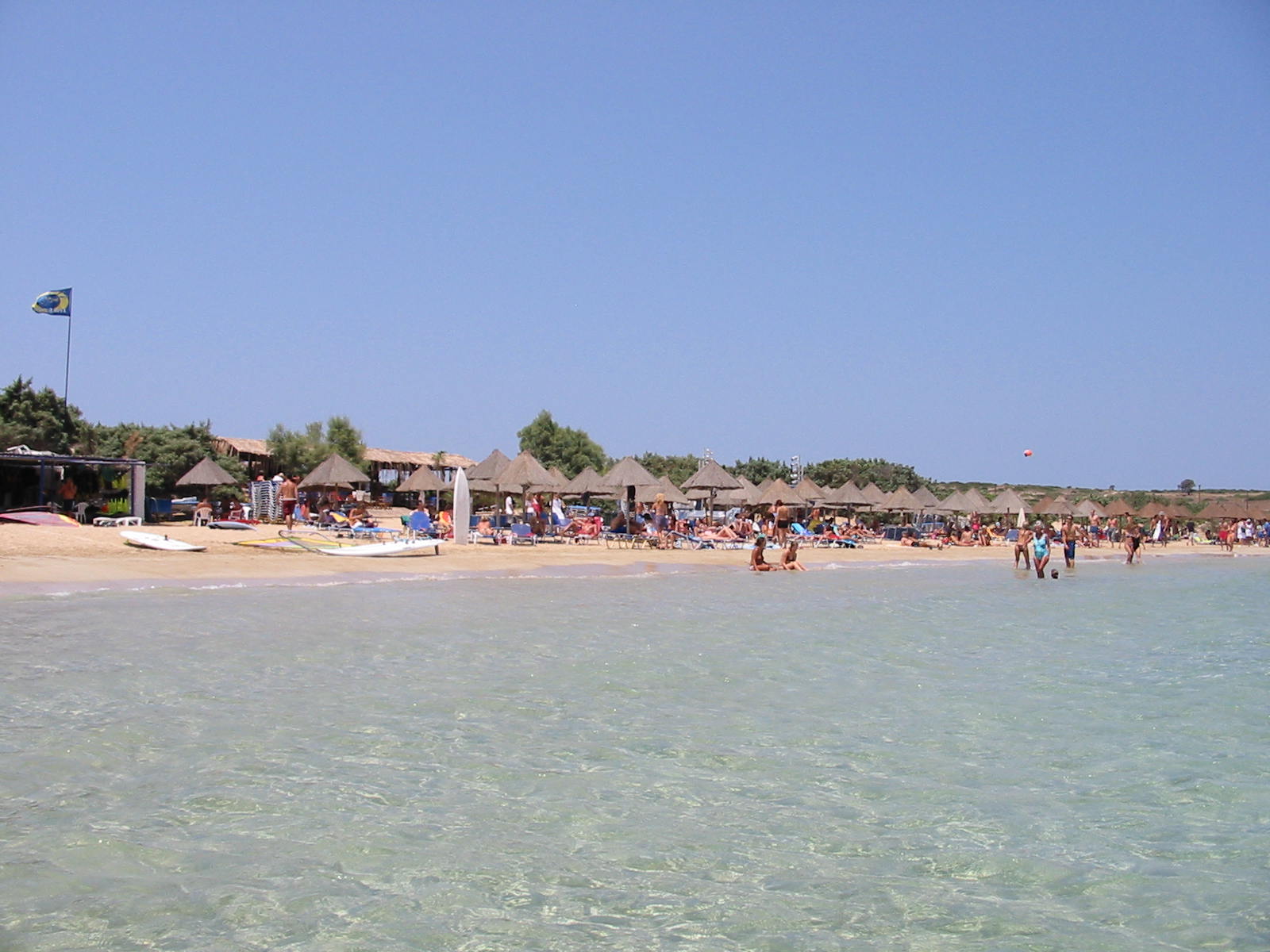
Antiparos
Greece · 58km away →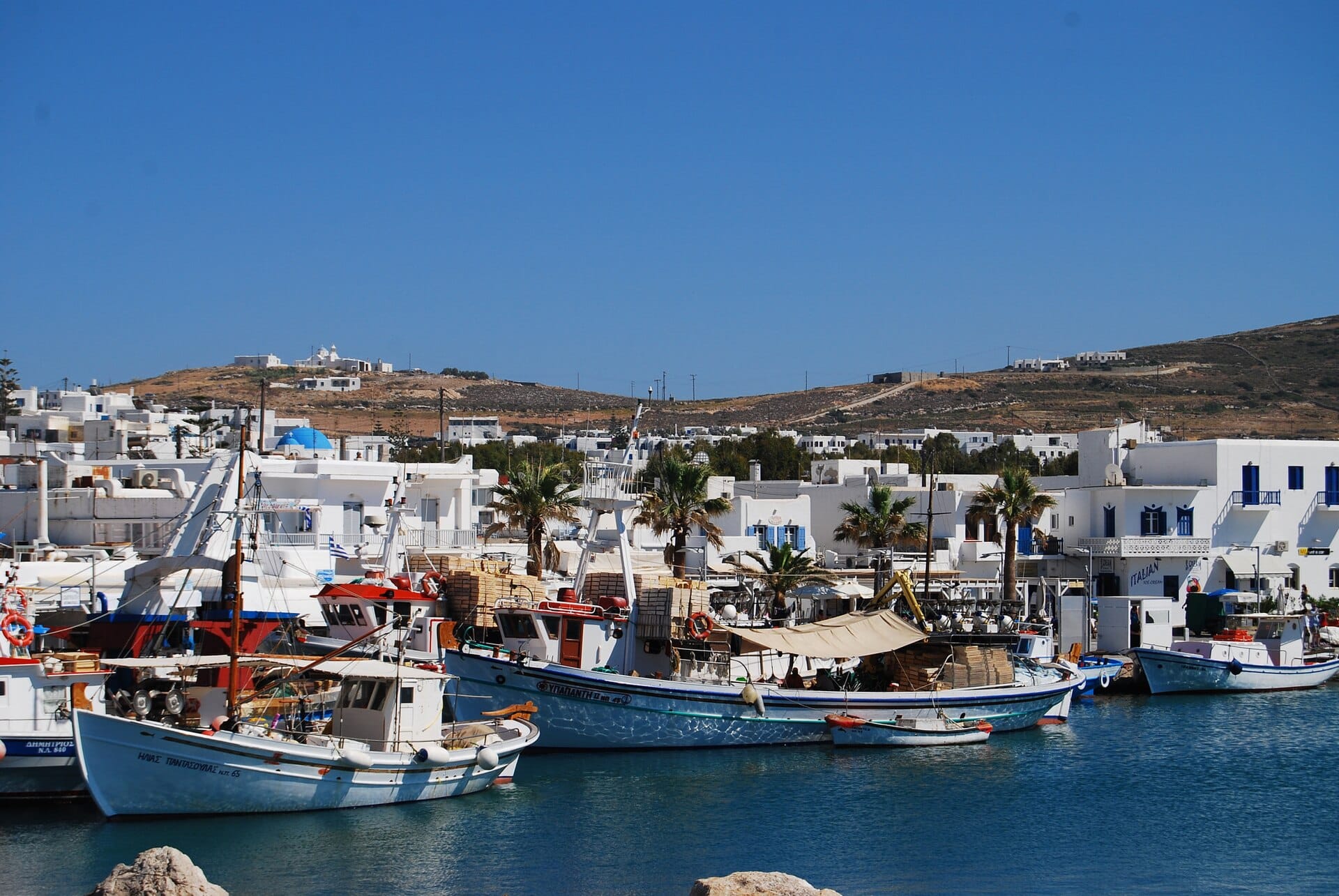
Naousa
Paros, Greece · 80km away →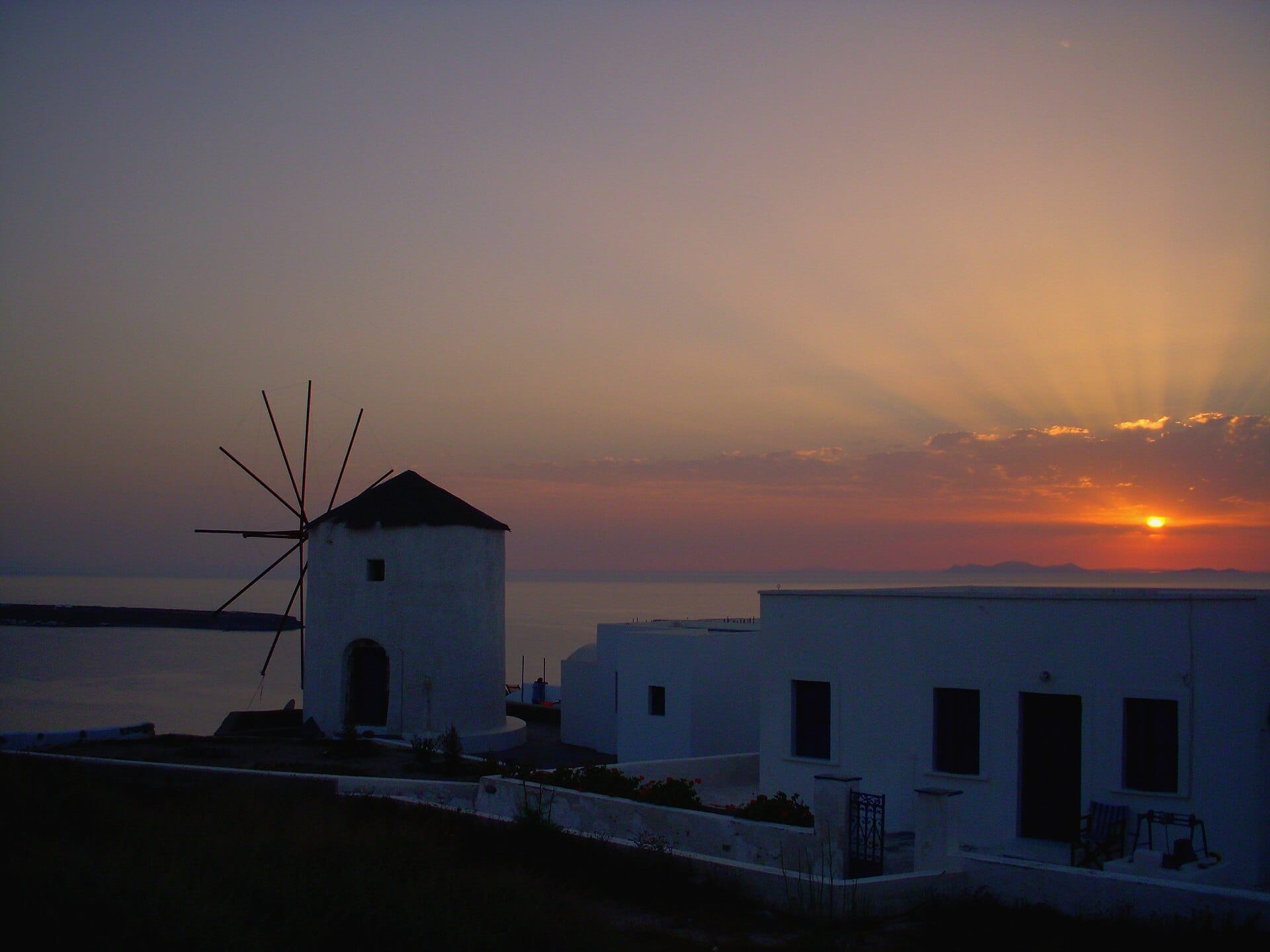
Oia
Santorini, Greece · 82km away →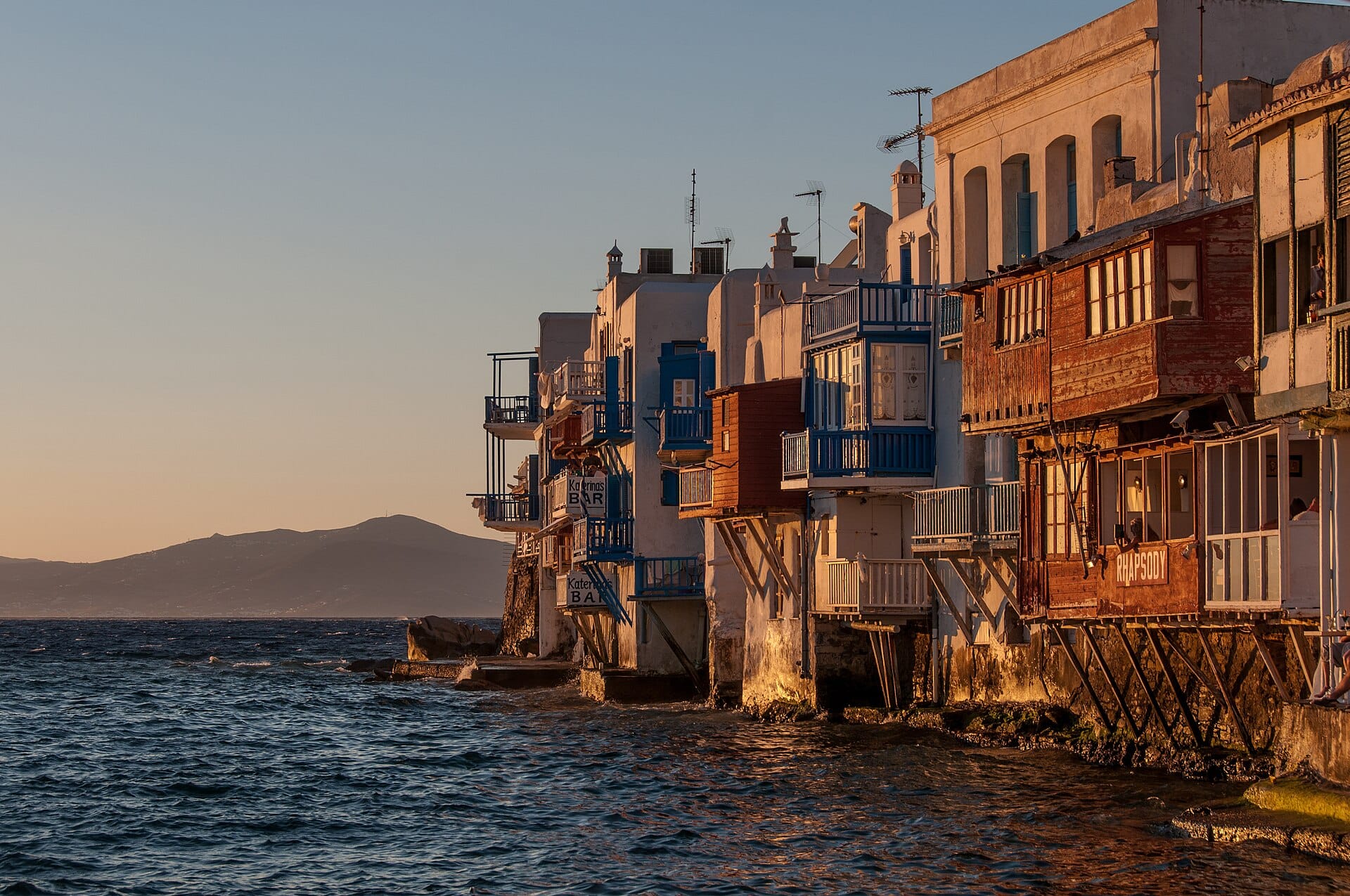
Little Venice
Mykonos, Greece · 110km away →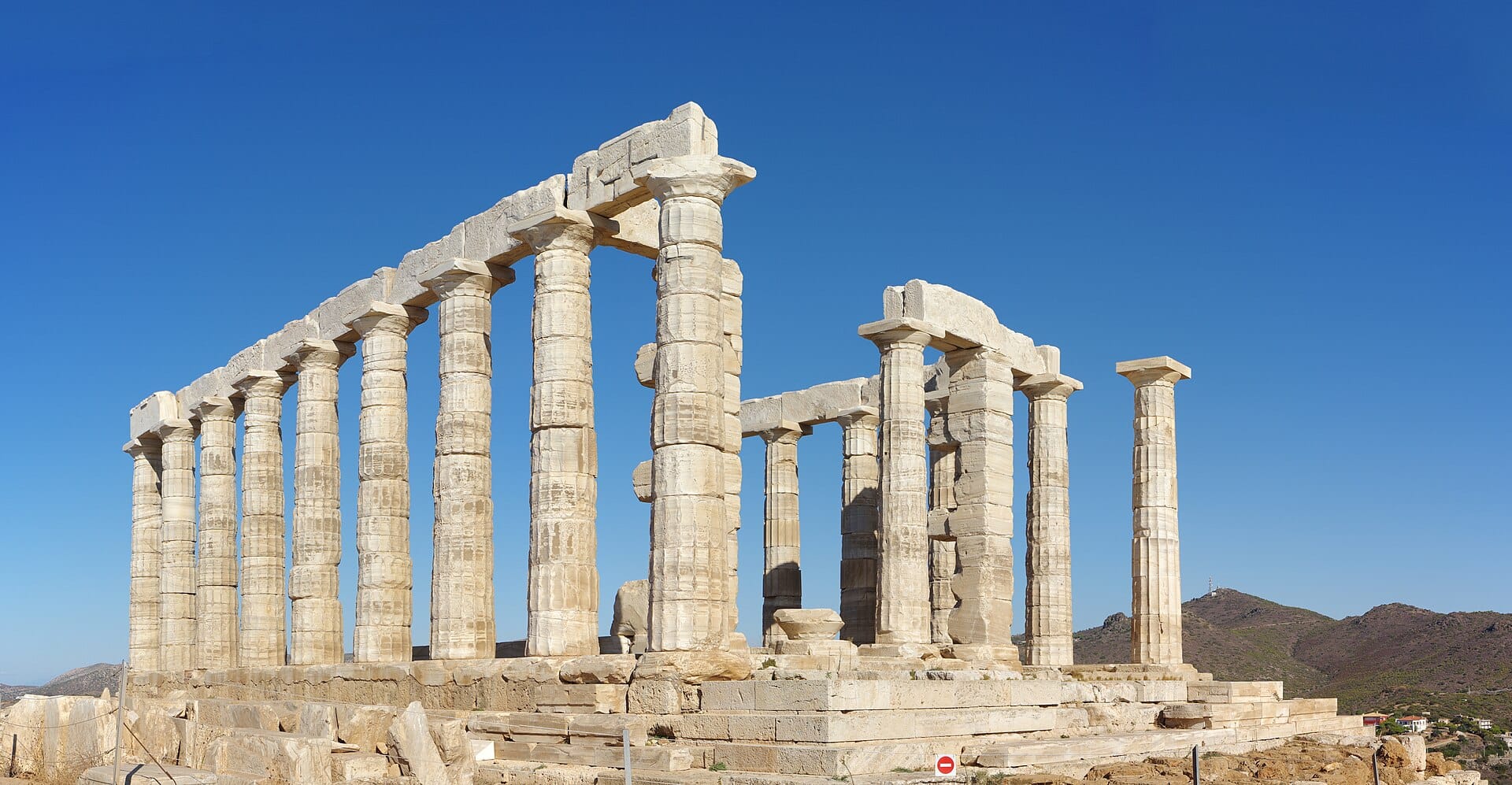
Cape Sounion
Greece · 113km away →Elsewhere in Greece
Related articles
Quick answers
When is the best time to visit The Cyclades: Paros?
For warm, mostly dry days, May to October. That means highs of 20–34°C with rain on six days a month or fewer. Daytime highs run from about 14°C in January to 27°C in August. Driest April and June to August; wettest in December, with rain on about 12 days. The sea is warmest in August at around 27°C, coolest at 17°C.
How long should I spend in The Cyclades: Paros?
Our suggestion: 10–14 nights.
How do I get to The Cyclades: Paros?
Milos (MLO) is barely ten minutes by taxi from Adamas, the port town, though flights are small and seasonal. Most visitors arrive instead by ferry from Piraeus, three to five hours depending on the boat.
Do I need a car in The Cyclades: Paros?
Yes, a car makes a real difference here. Island buses cover the main villages and a few beaches in season, and ferries handle the island hopping, but Milos's best coves want your own wheels or a boat.
What currency and language are used in The Cyclades: Paros?
Currency: Euro (EUR). Language: Greek. Plugs: type C and F.
Who is The Cyclades: Paros best for?
Best for beach lovers, couples and photographers. In a phrase: sun-bleached, breezy, unhurried.