
The Algarve
Calm, gently shelving beaches, sea caves to kayak into, water parks for the demanding middle years and boat trips to spot dolphins — the Algarve is family engineering at its finest.
- Best forFamilies · Beach lovers · Couples
- In March18°C · 9 rainy days
- Ideal stayA week
- Approx. flying time~11h 40m from Los Angeles
- CurrencyEUREuro
- LanguagePortuguese
- Local time11:17same time as the UK
- PlugsType C / FBring an adapter
- Drive on theRightOpposite to the UK
- Dialling code+351
Why go
The southern coast splits into two characters. West of Faro, ochre cliffs are cut into coves and sea stacks with pockets of sand between them; east, towards Spain, the Ria Formosa lagoon shelters sandbar islands and flat, warm water. Behind both lies a low interior of orange groves and quiet market towns. The sea is calmer and clearer than on the Atlantic west coast, which is why families keep coming.
A week or ten days works, based near Lagos, Carvoeiro or Tavira depending on how lively you want it. Transfers from Faro are short, rarely more than an hour. Summer is hot and busy, while spring and autumn stay warm enough to swim and far easier to book. The Atlantic beaches near Sagres are beautiful but too rough for small children.
- Ideal stay
- A week
- The vibe
- Golden, easy, gently weathered
From our guides
Transfers from Faro are mercifully short, and towns like Lagos and Carvoeiro balance beach days with pretty old centres. Grown-ups get cliff-top walks, seafood cataplana and some of Europe's most reliable sunshine.
Featured in Ten family holiday destinations in Europe, from toddlers to teens
Things to do
-
Benagil and the sea caves
Boat and kayak trips run along the cliffs to the domed cave at Benagil. Landing inside is no longer permitted, so you see it from the water.
-
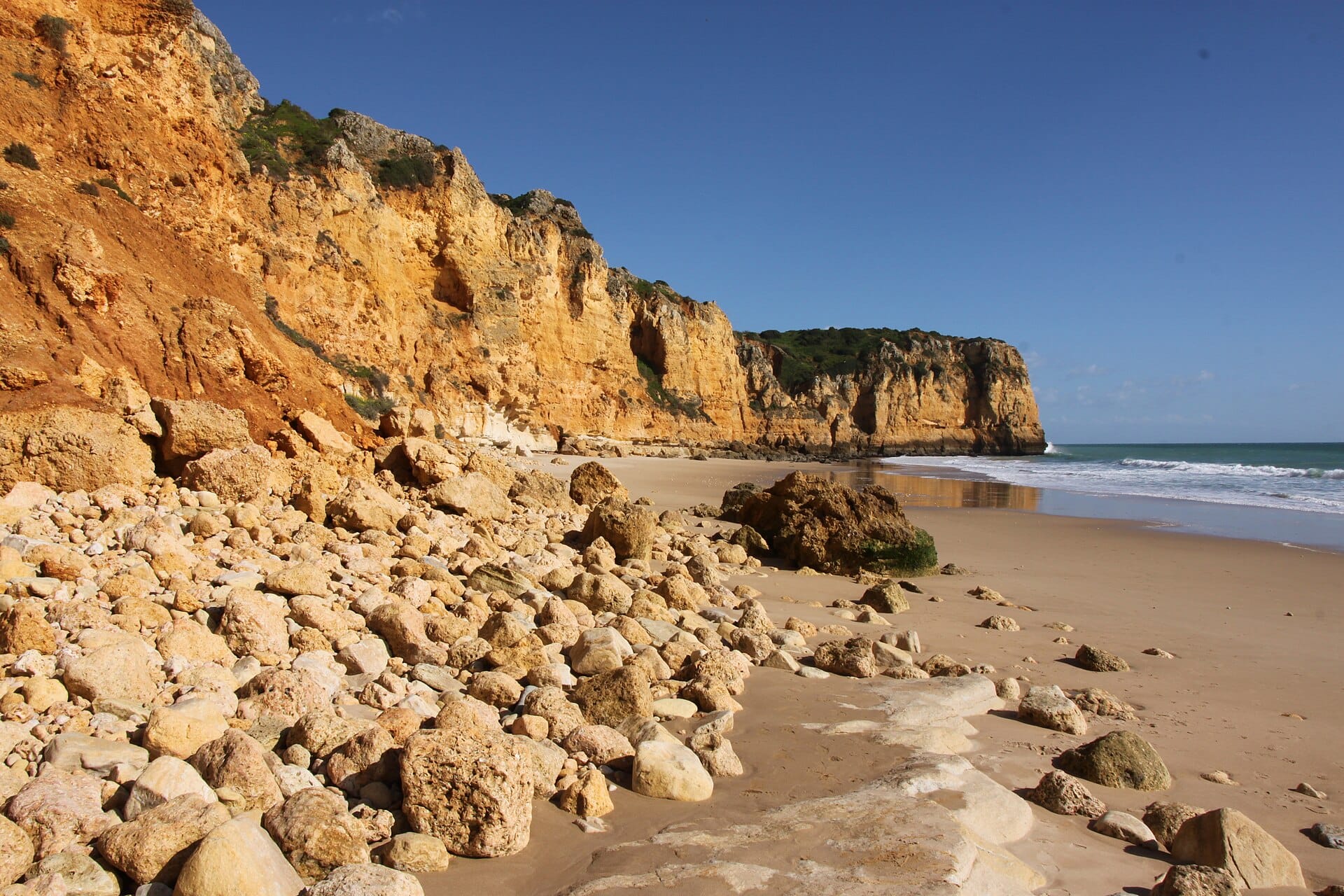
Praia da Marinha
One of the most photographed cliff-backed beaches on the coast, with clear water and rock arches. Steps down mean it is not pushchair friendly.
-
Ria Formosa islands
Ferries from Faro, Olhao and Tavira reach barrier-island beaches with shallow, sheltered water and lagoon birdlife along the way.
-
Sagres and Cape St Vincent
The south-western corner of Europe, with a fort, high cliffs and serious Atlantic swell. Windy, dramatic and better for looking than swimming.
-
Seven Hanging Valleys walk
A cliff-top path of about six kilometres between Praia da Marinha and Praia de Vale Centeanes, passing blowholes and coves on the way.
-
Cataplana and grilled sardines
The regional copper-pot stew of clams, fish and sausage, and simple charcoal-grilled sardines eaten straight off the grill through the summer months.
Getting there
-
Fly to
Faro (FAO)
Nearest airport to The Algarve, about 10km away as the crow flies.
-
Then
To Lagos
Faro (FAO) is the gateway and transfers are short: about 20 minutes to the eastern resorts, an hour or so west to Lagos. Trains run along the coast from Faro to Lagos in around an hour and a half.
-
On the ground
Getting around
Resort towns are compact and walkable, and boat trips to the sea caves and dolphin grounds leave from harbours at Lagos, Portimão and Albufeira. Beaches beyond town usually mean a short drive or taxi.
Public transport: The coastal railway plus regional buses cover the main towns well, though the emptier western beaches need wheels.
Flights
Los Angeles The Algarve, Portugal
Fly from anywhere — search 4,000+ airports worldwide.
Roughly 11h 40m in the air from Los Angeles (LAX), estimated from the distance — check for a direct route. Pick a month to see every available flight with live prices.
Check dates and prices
Pick your departure date, then your return.
Search flightsNot sure when? Compare fares across a whole month.
Flight times are estimates; prices open on Google Flights.
When to go
Daytime highs run from about 16°C in January to 30°C in July. Driest in July and August; wettest in March, with rain on about 9 days.
The year at a glance — pick a month for detail
March18° · rain 9 daysCool with rain most weeks.
Monthly figures averaged from daily records for 2020–2024 at this location (ERA5 reanalysis). Highlighted months are warm and mostly dry — May to September. Live conditions from MET Norway, CC BY 4.0.
Where to stay
Villas and apartments with shared pools dominate, alongside big beach resorts, aparthotels and a growing set of design hotels inland. Small guesthouses cluster in the older towns.
-
Best base overall
Lagos
A walled town with real life behind the beaches, the cave boats from the marina and a short run from Faro. It gets loud in the old town in summer, which suits some and not others.
Find stays in Lagos -
Best with children
Carvoeiro or Praia da Luz
Small, contained resorts with sheltered, gently shelving beaches and villa complexes with pools. Both are hilly, so check how many steps sit between you and the sand.
Find stays in Carvoeiro or Praia da Luz -
Best for nightlife
Albufeira Old Town and Oura
The strip that fuels the Algarve's reputation, with bars until dawn and the cheapest packages. Families should stay well west of it, or east at Olhos de Agua.
Find stays in Albufeira Old Town and Oura -
Quietest
Tavira
East towards the Spanish border, a graceful riverside town whose beaches sit on sandbank islands reached by ferry. That boat trip is charming until you are carrying beach kit.
Find stays in Tavira
Worth knowing before you book: Villas nearly always run Saturday to Saturday in July and August and go early. Faro transfers are short, but the western Algarve is a good hour and a half.
Our picks in this destination
Or search everything else in Lagos by budget. These are indicative budget bands in GBP per night for two people, not live quotes or guarantees of hotel type. Check your dates, guests, taxes and final price on Booking.com.
Good to know
- Getting there
- Faro airport serves the whole coast and most resorts are within an hour by road. Hire cars are cheap but book early for school holidays.
- Beaches
- Many cliff beaches are reached by steps and can be cut off by the tide. Watch the flags and keep away from the cliff base, which does collapse.
- Timing
- August is peak season for Portuguese and British holidays alike. May, June, September and October are warm, cheaper and far calmer.
- With kids
- The eastern lagoon beaches and the sheltered coves have the gentlest water. Water parks cluster around Albufeira and Lagoa.
- Language
- English is widely spoken along the coast, less so inland. A few words of Portuguese go a long way in the villages.
Similar places
Nearby destinations
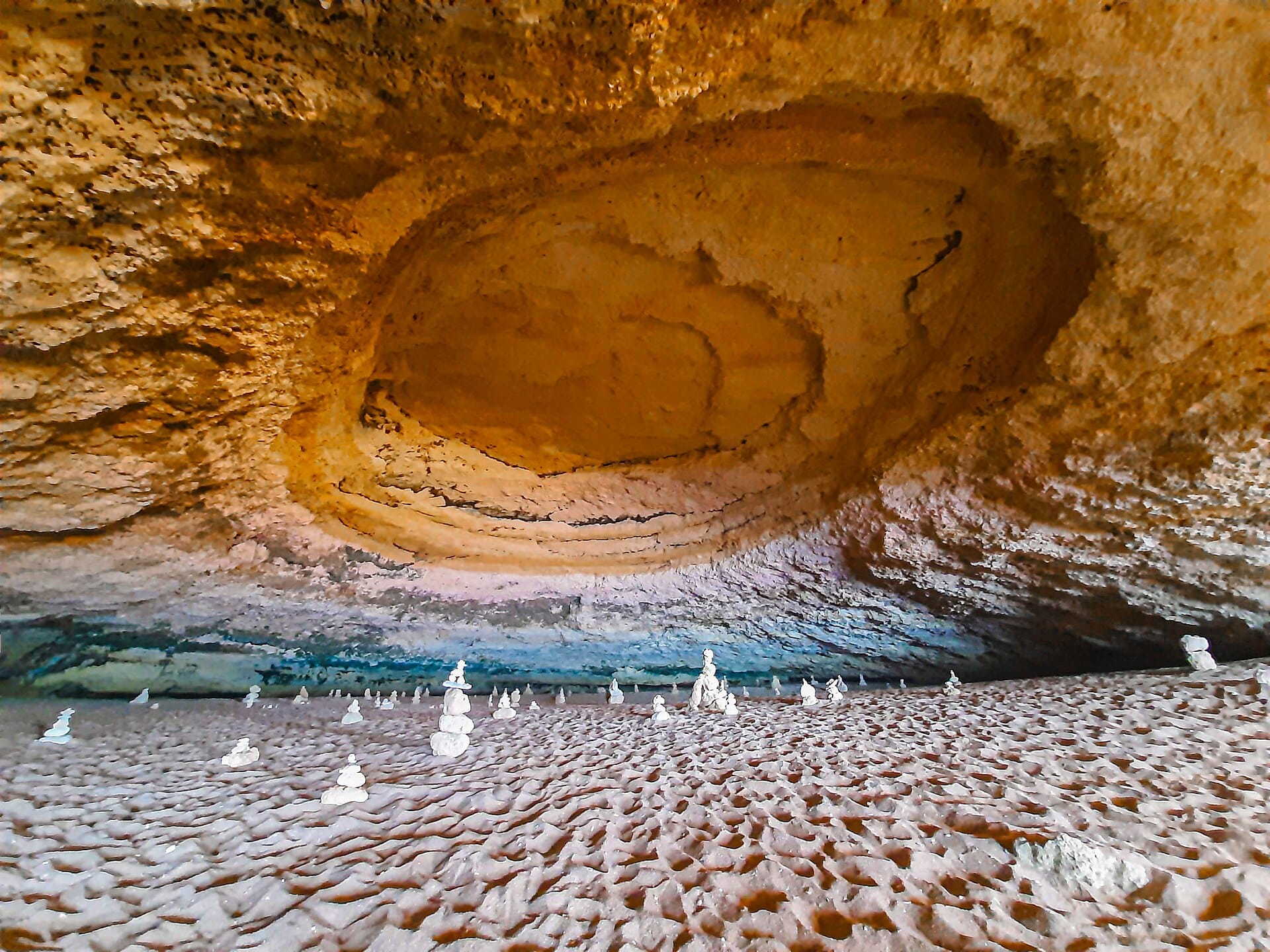
Kayaking the Benagil caves
Algarve, Portugal · 22km away →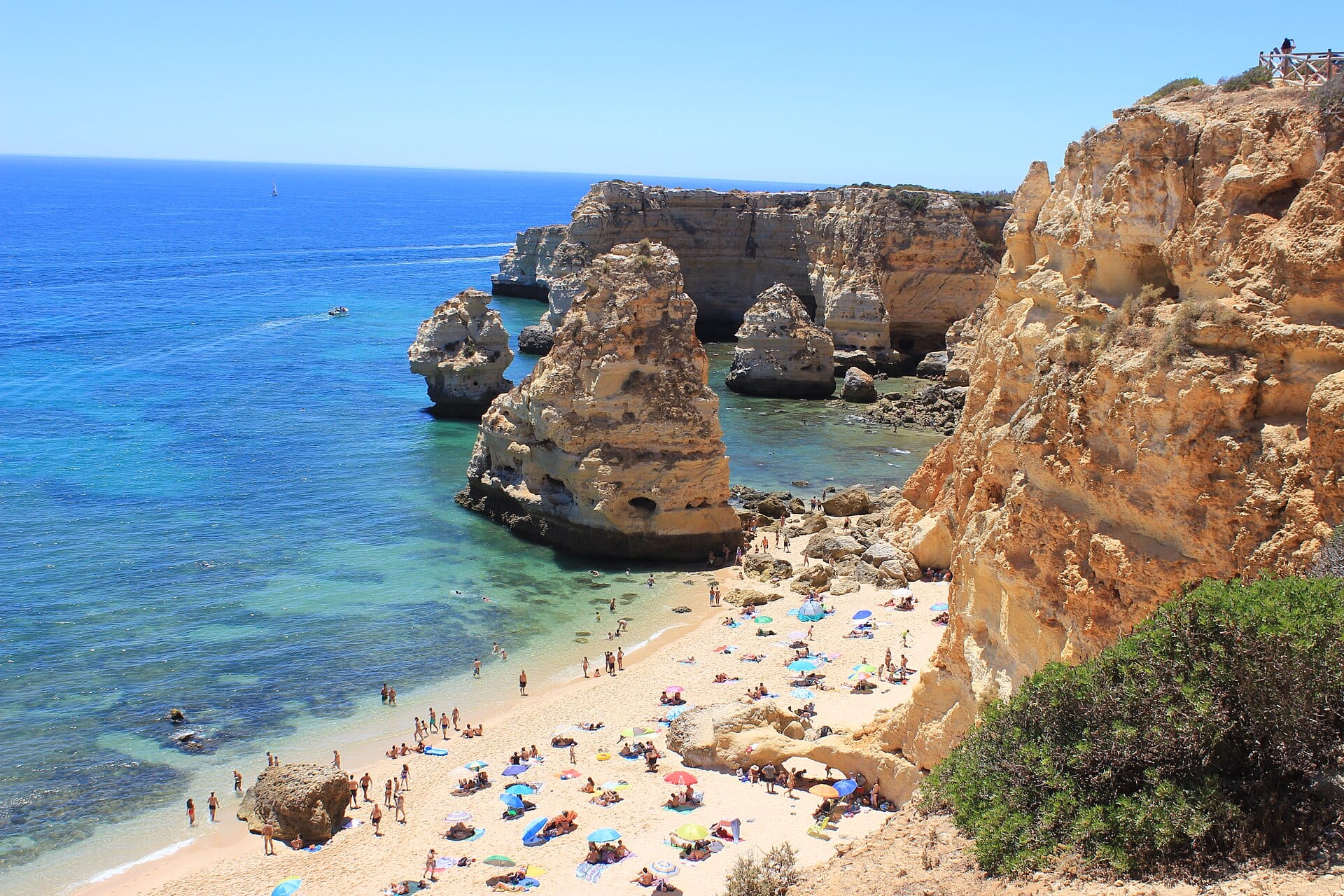
Praia da Marinha
Algarve, Portugal · 35km away →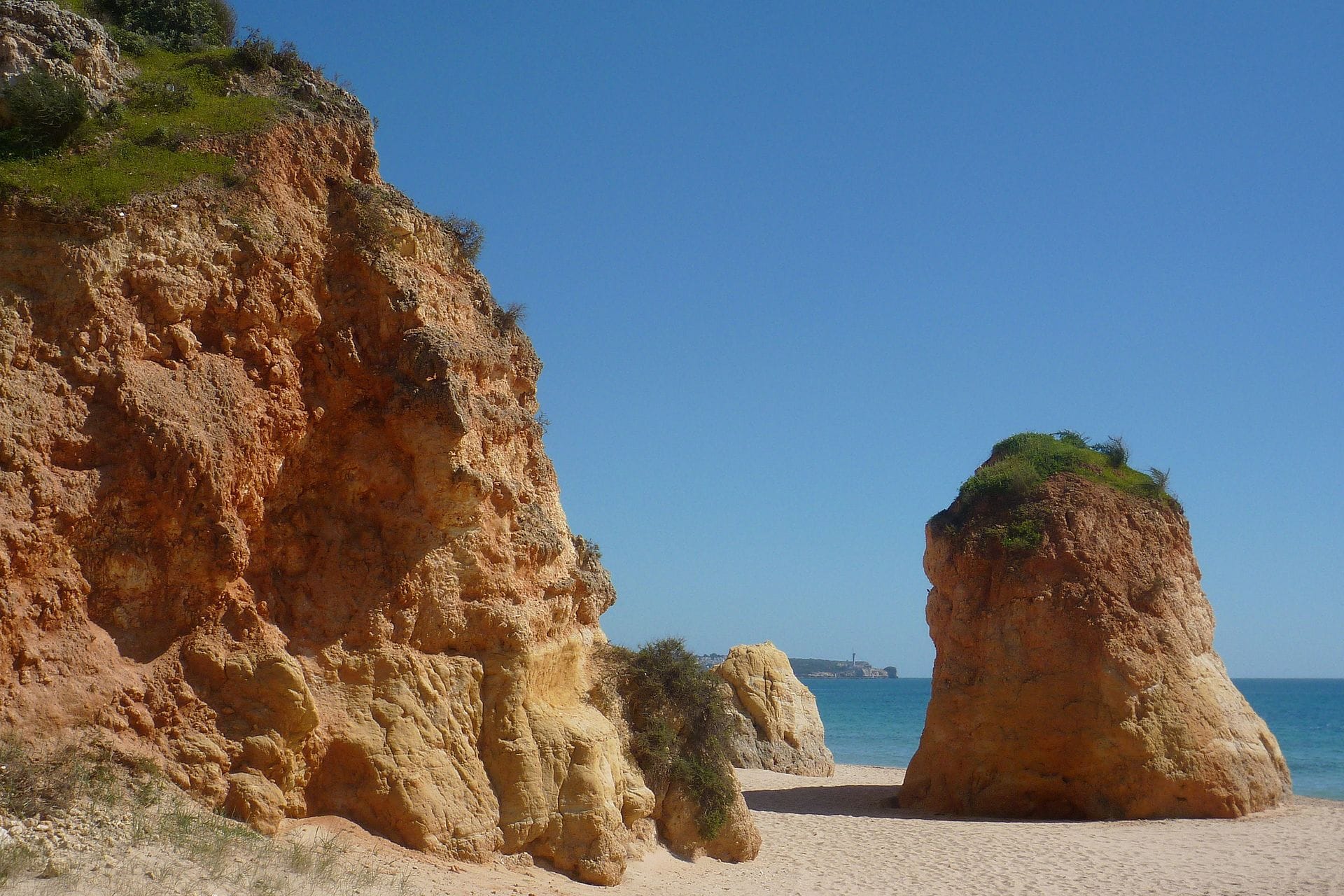
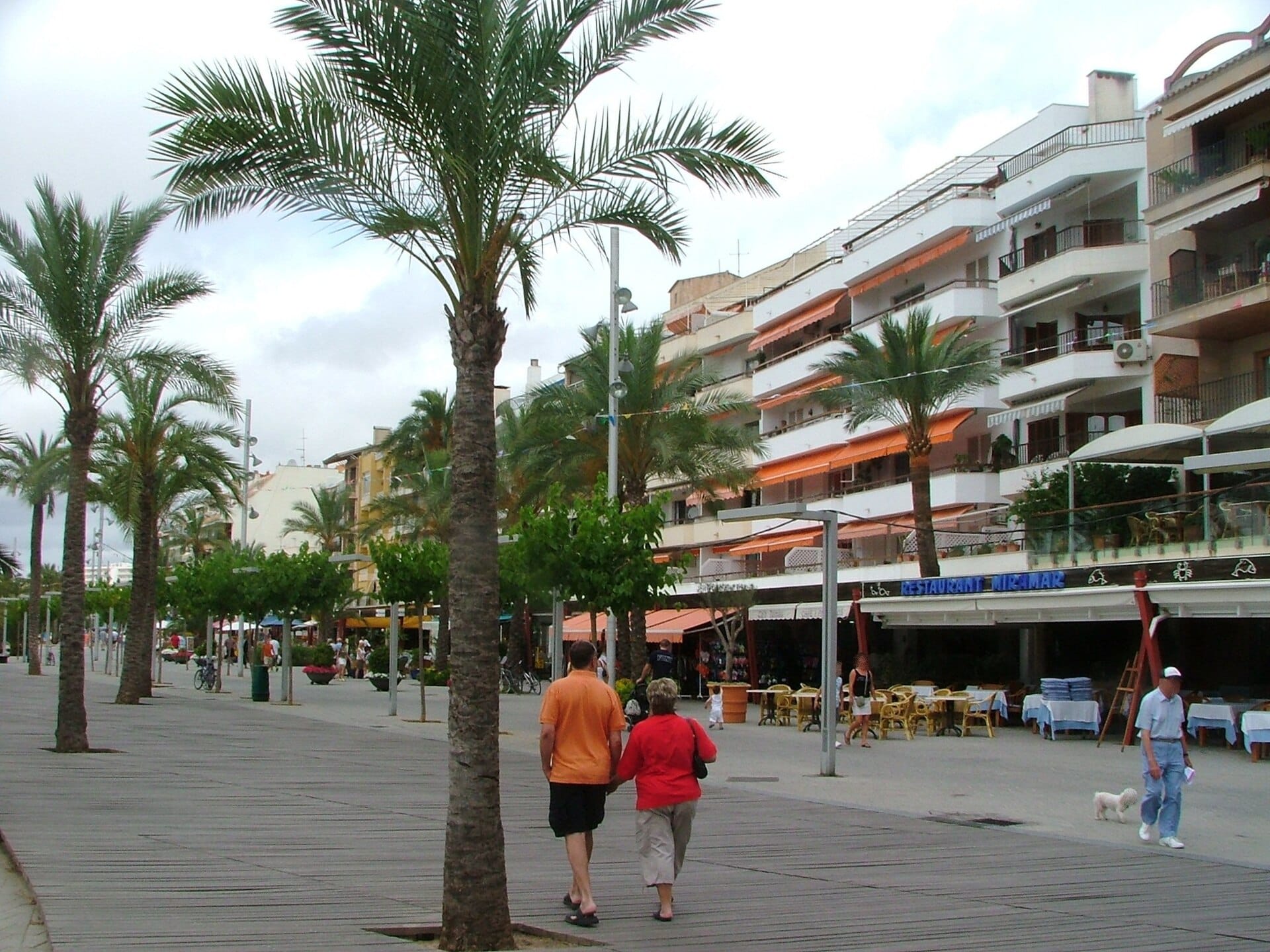
Alvor
the Algarve, Portugal · 51km away →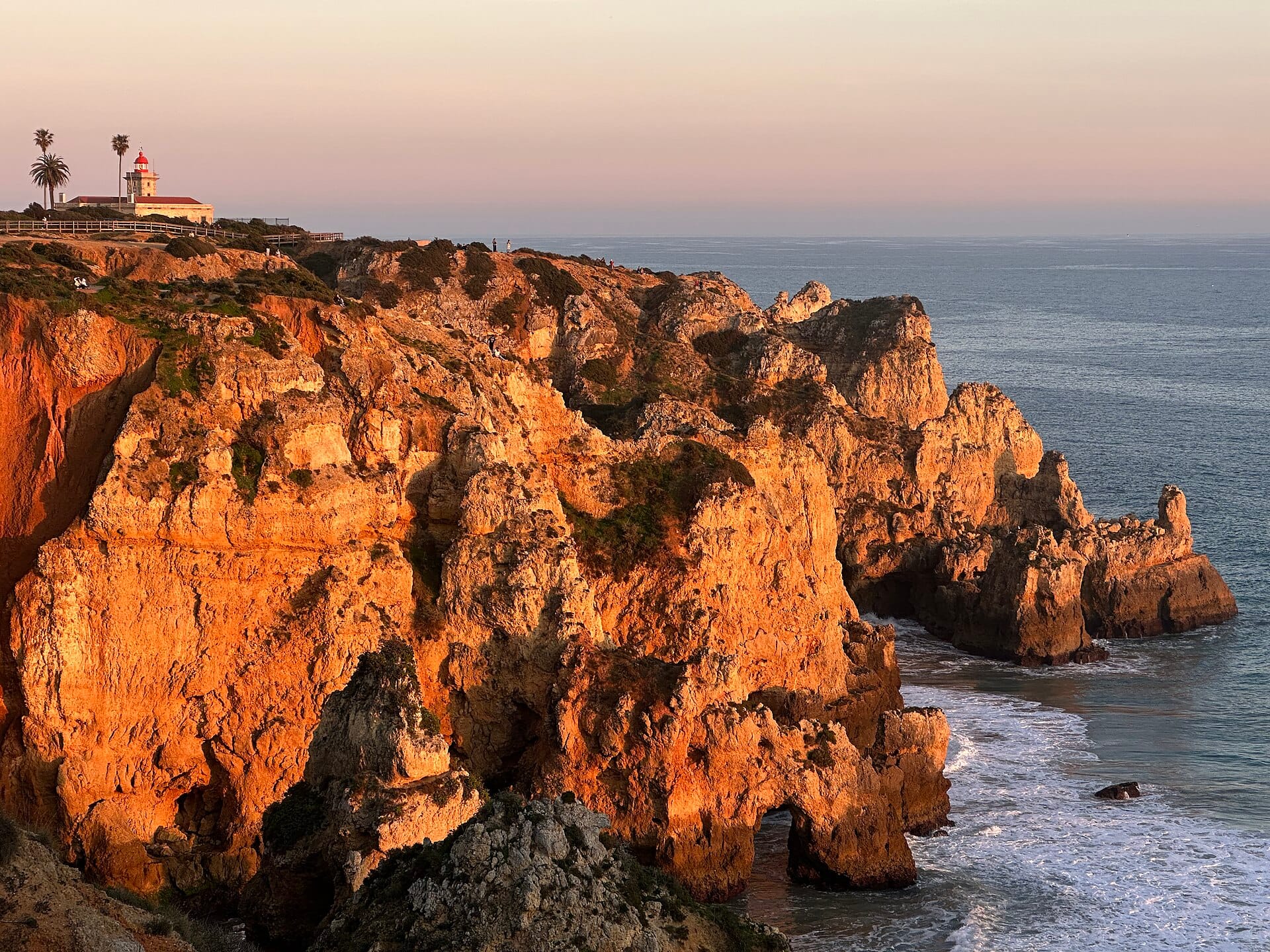
Ponta da Piedade
Algarve, Portugal · 57km away →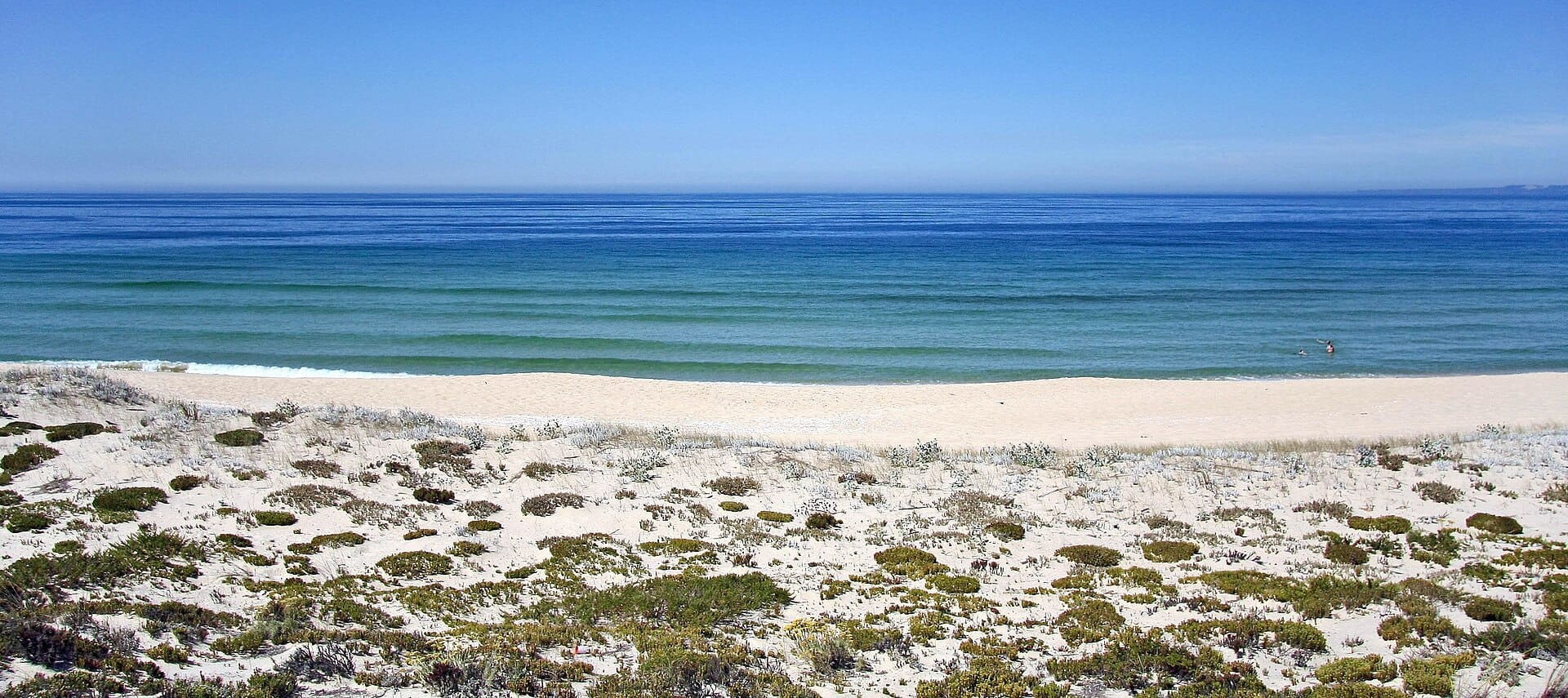
Comporta
Portugal · 158km away →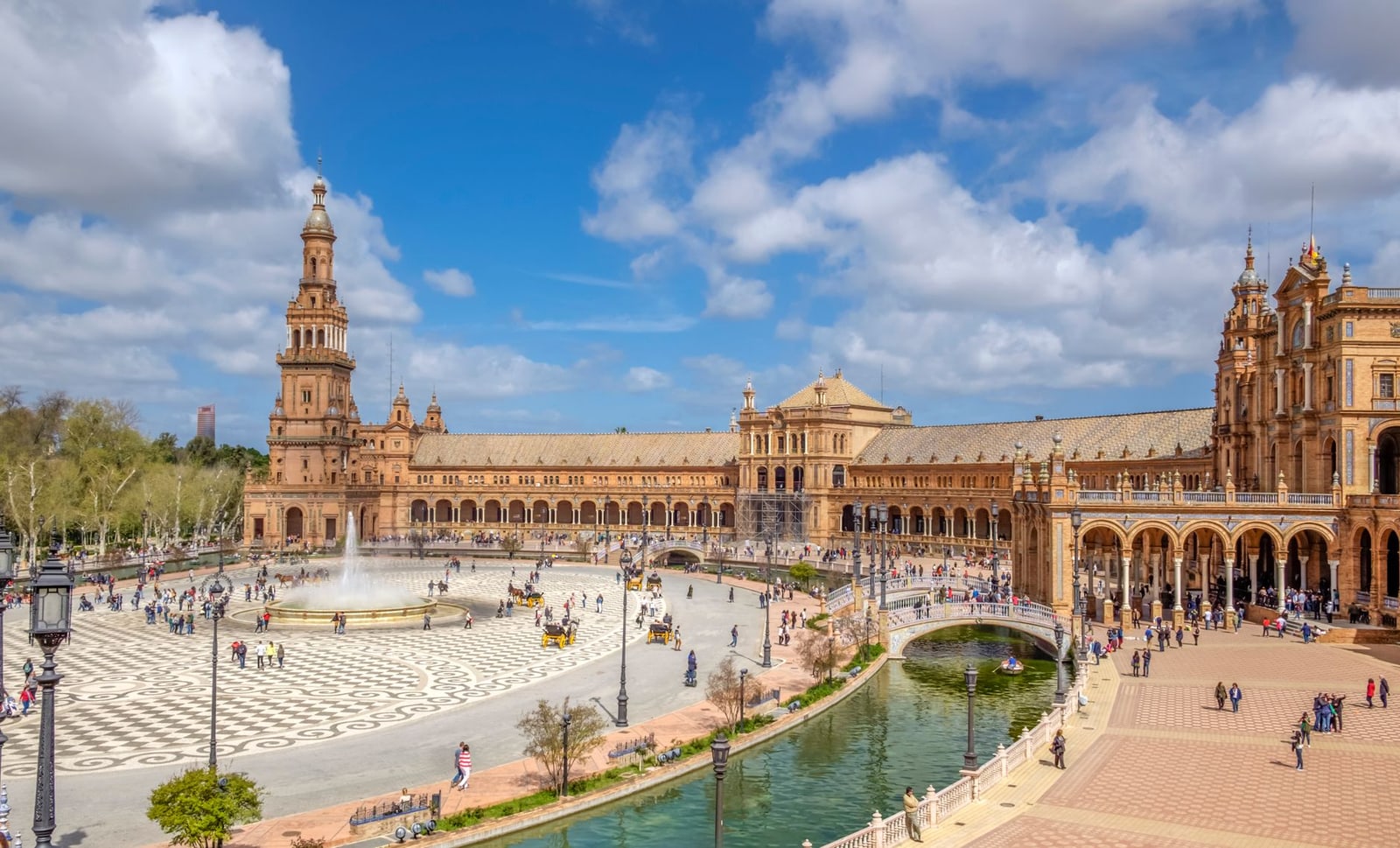
Seville
Spain · 182km away →Elsewhere in Portugal
Related articles
Quick answers
When is the best time to visit The Algarve?
For warm, mostly dry days, May to September. That means highs of 20–34°C with rain on six days a month or fewer. Daytime highs run from about 16°C in January to 30°C in July. Driest in July and August; wettest in March, with rain on about 9 days.
How long should I spend in The Algarve?
Our suggestion: a week.
How do I get to The Algarve?
Faro (FAO) is the gateway and transfers are short: about 20 minutes to the eastern resorts, an hour or so west to Lagos. Trains run along the coast from Faro to Lagos in around an hour and a half.
Do I need a car in The Algarve?
No. The coastal railway plus regional buses cover the main towns well, though the emptier western beaches need wheels.
What currency and language are used in The Algarve?
Currency: Euro (EUR). Language: Portuguese. Plugs: type C and F.
Who is The Algarve best for?
Best for families, beach lovers and couples. In a phrase: golden, easy, gently weathered.