
Tenerife
Tenerife offers a mix of beach days, pools, boat trips and attractions such as Siam Park.
- Best forFamilies · Walkers & hikers · Beach lovers
- In January21°C · barely any rain
- Ideal stayA week
- Approx. flying time~11h 40m from Los Angeles
- CurrencyEUREuro
- LanguageSpanish
- Local time13:10same time as the UK
- PlugsType C / FBring an adapter
- Drive on theRightOpposite to the UK
- Dialling code+34
Why go
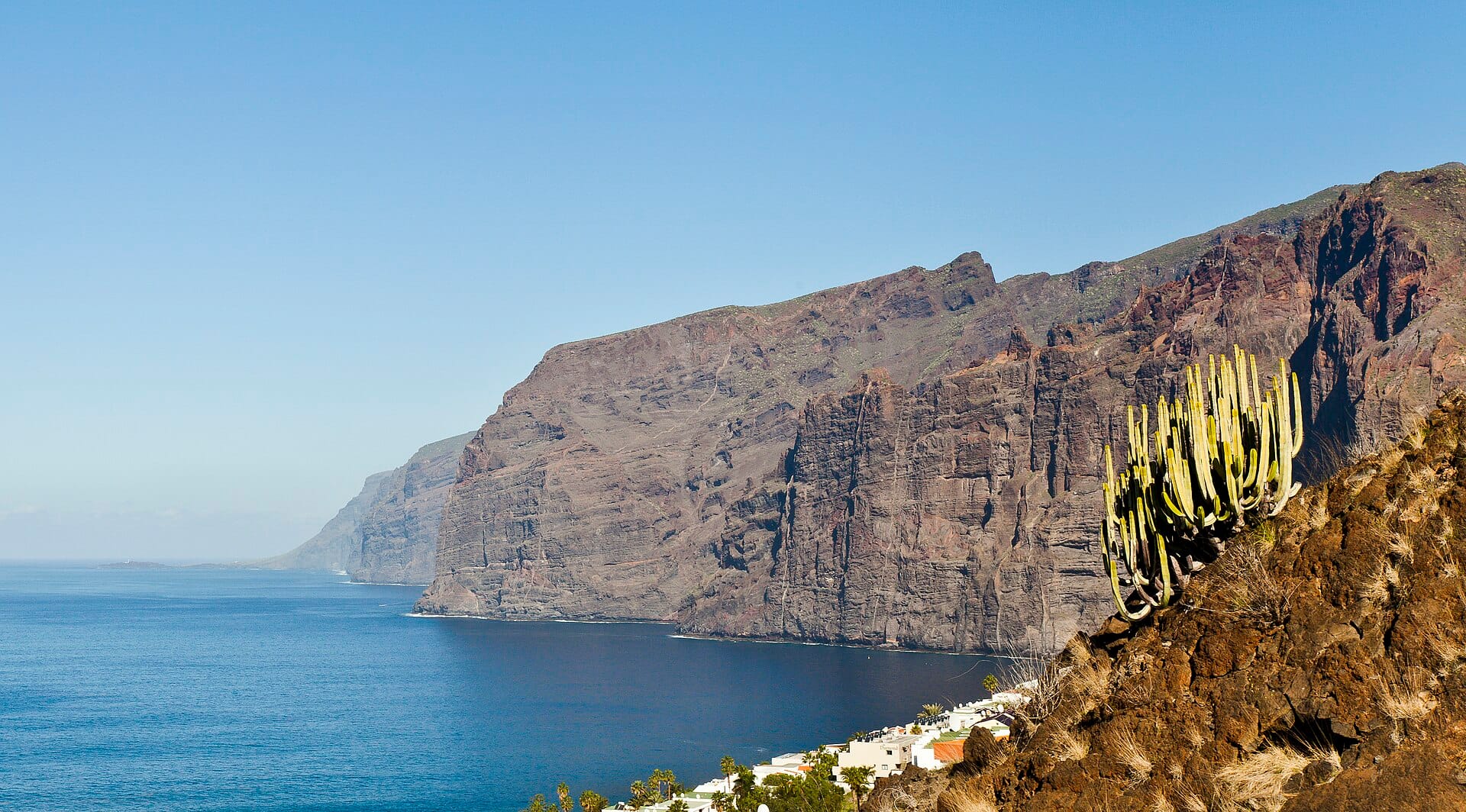
Two islands share one landmass here. The south is dry, low-rise and reliably hot, with resort towns strung along the coast and dark volcanic sand between them; the north is green, cloudier and far more Spanish, with banana terraces, laurel forest and the handsome colonial streets of La Orotava. Between the two rises Teide, a volcano high enough to hold snow while people swim below it.
A week works well: a beach base in the south, one day up the mountain, a day or two exploring the north. Winter is the point, when coastal temperatures sit in the low twenties and Britain does not. Summer is hot but rarely unbearable by the sea. Those seeking a quiet, undeveloped island should look to La Gomera or El Hierro instead.
- Ideal stay
- A week
- The vibe
- Volcanic, sunny, dependably easy
From our guides
A southern base around Costa Adeje or Los Cristianos puts many holiday facilities close together; the north makes a different trip, with greener scenery and historic towns. For Teide, check the conditions and operator's restrictions before booking, particularly for younger children. Sunshine is never guaranteed, and a convenient pool and a short walk to dinner matter more than a broad island label.
Featured in Ten family holiday destinations in Europe, from toddlers to teens
Things to do
-
Mount Teide by cable car
The lift climbs to just over 3,500 metres, with Spain's highest summit above and a lunar national park below. A separate permit is needed for the final peak path.
-
Siam Park
A large Thai-themed water park above Costa Adeje, with a wave pool and a run of serious slides. It reliably absorbs an entire day.
-
Whale watching from Los Cristianos
Resident pilot whales and bottlenose dolphins live in the strait towards La Gomera, and boats go out most days of the year.
-
Masca and the Teno hills
A hairpin road climbs to a hamlet perched in a gorge in the island's north-west, through some of the most dramatic scenery Tenerife has.
-
La Laguna's old town
A UNESCO-listed grid of coloured townhouses and shaded patios, cooler and more student-filled than the coast, and a good antidote to resort life.
-
Playa de las Teresitas
Imported golden sand in a sheltered bay near Santa Cruz, protected by a breakwater and used by local families rather than tour groups.
Getting there
-
Fly to
Tenerife (TFS)
Nearest airport to Tenerife, about 28km away as the crow flies.
-
Then
To Costa Adeje
Tenerife South (TFS) is about 25 to 40 minutes by car or transfer coach to the southern resorts around Playa de las Américas and Costa Adeje. The north of the island is more like an hour and a half away.
-
On the ground
Getting around
A motorway runs the length of the south and east coasts, and resort areas are walkable along their seafront promenades. Whale-watching boats leave from Los Cristianos and Puerto Colón, and the Teide cable car is around an hour's drive up from the coast.
Public transport: Island buses are frequent and cheap along the main coastal corridors, though a hire car makes Teide and the greener north far easier.
Flights
Los Angeles Tenerife, Canary Islands
Fly from anywhere — search 4,000+ airports worldwide.
Roughly 11h 40m in the air from Los Angeles (LAX), estimated from the distance — check for a direct route. Pick a month to see every available flight with live prices.
Check dates and prices
Pick your departure date, then your return.
Search flightsNot sure when? Compare fares across a whole month.
Flight times are estimates; prices open on Google Flights.
When to go
Daytime highs run from about 21°C in January to 27°C in August. Wettest in October, with rain on about 3 days.
The year at a glance — pick a month for detail
January21° · rain 1 dayMild and dry.
Monthly figures averaged from daily records for 2015–2024 at Costa Adeje (ERA5 reanalysis). Live conditions from MET Norway, CC BY 4.0.
Where to stay
Big all-inclusive resorts and apartment blocks in the south, plus self-catering aparthotels with kitchens, and small town hotels in the north. Boutique stays are rare outside the villages.
-
Best base overall
Costa Adeje
The south coast at its most polished, with groomed beaches, good restaurants and the reliable sun. It is resort-built rather than Spanish, and the seafront hotels charge for that.
Find stays in Costa Adeje -
Best with children
Los Cristianos
A gentler, flatter bay with real town life behind it, the whale-watching boats and the ferries to La Gomera. Busy and a little dated in places, but easy with a pushchair.
Find stays in Los Cristianos -
Best value
Puerto de la Cruz
The green northern side, cheaper, far more Canarian and handy for Teide and the Anaga hills. The trade-off is cloud: it can be grey here while the south bakes.
Find stays in Puerto de la Cruz -
Quietest
La Caleta
A small fishing village at the top end of Costa Adeje, known for its seafood and sunsets, with a handful of smart hotels. Little for teenagers to do on foot.
Find stays in La Caleta
Worth knowing before you book: Half-term and the Christmas to New Year fortnight are the island's peak, booked from the previous spring. Half board often costs barely more than room only.
Our picks in this destination
Or search everything else in Costa Adeje by budget. These are indicative budget bands in GBP per night for two people, not live quotes or guarantees of hotel type. Check your dates, guests, taxes and final price on Booking.com.
Good to know
- Timing
- Carnival in Santa Cruz, in February or March, is one of the largest in Europe and fills the island's hotels.
- Driving
- A hire car opens up the north and the mountain. Roads are good, but mountain routes are slow, narrow and often in cloud.
- Weather
- The north can be grey while the south is in full sun. Pack a fleece for Teide, where temperatures drop sharply and can fall below freezing.
- Beaches
- Much of the sand is black or grey volcanic and gets very hot underfoot. Several southern beaches are man-made with imported sand.
- Sun safety
- The island sits at a low latitude and the UV index stays high all year, including on cloudy days in the north.
Similar places
Nearby destinations
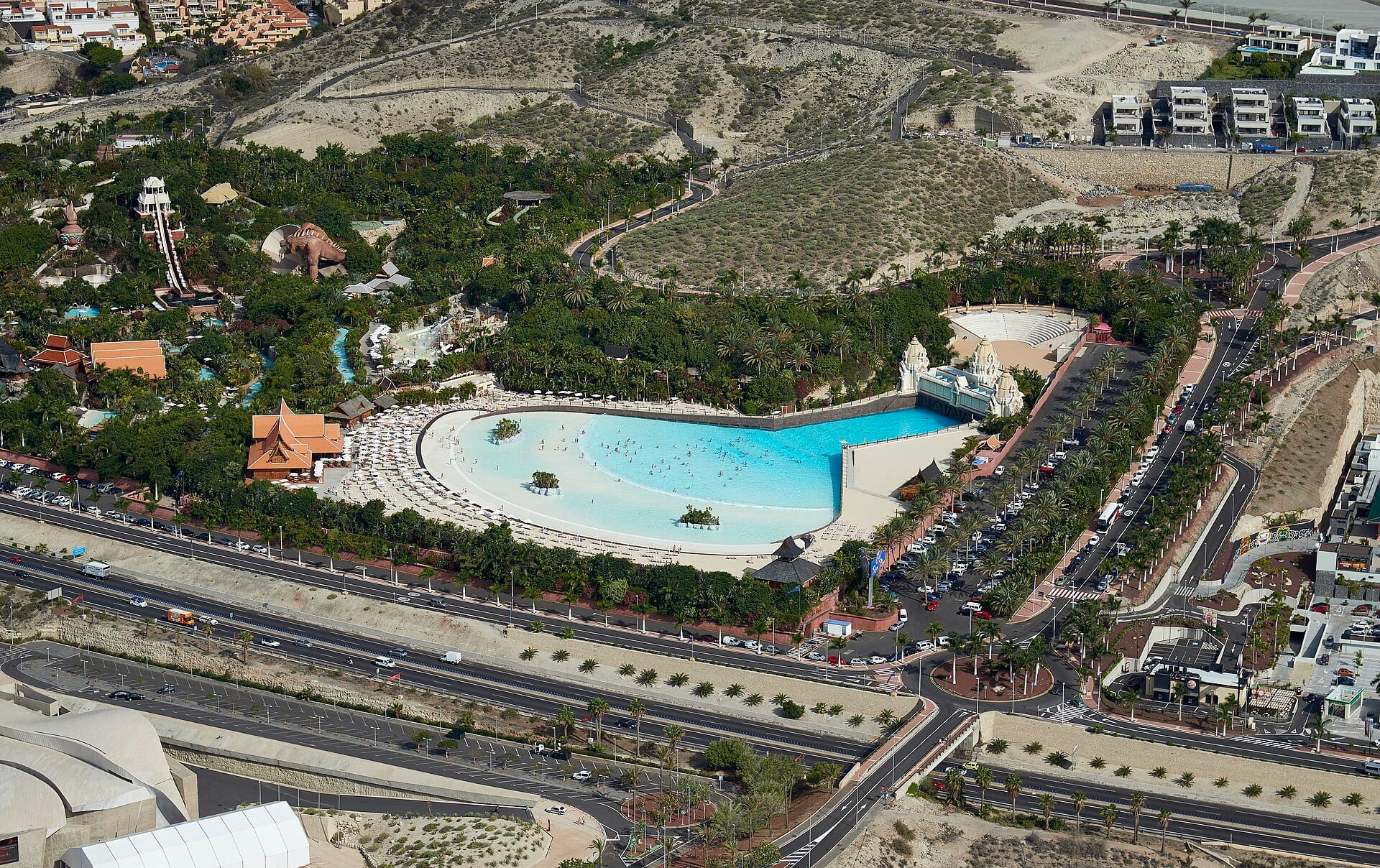
Siam Park
Tenerife, Canary Islands · 27km away →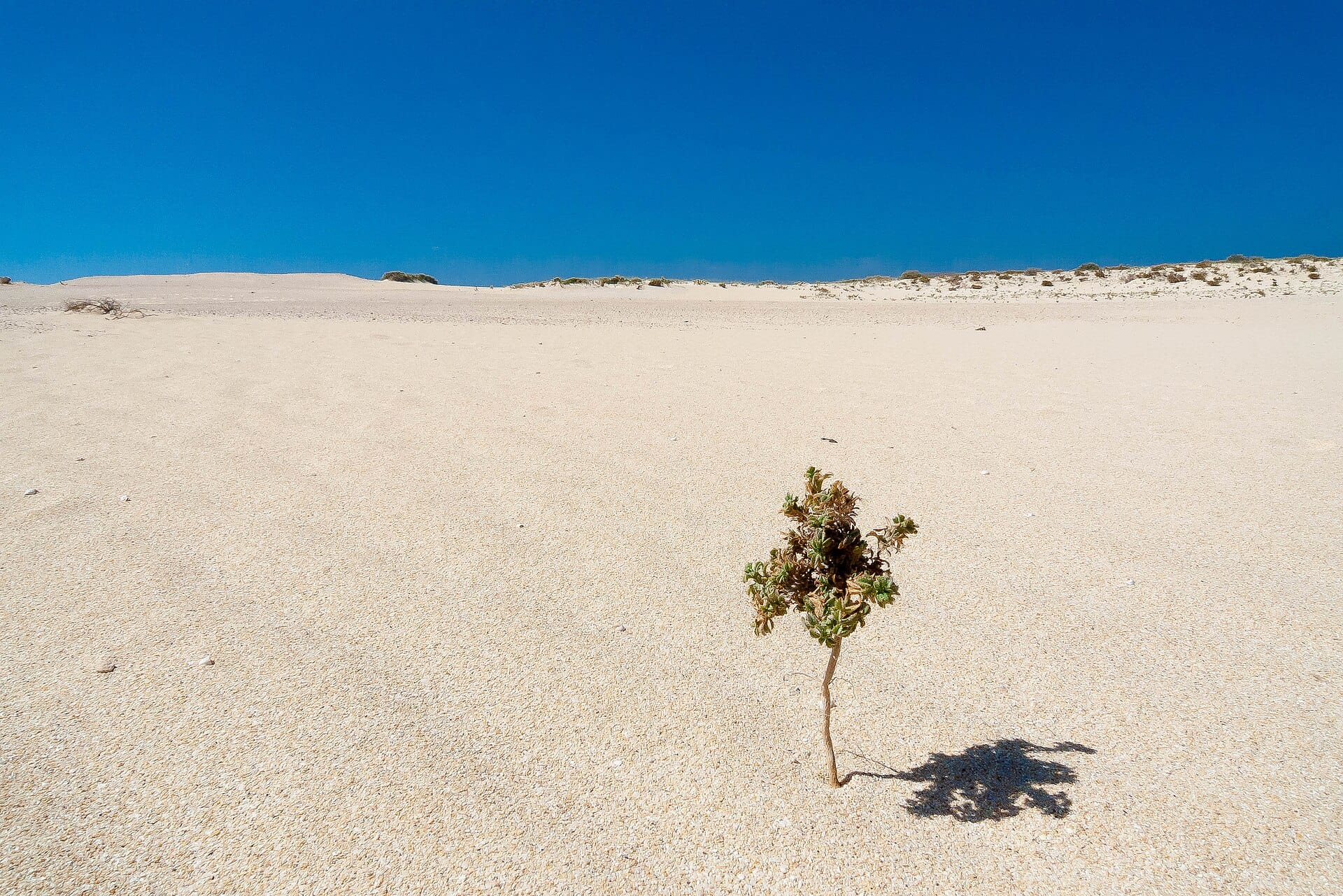
Fuerteventura
Canary Islands · 256km away →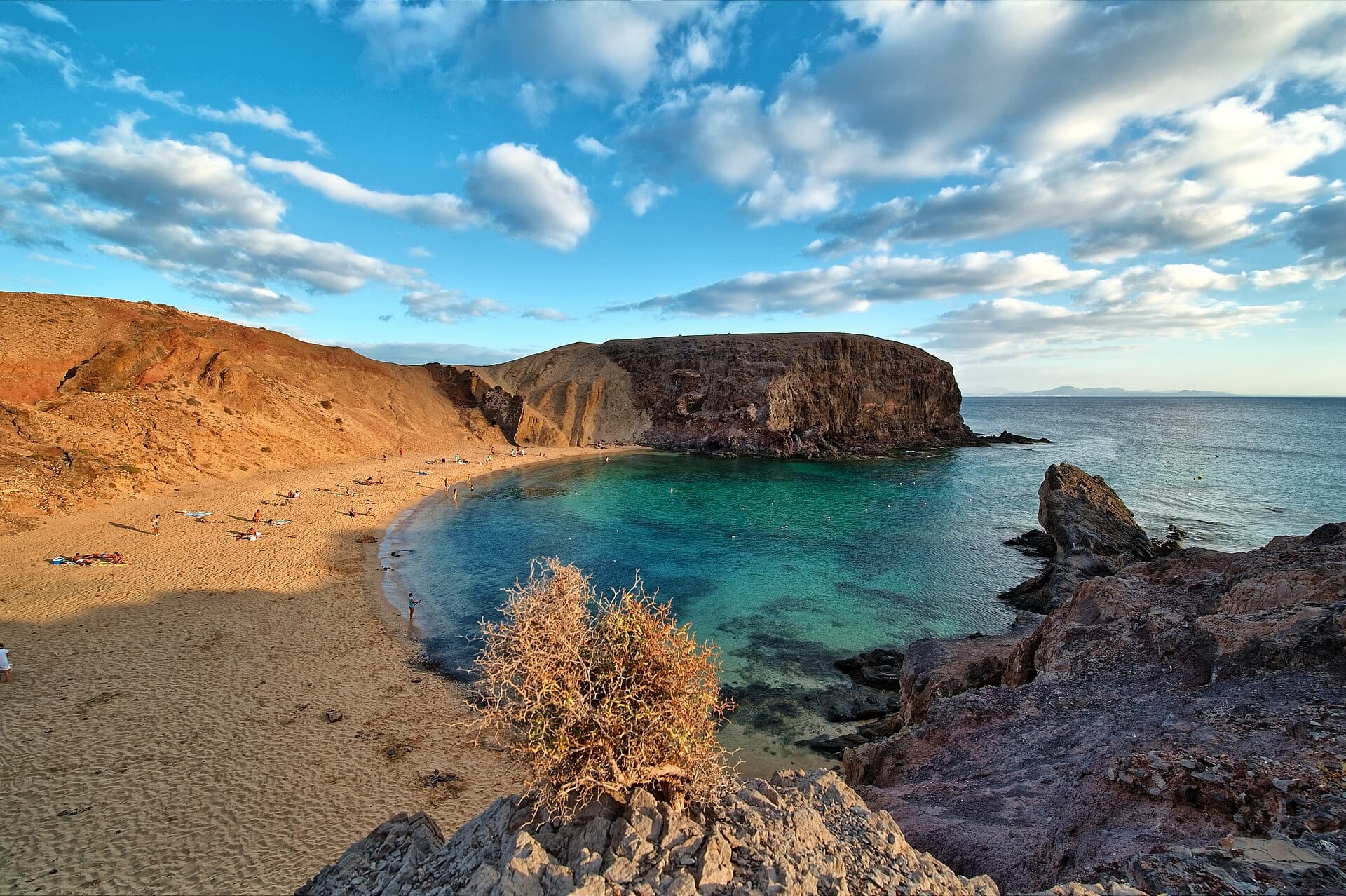
Playa Blanca
Lanzarote, Canary Islands · 280km away →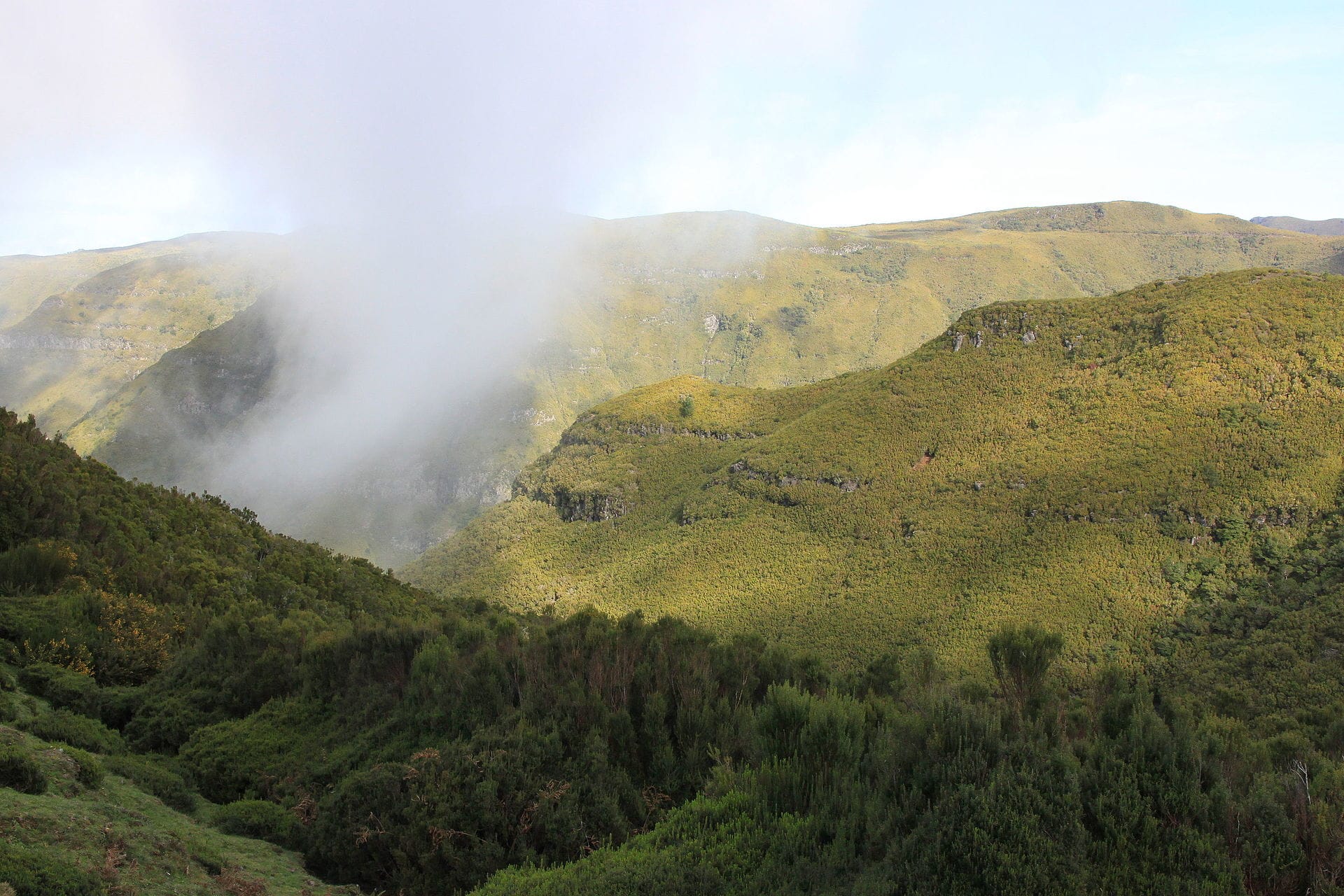
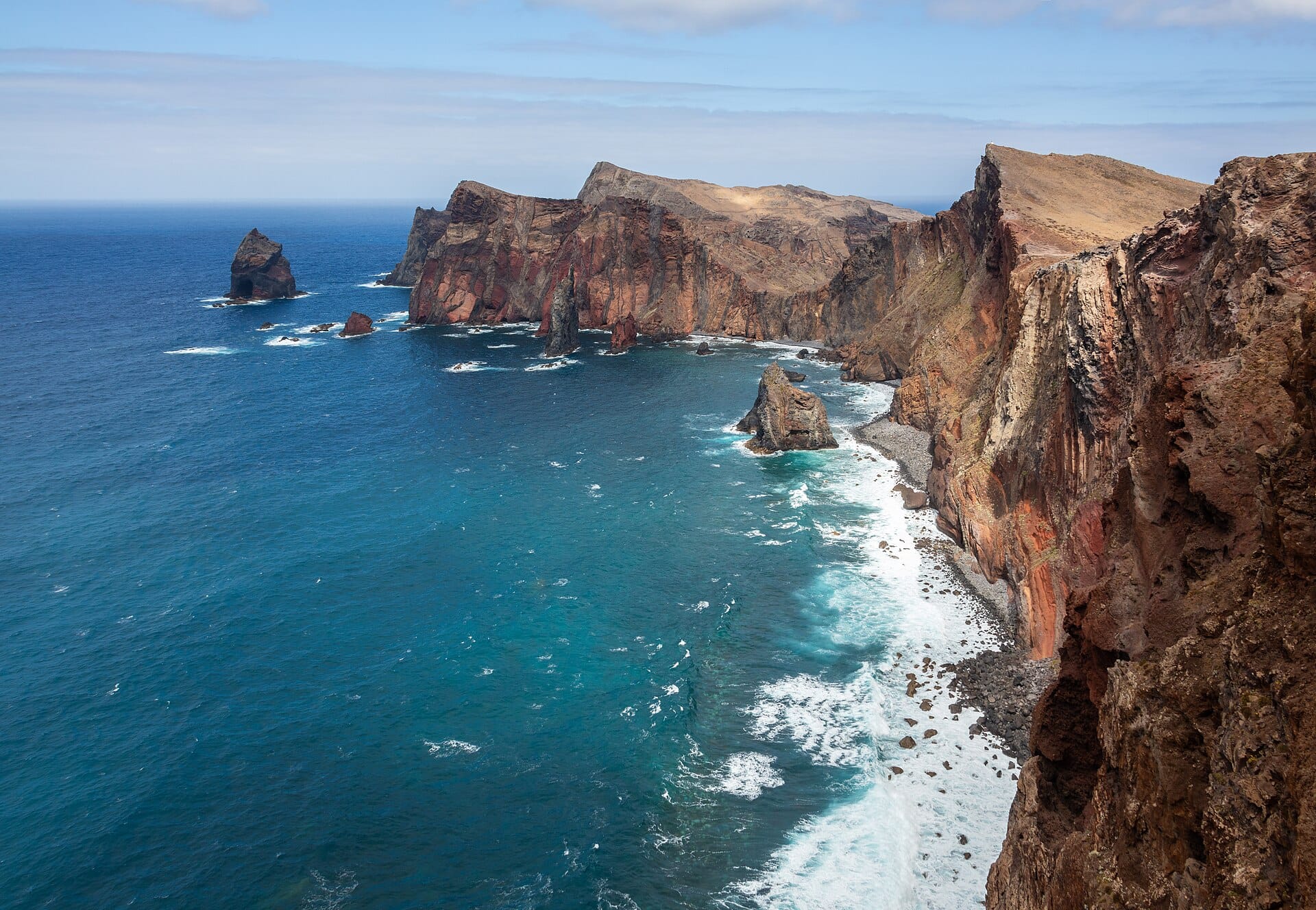
Madeira's levada walks
Portugal · 485km away →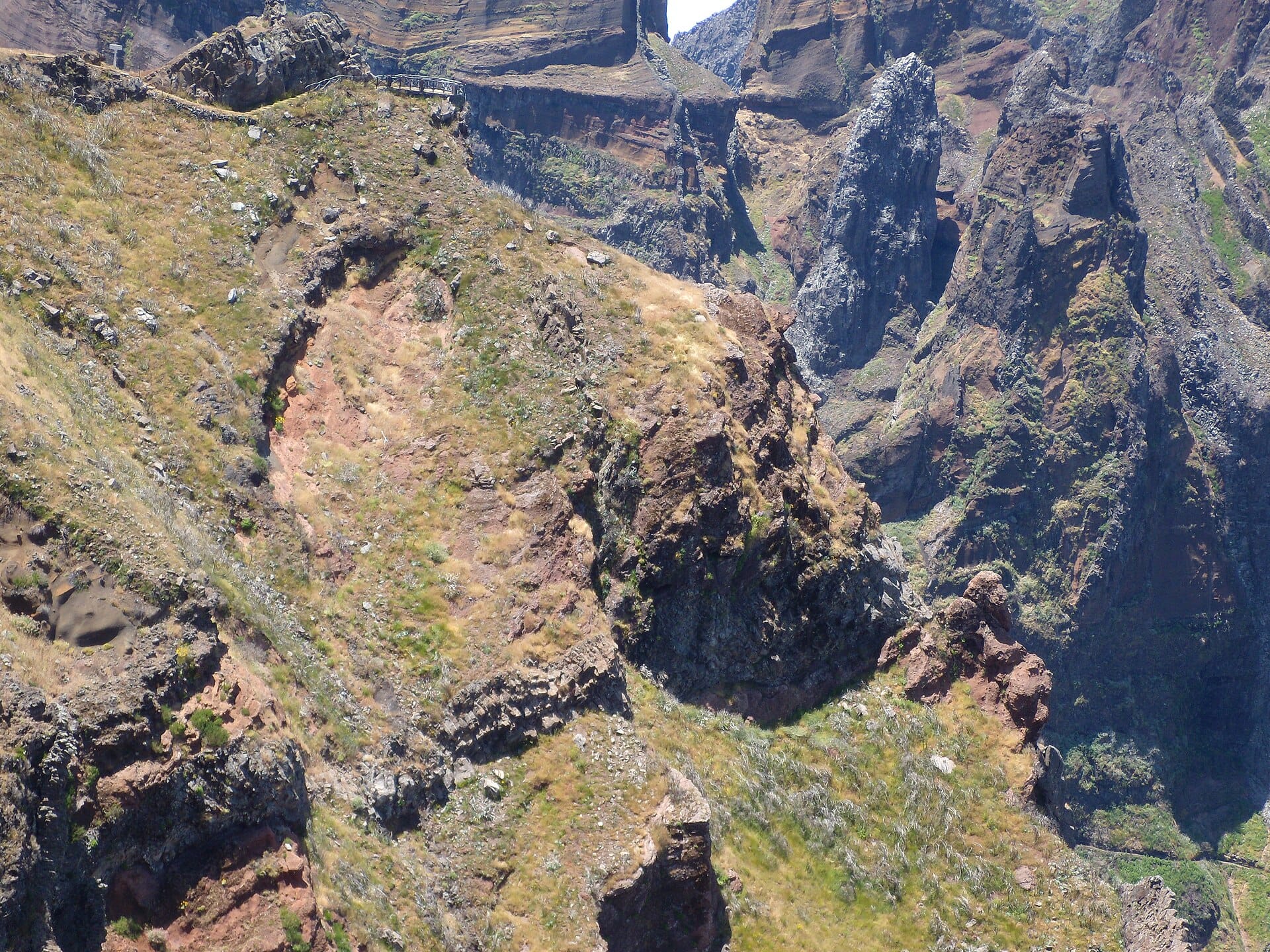
Canyoning
Madeira, Portugal · 497km away →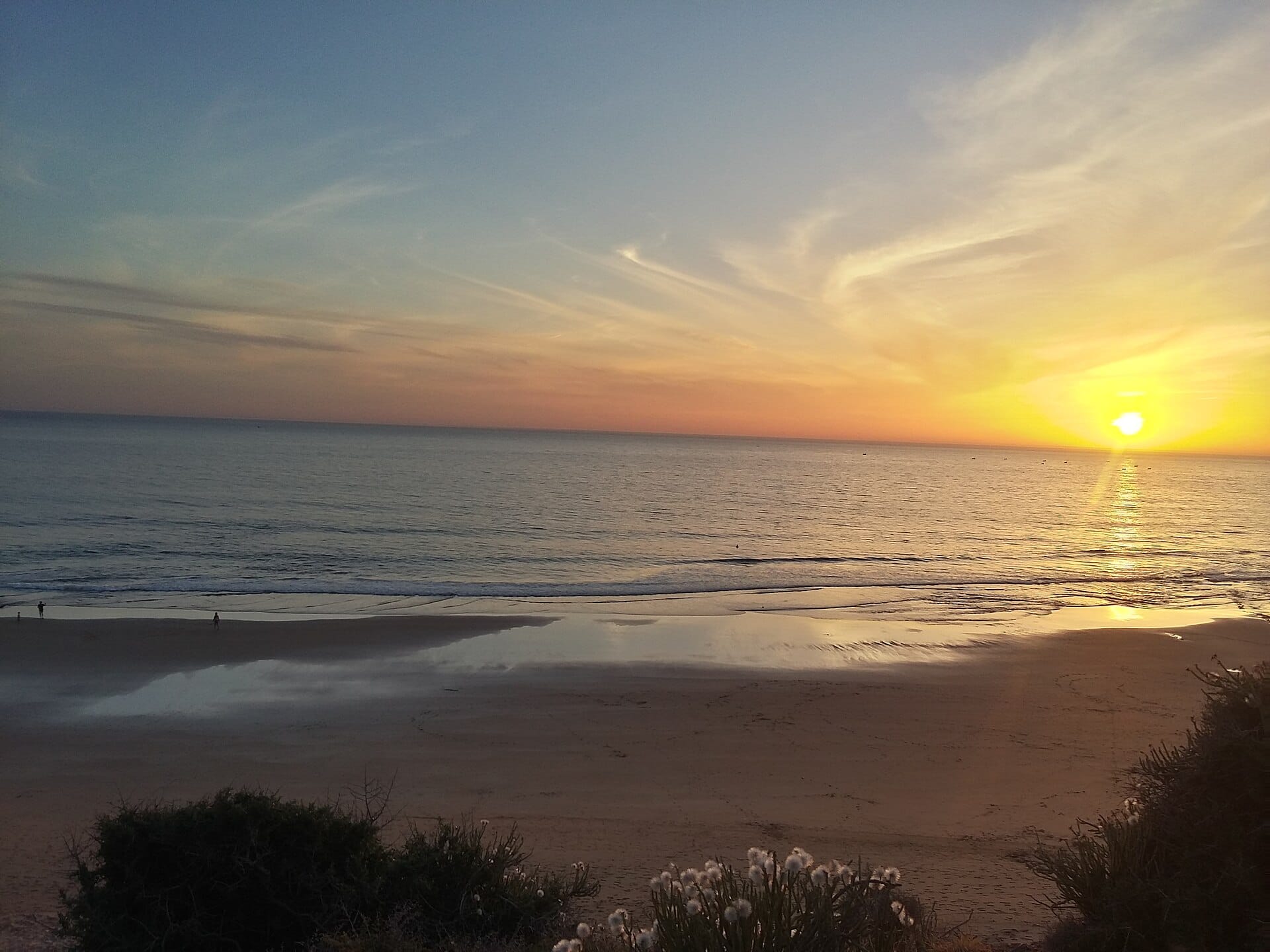
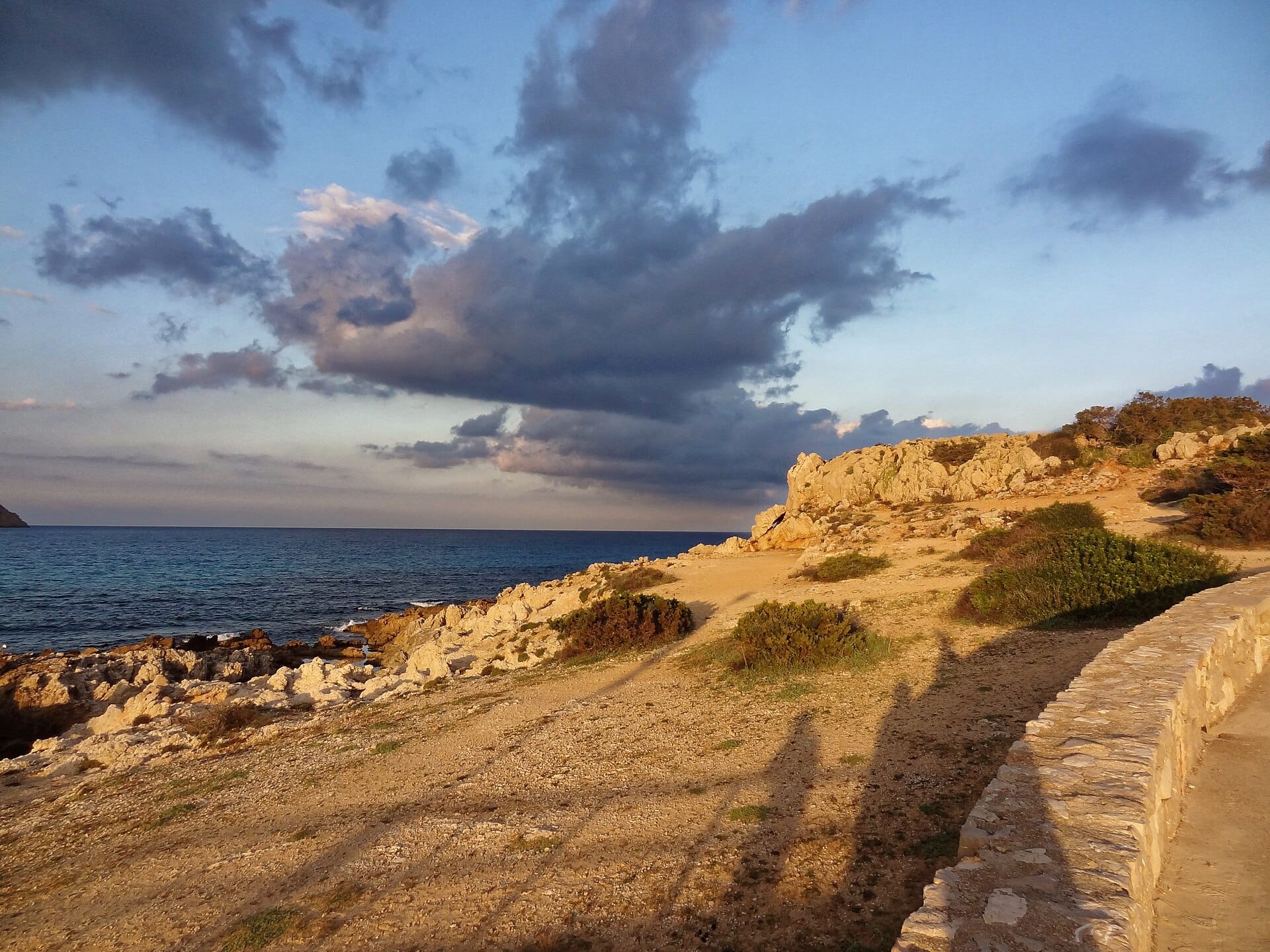
Taghazout
Morocco · 719km away →Elsewhere in Spain
Related articles
Quick answers
When is the best time to visit Tenerife?
Daytime highs run from about 21°C in January to 27°C in August. Wettest in October, with rain on about 3 days.
How long should I spend in Tenerife?
Our suggestion: a week.
How do I get to Tenerife?
Tenerife South (TFS) is about 25 to 40 minutes by car or transfer coach to the southern resorts around Playa de las Américas and Costa Adeje. The north of the island is more like an hour and a half away.
Do I need a car in Tenerife?
No. Island buses are frequent and cheap along the main coastal corridors, though a hire car makes Teide and the greener north far easier.
What currency and language are used in Tenerife?
Currency: Euro (EUR). Language: Spanish. Plugs: type C and F.
Who is Tenerife best for?
Best for families, walkers & hikers and beach lovers. In a phrase: volcanic, sunny, dependably easy.