
Stone Town
The original spice island still cooks like one: Zanzibari biryanis and pilaus heavy with clove and cardamom, urojo soup at hole-in-the-wall counters and octopus curry that converts sceptics.
- Best forCulture seekers · Foodies · Photographers
- In June28°C · 9 rainy days · sea 28°C
- Ideal stay2–3 nights
- Approx. flying time~19h 50m from Los Angeles

- CurrencyTZSTanzanian shilling
- LanguageSwahili and English
- Local time15:102h ahead of the UK
- PlugsType D / GUK plugs fit
- Drive on theLeftSame as the UK
- Dialling code+255
Why go
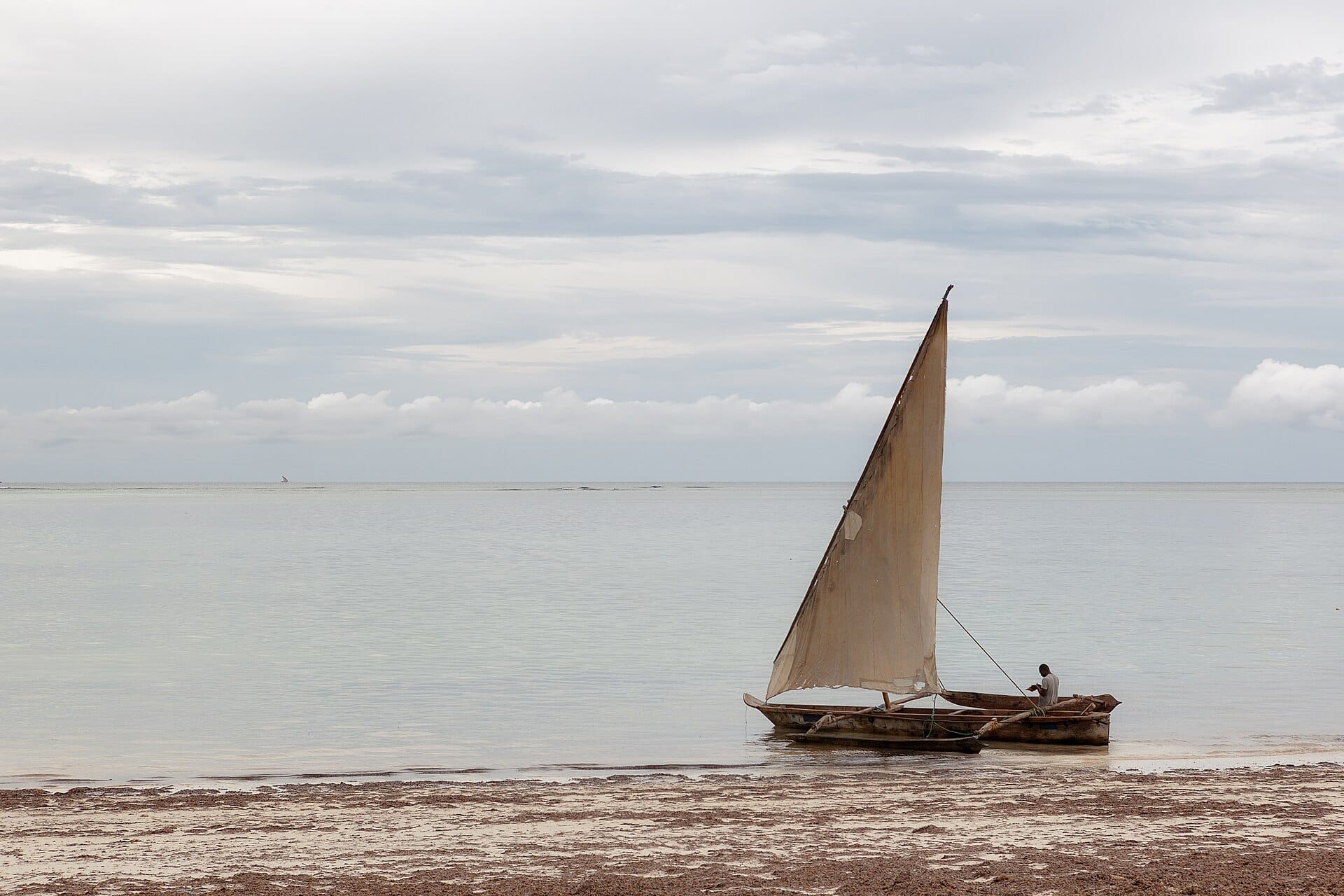
A dense knot of coral-stone houses, carved doors and lanes too narrow for cars, wedged between the Indian Ocean and the rest of Unguja island. Centuries as a Swahili, Omani and Indian trading port show in the architecture, the mosques and above all the food. Days pass slowly here: markets in the morning, shade through the middle of the afternoon, then the seafront as the dhows come back in.
Most people give the town two nights and spend the rest of the week on the island's east or north coast beaches, an hour or so away by road. June to October is the driest and least humid stretch. Ramadan changes the rhythm considerably, with many kitchens closed during daylight. Modest dress is expected everywhere outside the beach resorts, and appreciated when you manage it.
- Ideal stay
- 2–3 nights
- The vibe
- Layered, spiced, sea-worn
From our guides
A spice-farm tour makes sense of it all in an afternoon. At the Forodhani Gardens night market, stick to the stalls busy with locals and the freshly squeezed sugar-cane juice — and treat glistening piles of pre-cooked seafood with polite suspicion.
Featured in Ten tropical escapes where the food is half the point
Things to do
-
Forodhani Gardens night market
Seafront stalls firing up at dusk. Stick to the counters busy with locals, order things cooked in front of you and drink the freshly pressed sugar-cane juice.
-
Carved doors of Shangani
Hundreds of studded, deeply carved doors survive in the old quarters, their brass spikes and motifs signalling the owner's origin and trade. Wandering is the point.
-
Former slave market site
An Anglican cathedral built over the old market, with underground holding chambers and a memorial. Difficult, essential and best done with a guide.
-
Darajani market
The town's working market, loud with fish, spices, fruit and bargaining. Go early, before the heat, and expect the fish hall to be uncompromising.
-
A spice farm afternoon
Plantations just outside town grow clove, nutmeg, cinnamon and vanilla, and a two-hour walk through one makes sense of everything you have been eating.
-
Urojo soup
A tangy mango-and-turmeric broth loaded with bhajia, potato and crisp bits, sold at hole-in-the-wall counters. Locally known as Zanzibar mix, and worth seeking out.
Getting there
-
Fly to
Zanzibar (ZNZ)
Nearest airport to Stone Town, about 8km away as the crow flies.
-
Then
To Stone Town
About 15 minutes by taxi from Zanzibar (ZNZ) into Stone Town. Ferries from Dar es Salaam take around two hours and dock in the town itself.
-
On the ground
Getting around
Stone Town's lanes are too narrow for cars, so everything within it is walked, including the Forodhani night market on the waterfront. Taxis reach the north and east coast beaches in one to two hours.
Public transport: Shared dala dala minibuses cover the island cheaply but slowly; most visitors use taxis or hotel transfers.
Flights
Los Angeles Stone Town, Zanzibar, Tanzania
Fly from anywhere — search 4,000+ airports worldwide.
Roughly 19h 50m in the air from Los Angeles (LAX), estimated from the distance — check for a direct route. Pick a month to see every available flight with live prices.
Check dates and prices
Pick your departure date, then your return.
Search flightsNot sure when? Compare fares across a whole month.
Flight times are estimates; prices open on Google Flights.
When to go
Daytime highs run from about 28°C in July to 31°C in February. Driest in July and September; wettest in April, with rain on about 27 days. The sea is warmest in March at around 30°C, coolest at 26°C.
The year at a glance — pick a month for detail
June28° · rain 9 days · sea 28°Warm with rain most weeks.
Monthly figures averaged from daily records for 2020–2024 at this location (ERA5 reanalysis). Live conditions from MET Norway, CC BY 4.0.
Where to stay
Converted Omani merchant houses with carved doors and rooftop terraces, plus guesthouses in the lanes and beach resorts elsewhere on the island. Air conditioning is worth paying for.
-
Best base overall
Stone Town
Stay inside the old town lanes and the Forodhani night market, the spice shops and the ferry are all on foot. Rooms are dark and the call to prayer starts early, which some find charming.
Find stays in Stone Town -
Best for couples
Shangani
The seafront corner of Stone Town, with the old merchant houses turned hotels and rooftop bars facing the sunset. Quieter than the market end and a little pricier.
Find stays in Shangani -
Quietest
Mbweni and Mazizini
Garden hotels a few kilometres south along the coast, with pools and sea views, away from the noise. You will need a taxi into town for every meal.
Find stays in Mbweni and Mazizini -
Best with children
Nungwi and Kendwa
The northern beaches, an hour away, where the swimming is not governed by the tide and the resorts have pools and kids' clubs. A separate holiday from Stone Town, really.
Find stays in Nungwi and Kendwa
Worth knowing before you book: Ramadan changes what is open and how food is served in town, and the long rains from March to May close some coastal places entirely.
Search everything else in Stone Town by budget. These are indicative budget bands in GBP per night for two people, not live quotes or guarantees of hotel type. Check your dates, guests, taxes and final price on Booking.com.
Good to know
- Dress
- Zanzibar is predominantly Muslim. Cover shoulders and knees in town, keep swimwear for the beach, and dress more conservatively during Ramadan.
- Ramadan
- Many restaurants close during daylight and the town is quiet by day, then lively after sunset. Dates shift each year, so check before booking.
- Cash or card
- Tanzanian shillings for markets and street food; US dollars are accepted in hotels but must be recent, unmarked notes. ATMs exist but can be unreliable.
- Getting there
- Ferries from Dar es Salaam take about two hours, and there are short flights. Buy ferry tickets at the official office rather than from touts.
- Safety
- Petty theft happens on the beaches and quiet lanes after dark. Take a taxi at night and leave valuables in the room.
Similar places
Nearby destinations



Related articles
Quick answers
When is the best time to visit Stone Town?
Daytime highs run from about 28°C in July to 31°C in February. Driest in July and September; wettest in April, with rain on about 27 days. The sea is warmest in March at around 30°C, coolest at 26°C.
How long should I spend in Stone Town?
Our suggestion: 2–3 nights.
How do I get to Stone Town?
About 15 minutes by taxi from Zanzibar (ZNZ) into Stone Town. Ferries from Dar es Salaam take around two hours and dock in the town itself.
Do I need a car in Stone Town?
No. Shared dala dala minibuses cover the island cheaply but slowly; most visitors use taxis or hotel transfers.
What currency and language are used in Stone Town?
Currency: Tanzanian shilling (TZS). Language: Swahili and English. Plugs: type D and G.
Who is Stone Town best for?
Best for culture seekers, foodies and photographers. In a phrase: layered, spiced, sea-worn.