
St. Moritz
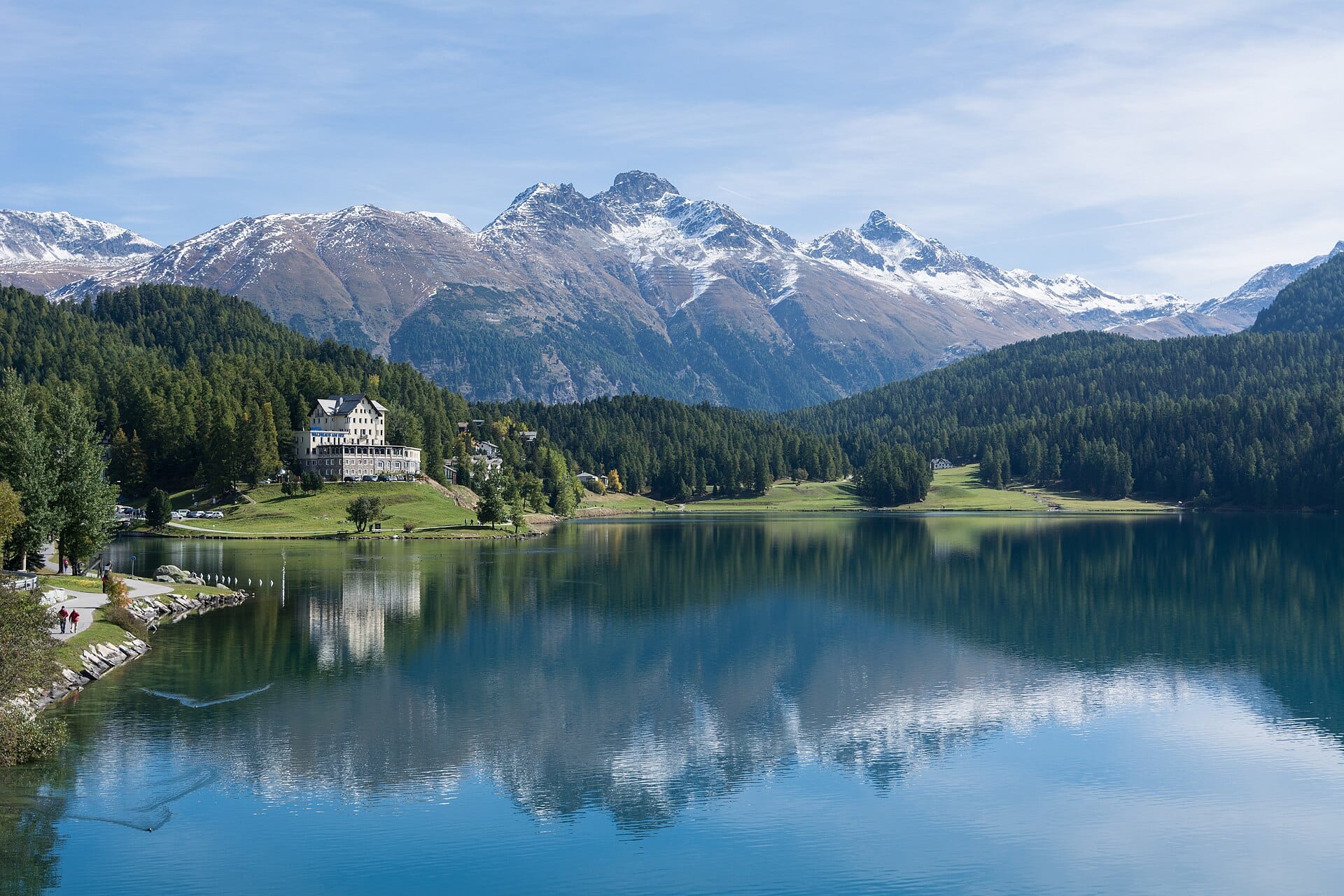
The original winter resort — tourists first overwintered here in 1864 — St Moritz treats snow as a social season.
- Best forSkiers & snowboarders · Luxury seekers · Couples
- In March2°C · 12 rainy days
- Ideal stayA week
- Approx. flying time~11h 55m from Los Angeles
- CurrencyCHFSwiss franc
- LanguageGerman, French, Italian and Romansh
- Local time12:351h ahead of the UK
- PlugsType C / JBring an adapter
- Drive on theRightOpposite to the UK
- Dialling code+41
Why go
Two lakes, a high sunny valley and a town that has been in the luxury business since the 1860s. The Engadin sits above 1,800 metres, so the snow is dry and the light unusually strong. Skiing spreads across Corviglia, Corvatsch and Diavolezza, but plenty of visitors never clip in at all, preferring the frozen lake, the cross-country tracks and long lunches on south-facing terraces.
Trains reach the valley from Zurich via Chur, and the final stretch on the Rhaetian Railway is an attraction in its own right. A week works well in winter, while summer is quieter, greener and far better value for walking. February brings the events and the highest prices, January is calmer, and late March gives soft snow and long days. Neighbouring villages are kinder on budgets.
- Ideal stay
- A week
- The vibe
- Polished, alpine, brightly formal
From our guides
Non-skiers get the frozen lake, which hosts polo, horse racing and gourmet festivals on solid ice, plus the Engadin's famously sunny walking paths and hotel bars of cheerful absurdity. Ride the Muottas Muragl funicular at dusk for the best valley view in Switzerland. February is peak spectacle, if the prices don't wind you; January is calmer.
Featured in Ten cosy winter resorts for people who don't really ski
Things to do
-
Skiing Corviglia
The home mountain, reached by funicular from the town, with wide sunny pistes above the treeline and terraces angled at the afternoon sun.
-
The frozen lake
In deep winter the lake freezes solid enough to host horse racing, polo, cricket and food festivals on the ice. Walking across it is free and slightly surreal.
-
Muottas Muragl funicular
A short, steep ride to a terrace looking down the length of the Upper Engadin and its chain of lakes. Go at dusk, when the valley turns blue.
-
Cross-country in the Engadin
Hundreds of kilometres of prepared tracks run along the valley floor between the lakes and villages, the flattest and most beginner-friendly Nordic skiing in the Alps.
-
Segantini Museum
A small domed museum devoted to the painter who worked in these mountains, built around his unfinished alpine triptych. An hour well spent on a snowy afternoon.
-
The Bernina railway
A UNESCO-listed line climbing past glaciers to over 2,250 metres and down into Italy. Ride it as a day trip to Tirano and come back on the train.
Getting there
-
Fly to
Zurich (ZRH)
Nearest airport to St. Moritz, about 145km away as the crow flies.
-
Then
To St. Moritz
Zurich (ZRH) is the practical gateway, about three and a half hours by train via Chur and the Albula line, or a similar drive. Lugano (LUG) is nearer in a straight line but has almost no scheduled flights and the road crosses high passes.
-
On the ground
Getting around
St Moritz Dorf and Bad are walkable and linked by bus, and the Rhaetian Railway and postbuses reach every Engadin village, including the foot of the Muottas Muragl funicular.
Public transport: Excellent: trains and postbuses serve the whole valley and most lift stations, on a timetable you can set a watch by.
Flights
Los Angeles St. Moritz, Switzerland
Fly from anywhere — search 4,000+ airports worldwide.
Roughly 11h 55m in the air from Los Angeles (LAX), estimated from the distance — check for a direct route. Pick a month to see every available flight with live prices.
Check dates and prices
Pick your departure date, then your return.
Search flightsNot sure when? Compare fares across a whole month.
Flight times are estimates; prices open on Google Flights.
When to go
Daytime highs run from about -4°C in January to 18°C in July. Driest in January and February; wettest in May, with rain on about 22 days.
The year at a glance — pick a month for detail
March2° · rain 12 daysCold and often wet.
Monthly figures averaged from daily records for 2020–2024 at this location (ERA5 reanalysis). Live conditions from MET Norway, CC BY 4.0.
Where to stay
Grand historic hotels, alpine three-stars in Bad and Pontresina, and holiday apartments across the valley. Most hotels include the regional transport and lift card in the rate.
-
Best base overall
St. Moritz Dorf
The upper village with the grand hotels, the shops and the funicular, looking down over the lake. This is where the social season happens, and the prices are correspondingly brave.
Find stays in St. Moritz Dorf -
Best value
St. Moritz Bad
Beside the lake below the Dorf, with the spa, the sports centre and plainer hotels at gentler rates. A free bus up the hill, and far less posturing.
Find stays in St. Moritz Bad -
Best with children
Pontresina
A quieter village a few minutes away at the foot of the Bernina, with family hotels, cross-country trails and its own lift. Included transport links it to the whole Engadin.
Find stays in Pontresina -
Quietest
Sils Maria and Silvaplana
Lakeside villages up the valley, where the walking paths and the wind for kiting are, with a few old hotels and no scene at all. Ten to fifteen minutes by bus.
Find stays in Sils Maria and Silvaplana
Worth knowing before you book: February is the priciest month by a distance and many hotels shut between seasons in spring and autumn, so check dates before booking flights or trains.
Search everything else in St. Moritz by budget. These are indicative budget bands in GBP per night for two people, not live quotes or guarantees of hotel type. Check your dates, guests, taxes and final price on Booking.com.
Good to know
- Getting there
- No nearby airport. Zurich is the usual arrival, then around three and a half hours by train via Chur, with a change onto the narrow-gauge line.
- Altitude
- The town sits at about 1,820 metres and the lifts go far higher. Take the first day gently, drink more water than usual and go easy on the wine.
- Costs
- This is one of the most expensive resorts in the Alps. Self-catering, valley villages and mountain-hut lunches all take the edge off.
- Book ahead
- February, the school holidays and the ice-event weekends sell out months in advance. January and late March are easier and cheaper.
- Pack this
- Strong sun cream, lip balm and proper glacier-grade sunglasses. High-altitude sun reflecting off snow burns much faster than people expect.
Nearby destinations
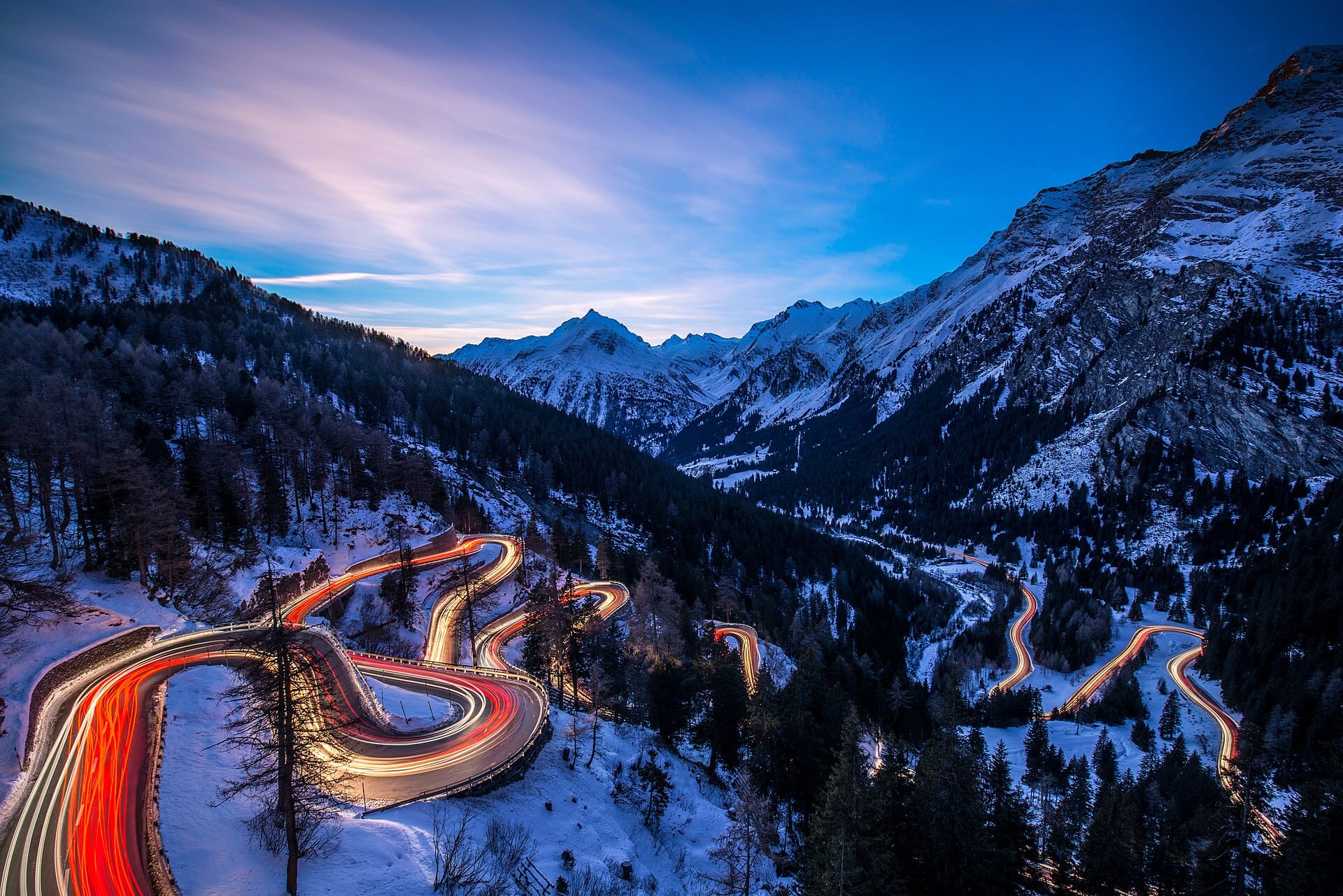
Maloja Pass
Switzerland · 15km away →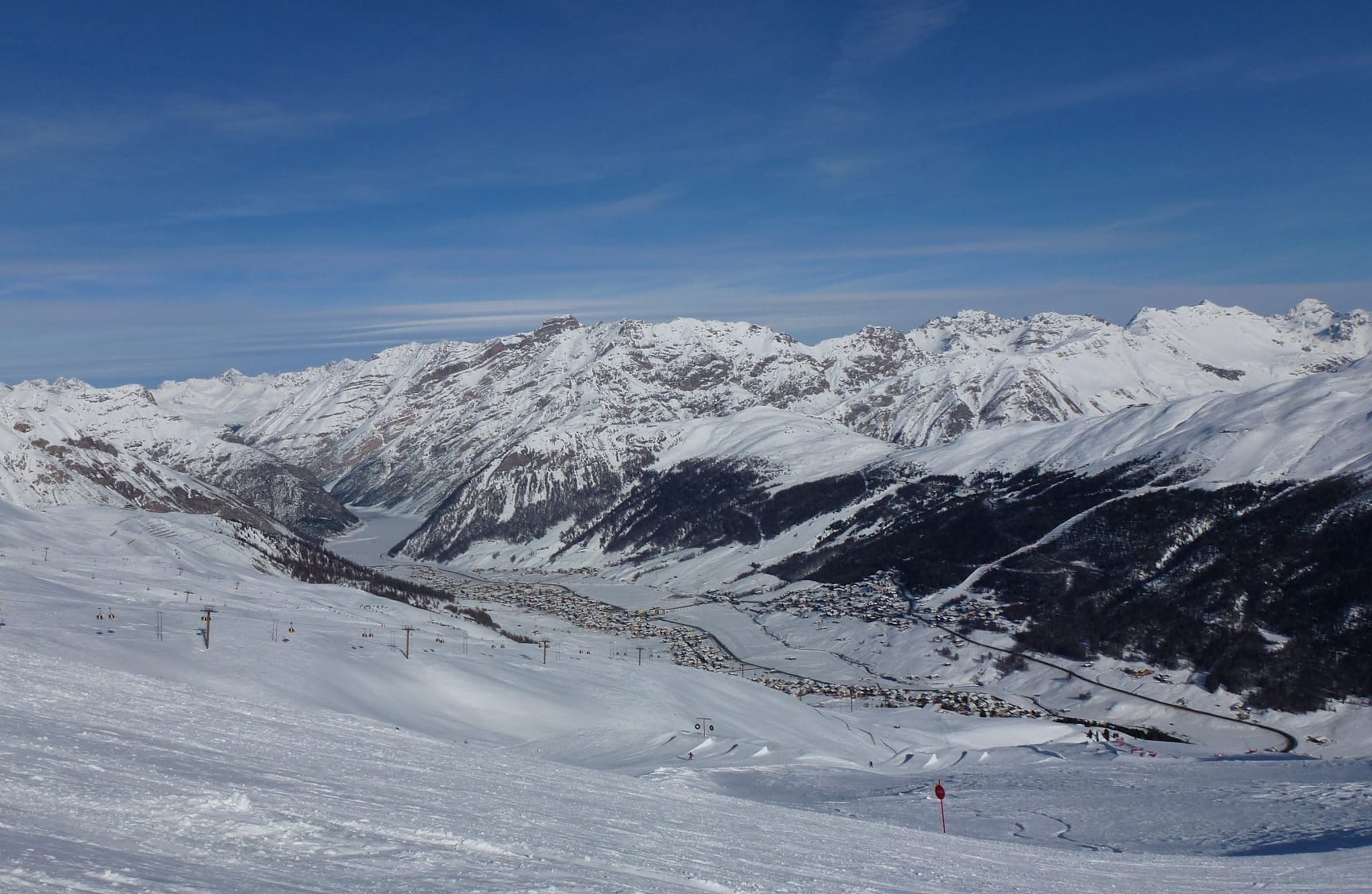
Livigno
Italy · 23km away →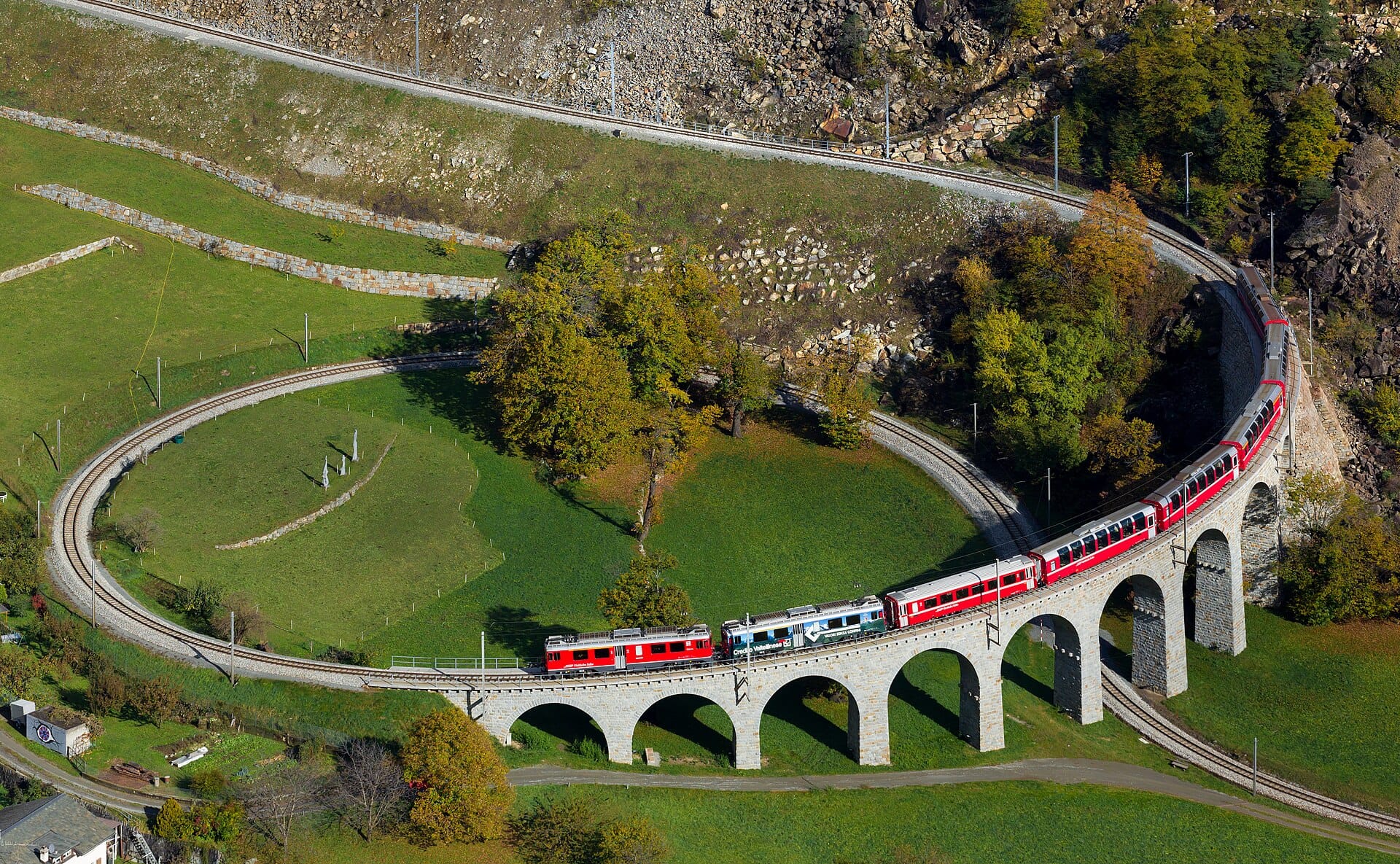
Bernina Express
Switzerland to Italy · 41km away →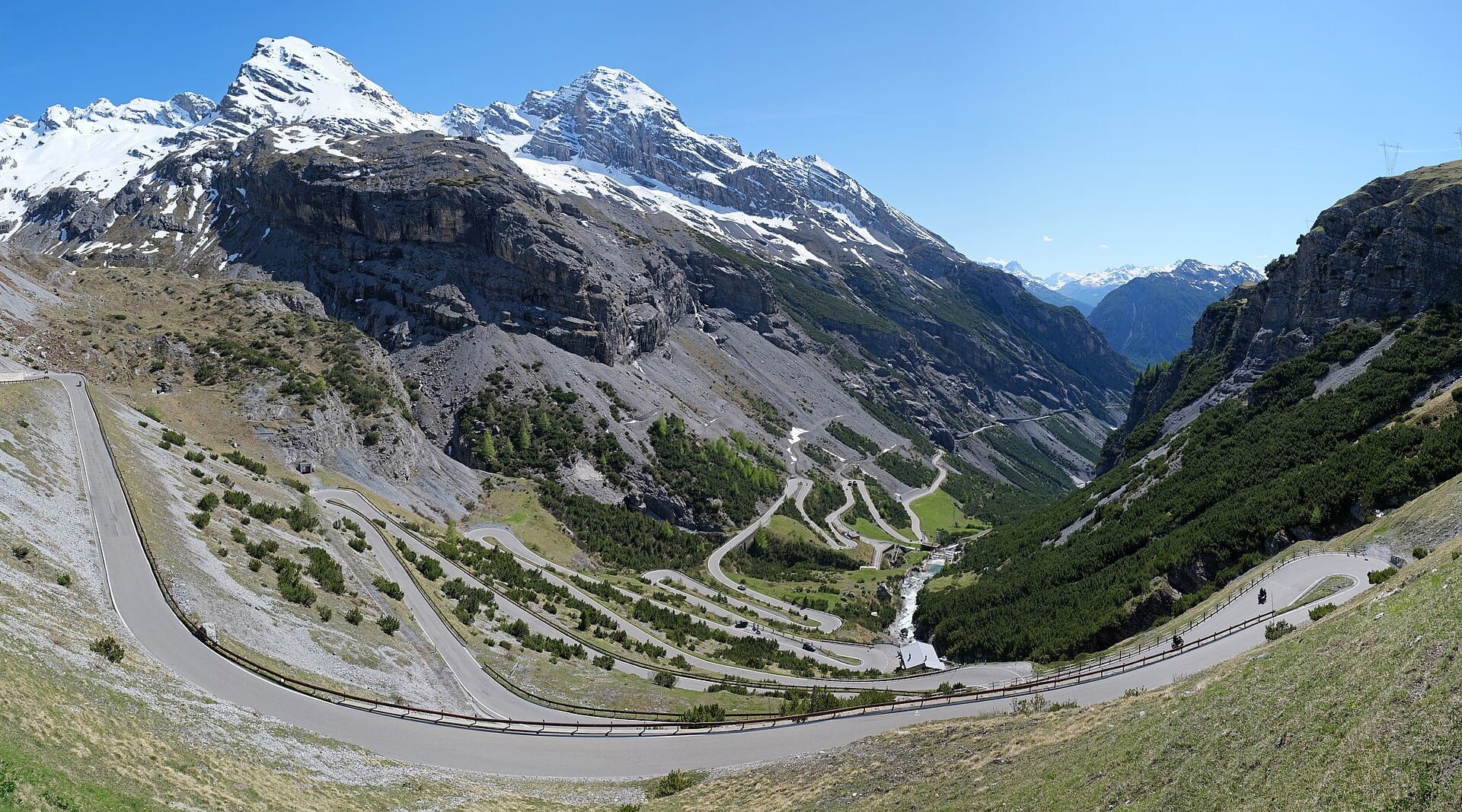
Stelvio Pass
Italy · 47km away →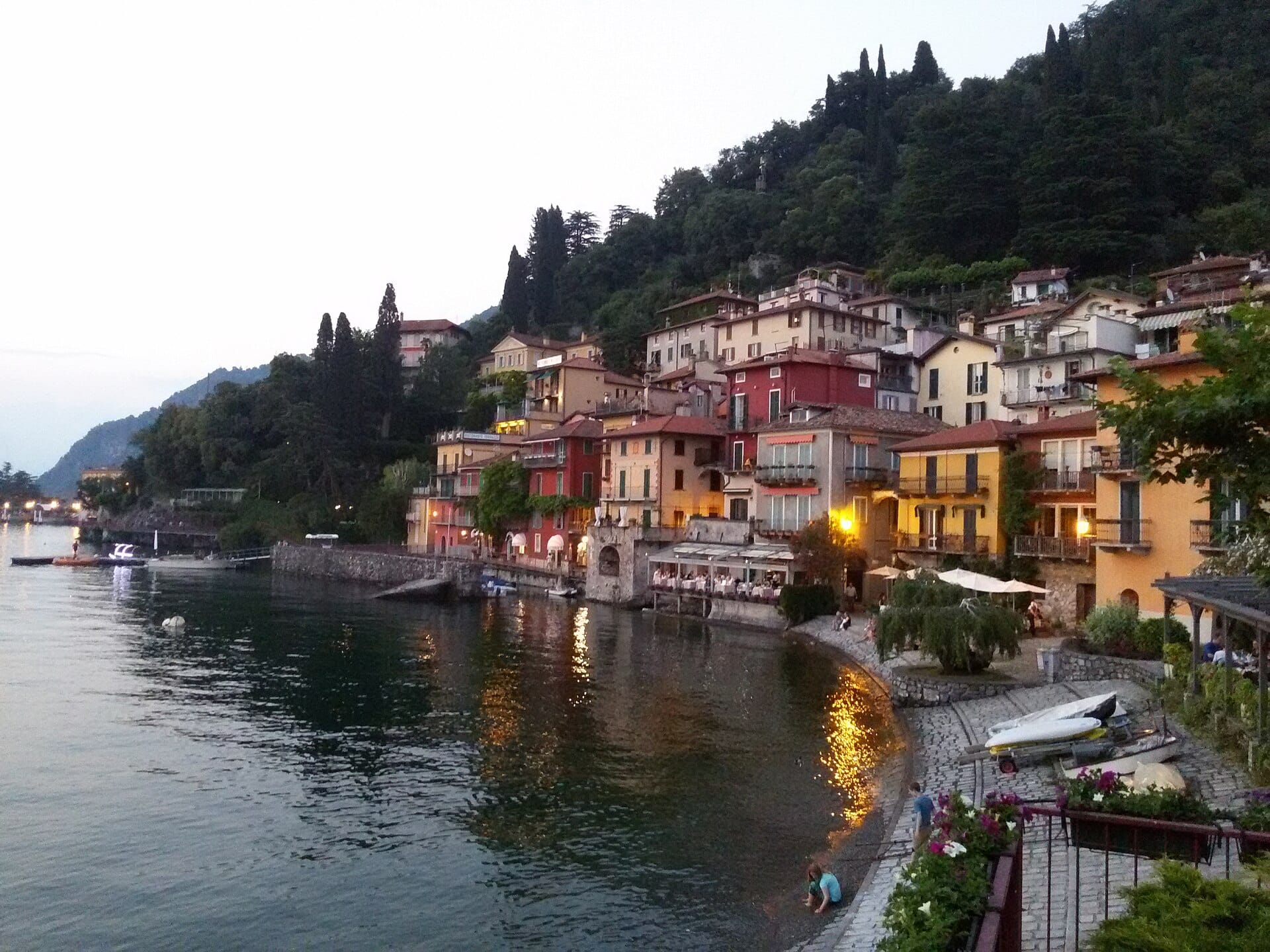
Varenna
Lake Como, Italy · 69km away →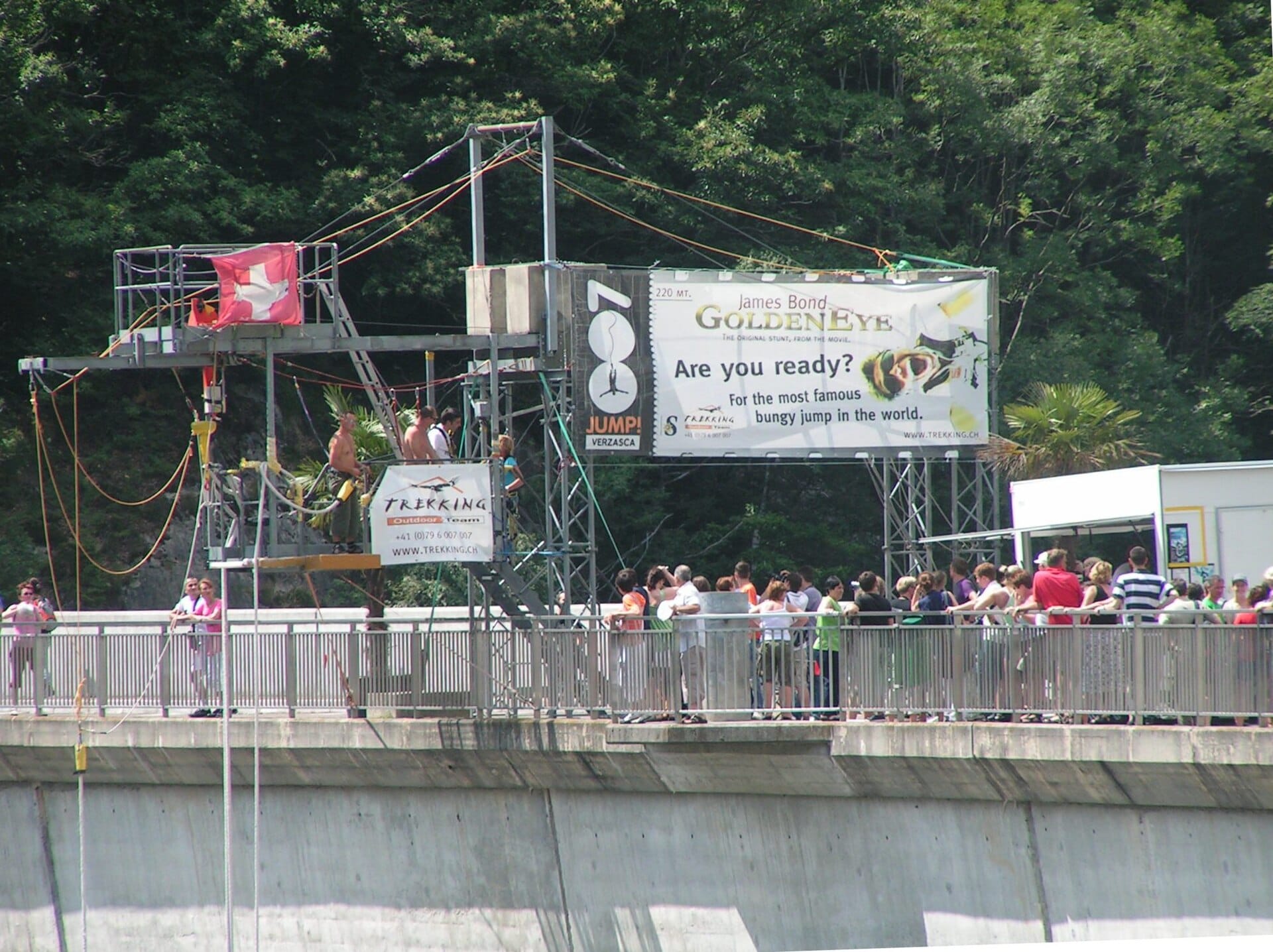
The GoldenEye bungee
Verzasca Dam, Switzerland · 83km away →Elsewhere in Switzerland
Related articles
Quick answers
When is the best time to visit St. Moritz?
Daytime highs run from about -4°C in January to 18°C in July. Driest in January and February; wettest in May, with rain on about 22 days.
How long should I spend in St. Moritz?
Our suggestion: a week.
How do I get to St. Moritz?
Zurich (ZRH) is the practical gateway, about three and a half hours by train via Chur and the Albula line, or a similar drive. Lugano (LUG) is nearer in a straight line but has almost no scheduled flights and the road crosses high passes.
Do I need a car in St. Moritz?
No. Excellent: trains and postbuses serve the whole valley and most lift stations, on a timetable you can set a watch by.
What currency and language are used in St. Moritz?
Currency: Swiss franc (CHF). Language: German, French, Italian and Romansh. Plugs: type C and J.
Who is St. Moritz best for?
Best for skiers & snowboarders, luxury seekers and couples. In a phrase: polished, alpine, brightly formal.