
Seville
Orange blossom, flamenco bleeding out of Triana's bars and plazas built for lingering — Seville runs at body temperature in more ways than one.
- Best forCouples · Culture seekers · Foodies
- In August36°C · barely any rain
- Ideal stay3–4 nights
- Approx. flying time~11h 50m from Los Angeles
- CurrencyEUREuro
- LanguageSpanish
- Local time13:101h ahead of the UK
- PlugsType C / FBring an adapter
- Drive on theRightOpposite to the UK
- Dialling code+34
Why go
Andalusia's capital is a low, dense city of narrow lanes, tiled courtyards and orange trees, built around one of the largest Gothic cathedrals anywhere and a Moorish palace still in royal use. Life happens outdoors and late: tapas eaten standing at a bar, plazas that fill after ten, flamenco in small rooms in Triana and Santa Cruz. Summer heat is genuinely extreme here, and it shapes absolutely everything.
Three or four nights covers the monuments, a flamenco night and a day out to Córdoba or Jerez, both under an hour by high-speed train. Spring is the classic season, with orange blossom, Semana Santa and the April fair, though prices and crowds rise to match. Autumn is warm and quieter. July and August regularly pass 40°C, when the city empties out through the afternoon.
- Ideal stay
- 3–4 nights
- The vibe
- Warm, tiled, theatrical after dark
From our guides
Flamenco was forged in Seville's Triana district, and it remains the place to hear it done in earnest rather than for the cruise ships. Skip the dinner-show packages: the intimate tablaos of Casa de la Memoria and La Casa del Flamenco seat fifty people close enough to feel the footwork, and tickets sell out days ahead in spring. Afterwards, La Carbonería pours cheap drinks around informal late sessions — free, chaotic, occasionally magnificent.
Featured in Ten of Europe's most romantic city breaks and Ten cities with world-class live music every night
Things to do
-
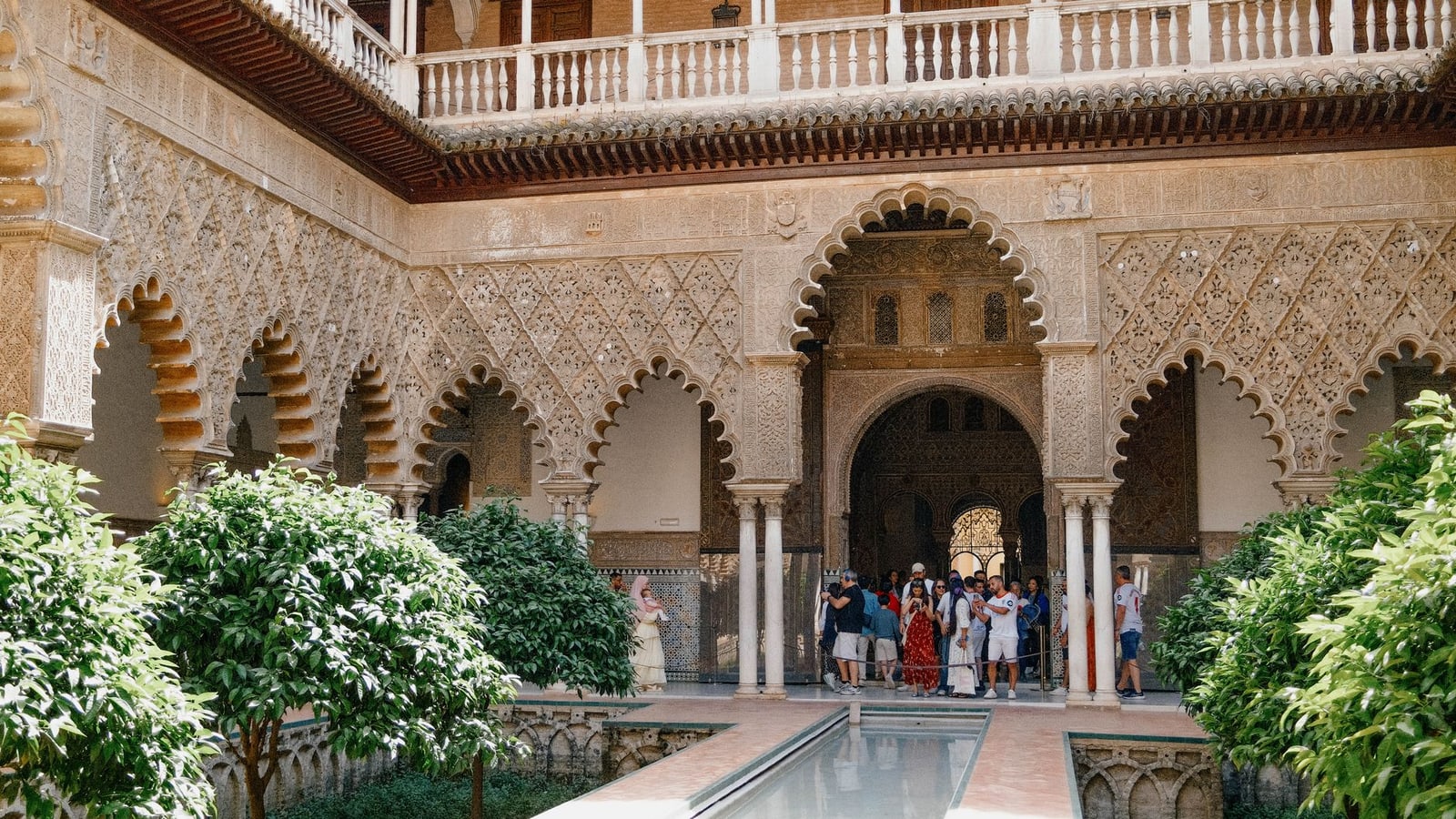
Real Alcázar
A Moorish and Mudéjar palace complex with tiled halls and sunken gardens, still an official royal residence. Timed tickets sell out well ahead.
-
Cathedral and Giralda
One of the largest Gothic churches anywhere, with a former minaret converted into a bell tower, climbed by ramps rather than stairs.
-
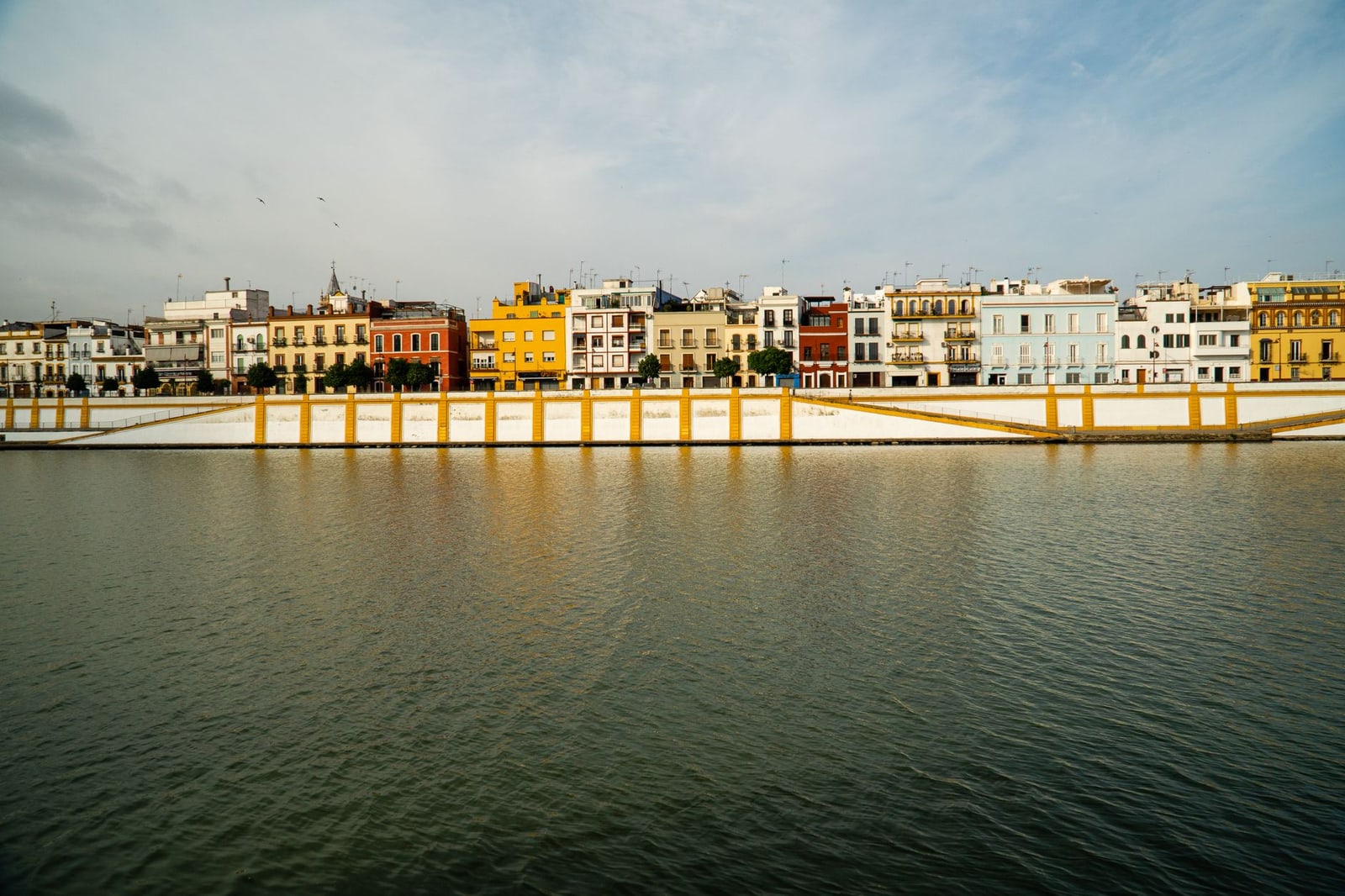
Triana
Across the river, historically the potters' and flamenco quarter, with a tiled market, ceramic workshops and bars along Calle Betis.
-
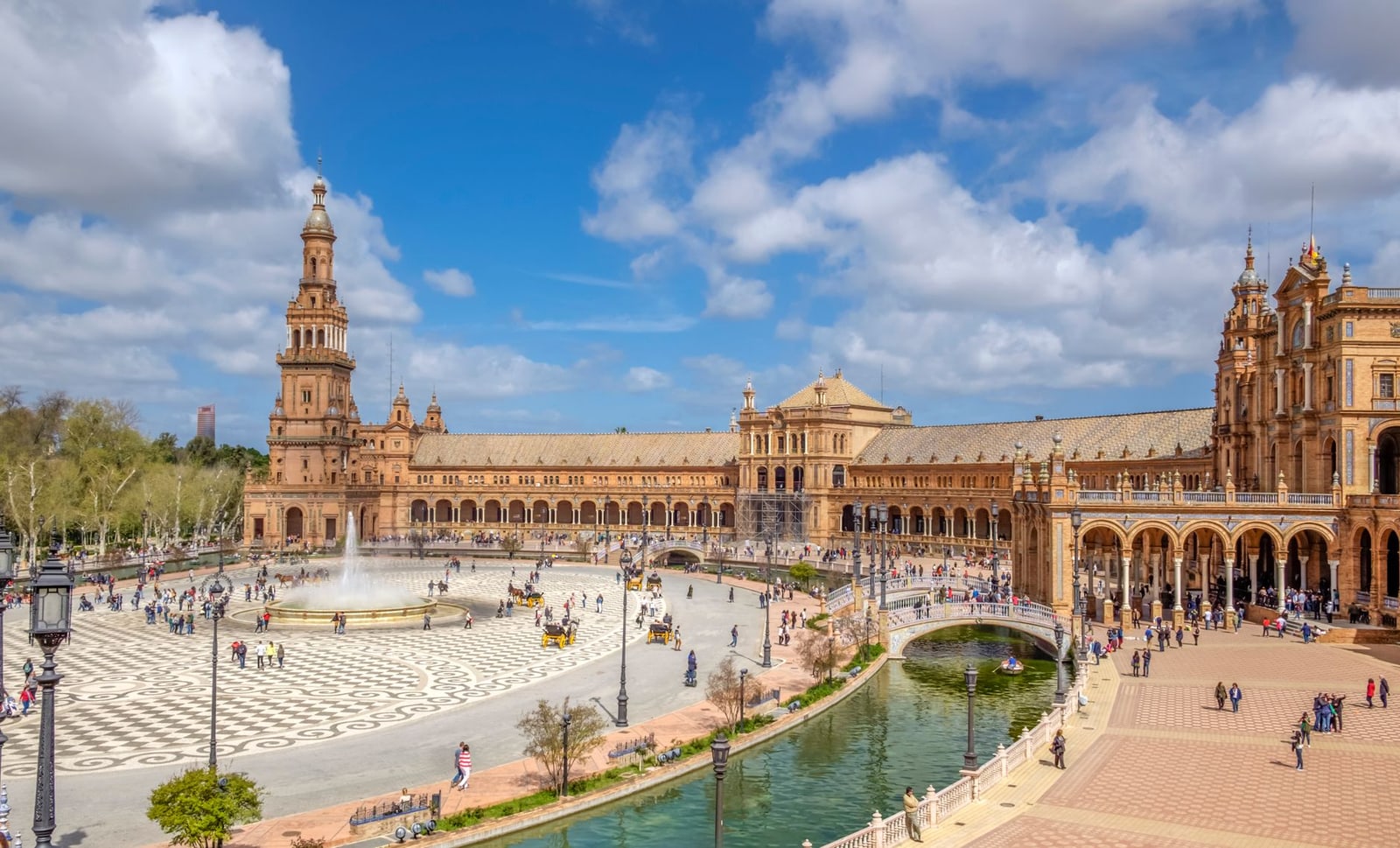
Plaza de España
A vast semicircular plaza built for the 1929 exposition, with tiled alcoves for every Spanish province and a boating canal.
-
Tapas standing up
Order a few plates at the bar and move on. Spinach with chickpeas, salmorejo and fried fish are the local staples.
-
Metropol Parasol
The timber structure over Plaza de la Encarnación, with a rooftop walkway looking across the rooftops towards the Giralda.
Getting there
-
Fly to
Seville (SVQ)
Nearest airport to Seville, about 10km away as the crow flies.
-
Then
To Seville
The EA airport bus runs to Plaza de Armas, with stops at Santa Justa railway station and Prado de San Sebastián, useful for the southern edge of the old town. A single costs €6; pay by bank card on board. A taxi is more convenient with luggage or for a late arrival.
-
On the ground
Getting around
The historic core is compact and best walked, with a single tram line and a short metro filling the gaps. Triana is a stroll across the bridge.
Public transport: Good buses, a tram and a bike-share scheme, though you will barely need them. A car is a liability in the old town.
Flights
Los Angeles Seville, Spain
Fly from anywhere — search 4,000+ airports worldwide.
Roughly 11h 50m in the air from Los Angeles (LAX), estimated from the distance — check for a direct route. Pick a month to see every available flight with live prices.
Check dates and prices
Pick your departure date, then your return.
Search flightsNot sure when? Compare fares across a whole month.
Flight times are estimates; prices open on Google Flights.
When to go
Daytime highs run from about 16°C in January to 36°C in July. Driest in July and August; wettest in March, with rain on about 9 days.
The year at a glance — pick a month for detail
August36° · no rainHot and dry.
Monthly figures averaged from daily records for 2020–2024 at this location (ERA5 reanalysis). Highlighted months are warm and mostly dry — April to June and September. Live conditions from MET Norway, CC BY 4.0.
Where to stay
Converted palacete hotels around patios, a wave of small boutique places and a very large apartment market. Chains cluster in the modern districts.
-
Best base overall
Santa Cruz
The old Jewish quarter beside the cathedral and Alcázar, a warren of lanes and courtyard hotels. You pay for the address and the lanes get busy by mid-morning, but nothing else is this central.
Find stays in Santa Cruz -
Best value
Triana
Across the river, the old flamenco and ceramics barrio, with a market, riverside terraces and rooms noticeably cheaper than the old town. Ten minutes over the bridge to everything.
Find stays in Triana -
Best for nightlife
Alameda de Hércules
A long tree-lined plaza ringed by bars that fill after midnight, north of the centre and popular with Sevillanos rather than coach parties. Sleep is negotiable at weekends.
Find stays in Alameda de Hércules -
Best with children
Nervión
A modern residential district east of the centre with larger apartments, supermarkets and a tram or bus into town. Short on charm, long on space and parking.
Find stays in Nervión
Worth knowing before you book: Semana Santa and the April Feria send prices to several times normal and many places impose minimum stays, with both booked a year in advance.
Our picks in this destination
Or search everything else in Seville by budget. These are indicative budget bands in GBP per night for two people, not live quotes or guarantees of hotel type. Check your dates, guests, taxes and final price on Booking.com.
Good to know
- Book ahead
- The Alcázar and cathedral both use timed entry and sell out days in advance in spring. Book online before you travel.
- Heat
- From June to September, plan for mornings and evenings and rest in the middle of the day. Carry water and stay in shade.
- Timing
- Semana Santa and the April fair transform the city but fill every hotel. Decide whether you want that or the ordinary version.
- Flamenco
- Small venues seating a few dozen people give much the best experience. Book a day or two ahead in spring.
- Eating times
- Dinner rarely starts before nine. Bars serve tapas earlier, but restaurants keep firmly Spanish hours.
Local maps, events and visitor information: Visit Sevilla →
Similar places
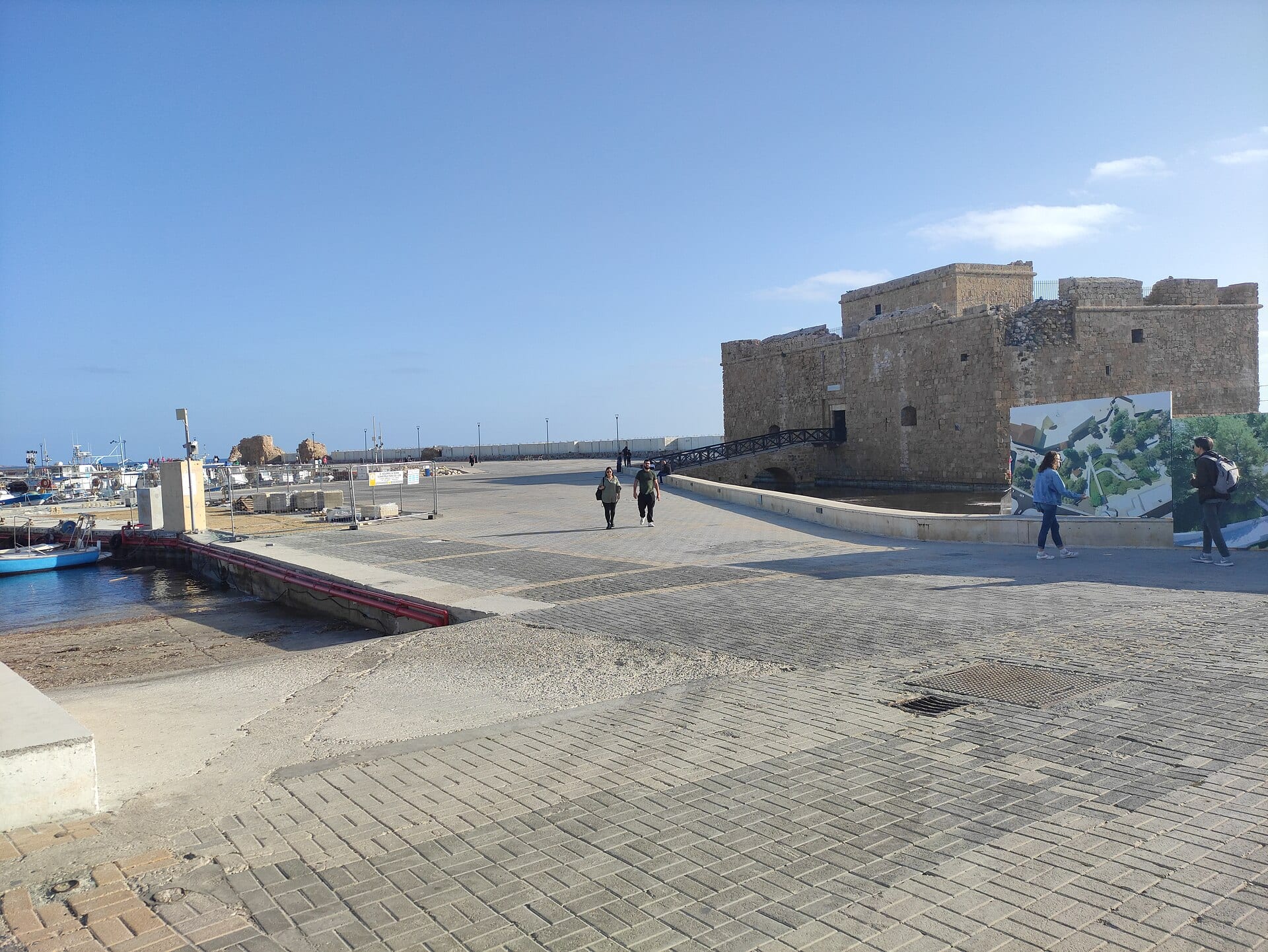
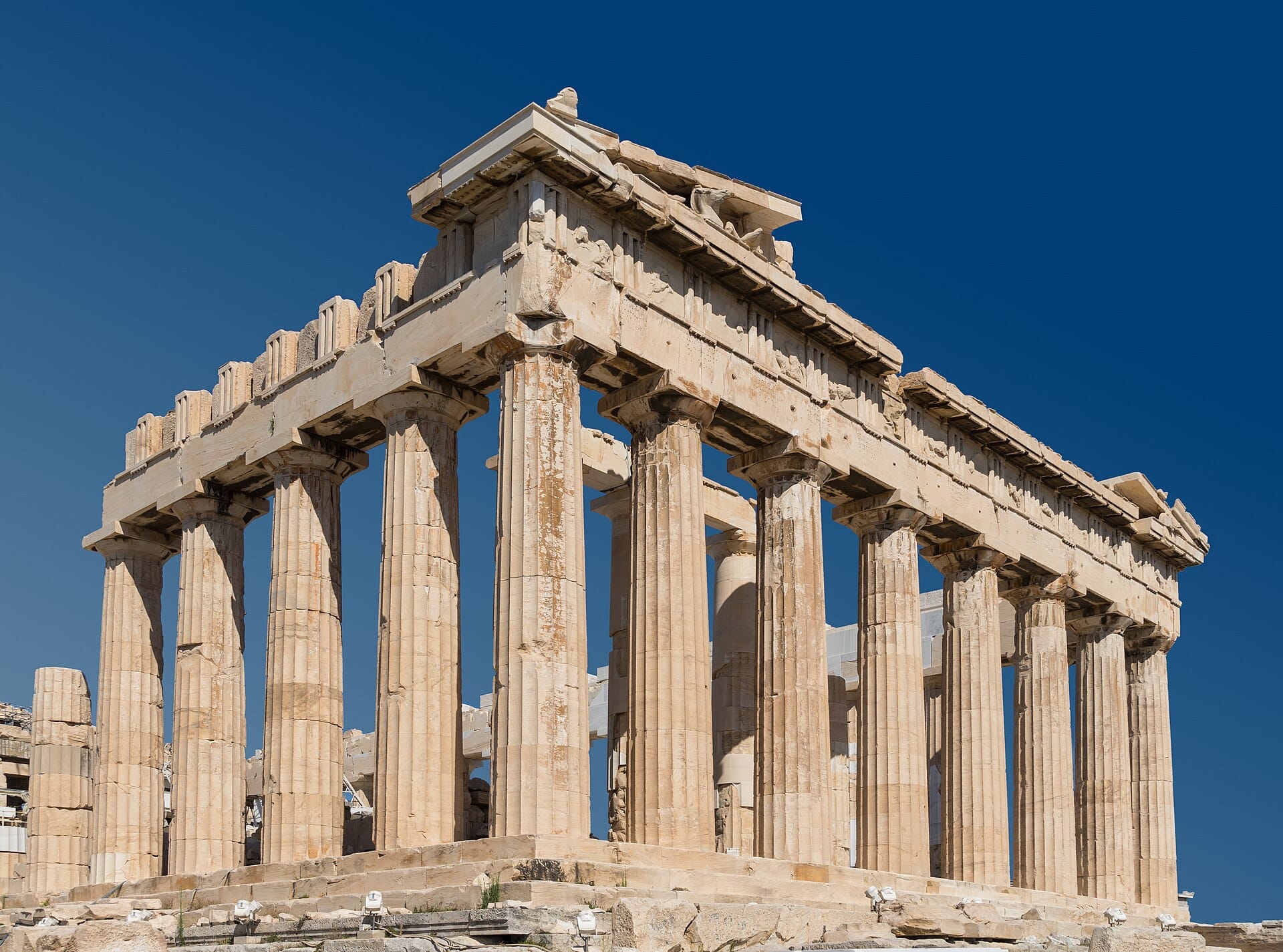
Further afield
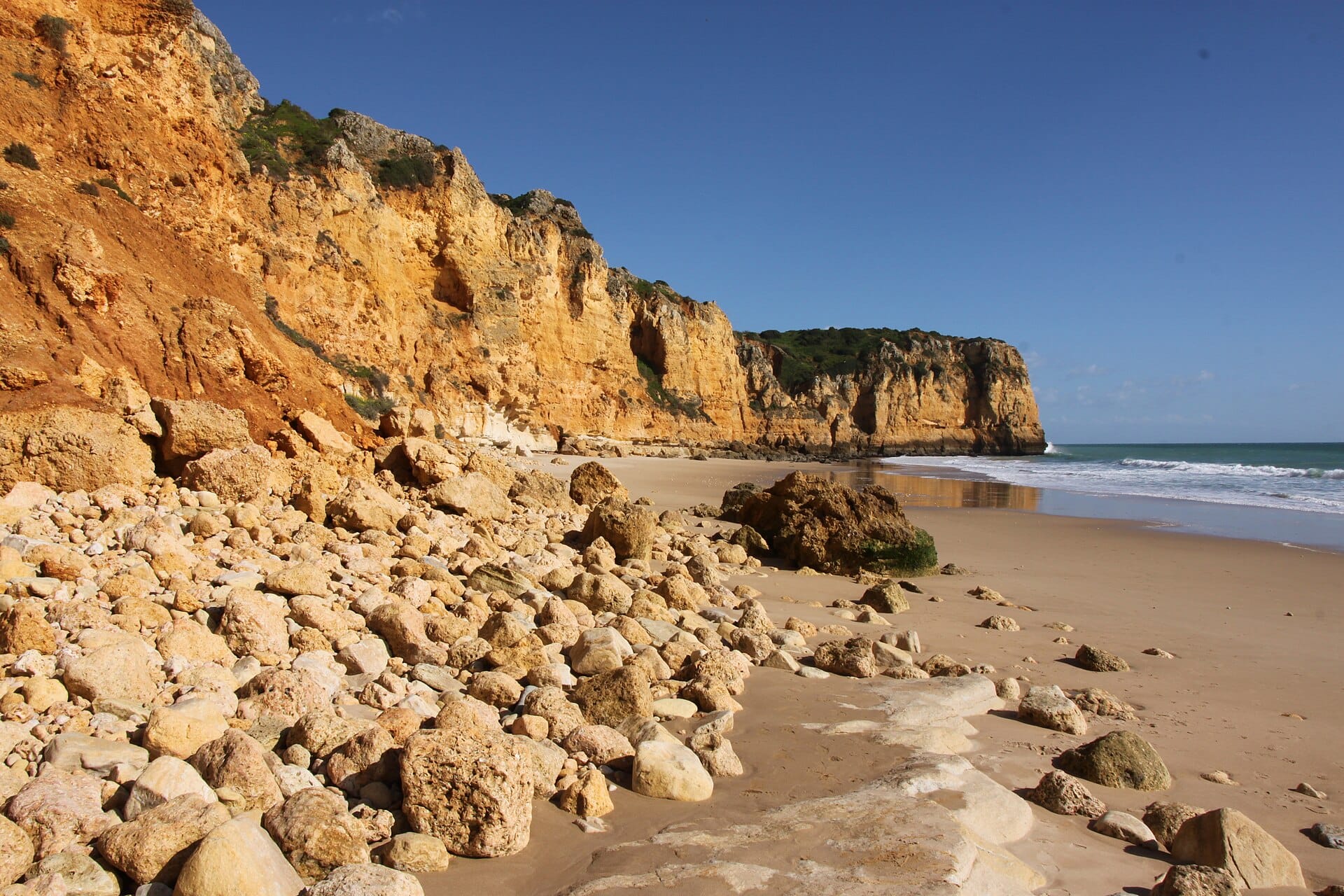
The Algarve
Portugal · 182km away →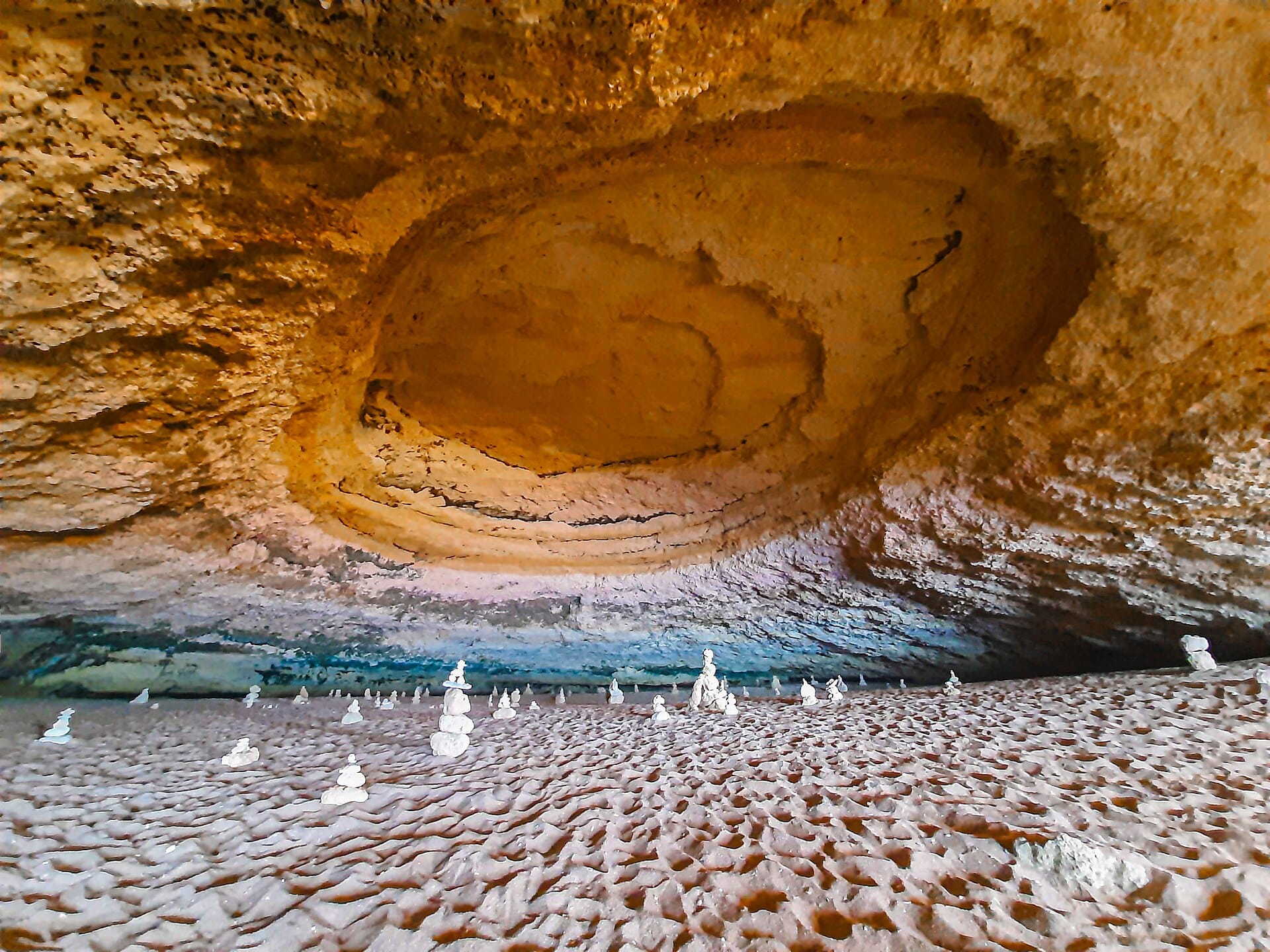
Kayaking the Benagil caves
Algarve, Portugal · 195km away →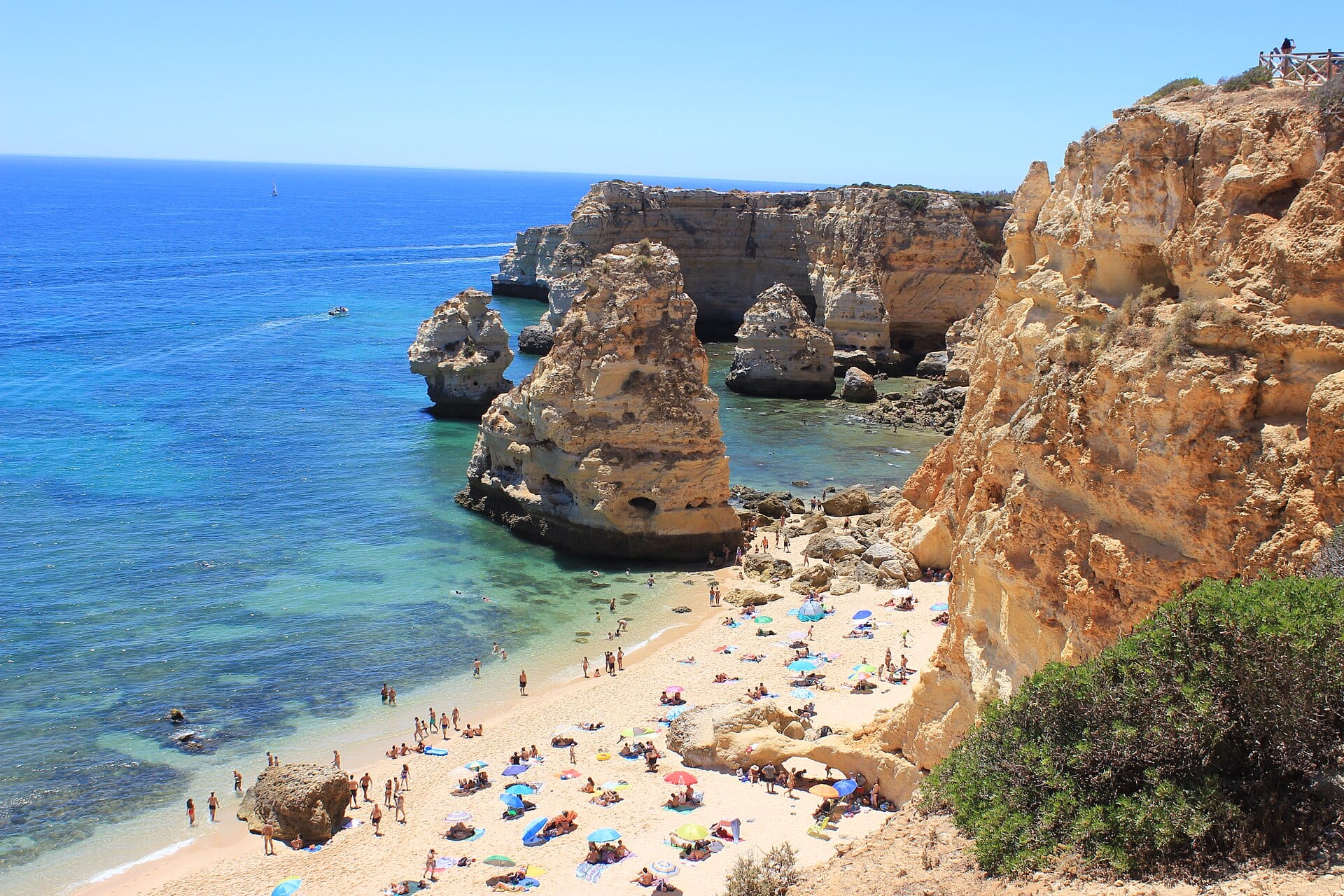
Praia da Marinha
Algarve, Portugal · 217km away →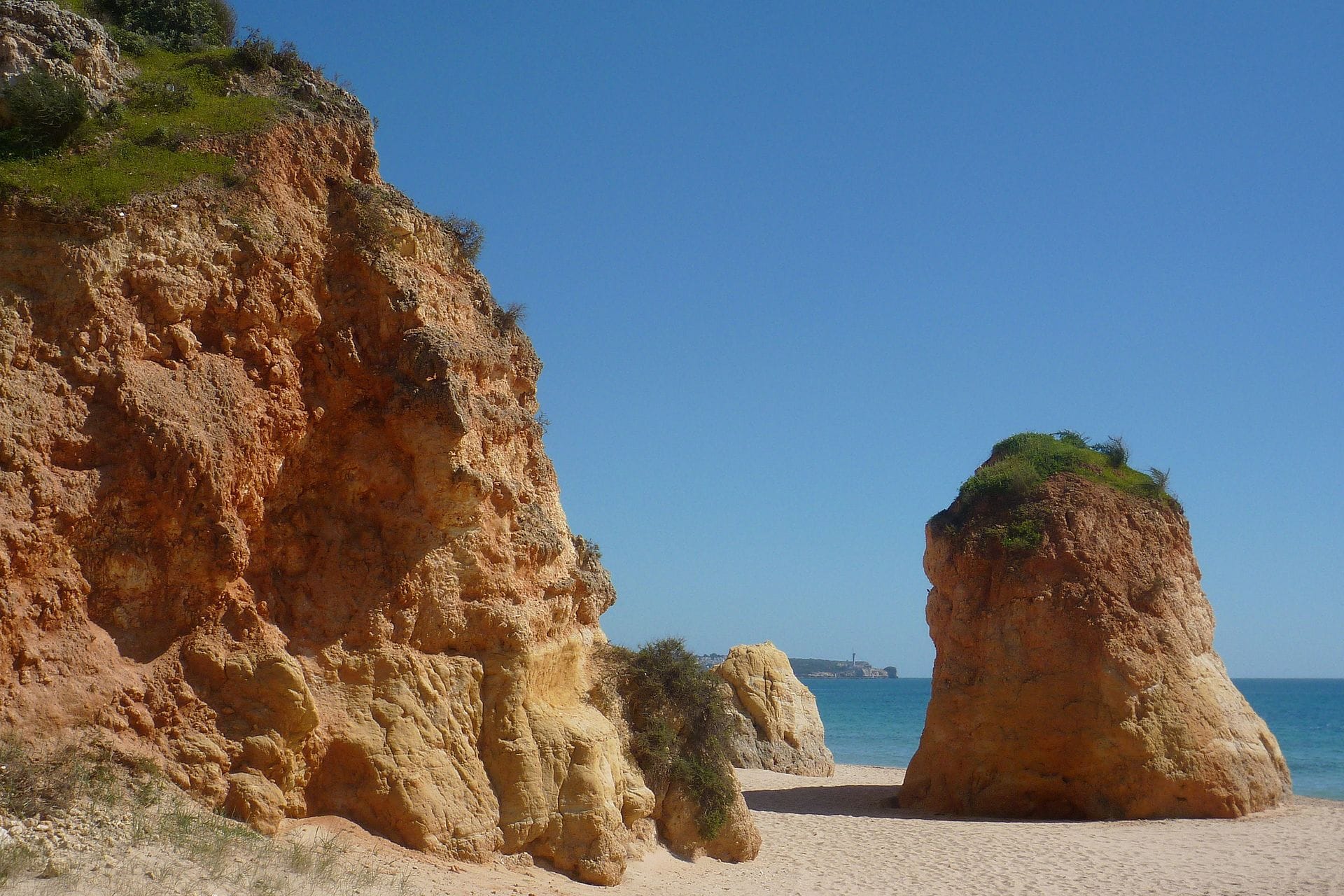
Alvor
the Algarve, Portugal · 232km away →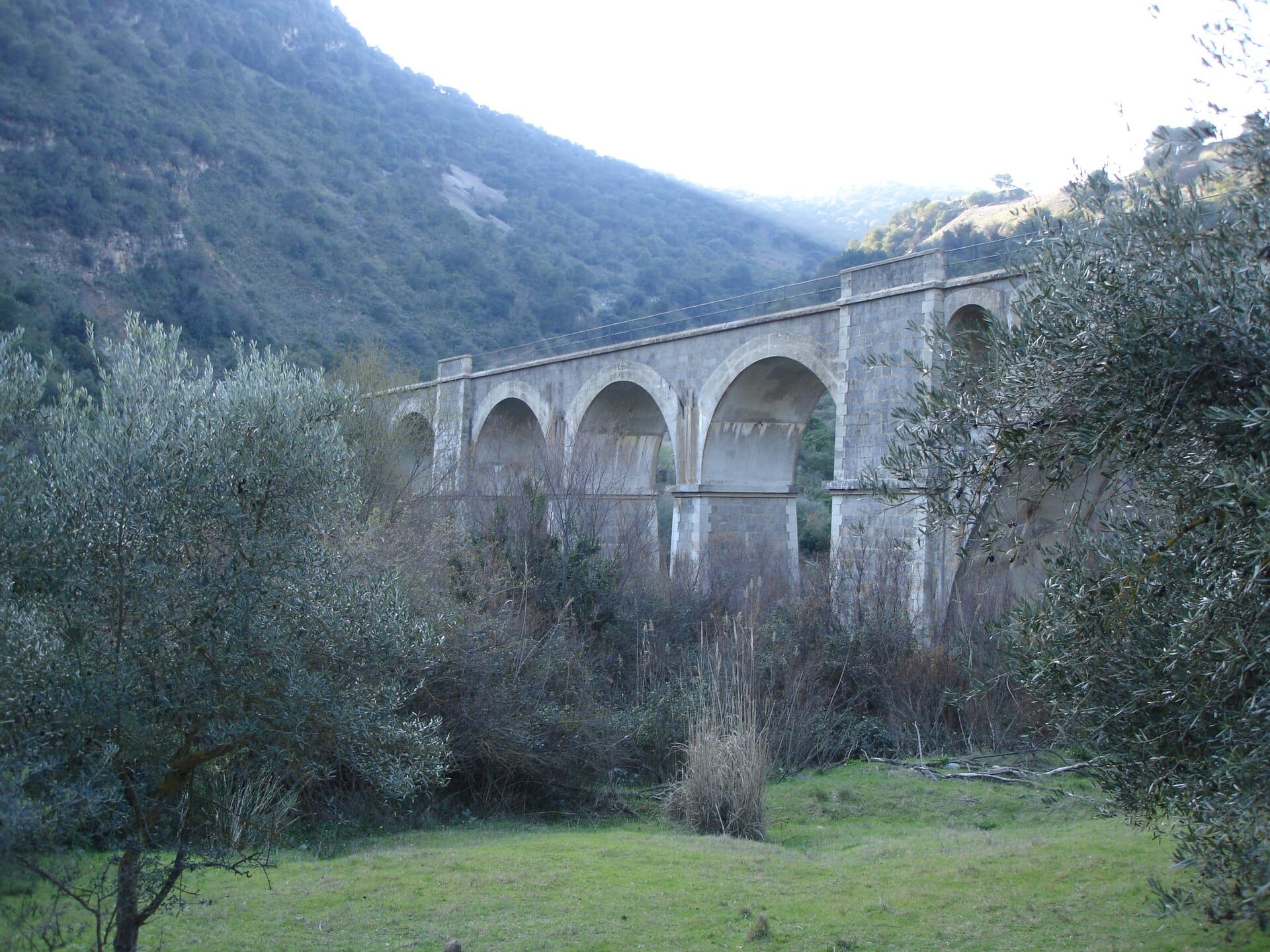
The Vías Verdes greenways
Spain · 238km away →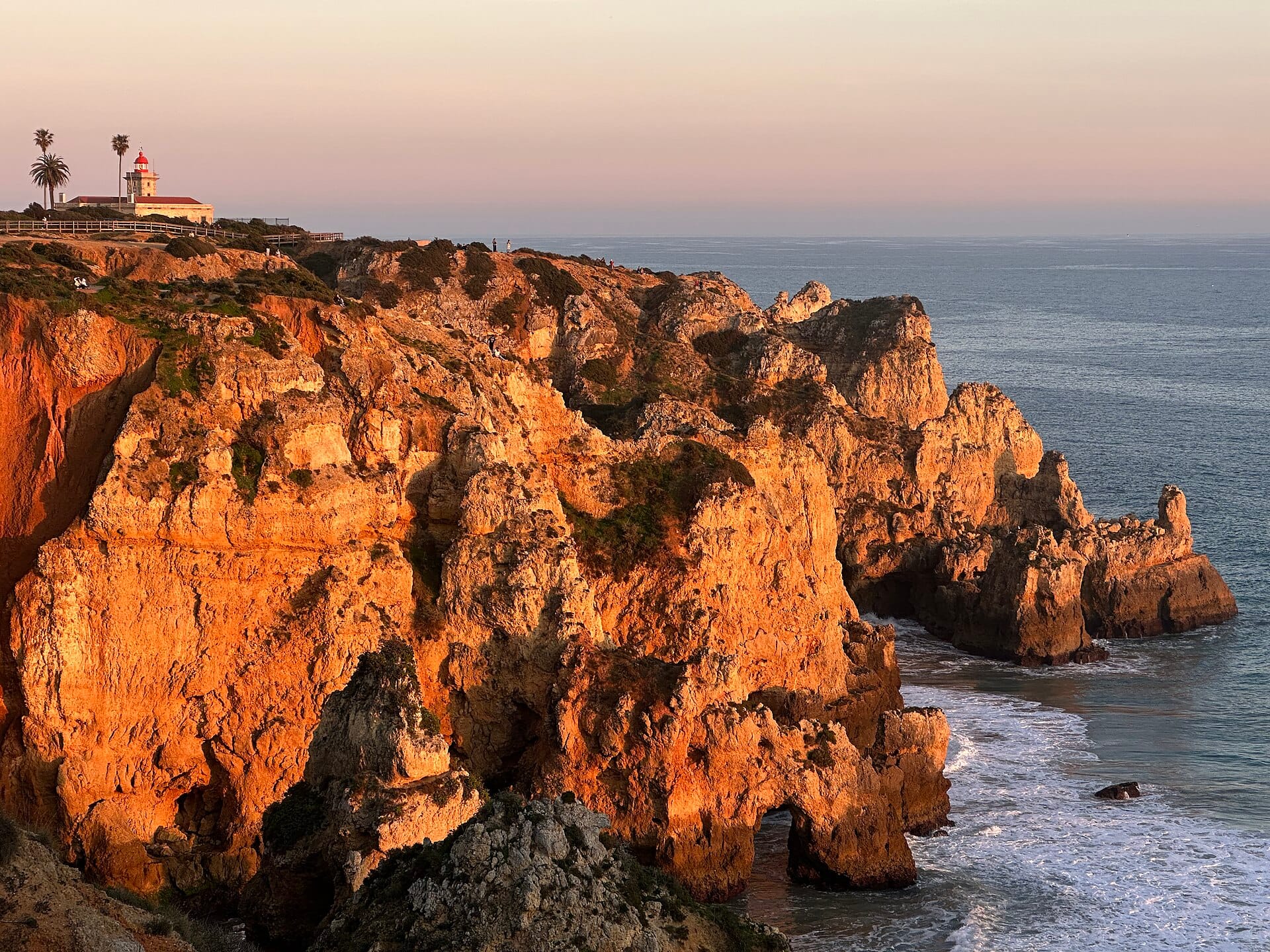
Ponta da Piedade
Algarve, Portugal · 239km away →Elsewhere in Spain
Related articles
Quick answers
When is the best time to visit Seville?
For warm, mostly dry days, April to June and September. That means highs of 20–34°C with rain on six days a month or fewer. Daytime highs run from about 16°C in January to 36°C in July. Driest in July and August; wettest in March, with rain on about 9 days.
How long should I spend in Seville?
Our suggestion: 3–4 nights.
How do I get to Seville?
The EA airport bus runs to Plaza de Armas, with stops at Santa Justa railway station and Prado de San Sebastián, useful for the southern edge of the old town. A single costs €6; pay by bank card on board. A taxi is more convenient with luggage or for a late arrival.
Do I need a car in Seville?
No. Good buses, a tram and a bike-share scheme, though you will barely need them. A car is a liability in the old town.
What currency and language are used in Seville?
Currency: Euro (EUR). Language: Spanish. Plugs: type C and F.
Who is Seville best for?
Best for couples, culture seekers and foodies. In a phrase: warm, tiled, theatrical after dark.