Car hire
Exploring beyond Santa Teresa is easiest with your own wheels — compare prices for Santa Teresa:
Car hire in Santa TeresaAt the tip of the Nicoya Peninsula — one of the world's five Blue Zones, where people routinely live past a hundred — Santa Teresa is a dusty road of surf shops, sushi joints and yoga decks running parallel to a beach break that works most days.
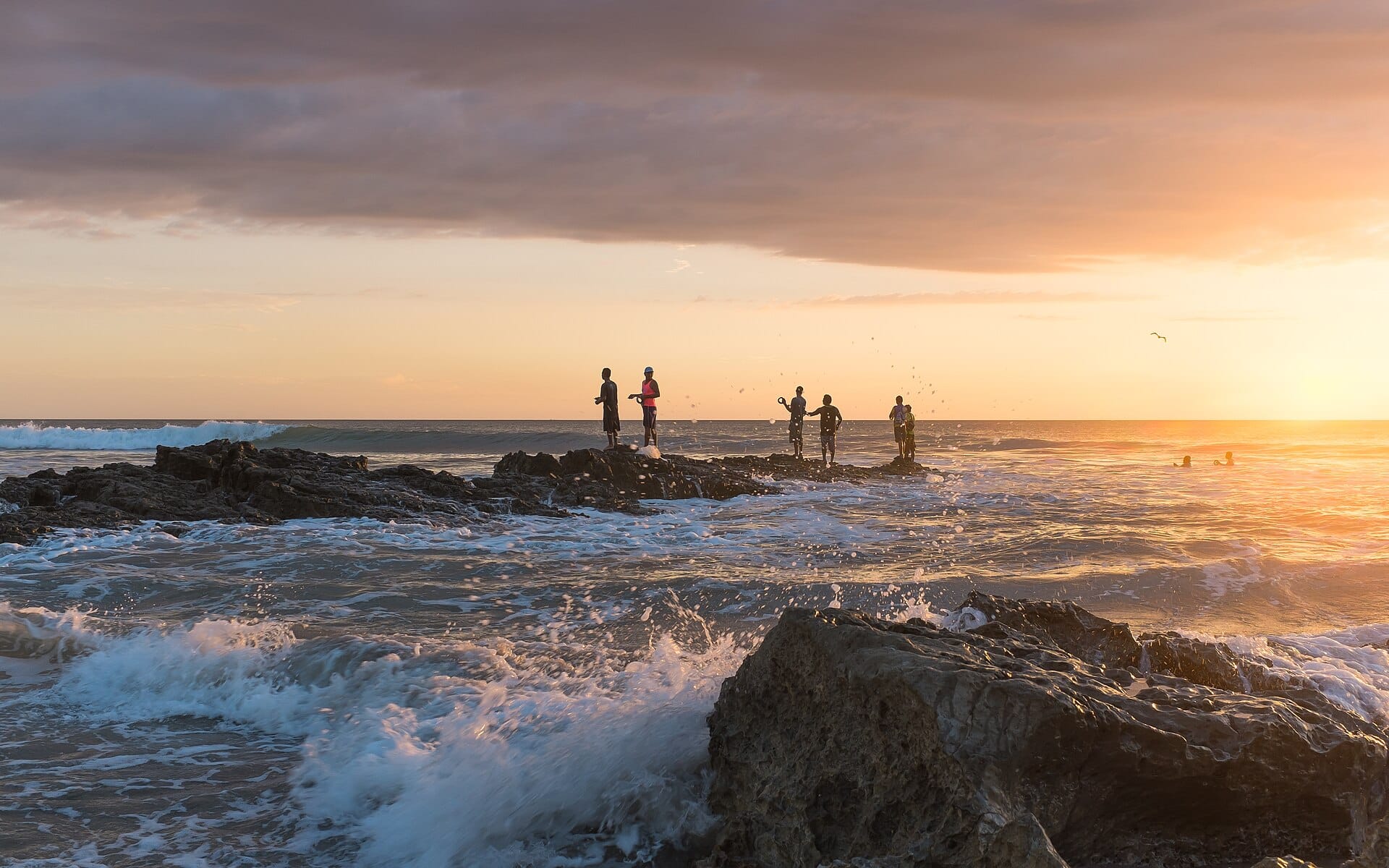
One long dirt road runs parallel to the sea for several kilometres, with the beach a short walk away through the trees at intervals. Development is low-rise and spread out, the crowd is international and young-ish, and the day divides between a dawn surf, a slow breakfast and an evening back in the water. Howler monkeys wake the whole place at first light.
Getting here takes effort: a ferry from Puntarenas and an hour of rough road, or a small plane to Tambor. Give it five nights or more, and pair it with Manuel Antonio or the Osa Peninsula on a longer Costa Rican trip. December to April is dry and dusty, while the green season from May brings rain, cheaper rooms and better swell. Small children may find the surf punchy.
From our guides
Sunsets are borderline unfair. Hire a quad bike or accept sandy feet; the road is unpaved on purpose. December to April brings dry, offshore mornings.
Featured in Ten laid-back tropical surf towns for slow mornings
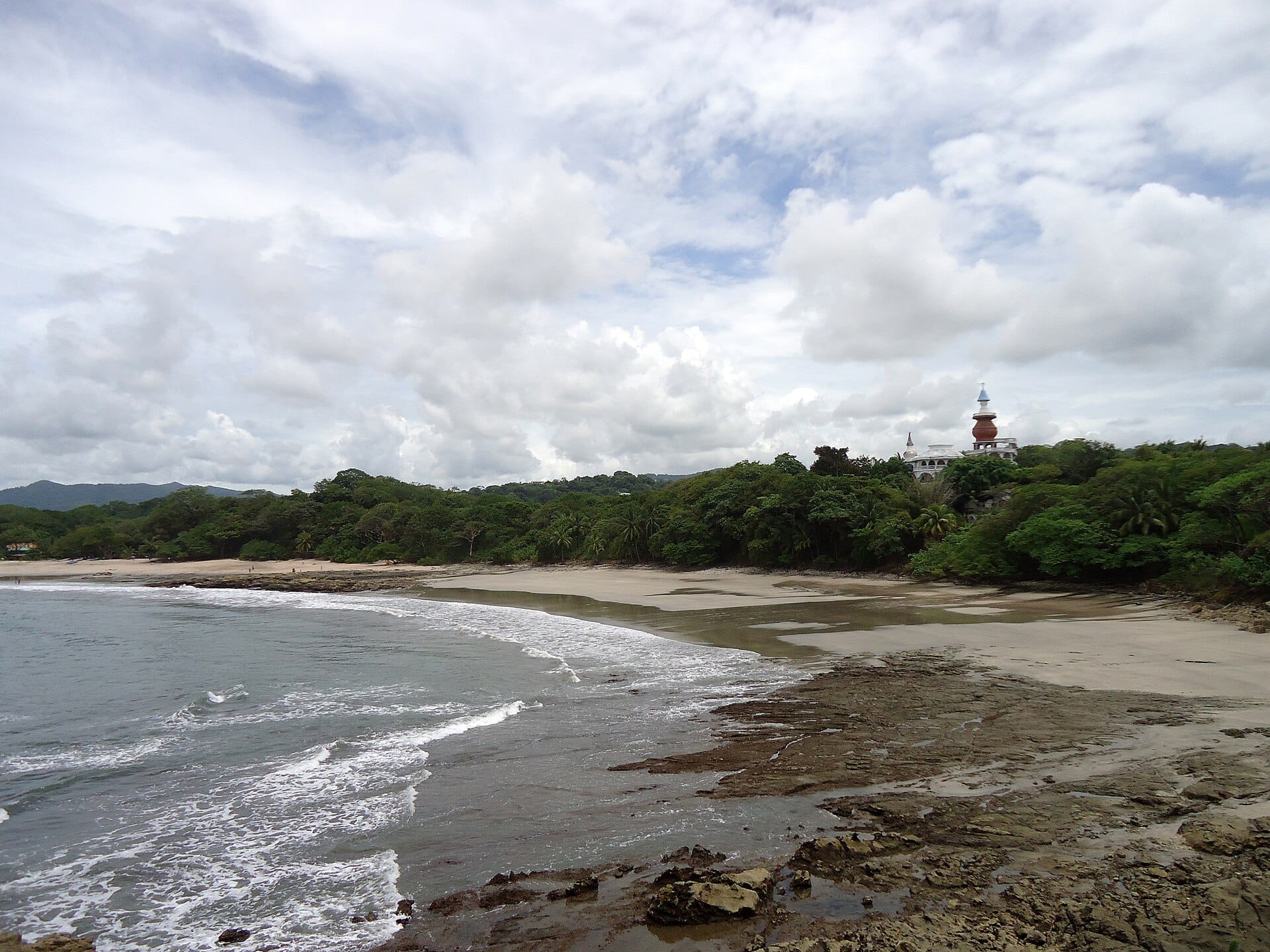
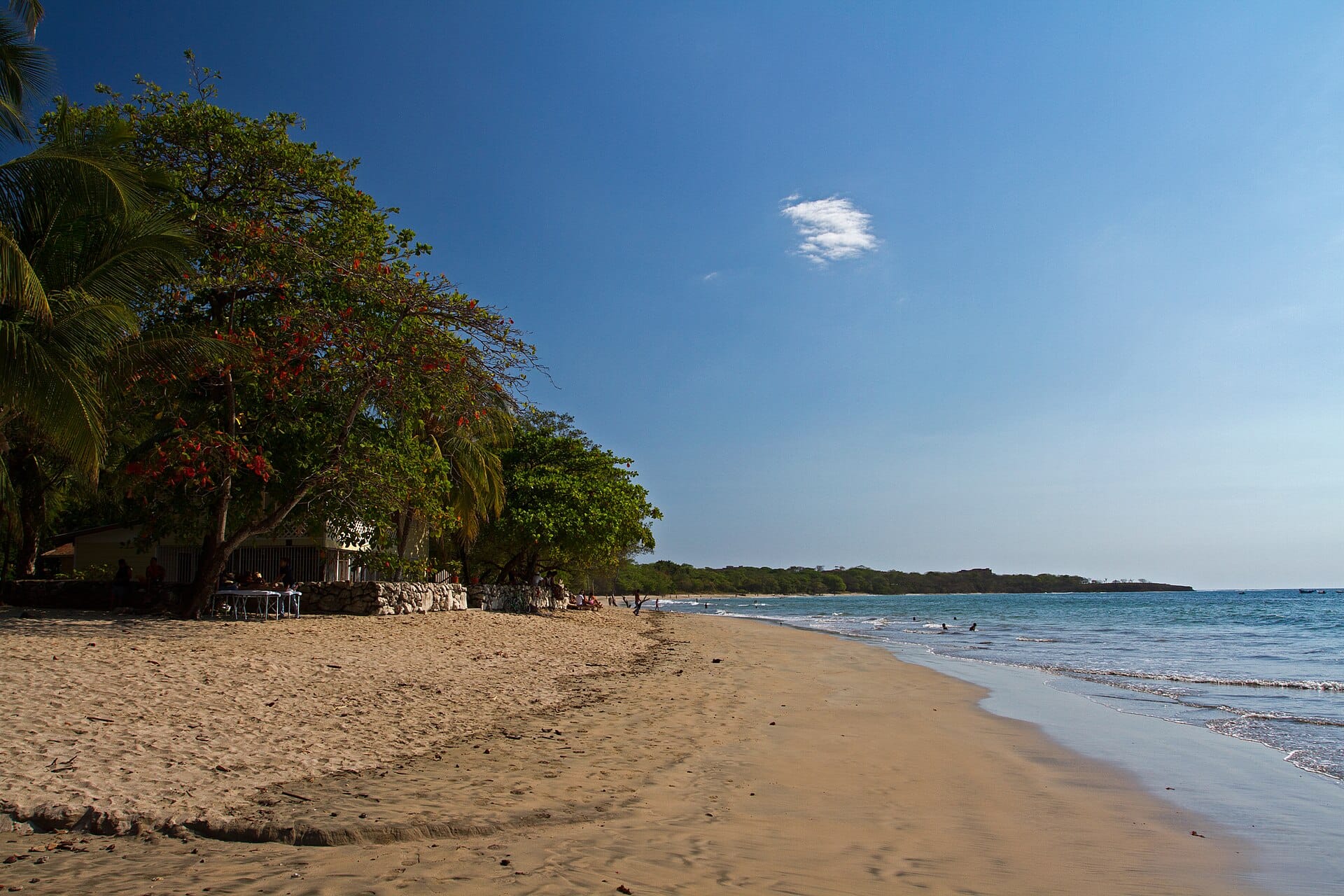
The two central stretches run into each other along the same sand, with beach break peaks that work at most tides and surf schools at the southern end.
North of town, wider and emptier, with a gentler wave and long stretches of sand to walk at low tide. The default choice for sunset.
Forty minutes around the peninsula, a series of falls and pools reached on a short scramble upstream from the village. Busy at weekends.
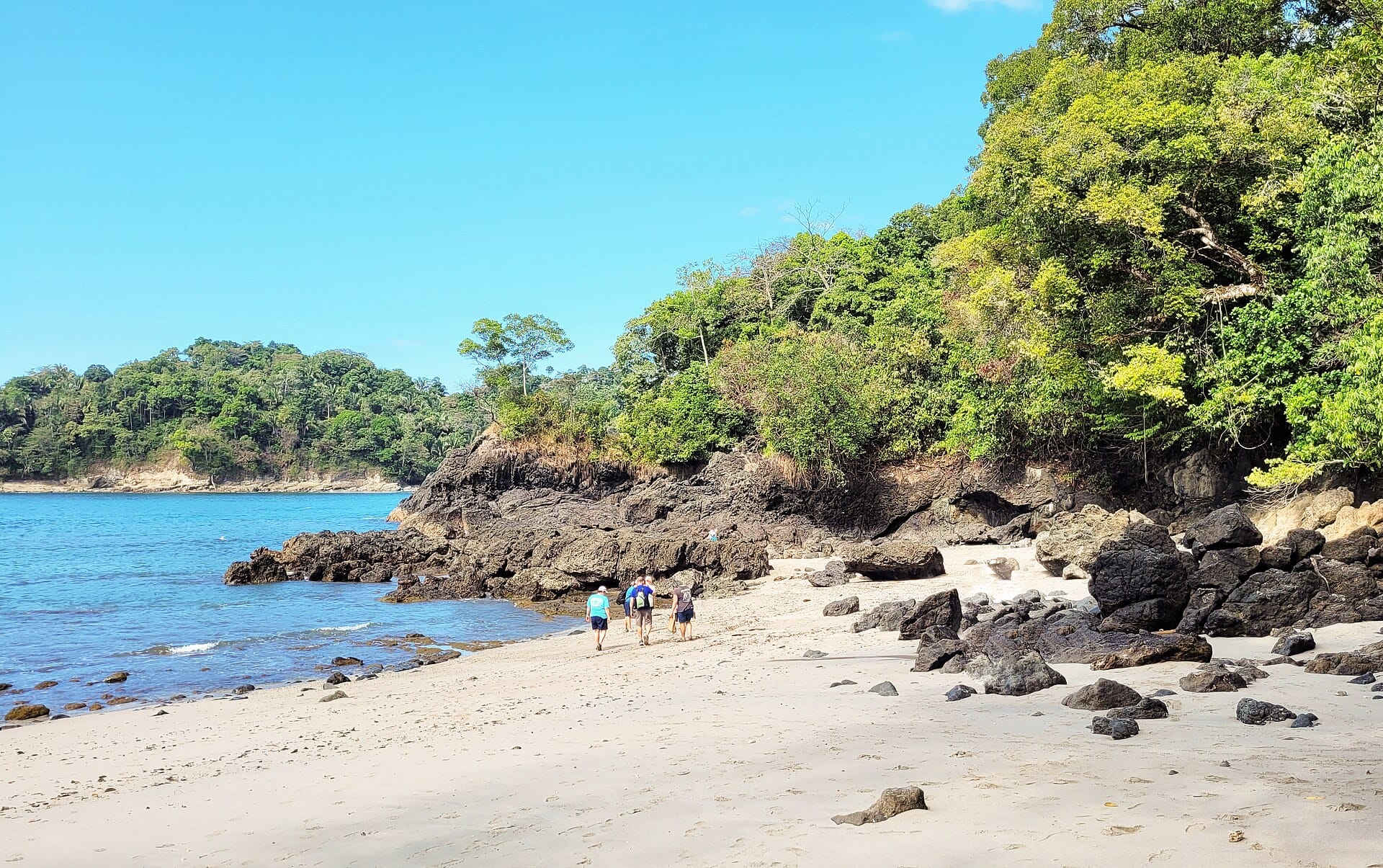
Costa Rica's oldest protected area, at the tip of the peninsula, with a forest trail down to an empty beach and a good chance of monkeys and coatis.
Studios and retreat spaces are everywhere and drop-in classes are the norm. Morning and sunset sessions on open decks are part of the local rhythm.
The whole town gathers on the beach at the end of the day, boards down, for a sun that drops straight into the Pacific. Bring a drink and stay put.
Nearest airport to Santa Teresa, about 112km away as the crow flies.
Tambor (TMU) takes small domestic aircraft from San Jose and is about 45 minutes by road; most visitors arrive at San Jose (SJO) and either take that hop or drive and use the Puntarenas to Paquera ferry, around five hours in all.
One unpaved road runs behind the beach through Santa Teresa and Mal Pais, and quad bikes, scooters and 4x4 taxis are how everyone gets about.
Public transport: Local buses connect Santa Teresa with Cobano and the ferry, but they are slow and run only a few times a day.
Exploring beyond Santa Teresa is easiest with your own wheels — compare prices for Santa Teresa:
Car hire in Santa TeresaLos Angeles Santa Teresa, Costa Rica
Fly from anywhere — search 4,000+ airports worldwide.
Roughly 5h 50m in the air from Los Angeles (LAX), estimated from the distance — check for a direct route. Pick a month to see every available flight with live prices.
Pick your departure date, then your return.
Search flightsNot sure when? Compare fares across a whole month.
Flight times are estimates; prices open on Google Flights.
Daytime highs run from about 27°C in November to 30°C in March. Driest in February; wettest in August, with rain on about 29 days. The sea is warmest in May at around 31°C, coolest at 29°C.
The year at a glance — pick a month for detail
September28° · rain 29 days · sea 30°Warm and often wet.
Monthly figures averaged from daily records for 2020–2024 at this location (ERA5 reanalysis). Highlighted months are warm and mostly dry — January to March. Live conditions from MET Norway, CC BY 4.0.
Boutique jungle hotels, surf hostels, yoga retreats and villas up the hillsides, almost all small. No chains, no high rises, and the road determines how easy each one is to reach.
The crossroads end of the strip, closest to the supermarkets and the surf schools, with the beach a short walk through the trees. The main road is unpaved and dusty in dry season.
Find stays in Playa CarmenThe middle of the strip, where the sushi places, beach clubs and yoga studios cluster and the music runs late. Walkable at night, which is rare here.
Find stays in Santa Teresa centreThe wide, gentler beach at the northern end, with more space and calmer surf lessons. Rip currents are still a real hazard, so pick a hotel with a pool as well.
Find stays in Playa HermosaSouth of the junction, a fishing village with small hotels among the trees and far fewer people. You will need a quad bike or a four wheel drive to get anywhere.
Find stays in Mal PaisWorth knowing before you book: The December to April dry season peaks over Christmas and Easter, when minimum stays appear. The road in from the ferry is rough, so allow far longer than the map suggests.
Search everything else in Santa Teresa by budget. These are indicative budget bands in GBP per night for two people, not live quotes or guarantees of hotel type. Check your dates, guests, taxes and final price on Booking.com.
For warm, mostly dry days, January to March. That means highs of 20–34°C with rain on six days a month or fewer. Daytime highs run from about 27°C in November to 30°C in March. Driest in February; wettest in August, with rain on about 29 days. The sea is warmest in May at around 31°C, coolest at 29°C.
Our suggestion: 5 nights or more.
Tambor (TMU) takes small domestic aircraft from San Jose and is about 45 minutes by road; most visitors arrive at San Jose (SJO) and either take that hop or drive and use the Puntarenas to Paquera ferry, around five hours in all.
Yes, a car makes a real difference here. Local buses connect Santa Teresa with Cobano and the ferry, but they are slow and run only a few times a day.
Currency: Costa Rican colón (CRC). Language: Spanish. Plugs: type A and B.
Best for surfers, wellness & slow travel and couples. In a phrase: dusty, barefoot, surf-and-yoga.