
Sa Calobra
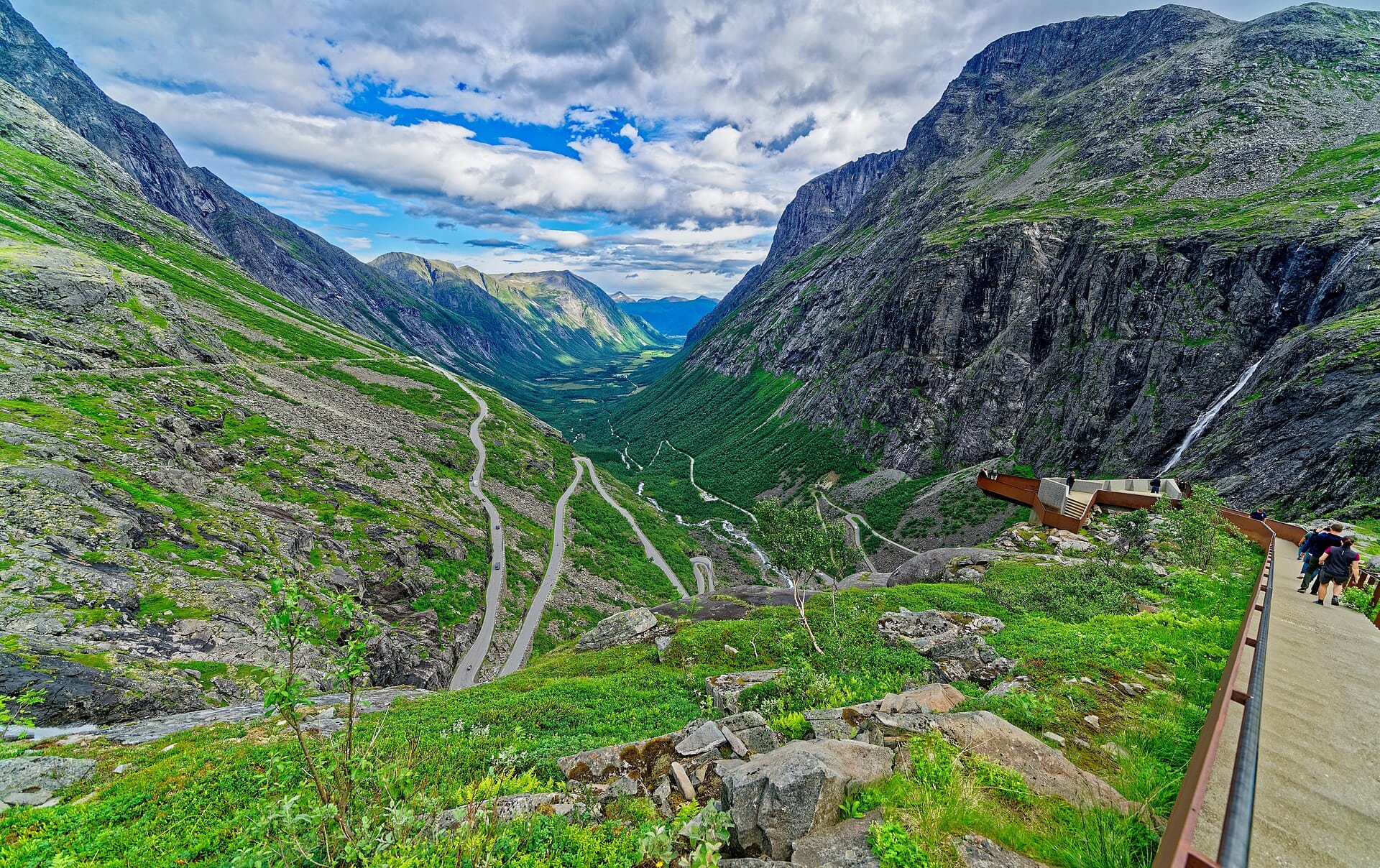
Mallorca's mad masterpiece: twelve kilometres of corkscrewing descent through the Tramuntana range to a pebble cove, including the famous 'tie knot' where the road loops 270 degrees underneath itself.
- Best forRoad-trippers · Adventure seekers · Photographers
- In February16°C · 4 rainy days
- Ideal stayA day trip from Soller or Palma
- Approx. flying time~12h 20m from Los Angeles
- CurrencyEUREuro
- LanguageSpanish
- Local time12:161h ahead of the UK
- PlugsType C / FBring an adapter
- Drive on theRightOpposite to the UK
- Dialling code+34
Why go
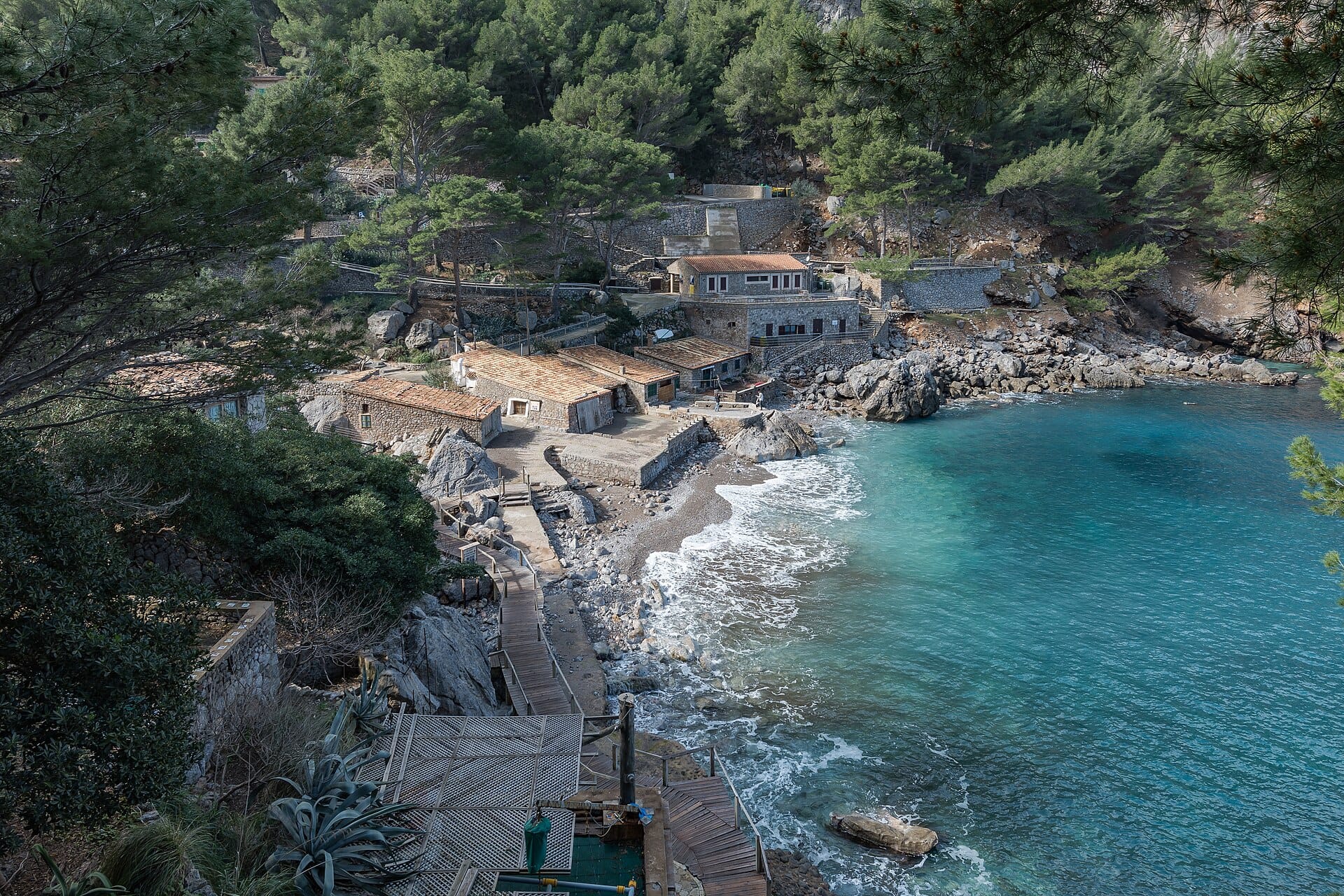
The destination is a pair of pebble coves at the bottom of a gorge, but the road is what people come for. It drops from the Tramuntana ridge in a sequence of hairpins and loops with almost no straight sections, and cyclists grind back up it all year. At the bottom there is a small settlement, a handful of places to eat and the mouth of the Torrent de Pareis.
Half a day is enough, and it fits into a wider Tramuntana route taking in Soller, Deia and the Formentor road. Boats run from Port de Soller in season, which avoids the drive altogether and is the calmer option. Spring and autumn are best, with fewer coaches and better temperatures for cycling. Anyone prone to travel sickness should take the boat rather than the bends.
- Ideal stay
- A day trip from Soller or Palma
- The vibe
- Vertiginous, engineered, rock and sea
From our guides
Engineer Antonio Parietti designed it in the 1930s with no purpose beyond the pleasure of driving it. There's no way out but back up, which is rather the point. Go before 9am — coaches and hire cars clot the bends by mid-morning — and swim at the bottom.
Featured in Ten jaw-dropping mountain roads and passes to drive
Things to do
-
Torrent de Pareis
A tunnel through the rock leads from the cove to the mouth of a canyon where 200-metre walls close in. The gorge itself is a serious scramble for experienced hikers only.
-
Cala Tuent
A quieter pebble bay reached from a turning on the same road, with a small church above it and none of the coach traffic.
-
Boat from Port de Soller
Seasonal boats run along the north coast and arrive under the cliffs. A very good way to see the coastline and skip the road entirely.
-
The cycling climb
The ascent runs roughly ten kilometres at a steady gradient and is a fixture of professional winter training. Cars and cyclists share the same blind bends.
-
Mirador de Ses Barques
A viewpoint on the road between Soller and the turning, looking down the coast and out over the water. Orange juice stops here are traditional.
-
Soller and its tram
A wooden tram has run from the town square down to the port since 1913, connecting to Palma by a narrow-gauge railway through the mountains.
Getting there
-
Fly to
Palma de Mallorca (PMI)
Nearest airport to Sa Calobra, about 6km away as the crow flies.
-
Then
To Soller
About 45 minutes by car from Palma (PMI) to Soller through the tunnel, then a further hour on the winding mountain road across to Sa Calobra.
-
On the ground
Getting around
The only road in is the corkscrew descent from the Coll dels Reis and it is a dead end, so you drive back up; in season a boat from Port de Soller reaches the cove in about 40 minutes and spares you the bends.
Public transport: A seasonal bus and the Port de Soller boat serve Sa Calobra, but timings are limited and most people drive or cycle.
Flights
Los Angeles Sa Calobra, Mallorca, Spain
Fly from anywhere — search 4,000+ airports worldwide.
Roughly 12h 20m in the air from Los Angeles (LAX), estimated from the distance — check for a direct route. Pick a month to see every available flight with live prices.
Check dates and prices
Pick your departure date, then your return.
Search flightsNot sure when? Compare fares across a whole month.
Flight times are estimates; prices open on Google Flights.
When to go
Daytime highs run from about 14°C in January to 32°C in July. Driest in July; wettest in September, with rain on about 9 days.
The year at a glance — pick a month for detail
February16° · rain 4 daysCool with the odd shower.
Monthly figures averaged from daily records for 2020–2024 at this location (ERA5 reanalysis). Highlighted months are warm and mostly dry — June to August and October. Live conditions from MET Norway, CC BY 4.0.
Where to stay
Restored townhouse hotels, agroturismos in the orange groves, seafront family hotels at the port and a good number of apartments. Big resorts are absent from this side of the island.
-
Best base overall
Soller
A handsome valley town with the vintage tram, the wooden train to Palma and restaurants around the square. The drive to Sa Calobra starts here and is easier before breakfast.
Find stays in Soller -
Best with children
Port de Soller
A horseshoe bay with sheltered, shallow water, a flat promenade and the tram running along it. Busier than the town and hotels are priced accordingly in summer.
Find stays in Port de Soller -
Best for couples
Deia
Honey coloured houses stacked on a hillside above the sea, with small hotels and a literary reputation. Parking is scarce, the cove below is a walk, and prices are high.
Find stays in Deia -
Quietest
Fornalutx
Often called the island's prettiest village, up a side valley among orange groves, with a few rooms and a lot of steps. Nothing happens after dinner, which is the attraction.
Find stays in Fornalutx
Worth knowing before you book: The Tramuntana fills from Easter through October and cycling groups take rooms in spring and autumn. Many small hotels close in winter, and hire cars are essential and best booked early.
Search everything else in Soller by budget. These are indicative budget bands in GBP per night for two people, not live quotes or guarantees of hotel type. Check your dates, guests, taxes and final price on Booking.com.
Good to know
- Driving
- The descent has more than a dozen tight hairpins and no barriers in places. Use a low gear, expect coaches on the bends, and do not attempt it in a hurry.
- Timing
- Go at opening time or late afternoon. Between ten and four the road and the cove are at their most congested.
- Parking
- Space at the bottom is limited and paid, and fills early in summer. Arriving by boat removes the problem completely.
- Pack this
- Water shoes for the pebbles, sun cover and drinking water. There is very little shade in the cove and the walls hold the heat.
- Safety
- Do not enter the Torrent de Pareis gorge without experience, equipment and a settled forecast. Flash flooding has killed walkers here.
Nearby destinations
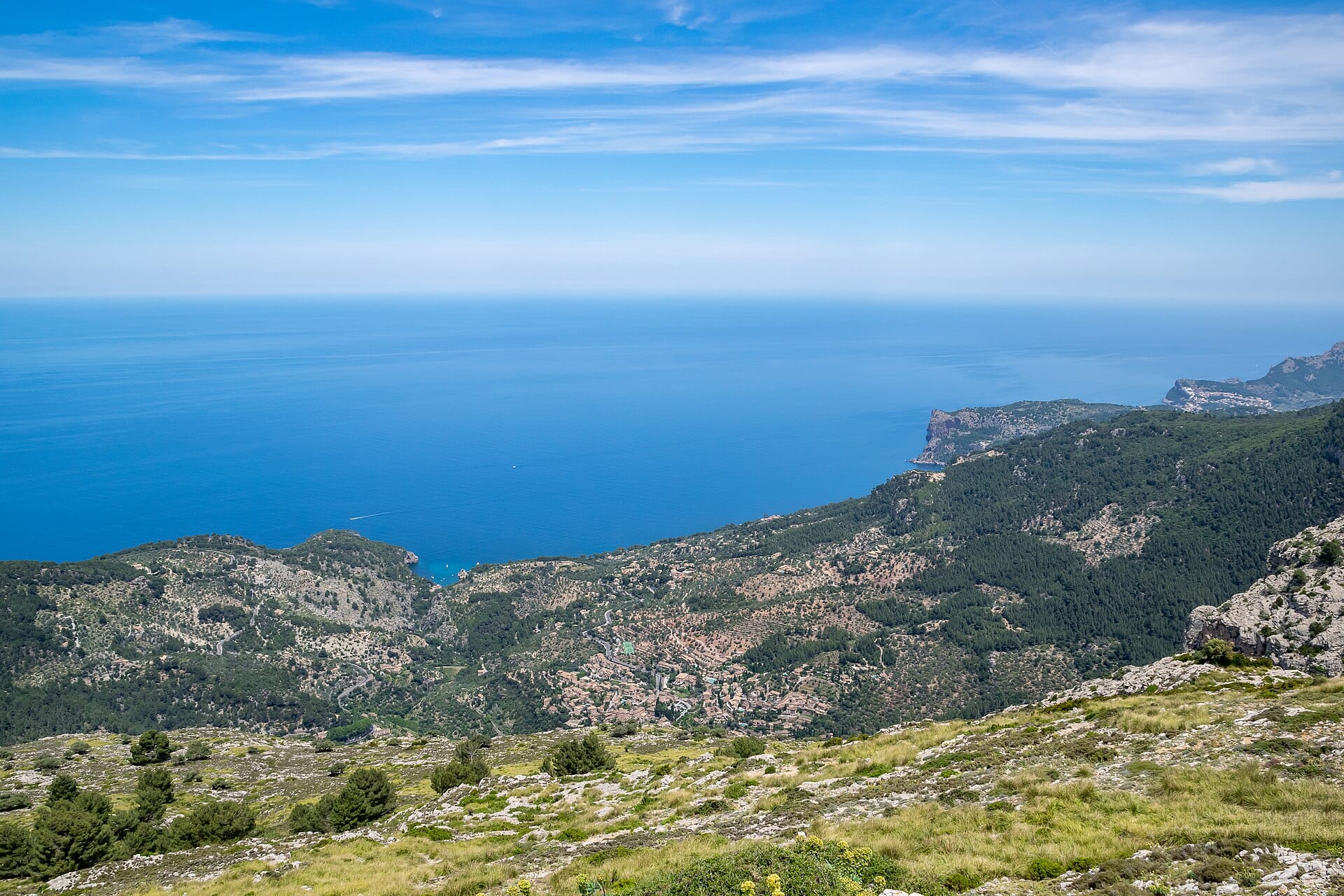
Deià
Mallorca, Spain · 9km away →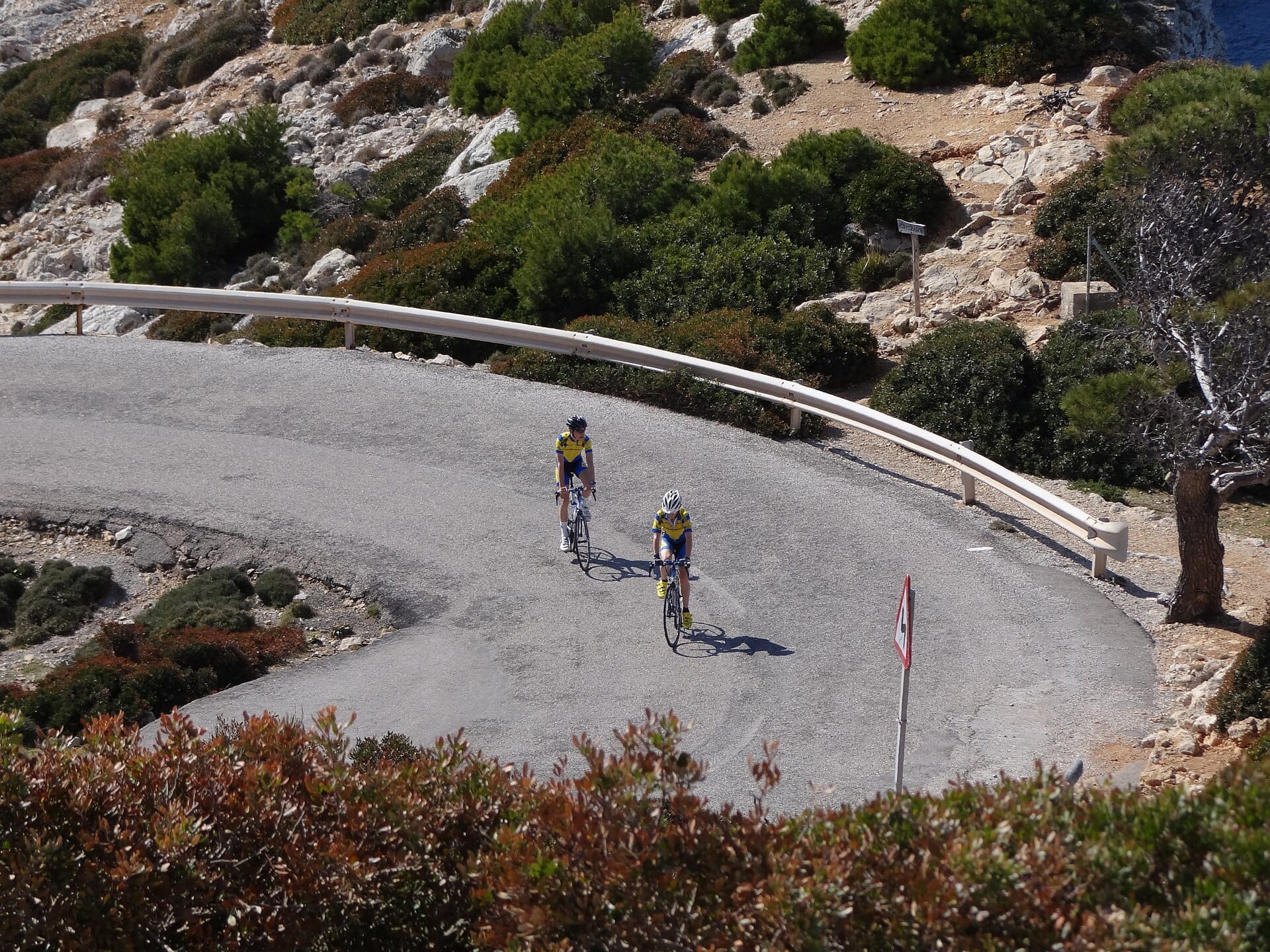
Mallorca
Spain · 17km away →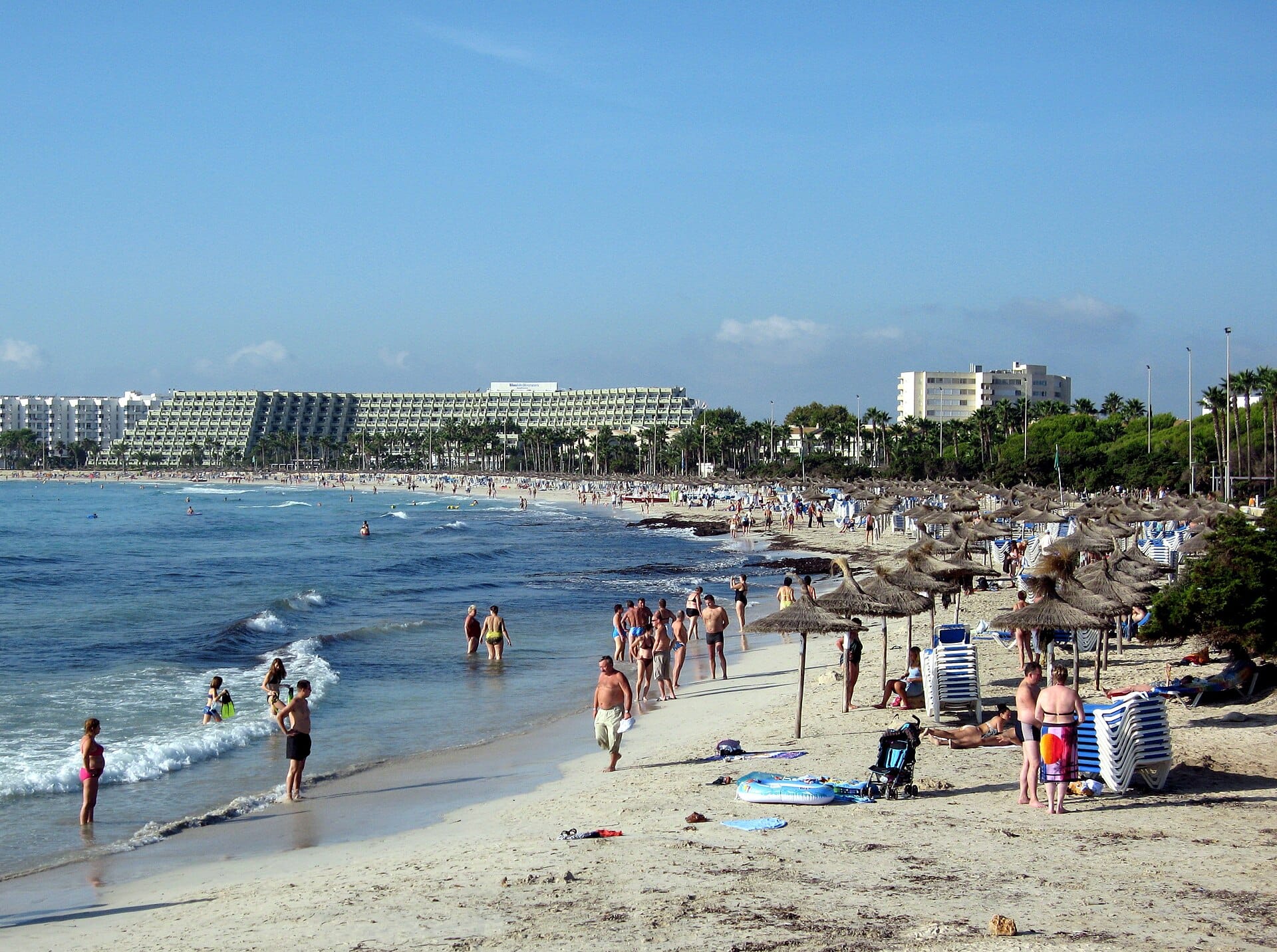
Sa Coma
Mallorca, Spain · 31km away →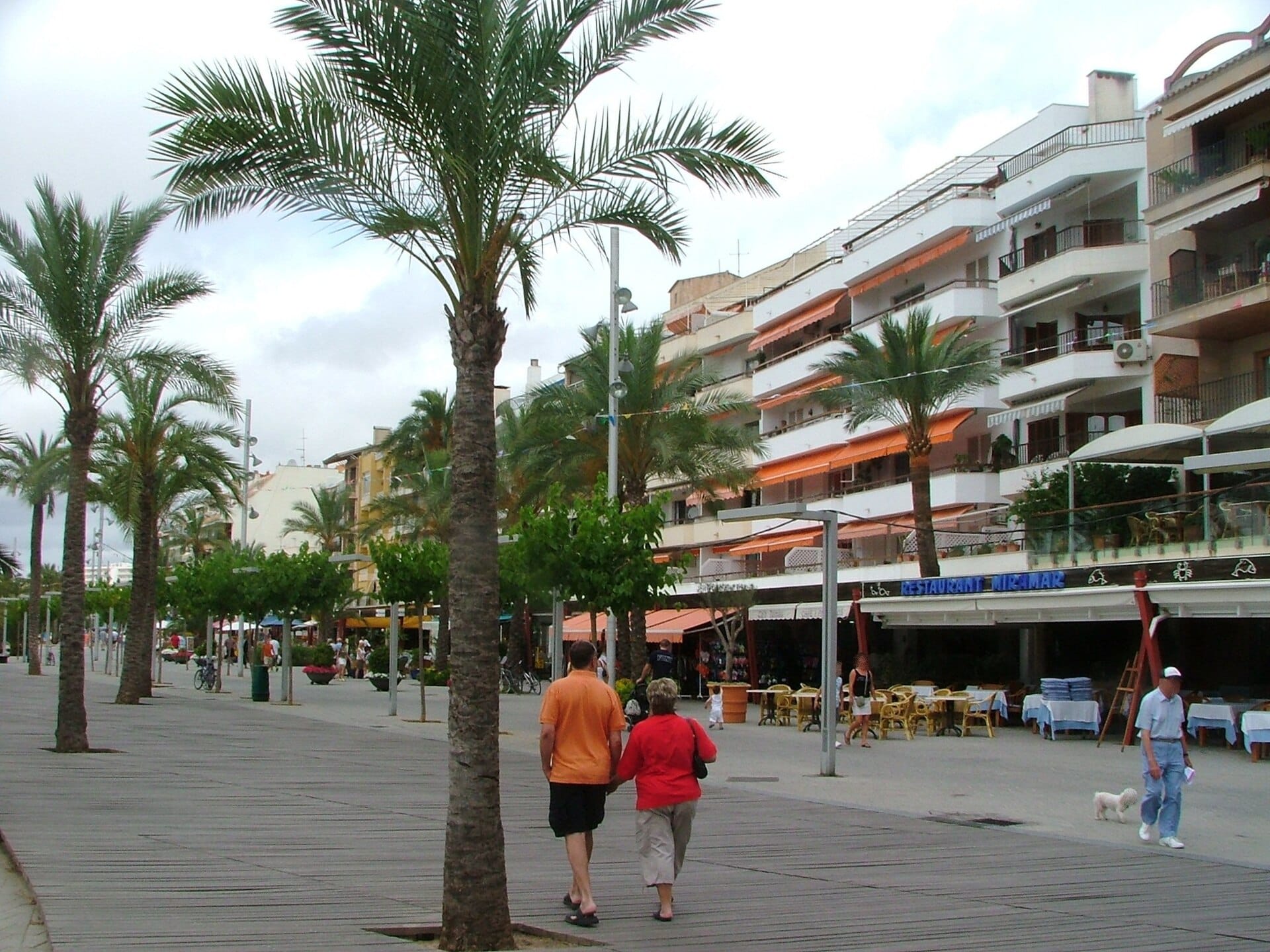
Alcúdia
Majorca, Spain · 47km away →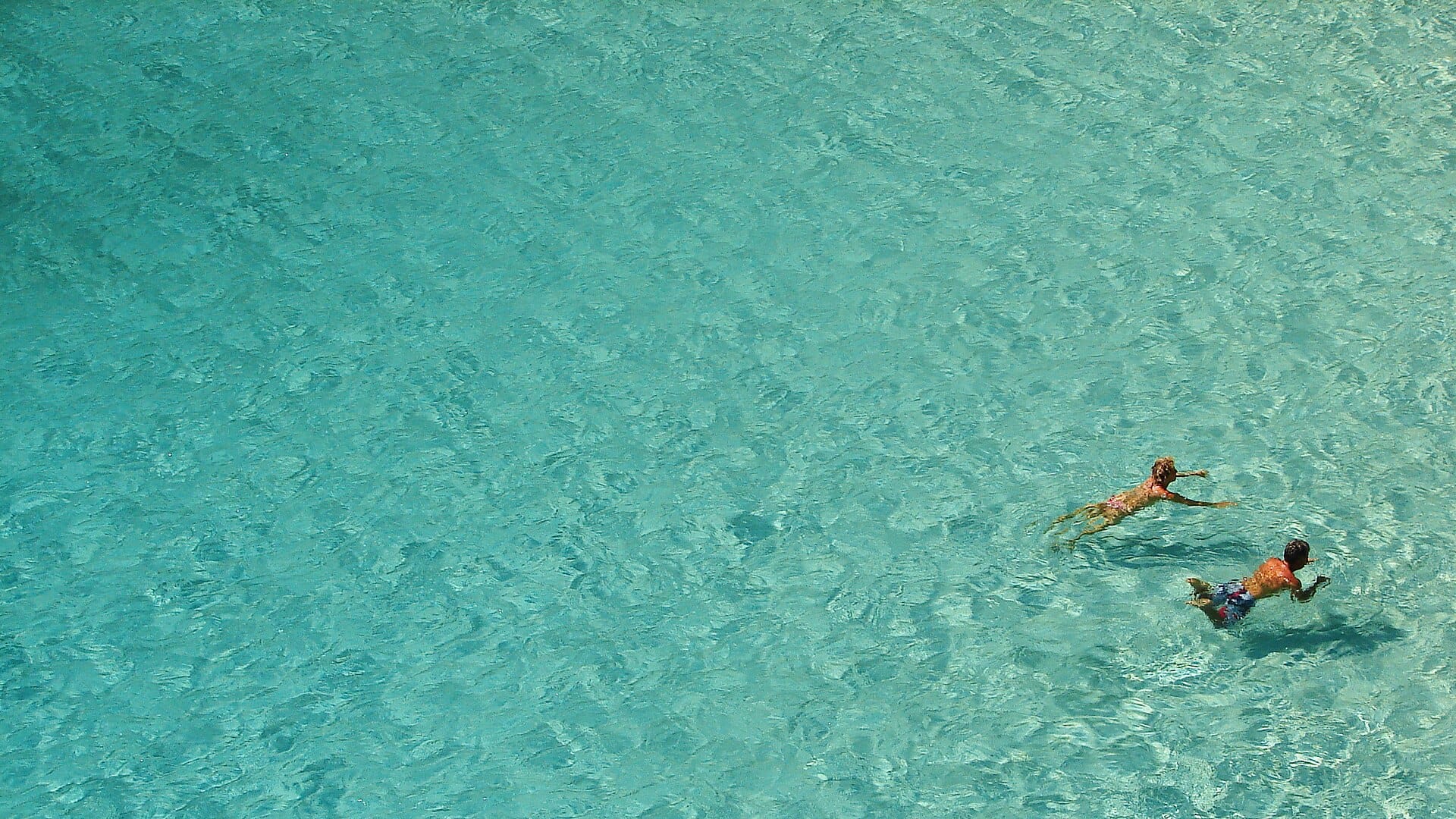
Cala Macarelleta
Menorca, Spain · 113km away →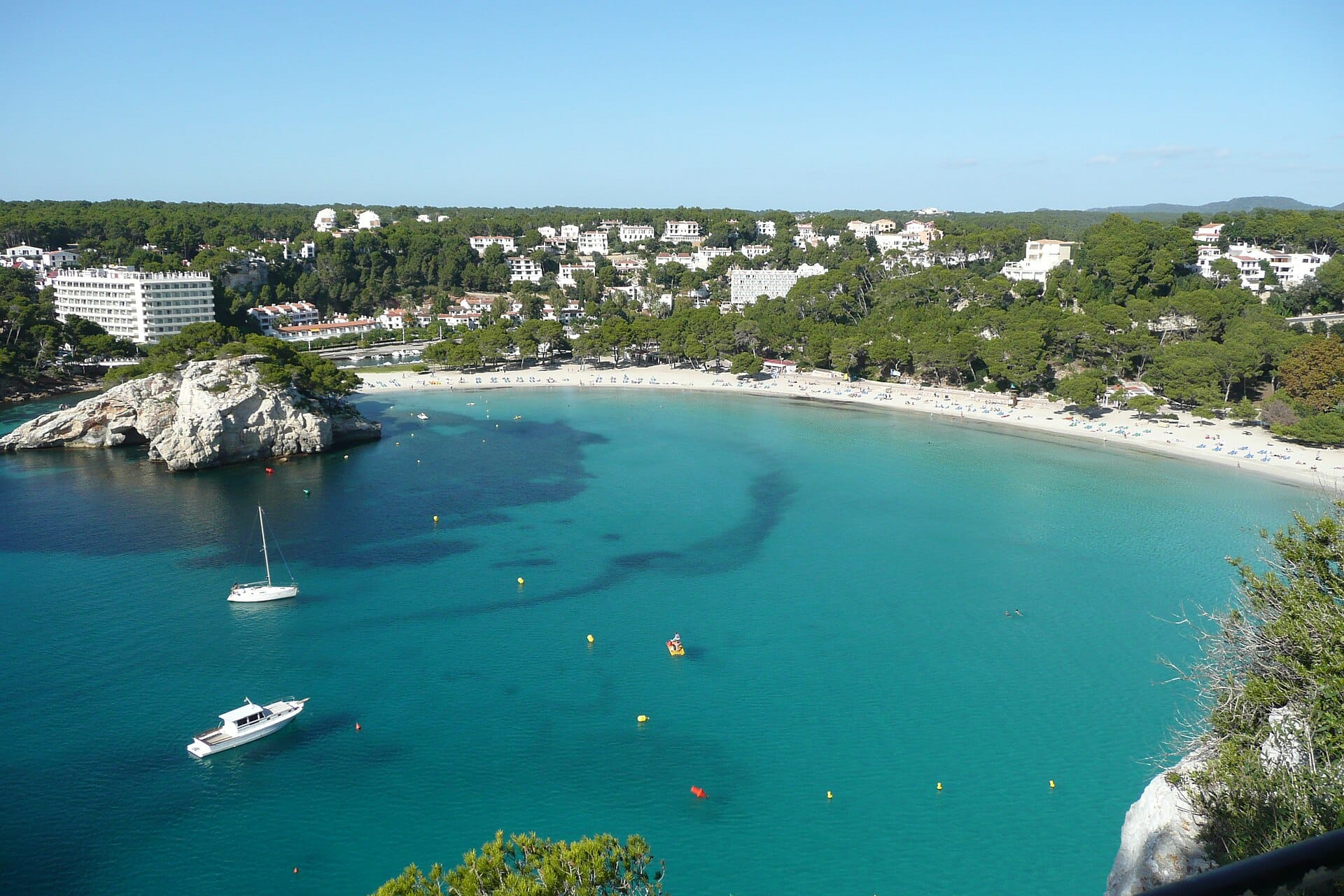
Menorca
Spain · 123km away →Elsewhere in Spain
Related articles
Quick answers
When is the best time to visit Sa Calobra?
For warm, mostly dry days, June to August and October. That means highs of 20–34°C with rain on six days a month or fewer. Daytime highs run from about 14°C in January to 32°C in July. Driest in July; wettest in September, with rain on about 9 days.
How long should I spend in Sa Calobra?
Our suggestion: a day trip from Soller or Palma.
How do I get to Sa Calobra?
About 45 minutes by car from Palma (PMI) to Soller through the tunnel, then a further hour on the winding mountain road across to Sa Calobra.
Do I need a car in Sa Calobra?
Yes, a car makes a real difference here. A seasonal bus and the Port de Soller boat serve Sa Calobra, but timings are limited and most people drive or cycle.
What currency and language are used in Sa Calobra?
Currency: Euro (EUR). Language: Spanish. Plugs: type C and F.
Who is Sa Calobra best for?
Best for road-trippers, adventure seekers and photographers. In a phrase: vertiginous, engineered, rock and sea.