
Rio de Janeiro
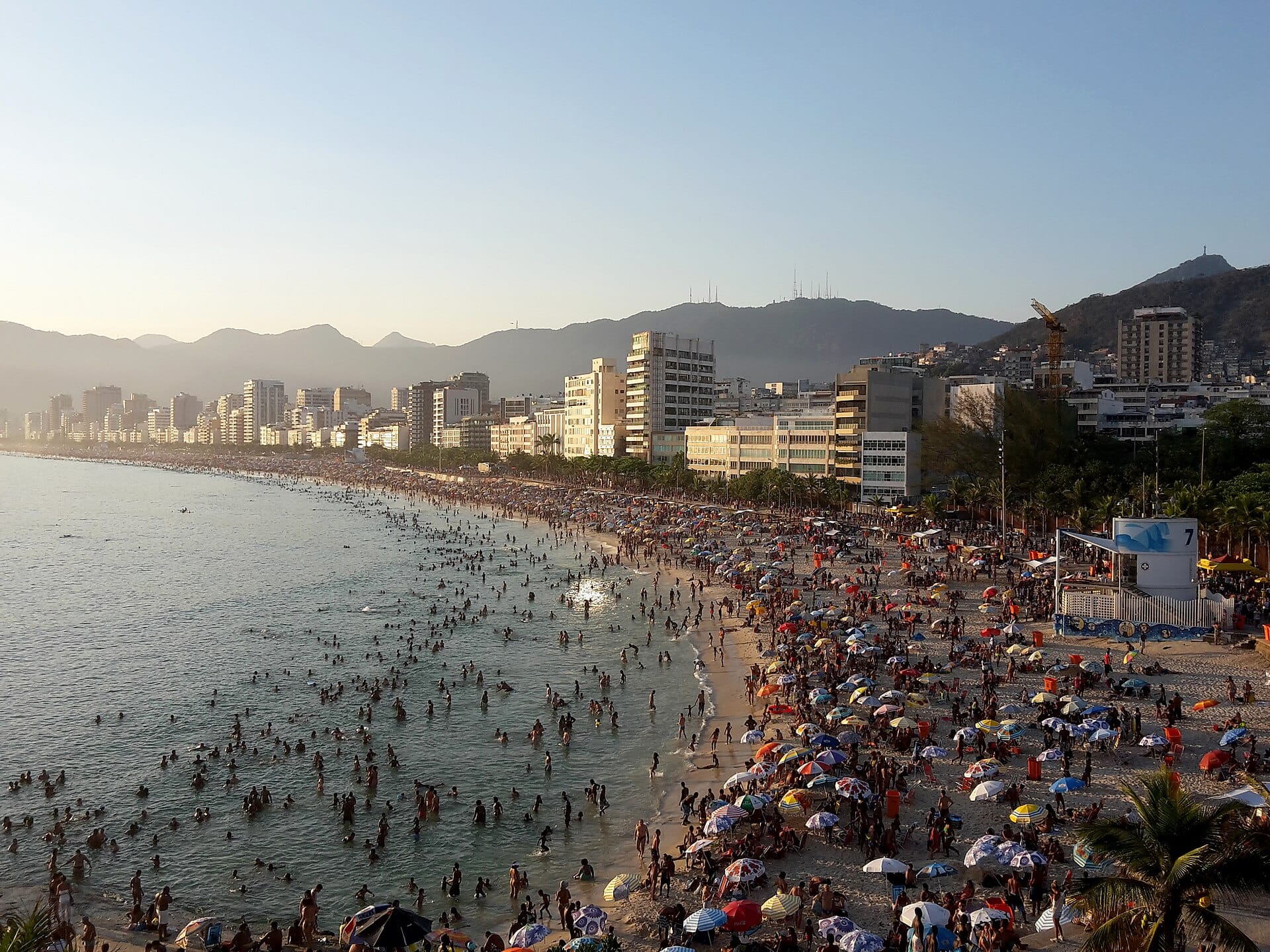
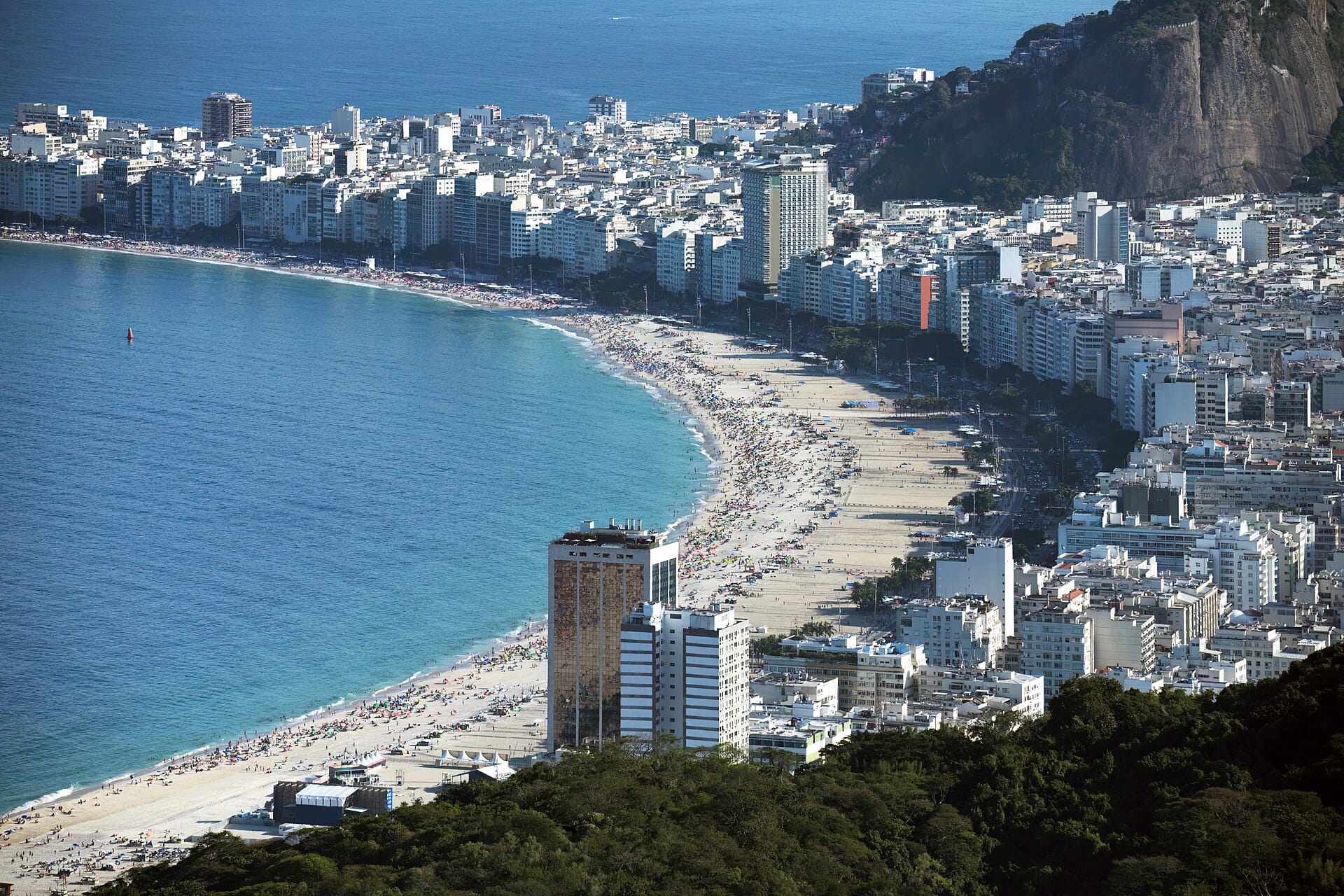
In Rio the beach isn't near the city; it is the city.
- Best forBeach lovers · Nightlife · Culture seekers
- In March31°C · 17 rainy days · sea 27°C
- Ideal stayA week
- Approx. flying time~12h 40m from Los Angeles
- CurrencyBRLBrazilian real
- LanguagePortuguese
- Local time09:084h behind the UK
- PlugsType C / NBring an adapter
- Drive on theRightOpposite to the UK
- Dialling code+55
Why go
Few cities are built into their landscape like this one. Granite peaks drop straight into the sea, forest runs down to the rooftops, and the neighbourhoods squeeze into the flat ground between. It is a working city of six million as much as a beach one, loud and unpolished away from the seafront, with a food and music culture that reaches far beyond what most visitors ever see.
A week gives time for the beaches, the viewpoints and at least one trip out, whether that is Niteroi across the bay, the forested Tijuca hills or the coast towards Buzios and Paraty. Heat and rain peak from December to March, while May to September is drier and cooler. Petty theft is a genuine issue, so travel light, stay alert after dark and keep to busy streets.
- Ideal stay
- A week
- The vibe
- Sea, granite, music, constant motion
From our guides
Rio treats the beach as a 24-hour living room. Sunset at Arpoador rock earns an actual round of applause from the crowd, then the energy flows to Copacabana's kiosks, the botecos of Ipanema and Leblon, and finally the samba pouring out of Lapa's arches until dawn. Order a caipirinha where the locals queue, keep valuables minimal after dark, and if you can swing New Year's Eve — Réveillon — two million people in white own Copacabana.
Featured in Ten city breaks with a seriously good beach attached and Ten beach party destinations that go from sunset to sunrise
Things to do
-
Tijuca National Park
One of the world's largest urban forests covers the hills behind the city, with waterfalls, trails and the Vista Chinesa lookout. It was replanted by hand in the nineteenth century.
-
Santa Teresa and the tram
A hillside of colonial houses and artists' studios, reached by a restored yellow tram over the old aqueduct. The Selaron steps run down towards Lapa.
-
Jardim Botanico
Two centuries of collected plants under avenues of royal palms, with orchid houses and marmosets in the trees. A cool, quiet morning when the beach is too hot.
-
Museu do Amanha
Calatrava's spiked white museum on the redeveloped port waterfront takes on climate and the future. The streets around it hold the city's largest murals.
-
Feira de Sao Cristovao
A covered market of north-eastern food, forro bands and dancing that runs through the night at weekends. Far from the beach, and worth the taxi fare.
-
Pedra Bonita and Pedra da Gavea
Two hikes in the western hills, one short and one genuinely hard, both ending on a rock face above the coast. Hang-gliders launch from the easier of the two.
Getting there
-
Fly to
Rio De Janeiro (GIG)
Nearest airport to Rio de Janeiro, about 12km away as the crow flies.
-
Then
To Rio de Janeiro
Most international flights use Galeao (GIG), roughly 45 minutes by taxi to the southern beaches, while Santos Dumont (SDU) sits beside the city centre and handles domestic routes.
-
On the ground
Getting around
Metro Line 1 runs the length of Copacabana and Ipanema, buses and app taxis fill the gaps, and the Sugarloaf cable car and the Corcovado rack railway start at Urca and Cosme Velho.
Public transport: The metro is clean and useful along the beaches; app taxis are the sensible choice late at night.
Flights
Los Angeles Rio de Janeiro, Brazil
Fly from anywhere — search 4,000+ airports worldwide.
Roughly 12h 40m in the air from Los Angeles (LAX), estimated from the distance — check for a direct route. Pick a month to see every available flight with live prices.
Check dates and prices
Pick your departure date, then your return.
Search flightsNot sure when? Compare fares across a whole month.
Flight times are estimates; prices open on Google Flights.
When to go
Daytime highs run from about 26°C in July to 31°C in January. Driest in June and July; wettest in December, with rain on about 23 days. The sea is warmest in February at around 28°C, coolest at 23°C.
The year at a glance — pick a month for detail
March31° · rain 17 days · sea 27°Hot and often wet.
Monthly figures averaged from daily records for 2020–2024 at this location (ERA5 reanalysis). Live conditions from MET Norway, CC BY 4.0.
Where to stay
Seafront hotels of every grade in Copacabana and Ipanema, design hotels in the Zona Sul, hostels and a vast number of flat rentals. Santa Teresa has the small guesthouses.
-
Best base overall
Ipanema
The best balance of beach, restaurants, metro and general ease, with Arpoador's sunset rock at one end. It is expensive by Brazilian standards and rooms are often small.
Find stays in Ipanema -
Best with children
Leblon
Ipanema's calmer neighbour, leafy and residential, with a playground in the sand and a supermarket on every other corner. The trade off is a duller evening and higher prices.
Find stays in Leblon -
Best value
Copacabana
Two and a half kilometres of hotels means genuine choice and lower rates, with the metro running its length. Crowded, faded in parts, and less comfortable late at night.
Find stays in Copacabana -
Best for nightlife
Lapa
Samba pours out of the arches until dawn and you can walk home, which is the whole argument. Expect noise, grubby streets and a need for real caution after dark.
Find stays in Lapa
Worth knowing before you book: New Year on Copacabana and carnival week are priced separately from the rest of the year and need booking many months ahead. Beachfront rooms cost far more than one street back.
Search everything else in Rio de Janeiro by budget. These are indicative budget bands in GBP per night for two people, not live quotes or guarantees of hotel type. Check your dates, guests, taxes and final price on Booking.com.
Good to know
- Safety
- Take a cheap phone, minimal cash and no jewellery, especially on the beach and after dark. Use ride apps rather than walking unfamiliar streets at night.
- Timing
- December to March is hot, humid and busy. June to September is drier, cooler and much cheaper, and you should book far ahead for New Year and Carnival.
- Beach kit
- Locals bring nothing but a sarong, cash and flip-flops. Chairs, umbrellas, drinks and food are all rented or bought on the sand.
- Cash or card
- Cards are widely accepted and contactless works on the metro, but beach kiosks and market stalls often want small notes in reais.
- Getting there
- Two airports serve the city, with international flights mostly at Galeao. Allow an hour by road to the southern beach districts in traffic.
Similar places
Nearby destinations

Sugarloaf Mountain
Rio de Janeiro, Brazil · 7km away →
Arpoador
Rio de Janeiro, Brazil · 9km away →
The Pantanal
Brazil →
Buenos Aires
Argentina →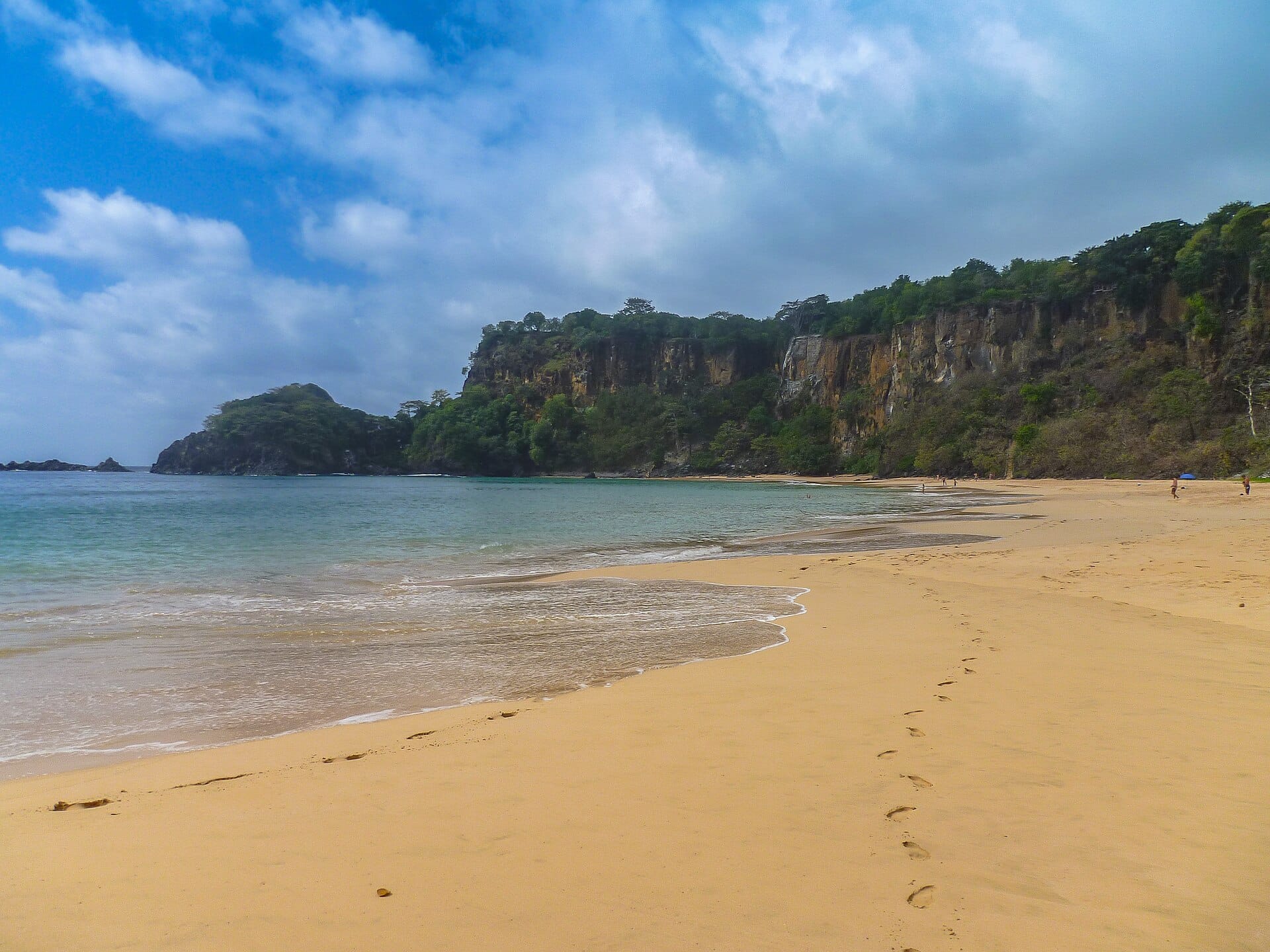
Baía do Sancho
Fernando de Noronha, Brazil →
Salar de Uyuni
Bolivia →Elsewhere in Brazil
Related articles

Quick answers
When is the best time to visit Rio de Janeiro?
Daytime highs run from about 26°C in July to 31°C in January. Driest in June and July; wettest in December, with rain on about 23 days. The sea is warmest in February at around 28°C, coolest at 23°C.
How long should I spend in Rio de Janeiro?
Our suggestion: a week.
How do I get to Rio de Janeiro?
Most international flights use Galeao (GIG), roughly 45 minutes by taxi to the southern beaches, while Santos Dumont (SDU) sits beside the city centre and handles domestic routes.
Do I need a car in Rio de Janeiro?
No. The metro is clean and useful along the beaches; app taxis are the sensible choice late at night.
What currency and language are used in Rio de Janeiro?
Currency: Brazilian real (BRL). Language: Portuguese. Plugs: type C and N.
Who is Rio de Janeiro best for?
Best for beach lovers, nightlife and culture seekers. In a phrase: sea, granite, music, constant motion.