
Phú Quốc
Vietnam's teardrop island off the Cambodian coast mixes powdery Long Beach sunsets with fishing-village seafood at prices that feel like typos.
- Best forBeach lovers · Couples · Budget travellers
- In January28°C · 9 rainy days · sea 29°C
- Ideal stay5–7 nights
- Approx. flying time~16h 30m from Los Angeles
- CurrencyVNDVietnamese dong
- LanguageVietnamese
- Local time19:096h ahead of the UK
- PlugsType A / CBring an adapter
- Drive on theRightOpposite to the UK
- Dialling code+84
Why go
Vietnam's largest island sits in the Gulf of Thailand, closer to Cambodia than to the mainland, and combines long west-facing beaches with a forested interior and a fishing economy that still runs the show. The south holds the developed resorts and the white sand of Sao Beach, while the north stays rural, with pepper farms and empty tracks. Fish sauce is the island's export, and the local cooking shows it.
Flights arrive from Vietnamese cities and a growing number of regional ones, and short-stay visa exemption has long kept the paperwork light. Five to seven nights suits a beach-led trip, and it pairs well with the Mekong Delta or Ho Chi Minh City. November to March is dry with calm seas, while summer brings rain and rougher water on the west coast. Development is fast, so parts of the island are building sites.
- Ideal stay
- 5–7 nights
- The vibe
- Warm, salty, still half-built
From our guides
Vietnam's island in the Gulf of Thailand is the country's fish-sauce capital, and everything downstream benefits: bún quậy noodles you season yourself, herring salad rolled at your table and night-market seafood priced by the basket. The Dinh Cau night market in Dương Đông is the main event — pick your fish from the tank and name your cooking style. November to March brings dry weather and flat, swimmable seas.
Featured in Ten affordable tropical escapes that won't empty your savings and Ten tropical escapes where the food is half the point
Things to do
-
Sao Beach
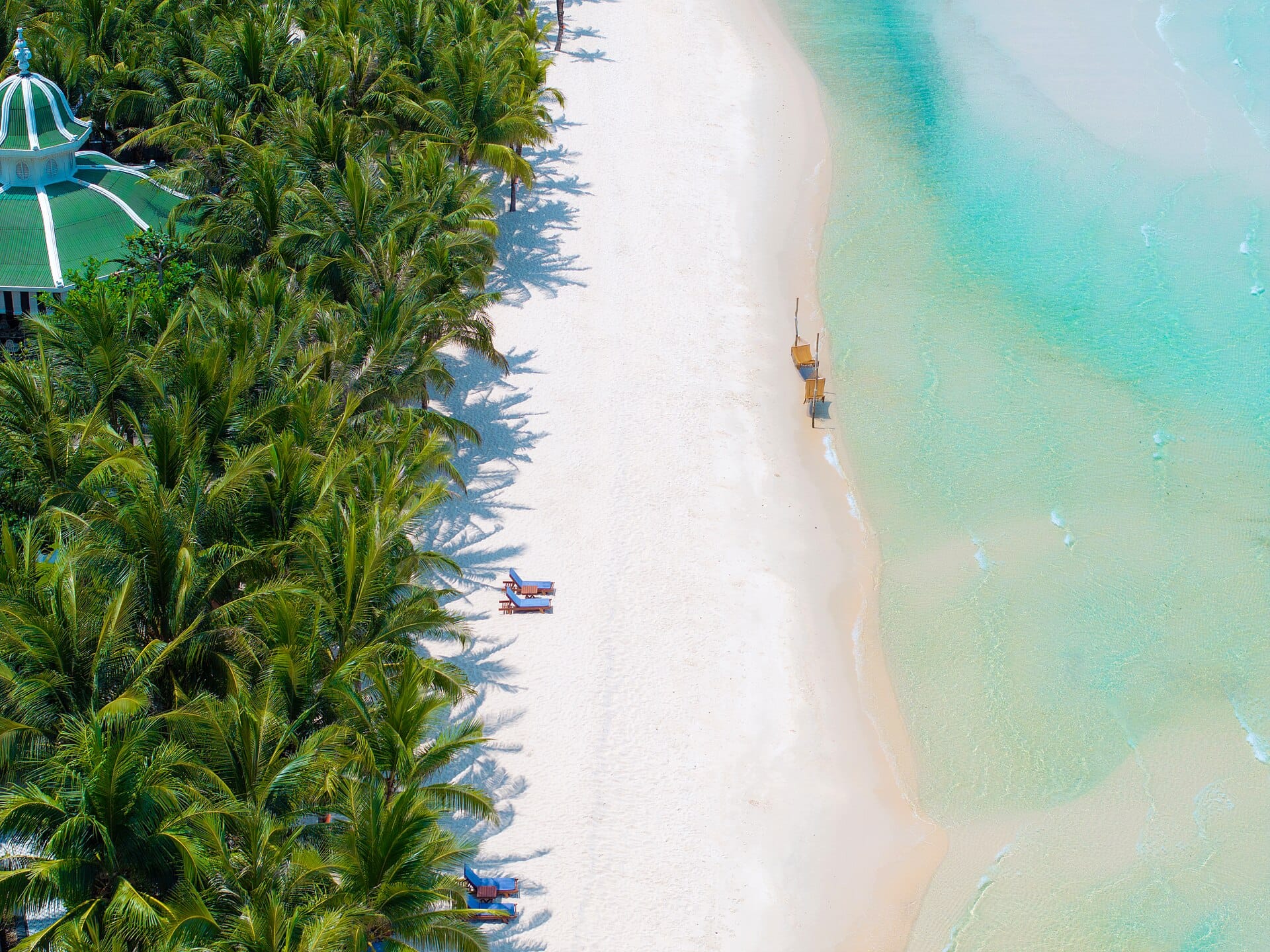
A curve of fine white sand on the south-east coast with shallow, calm water, the island's most photographed stretch and busiest by mid-morning.
-
Long Beach sunsets
The west coast runs for around twenty kilometres facing the sunset, with bars and resorts along the middle and quieter sand at either end.
-
Dinh Cau night market
In Duong Dong, tanks of live seafood are picked and cooked to order, alongside noodle stalls and stands selling the local pepper.
-
An Thoi islands
A cluster of small islands off the southern tip with clear water, reached by boat or a long cable car, good for snorkelling in the dry season.
-
Pepper farms and fish sauce
The island's two agricultural specialities are both open to visitors, and the barrel houses where the sauce ferments are memorable for reasons beyond flavour.
-
The forested north
National park covers more than half the island's northern half, with walking trails, streams and rough roads that suit a rented motorbike.
Getting there
-
Fly to
Phu Quoc Island (PQC)
Nearest airport to Phú Quốc, about 7km away as the crow flies.
-
Then
To Dương Đông
Phú Quốc airport (PQC) takes direct flights from Ho Chi Minh City, Hanoi and a growing list of regional cities, and it is fifteen to twenty minutes by taxi to Long Beach and Dương Đông.
-
On the ground
Getting around
The island is long, so most people hire a scooter or use ride-hailing cars; Sao Beach in the south is around an hour from town.
Public transport: There is a limited bus route along the main road, but taxis, ride-hailing and rented scooters are how everyone actually gets about.
Flights
Los Angeles Phú Quốc, Vietnam
Fly from anywhere — search 4,000+ airports worldwide.
Roughly 16h 30m in the air from Los Angeles (LAX), estimated from the distance — check for a direct route. Pick a month to see every available flight with live prices.
Check dates and prices
Pick your departure date, then your return.
Search flightsNot sure when? Compare fares across a whole month.
Flight times are estimates; prices open on Google Flights.
When to go
Daytime highs run from about 28°C in January to 30°C in April. Driest December to February; wettest in July, with rain on about 28 days. The sea is warmest in May at around 32°C, coolest at 29°C.
The year at a glance — pick a month for detail
January28° · rain 9 days · sea 29°Warm with rain most weeks.
Monthly figures averaged from daily records for 2020–2024 at this location (ERA5 reanalysis). Live conditions from MET Norway, CC BY 4.0.
Where to stay
Beach resorts and bungalow properties of every price, plus guesthouses in town. International chains cluster in the south, and construction is a live risk near new developments.
-
Best base overall
Dương Đông and Long Beach
The town with the night market plus the long sunset beach running south of it, so you get food and sand together. The northern end of the strip is built up and traffic is constant.
Find stays in Dương Đông and Long Beach -
Best for couples
Ông Lang
A quieter stretch of coves ten minutes north, with low-rise bungalow resorts among the pepper farms. Fewer restaurants outside the resorts, so evenings stay in.
Find stays in Ông Lang -
Best with children
An Thới and Bãi Sao
The south, with the calmest white-sand swimming, the cable car and larger resort pools. It is a long ride from the night market, so most families eat where they sleep.
Find stays in An Thới and Bãi Sao -
Best value
Cửa Cạn and the north
Rural villages and small guesthouses near the national park, at a fraction of resort rates. You need a scooter or driver, and there is little to do after dark.
Find stays in Cửa Cạn and the north
Worth knowing before you book: November to March is dry and rates roughly double over Christmas and Tet. Check recent reviews for building work next door, since the island is developing quickly.
Search everything else in Dương Đông by budget. These are indicative budget bands in GBP per night for two people, not live quotes or guarantees of hotel type. Check your dates, guests, taxes and final price on Booking.com.
Good to know
- Getting there
- The international airport takes flights from Vietnamese cities and several regional hubs. Ferries run from Ha Tien and Rach Gia on the mainland.
- Visas
- Short stays on the island have long been visa-exempt for most nationalities, but rules change. Check current requirements before booking.
- Timing
- November to March is dry with flat seas. The west coast turns rough and murky in the summer monsoon, when the east side is calmer.
- Cash
- Card acceptance is good in resorts and poor elsewhere. Carry dong for markets, taxis and beach restaurants.
- Riding
- Motorbike hire is cheap and common, but road standards vary and construction traffic is heavy. Metered taxis are the safer option.
Similar places
Nearby destinations
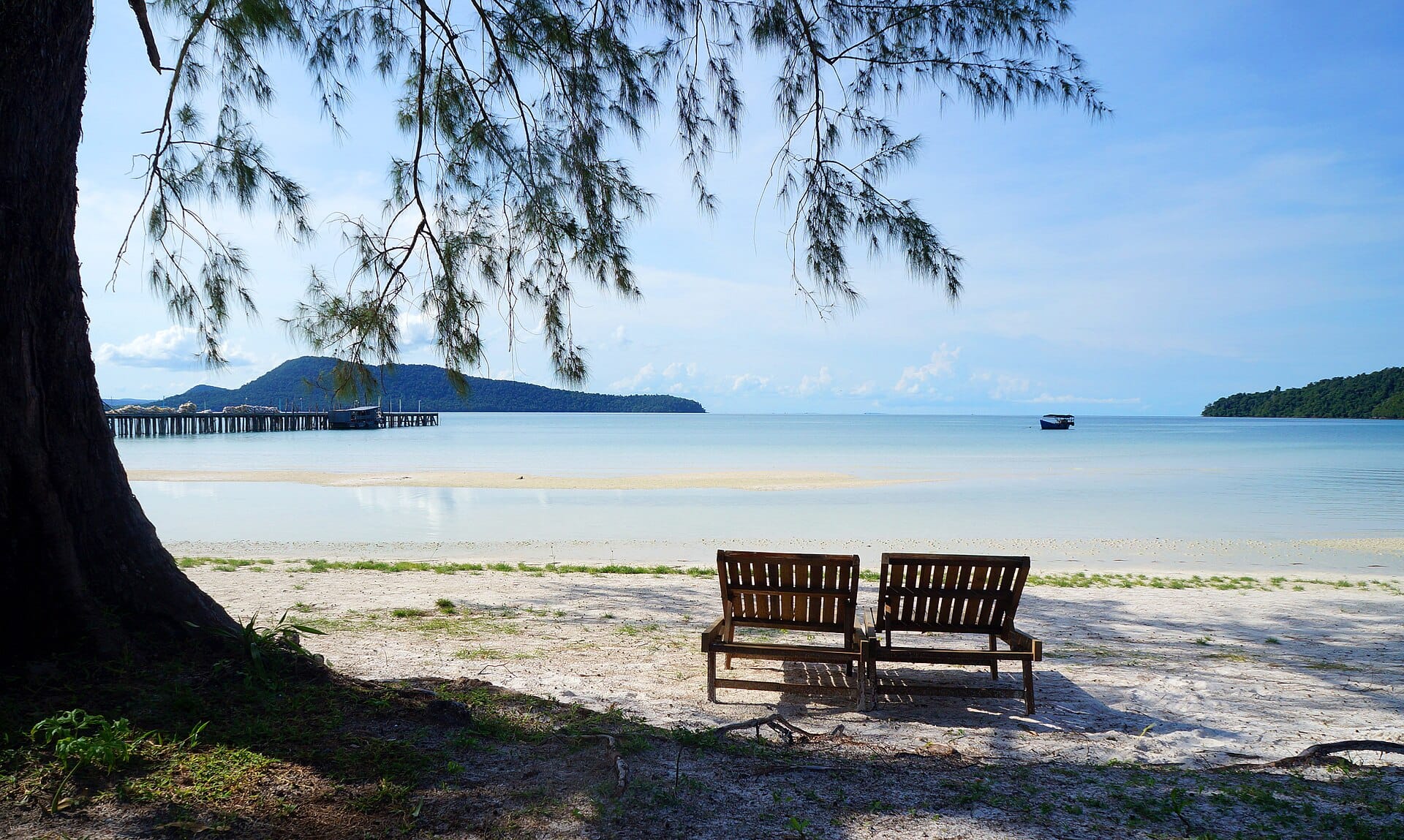
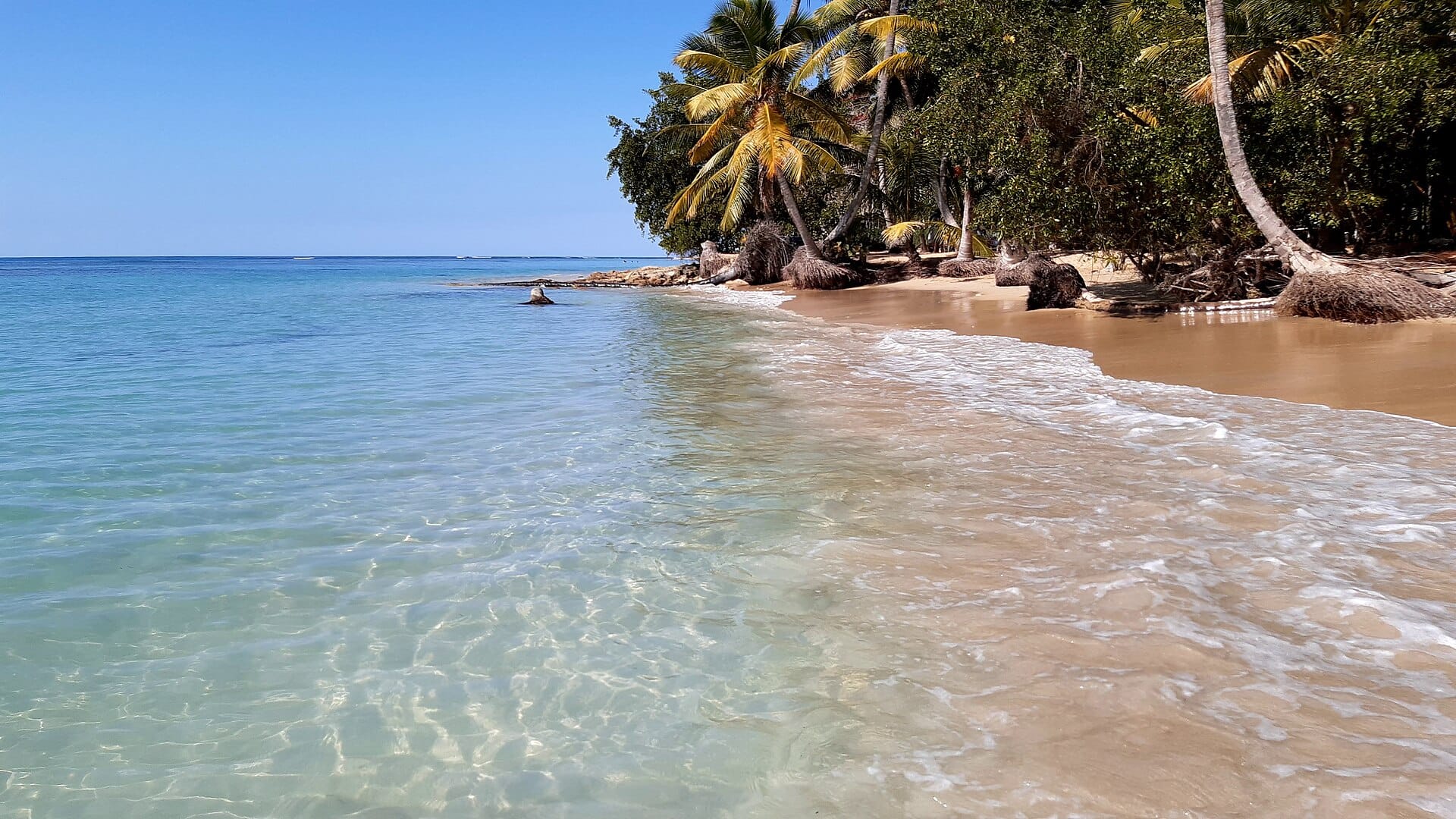
Koh Rong Sanloem
Cambodia · 72km away →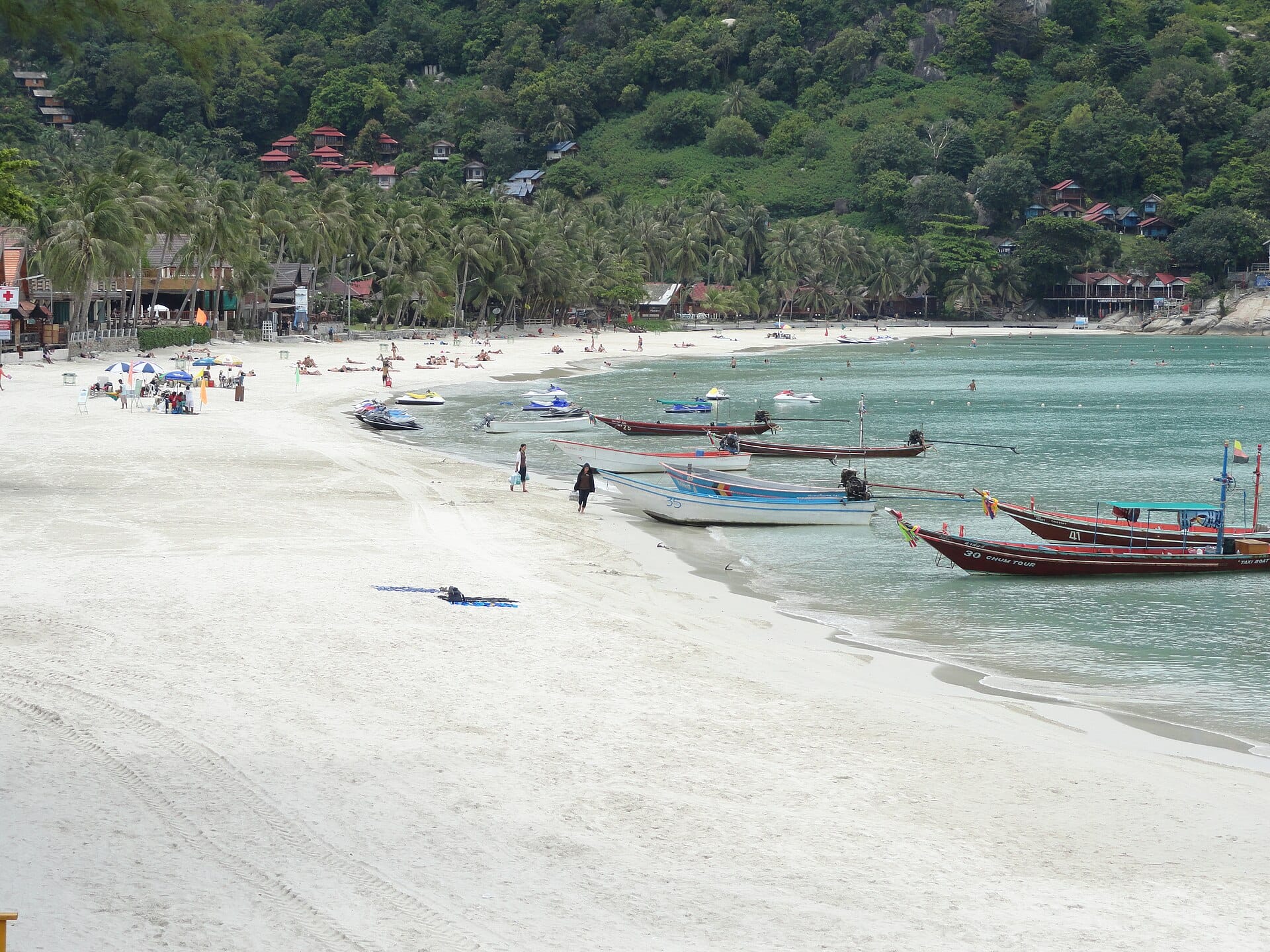
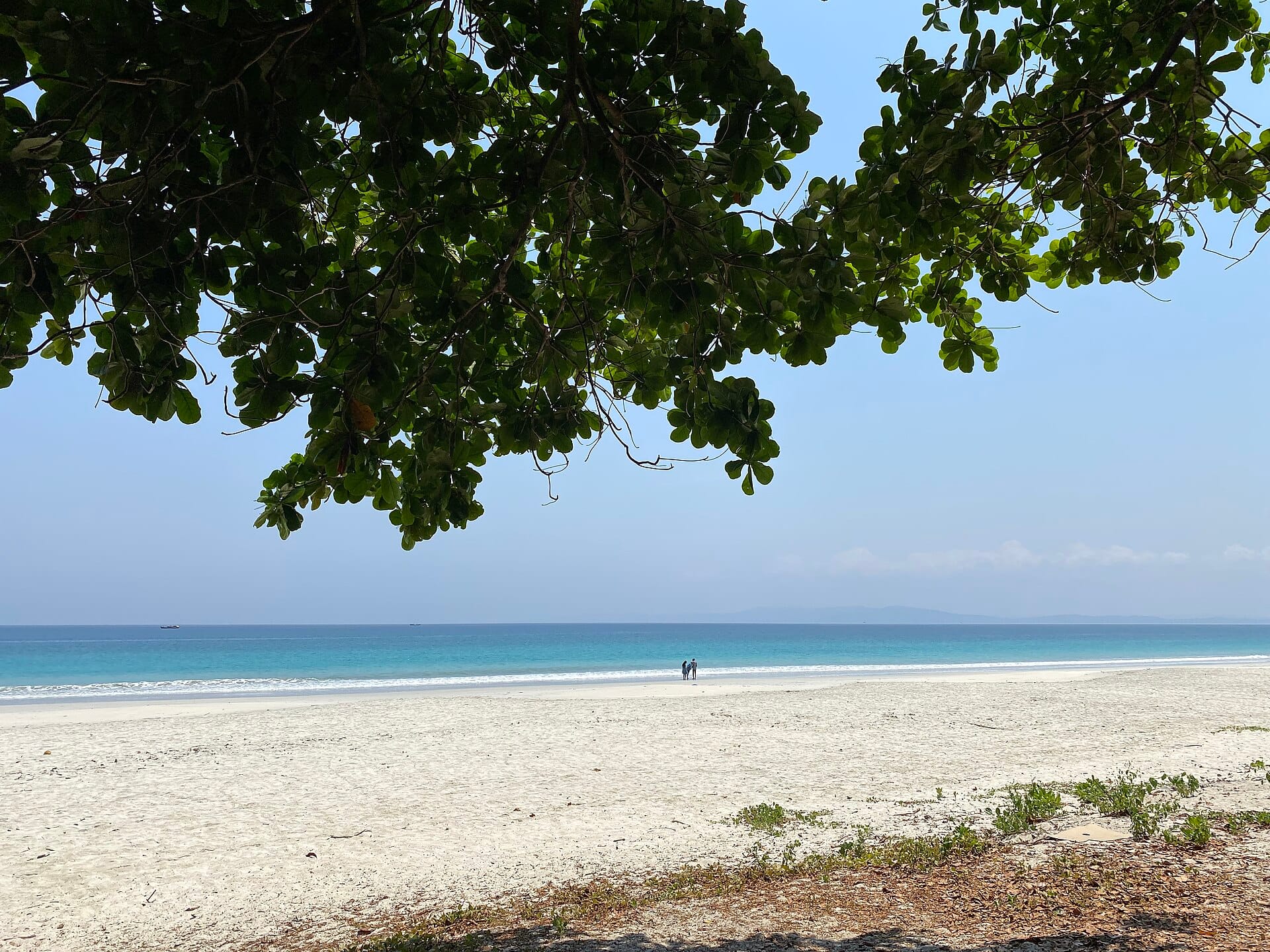
Koh Phangan
Thailand · 440km away →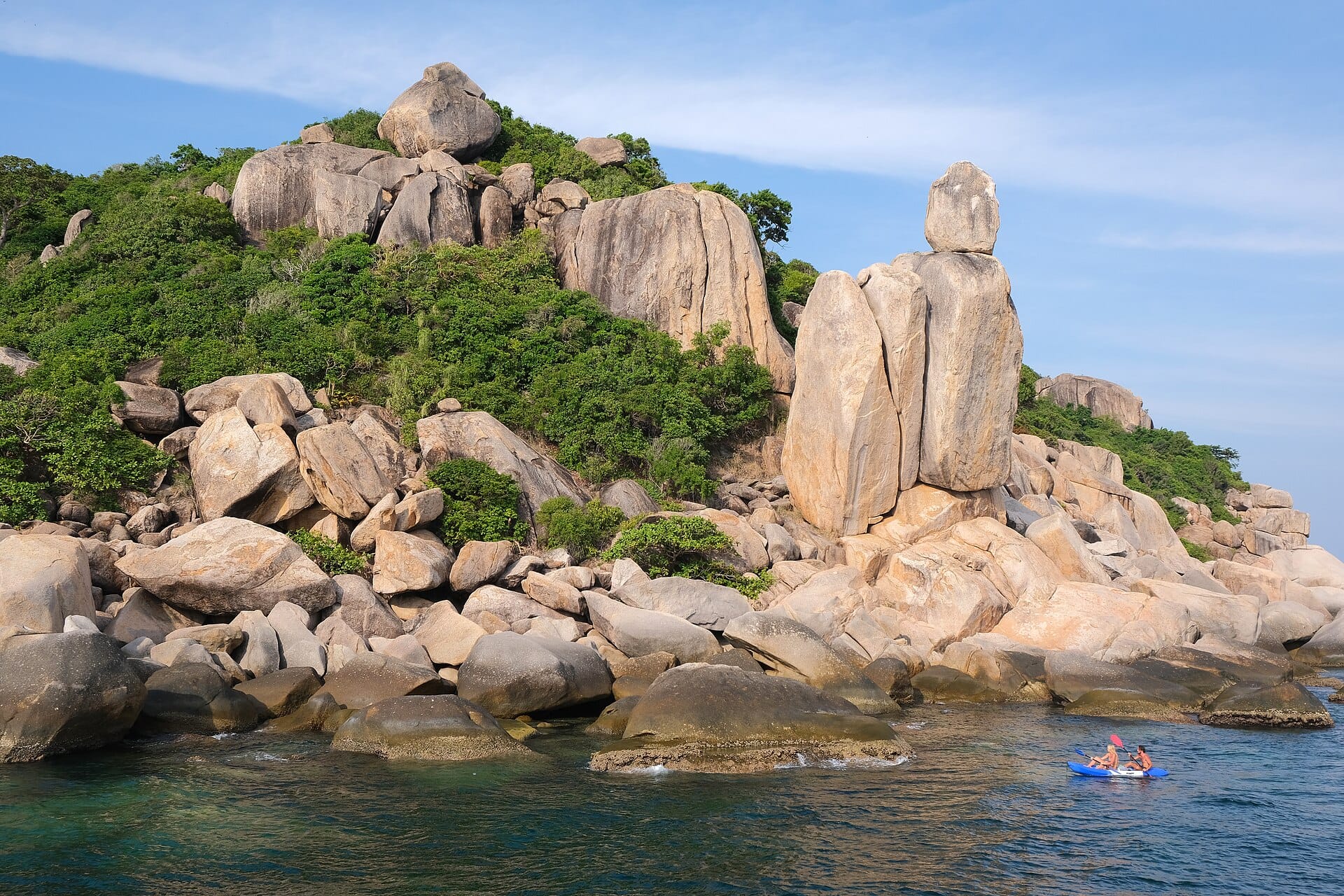
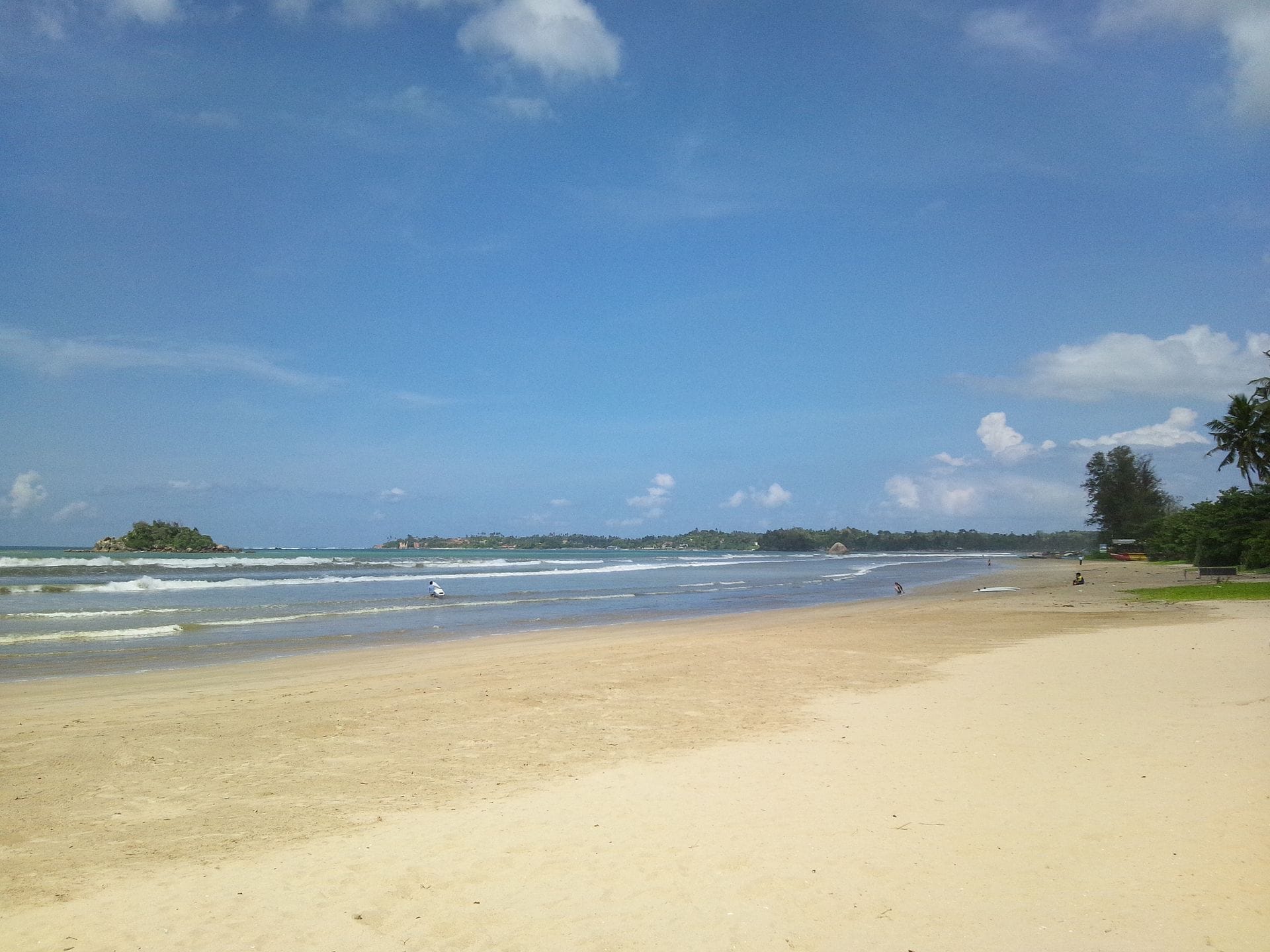
Ko Tao
Thailand · 457km away →
Ko Nang Yuan
Thailand · 460km away →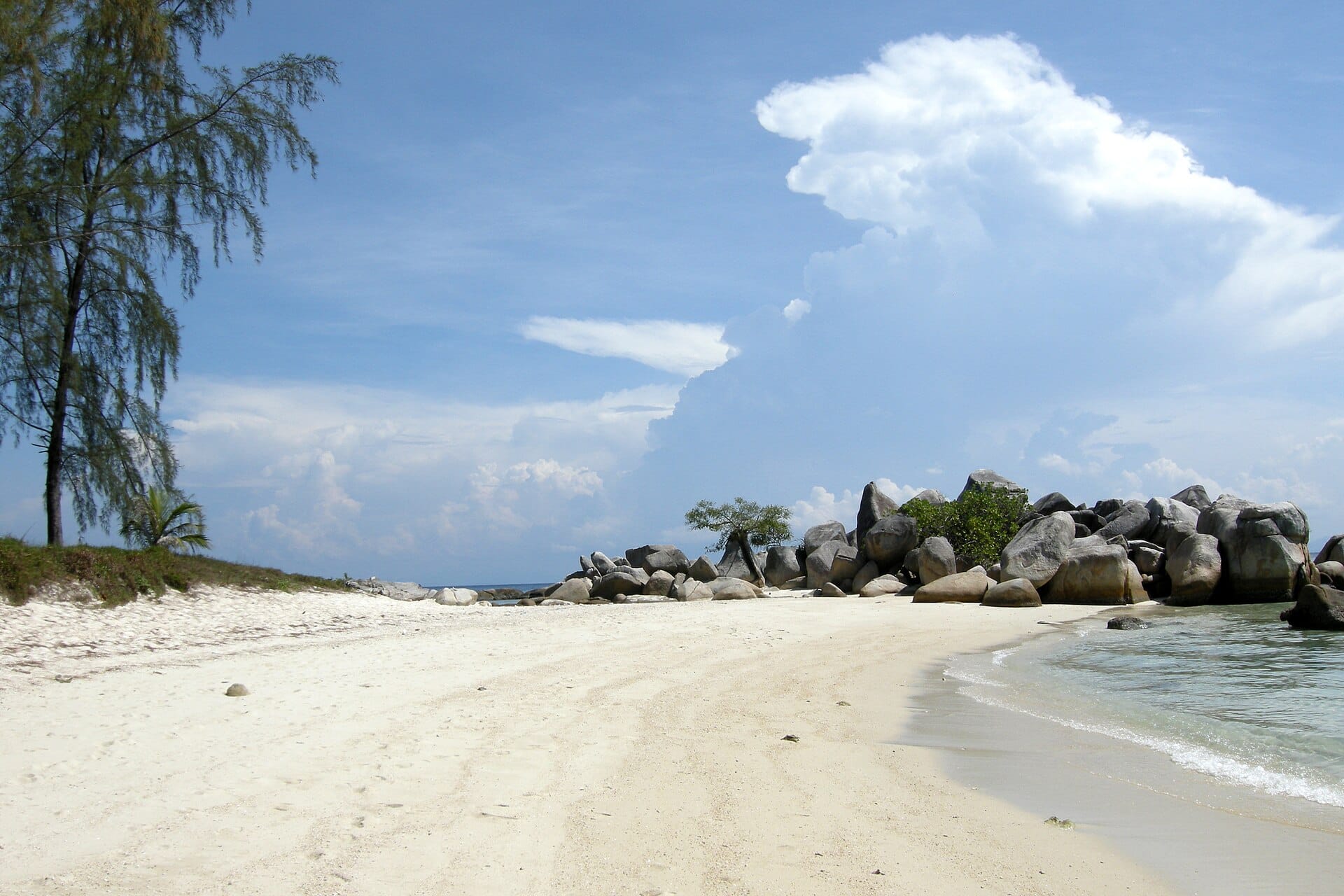
Malaysia's east coast: the Perhentians
Redang and Tioman · 501km away →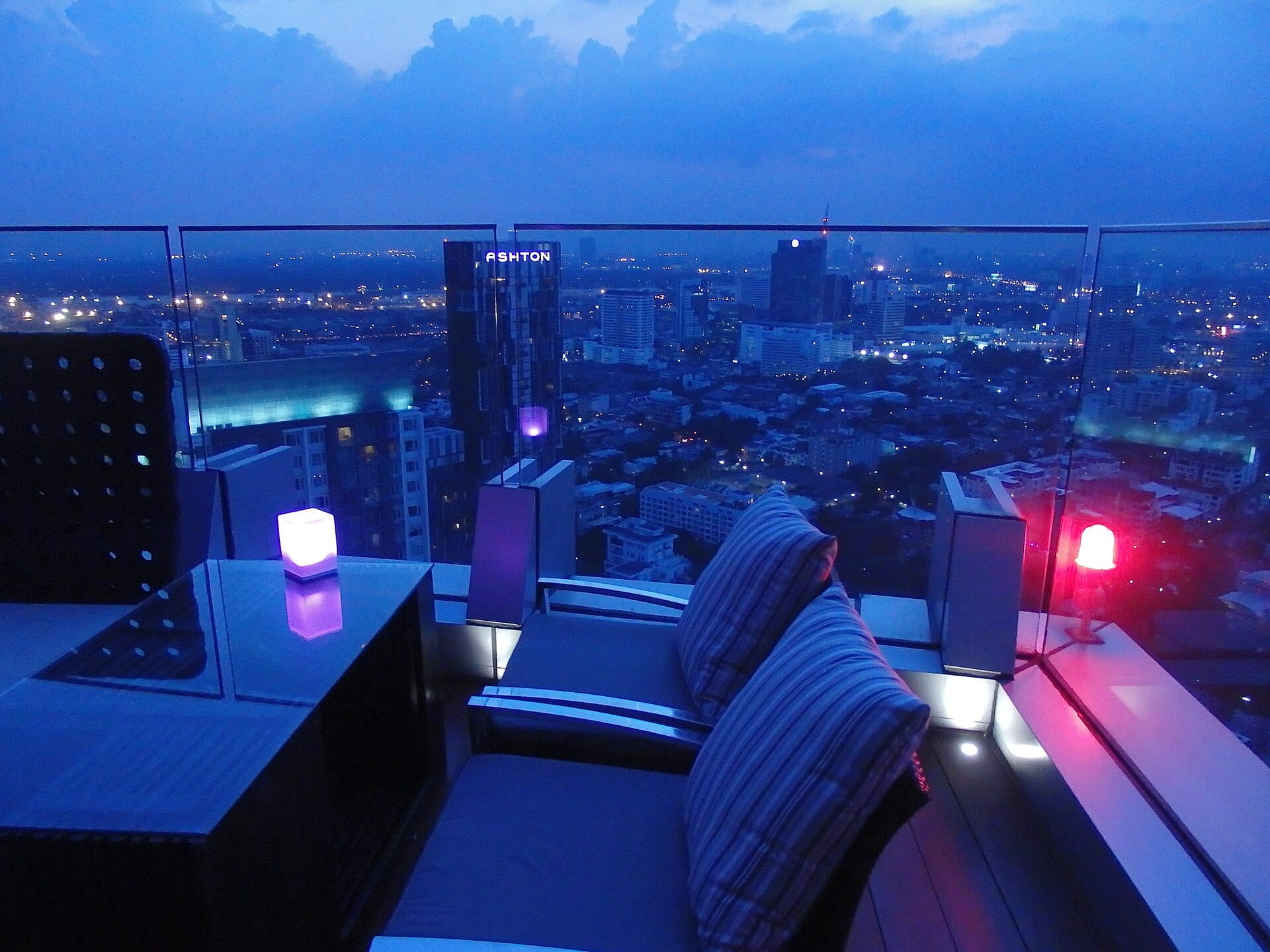
Bangkok
Thailand · 548km away →Elsewhere in Vietnam
Related articles
Quick answers
When is the best time to visit Phú Quốc?
Daytime highs run from about 28°C in January to 30°C in April. Driest December to February; wettest in July, with rain on about 28 days. The sea is warmest in May at around 32°C, coolest at 29°C.
How long should I spend in Phú Quốc?
Our suggestion: 5–7 nights.
How do I get to Phú Quốc?
Phú Quốc airport (PQC) takes direct flights from Ho Chi Minh City, Hanoi and a growing list of regional cities, and it is fifteen to twenty minutes by taxi to Long Beach and Dương Đông.
Do I need a car in Phú Quốc?
Yes, a car makes a real difference here. There is a limited bus route along the main road, but taxis, ride-hailing and rented scooters are how everyone actually gets about.
What currency and language are used in Phú Quốc?
Currency: Vietnamese dong (VND). Language: Vietnamese. Plugs: type A and C.
Who is Phú Quốc best for?
Best for beach lovers, couples and budget travellers. In a phrase: warm, salty, still half-built.