
Palawan
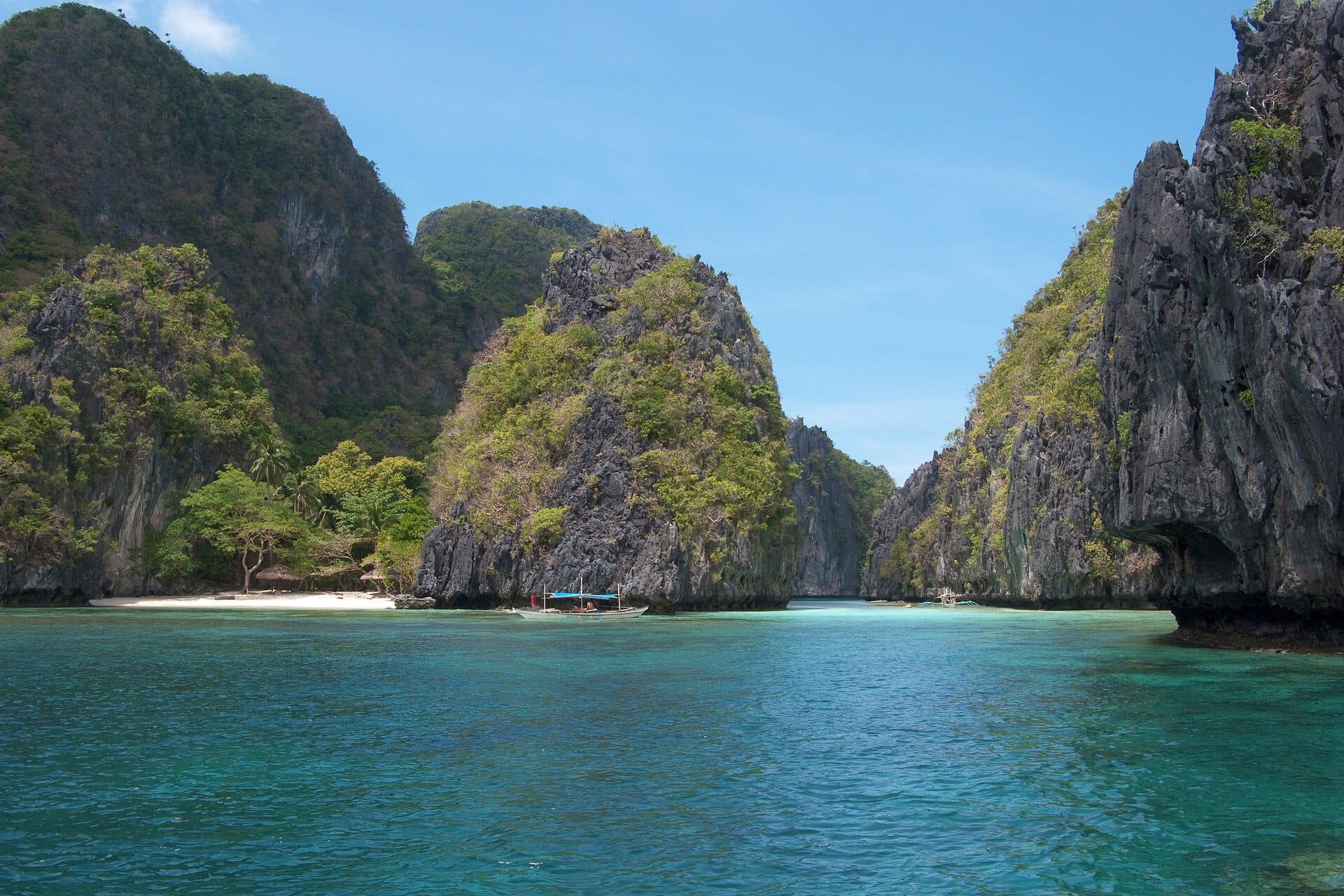
Voted the world's best island so often it's becoming embarrassing, Palawan stacks limestone cliffs above lagoons of unreal clarity.
- Best forBeach lovers · Divers & snorkellers · Adventure seekers
- In January28°C · 19 rainy days · sea 29°C
- Ideal stayA week or more
- Approx. flying time~15h 10m from Los Angeles
- CurrencyPHPPhilippine peso
- LanguageFilipino and English
- Local time18:157h ahead of the UK
- PlugsType A / B / CBring an adapter
- Drive on theRightOpposite to the UK
- Dialling code+63
Why go
Limestone karst is the signature: sheer grey towers rising straight out of clear water, hollowed into lagoons you enter by kayak through gaps barely wider than the boat. El Nido sits at the northern tip of the main island and Coron on a separate island beyond it, and both run day boats out to beaches, reefs and wrecks. Ashore, the towns are scruffy and cheerful rather than polished.
Getting here means a domestic flight from Manila or Cebu plus road or ferry time at the other end. Allow a week to do both El Nido and Coron without rushing, and expect boat days to dominate the itinerary. December to May is the dry season, with the strongest winds around January. Anyone who needs reliable infrastructure, smooth roads or fast internet should adjust their expectations before booking.
- Ideal stay
- A week or more
- The vibe
- Karst-fringed, boat-bound, rough-edged
From our guides
El Nido and Coron are the headline acts — island-hopping tours weave between hidden beaches and Second World War wrecks now furred with coral. It takes effort to reach, which is exactly why it still feels raw. Visit December to May, before the rains.
Featured in Ten tropical islands that live up to the postcard
Things to do
-
El Nido island hopping
Standard tours lettered A to D cover the Bacuit archipelago's lagoons, beaches and snorkelling stops. The Big and Small Lagoons are the ones people come for.
-
Coron wreck diving
A dozen Japanese ships sunk in 1944 lie in shallow, sheltered water, several within snorkelling range of the surface and all thick with coral and fish.
-
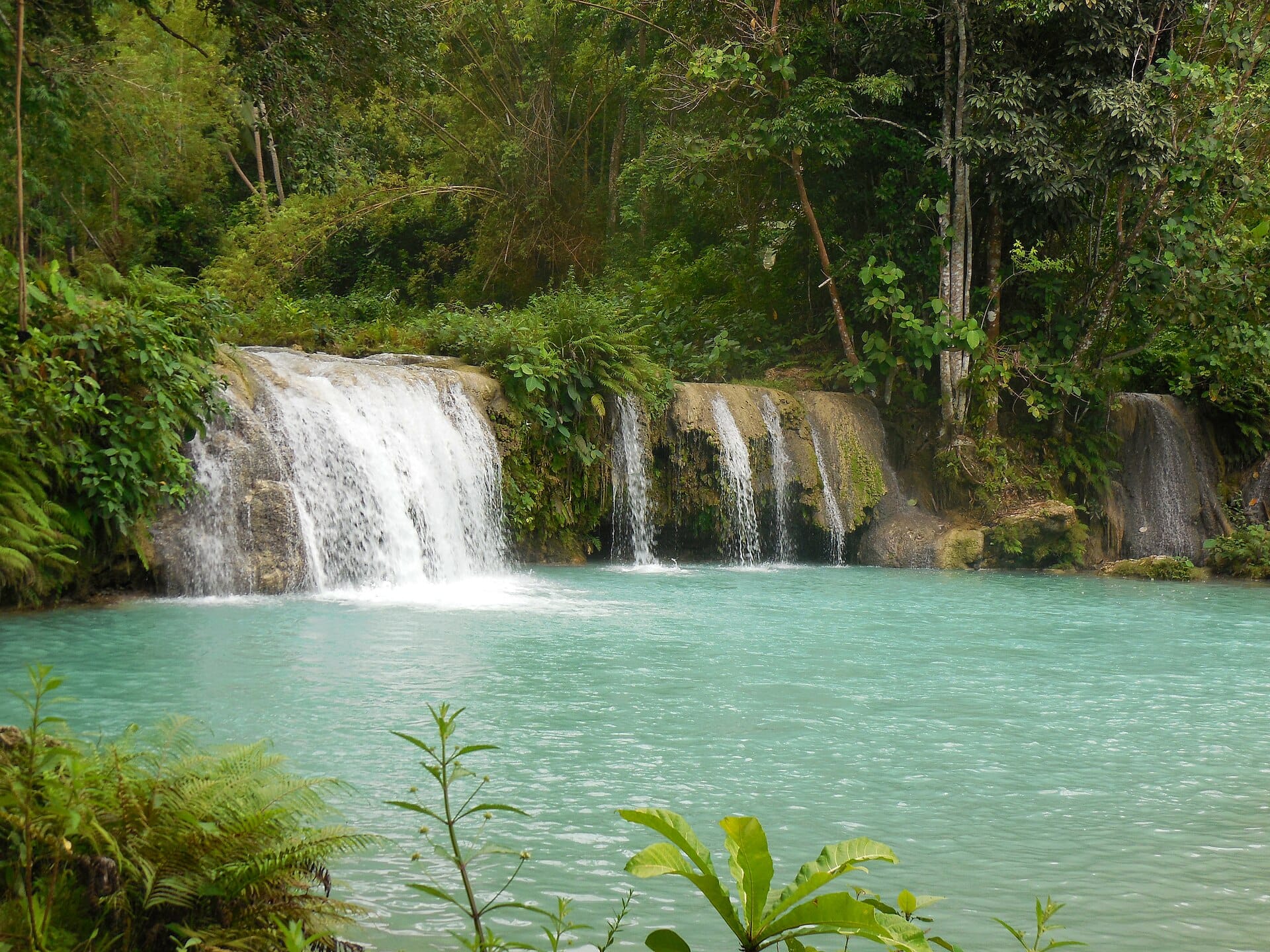
Kayangan Lake
A steep climb over a ridge from the boat drops to a lake of extraordinary clarity walled by karst, one of the most photographed spots in the country.
-
Underground River
A navigable river runs several kilometres through a limestone cave system north of Puerto Princesa. Permits are limited and arranged in advance.
-
Nacpan beach
A four-kilometre curve of sand north of El Nido, reachable by road, with far more space than the town beaches and a decent shore break.
-
Port Barton
A quieter alternative halfway up the island, with slow boats, sandbars and turtles, popular with travellers avoiding the El Nido crowds.
Getting there
-
Fly to
Puerto Princesa (PPS)
The airport is on the doorstep.
-
Then
To El Nido
Fly into Puerto Princesa (PPS) and take a five to six hour van north to El Nido, or use the small El Nido airport (ENI) with direct flights from Manila and Cebu; Cuyo island is unconnected to mainland Palawan.
-
On the ground
Getting around
Boat tours leave from El Nido's town beach and are the whole point; on land, tricycles handle short hops to Corong Corong and Nacpan.
Public transport: Vans and buses link the main towns, but islands and lagoons are reached only by bangka boat.
Flights
Los Angeles Palawan, Philippines
Fly from anywhere — search 4,000+ airports worldwide.
Roughly 15h 10m in the air from Los Angeles (LAX), estimated from the distance — check for a direct route. Pick a month to see every available flight with live prices.
Check dates and prices
Pick your departure date, then your return.
Search flightsNot sure when? Compare fares across a whole month.
Flight times are estimates; prices open on Google Flights.
When to go
Daytime highs run from about 28°C in January to 31°C in May. Driest in February; wettest in October, with rain on about 29 days. The sea is warmest in May at around 32°C, coolest at 28°C.
The year at a glance — pick a month for detail
January28° · rain 19 days · sea 29°Warm and often wet.
Monthly figures averaged from daily records for 2015–2024 at Puerto Princesa (ERA5 reanalysis). Live conditions from MET Norway, CC BY 4.0.
Where to stay
Beach resorts, small hotels and family guesthouses, plus a few private island resorts. Air conditioning and hot water vary at the cheaper end, and mains power can be scheduled.
-
Best base overall
El Nido town
The island-hopping boats leave from the beach here and the widest choice of rooms and restaurants is in the grid behind it. It is busy, dusty and the power occasionally goes.
Find stays in El Nido town -
Best for couples
Corong-Corong and Lio
Just south of town, with sunset-facing beaches, quieter resorts and a short tricycle ride to the boats. You give up the walkable restaurant choice for calm and a better beach.
Find stays in Corong-Corong and Lio -
Quietest
Nacpan and Duli
Long empty beaches half an hour north on a rough road, with a handful of low-key resorts. Wonderful at sunset, but you commit to eating where you sleep.
Find stays in Nacpan and Duli -
Best value
Coron town
A separate island reached by ferry or flight, with cheaper guesthouses and the wreck diving. Different scenery, different boats, so treat it as a second base rather than a day trip.
Find stays in Coron town
Worth knowing before you book: December to May is the dry window and Christmas and Easter sell out completely. Check whether your resort charges an environmental fee and whether the tricycle ride into town runs at night.
Search everything else in El Nido by budget. These are indicative budget bands in GBP per night for two people, not live quotes or guarantees of hotel type. Check your dates, guests, taxes and final price on Booking.com.
Good to know
- Getting there
- Flights run from Manila and Cebu to Puerto Princesa, El Nido and Busuanga. Road transfers between them are long and slow, and the ferry between El Nido and Coron takes several hours.
- Book ahead
- Underground River permits and peak-season flights sell out well in advance. Island-hopping tours can usually be arranged a day ahead.
- Cash
- Cash machines are unreliable and often empty in El Nido and Coron. Bring pesos with you from a larger city.
- Sun and reef
- Bring reef-safe sunscreen and a rash vest. Boat days offer very little shade and the equatorial sun is unforgiving.
- Timing
- December to May is dry. Trips are cancelled in rough weather at any time of year, so leave slack in the itinerary.
Similar places
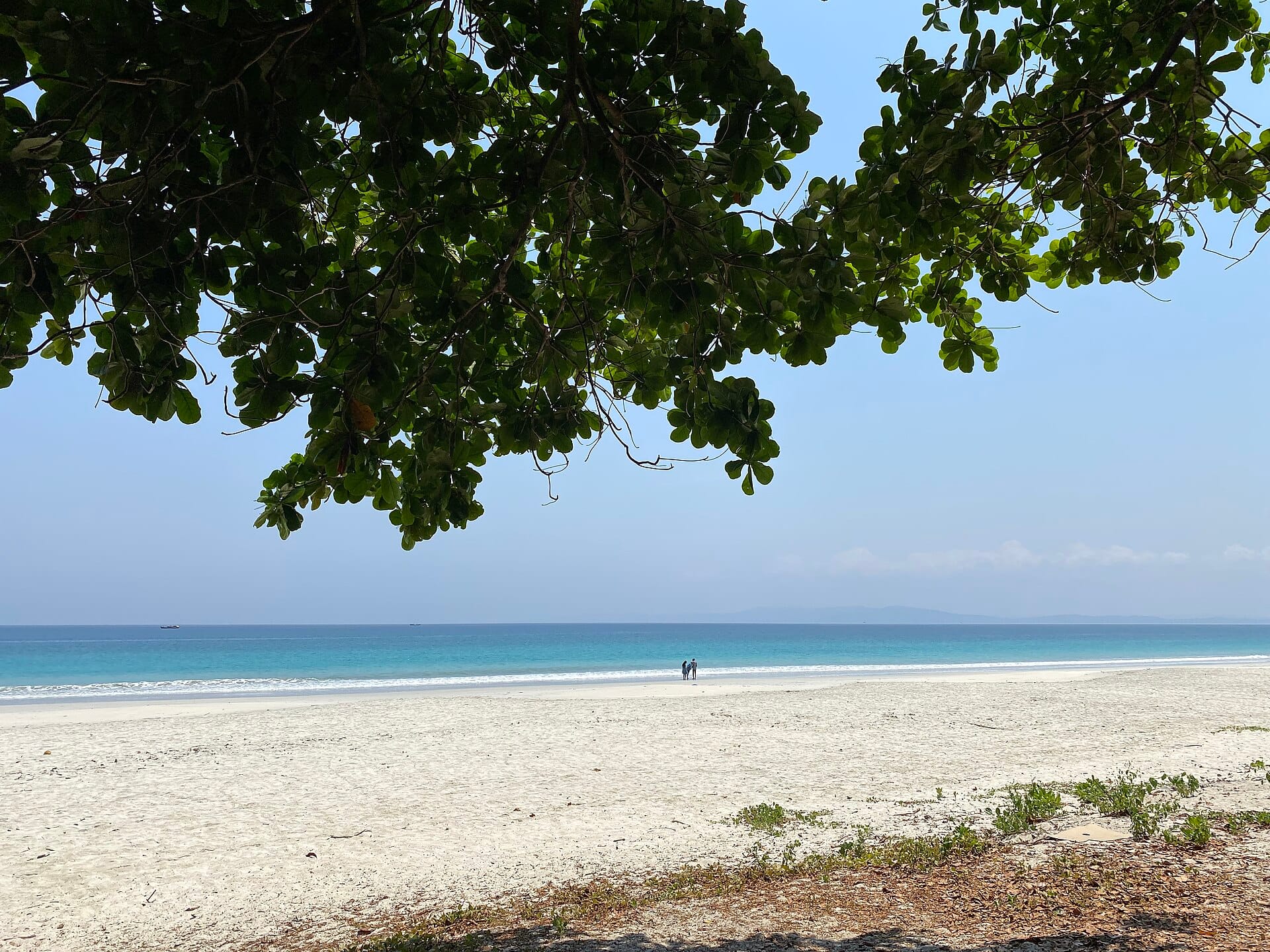
Havelock Island
Andaman Islands, IndiaAlso for beach lovers and divers & snorkellers · 28°C in January, as here

Raja Ampat
IndonesiaAlso for divers & snorkellers and adventure seekers · 28°C in January, as here

Sabah
Borneo, MalaysiaAlso for divers & snorkellers and adventure seekers · 29°C in January, as here
Further afield
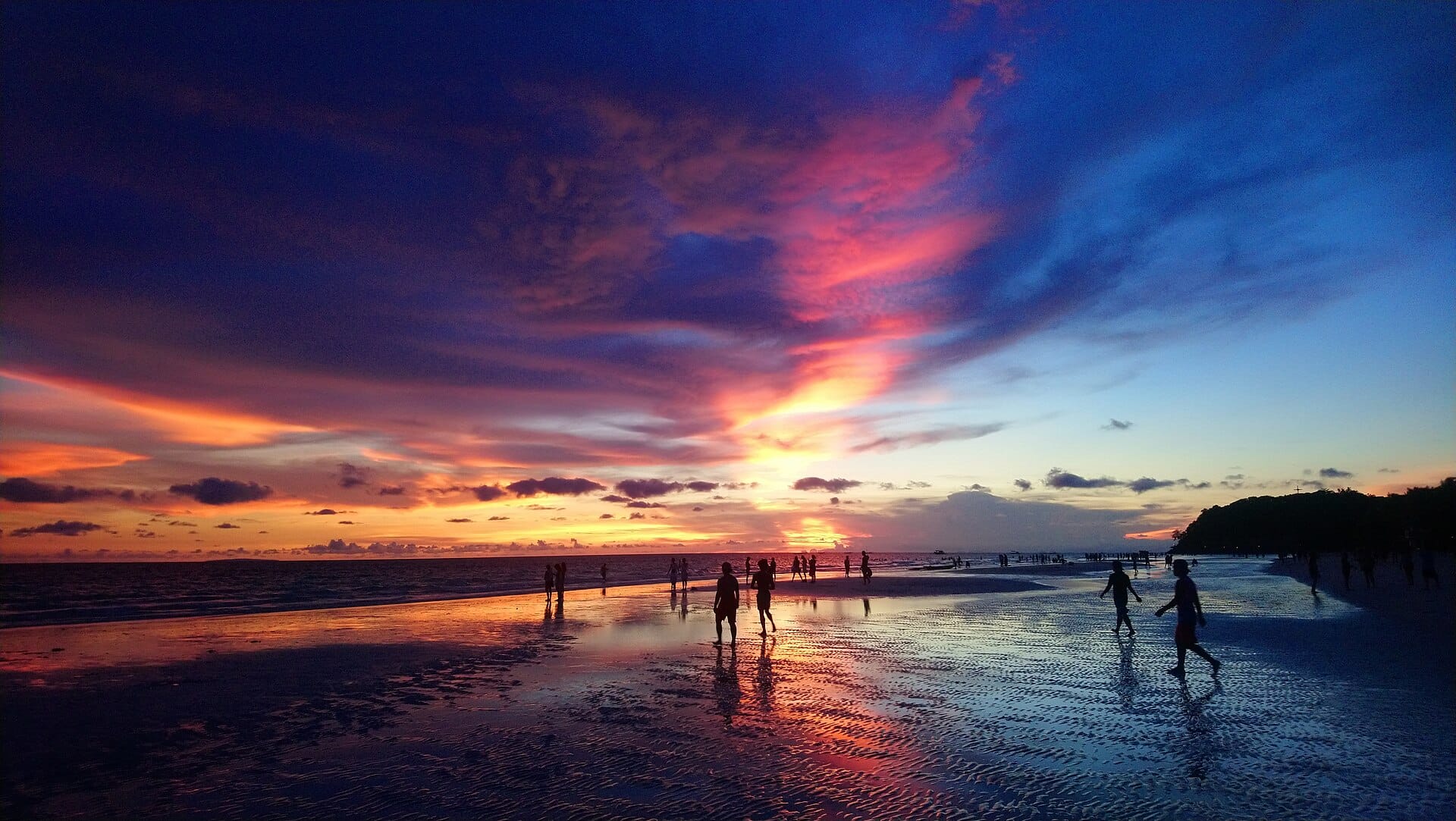

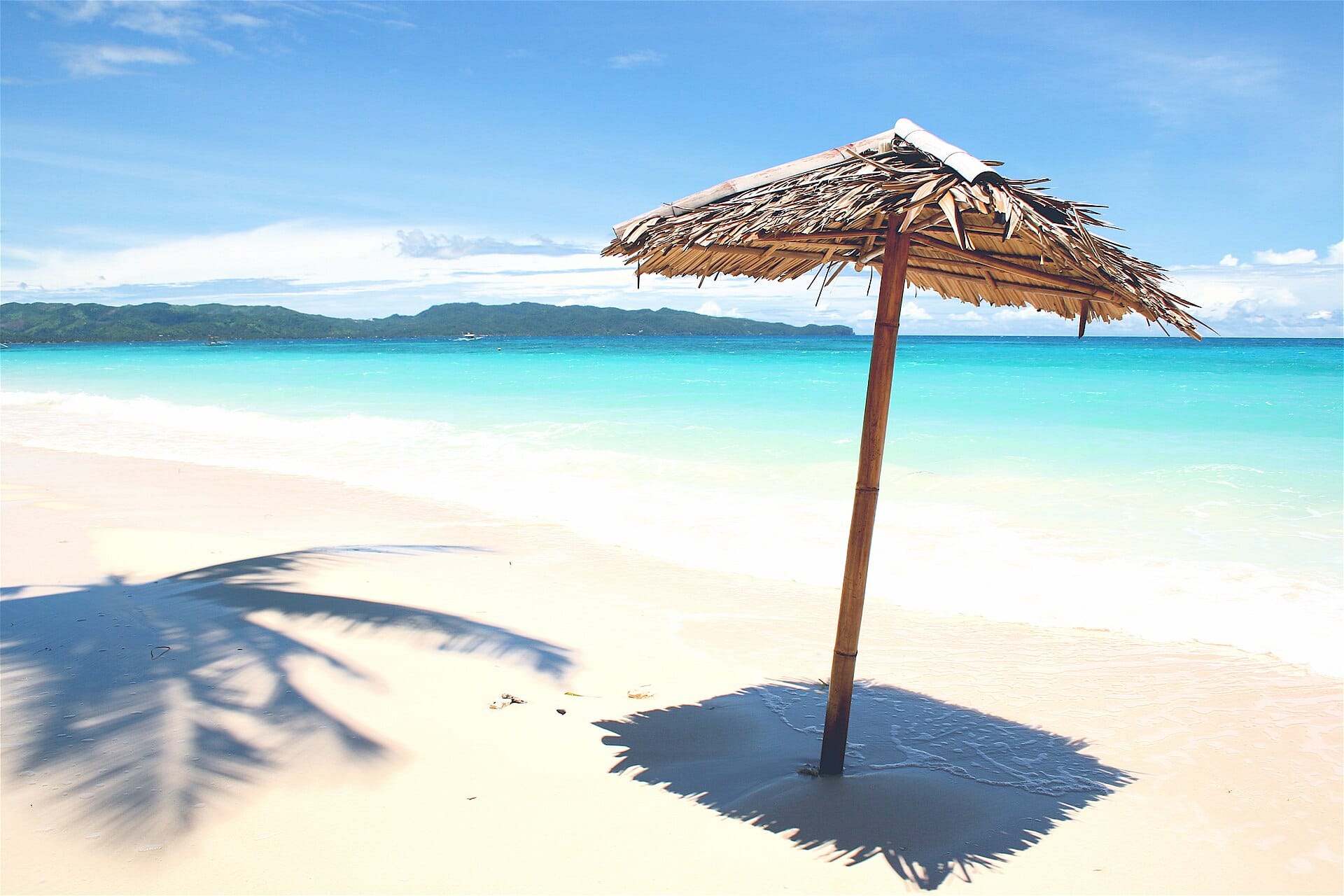
Related articles
Quick answers
When is the best time to visit Palawan?
Daytime highs run from about 28°C in January to 31°C in May. Driest in February; wettest in October, with rain on about 29 days. The sea is warmest in May at around 32°C, coolest at 28°C.
How long should I spend in Palawan?
Our suggestion: a week or more.
How do I get to Palawan?
Fly into Puerto Princesa (PPS) and take a five to six hour van north to El Nido, or use the small El Nido airport (ENI) with direct flights from Manila and Cebu; Cuyo island is unconnected to mainland Palawan.
Do I need a car in Palawan?
No. Vans and buses link the main towns, but islands and lagoons are reached only by bangka boat.
What currency and language are used in Palawan?
Currency: Philippine peso (PHP). Language: Filipino and English. Plugs: type A and B and C.
Who is Palawan best for?
Best for beach lovers, divers & snorkellers and adventure seekers. In a phrase: karst-fringed, boat-bound, rough-edged.