
Mosel Valley
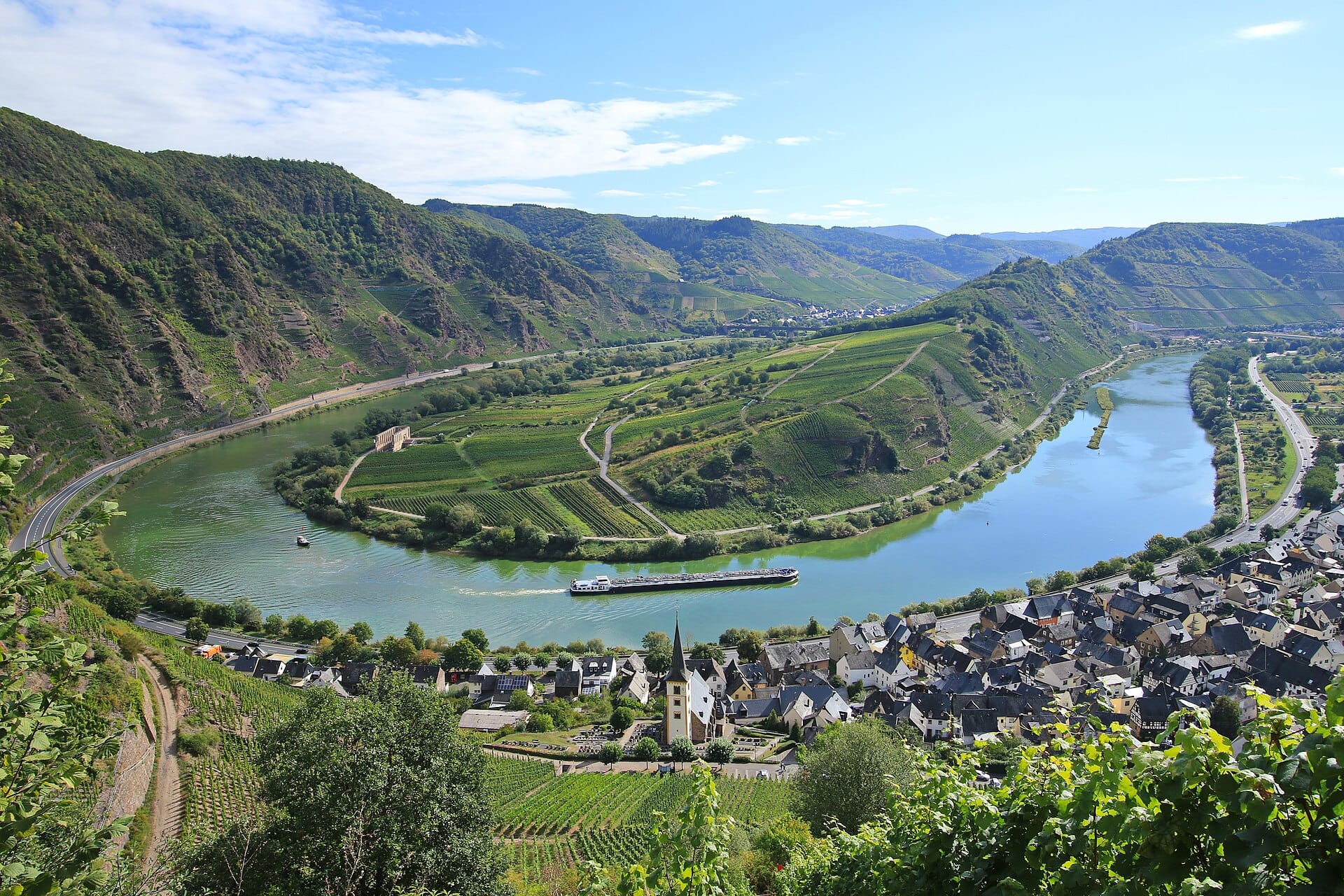
The steepest vineyards in the world hang almost vertically above a looping river studded with wine villages and castle ruins.
- Best forCouples · Foodies · Road-trippers
- In January6°C · 15 rainy days
- Ideal stay3-4 nights
- Approx. flying time~11h 40m from Los Angeles
- CurrencyEUREuro
- LanguageGerman
- Local time12:161h ahead of the UK
- PlugsType C / FBring an adapter
- Drive on theRightOpposite to the UK
- Dialling code+49
Why go
The Mosel is Europe's steepest wine river, its vineyards planted at angles that make mechanised harvesting nearly impossible, still worked largely by hand on slopes that look close to vertical from the water below. The river loops sharply back on itself again and again, each bend revealing another half-timbered wine village or ruined castle on the ridgeline above. Riesling grown here comes lighter and more mineral than in warmer German regions, a direct result of the slate soil underfoot.
Base yourselves in Bernkastel-Kues, with its market square and cellar doors, or the smaller, quieter village of Beilstein for a slower pace. A stretch of the Moselsteig trail walked high above the water gives the best overview of the valley's shape, and a dusk river cruise shows the vineyards lit gold. September brings wine festivals to most riverside squares, while spring offers blossom and thinner crowds.
- Ideal stay
- 3-4 nights
- The vibe
- Vine-draped, romantic, slow-paced
From our guides
Base yourselves in Bernkastel-Kues or tiny Beilstein, taste featherlight Rieslings in family cellars measured in centuries, and walk a stretch of the Moselsteig trail high above the water. September's wine festivals fill the squares; a river cruise at dusk shows off the valley best.
Featured in Ten vineyard escapes for lovers of a long lunch
Things to do
-
Bernkastel-Kues market square
A half-timbered wine town with a sloped medieval square, ringed by cellar doors offering tastings of the valley's Riesling.
-
Beilstein village
One of the Mosel's smallest and quietest wine villages, largely untouched by the coach tours that visit larger towns nearby.
-
Moselsteig trail
A long-distance path running the length of the valley, with sections above the vineyards giving sweeping views of the river's loops.
-
Burg Eltz
A turreted medieval castle hidden in a wooded valley just off the Mosel, remarkably well preserved and still privately owned.
-
Reichsburg Cochem
A hilltop castle rebuilt in the nineteenth century above the town of Cochem, visible from much of the surrounding valley.
-
Calmont vineyard
Europe's steepest vineyard, with gradients so severe that workers use ropes and small monorail systems to tend the vines.
Getting there
-
Fly to
Frankfurt am Main (FRA)
Nearest airport to Bernkastel-Kues, about 107km away as the crow flies.
-
Then
To Bernkastel-Kues
Munich (MUC) is a long way off, around six hours by car or by train via Koblenz or Trier; Frankfurt or Luxembourg are the usual gateways, both around two hours by road.
-
On the ground
Getting around
The river villages are strung along both banks, linked by a scenic road, the Moselsteig walking trail, cycle paths and small ferries; boat trips run between the main towns in season.
Public transport: Mixed: trains reach Trier, Bullay and Koblenz, and buses and river boats fill some gaps, but the smaller wine villages are much easier by car or bicycle.
Flights
Los Angeles Mosel Valley, Germany
Fly from anywhere — search 4,000+ airports worldwide.
Roughly 11h 40m in the air from Los Angeles (LAX), estimated from the distance — check for a direct route. Pick a month to see every available flight with live prices.
Check dates and prices
Pick your departure date, then your return.
Search flightsNot sure when? Compare fares across a whole month.
Flight times are estimates; prices open on Google Flights.
When to go
Daytime highs run from about 6°C in January to 25°C in August. Driest April and June to September; wettest in January, with rain on about 15 days.
The year at a glance — pick a month for detail
January6° · rain 15 daysCold and often wet.
Monthly figures averaged from daily records for 2015–2024 at Bernkastel-Kues (ERA5 reanalysis). Live conditions from MET Norway, CC BY 4.0.
Where to stay
Winzerhotels and guesthouses run by wine-growing families, riverside inns and holiday flats, plus campsites along the banks. Chains appear only in the larger towns.
-
Best base overall
Bernkastel-Kues
The valley's liveliest town, with a timbered market square, wine cellars and river boats from the quay. The old-town side is charming and cramped, so check parking before you book.
Find stays in Bernkastel-Kues -
Best value
Traben-Trarbach
Downstream, art nouveau rather than half-timbered, with cheaper rooms and huge underground wine cellars to tour. Fewer restaurants and a quieter evening than Bernkastel.
Find stays in Traben-Trarbach -
Best for couples
Beilstein and Cochem
Tiny Beilstein is the prettiest village on the river, with Cochem's castle and services fifteen minutes away. Beilstein has barely any beds and no shop, so plan meals.
Find stays in Beilstein and Cochem -
Quietest
Zell and Piesport
Working wine villages with guesthouses attached to the estates and riverside cycle paths at the door. Not much beyond the vineyards, which is the appeal.
Find stays in Zell and Piesport
Worth knowing before you book: Village wine festivals from August to October book rooms out across the whole valley, and many small guesthouses close entirely from January to March.
Search everything else in Bernkastel-Kues by budget. These are indicative budget bands in GBP per night for two people, not live quotes or guarantees of hotel type. Check your dates, guests, taxes and final price on Booking.com.
Good to know
- Timing
- September brings wine festivals to most riverside villages; late spring offers blossom in the vineyards and noticeably thinner crowds.
- Getting around
- A hire car gives the most flexibility for reaching villages and castles; river cruises and a regional train line also run the length of the valley.
- Wine tasting
- Family-run cellar doors in villages like Bernkastel-Kues welcome walk-ins for tastings, though larger estates may prefer advance notice.
- Walking
- Sections of the Moselsteig trail can be walked individually without committing to the full multi-day route; several link back to train stations.
- Crowds
- Larger towns like Cochem and Bernkastel-Kues get busy with coach tours by midday; smaller villages like Beilstein stay calmer.
Similar places
Nearby destinations
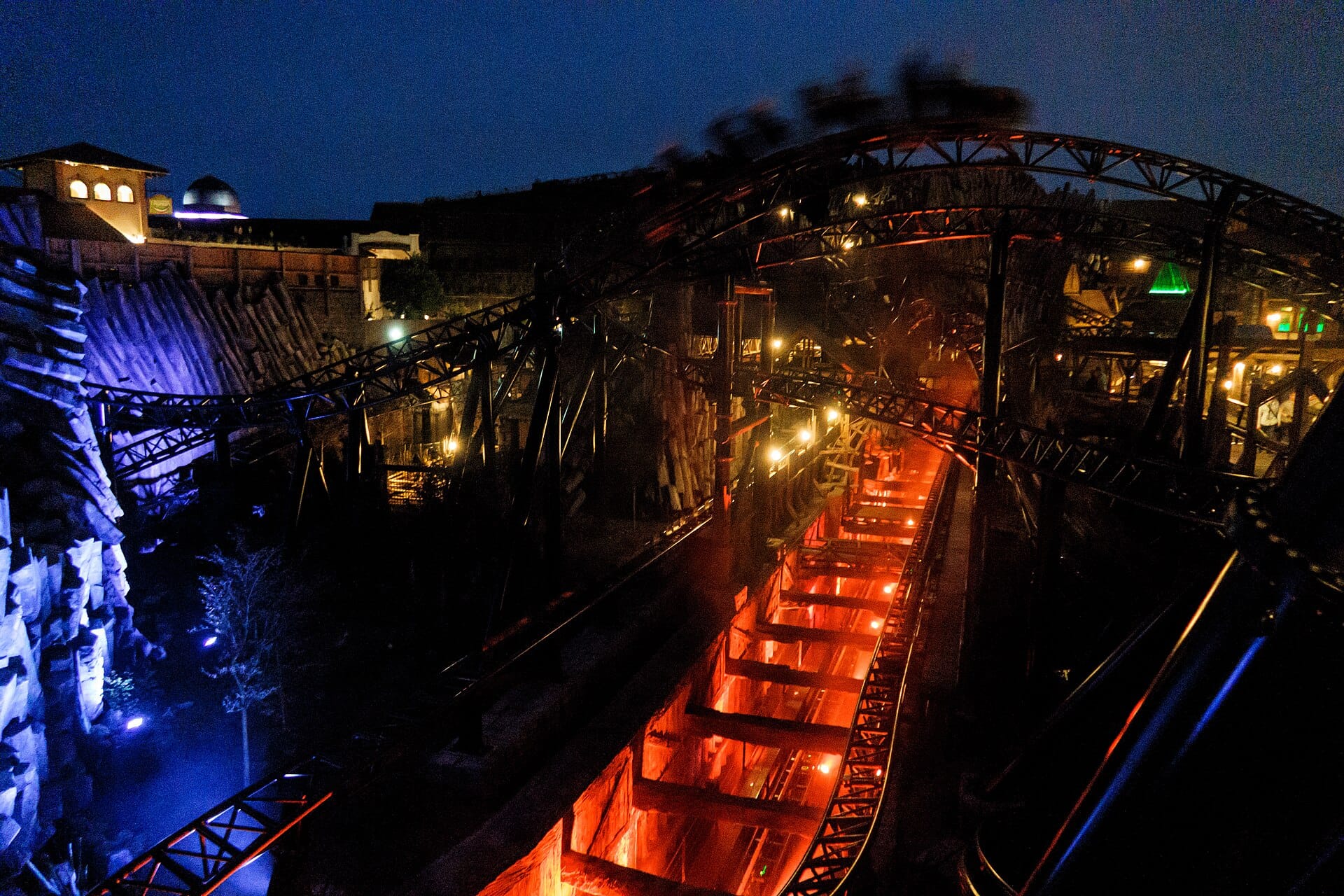
Phantasialand
Germany · 99km away →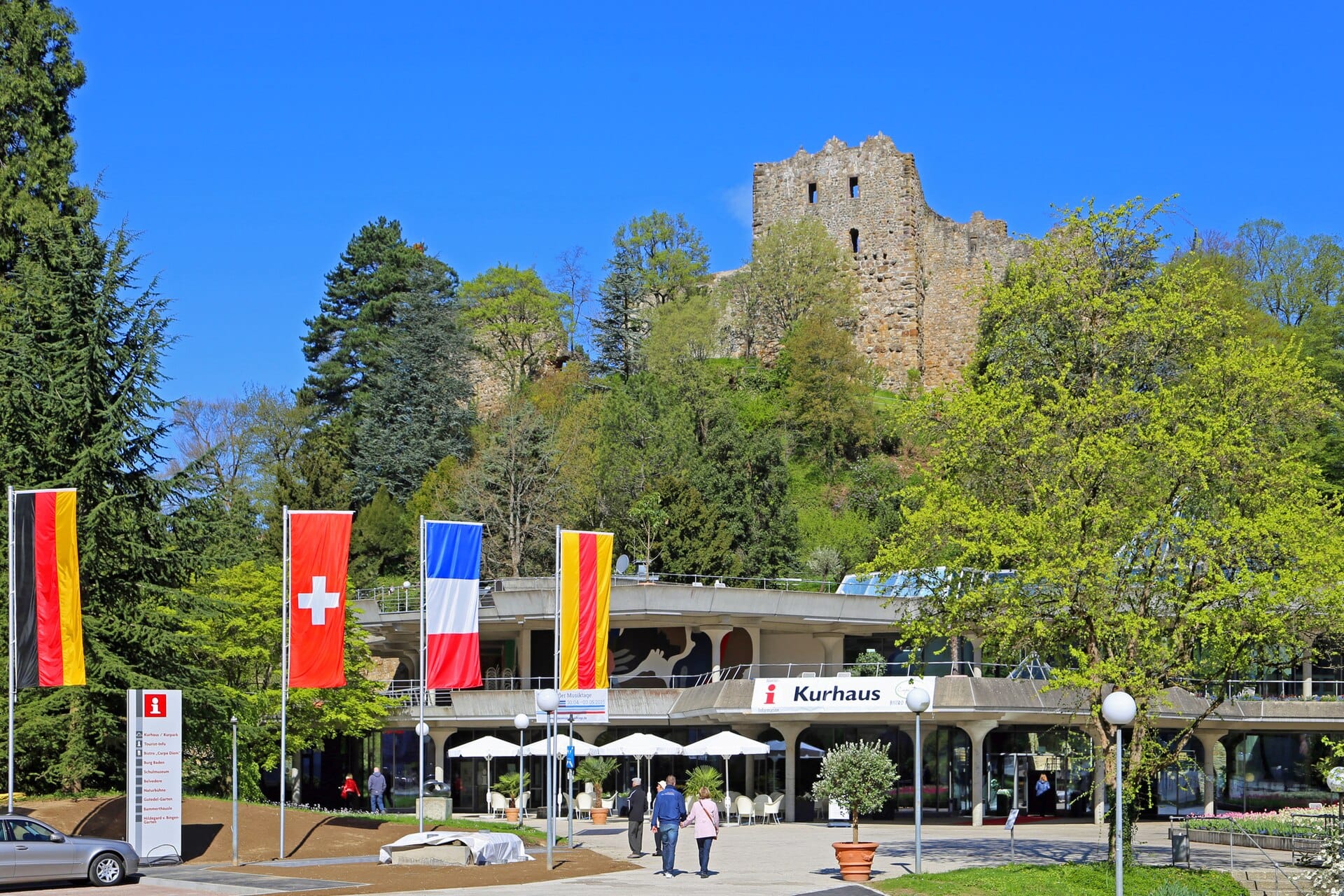
Baden-Baden
Germany · 154km away →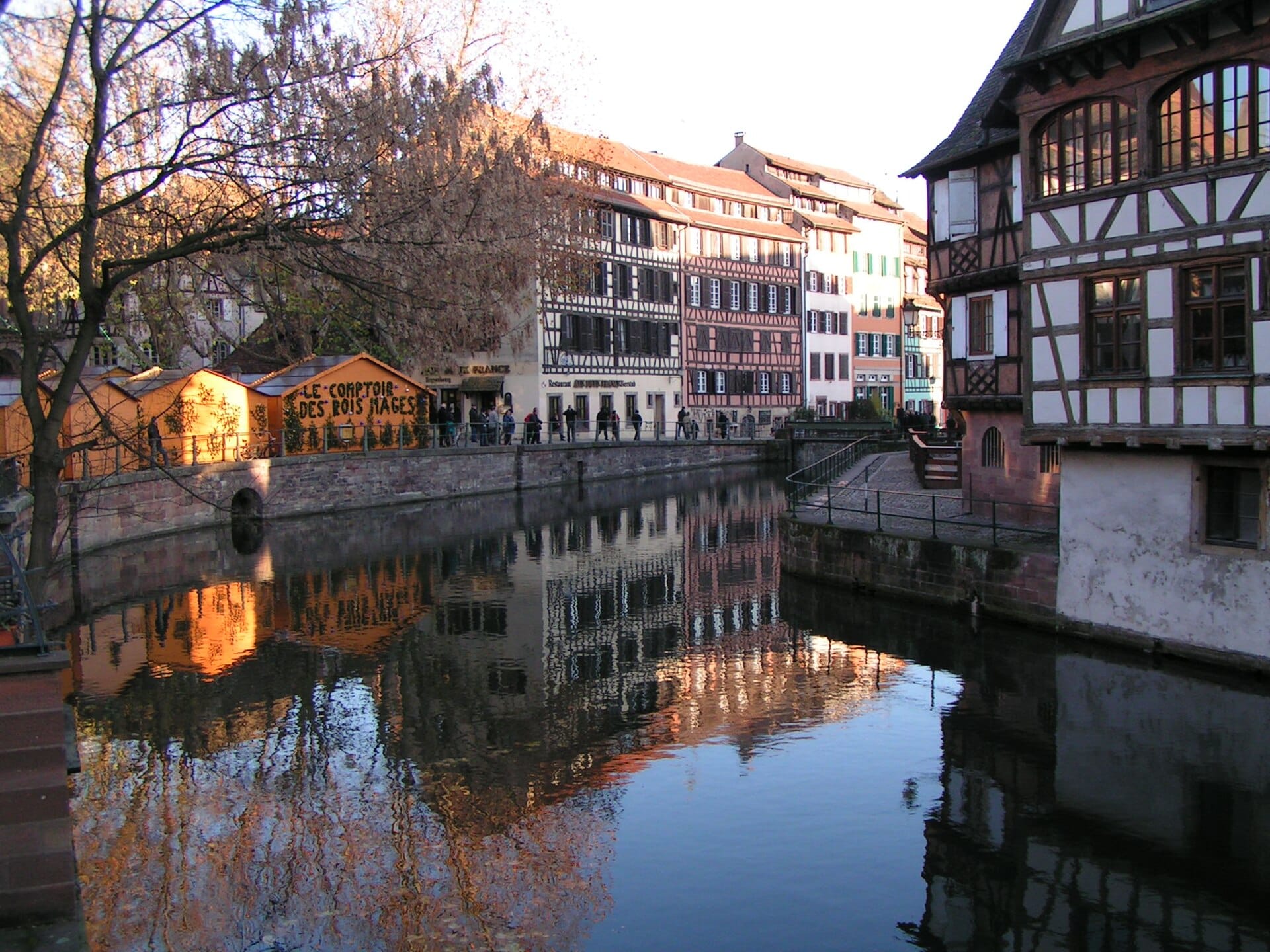
Strasbourg
France · 156km away →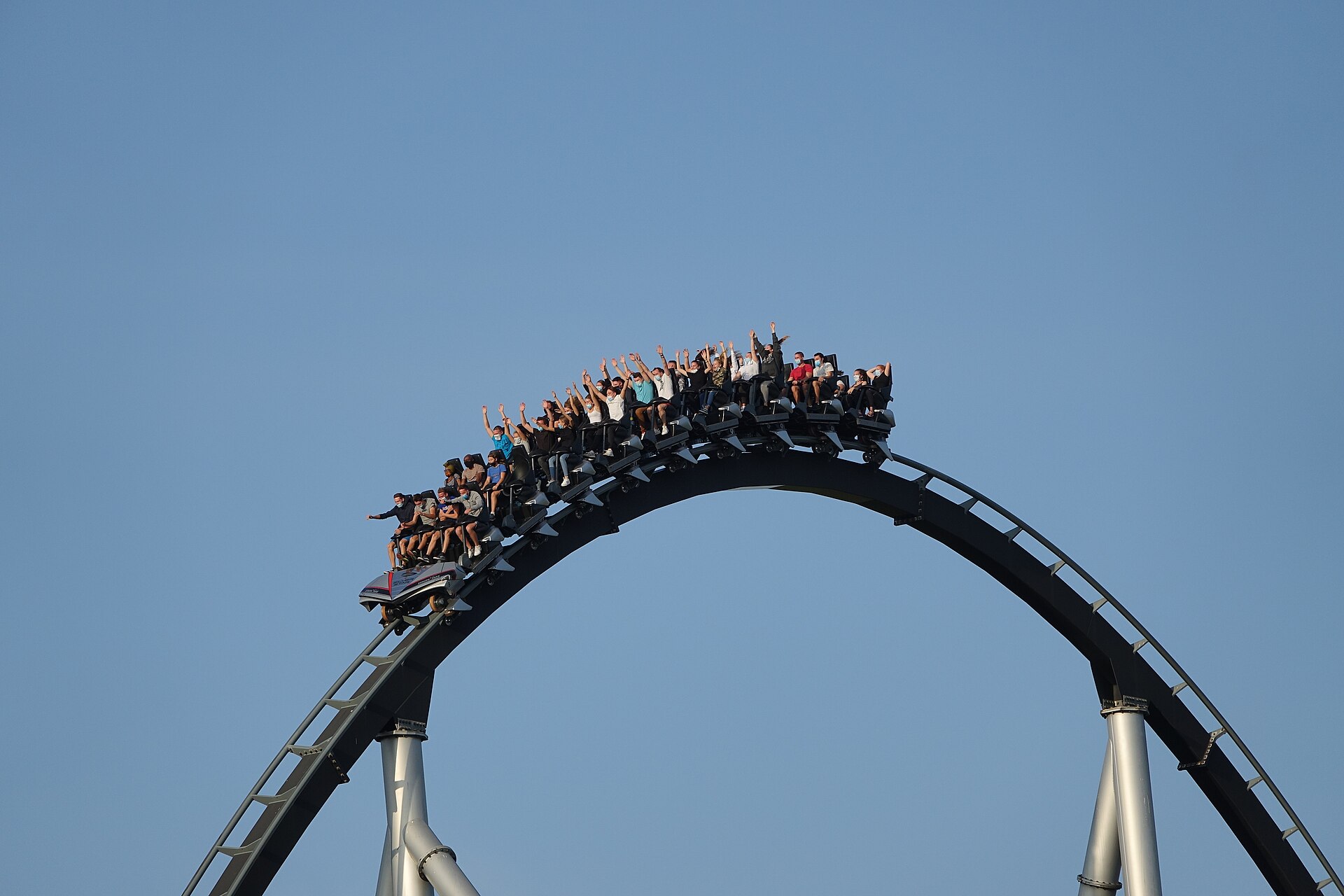
Europa-Park
Germany · 190km away →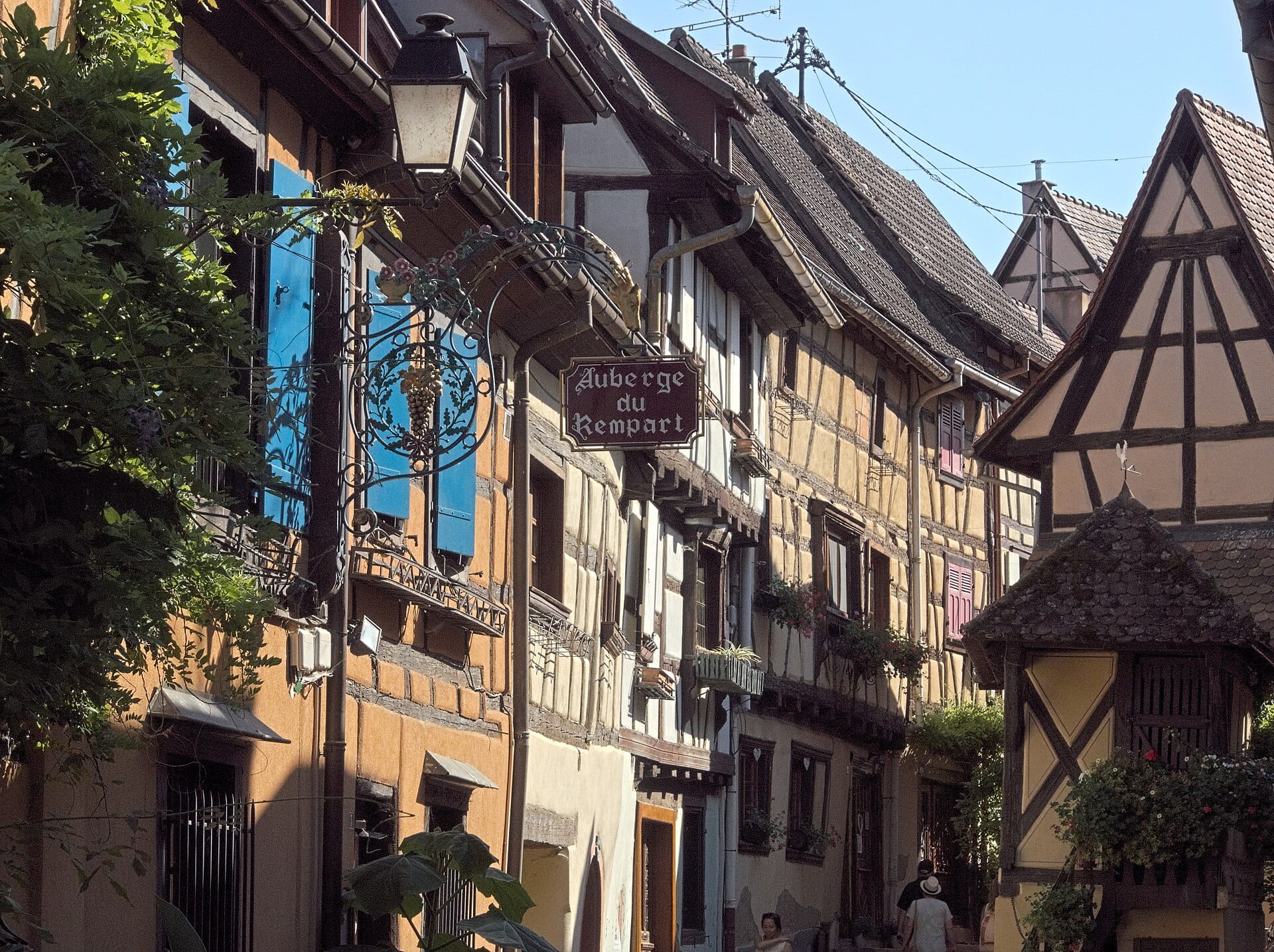
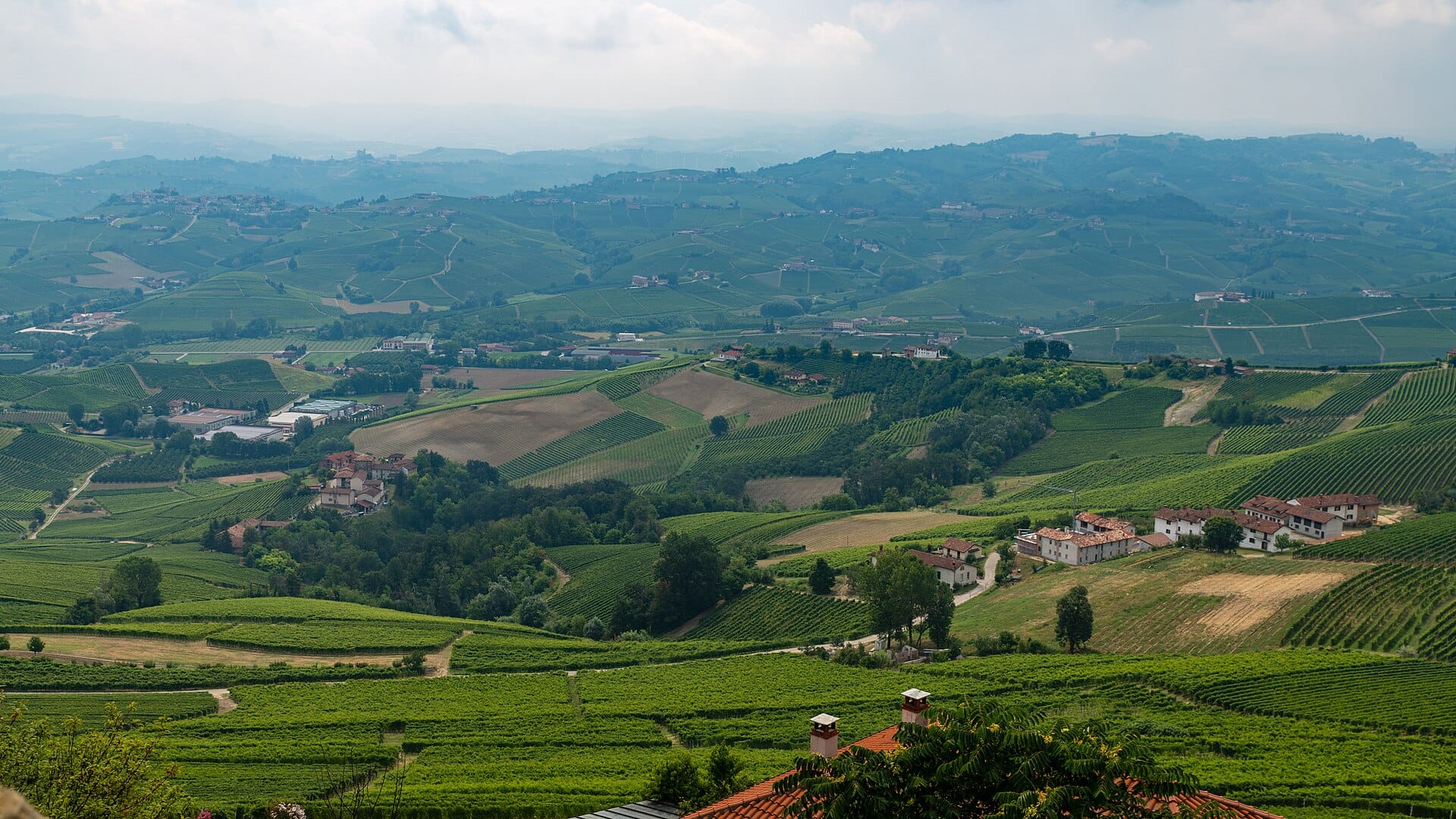
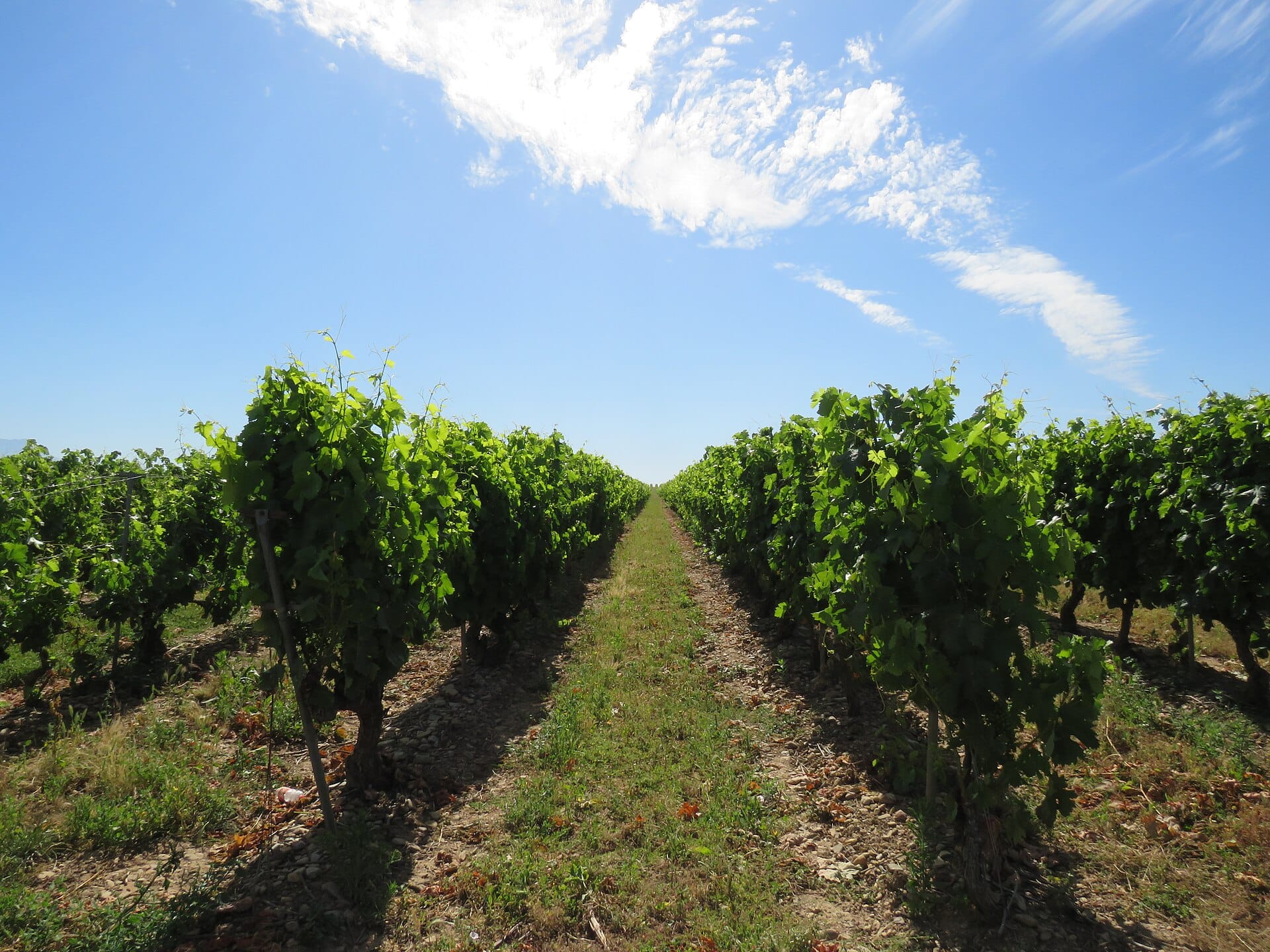
The Alsace wine route
France · 205km away →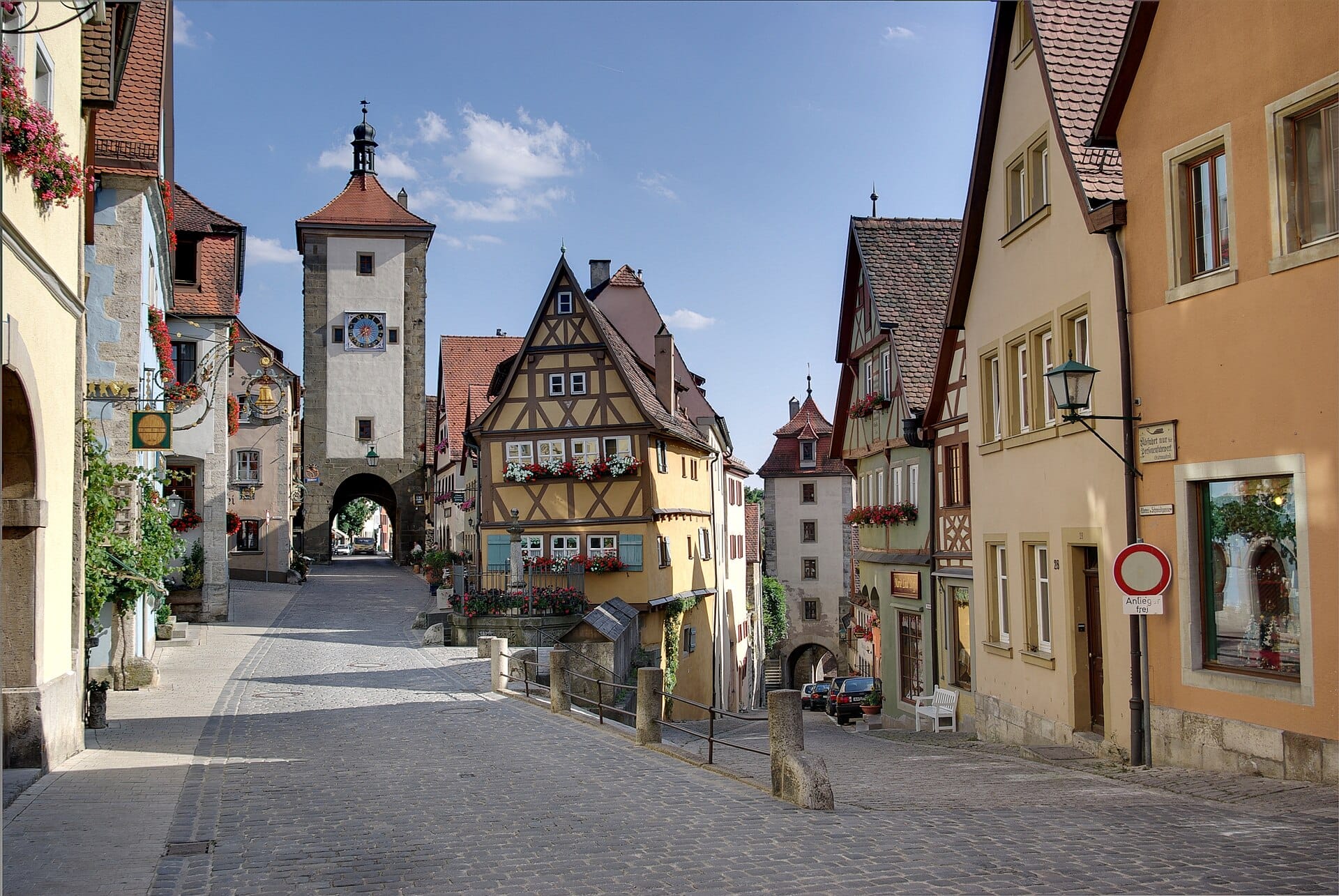
Rothenburg ob der Tauber
Germany · 231km away →Elsewhere in Germany
Related articles
Quick answers
When is the best time to visit Mosel Valley?
Daytime highs run from about 6°C in January to 25°C in August. Driest April and June to September; wettest in January, with rain on about 15 days.
How long should I spend in Mosel Valley?
Our suggestion: 3-4 nights.
How do I get to Mosel Valley?
Munich (MUC) is a long way off, around six hours by car or by train via Koblenz or Trier; Frankfurt or Luxembourg are the usual gateways, both around two hours by road.
Do I need a car in Mosel Valley?
Yes, a car makes a real difference here. Mixed: trains reach Trier, Bullay and Koblenz, and buses and river boats fill some gaps, but the smaller wine villages are much easier by car or bicycle.
What currency and language are used in Mosel Valley?
Currency: Euro (EUR). Language: German. Plugs: type C and F.
Who is Mosel Valley best for?
Best for couples, foodies and road-trippers. In a phrase: vine-draped, romantic, slow-paced.