
Malaysia's east coast: the Perhentians
Malaysia's east-coast islands stay gloriously under-visited: the tiny Perhentians for jungle-backed coves and turtles grazing just off the sand, Redang for powder-white beaches with resort comforts, and Tioman — further south — for waterfalls and house reefs you can snorkel before breakfast.
- Best forDivers & snorkellers · Beach lovers · Budget travellers
- In May30°C · 24 rainy days · sea 32°C
- Ideal stayA week
- Approx. flying time~17h 05m from Los Angeles
- CurrencyMYRMalaysian ringgit
- LanguageMalay
- Local time19:147h ahead of the UK
- PlugsType GUK plugs fit
- Drive on theLeftSame as the UK
- Dialling code+60
Why go
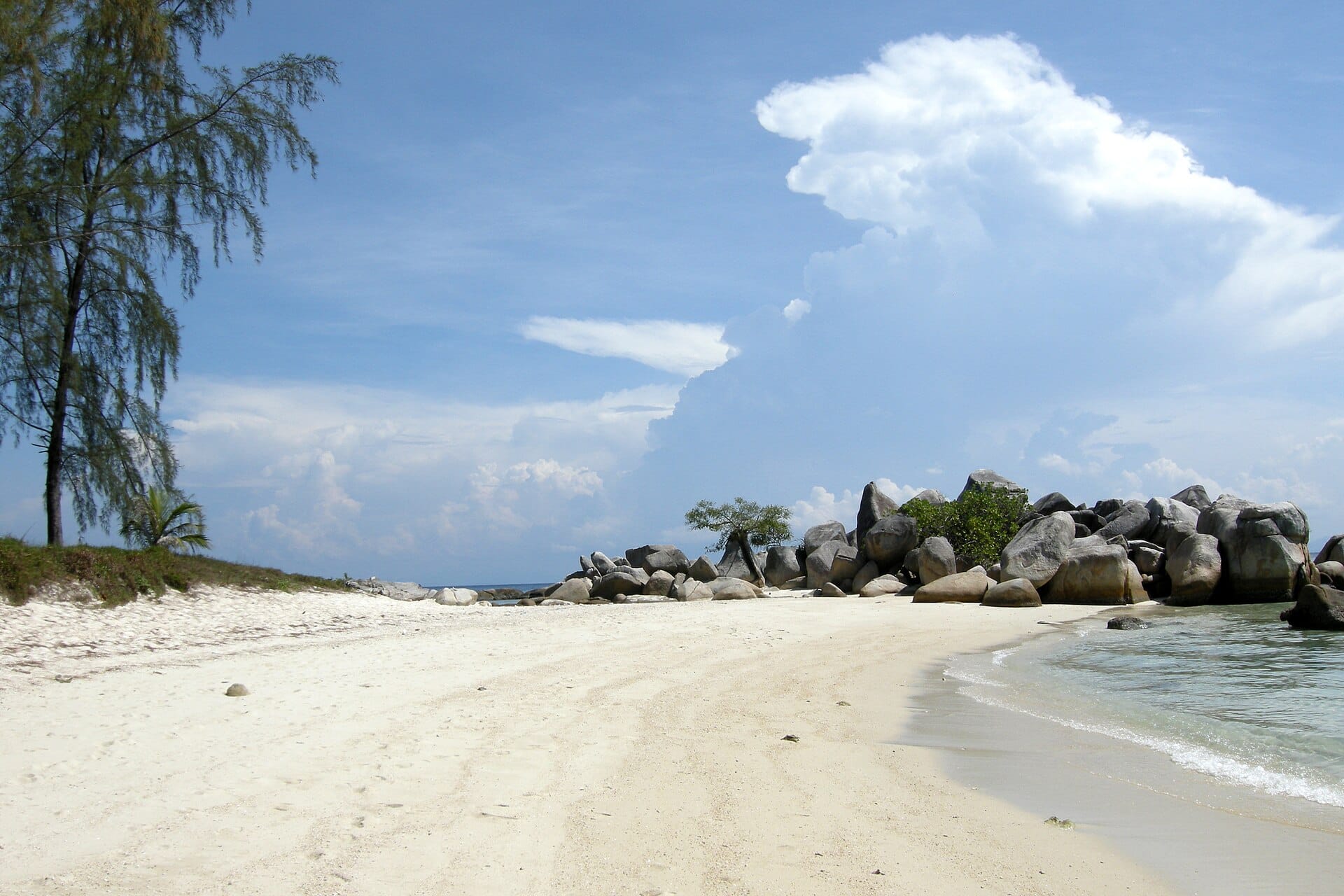
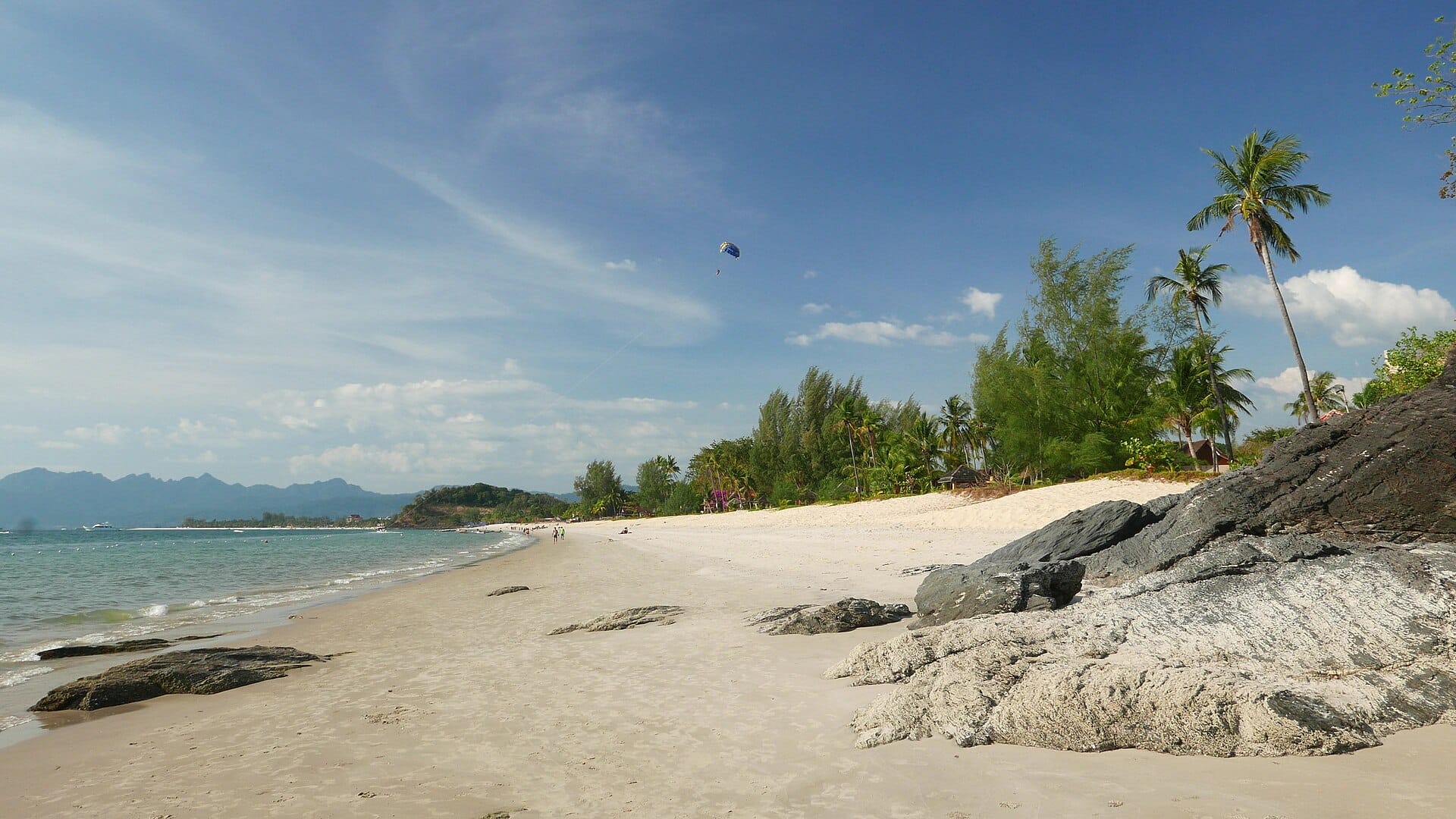
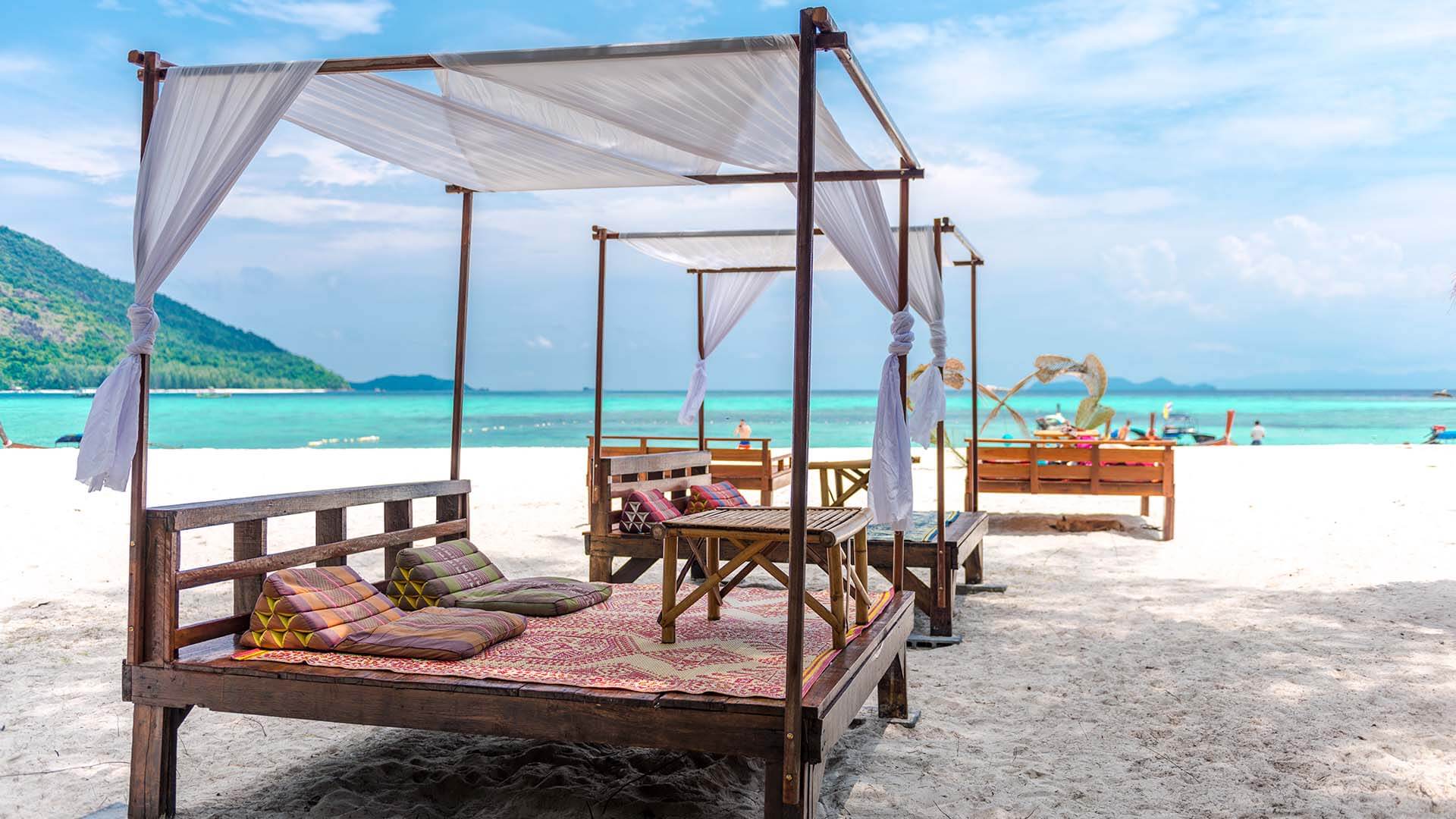
The islands scattered off Malaysia's east coast share warm, clear water and reefs that start just off the beach, but each has its own character. The Perhentians are small enough to walk around, backed by jungle and popular with backpackers and turtles alike. Redang is glossier, with powder-white sand and proper resorts, while Tioman further south trades some of the sand for waterfalls, rainforest trails and house reefs you can snorkel before breakfast.
None of these islands are set up for winter sun in the usual sense, since they run on the opposite monsoon to the rest of South East Asia and effectively close between November and February. Come between March and September instead, when the South China Sea lies flat and boat transfers are straightforward. Diving and snorkelling are the main draw, so this suits water-lovers more than sightseers.
- Ideal stay
- A week
- The vibe
- Laid-back, reef-fringed, off-grid
From our guides
Boats and short mainland hops connect the dots. Crucially, this coast runs on the opposite monsoon to much of Asia: come between March and September, when the South China Sea sits flat and clear.
Featured in Ten island-hopping routes for the perfect beach fortnight
Things to do
-
Long Beach, Perhentian Kecil
The backpacker hub of the smaller Perhentian island, with cheap beach chalets, snorkelling straight off the sand and a lively night market feel.
-
Turtle sightings off the Perhentians
Green and hawksbill turtles graze on seagrass close to shore, often visible simply by snorkelling out from the beach.
-
Redang's Marine Park
Protected reefs around Redang shelter blacktip reef sharks and giant clams, with several dive operators running daily boat trips.
-
Tioman's Asah waterfall
A jungle walk from Salang leads to a waterfall with a pool cold enough to justify the sweaty climb.
-
Juara Beach, Tioman
A quieter beach on Tioman's east coast, reached by a short jungle trek or a longer boat ride, with a slower pace than the west side.
-
House reef snorkelling
Several resorts on Tioman and Redang have coral reefs directly offshore, so snorkelling gear and a short swim are all you need.
Getting there
-
Fly to
Kota Baharu (KBR)
Nearest airport to Perhentian Islands, about 59km away as the crow flies.
-
Then
To Perhentian Kecil
About an hour and a half by taxi or minibus from Kota Bharu (KBR) south to the Kuala Besut jetty, then a speedboat of roughly 30 to 45 minutes to the islands.
-
On the ground
Getting around
There are no roads on the Perhentians: you walk the jungle paths between bays or take a water taxi. Redang and Tioman have their own boat and flight connections from the mainland.
Public transport: Mainland buses and shared taxis reach the jetties, but everything beyond that is by boat, and services largely shut down in the November to February monsoon.
Flights
Los Angeles Perhentian Islands, Malaysia
Fly from anywhere — search 4,000+ airports worldwide.
Roughly 17h 05m in the air from Los Angeles (LAX), estimated from the distance — check for a direct route. Pick a month to see every available flight with live prices.
Check dates and prices
Pick your departure date, then your return.
Search flightsNot sure when? Compare fares across a whole month.
Flight times are estimates; prices open on Google Flights.
When to go
Daytime highs run from about 27°C in December to 30°C in May. Driest in March; wettest in November, with rain on about 29 days. The sea is warmest in May at around 32°C, coolest at 29°C.
The year at a glance — pick a month for detail
May30° · rain 24 days · sea 32°Hot and often wet.
Monthly figures averaged from daily records for 2020–2024 at this location (ERA5 reanalysis). Live conditions from MET Norway, CC BY 4.0.
Where to stay
Beach chalets, dive-resort rooms and a few mid-range island resorts, mostly simple and often fan-cooled. Almost nothing international, and few places take cards.
-
Best base overall
Perhentian Kecil, Coral Bay
The small island's calmer west-facing bay, with sunset swimming, snorkelling straight off the sand and a five-minute path to the livelier side. Power and wifi can be intermittent, and everything is cash.
Find stays in Perhentian Kecil, Coral Bay -
Best with children
Perhentian Besar
The larger island has wider beaches, gentler entry and more comfortable resort-style rooms. There is nothing much to do after dark, which is either the appeal or the problem.
Find stays in Perhentian Besar -
Best for nightlife
Long Beach, Perhentian Kecil
Backpacker bars, fire shows and cheap chalets right behind the sand. Rooms are basic, the beach is busy by day and the monsoon-season closure is total.
Find stays in Long Beach, Perhentian Kecil -
Best value
Tioman, Salang and Air Batang
Cheaper chalets, house reefs and waterfall walks, with easier access from Singapore. Ferry timetables are tidal and unreliable, so build in a buffer day either side.
Find stays in Tioman, Salang and Air Batang
Worth knowing before you book: Most islands close entirely from around November to February for the monsoon, and boats do not run, so check reopening dates before booking flights.
Search everything else in Perhentian Kecil by budget. These are indicative budget bands in GBP per night for two people, not live quotes or guarantees of hotel type. Check your dates, guests, taxes and final price on Booking.com.
Good to know
- Timing
- The monsoon runs opposite to much of South East Asia; most resorts and boats close between November and February, so plan for March to September.
- Getting there
- Access is by speedboat from mainland jetties such as Kuala Besut or Mersing, followed by a short island hop; book crossings in advance in peak weeks.
- Cash or card
- Smaller islands run largely on cash, with limited ATM access, so bring enough ringgit for the length of your stay.
- Pack this
- Reef-safe sunscreen matters here, since coral sits close to popular swimming spots and regular sunscreen can damage it.
- Connectivity
- Wifi and mobile signal are patchy on the smaller islands, which suits some travellers and frustrates others; plan accordingly.
Similar places
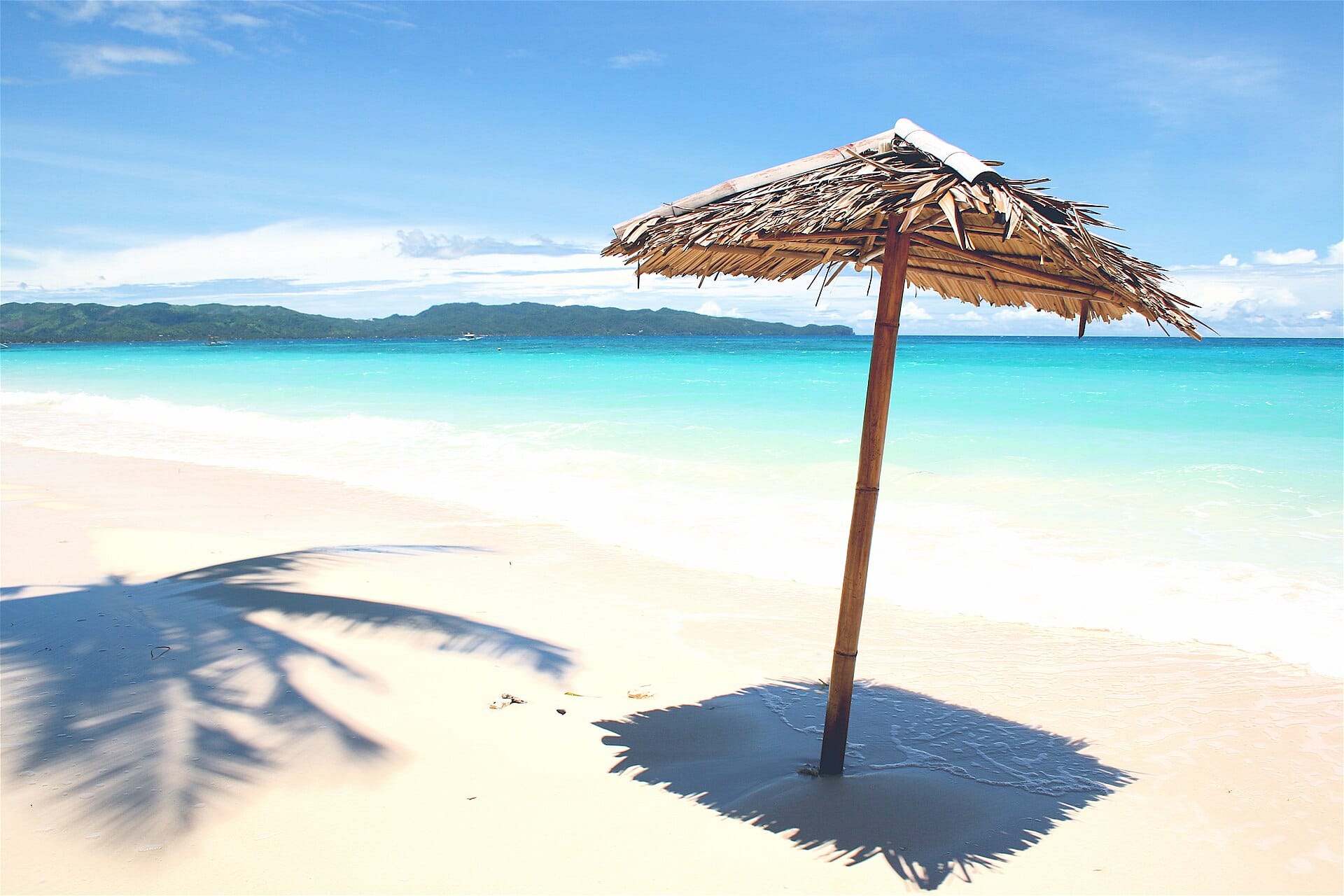
The Visayas: Cebu
Bohol and Siquijor, PhilippinesAlso for divers & snorkellers and beach lovers · 30°C in May, as here · cheaper to stay
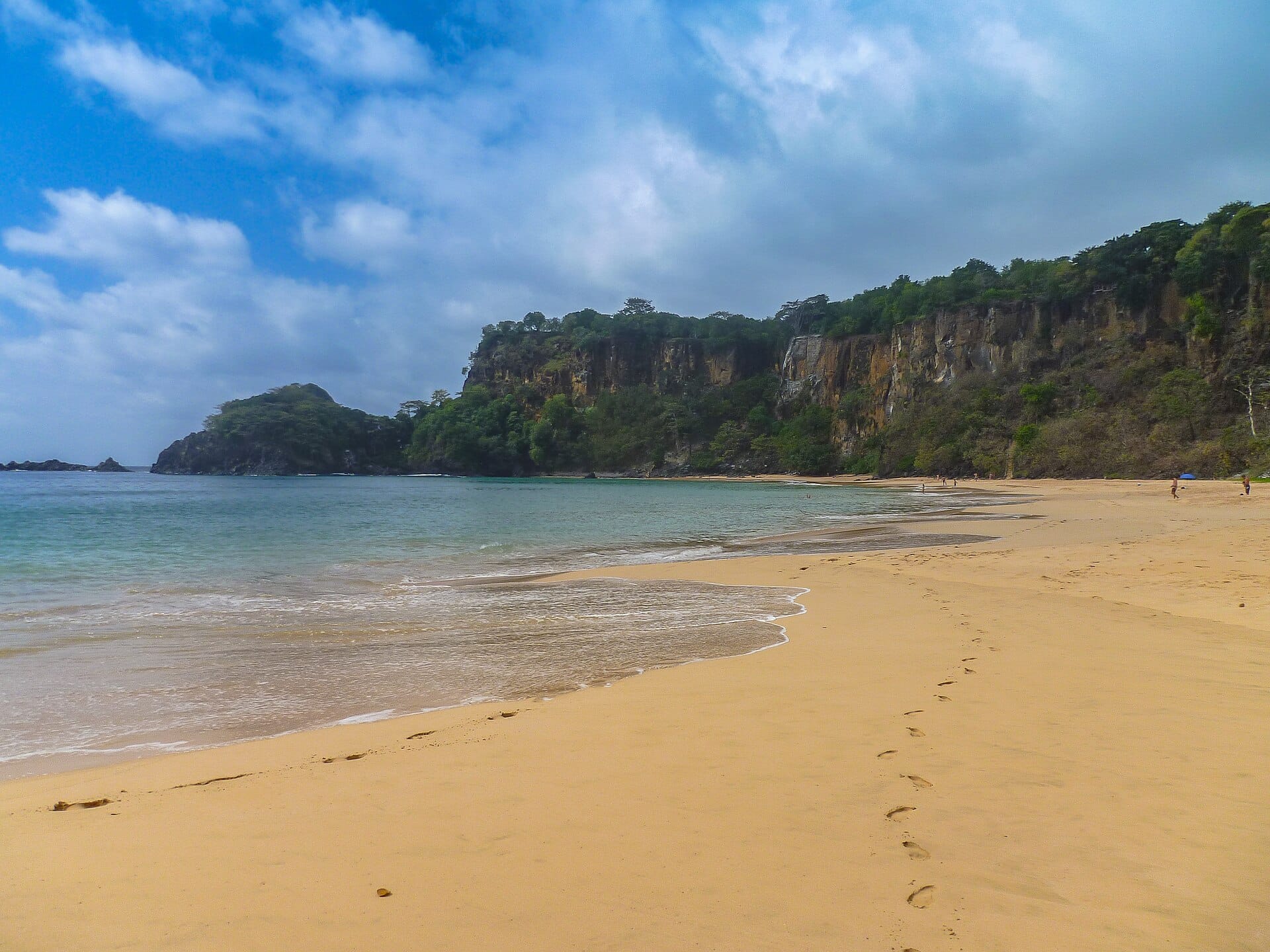
Baía do Sancho
Fernando de Noronha, BrazilAlso for divers & snorkellers and beach lovers · 27°C in May (30°C here)
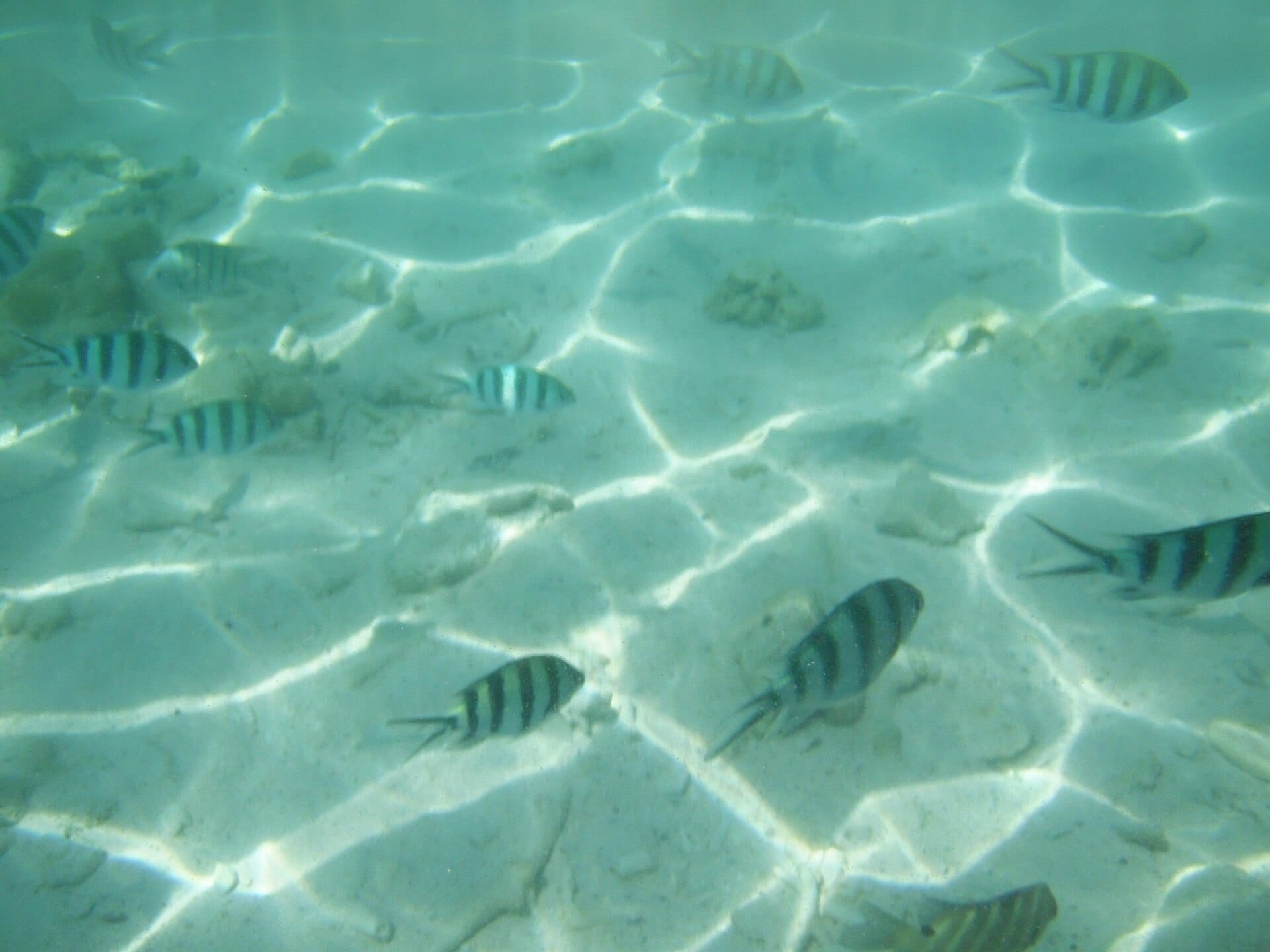
Ko Nang Yuan
ThailandAlso for divers & snorkellers and beach lovers · 30°C in May, as here
Further afield
Related articles
Quick answers
When is the best time to visit Malaysia's east coast: the Perhentians?
Daytime highs run from about 27°C in December to 30°C in May. Driest in March; wettest in November, with rain on about 29 days. The sea is warmest in May at around 32°C, coolest at 29°C.
How long should I spend in Malaysia's east coast: the Perhentians?
Our suggestion: a week.
How do I get to Malaysia's east coast: the Perhentians?
About an hour and a half by taxi or minibus from Kota Bharu (KBR) south to the Kuala Besut jetty, then a speedboat of roughly 30 to 45 minutes to the islands.
Do I need a car in Malaysia's east coast: the Perhentians?
No. Mainland buses and shared taxis reach the jetties, but everything beyond that is by boat, and services largely shut down in the November to February monsoon.
What currency and language are used in Malaysia's east coast: the Perhentians?
Currency: Malaysian ringgit (MYR). Language: Malay. Plugs: type G.
Who is Malaysia's east coast: the Perhentians best for?
Best for divers & snorkellers, beach lovers and budget travellers. In a phrase: laid-back, reef-fringed, off-grid.