
Madrid
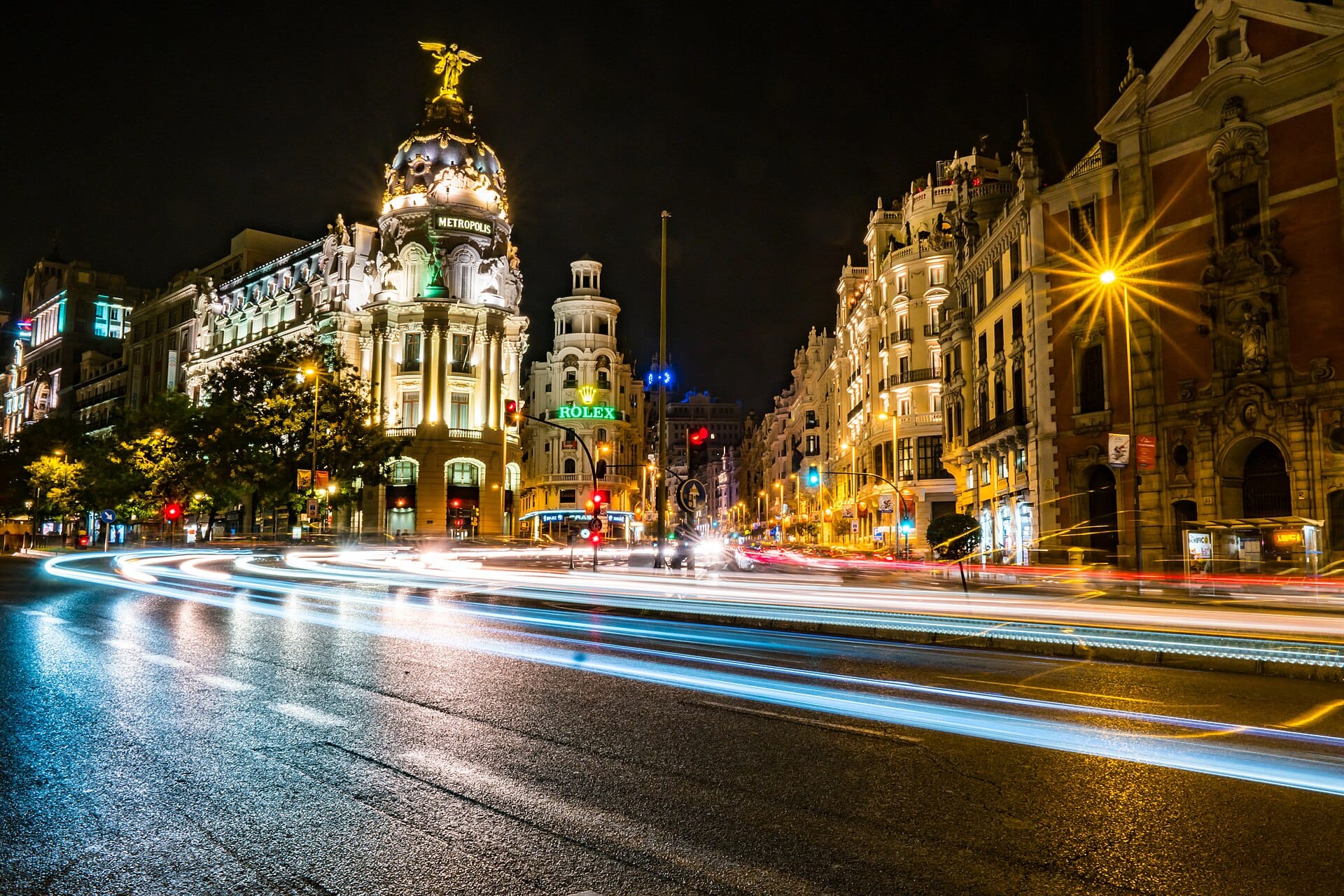
Madrid treats bedtime as a foreign concept: dinner at ten is considered eager, and the crowd drifts from vermouth in La Latina to indie dance floors in Malasaña and the vast clubs off Gran Vía without anyone checking a watch.
- Best forNightlife · Culture seekers · Foodies
- In March16°C · 10 rainy days
- Ideal stay3-4 nights
- Approx. flying time~11h 45m from Los Angeles
- CurrencyEUREuro
- LanguageSpanish
- Local time12:151h ahead of the UK
- PlugsType C / FBring an adapter
- Drive on theRightOpposite to the UK
- Dialling code+34
Why go
Madrid runs on a different clock to most European capitals: lunch stretches into the afternoon, dinner rarely starts before ten, and the streets stay full long after midnight. The Habsburg-era centre around Plaza Mayor gives way to grand boulevards, three world-class art museums within walking distance of each other, and neighbourhoods like Malasaña and Chueca where every block seems to hold another bar. It rewards wandering more than any fixed itinerary.
Three or four days covers the museums and the main barrios without exhausting yourself, though Madrid also works as a base for day trips to Toledo, Segovia or the Sierra de Guadarrama. Summer heat is fierce and many locals leave in August; spring and autumn are kinder for walking. It suits couples, groups of friends and solo travellers happy to eat late and sleep less than usual.
- Ideal stay
- 3-4 nights
- The vibe
- Late-night, grand, unpretentious
From our guides
Churros con chocolate at San Ginés — serving more or less around the clock — is the official full stop to the evening. Go out on a Thursday, when madrileños do the night for themselves rather than for visitors.
Featured in Ten cities where the night never really ends
Things to do
-
Museo del Prado
One of the world's great art collections, built around Velázquez, Goya and centuries of Spanish royal patronage; go early or late to avoid the queues.
-
Plaza Mayor and La Latina
Grand arcaded square giving way to steep streets full of tapas bars, at their liveliest during the Sunday El Rastro flea market.
-
Retiro Park
A vast green space with a boating lake and a glass palace, where madrileños jog, picnic and escape the summer heat.
-
Mercado de San Miguel
A restored iron-and-glass market hall near Plaza Mayor serving tapas and cava by the glass, busy from midday onwards.
-
Gran Vía
Madrid's theatre-lined main artery, glittering at night and lined with clubs, cinemas and early twentieth-century facades that give the street its skyline.
-
Malasaña and Chueca
Adjoining neighbourhoods of vintage shops by day and dense bar-hopping by night, with Chueca the centre of the city's LGBTQ+ scene.
Getting there
-
Fly to
Madrid (MAD)
Nearest airport to Madrid, about 14km away as the crow flies.
-
Then
To Madrid
Barajas (MAD) is about 30 to 40 minutes from the centre by metro line 8 with a change, or 20 to 30 minutes by taxi at a fixed city fare.
-
On the ground
Getting around
The metro is fast, cheap and runs until around 1.30am, and the central barrios of La Latina, Malasana and Sol are close enough to walk between; night buses and taxis cover the hours after the metro stops.
Public transport: Excellent: one of Europe's best metro networks, plus buses and cercanias trains for day trips to Toledo and Segovia.
Flights
Los Angeles Madrid, Spain
Fly from anywhere — search 4,000+ airports worldwide.
Roughly 11h 45m in the air from Los Angeles (LAX), estimated from the distance — check for a direct route. Pick a month to see every available flight with live prices.
Check dates and prices
Pick your departure date, then your return.
Search flightsNot sure when? Compare fares across a whole month.
Flight times are estimates; prices open on Google Flights.
When to go
Daytime highs run from about 10°C in January to 34°C in July. Driest in July and August; wettest in March, with rain on about 10 days.
The year at a glance — pick a month for detail
March16° · rain 10 daysCool with rain most weeks.
Monthly figures averaged from daily records for 2020–2024 at this location (ERA5 reanalysis). Highlighted months are warm and mostly dry — May and August. Live conditions from MET Norway, CC BY 4.0.
Where to stay
Small design hotels in converted apartment blocks, a strong hostel scene, and a huge apartment market. Big-brand towers cluster along the Castellana away from the centre.
-
Best base overall
Malasana and Chueca
The nightlife heartland, walkable to Gran Via and the museums, with the best mix of small hotels and bars. Choose a courtyard-facing room, because street noise runs until dawn at weekends.
Find stays in Malasana and Chueca -
Best for nightlife
La Latina
Vermouth bars, Sunday's Rastro market and tapas crawls along Cava Baja. Buildings are old and rooms small, and Sunday lunchtime is bedlam if you are trying to sleep off Saturday.
Find stays in La Latina -
Closest to the sights
Barrio de las Letras and Sol
Between the Prado, Reina Sofia and Plaza Mayor, so you walk to everything. Sol itself is crowded and touristy, so aim for the quieter Huertas side streets.
Find stays in Barrio de las Letras and Sol -
Quietest
Salamanca and Retiro
Grid-plan, elegant and residential, with the park for mornings and a Metro ride to the noise. Prices are high and it empties in the evening, which is the point.
Find stays in Salamanca and Retiro
Worth knowing before you book: Weekend rates are set by whatever is on at the Bernabeu or IFEMA, and August sees many small hotels and their best restaurants simply shut.
Search everything else in Madrid by budget. These are indicative budget bands in GBP per night for two people, not live quotes or guarantees of hotel type. Check your dates, guests, taxes and final price on Booking.com.
Good to know
- Timing
- Dinner reservations before nine tend to get you empty restaurants; go later to eat alongside locals rather than other tourists.
- Getting around
- The metro is fast, cheap and covers the whole city, making a car entirely unnecessary within Madrid itself.
- Weather
- Summer temperatures regularly pass thirty-five degrees and many smaller shops close in August, so spring or autumn suit sightseeing better.
- Museums
- The Prado, Reina Sofía and Thyssen-Bornemisza all offer free entry during set evening hours; check current times before planning a visit.
- Etiquette
- Tipping is modest, a few euros rather than a percentage, and rounding up is generally enough in bars and casual restaurants.
Similar places
Further afield
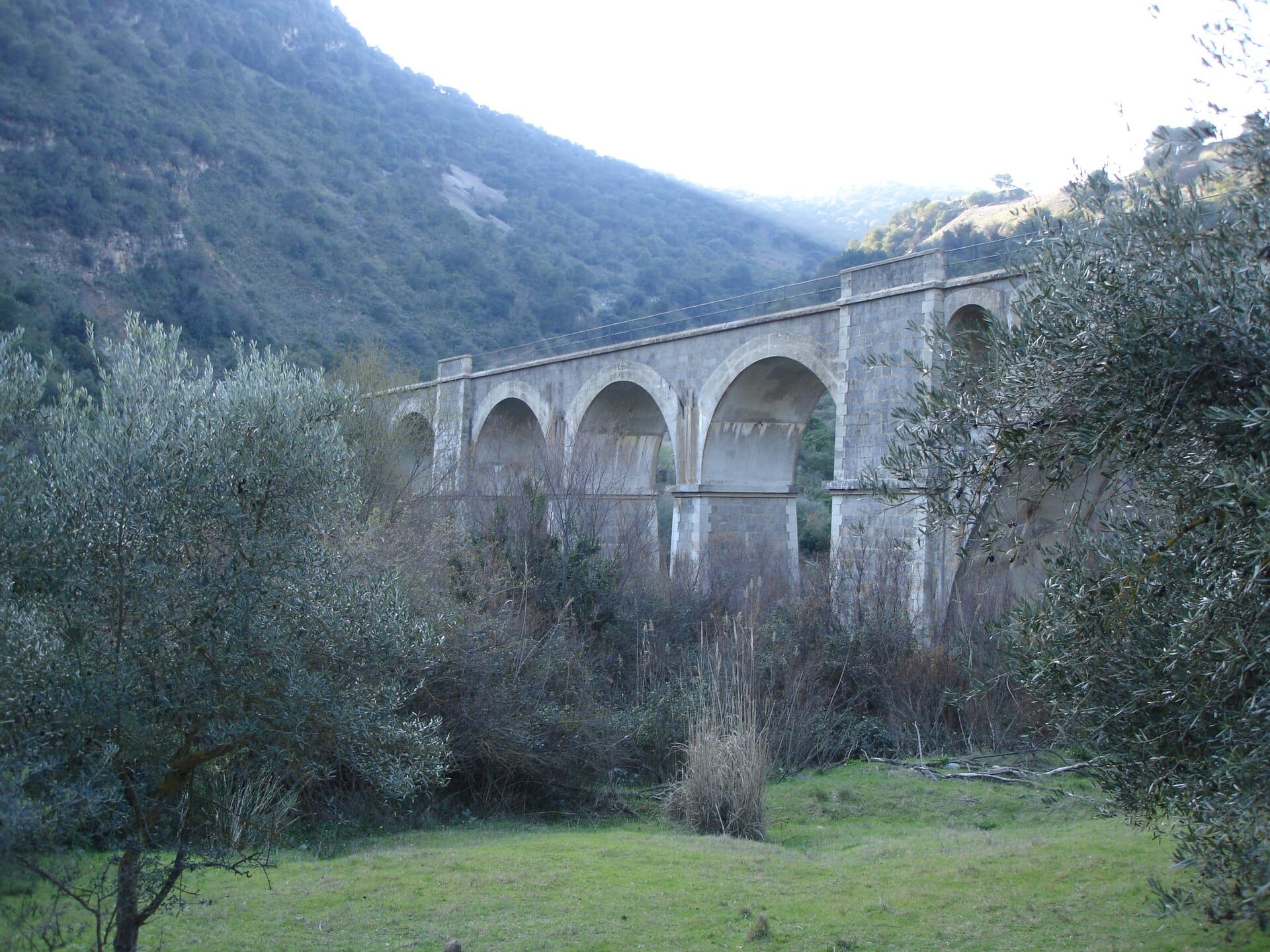
The Vías Verdes greenways
Spain · 155km away →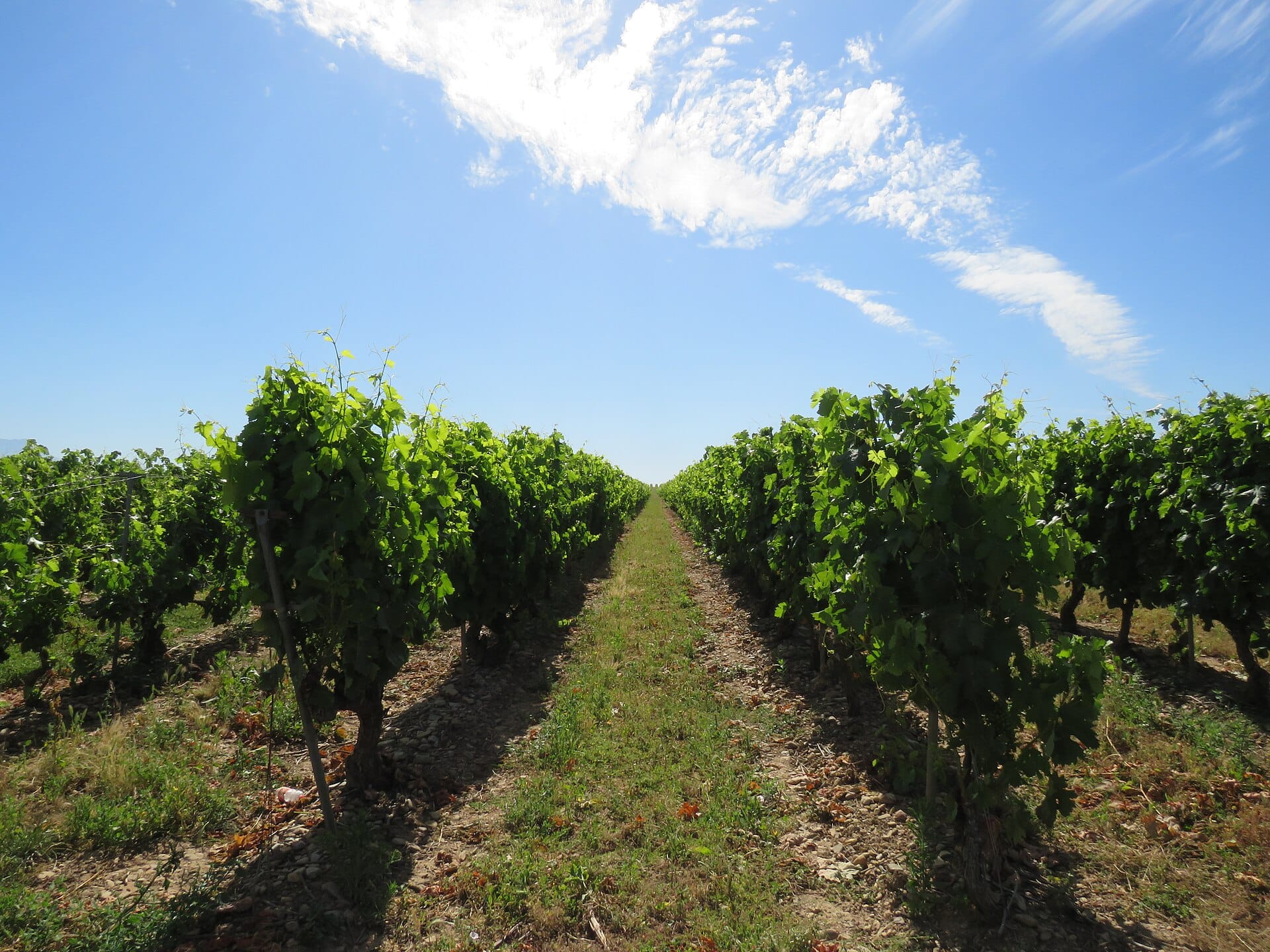
La Rioja
Spain · 231km away →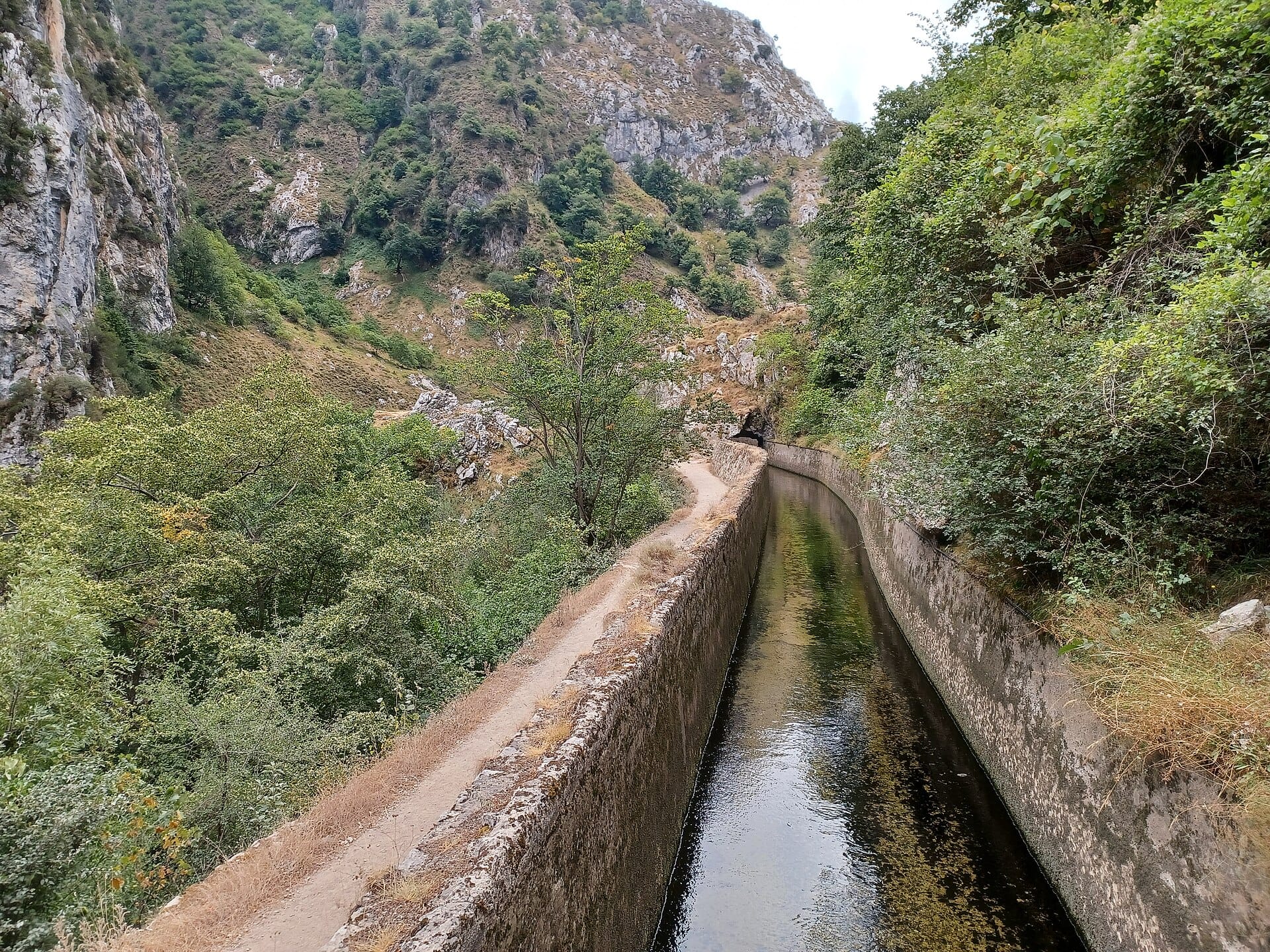
Cares Gorge
Picos de Europa, Spain · 322km away →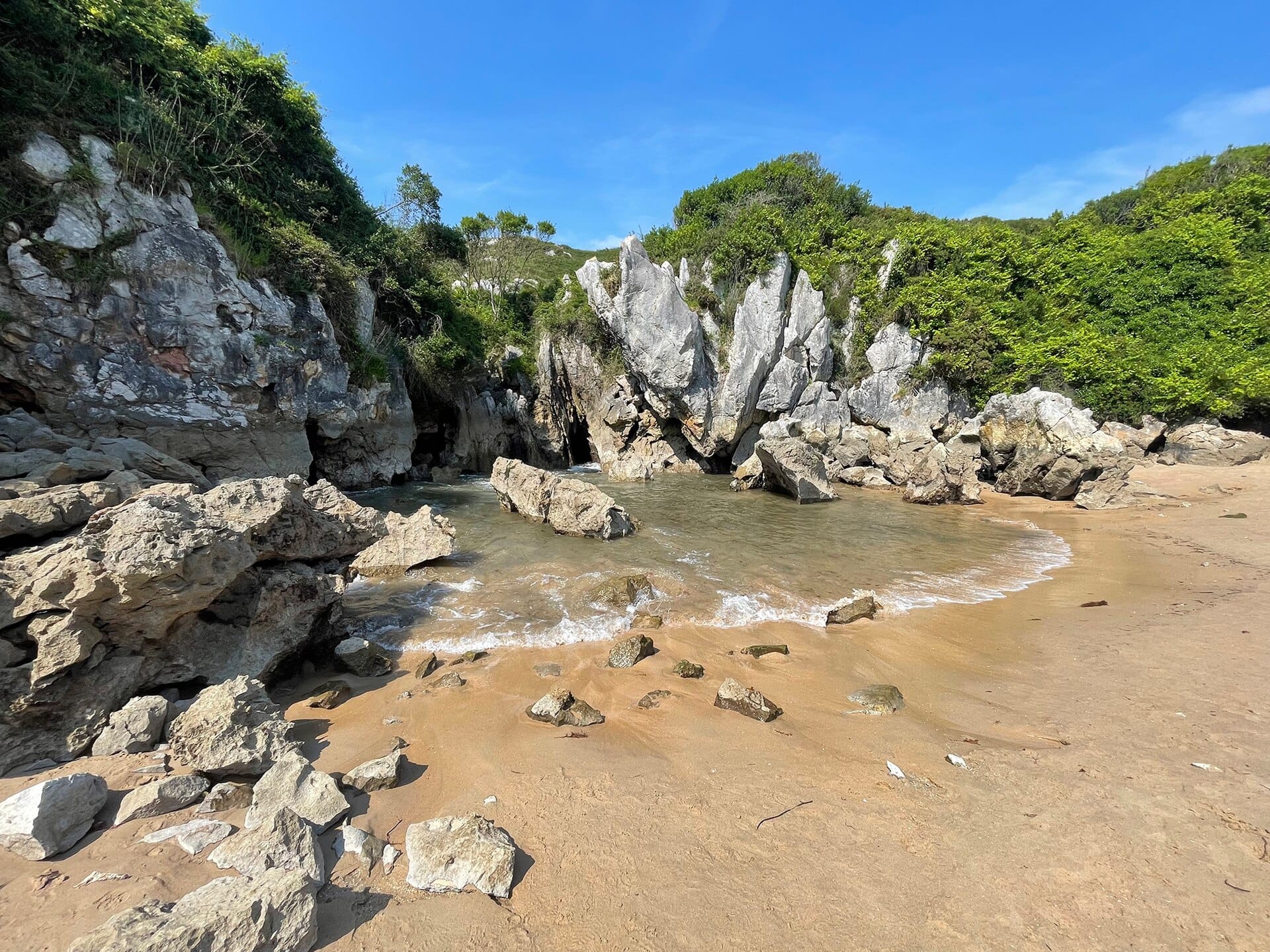
Playa de Gulpiyuri
Asturias, Spain · 351km away →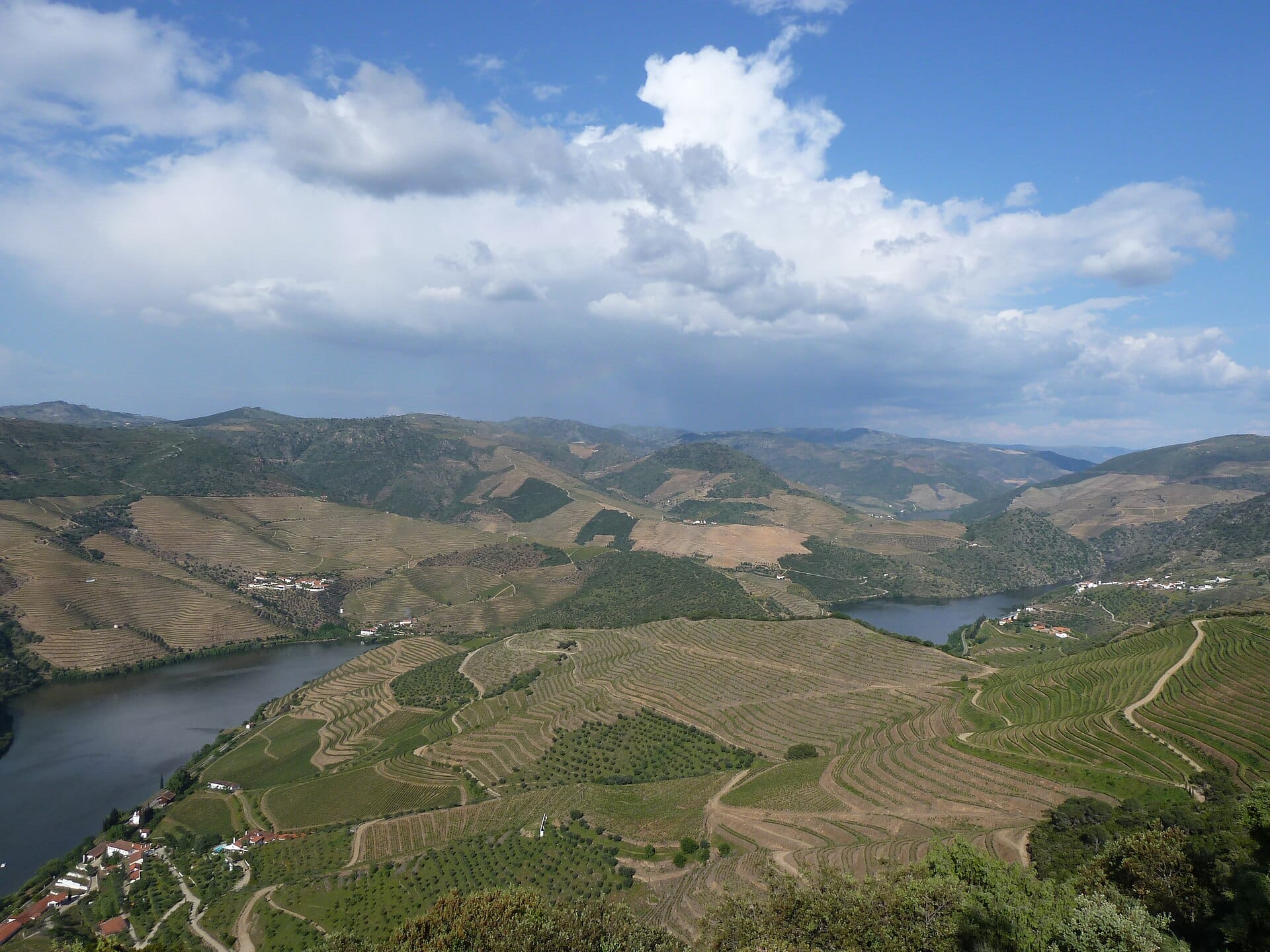
Douro Valley
Portugal · 353km away →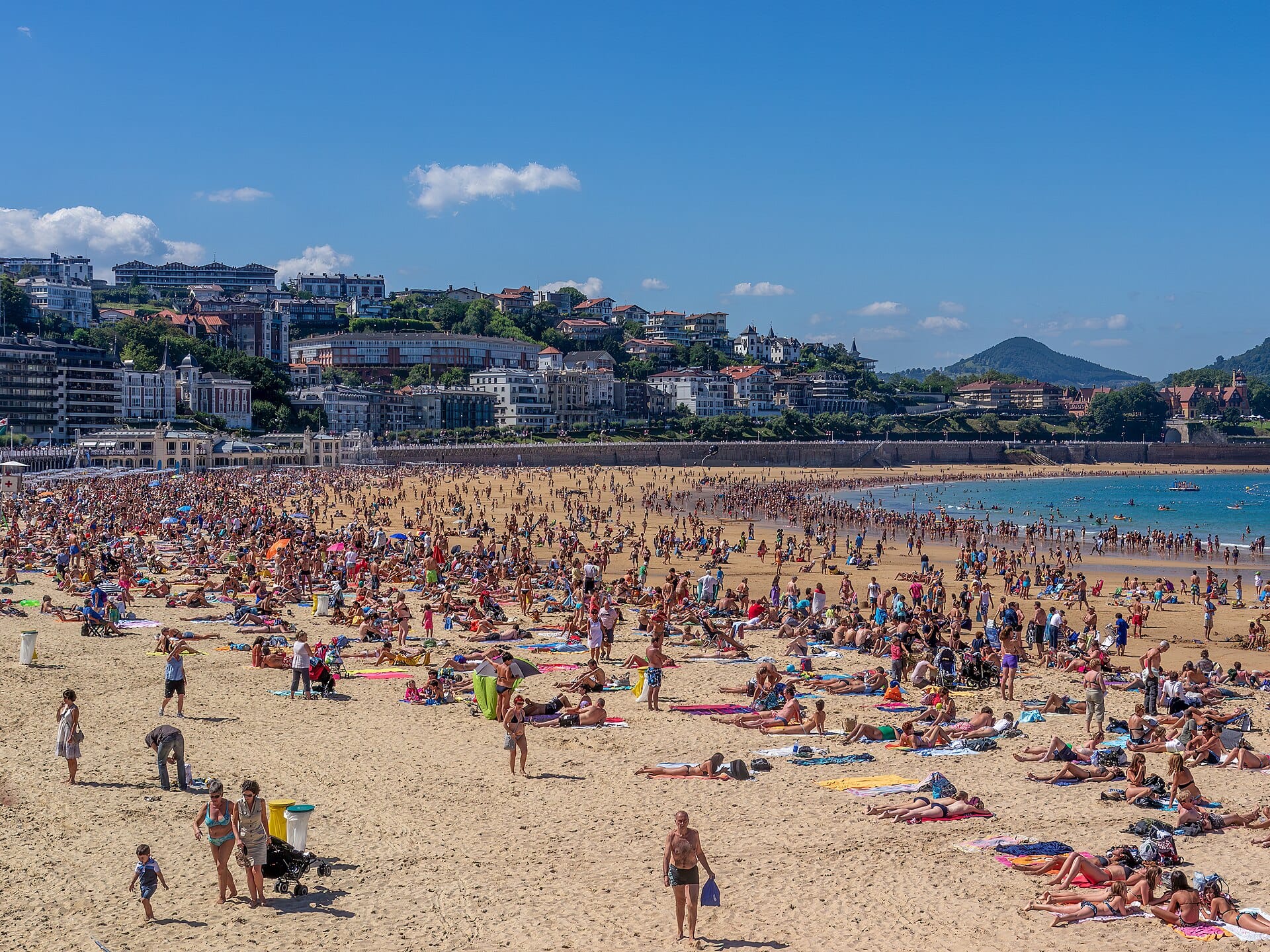
San Sebastián
Spain · 353km away →Elsewhere in Spain
Related articles
Quick answers
When is the best time to visit Madrid?
For warm, mostly dry days, May and August. That means highs of 20–34°C with rain on six days a month or fewer. Daytime highs run from about 10°C in January to 34°C in July. Driest in July and August; wettest in March, with rain on about 10 days.
How long should I spend in Madrid?
Our suggestion: 3-4 nights.
How do I get to Madrid?
Barajas (MAD) is about 30 to 40 minutes from the centre by metro line 8 with a change, or 20 to 30 minutes by taxi at a fixed city fare.
Do I need a car in Madrid?
No. Excellent: one of Europe's best metro networks, plus buses and cercanias trains for day trips to Toledo and Segovia.
What currency and language are used in Madrid?
Currency: Euro (EUR). Language: Spanish. Plugs: type C and F.
Who is Madrid best for?
Best for nightlife, culture seekers and foodies. In a phrase: late-night, grand, unpretentious.