
Livigno
Hidden in a high, duty-free valley near the Swiss border, Livigno blends Italian food culture with big-mountain scenery at 1,816 metres.
- Best forSkiers & snowboarders · Families · Adventure seekers
- In February0°C · 9 rainy days
- Ideal stayA week
- Approx. flying time~12h 10m from Los Angeles
- CurrencyEUREuro
- LanguageItalian
- Local time12:351h ahead of the UK
- PlugsType C / F / LBring an adapter
- Drive on theRightOpposite to the UK
- Dialling code+39
Why go
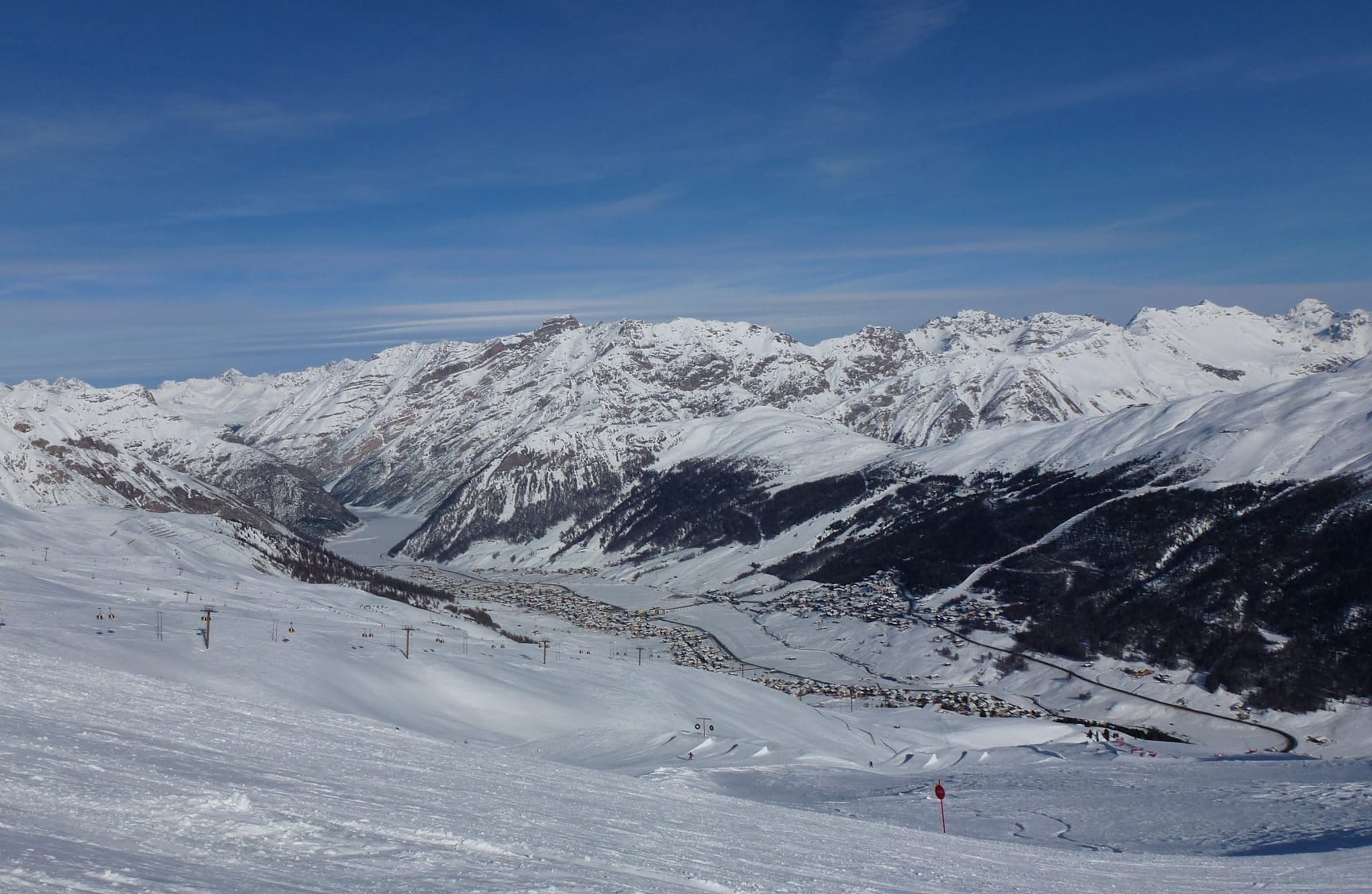
A long, high valley near the Swiss border, closed off enough to have kept its duty-free status and open enough that the sun reaches most of it. The village strings out for several kilometres along the valley floor at 1,816 metres, with lifts rising on both sides. Snow is reliable from late November into May. Summer swaps skis for bikes, with lift-served trails, road climbs over the passes and long, gentle valley paths.
Access is the catch: transfers from Milan or Bergamo take four hours or more, and the tunnel route through Switzerland has restricted night hours. Once there, a free bus removes any need for a car. Fuel, alcohol, food and equipment all cost less than elsewhere in Italy thanks to the duty-free status. The village is spread out, so where you stay determines how much bus you use.
- Ideal stay
- A week
- The vibe
- High, snow-sure, surprisingly cheap
From our guides
High, snow-sure and duty-free, Livigno spreads a huge number of wide, gentle blues along both sides of its valley, so beginners get real mileage instead of laps of one crowded slope. Several nursery areas are free to use, and altitude — the village sits at 1,816 metres — keeps the snow forgiving well into spring. The duty-free status trims prices on everything from dinner to new goggles. Sunday arrivals dodge the worst transfer traffic.
Featured in Ten alpine villages that feel like a deep breath and Ten ski resorts where beginners won't feel silly
Things to do
-
Carosello and Mottolino
The two sides of the valley, one catching the morning sun and one the afternoon, linked by the village bus rather than by lift.
-
The bike park
Mottolino runs one of Italy's better lift-served downhill parks in summer, with lines graded from flow trails to World Cup tracks.
-
Foscagno and Gavia passes
High passes on either side of the valley, both fixtures of the Giro d'Italia and among the harder road climbs in the Alps.
-
Cross-country trails
Around thirty kilometres of prepared nordic tracks run the length of the valley floor, and they are free to use.
-
Duty-free shopping
Fuel, alcohol, tobacco, sunglasses and ski gear are all noticeably cheaper here, though limits apply to what you may take out.
-
Pizzoccheri and sciatt
Valtellina cooking is heavy on buckwheat: flat pasta layered with cabbage, potato and cheese, and fried cheese-filled fritters to begin the meal with.
Getting there
-
Fly to
Orio al Serio (BGY)
Nearest airport to Livigno, about 102km away as the crow flies.
-
Then
To Livigno
A long drive of around three to four hours by car from Bolzano (BZO) over high passes; Milan Malpensa and Bergamo, at roughly four hours, are the usual gateways. Winter routes may use the Munt la Schera tunnel from Switzerland.
-
On the ground
Getting around
The village strings out for several kilometres along one valley road, so the free ski buses that run its length are the practical way to move between lifts, shops and hotels.
Public transport: Free resort buses cover the valley well, though getting to Livigno in the first place is the hard part, with only occasional coaches from Milan and Tirano.
Flights
Los Angeles Livigno, Italy
Fly from anywhere — search 4,000+ airports worldwide.
Roughly 12h 10m in the air from Los Angeles (LAX), estimated from the distance — check for a direct route. Pick a month to see every available flight with live prices.
Check dates and prices
Pick your departure date, then your return.
Search flightsNot sure when? Compare fares across a whole month.
Flight times are estimates; prices open on Google Flights.
When to go
Daytime highs run from about -4°C in January to 18°C in July. Driest December to March; wettest in May, with rain on about 23 days.
The year at a glance — pick a month for detail
February0° · rain 9 daysCold with rain most weeks.
Monthly figures averaged from daily records for 2020–2024 at this location (ERA5 reanalysis). Live conditions from MET Norway, CC BY 4.0.
Where to stay
Family-run hotels and a very large stock of self-catering apartments, plus a handful of spa hotels. Duty-free status keeps eating out and equipment noticeably cheaper.
-
Best base overall
Santa Maria, the centre
The middle of the long valley village, with the main shopping street, the restaurants and buses running to both sides' lifts. Livigno stretches for miles, so the bus matters.
Find stays in Santa Maria, the centre -
Best with children
San Antonio
The southern end by the Mottolino gondola, with nursery areas, ski school meeting points and apartments close to the snow. It is a bus ride from the main shops and bars.
Find stays in San Antonio -
Quietest
San Rocco
The northern end of the village, more residential, with hotels and apartments and a calmer evening. You are furthest from the centre and depend on the free ski bus.
Find stays in San Rocco -
Best value
Trepalle
A hamlet high on the pass above Livigno, one of Europe's highest inhabited villages, with cheaper rooms and reliable snow. There is very little there and the road can close.
Find stays in Trepalle
Worth knowing before you book: The valley is a long transfer from any airport and the road can shut in heavy snow, so allow time. Saturday changeovers dominate, and Sunday arrivals dodge the worst traffic.
Search everything else in Livigno by budget. These are indicative budget bands in GBP per night for two people, not live quotes or guarantees of hotel type. Check your dates, guests, taxes and final price on Booking.com.
Good to know
- Getting there
- Transfers from Milan, Bergamo or Innsbruck take four hours or more, and the tunnel from Switzerland has restricted night opening.
- Altitude
- The village sits at 1,816 metres and lifts reach close to 3,000. Take the first day gently and drink more water than usual.
- Duty-free
- Customs limits apply to alcohol and tobacco taken out of the valley, and spot checks do happen at the passes.
- Driving
- The Gavia and Foscagno passes can close in heavy snow, so check road status before setting off in winter.
- Where to stay
- The village is long and strung out. Check the free bus route before booking a bed, or you will walk further than expected.
Nearby destinations
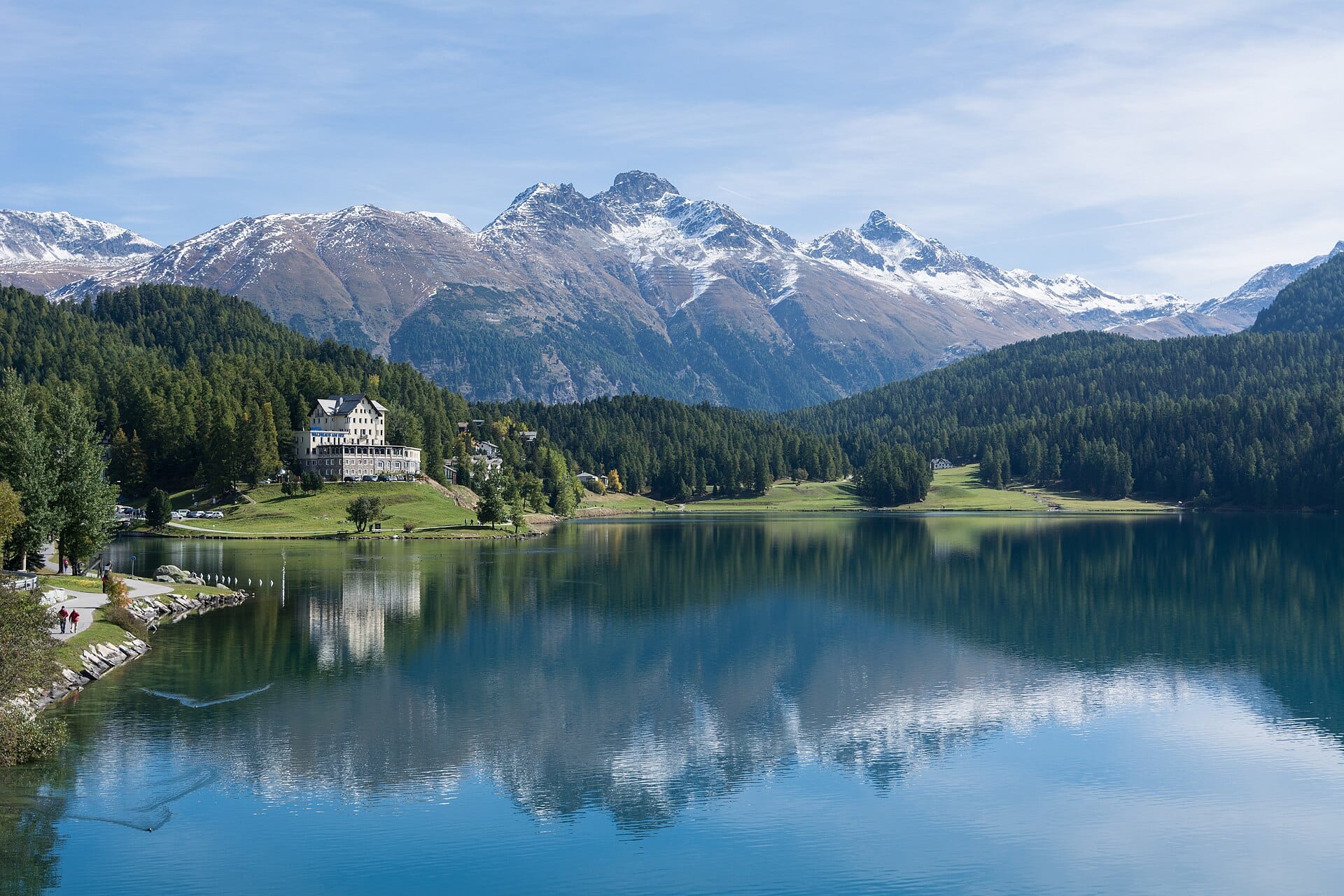
St. Moritz
Switzerland · 23km away →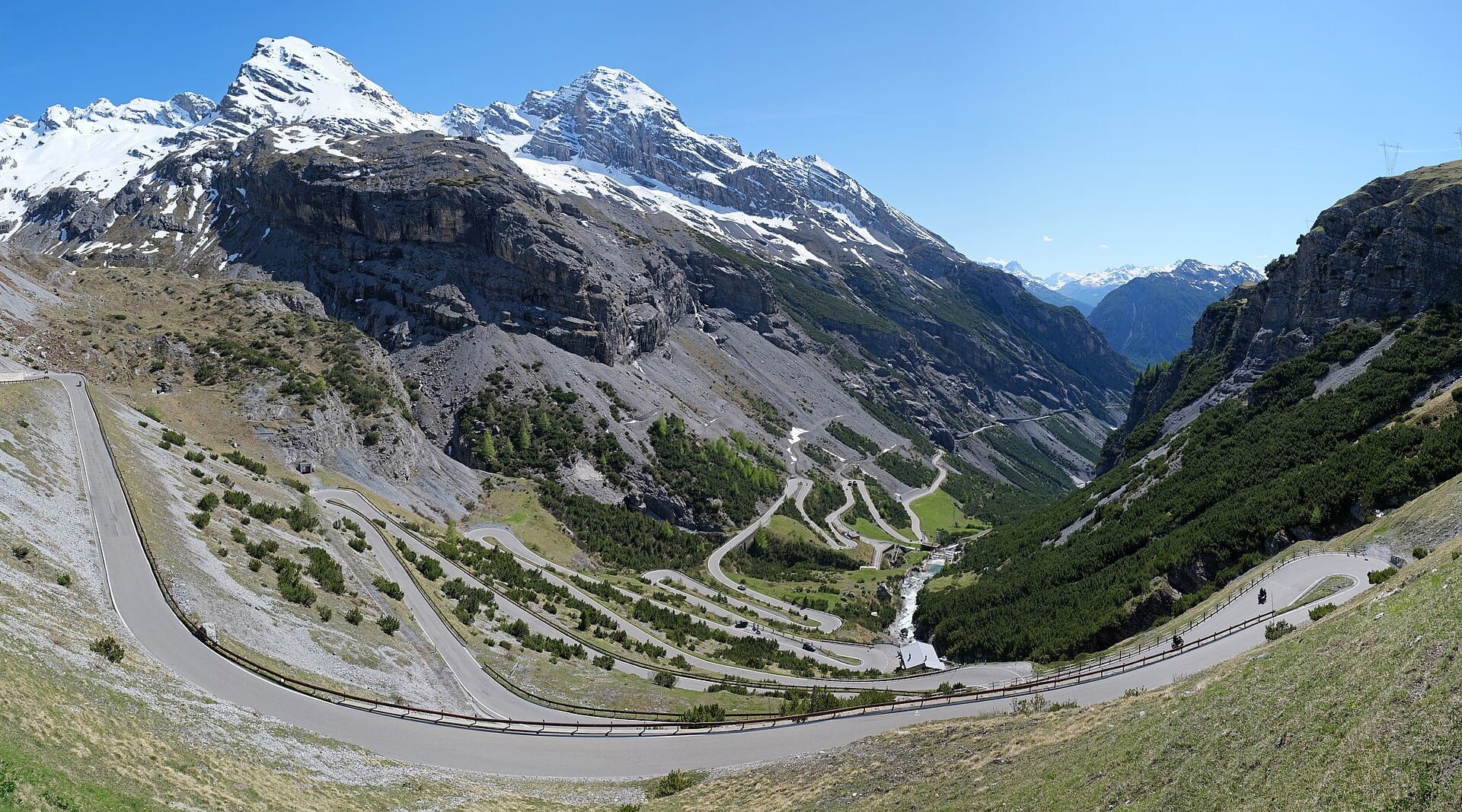
Stelvio Pass
Italy · 24km away →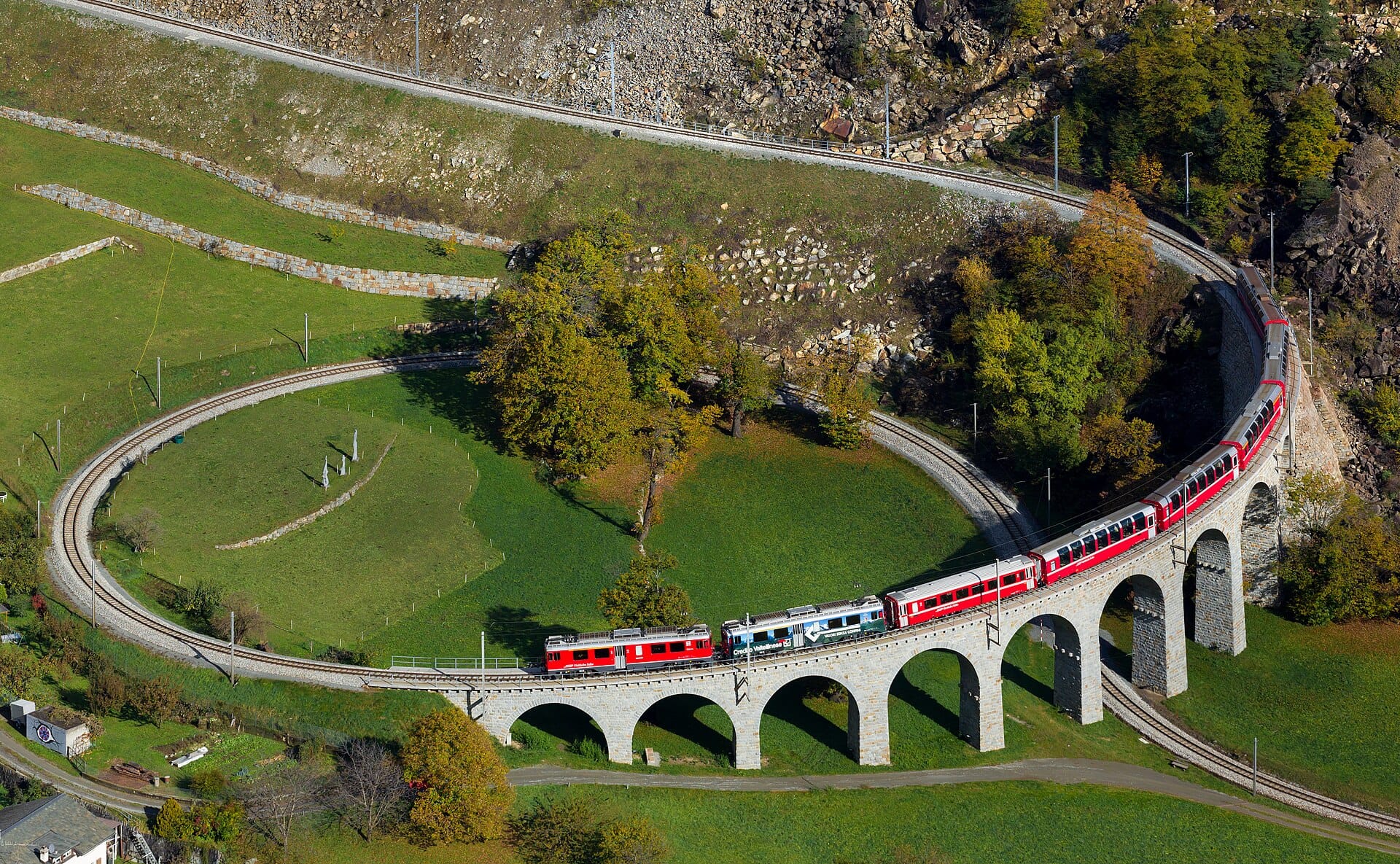
Bernina Express
Switzerland to Italy · 36km away →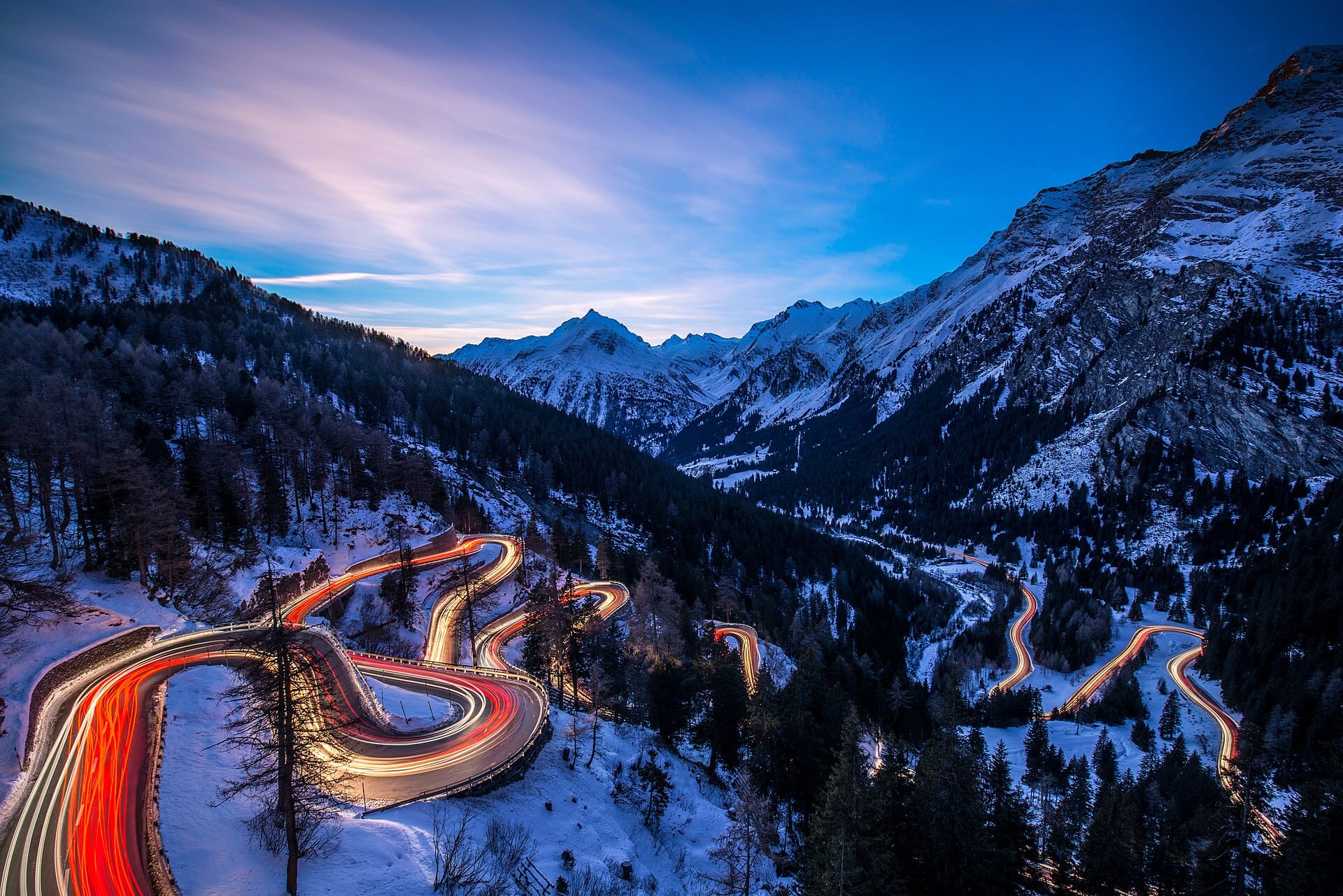
Maloja Pass
Switzerland · 37km away →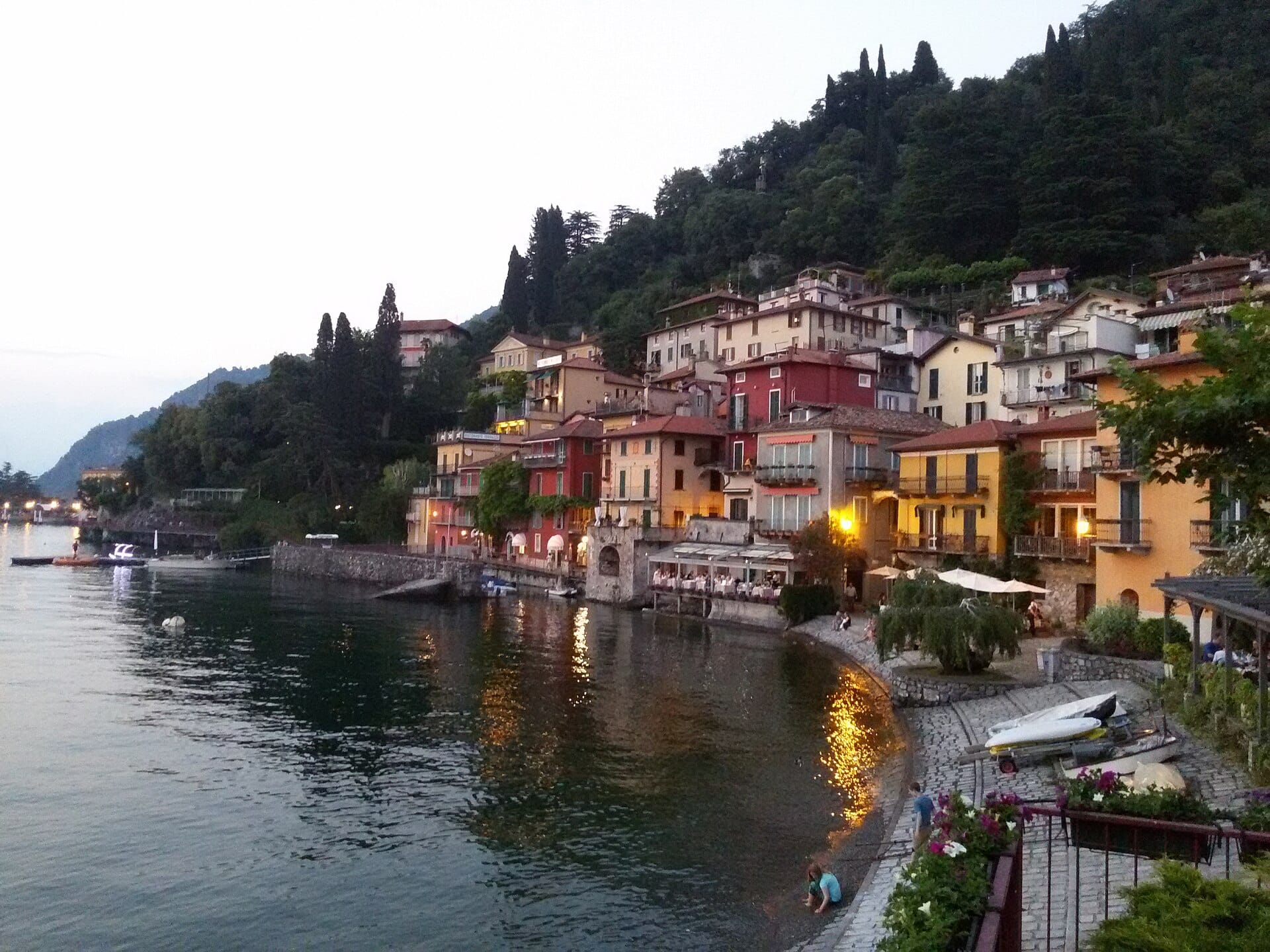
Varenna
Lake Como, Italy · 88km away →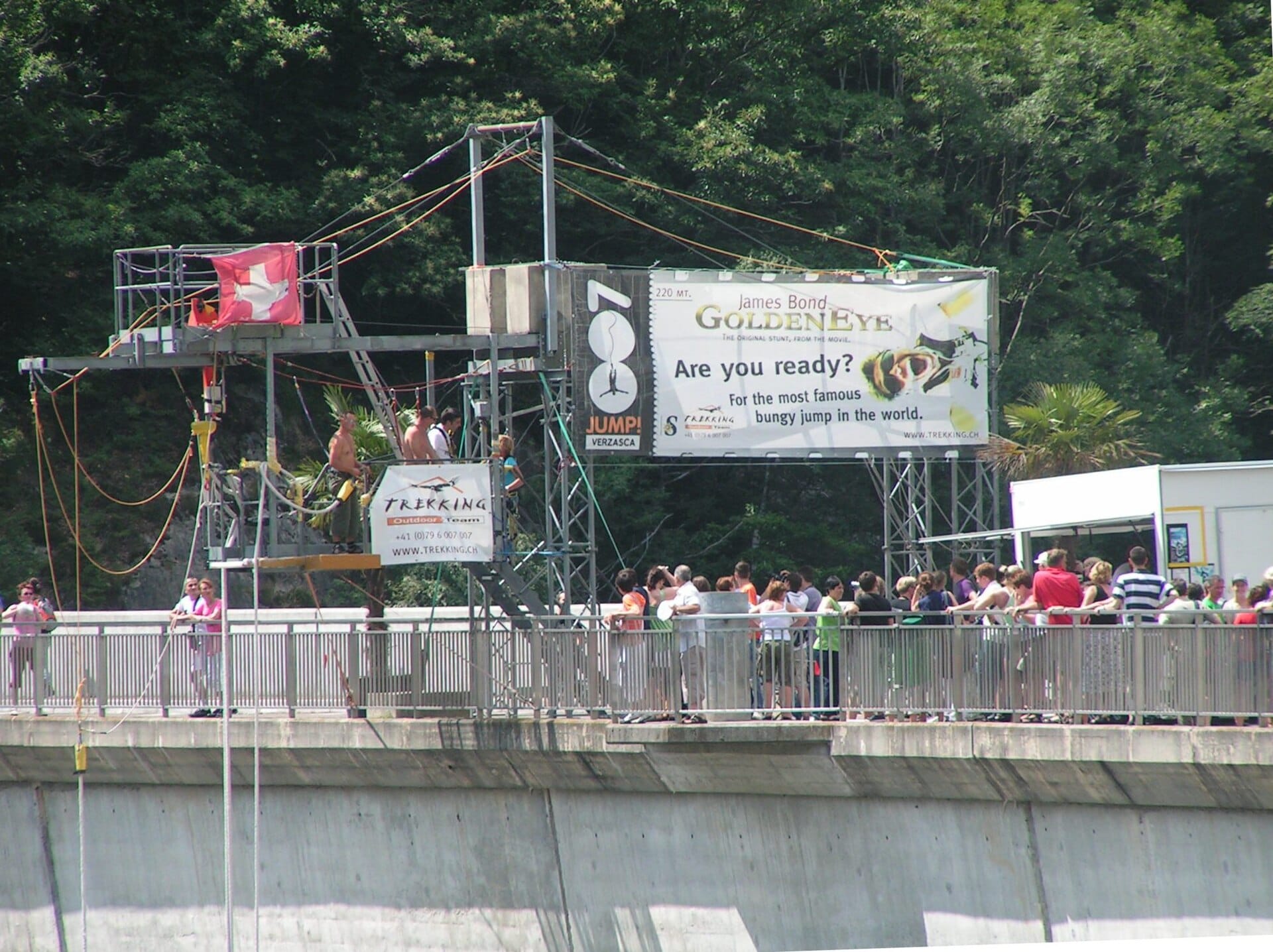
The GoldenEye bungee
Verzasca Dam, Switzerland · 106km away →Elsewhere in Italy
Related articles
Quick answers
When is the best time to visit Livigno?
Daytime highs run from about -4°C in January to 18°C in July. Driest December to March; wettest in May, with rain on about 23 days.
How long should I spend in Livigno?
Our suggestion: a week.
How do I get to Livigno?
A long drive of around three to four hours by car from Bolzano (BZO) over high passes; Milan Malpensa and Bergamo, at roughly four hours, are the usual gateways. Winter routes may use the Munt la Schera tunnel from Switzerland.
Do I need a car in Livigno?
No. Free resort buses cover the valley well, though getting to Livigno in the first place is the hard part, with only occasional coaches from Milan and Tirano.
What currency and language are used in Livigno?
Currency: Euro (EUR). Language: Italian. Plugs: type C and F and L.
Who is Livigno best for?
Best for skiers & snowboarders, families and adventure seekers. In a phrase: high, snow-sure, surprisingly cheap.