
Las Terrenas
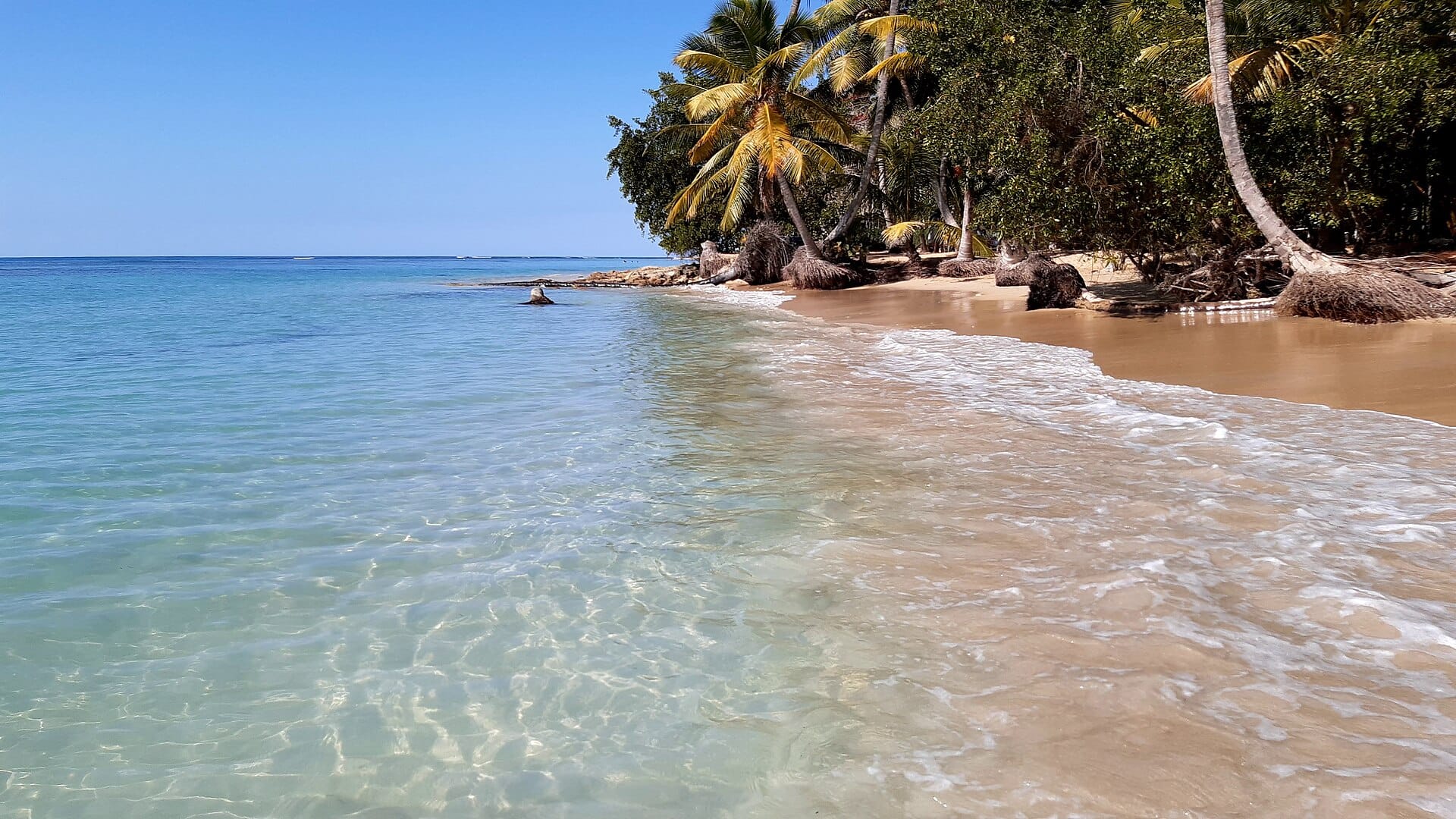
On the Samaná peninsula, far from the all-inclusive strips, Las Terrenas is the Caribbean with a Latin-European accent: palm-crowded beaches, cheap colmado beers, whale season in February and March and guesthouses at prices Barbados forgot decades ago.
- Best forCouples · Budget travellers · Beach lovers
- In July31°C · 21 rainy days · sea 31°C
- Ideal stay4–5 nights
- Approx. flying time~6h 35m from Los Angeles
- CurrencyDOPDominican peso
- LanguageSpanish
- Local time06:115h behind the UK
- PlugsType A / BBring an adapter
- Drive on theRightOpposite to the UK
- Dialling code+1
Why go
A former fishing village on the north coast of the Samaná peninsula, grown into a low-slung town of beach roads, French and Italian bakeries and open-sided bars. Coconut palms lean over the sand almost everywhere, and the beaches run for kilometres in both directions. It is scruffy in places, unpolished by resort standards, and far more mixed in character than the all-inclusive coasts to the west.
The road from Santo Domingo takes about two and a half hours on a toll highway, and there is a small airport nearby. Humpback whales come into Samaná Bay in January, February and March, which is also the driest and busiest stretch of the year. Rooms are guesthouses and small hotels rather than big resorts. Anyone expecting polished infrastructure will be happier elsewhere.
- Ideal stay
- 4–5 nights
- The vibe
- Palm-shaded, easy-going, faintly bohemian
From our guides
Quad bikes and moto-taxis stand in for hire cars. Playa Bonita, ten minutes away, is one of the Caribbean's most underrated beaches.
Featured in Ten affordable tropical escapes that won't empty your savings
Things to do
-
Playa Bonita
A wider, wilder beach ten minutes west, with more surf, fewer people and a line of palms running its whole length.
-
Playa Cosón
Kilometres of near-empty sand further west again, good for a long walk and a fish lunch at one of the shacks behind the trees.
-
Whale watching in Samaná Bay
Humpbacks breed here from mid-January to late March, and licensed boats leave from Samaná town, about an hour away.
-
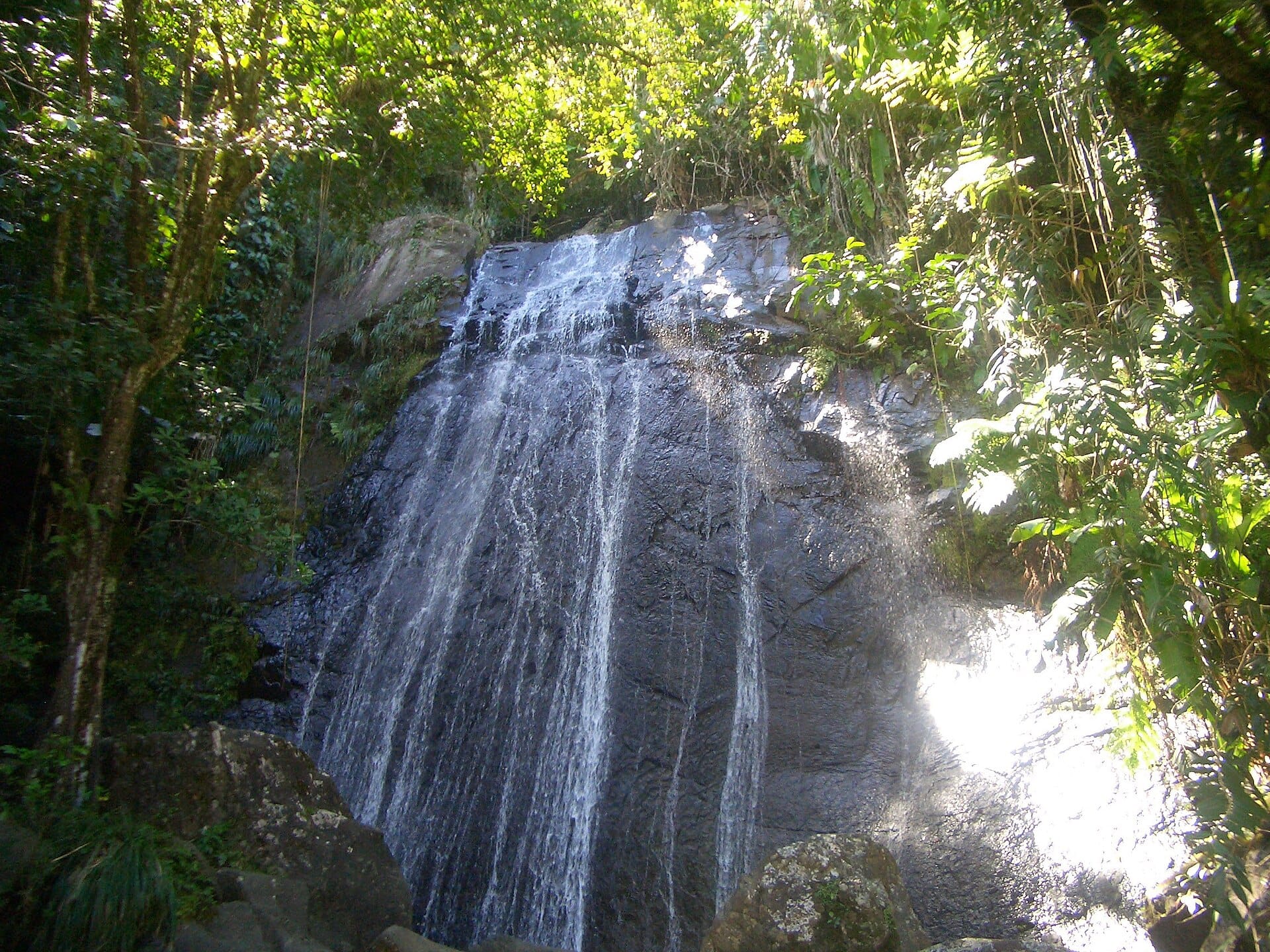
El Limón waterfall
A fifty-metre fall reached on foot or horseback through muddy farmland, with a deep pool to swim in at the bottom.
-
Playa Rincón
A long, undeveloped beach backed by a coconut plantation beyond Las Galeras, reached by boat or a rough road an hour east.
-
Pueblo de los Pescadores
The old fishermen's huts along the seafront now hold the town's bars and kitchens, and are where the evening happens.
Getting there
-
Fly to
Samana (AZS)
Nearest airport to Las Terrenas, about 21km away as the crow flies.
-
Then
To Las Terrenas
About forty-five minutes by car from Samaná El Catey (AZS). From Santo Domingo or Punta Cana it is a two to three hour drive on the toll highway.
-
On the ground
Getting around
The town spreads along one coast road, and quad bikes, scooters and shared moto-taxis do the work of hire cars. Playa Bonita and Playa Coson lie ten to twenty minutes west.
Public transport: Few buses, but moto-taxis and shared vehicles run constantly along the main road and cost very little.
Flights
Los Angeles Las Terrenas, Dominican Republic
Fly from anywhere — search 4,000+ airports worldwide.
Roughly 6h 35m in the air from Los Angeles (LAX), estimated from the distance — check for a direct route. Pick a month to see every available flight with live prices.
Check dates and prices
Pick your departure date, then your return.
Search flightsNot sure when? Compare fares across a whole month.
Flight times are estimates; prices open on Google Flights.
When to go
Daytime highs run from about 28°C in February to 31°C in June. Driest in January; wettest in September, with rain on about 21 days. The sea is warmest in September at around 31°C, coolest at 27°C.
The year at a glance — pick a month for detail
July31° · rain 21 days · sea 31°Hot and often wet.
Monthly figures averaged from daily records for 2020–2024 at this location (ERA5 reanalysis). Live conditions from MET Norway, CC BY 4.0.
Where to stay
Small French and Italian-run hotels, apartments and villa rentals, plus a few mid-size resorts. The all-inclusive machine that dominates Punta Cana barely reaches here.
-
Best base overall
Las Terrenas town
The centre and the beaches either side of it, with the colmados, the French and Italian restaurants and the fishermen's village bars all walkable. The main road through is dusty and busy.
Find stays in Las Terrenas town -
Best for couples
Playa Bonita
Ten minutes west, a wide beach with a small run of hotels and beachfront restaurants and a considerably calmer pace. You will want a moto or a car to reach town at night.
Find stays in Playa Bonita -
Best with children
El Portillo
East of town, with a long shallow beach, larger resorts and space to spread out. The area feels self-contained, so plan trips into the village for variety.
Find stays in El Portillo -
Quietest
Playa Coson
A vast, near-empty beach further west with a scatter of villas and a couple of restaurants. It is beautiful and genuinely remote, which cuts both ways.
Find stays in Playa Coson
Worth knowing before you book: Whale season in February and March fills the peninsula and needs booking well ahead. Roads are poor after dark; agree airport transfers in advance rather than arriving and improvising.
Search everything else in Las Terrenas by budget. These are indicative budget bands in GBP per night for two people, not live quotes or guarantees of hotel type. Check your dates, guests, taxes and final price on Booking.com.
Good to know
- Getting there
- Most visitors fly into Santo Domingo or Punta Cana and drive. The toll road from the capital takes around two and a half hours.
- Driving
- Quad bikes and motoconcho mopeds are the local transport. If you hire a car, avoid the unlit roads after dark.
- Cash or card
- Larger places take cards, but pesos in cash are needed for colmados, motoconchos and beach shacks.
- Timing
- December to April is driest and coincides with whale season. September and October are the wettest and least reliable months.
- Swimming
- There are few lifeguards, and Playa Bonita and Cosón carry more current than the town beach. Ask locally before swimming out.
Similar places
Further afield
Related articles
Quick answers
When is the best time to visit Las Terrenas?
Daytime highs run from about 28°C in February to 31°C in June. Driest in January; wettest in September, with rain on about 21 days. The sea is warmest in September at around 31°C, coolest at 27°C.
How long should I spend in Las Terrenas?
Our suggestion: 4–5 nights.
How do I get to Las Terrenas?
About forty-five minutes by car from Samaná El Catey (AZS). From Santo Domingo or Punta Cana it is a two to three hour drive on the toll highway.
Do I need a car in Las Terrenas?
No. Few buses, but moto-taxis and shared vehicles run constantly along the main road and cost very little.
What currency and language are used in Las Terrenas?
Currency: Dominican peso (DOP). Language: Spanish. Plugs: type A and B.
Who is Las Terrenas best for?
Best for couples, budget travellers and beach lovers. In a phrase: palm-shaded, easy-going, faintly bohemian.