
Kadavu
Fiji's fourth-largest island has barely any roads — transfers happen by boat, which sets the tone.
- Best forDivers & snorkellers · Wildlife & nature · Couples
- In August24°C · 13 rainy days · sea 25°C
- Ideal stay5-7 nights
- Approx. flying time~11h 15m from Los Angeles
- CurrencyFJDFijian dollar
- LanguageEnglish, Fijian and Fiji Hindi
- Local time01:0811h ahead of the UK
- PlugsType IBring an adapter
- Drive on theLeftSame as the UK
- Dialling code+679
Why go
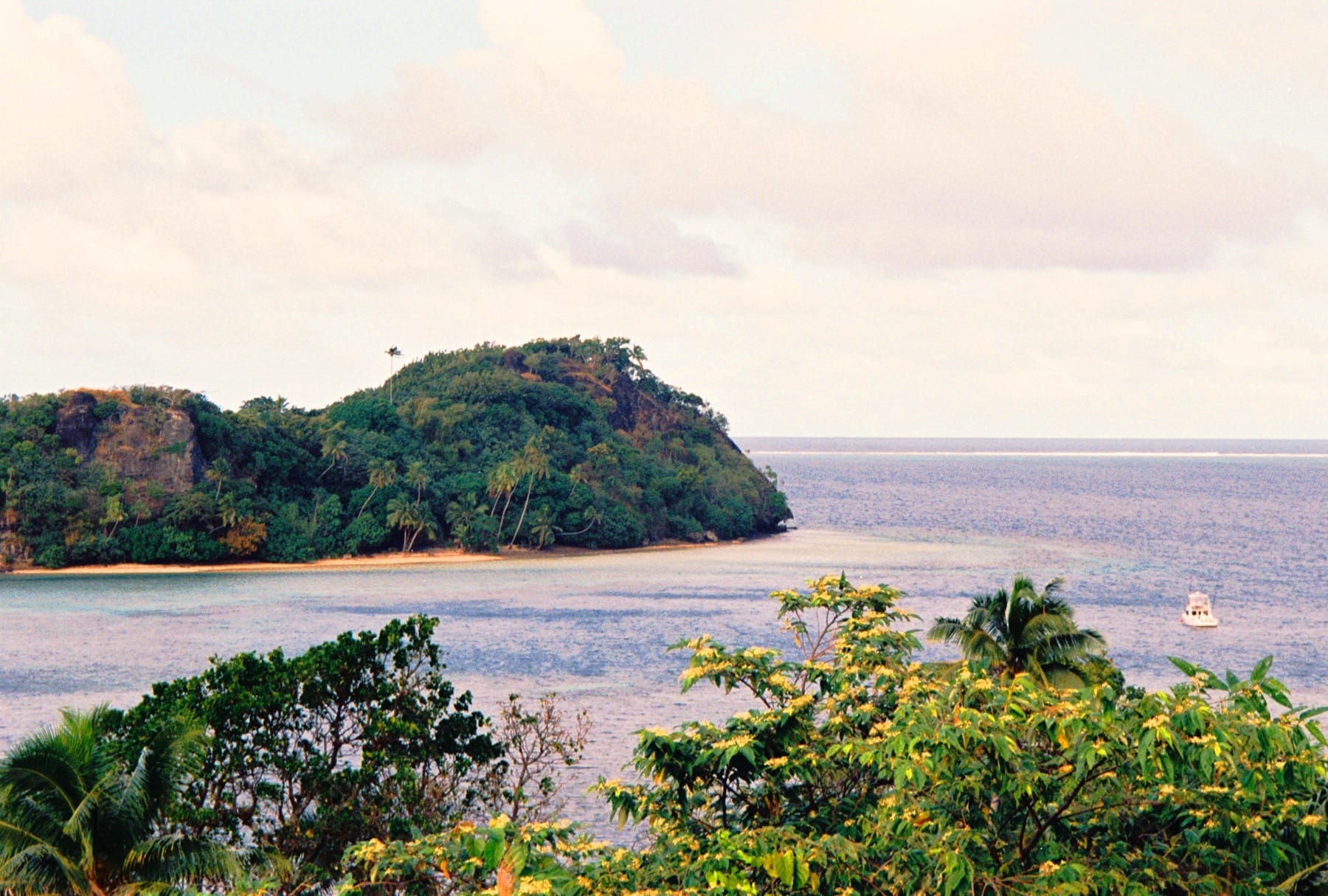
Fiji's fourth-largest island is green, steep and almost entirely without tarmac, so boats do the work that roads do elsewhere. Villages sit at the head of bays, forest runs down to the shoreline and the Great Astrolabe Reef curls around the southern and eastern coasts. Days shape themselves around tide and weather rather than a plan: diving, snorkelling, walking to a waterfall, drinking kava with the people who live here.
This is a place for travellers happy with one base and no itinerary. Light aircraft from Nadi or Suva land at Vunisea, and resorts collect guests by boat, sometimes for an hour or more in open water. Rain is heaviest from November to April, though the island is green because it rains. Anyone wanting nightlife, shops or dependable internet should stay on Viti Levu or the Mamanuca islands instead.
- Ideal stay
- 5-7 nights
- The vibe
- Boat-only, forested, deeply unhurried
From our guides
Kadavu fronts the Great Astrolabe Reef, one of the world's largest barrier reefs, where manta rays feed year-round and dive sites go unnamed for lack of visitors. A handful of eco-resorts and village homestays share the coastline with birds found nowhere else. Fly from Nadi or Suva to Vunisea, and pack soft bags for the boat.
Featured in Ten quiet tropical islands nobody talks about yet
Things to do
-
Great Astrolabe Reef
One of the larger barrier reefs anywhere wraps the island's eastern side, with walls, passages and soft coral that see a fraction of the traffic of Fiji's better-known dive sites.
-
Manta rays in the passages
Mantas feed in the reef channels through much of the year, and snorkellers with a boat and a good guide can drift alongside them.
-
Kadavu's endemic birds
The island has a parrot, a honeyeater and a fantail found nowhere else on earth, and the forest trails behind the villages are the place to look for them.
-
Village visits and kava
Sevusevu, the presentation of kava root to a village chief, is still how you are welcomed. Take a bundle with you and cover shoulders and knees.
-
Nabukelevu volcano
The western end of the island rises to a forested volcanic peak of over 800 metres, climbed on guided walks through plantation and rainforest.
-
Waterfalls and river pools
Short walks inland from several villages reach freshwater pools, the standard afternoon when the sea is too choppy for boats.
Getting there
-
Fly to
Vunisea (KDV)
Nearest airport to Kadavu, about 22km away as the crow flies.
-
Then
To Vunisea
Small aircraft fly from Nadi or Suva to Vunisea (KDV) on Kadavu in about 30 to 50 minutes. Resorts then collect guests by open boat, a transfer of anything from 20 minutes to two hours along the coast.
-
On the ground
Getting around
There is barely any road network, so movement is by boat. Resorts run their own dive and village trips out to the Great Astrolabe Reef, and you largely stay put between them.
Public transport: Effectively none beyond a rough road near Vunisea and the occasional village carrier boat. Everything is arranged through your resort, and soft luggage is worth packing for the boat.
Flights
Los Angeles Kadavu, Fiji
Fly from anywhere — search 4,000+ airports worldwide.
Roughly 11h 15m in the air from Los Angeles (LAX), estimated from the distance — check for a direct route. Pick a month to see every available flight with live prices.
Check dates and prices
Pick your departure date, then your return.
Search flightsNot sure when? Compare fares across a whole month.
Flight times are estimates; prices open on Google Flights.
When to go
Daytime highs run from about 24°C in August to 27°C in February. Driest June to September; wettest in March, with rain on about 24 days. The sea is warmest in February at around 30°C, coolest at 25°C.
The year at a glance — pick a month for detail
August24° · rain 13 days · sea 25°Mild and often wet.
Monthly figures averaged from daily records for 2020–2024 at this location (ERA5 reanalysis). Live conditions from MET Norway, CC BY 4.0.
Where to stay
Small eco-resorts built with local timber and thatch, dive lodges and village homestays. No chains, no air conditioning in most places, and generators rather than mains power.
-
Best base overall
Vunisea
The island's administrative centre, where the airstrip and the ferry land, with basic guesthouses and the only real shops. Most visitors move straight on by boat, so treat it as a hinge rather than a holiday.
Find stays in Vunisea -
Closest to the sights
Ono Island
Inside the Great Astrolabe lagoon, with the manta channels and the best diving a short boat ride away. Accommodation is a handful of small resorts and homestays, and transfers depend on the sea.
Find stays in Ono Island -
Quietest
Kavala Bay
A deep bay on the north-east coast with village homestays, forest behind and almost no other visitors. There is no road worth the name, so everything arrives by boat.
Find stays in Kavala Bay -
Best value
Galoa
A village island off the south coast with simple homestays where you eat with the family. Expect cold-water washing, generator power and a warm, unhurried welcome.
Find stays in Galoa
Worth knowing before you book: Boat transfers are charged separately and can cost as much as a night's stay, so ask before booking. Rough seas delay arrivals, so leave a buffer before your flight home.
Search everything else in Vunisea by budget. These are indicative budget bands in GBP per night for two people, not live quotes or guarantees of hotel type. Check your dates, guests, taxes and final price on Booking.com.
Good to know
- Getting there
- Small aircraft fly from Nadi and Suva to Vunisea. Baggage limits are strict and flights depend on weather, so leave a night's slack before an international connection.
- Pack this
- Soft bags survive boat transfers far better than hard cases. Bring reef-safe sunscreen, a torch and any medicines you need, because shops are minimal.
- Etiquette
- Villages are conservative. Cover shoulders and knees, remove hats and sunglasses as you enter, and ask before photographing anyone.
- Cash
- Card payment is unreliable outside resort billing. Draw Fijian dollars on the main island before you fly over.
- Connectivity
- Mobile signal is patchy and power may run to a schedule. Warn people at home that you will be slow to answer.
Similar places
Further afield
Related articles
Quick answers
When is the best time to visit Kadavu?
Daytime highs run from about 24°C in August to 27°C in February. Driest June to September; wettest in March, with rain on about 24 days. The sea is warmest in February at around 30°C, coolest at 25°C.
How long should I spend in Kadavu?
Our suggestion: 5-7 nights.
How do I get to Kadavu?
Small aircraft fly from Nadi or Suva to Vunisea (KDV) on Kadavu in about 30 to 50 minutes. Resorts then collect guests by open boat, a transfer of anything from 20 minutes to two hours along the coast.
Do I need a car in Kadavu?
No. Effectively none beyond a rough road near Vunisea and the occasional village carrier boat. Everything is arranged through your resort, and soft luggage is worth packing for the boat.
What currency and language are used in Kadavu?
Currency: Fijian dollar (FJD). Language: English, Fijian and Fiji Hindi. Plugs: type I.
Who is Kadavu best for?
Best for divers & snorkellers, wildlife & nature and couples. In a phrase: boat-only, forested, deeply unhurried.