
Hallstatt
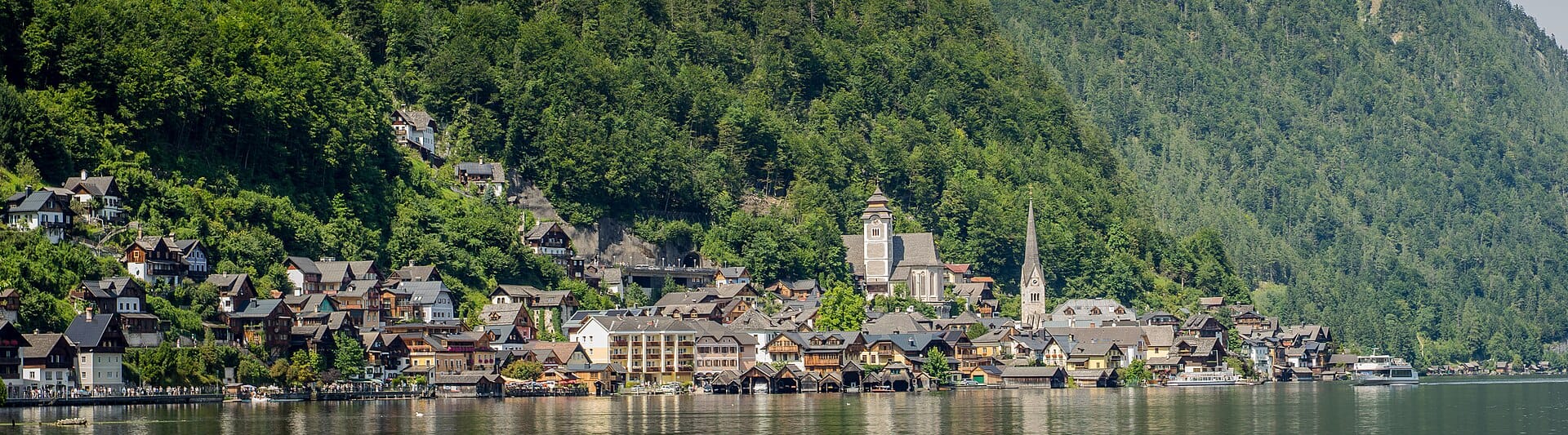
Yes, the pastel houses squeezed between lake and cliff are as lovely as the pictures insist — which is why day-trippers swarm at noon.
- Best forCouples · Photographers · Culture seekers
- In September16°C · 16 rainy days
- Ideal stay1–2 nights
- Approx. flying time~12h 10m from Los Angeles
- CurrencyEUREuro
- LanguageGerman
- Local time13:101h ahead of the UK
- PlugsType C / FBring an adapter
- Drive on theRightOpposite to the UK
- Dialling code+43
Why go
A single terrace of pastel houses is wedged between a cliff and a very deep lake, which is why the village looks impossible in photographs and slightly unnerving in person. There is barely a flat street. Salt has been mined in the valley above for some seven thousand years, and the small museum, the mine tour and the bone-house in the chapel all point back to that long, strange continuity.
The village is tiny and the day-visitor load is heavy, so the whole trick is timing. Stay overnight and you get the place at dawn and after six, when the boats have gone and church bells carry across the water. Combine it with the Dachstein caves or a lake swim so the trip is not just a walk to a viewpoint. Late spring and early autumn are noticeably calmer than midsummer.
- Ideal stay
- 1–2 nights
- The vibe
- Vertical, ancient, quietly overwhelmed
From our guides
Hallstatt earns its fame — pastel houses stacked between cliff and lake, church spire doubling in the water — but daytime crowds are genuinely fierce. Sleep in the village and you get the two golden windows: early morning and evening, when it belongs to residents and swans again. Ride the funicular up to the salt mine and Skywalk platform for the postcard from above. June and September beat peak summer comfortably.
Featured in Ten alpine villages that feel like a deep breath and Ten lake-and-mountain towns for a perfect summer week
Things to do
-
The classic lakeside view
From the northern end of the shoreline path, the houses stack up with the spire in the middle and the cliff behind. It is a five-minute walk from the centre.
-
Salt mine and Skywalk
A funicular climbs to a viewing platform cantilevered over the valley, and on to the mine, where wooden slides and an underground lake tell a Bronze Age story.
-
The charnel house
Behind the parish church, hundreds of skulls are painted with flowers and names, a response to a graveyard with no room to expand. Quiet, respectful and unforgettable.
-
Market square
A small triangular space of painted facades and a plague column, ringed by the shops and cafés that make up most of the village's commerce.
-
Echerntal and Waldbachstrub
A flat valley walk from the village end leads through meadow and forest to a wide waterfall. It takes about an hour and loses almost every visitor.
-
Lake crossing by boat
The little ferry from the railway halt across the water is the loveliest arrival, timed to the trains and giving the full postcard as you approach.
Getting there
-
Fly to
Salzburg (SZG)
Nearest airport to Hallstatt, about 53km away as the crow flies.
-
Then
To Hallstatt
About an hour and a half by car from Salzburg (SZG). By rail it is roughly two and a half hours via Attnang-Puchheim to Hallstatt station, which is across the water, and a small ferry meets the trains for the short crossing to the village.
-
On the ground
Getting around
The village is a few hundred metres end to end and closed to through traffic by day, so park in the tunnel car parks and walk. The funicular climbs to the salt mine and Skywalk in a couple of minutes.
Public transport: Good: trains plus the boat make a car unnecessary for the village itself, though buses around the wider lakes are sparse in the evening.
Flights
Los Angeles Hallstatt, Austria
Fly from anywhere — search 4,000+ airports worldwide.
Roughly 12h 10m in the air from Los Angeles (LAX), estimated from the distance — check for a direct route. Pick a month to see every available flight with live prices.
Check dates and prices
Pick your departure date, then your return.
Search flightsNot sure when? Compare fares across a whole month.
Flight times are estimates; prices open on Google Flights.
When to go
Daytime highs run from about 0°C in January to 20°C in July. Driest in October and November; wettest in May, with rain on about 22 days.
The year at a glance — pick a month for detail
September16° · rain 16 daysCool and often wet.
Monthly figures averaged from daily records for 2020–2024 at this location (ERA5 reanalysis). Live conditions from MET Norway, CC BY 4.0.
Where to stay
A handful of small hotels and guesthouses plus private rooms and apartments. There are no large hotels at all, and the village has fewer beds than a single city block.
-
Best base overall
Markt
The old centre around the square and the church, where the famous view is quite literally out of the window. Expect crowds outside your door from ten until five.
Find stays in Markt -
Quietest
Lahn
The southern end of the village by the salt mine funicular, the ferry and the car parks. Fewer coach groups, ordinary houses, and a five-minute lakeside walk to the square.
Find stays in Lahn -
Best with children
Obertraun
Ten minutes round the lake, with a swimming beach, room to run and the Dachstein caves above. Prices are lower and the ferry across is part of the fun.
Find stays in Obertraun -
Best value
Bad Goisern
The next town down the valley, unglamorous and well served by train and bus, where a family apartment costs what a small double does in Hallstatt.
Find stays in Bad Goisern
Worth knowing before you book: Village rooms sell out six months ahead for summer and Christmas. Cars must be left in the paid car parks outside, so check whether your room comes with a permit.
Search everything else in Hallstatt by budget. These are indicative budget bands in GBP per night for two people, not live quotes or guarantees of hotel type. Check your dates, guests, taxes and final price on Booking.com.
Good to know
- Parking
- Cars are kept out of the centre, with numbered pay car parks along the approach road. In summer the closest ones fill by mid-morning.
- Timing
- The village belongs to residents before nine and after six. If you can only visit for the day, aim for one of those windows rather than lunchtime.
- Etiquette
- People live behind those windows. Signs ask visitors not to photograph into houses or fly drones, and both requests are worth honouring.
- Getting there
- Trains from Salzburg take under three hours with a change, ending at a halt across the lake. Buses from Bad Ischl reach the village directly.
- Footwear
- The lanes are steep, cobbled and often wet from spray or rain. Leave the smooth-soled shoes at the hotel.
Similar places
Nearby destinations
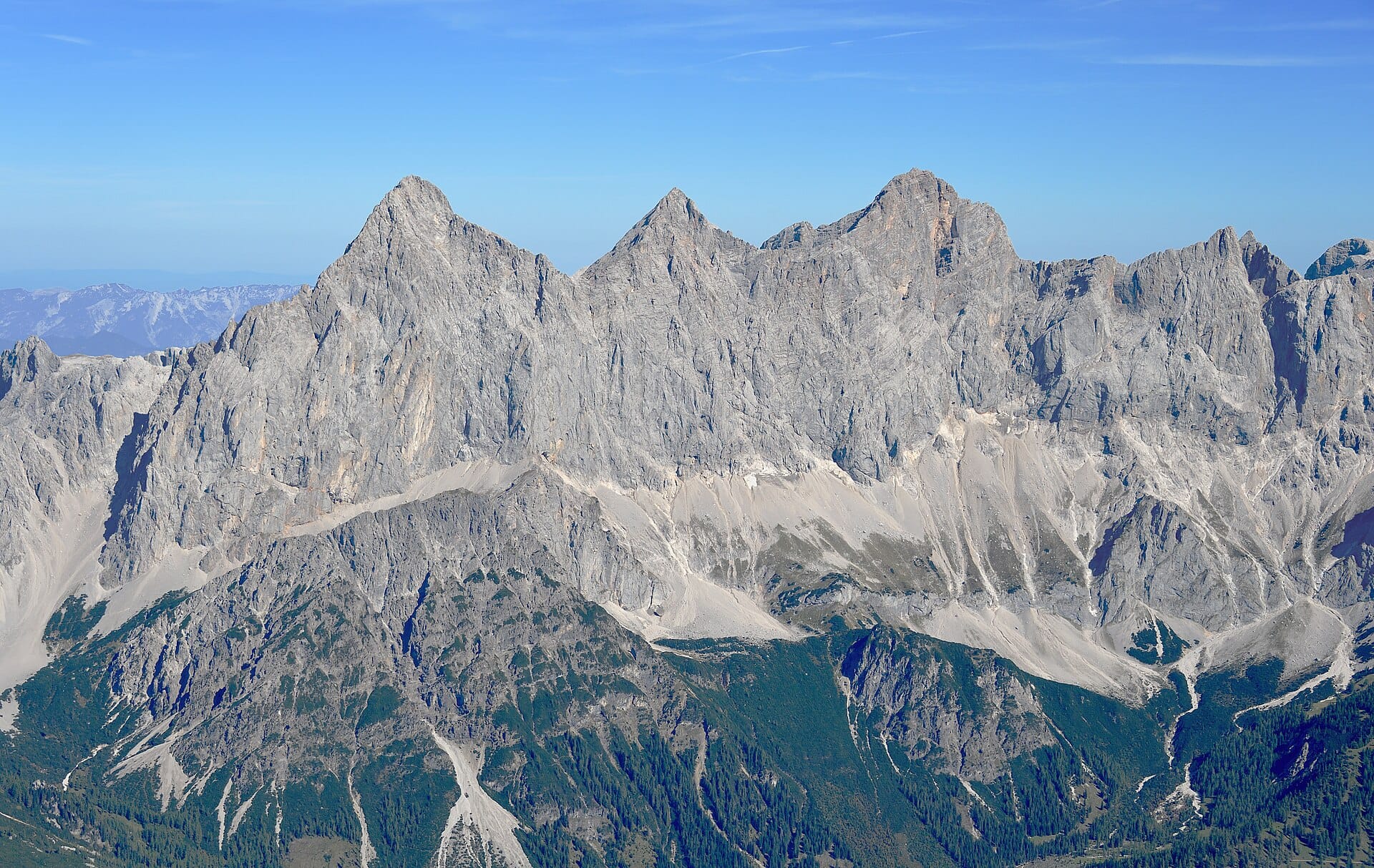
Dachstein
Austria · 7km away →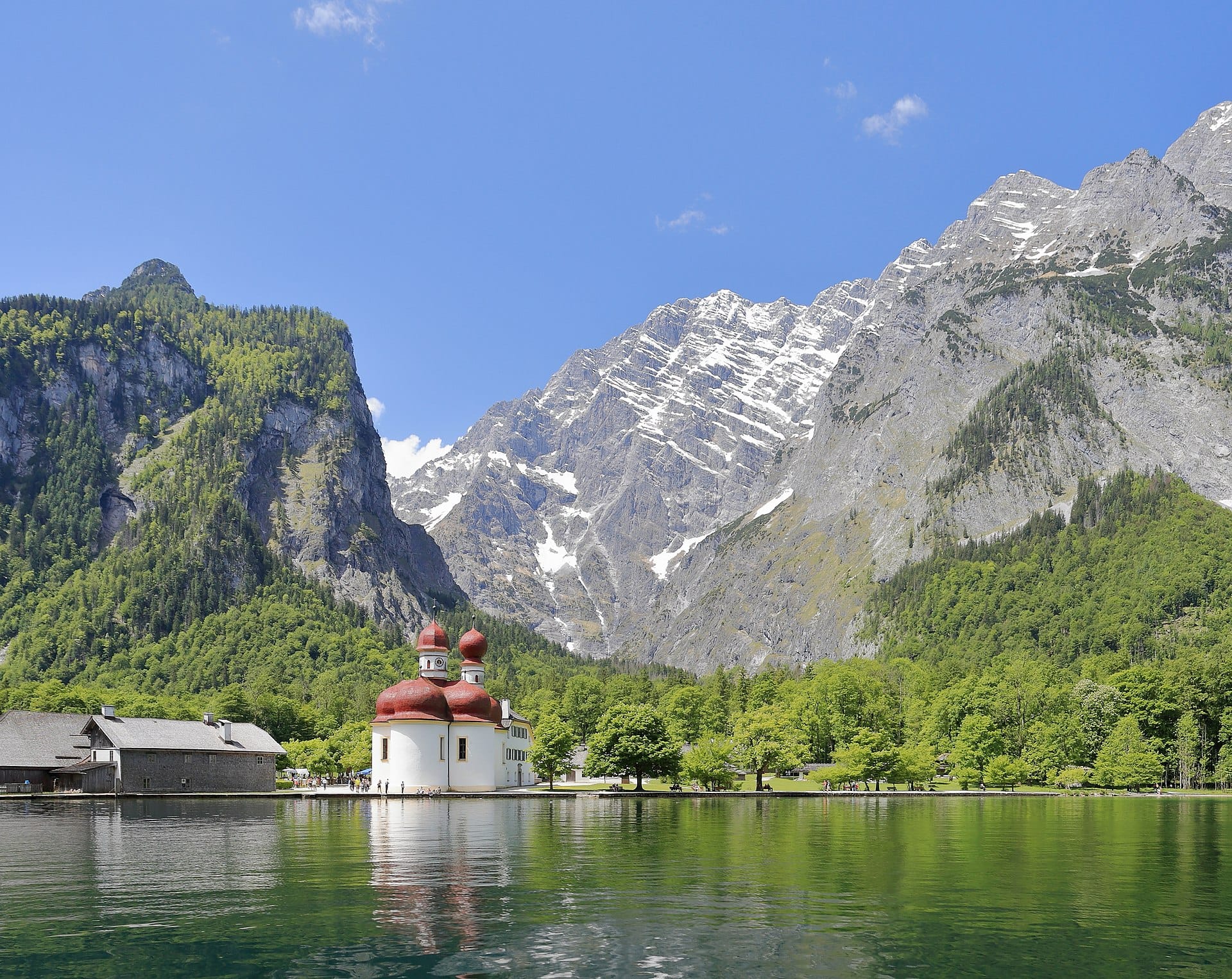
Berchtesgaden National Park
Germany · 51km away →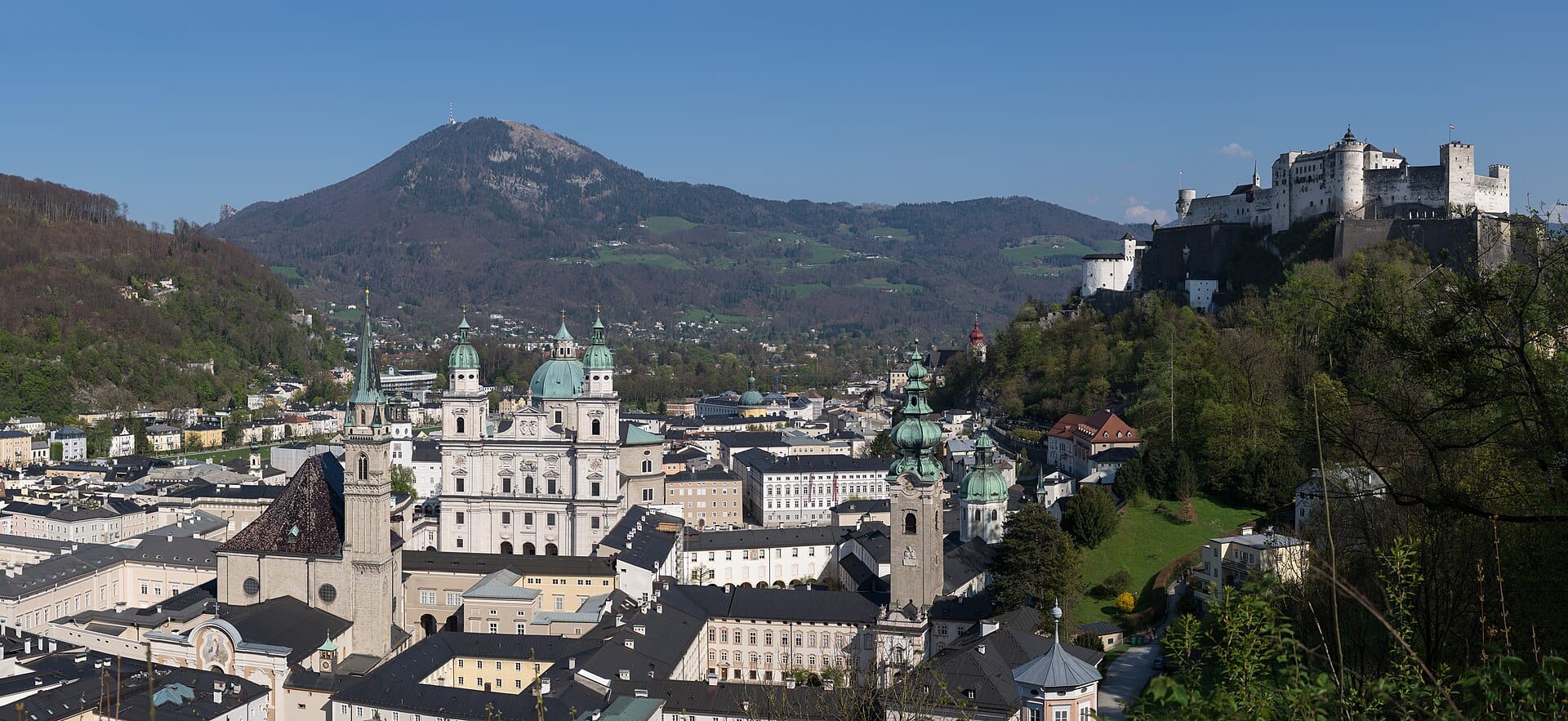
Salzburg
Austria · 51km away →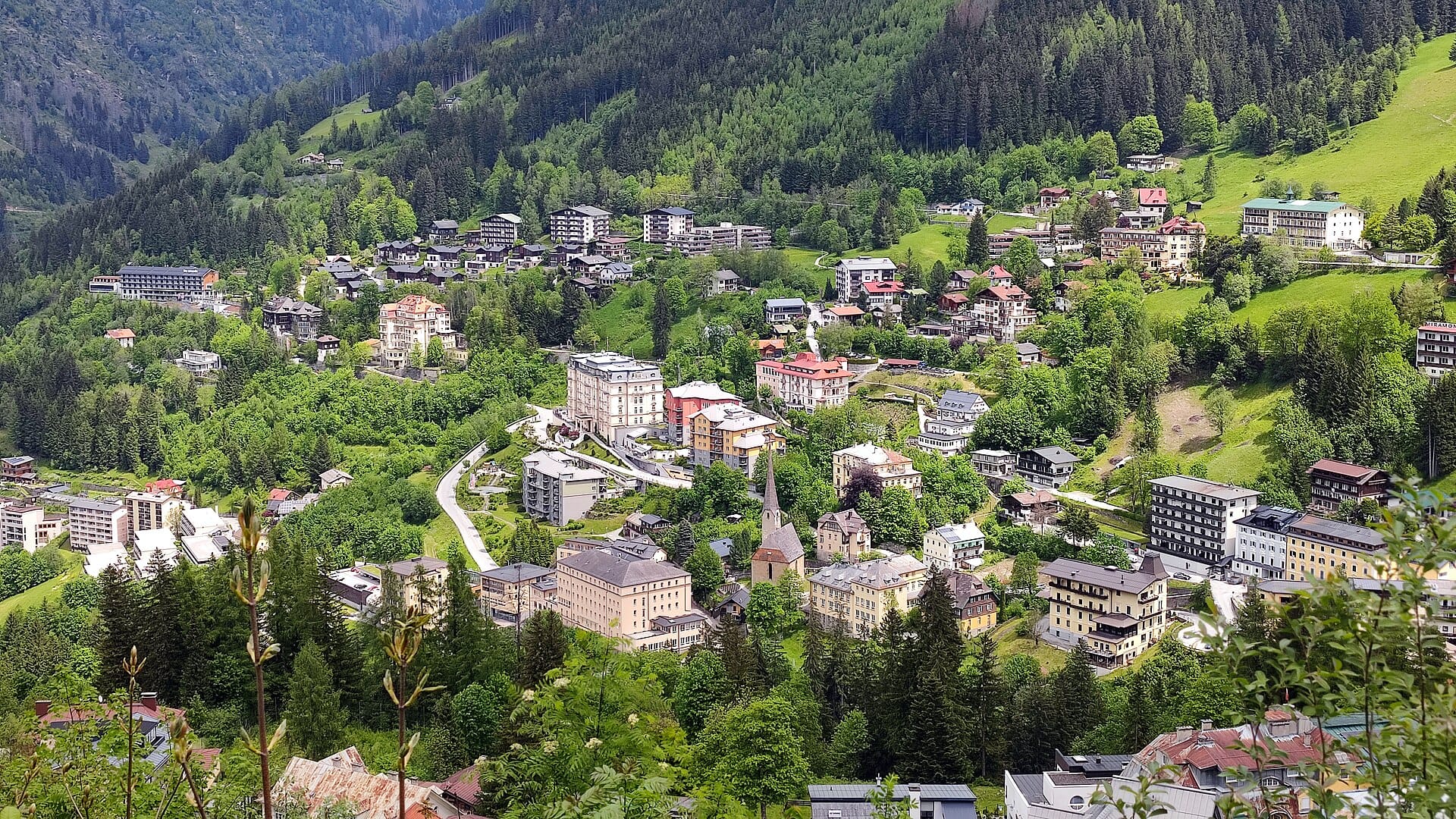
Bad Gastein
Austria · 60km away →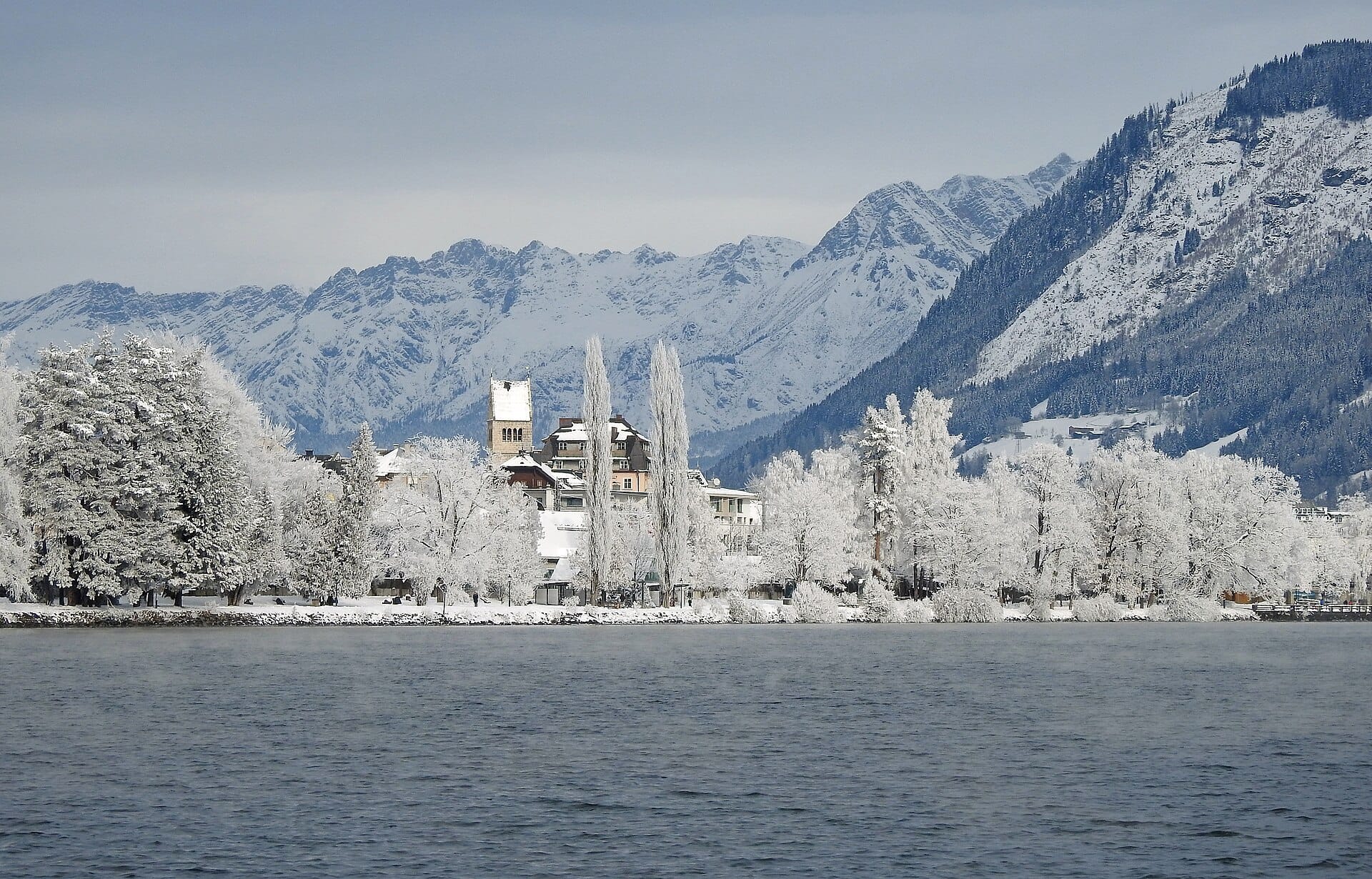
Zell am See
Austria · 65km away →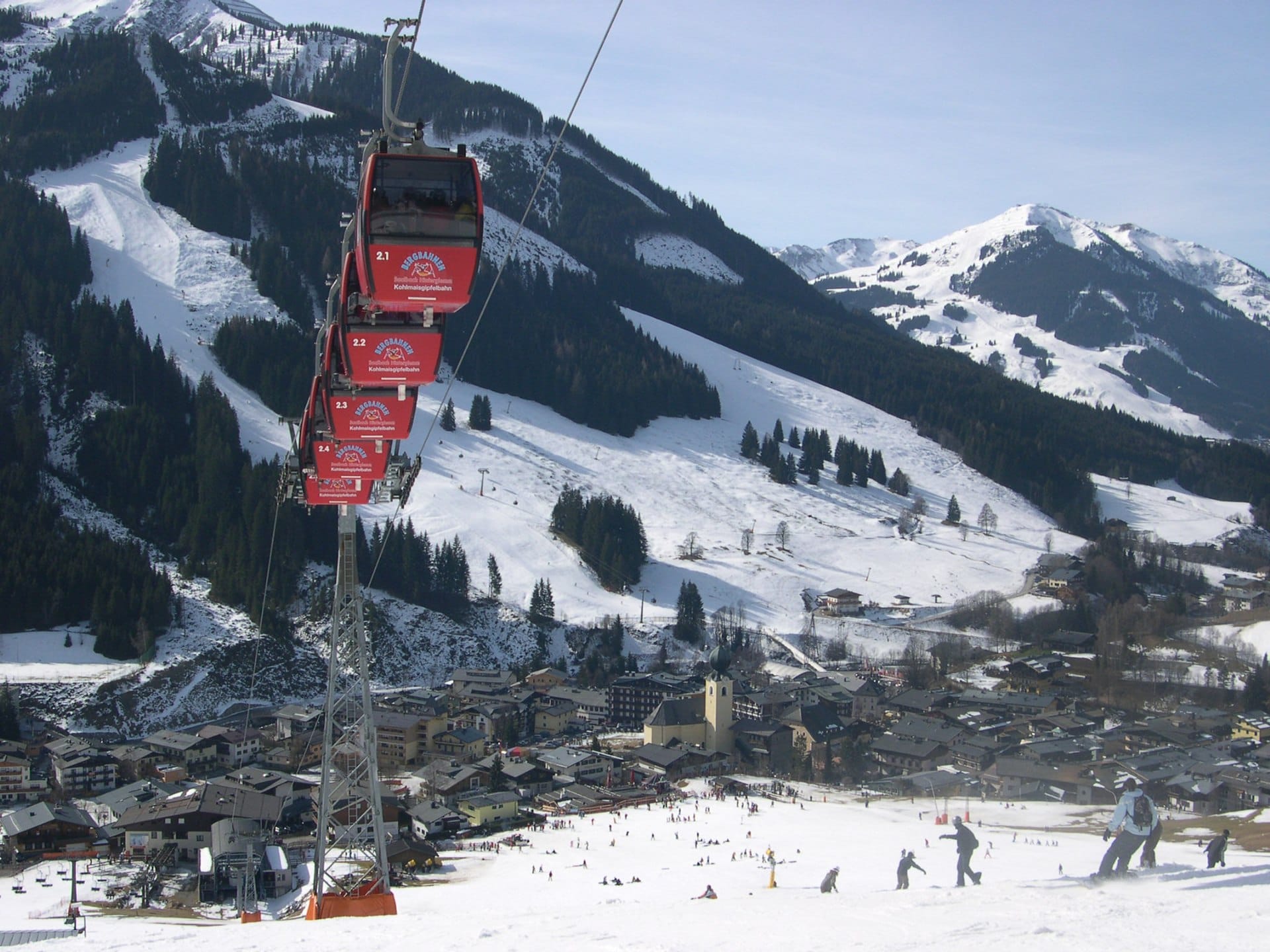
Saalbach
Austria · 74km away →Elsewhere in Austria
Related articles
Quick answers
When is the best time to visit Hallstatt?
Daytime highs run from about 0°C in January to 20°C in July. Driest in October and November; wettest in May, with rain on about 22 days.
How long should I spend in Hallstatt?
Our suggestion: 1–2 nights.
How do I get to Hallstatt?
About an hour and a half by car from Salzburg (SZG). By rail it is roughly two and a half hours via Attnang-Puchheim to Hallstatt station, which is across the water, and a small ferry meets the trains for the short crossing to the village.
Do I need a car in Hallstatt?
No. Good: trains plus the boat make a car unnecessary for the village itself, though buses around the wider lakes are sparse in the evening.
What currency and language are used in Hallstatt?
Currency: Euro (EUR). Language: German. Plugs: type C and F.
Who is Hallstatt best for?
Best for couples, photographers and culture seekers. In a phrase: vertical, ancient, quietly overwhelmed.