
Hallstatt and the Salzkammergut
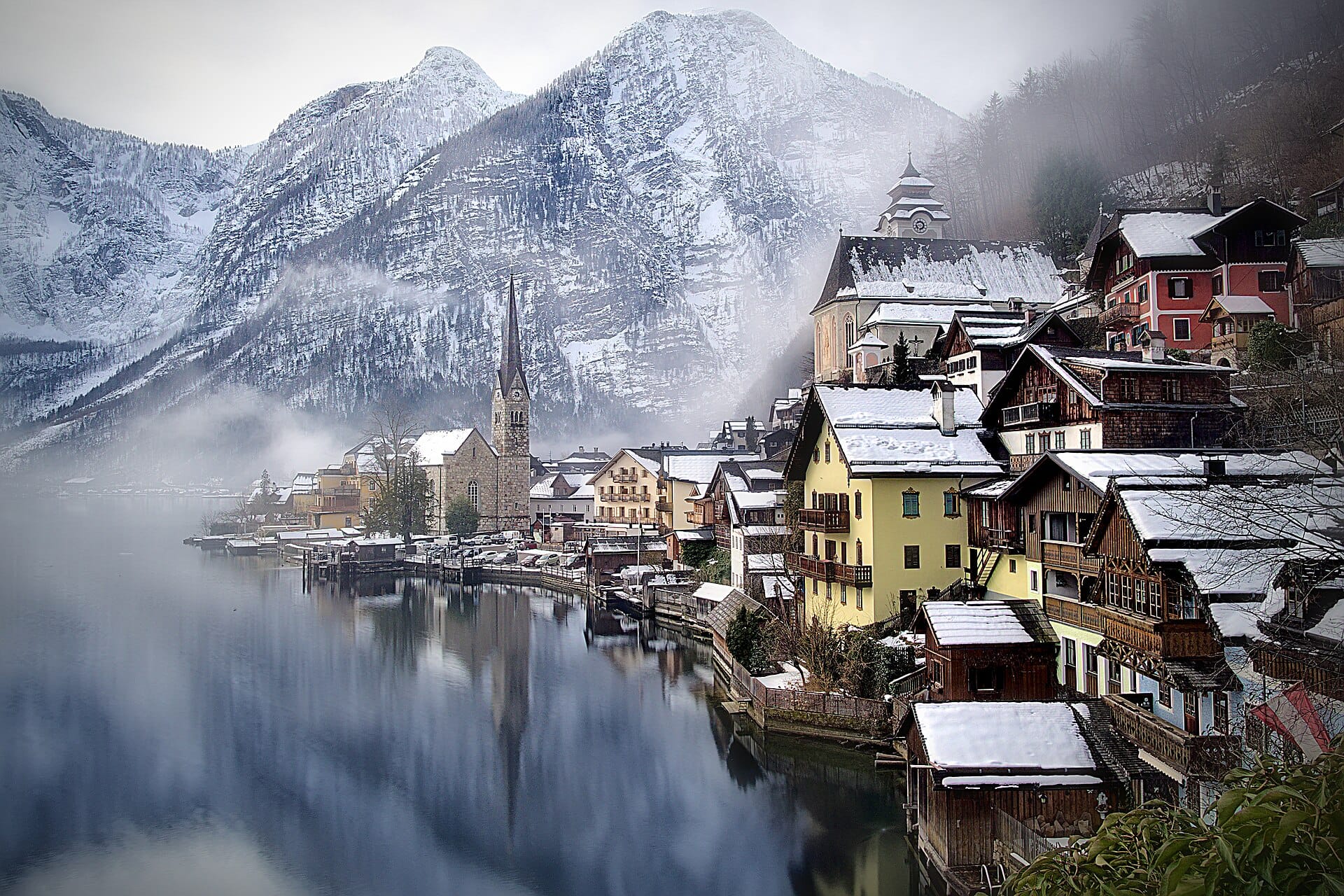
Hallstatt under snow is the picture the word winter was coined for: pastel houses stacked between mountain and lake, a church spire, woodsmoke.
- Best forFamilies · Walkers & hikers · Wildlife & nature
- In March9°C · 15 rainy days
- Ideal stay5–7 nights
- Approx. flying time~12h 10m from Los Angeles
- CurrencyEUREuro
- LanguageGerman
- Local time14:121h ahead of the UK
- PlugsType C / FBring an adapter
- Drive on theRightOpposite to the UK
- Dialling code+43
Why go
The lake district east of Salzburg strings dark green water between limestone walls, and every valley seems to end in a spa town, a cog railway or a cave. Families come for the sheer variety within short distances: swimming off wooden jetties, salt mines with wooden slides, a glacier cave, paddle steamers and gentle valley cycle paths. The scale is manageable, which matters when travelling with children.
Base yourself once and drive out daily rather than moving hotels, since the whole region fits inside an hour's radius. Summer is for swimming, with lake temperatures that turn genuinely pleasant by July; winter brings snow, markets and short daylight. Prices climb steeply in the famous villages, so sleeping in the quieter ones nearby buys space, parking and a friendlier bill.
- Ideal stay
- 5–7 nights
- The vibe
- Green lakes, cog railways, alpine order
From our guides
Make it the show-stopping day trip of a Salzkammergut week — the funicular climbs to the Skywalk viewing platform, and the ancient salt-mine tours, wooden miners' slides included, delight over-fours when open. Base in nearby Obertraun or Bad Goisern for family apartments and gentler prices, and go midweek to dodge the coach crowds.
Featured in Ten winter-magic trips for families who love the cold
Things to do
-
Dachstein ice cave
Reached by cable car above Obertraun, a cave system of frozen waterfalls and ice walls held below the mountain year round. Take a jumper, because it stays near freezing inside.
-
Five Fingers platform
Five steel walkways jut out over a sheer drop on Krippenstein, each with a different gimmick. The view down to Hallstatt's lake is the payoff for a short walk from the lift.
-
Schafbergbahn cog railway
A steam-hauled rack railway climbs from St Wolfgang to a summit ridge with lakes on every side. Book a timed ticket, because the little trains fill up quickly.
-
Bad Ischl
The imperial spa town where the Habsburgs spent their summers, complete with the emperor's villa and a famous cake culture. It rains here often, which makes it a useful backup.
-
Gosausee
A short, flat lakeside loop with the Dachstein glacier reflected in the water at the far end. Buggies and small legs both manage it comfortably.
-
Traunsee and Gmunden
The deepest lake in Austria, with a castle on an island reached by a wooden footbridge and a long tradition of green-striped ceramics in the town.
Getting there
-
Fly to
Salzburg (SZG)
Nearest airport to Salzkammergut, about 42km away as the crow flies.
-
Then
To Bad Goisern
About an hour and a quarter by car from Salzburg (SZG) south-east into the lakes, or around two and a half hours by train and bus via Attnang-Puchheim. Obertraun and Bad Goisern are both on the same valley line.
-
On the ground
Getting around
Bad Goisern and Obertraun are 10 to 20 minutes from Hallstatt by car, bus or the lake ferry, and the Dachstein caves and ropeway are above Obertraun. Distances across the Salzkammergut lakes are short but winding.
Public transport: Better than you expect: trains along the Hallstattersee, the little ferry across to Hallstatt village and regional buses between the lakes. A car still saves a lot of waiting.
Flights
Los Angeles Salzkammergut, Austria
Fly from anywhere — search 4,000+ airports worldwide.
Roughly 12h 10m in the air from Los Angeles (LAX), estimated from the distance — check for a direct route. Pick a month to see every available flight with live prices.
Check dates and prices
Pick your departure date, then your return.
Search flightsNot sure when? Compare fares across a whole month.
Flight times are estimates; prices open on Google Flights.
When to go
Daytime highs run from about 4°C in January to 24°C in July. Driest in October and November; wettest in May, with rain on about 22 days.
The year at a glance — pick a month for detail
March9° · rain 15 daysCold and often wet.
Monthly figures averaged from daily records for 2020–2024 at this location (ERA5 reanalysis). Live conditions from MET Norway, CC BY 4.0.
Where to stay
Pensions, guesthouses and holiday apartments, with a few grand old spa hotels in Bad Ischl. Almost no chains, and many places prefer stays of several nights.
-
Best base overall
Bad Goisern
A working spa town on the river between Hallstatt and Bad Ischl, with apartments at sane prices and trains and buses in both directions. No lake views, but no coaches either.
Find stays in Bad Goisern -
Best with children
Obertraun
Across the lake from Hallstatt, with a bathing beach, the Dachstein cave gondola above and family apartments below. Quiet in the evening to the point of silence.
Find stays in Obertraun -
Closest to the sights
Hallstatt
Sleeping in the village buys the empty early morning and the empty evening, which is the whole trick. Rooms are few, small and dear, and parking is a chore.
Find stays in Hallstatt -
Best value
Bad Ischl
The imperial spa town at the centre of the region, with hotels, a station on the main line and a life of its own. Twenty-five minutes from Hallstatt by bus or car.
Find stays in Bad Ischl
Worth knowing before you book: Hallstatt itself has very few beds and day visitor numbers are now managed, so book any night in the village months ahead or base yourself along the valley.
Search everything else in Bad Goisern by budget. These are indicative budget bands in GBP per night for two people, not live quotes or guarantees of hotel type. Check your dates, guests, taxes and final price on Booking.com.
Good to know
- Where to sleep
- Obertraun, Bad Goisern and the villages around Wolfgangsee offer family apartments at a fraction of Hallstatt prices and are within twenty minutes of most attractions.
- Crowds
- Coach parties concentrate between eleven and three. Plan the famous stops for early morning or late afternoon and use the middle of the day for lakes and forests.
- Weather
- Mountains here make their own rain, and a bright morning can close in by lunch. Waterproofs and one indoor plan per day take the sting out of it.
- Salt mines
- The mine tours involve overalls, a small train and wooden slides, and most set a minimum age of around four. Book ahead in summer, since slots sell out.
- Swimming
- Public lakeside bathing areas have lawns, changing huts and shallow entries. Water warms slowly, so early summer swims are brisk even in a heatwave.
Similar places
Nearby destinations
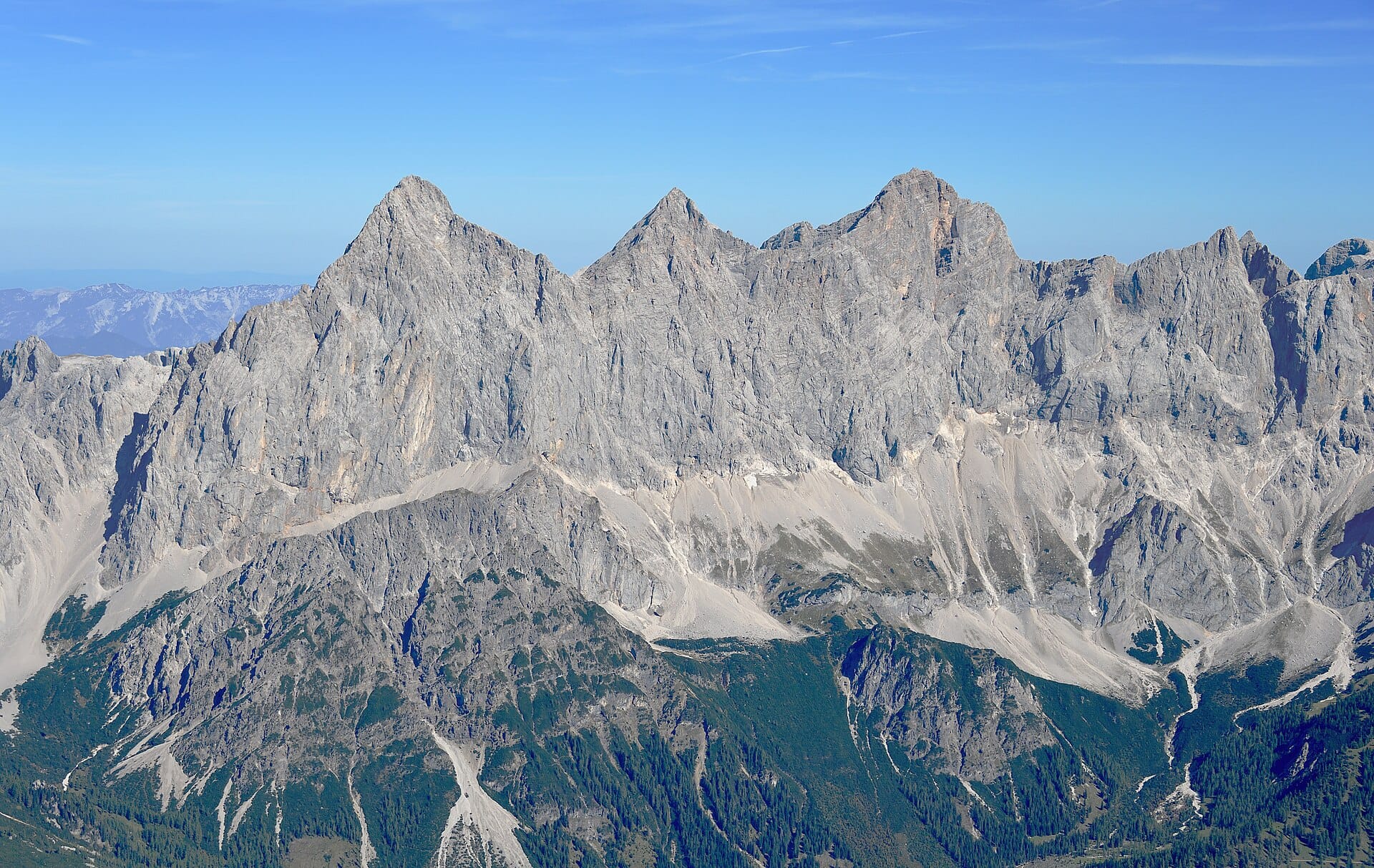
Dachstein
Austria · 35km away →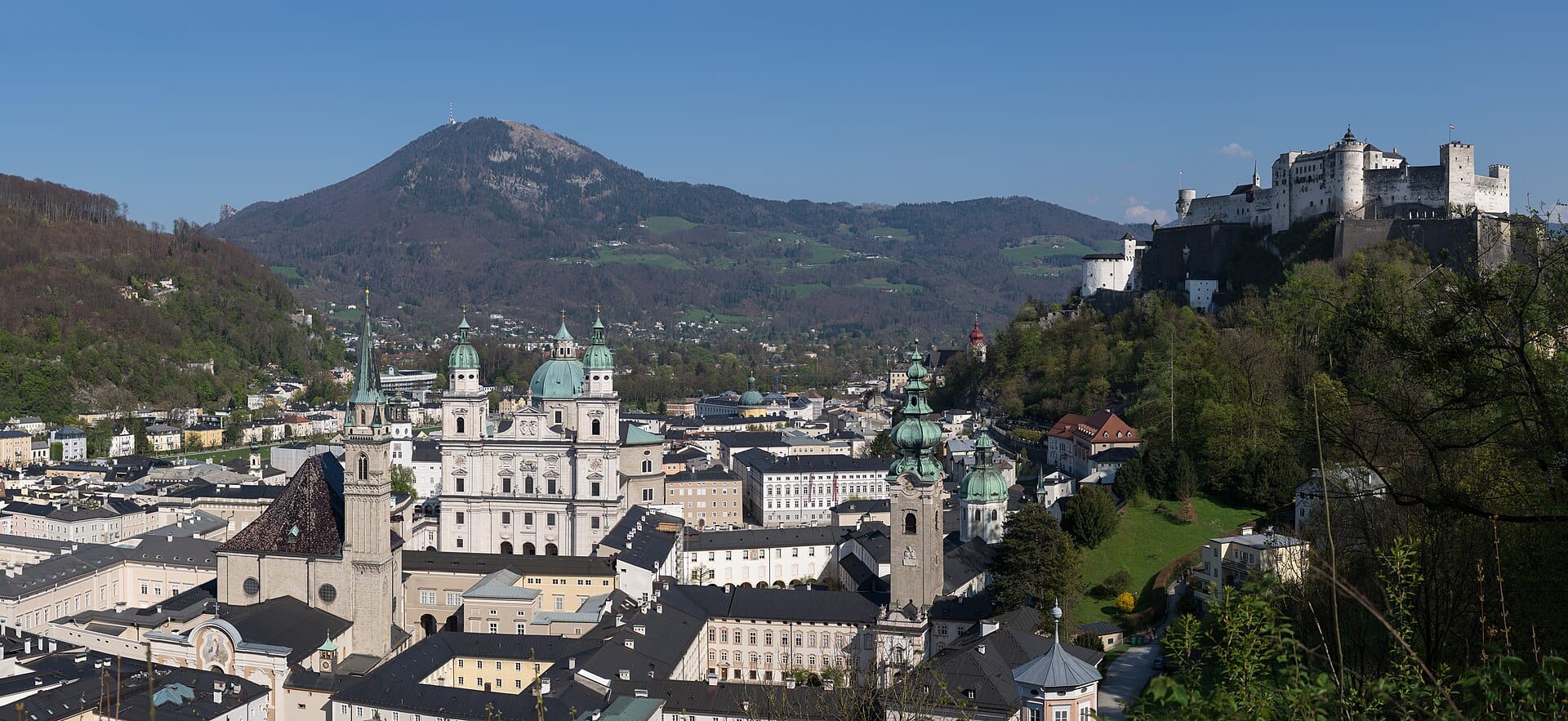
Salzburg
Austria · 39km away →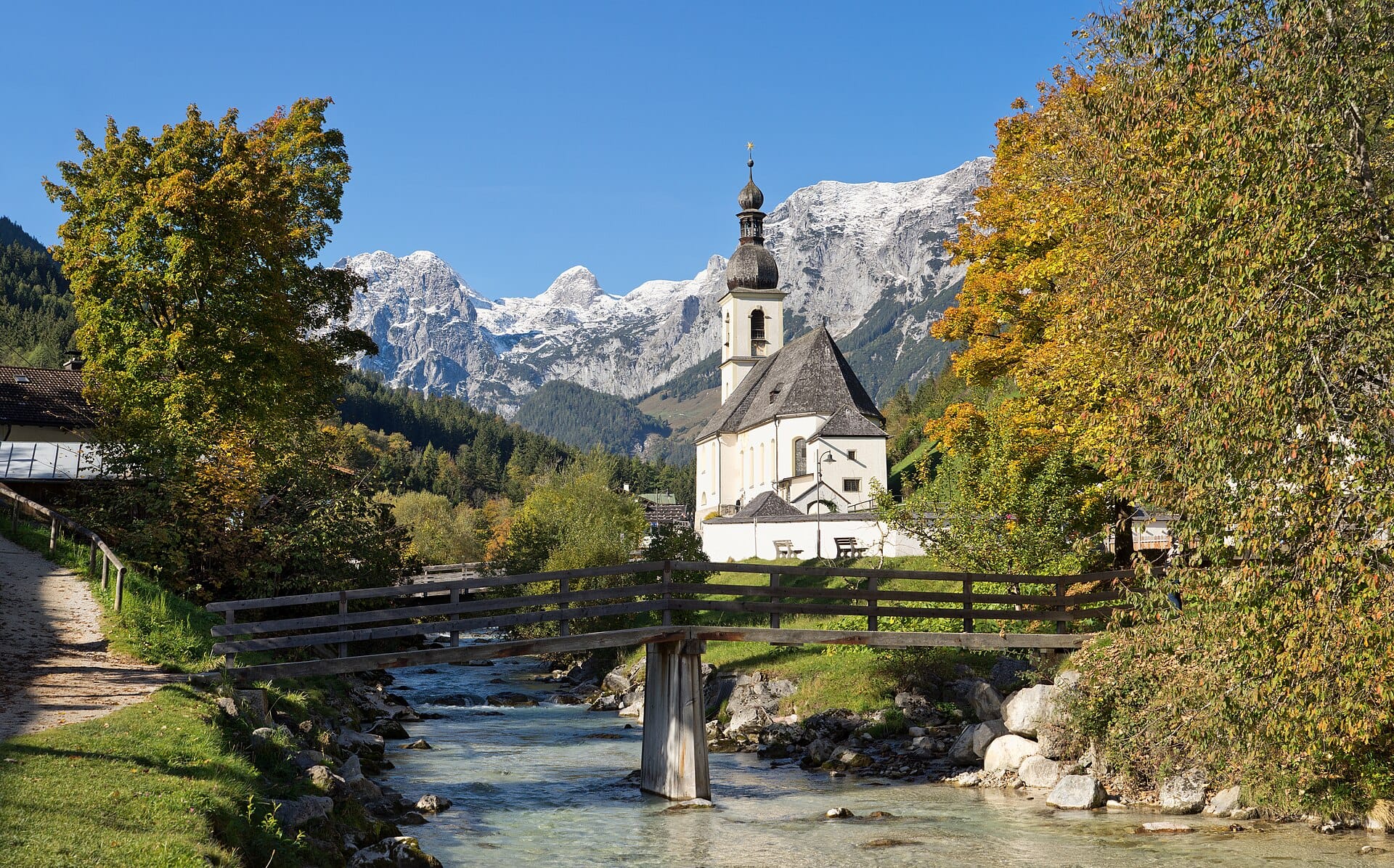
Ramsau bei Berchtesgaden
Germany · 55km away →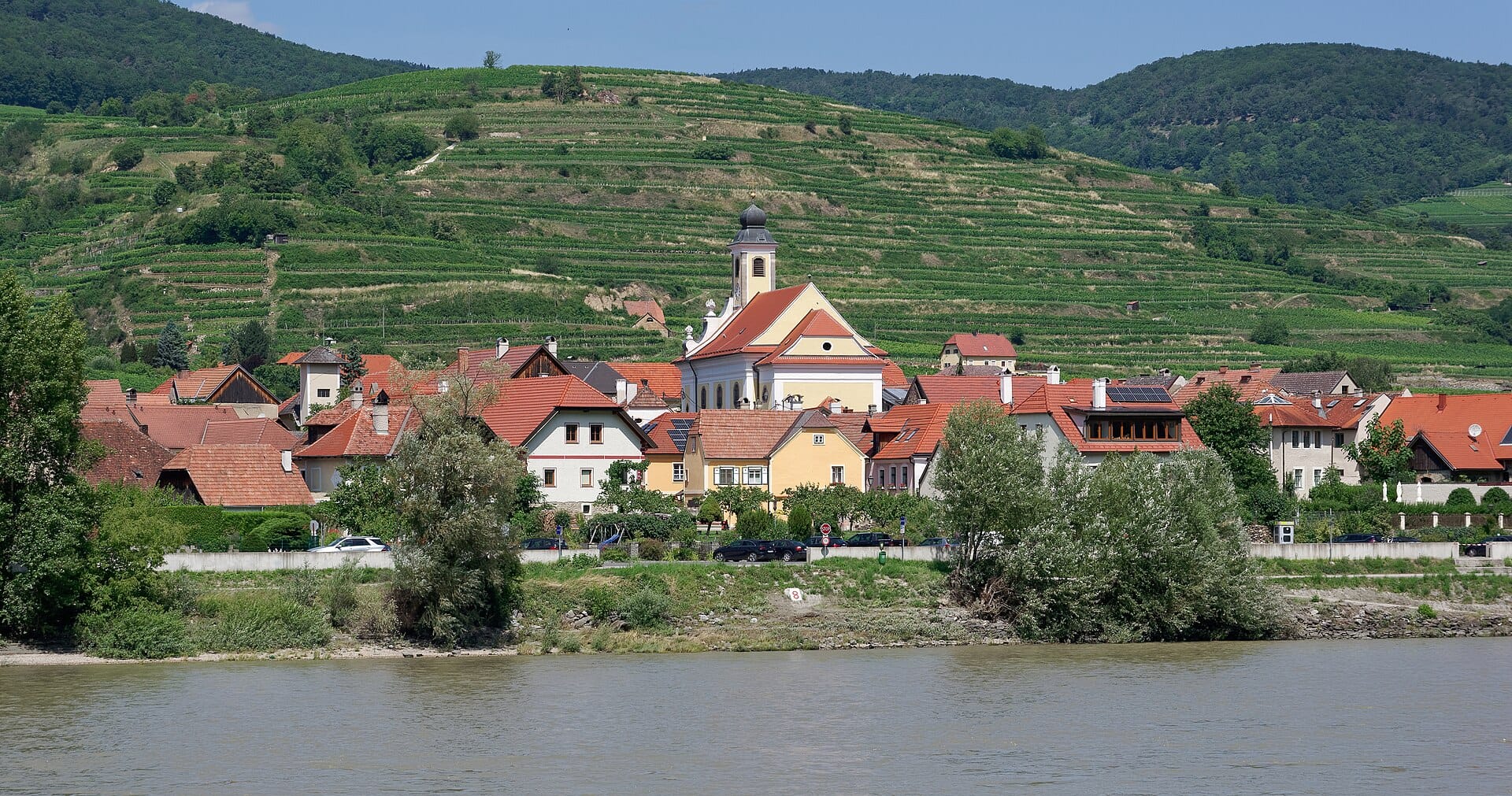
The Danube cycle path
Austria · 78km away →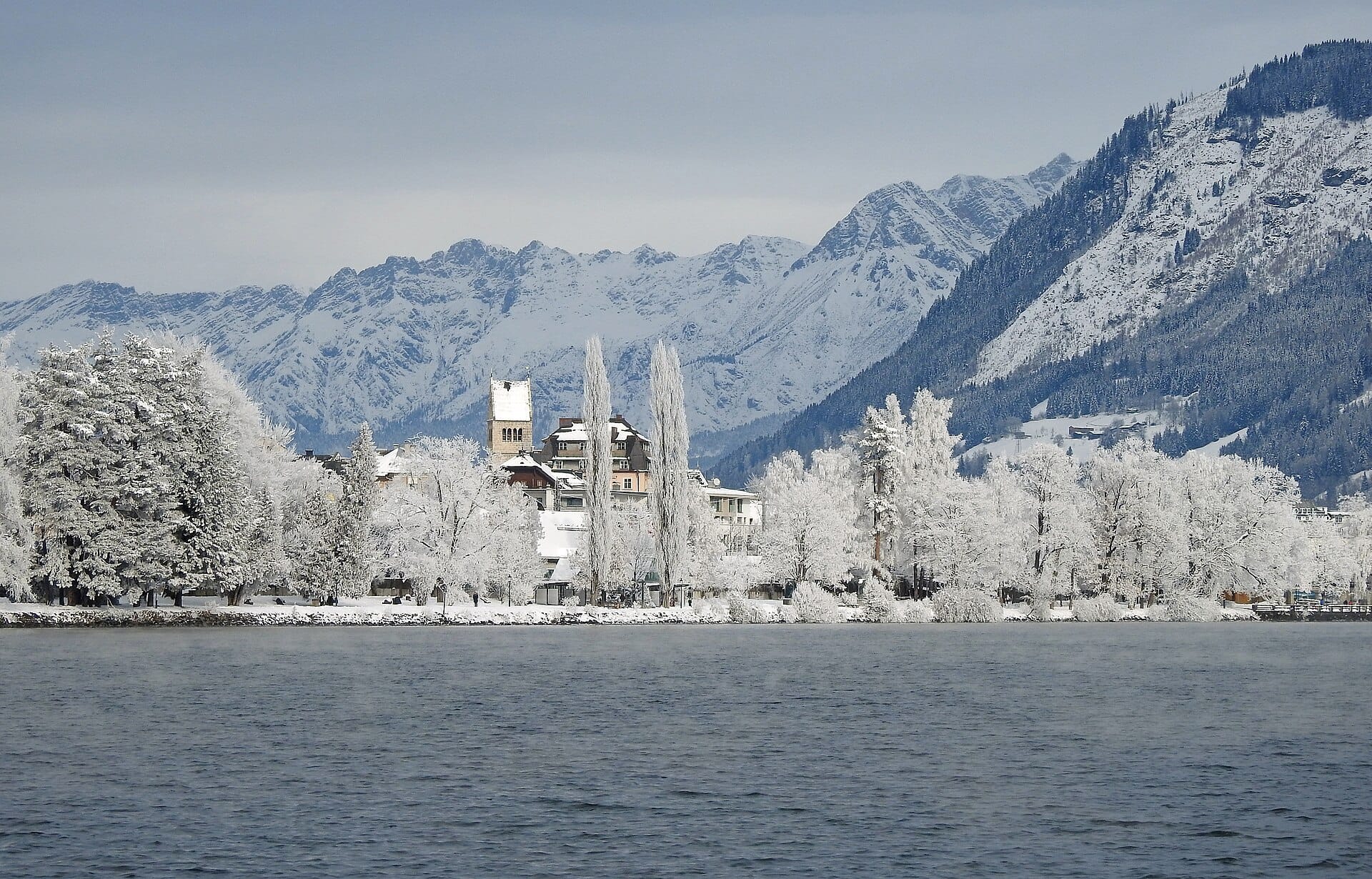
Zell am See
Austria · 78km away →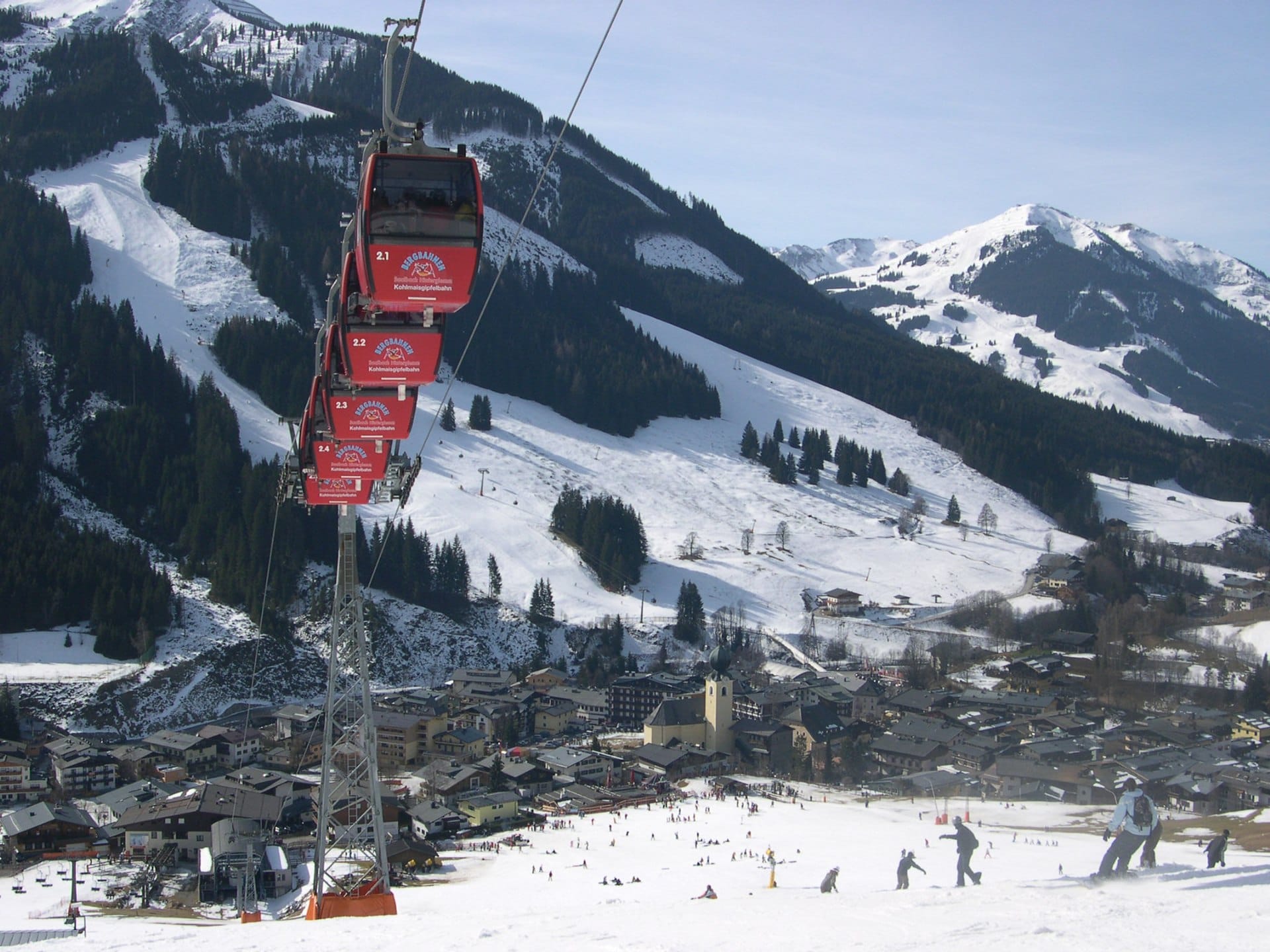
Saalbach
Austria · 83km away →Elsewhere in Austria
Related articles
Quick answers
When is the best time to visit Hallstatt and the Salzkammergut?
Daytime highs run from about 4°C in January to 24°C in July. Driest in October and November; wettest in May, with rain on about 22 days.
How long should I spend in Hallstatt and the Salzkammergut?
Our suggestion: 5–7 nights.
How do I get to Hallstatt and the Salzkammergut?
About an hour and a quarter by car from Salzburg (SZG) south-east into the lakes, or around two and a half hours by train and bus via Attnang-Puchheim. Obertraun and Bad Goisern are both on the same valley line.
Do I need a car in Hallstatt and the Salzkammergut?
Yes, a car makes a real difference here. Better than you expect: trains along the Hallstattersee, the little ferry across to Hallstatt village and regional buses between the lakes. A car still saves a lot of waiting.
What currency and language are used in Hallstatt and the Salzkammergut?
Currency: Euro (EUR). Language: German. Plugs: type C and F.
Who is Hallstatt and the Salzkammergut best for?
Best for families, walkers & hikers and wildlife & nature. In a phrase: green lakes, cog railways, alpine order.