
Hakone
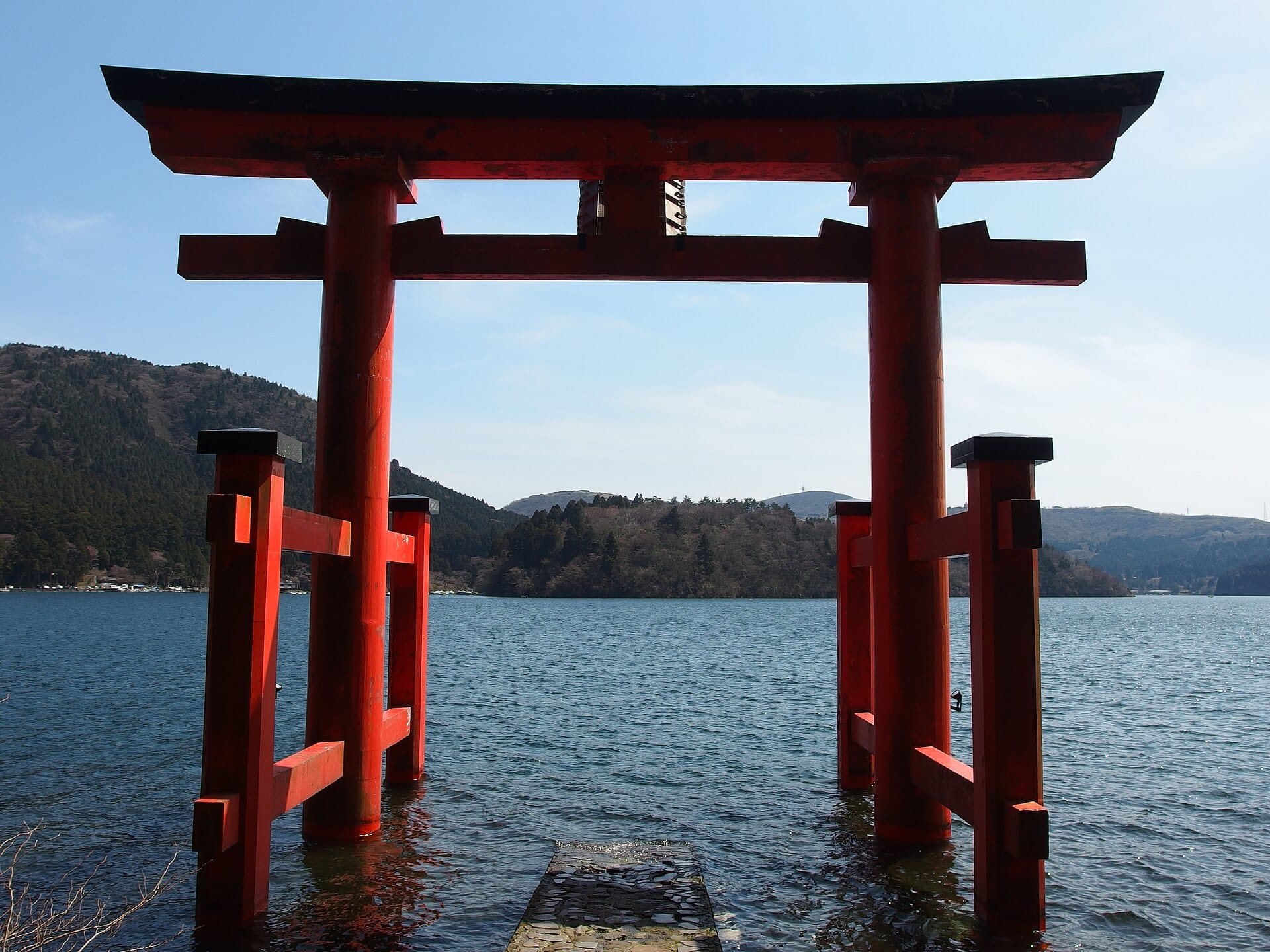
Ninety minutes from Tokyo, Hakone is Japan's classic onsen retreat: forested mountains, a lake with torii gates at the waterline and — on clear days — Mount Fuji presiding over everything.
- Best forCouples · Wellness & slow travel · Culture seekers
- In December12°C · 7 rainy days
- Ideal stay2 nights
- Approx. flying time~11h 05m from Los Angeles
- CurrencyJPYJapanese yen
- LanguageJapanese
- Local time21:088h ahead of the UK
- PlugsType A / BBring an adapter
- Drive on theLeftSame as the UK
- Dialling code+81
Why go
Volcanic steam, cedar forest and a caldera lake give Hakone its particular calm, and the whole area is organised around slowing visitors down. Days here are spent moving gently between hot springs, small art museums and viewpoints, using a loop of switchback trains, cable cars, a ropeway over a sulphurous valley and boats across the water. Mount Fuji appears when the weather allows, which is roughly one morning in three.
Two nights is the sweet spot: enough for a proper ryokan dinner, a long soak and the full circuit, without running out of things to see. It works as an add-on to Tokyo or as a pause on the way to Kyoto, and it changes character sharply by season, from hydrangeas in June to red maples in November. Anyone who wants nightlife should stay in the city.
- Ideal stay
- 2 nights
- The vibe
- Steamy, forested, deliberately unhurried
From our guides
Book a ryokan with a private open-air bath, since most public onsen separate the sexes, and surrender to the rhythm of soaking, kaiseki dinners and yukata-clad idleness. November brings autumn colour and the sharpest Fuji views.
Featured in Ten spa and hot-spring escapes to switch off together
Things to do
-
Lake Ashi and the torii
The vermilion gate of Hakone Shrine stands with its feet in the water below the cedars, one of Japan's most photographed compositions. Sightseeing boats cross the lake between Moto-Hakone and Togendai.
-
Owakudani volcanic valley
The ropeway floats over a hillside of sulphur vents and steam. At the top, eggs boiled black in the hot springs are sold as a local superstition about long life.
-
Hakone Open-Air Museum
Sculpture set across lawns and hillside, with a dedicated Picasso pavilion and works by Henry Moore. Children get their own climbable pieces, which makes it an unusually easy museum.
-
Hakone Tozan Railway
A mountain line that reverses up the slope through three switchbacks, brushing hydrangeas in early summer. It is a genuine attraction rather than just a way of gaining height.
-
Old Tokaido cedar avenue
A surviving stretch of the Edo-era highway to Kyoto, paved with stone and lined by four-hundred-year-old cryptomeria. The walk from the lake takes under an hour.
-
Sengokuhara pampas grass
A whole hillside of susuki grass that turns silver and gold in autumn, cut through by a single path. Late September to early November is the window.
Getting there
-
Fly to
Tokyo (HND)
Nearest airport to Hakone, about 71km away as the crow flies.
-
Then
To Hakone-Yumoto
Ignore tiny Izu Oshima (OIM). Almost everyone comes from Tokyo: a direct limited-express from Shinjuku reaches Hakone-Yumoto in about 90 minutes, and from Haneda or Narita allow three to four hours in total via Shinjuku or Odawara.
-
On the ground
Getting around
The classic loop is itself the transport: mountain railway, cable car, ropeway over the sulphur vents at Owakudani, then a pirate boat across Lake Ashi and a bus back. Buses also serve the ryokan-heavy valleys of Gora and Sengokuhara.
Public transport: Very good. A regional pass covers the trains, ropeway, boats and buses for the loop, and ryokan often run shuttles from the stations.
Flights
Los Angeles Hakone, Japan
Fly from anywhere — search 4,000+ airports worldwide.
Roughly 11h 05m in the air from Los Angeles (LAX), estimated from the distance — check for a direct route. Pick a month to see every available flight with live prices.
Check dates and prices
Pick your departure date, then your return.
Search flightsNot sure when? Compare fares across a whole month.
Flight times are estimates; prices open on Google Flights.
When to go
Daytime highs run from about 9°C in January to 30°C in August. Driest in December; wettest in June, with rain on about 20 days.
The year at a glance — pick a month for detail
December12° · rain 7 daysCool with the odd shower.
Monthly figures averaged from daily records for 2020–2024 at this location (ERA5 reanalysis). Live conditions from MET Norway, CC BY 4.0.
Where to stay
Ryokan with tatami rooms, kaiseki dinners and hot spring baths, from simple to extravagant, plus a few Western-style hotels. Rates usually include dinner and breakfast.
-
Best base overall
Hakone-Yumoto
The gateway station, with the largest concentration of ryokan and public baths and the easiest run back to Tokyo. It is also the most built-up corner of Hakone.
Find stays in Hakone-Yumoto -
Best for couples
Gora
Up the funicular, quieter and greener, with the ryokan most likely to have private open-air baths and the open-air museum close by. Steep streets and early last trains.
Find stays in Gora -
Best with children
Moto-Hakone
On Lake Ashi, with the lakeside torii, the pirate-style boats and the ropeway, so the sightseeing starts at the door. Fewer places to eat after dark.
Find stays in Moto-Hakone -
Quietest
Sengokuhara
A high plateau of pampas grass, small museums and scattered inns, well off the day-trip circuit. You will rely on buses, and they stop early.
Find stays in Sengokuhara
Worth knowing before you book: Ryokan with private open-air baths book out months ahead for the November leaf season and for weekends. Check the last bus or funicular before choosing a hillside inn.
Search everything else in Hakone-Yumoto by budget. These are indicative budget bands in GBP per night for two people, not live quotes or guarantees of hotel type. Check your dates, guests, taxes and final price on Booking.com.
Good to know
- Tattoos
- Many public baths still refuse entry to visibly tattooed guests. A room with a private open-air bath sidesteps the issue completely and is worth the upgrade.
- Onsen etiquette
- Wash and rinse thoroughly at the seated showers before getting in, tie long hair up, and keep the small towel out of the water.
- Getting there
- Direct limited express trains run from Shinjuku in around ninety minutes, and the Tokaido shinkansen reaches Odawara in about forty from Tokyo station.
- Passes
- A regional pass covering the trains, ropeway, boats and buses pays for itself if you do the loop, and saves buying tickets at each change.
- Fuji odds
- Clear views are most likely in winter and early morning. Summer haze hides the mountain for days at a time, so treat any sighting as a bonus.
Similar places
Nearby destinations
Related articles
Quick answers
When is the best time to visit Hakone?
Daytime highs run from about 9°C in January to 30°C in August. Driest in December; wettest in June, with rain on about 20 days.
How long should I spend in Hakone?
Our suggestion: 2 nights.
How do I get to Hakone?
Ignore tiny Izu Oshima (OIM). Almost everyone comes from Tokyo: a direct limited-express from Shinjuku reaches Hakone-Yumoto in about 90 minutes, and from Haneda or Narita allow three to four hours in total via Shinjuku or Odawara.
Do I need a car in Hakone?
No. Very good. A regional pass covers the trains, ropeway, boats and buses for the loop, and ryokan often run shuttles from the stations.
What currency and language are used in Hakone?
Currency: Japanese yen (JPY). Language: Japanese. Plugs: type A and B.
Who is Hakone best for?
Best for couples, wellness & slow travel and culture seekers. In a phrase: steamy, forested, deliberately unhurried.