
Grossglockner High Alpine Road
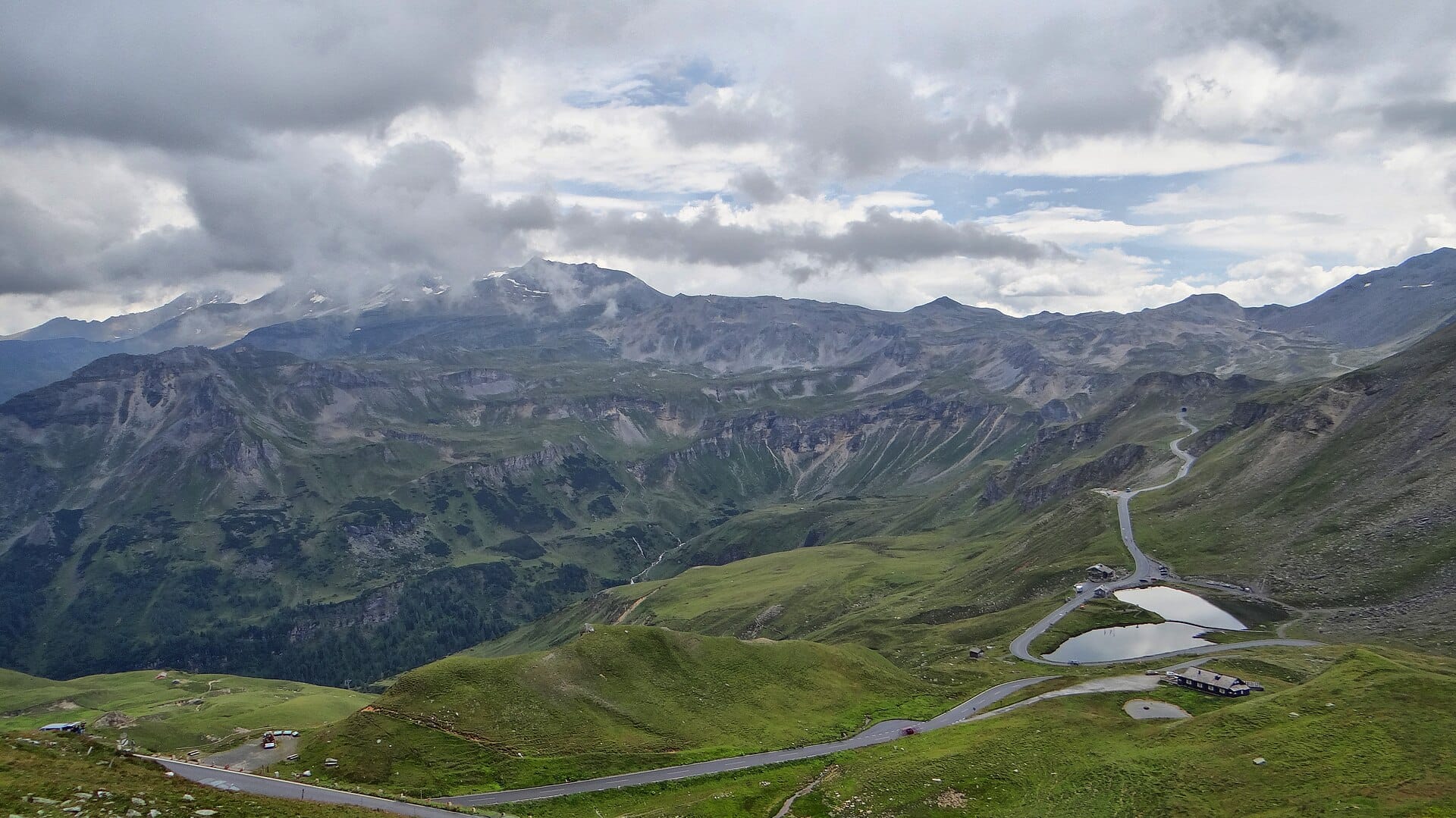
Austria's showpiece toll road swings for forty-eight kilometres over the Hochtor pass and out to a face-to-face view of the Pasterze glacier beneath Grossglockner itself.
- Best forRoad-trippers · Photographers · Walkers & hikers
- In July5°C · 23 rainy days
- Ideal stayA full day, with a night at either end
- Approx. flying time~12h 10m from Los Angeles
- CurrencyEUREuro
- LanguageGerman
- Local time12:161h ahead of the UK
- PlugsType C / FBring an adapter
- Drive on theRightOpposite to the UK
- Dialling code+43
Why go
Austria's highest mountain gives its name to a road that behaves like an attraction in its own right, climbing from pasture and pine into a bare world of scree, snowfields and thin blue air. Thirty-six hairpins carry you over the Hochtor pass at 2,504 metres. Marmots whistle from the verges, ibex graze above the treeline, and every lay-by has been engineered to make you stop and look.
Give it a full day rather than treating it as a transfer between Salzburg and Carinthia, because the spur roads and the short walking trails at either end are where the drive earns its money. The route is seasonal, opening around early May and closing with the first heavy snow in late autumn, and it shuts overnight. Cyclists and motorcyclists adore it; anyone in a hurry will resent it.
- Ideal stay
- A full day, with a night at either end
- The vibe
- High, bracing, engineered for wonder
From our guides
The toll is steep — around forty euros per car — but buys immaculate tarmac, exhibitions and marmot-grazed picnic stops. Arrive before 9am and the ticket feels cheap. Detour up the Edelweissspitze spur for the 360-degree version of everything.
Featured in Ten jaw-dropping mountain roads and passes to drive
Things to do
-
Kaiser-Franz-Josefs-Höhe
The terrace at the end of the western spur looks straight down the Pasterze, Austria's longest glacier, with the 3,798 metre summit of Grossglockner behind it. Come early, before the cloud builds.
-
Edelweissspitze
A short cobbled spur climbs to the highest point on the route reachable by car, at 2,571 metres, where a stone viewing tower opens up a full circle of Hohe Tauern peaks.
-
Hochtor pass
The road tunnels through rock at its 2,504 metre high point, on a crossing used since the Bronze Age. Snow banks often line the verges here well into June.
-
Fuscher Törl and Fuscher Lacke
Two of the best-sited stops on the northern ramp: a hairpin viewpoint with a small exhibition, and an alpine lake that mirrors the peaks on windless mornings.
-
Gamsgrubenweg trail
A gentle path cut into the mountainside from the glacier terrace, running through short tunnels past information points. It gives non-walkers a genuine high-alpine outing in about an hour.
-
Heiligenblut
The village at the southern end has a late Gothic church whose slim spire is framed by the Grossglockner massif, and it makes a quieter overnight base than the resorts to the north.
Getting there
-
Fly to
Salzburg (SZG)
Nearest airport to Grossglockner, about 83km away as the crow flies.
-
Then
To Heiligenblut
About two hours by car from Salzburg (SZG) to Heiligenblut at the southern toll gate, or a similar time to Fusch at the northern end. Klagenfurt is a comparable drive from the south.
-
On the ground
Getting around
The road runs 48 kilometres over the Hochtor pass with the Franz-Josefs-Hohe glacier viewpoint on a spur, and the full drive with stops takes the best part of a day. It is open roughly May to October and closes overnight.
Public transport: A seasonal bus crosses the pass in summer and another climbs to the glacier viewpoint, but they are a few services a day and the whole point is to drive it.
Flights
Los Angeles Grossglockner, Austria
Fly from anywhere — search 4,000+ airports worldwide.
Roughly 12h 10m in the air from Los Angeles (LAX), estimated from the distance — check for a direct route. Pick a month to see every available flight with live prices.
Check dates and prices
Pick your departure date, then your return.
Search flightsNot sure when? Compare fares across a whole month.
Flight times are estimates; prices open on Google Flights.
When to go
Daytime highs run from about -15°C in January to 5°C in July. Driest in February and November; wettest in July, with rain on about 23 days.
The year at a glance — pick a month for detail
July5° · rain 23 daysCold and often wet.
Monthly figures averaged from daily records for 2020–2024 at this location (ERA5 reanalysis). Live conditions from MET Norway, CC BY 4.0.
Where to stay
Austrian family pensions and gasthofs offering half board, alpine huts up high, and holiday apartments in the valley towns. Nothing large or corporate near the road itself.
-
Best base overall
Heiligenblut
The southern gateway, a pilgrimage village with a needle-spired church framed by the mountain itself. The choice of hotels is small, and the toll booth is minutes away.
Find stays in Heiligenblut -
Best with children
Zell am See
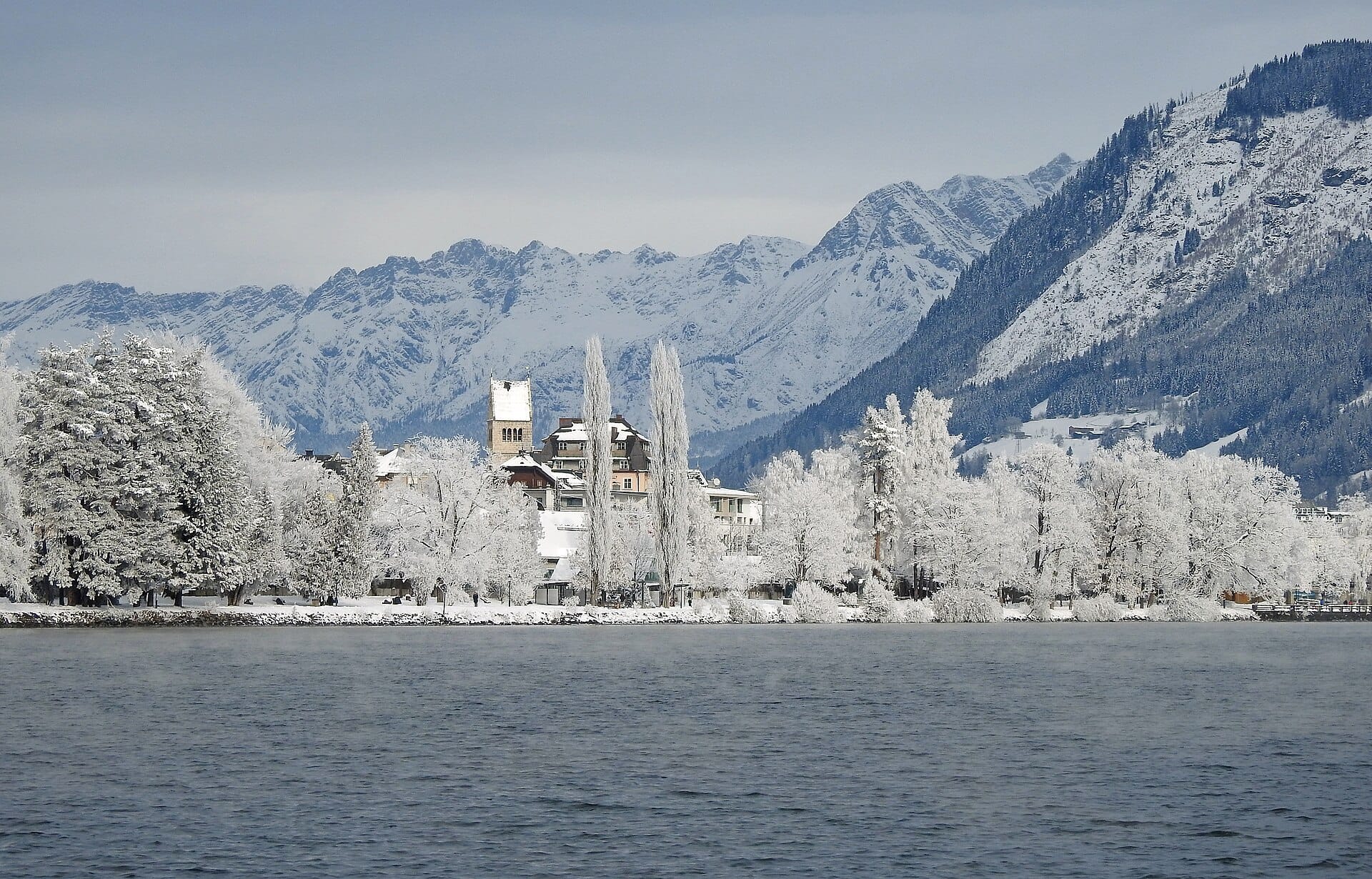
Forty minutes north, a lake town with swimming, boats, a cable car and enough to fill a week. It is a proper resort, with the crowds that implies.
Find stays in Zell am See -
Best value
Bruck an der Grossglocknerstrasse
The junction village at the northern toll gate, plain and practical, with guesthouses well below resort rates and the road starting at the edge of town.
Find stays in Bruck an der Grossglocknerstrasse -
Quietest
Kals am Grossglockner
A farming village on the mountain's western side, up a different valley, with the closest views of the peak and almost no traffic. Limited eating out.
Find stays in Kals am Grossglockner
Worth knowing before you book: The road shuts from roughly early November to early May and the gates close each evening, so plan the drive as a full day rather than an afternoon.
Search everything else in Heiligenblut by budget. These are indicative budget bands in GBP per night for two people, not live quotes or guarantees of hotel type. Check your dates, guests, taxes and final price on Booking.com.
Good to know
- Timing
- The road is emptiest before nine in the morning, when the light is cleanest and the coaches have not started. Afternoon cloud regularly swallows the glacier view entirely.
- Season
- Expect closure through winter, typically from early November until early May. Even in high summer the road shuts overnight, so plan to be off the mountain by evening.
- Pack this
- It can be fifteen degrees cooler at the pass than in the valley below, and the wind on the terraces is constant. Bring a warm layer and proper shoes even in August.
- Driving
- Gradients reach twelve per cent, so descend in a low gear rather than riding the brakes. The toll ticket covers the day, which makes stopping repeatedly worthwhile.
- Fuel
- Fill up in the valley before you start, because services on the mountain are minimal and mobile coverage comes and goes between the passes.
Nearby destinations
Zell am See
Austria · 29km away →
Bad Gastein
Austria · 35km away →
Saalbach
Austria · 36km away →
Kitzbühel
Austria · 47km away →
Berchtesgaden National Park
Germany · 56km away →
Tre Cime di Lavaredo
Dolomites, Italy · 59km away →Elsewhere in Austria
Related articles
Quick answers
When is the best time to visit Grossglockner High Alpine Road?
Daytime highs run from about -15°C in January to 5°C in July. Driest in February and November; wettest in July, with rain on about 23 days.
How long should I spend in Grossglockner High Alpine Road?
Our suggestion: a full day, with a night at either end.
How do I get to Grossglockner High Alpine Road?
About two hours by car from Salzburg (SZG) to Heiligenblut at the southern toll gate, or a similar time to Fusch at the northern end. Klagenfurt is a comparable drive from the south.
Do I need a car in Grossglockner High Alpine Road?
Yes, a car makes a real difference here. A seasonal bus crosses the pass in summer and another climbs to the glacier viewpoint, but they are a few services a day and the whole point is to drive it.
What currency and language are used in Grossglockner High Alpine Road?
Currency: Euro (EUR). Language: German. Plugs: type C and F.
Who is Grossglockner High Alpine Road best for?
Best for road-trippers, photographers and walkers & hikers. In a phrase: high, bracing, engineered for wonder.