
Great Ocean Road
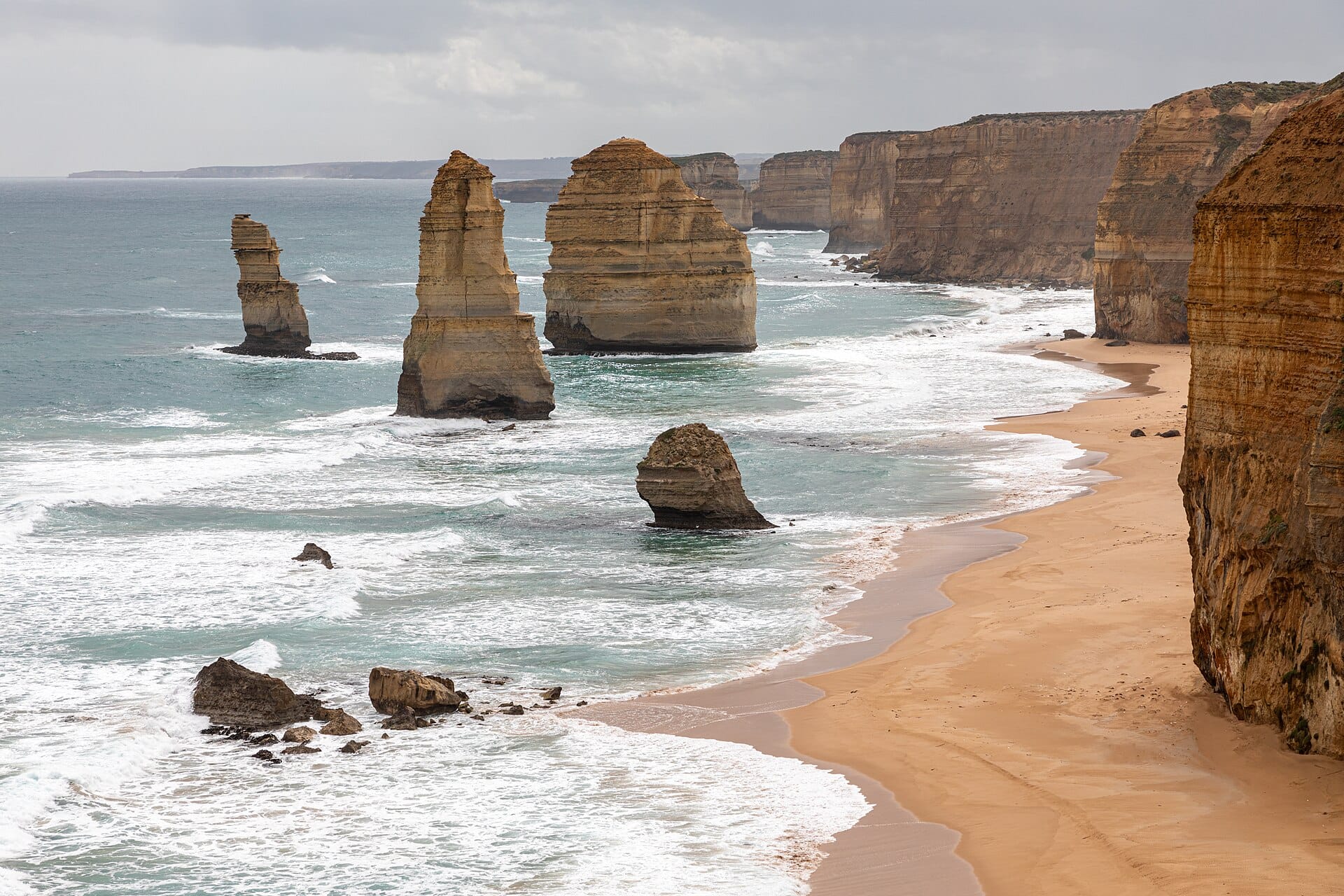
Australia's most scenic memorial — built by returned First World War soldiers — curls for 240 kilometres past surf towns, koala-hung eucalypts and the Twelve Apostles, limestone stacks that glow apricot at dusk.
- Best forRoad-trippers · Photographers · Couples
- In March21°C · 6 rainy days
- Ideal stay3 days
- Approx. flying time~15h 45m from Los Angeles
- CurrencyAUDAustralian dollar
- LanguageEnglish
- Local time21:1610h ahead of the UK
- PlugsType IBring an adapter
- Drive on theLeftSame as the UK
- Dialling code+61
Why go
Two hundred and forty kilometres of coast road between Torquay and Allansford, built by returned soldiers in the 1920s as a war memorial. The eastern half hugs cliffs above surf beaches and eucalypt forest, while the western half opens onto the Shipwreck Coast, where limestone stacks stand offshore in permanent spray. The road is slow, winding and rarely straight for more than a moment.
Three days is the right length, driving west from Melbourne so the ocean stays on the near side, with nights at Apollo Bay and Port Fairy. A single day trip is possible and almost universally regretted. Summer is busy and the fire risk is real; autumn and spring bring softer light and quieter viewpoints. Whales pass Warrnambool between June and September.
- Ideal stay
- 3 days
- The vibe
- Windswept, cinematic, ocean-side
From our guides
Australia's south-coast classic saves its trump card for the end: the Twelve Apostles, limestone towers standing in the Southern Ocean's spray. Before that come surf beaches, eucalyptus forests full of dozing koalas at Kennett River and lighthouse headlands. Two or three days from Melbourne is ideal. Sunset or helicopter for the Apostles — ideally both, honestly.
Featured in Ten coastal drives for a honeymoon on wheels and Ten epic road trips for your someday list
Things to do
-
The Twelve Apostles
Limestone stacks standing in the Southern Ocean, seen from clifftop boardwalks. Sunrise gives you the colour and none of the coach traffic.
-
Loch Ard Gorge
A narrow inlet with steps down to a beach, named after an 1878 wreck whose only two survivors washed up here.
-
Koalas at Kennett River
Wild koalas doze in the manna gums along Grey River Road, and king parrots will land on anything holding food.
-
Great Otway National Park
Rainforest, tree ferns and waterfalls behind the coast, with a treetop walkway and the Cape Otway lighthouse at the end of the road.
-
Bells Beach
The surf break near Torquay that has hosted a professional contest every Easter for decades. A viewing platform sits above the point.
-
Port Fairy
A whitewashed fishing town at the quiet western end, with a boardwalk round Griffiths Island and a shearwater colony on it.
Getting there
-
Fly to
Melbourne (MEL)
Nearest airport to Great Ocean Road, about 87km away as the crow flies.
-
Then
To Lorne
About an hour and a half by car from Avalon airport (AVV) near Geelong to Lorne, going through Torquay to join the coast road. From Melbourne Tullamarine allow closer to two and a half hours.
-
On the ground
Getting around
The road is the destination: 240 kilometres from Torquay to Allansford, best done over two or three days with nights at Lorne, Apollo Bay and Port Fairy. Driving west keeps the ocean on your side, and the Twelve Apostles are about three hours beyond Lorne.
Public transport: A regional coach service links Geelong, Lorne and Apollo Bay, but it runs a couple of times a day and does not stop where the views are.
Flights
Los Angeles Great Ocean Road, Australia
Fly from anywhere — search 4,000+ airports worldwide.
Roughly 15h 45m in the air from Los Angeles (LAX), estimated from the distance — check for a direct route. Pick a month to see every available flight with live prices.
Check dates and prices
Pick your departure date, then your return.
Search flightsNot sure when? Compare fares across a whole month.
Flight times are estimates; prices open on Google Flights.
When to go
Daytime highs run from about 13°C in July to 23°C in January. Driest in February; wettest in July, with rain on about 11 days.
The year at a glance — pick a month for detail
March21° · rain 6 daysMild with the odd shower.
Monthly figures averaged from daily records for 2020–2024 at this location (ERA5 reanalysis). Highlighted months are warm and mostly dry — February and March. Live conditions from MET Norway, CC BY 4.0.
Where to stay
Motels, holiday houses and caravan parks, with a few boutique guesthouses in Lorne and Port Fairy. Self-catering is the norm and large hotels barely exist along the coast.
-
Best base overall
Lorne
The liveliest of the surf towns, ninety minutes from Melbourne, with a proper main street, a swimming beach and waterfall walks behind it. Book far ahead over summer.
Find stays in Lorne -
Best with children
Apollo Bay
A sheltered bay, a harbour, playgrounds and a supermarket, midway along and handy for the Otways rainforest. It is a working town rather than a pretty one.
Find stays in Apollo Bay -
Closest to the sights
Port Campbell
A tiny place a few minutes from the Twelve Apostles, which is how you reach them at sunrise before the coaches arrive. The choice of rooms and dinner is limited.
Find stays in Port Campbell -
Quietest
Port Fairy
The far western end, a historic fishing port of wide streets and cottages, well past where most day trips turn around. Two hours from the Apostles, and worth the detour.
Find stays in Port Fairy
Worth knowing before you book: Australian school holidays over Christmas and January fill every town and bring minimum stays. Fuel and mobile signal both thin out west of Apollo Bay.
Search everything else in Lorne by budget. These are indicative budget bands in GBP per night for two people, not live quotes or guarantees of hotel type. Check your dates, guests, taxes and final price on Booking.com.
Good to know
- Driving
- Driving is on the left, the road is winding and average speeds are low. Allow far longer than the distance suggests and use the turnouts.
- Timing
- Coaches from Melbourne reach the Apostles between eleven and three. Sunrise and late afternoon are quieter and much better lit.
- Safety
- Beaches are exposed and rips are common, so swim only at patrolled beaches. Check fire danger ratings before setting out in summer.
- Pack this
- Layers and a waterproof. The Southern Ocean makes its own weather, and it can be cold and windy in any month of the year.
- Book ahead
- Accommodation in Apollo Bay, Port Campbell and Lorne fills through summer and Easter. Book before you leave Melbourne.
Similar places
Further afield
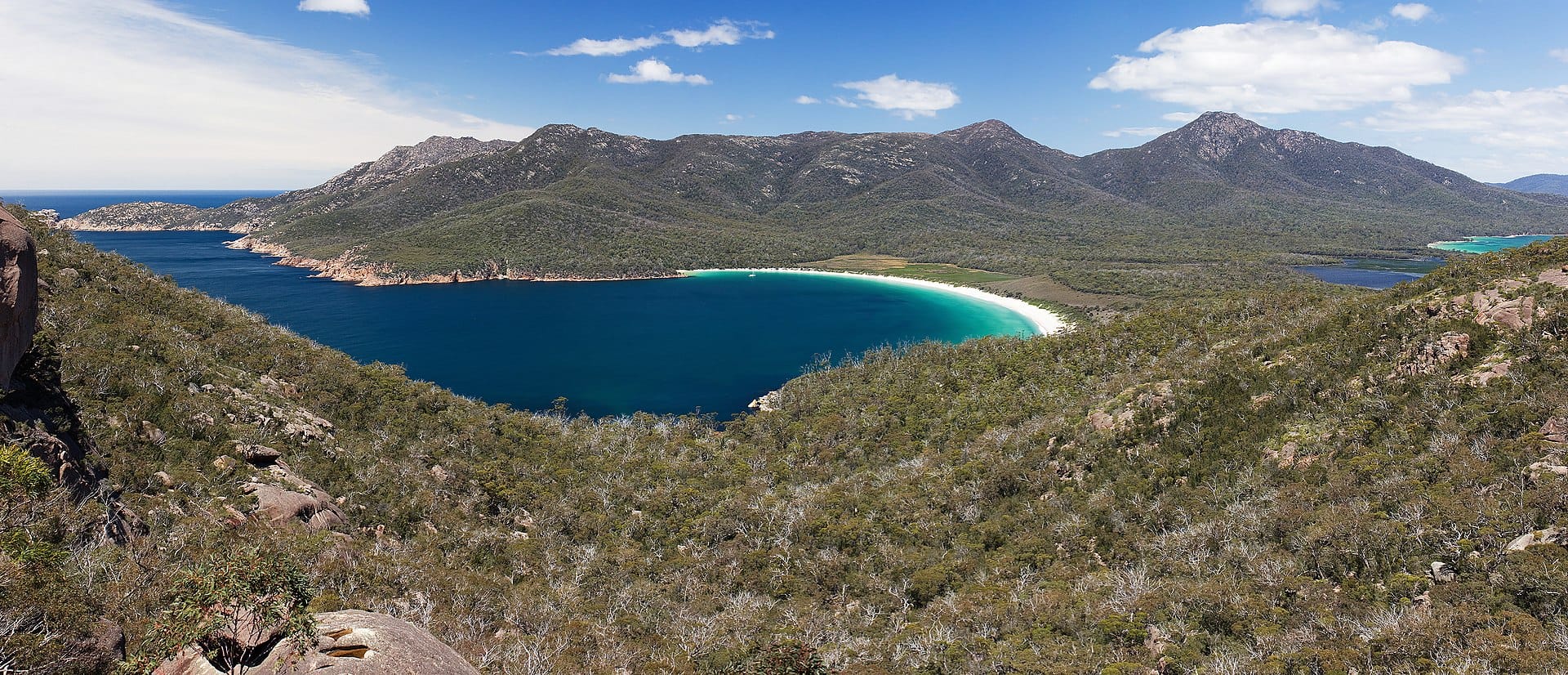
Wineglass Bay
Tasmania, Australia · 544km away →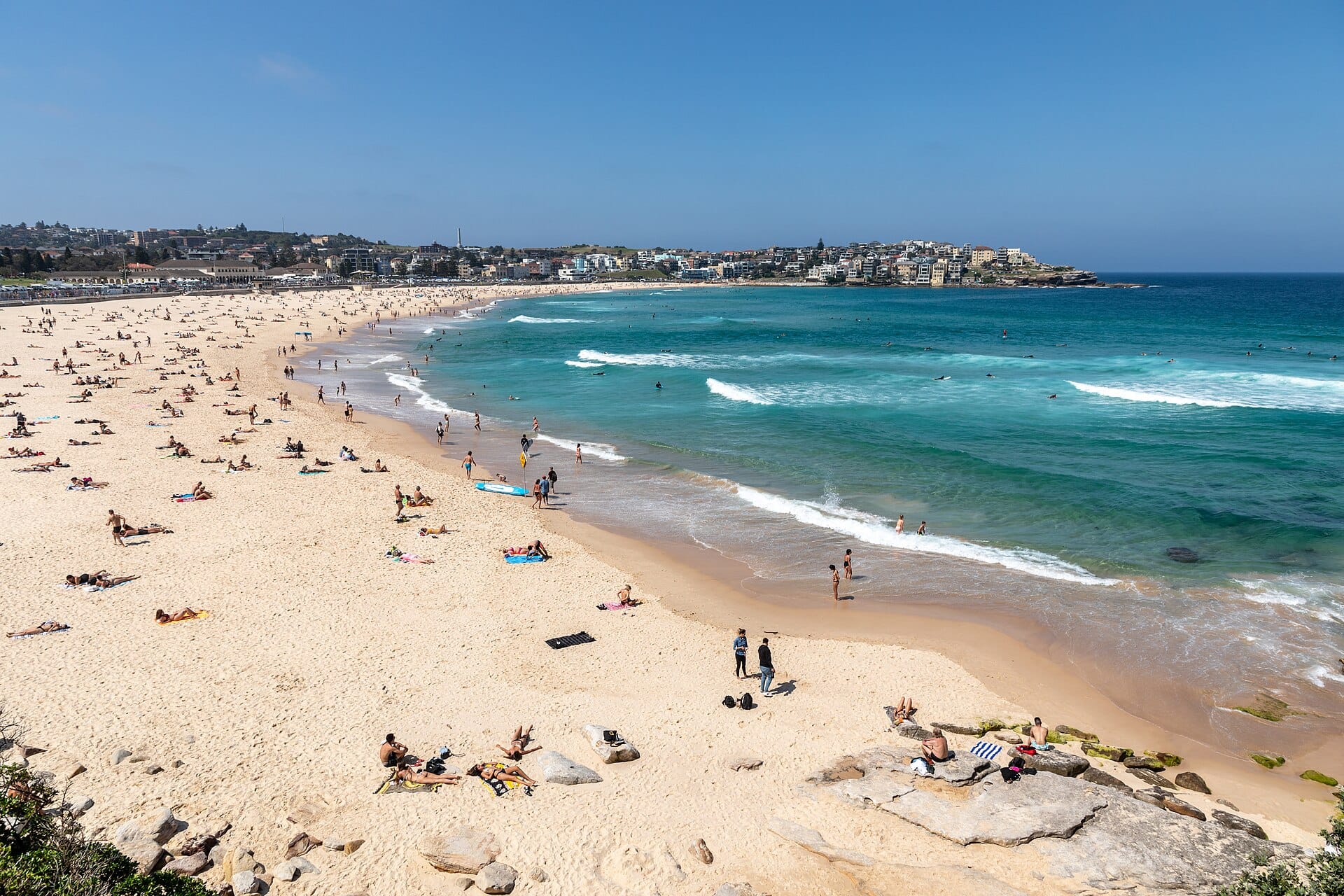
Sydney
Australia · 794km away →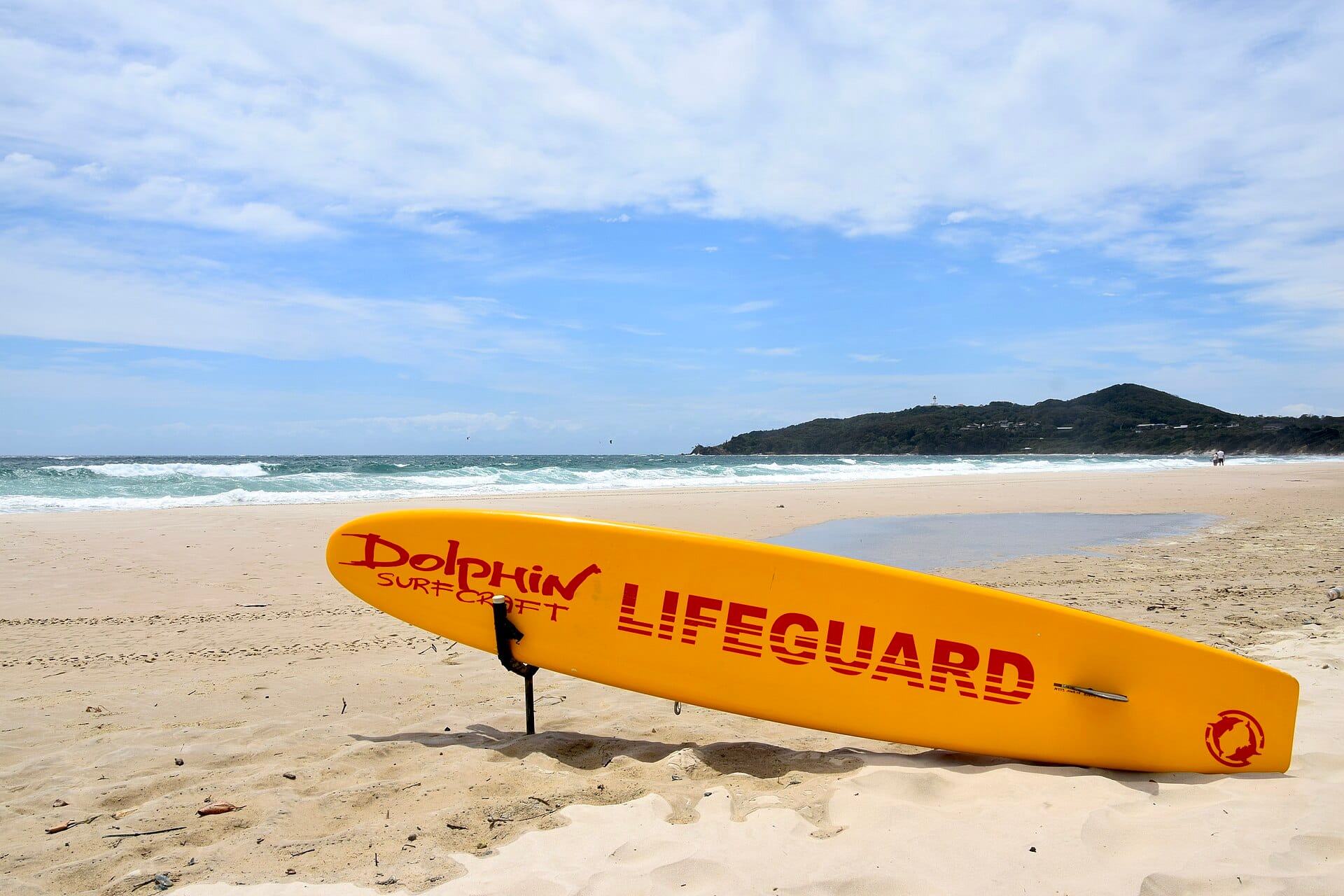
Byron Bay
New South Wales, Australia →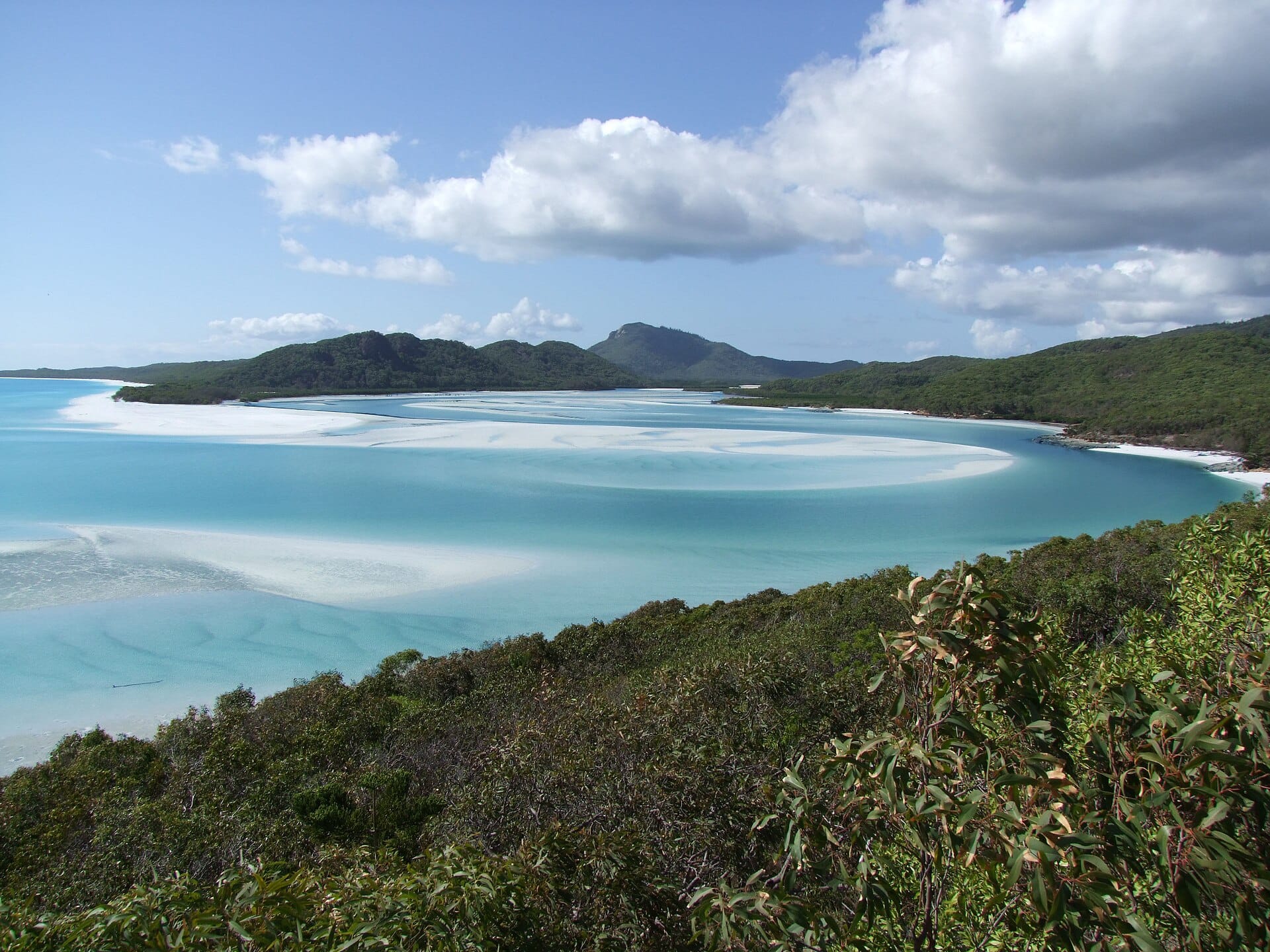
Whitehaven Beach
Whitsundays, Australia →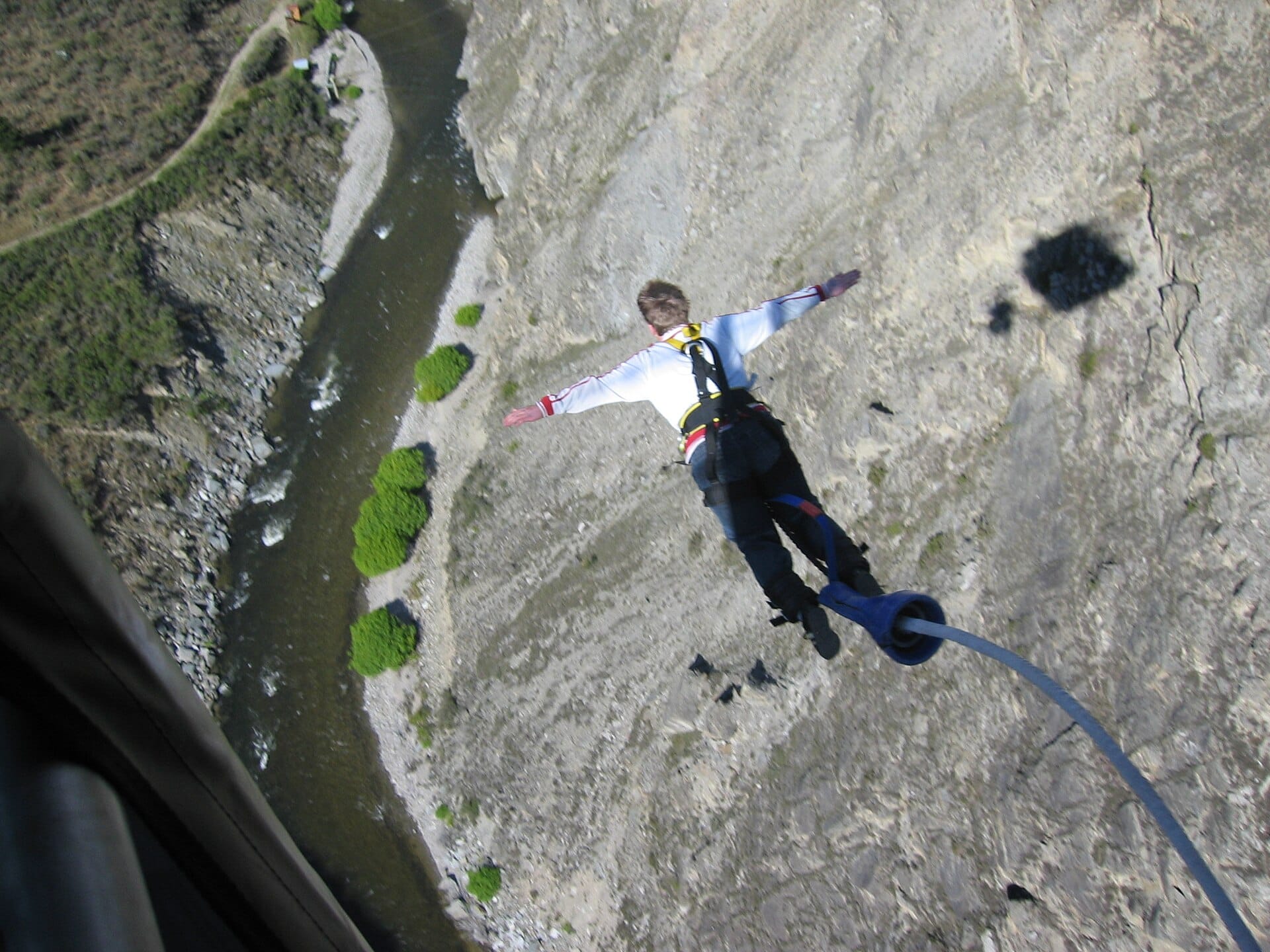
Bungee jumping
Queenstown, New Zealand →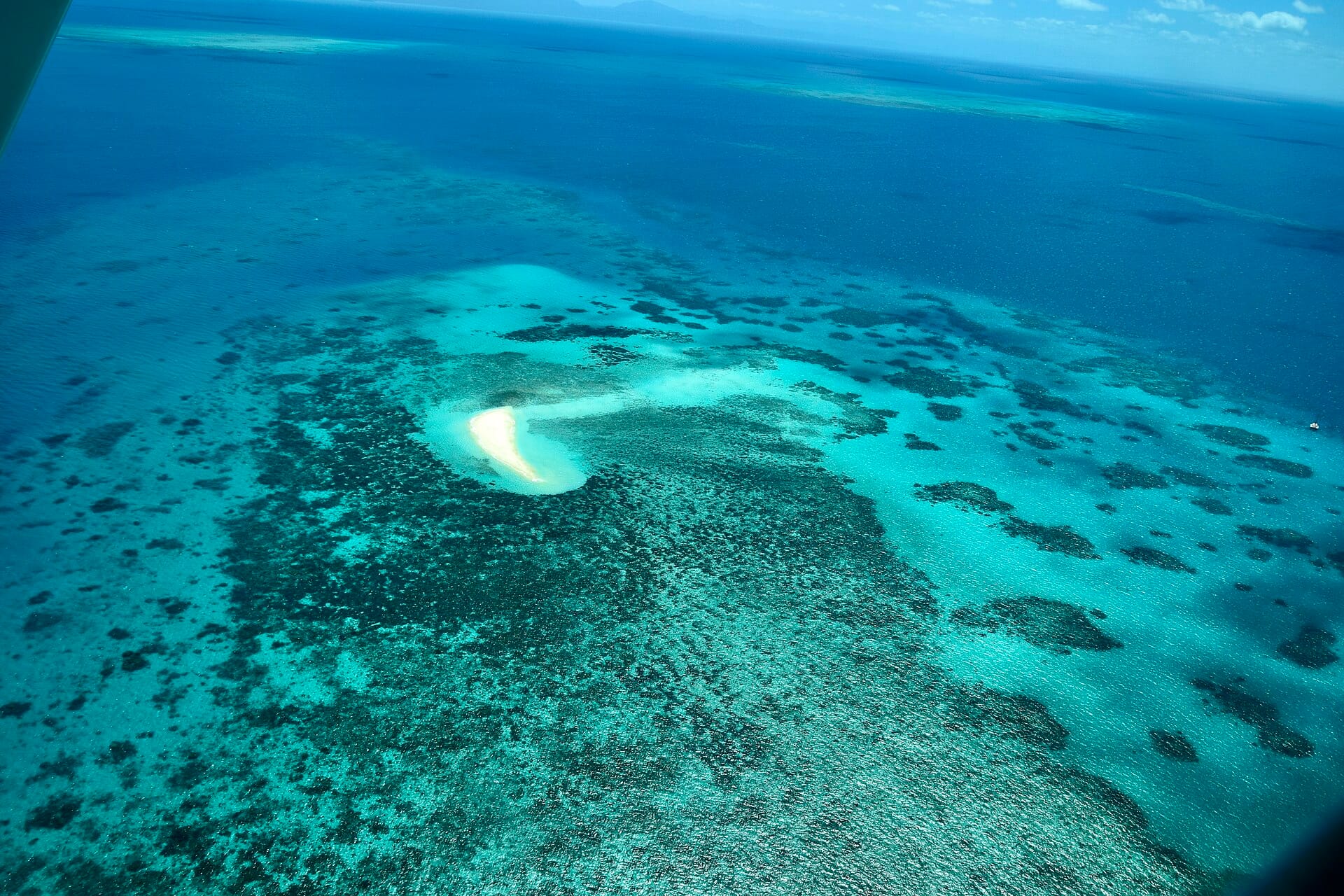
Cairns
Australia →Elsewhere in Australia
Related articles
Quick answers
When is the best time to visit Great Ocean Road?
For warm, mostly dry days, February and March. That means highs of 20–34°C with rain on six days a month or fewer. Daytime highs run from about 13°C in July to 23°C in January. Driest in February; wettest in July, with rain on about 11 days.
How long should I spend in Great Ocean Road?
Our suggestion: 3 days.
How do I get to Great Ocean Road?
About an hour and a half by car from Avalon airport (AVV) near Geelong to Lorne, going through Torquay to join the coast road. From Melbourne Tullamarine allow closer to two and a half hours.
Do I need a car in Great Ocean Road?
Yes, a car makes a real difference here. A regional coach service links Geelong, Lorne and Apollo Bay, but it runs a couple of times a day and does not stop where the views are.
What currency and language are used in Great Ocean Road?
Currency: Australian dollar (AUD). Language: English. Plugs: type I.
Who is Great Ocean Road best for?
Best for road-trippers, photographers and couples. In a phrase: windswept, cinematic, ocean-side.