
Galápagos Islands
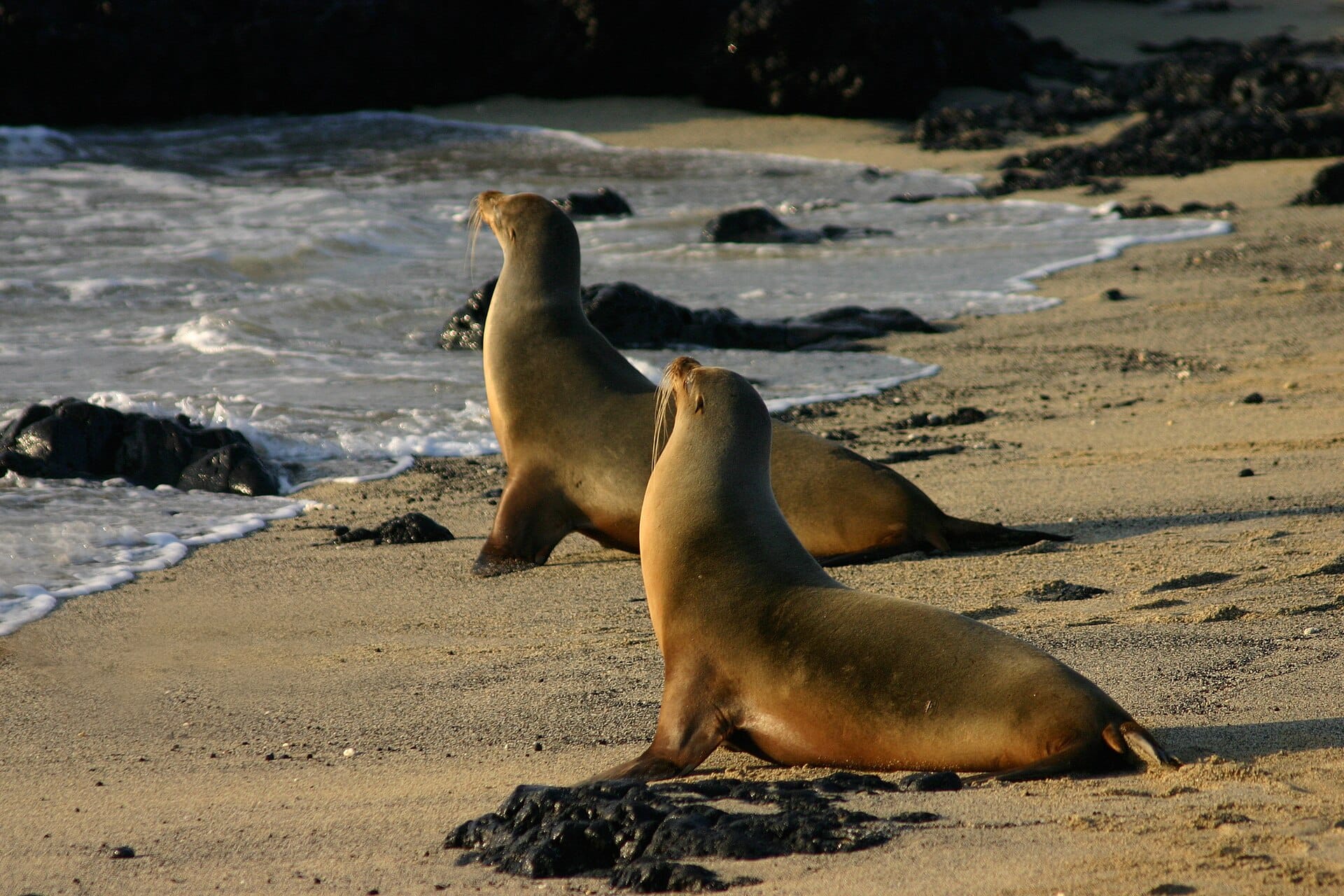
The Galápagos remains the world's most obliging wildlife destination because the animals never learned fear: boobies dance beside the trail, marine iguanas sneeze salt at your feet and sea lions photobomb every snorkel.
- Best forWildlife & nature · Photographers · Adventure seekers
- In November24°C · 14 rainy days · sea 24°C
- Ideal stay8–10 days
- Approx. flying time~6h 20m from Los Angeles
- CurrencyUSDUS dollar
- LanguageSpanish
- Local time04:127h behind the UK
- PlugsType A / BBring an adapter
- Drive on theRightOpposite to the UK
- Dialling code+593
Why go
An archipelago of volcanic islands roughly a thousand kilometres off Ecuador, sitting where cold and warm currents collide. The landscapes are stark, all lava field, cactus and pale beach, and the interest lies entirely in the animals, which have no instinct to flee. Sea lions, marine iguanas, boobies and giant tortoises are seen at conversational distance, on marked trails and always with a licensed guide.
There are two ways to do it. A live-aboard cruise reaches outer islands and landing sites no day boat can, while a land-based trip from Puerto Ayora with daily tours costs considerably less and suits most first-timers. Flights come via Quito or Guayaquil and a national park fee is payable on arrival. December to May is warmer and calmer, June to November cooler and richer.
- Ideal stay
- 8–10 days
- The vibe
- Raw, elemental, wildlife at arm's length
From our guides
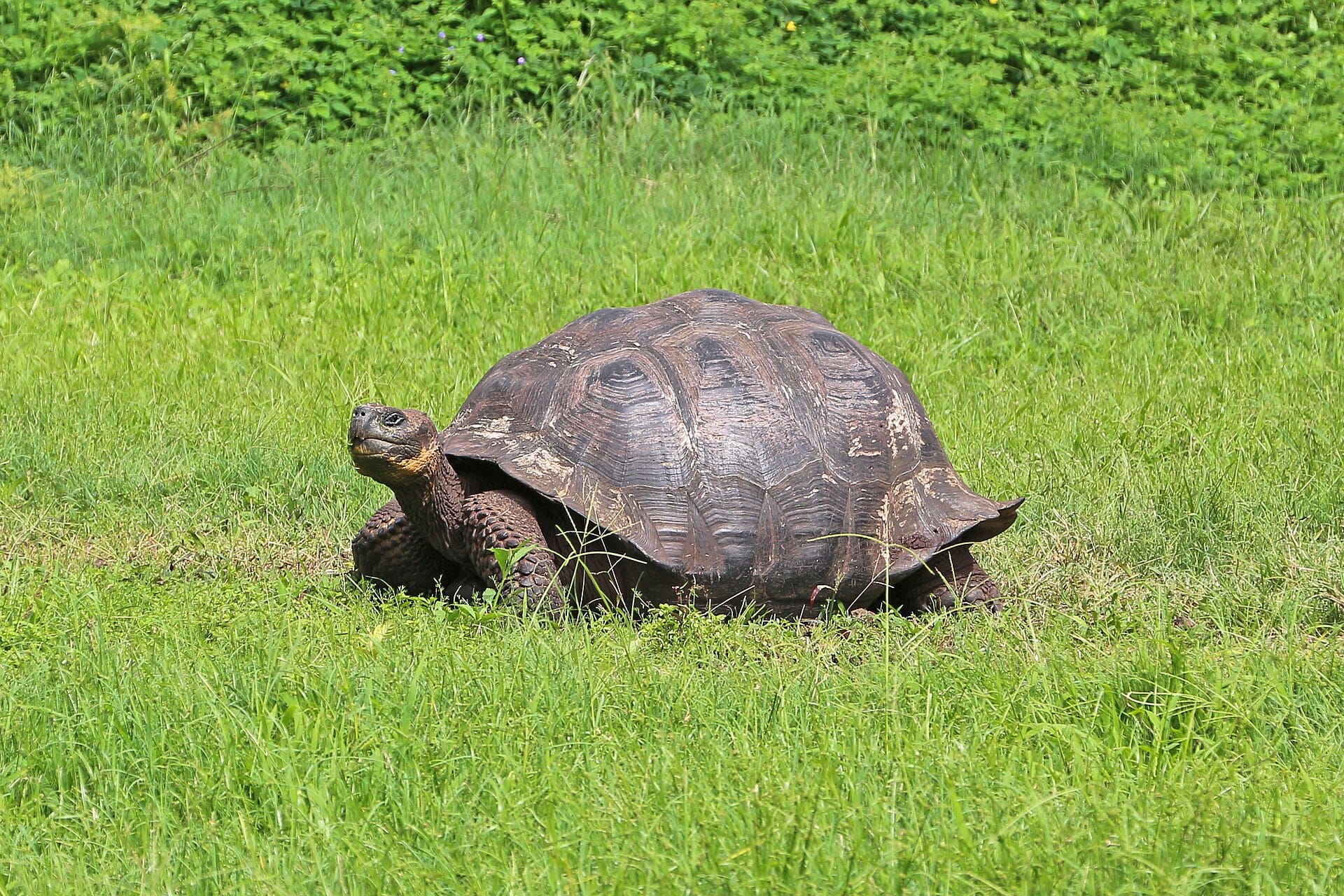
Giant tortoises lumber through the Santa Cruz highlands like furniture on the move. Cruises see more islands, but land-based trips from Puerto Ayora cost roughly half as much — a fair trade for most first-timers.
Featured in Ten wild tropical trips for animal lovers
Things to do
-
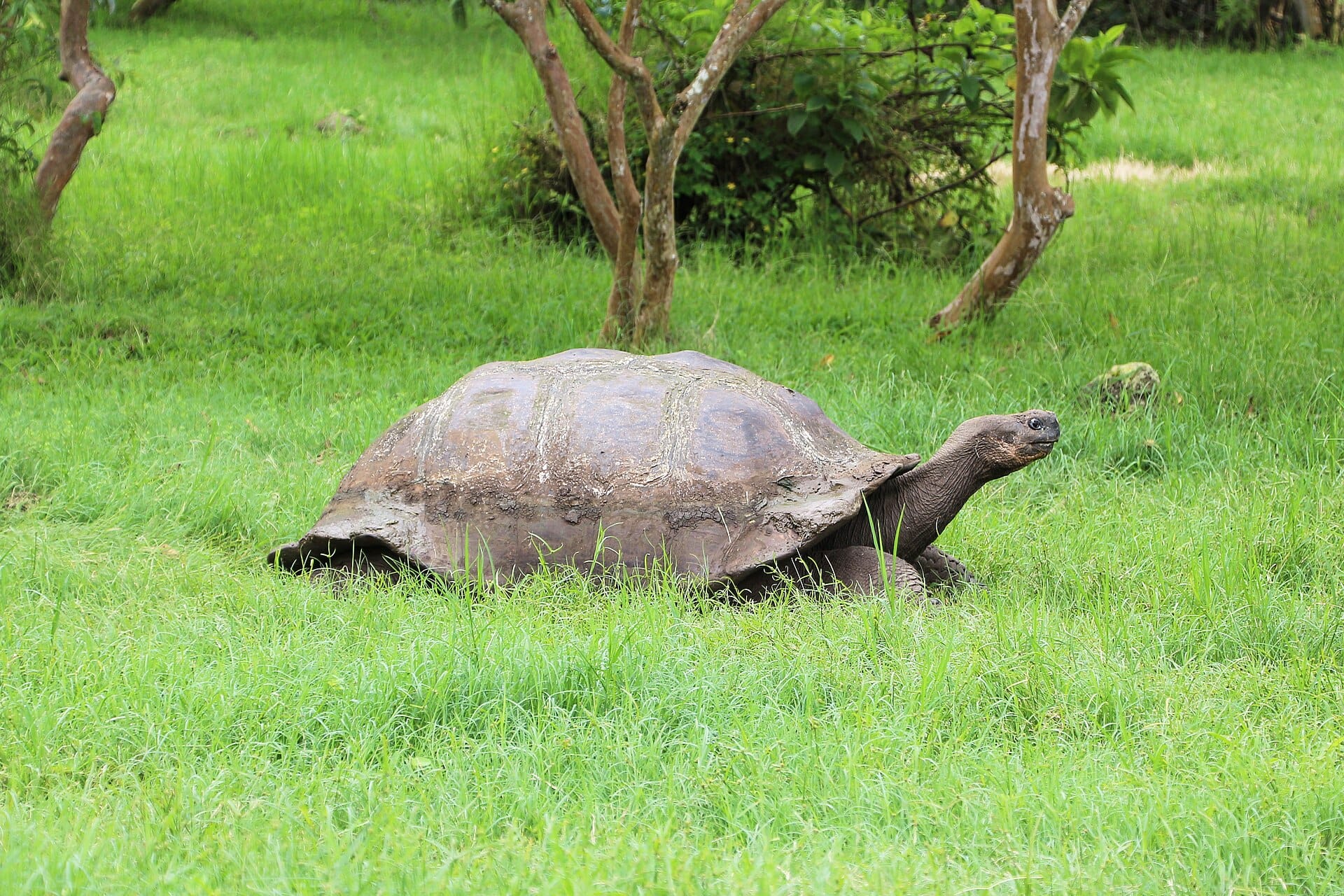
Highland giant tortoises
Wild tortoises graze farmland and ponds in the damp interior of Santa Cruz, where you walk among them with a guide. Boots are advisable in the mud.
-
Snorkelling with sea lions
Young sea lions approach swimmers in sheltered bays and behave rather like dogs. Penguins and green turtles turn up in the same water.
-
Bartolomé and Pinnacle Rock
A wooden staircase climbs over lava fields to the archipelago's most recognisable view, out across twin crescent bays.
-
Española's albatross colony
The entire world population of waved albatross nests on this one island between roughly April and December, alongside blue-footed boobies.
-
Charles Darwin Research Station
The tortoise breeding programme and interpretation centre on the edge of Puerto Ayora, useful context before heading into the field.
-
Sierra Negra on Isabela
A hike to the rim of one of the world's larger volcanic calderas, with fumaroles and young lava fields on the far side.
Getting there
-
Fly to
Isla Baltra (GPS)
Nearest airport to Galápagos Islands, about 22km away as the crow flies.
-
Then
To Puerto Ayora
Flights land at Baltra (GPS) from Quito or Guayaquil. From the terminal it is a shuttle bus, a short ferry across the Itabaca Channel and then about 45 minutes by bus or taxi across Santa Cruz to Puerto Ayora, roughly two hours all told.
-
On the ground
Getting around
Puerto Ayora is small and walkable, with water taxis in the harbour. Everything else happens by boat, either day tours to nearby sites or the inter-island speedboats to Isabela and San Cristobal, which take a couple of bumpy hours.
Public transport: Buses and shared taxis cover the Santa Cruz highlands road; between islands the passenger boats are the public transport, and they run to fixed morning and afternoon departures.
Flights
Los Angeles Galápagos Islands, Ecuador
Fly from anywhere — search 4,000+ airports worldwide.
Roughly 6h 20m in the air from Los Angeles (LAX), estimated from the distance — check for a direct route. Pick a month to see every available flight with live prices.
Check dates and prices
Pick your departure date, then your return.
Search flightsNot sure when? Compare fares across a whole month.
Flight times are estimates; prices open on Google Flights.
When to go
Daytime highs run from about 23°C in September to 29°C in March. Wettest in May, with rain on about 22 days. The sea is warmest in March at around 29°C, coolest at 24°C.
The year at a glance — pick a month for detail
November24° · rain 14 days · sea 24°Warm and often wet.
Monthly figures averaged from daily records for 2015–2024 at Puerto Ayora (ERA5 reanalysis). Live conditions from MET Norway, CC BY 4.0.
Where to stay
Small family-run hotels and hostales in the three ports, a few upmarket lodges in the Santa Cruz highlands, and cruise cabins if you go by boat. No chains and no resorts.
-
Best base overall
Puerto Ayora
The islands' only real town, with the Darwin station, agencies for day boats and the widest range of rooms and restaurants. Busier and less wild than most people expect.
Find stays in Puerto Ayora -
Best with children
Puerto Baquerizo Moreno
San Cristobal's capital has sea lions asleep on the town beach and an easy interpretation centre walk, so the wildlife happens without a boat ride. Fewer day-trip options than Santa Cruz.
Find stays in Puerto Baquerizo Moreno -
Quietest
Puerto Villamil
Isabela's sand-street village faces a flamingo lagoon and a beach you can walk for an hour. The crossing over is long and choppy, and choice is limited once you arrive.
Find stays in Puerto Villamil -
Best value
Bellavista
The highland village above Puerto Ayora is cooler, greener and cheaper, with wild tortoise reserves a short walk away. You will be catching buses or taxis down to the harbour each morning.
Find stays in Bellavista
Worth knowing before you book: Day boats to the popular sites have capped numbers and sell out weeks ahead in July, August and around Christmas, so book those before the room.
Search everything else in Puerto Ayora by budget. These are indicative budget bands in GBP per night for two people, not live quotes or guarantees of hotel type. Check your dates, guests, taxes and final price on Booking.com.
Good to know
- Book ahead
- Cruise berths and the better land-based tours sell out months in advance for the high seasons around Christmas and July.
- Timing
- The warm season from December to May brings calmer seas and better snorkelling visibility. The cool season is choppier but busier with seabirds.
- Etiquette
- Park rules require two metres' distance from wildlife, no touching or feeding, and a licensed guide outside the towns. They are enforced.
- Pack this
- Reef-safe sunscreen, a hat and seasickness remedies. Crossings between islands are open ocean and frequently rough.
- Cash or card
- Ecuador uses the US dollar. Cards work in Puerto Ayora, but the park fee and smaller operators run on cash.
Similar places
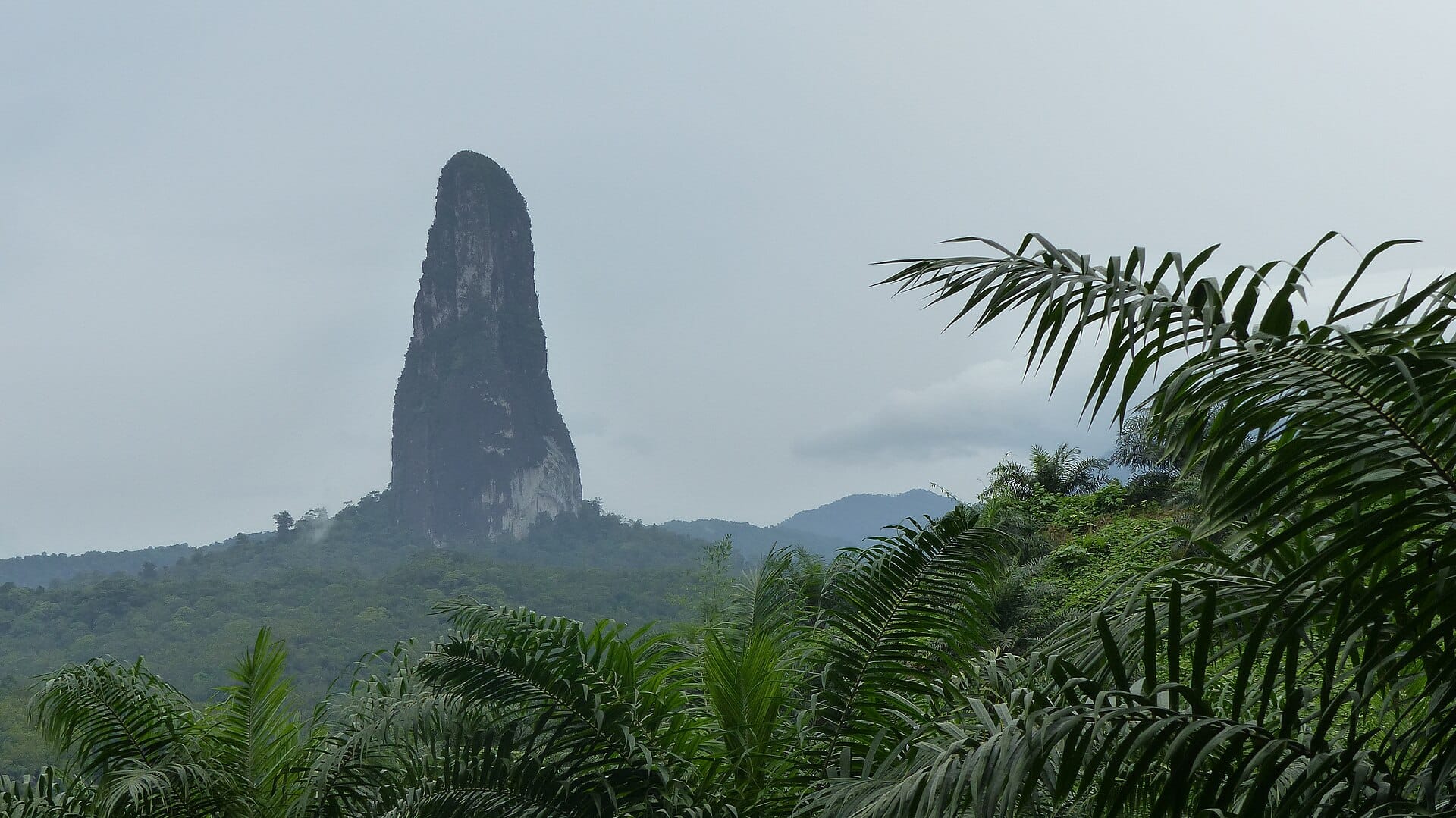
Príncipe
São Tomé and PríncipeAlso for wildlife & nature and adventure seekers · 26°C in November (24°C here) · cheaper to stay
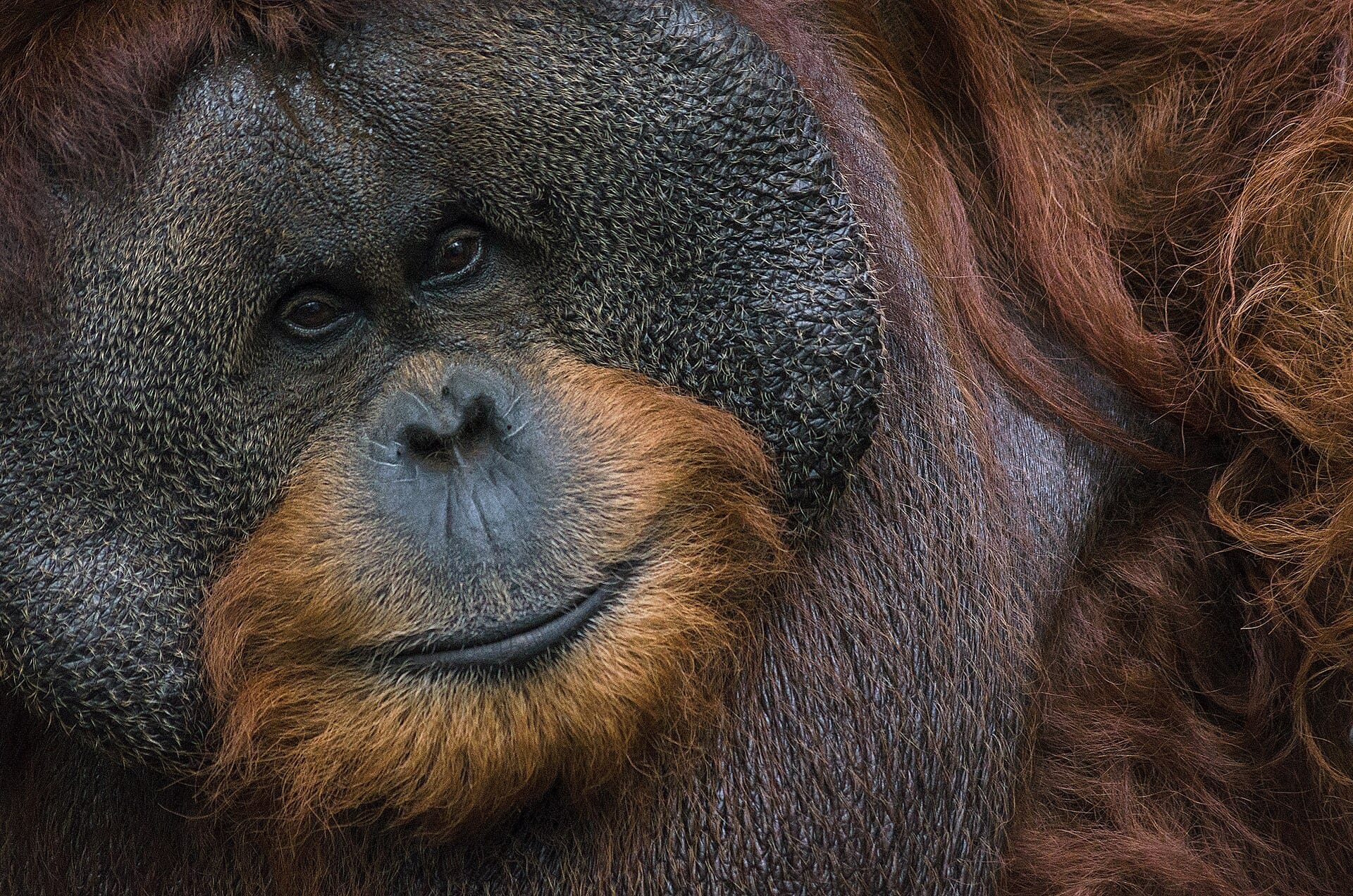
Sabah
Borneo, MalaysiaAlso for wildlife & nature and adventure seekers · 30°C in November (24°C here)
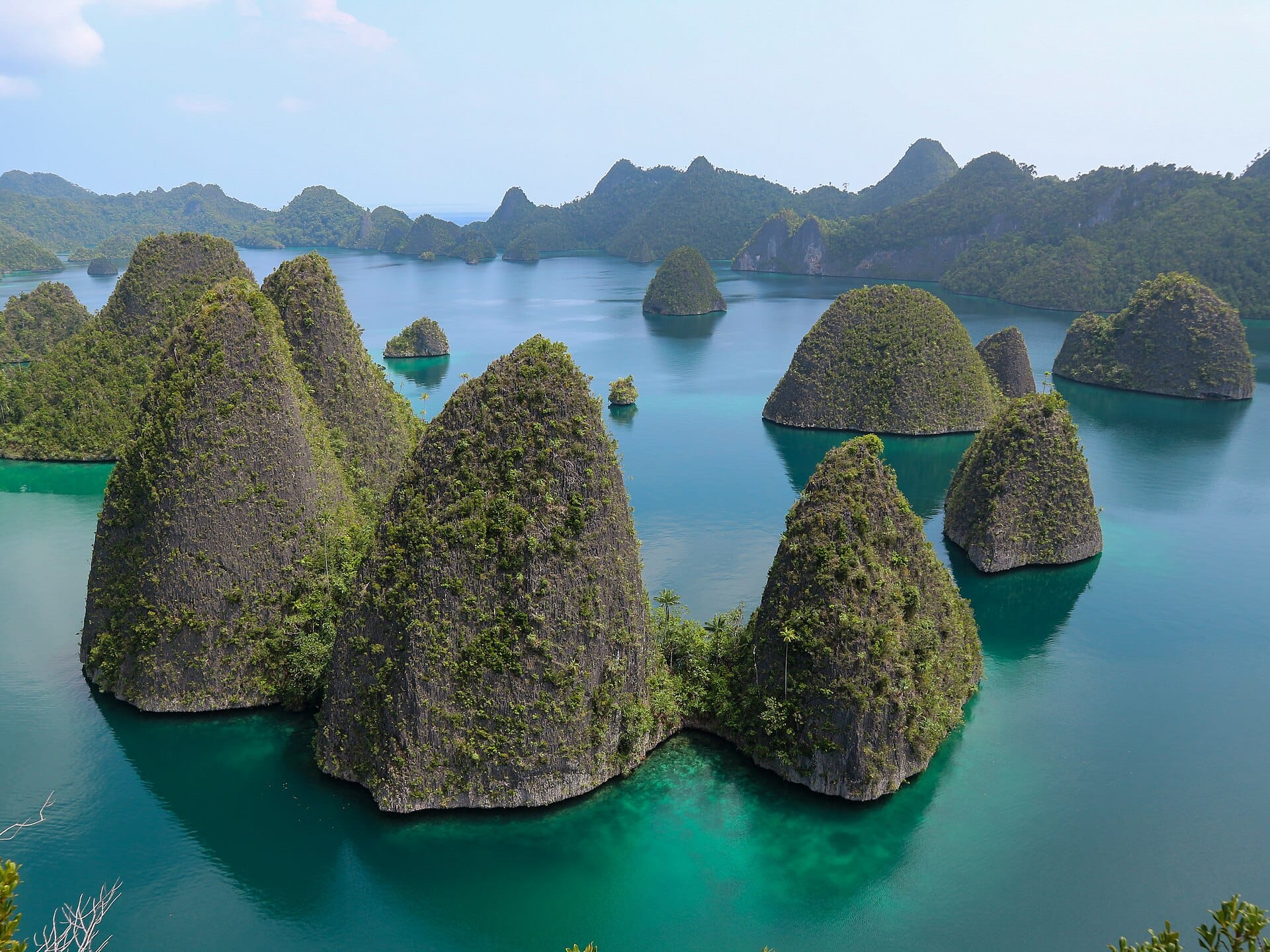
Raja Ampat
IndonesiaAlso for wildlife & nature and adventure seekers · 29°C in November (24°C here) · cheaper to stay
Nearby destinations
Related articles
Quick answers
When is the best time to visit Galápagos Islands?
Daytime highs run from about 23°C in September to 29°C in March. Wettest in May, with rain on about 22 days. The sea is warmest in March at around 29°C, coolest at 24°C.
How long should I spend in Galápagos Islands?
Our suggestion: 8–10 days.
How do I get to Galápagos Islands?
Flights land at Baltra (GPS) from Quito or Guayaquil. From the terminal it is a shuttle bus, a short ferry across the Itabaca Channel and then about 45 minutes by bus or taxi across Santa Cruz to Puerto Ayora, roughly two hours all told.
Do I need a car in Galápagos Islands?
No. Buses and shared taxis cover the Santa Cruz highlands road; between islands the passenger boats are the public transport, and they run to fixed morning and afternoon departures.
What currency and language are used in Galápagos Islands?
Currency: US dollar (USD). Language: Spanish. Plugs: type A and B.
Who is Galápagos Islands best for?
Best for wildlife & nature, photographers and adventure seekers. In a phrase: raw, elemental, wildlife at arm's length.