
Fuerteventura
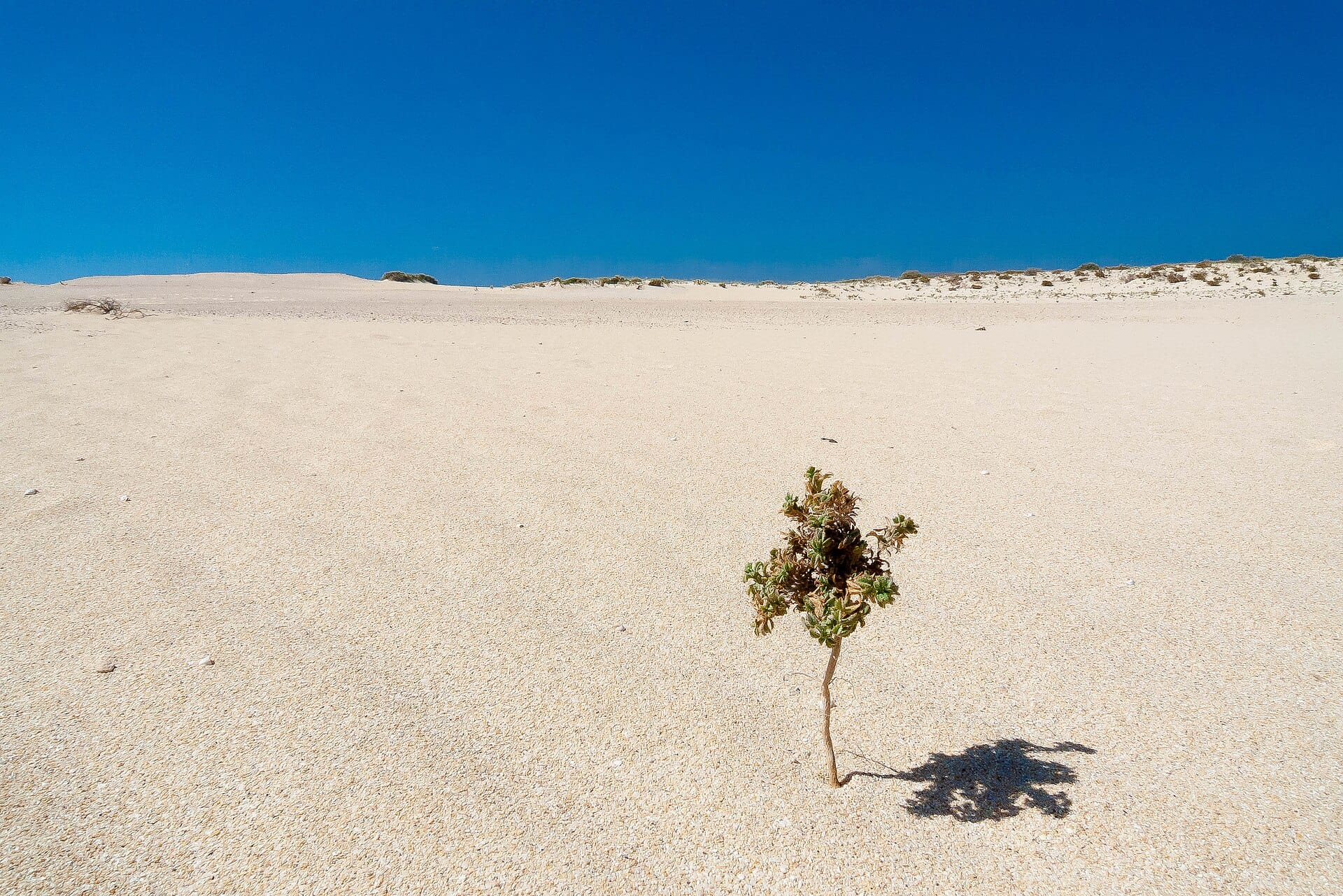
The flattest, sandiest Canary is basically one enormous beach.
- Best forFamilies · Beach lovers · Surfers
- In December21°C · barely any rain
- Ideal stayA week
- Approx. flying time~11h 50m from Los Angeles
- CurrencyEUREuro
- LanguageSpanish
- Local time11:14same time as the UK
- PlugsType C / FBring an adapter
- Drive on theRightOpposite to the UK
- Dialling code+34
Why go
The oldest and driest of the Canaries is also the flattest, a long brown island with more than a hundred beaches around its edges and almost no vegetation in between. Wind is the constant, which is why it has become a kitesurfing centre and why the sea is rarely glassy. The interior is volcanic, empty and oddly beautiful in a way that takes a day to appreciate.
Resorts cluster at Corralejo in the north and on the Jandía peninsula in the south, roughly two hours apart by road. Both work for families, with shallow lagoons for small children and surf schools for teenagers who want a new identity. Temperatures sit in the low twenties even in January, which is the island's main argument. Summer is hotter, windier and more exposed.
- Ideal stay
- A week
- The vibe
- Windswept, sandy, low-key volcanic
From our guides
Corralejo's dunes and lagoons suit small children perfectly at low tide, while the surf schools of the north coast give teenagers a proper challenge and a new identity. Winter sun is the trump card: mid-twenties in February, with whales and dolphins on the ferry crossing to Lanzarote for a change of scene.
Featured in Ten sunshine spots where toddlers and teenagers are equally happy
Things to do
-
Corralejo dunes
A protected belt of white sand dunes along the north-eastern coast, with shallow lagoons at low tide that suit small children well.
-
Isla de Lobos
A tiny volcanic islet a short boat ride from Corralejo, with a walkable crater, clear shallows and a daily cap on visitor numbers.
-
Cofete beach
A wild twelve-kilometre strand behind the Jandía mountains, reached by a rough track. Spectacular to look at and dangerous to swim.
-
Betancuria
The island's former capital, a small white village in the interior with a church, craft shops and a fine mountain road leading to it.
-
El Cotillo lagoons
Sheltered pools behind reefs on the north-west coast, calm enough for paddling when the ocean beaches are far too rough.
-
Whales on the crossing
The ferry channel to Lanzarote and boat trips off the coast regularly produce dolphins, with pilot whales in the deeper water.
Getting there
-
Fly to
El Matorral (FUE)
Nearest airport to Fuerteventura, about 15km away as the crow flies.
-
Then
To Corralejo
About 40 minutes by car north from Fuerteventura airport (FUE) to Corralejo, or an hour on the island bus. Caleta de Fuste and the Jandia resorts in the south are 15 minutes and about an hour respectively.
-
On the ground
Getting around
Corralejo's town beaches and the dunes are walkable, but the wilder south and west coasts need wheels. Ferries from Corralejo harbour cross to Lanzarote in about half an hour.
Public transport: Island buses link the main towns reliably enough, but they thin out badly for beaches and villages off the main roads.
Flights
Los Angeles Fuerteventura, Canary Islands
Fly from anywhere — search 4,000+ airports worldwide.
Roughly 11h 50m in the air from Los Angeles (LAX), estimated from the distance — check for a direct route. Pick a month to see every available flight with live prices.
Check dates and prices
Pick your departure date, then your return.
Search flightsNot sure when? Compare fares across a whole month.
Flight times are estimates; prices open on Google Flights.
When to go
Daytime highs run from about 20°C in January to 28°C in August. Rain is rare in any month.
The year at a glance — pick a month for detail
December21° · rain 1 dayMild and dry.
Monthly figures averaged from daily records for 2020–2024 at this location (ERA5 reanalysis). Live conditions from MET Norway, CC BY 4.0.
Where to stay
Mostly mid-range beach hotels and self-catering apartment blocks, plus a scattering of surf hostels in the north. A few big all-inclusives at the southern end, and almost no rural boutique stays.
-
Best base overall
Corralejo
The northern resort town has the widest choice of restaurants, the Lanzarote ferry from its harbour and the dune national park on its doorstep. The old quarter keeps some charm; the strip behind it does not.
Find stays in Corralejo -
Best with children
Caleta de Fuste
A purpose-built bay ten minutes from the airport, with a sheltered beach, flat promenades for buggies and shallow water throughout. Evenings are bland, which matters less than it sounds when everyone is asleep by nine.
Find stays in Caleta de Fuste -
Best value
El Cotillo
Apartments and small guesthouses on the north-west corner cost well below Corralejo rates, and the lagoons are the island's best paddling. Buses are thin, so budget for a hire car.
Find stays in El Cotillo -
Quietest
Costa Calma
Strung along the isthmus before the Jandia peninsula, with enormous empty sand and hotels set back from it. The wind is constant, which is why windsurfers love it and sunbathers sometimes do not.
Find stays in Costa Calma
Worth knowing before you book: February half term and Christmas fill first, and hire cars sell out before the rooms do, so book the car at the same time as the flight.
Search everything else in Corralejo by budget. These are indicative budget bands in GBP per night for two people, not live quotes or guarantees of hotel type. Check your dates, guests, taxes and final price on Booking.com.
Good to know
- Pack this
- Windproof layers and beach shoes. The trade wind blows almost daily and sand at speed is not comfortable to sit in.
- Driving
- A hire car is the only way to see the island properly and the main roads are fast and empty. The Cofete track needs care and many rental agreements exclude it.
- Safety
- Atlantic currents on the west and south-facing beaches are strong. Swim where there are lifeguards and flags, particularly with children.
- Timing
- Winter is peak season for northern Europeans, with highs around 22°C. Book flights and cars well ahead for February half term.
- With kids
- The shallow lagoons at Corralejo and El Cotillo are the reliable options at low tide. Ocean beaches can be too rough for young swimmers.
Similar places
Nearby destinations
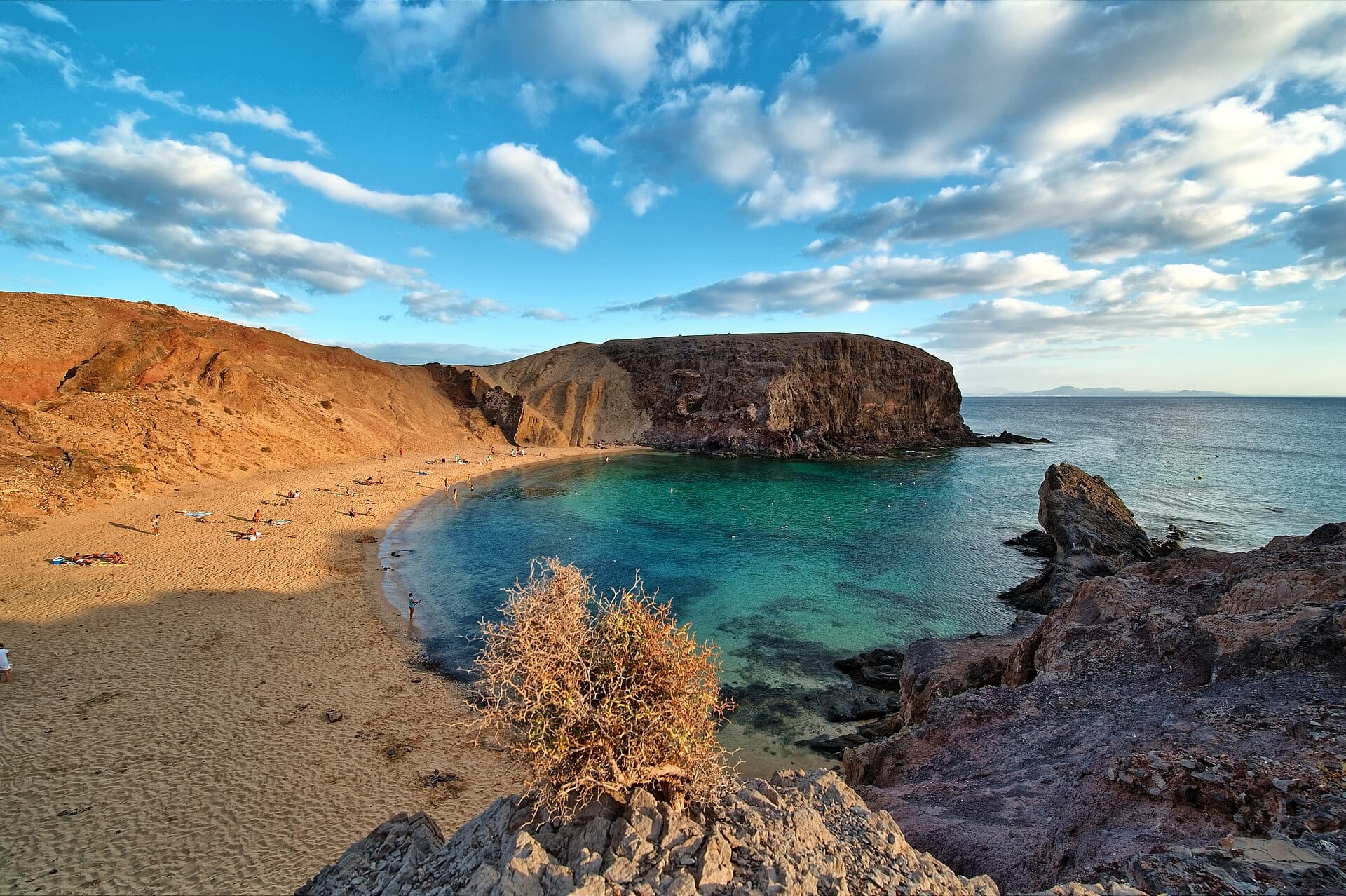
Playa Blanca
Lanzarote, Canary Islands · 54km away →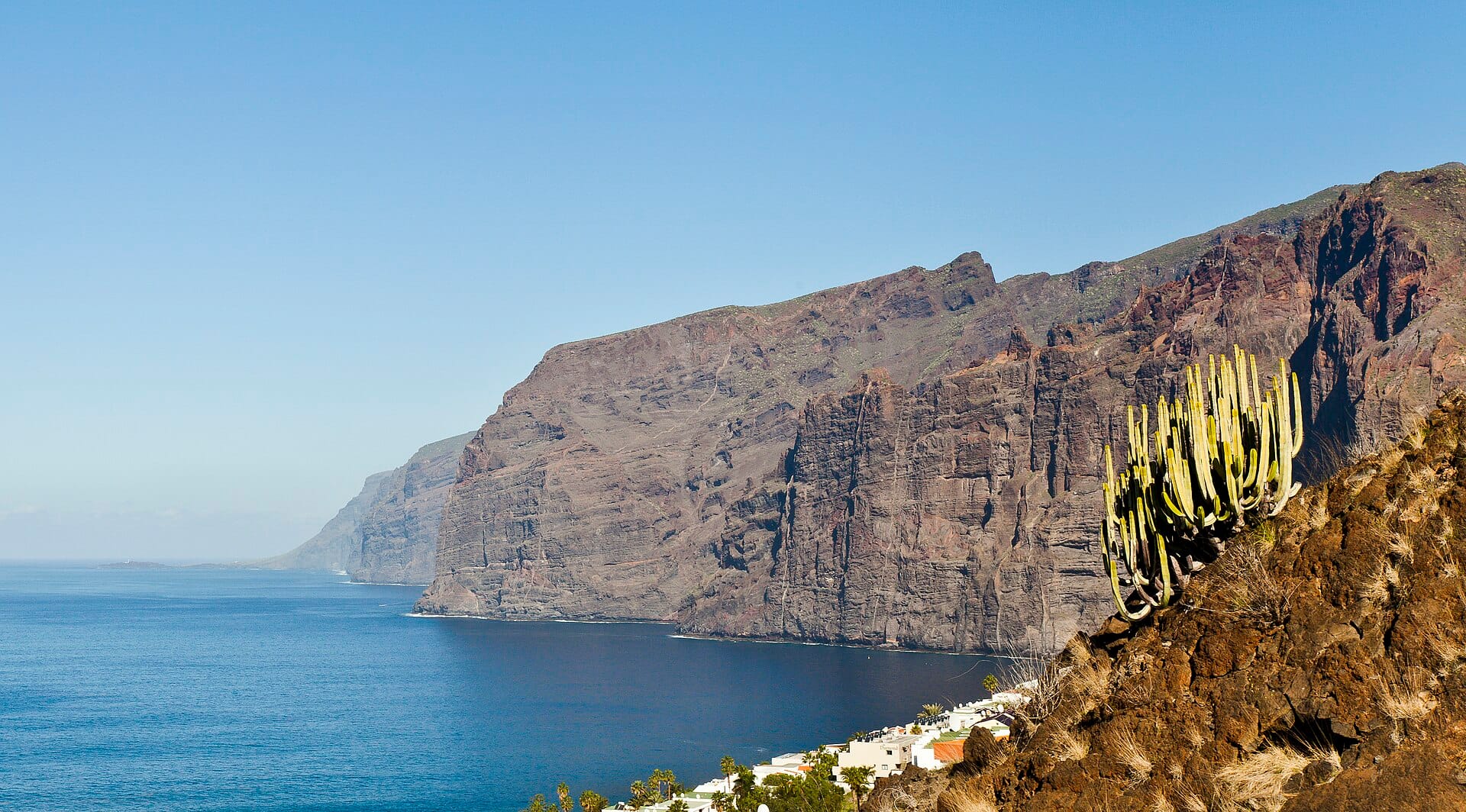
Tenerife
Canary Islands · 256km away →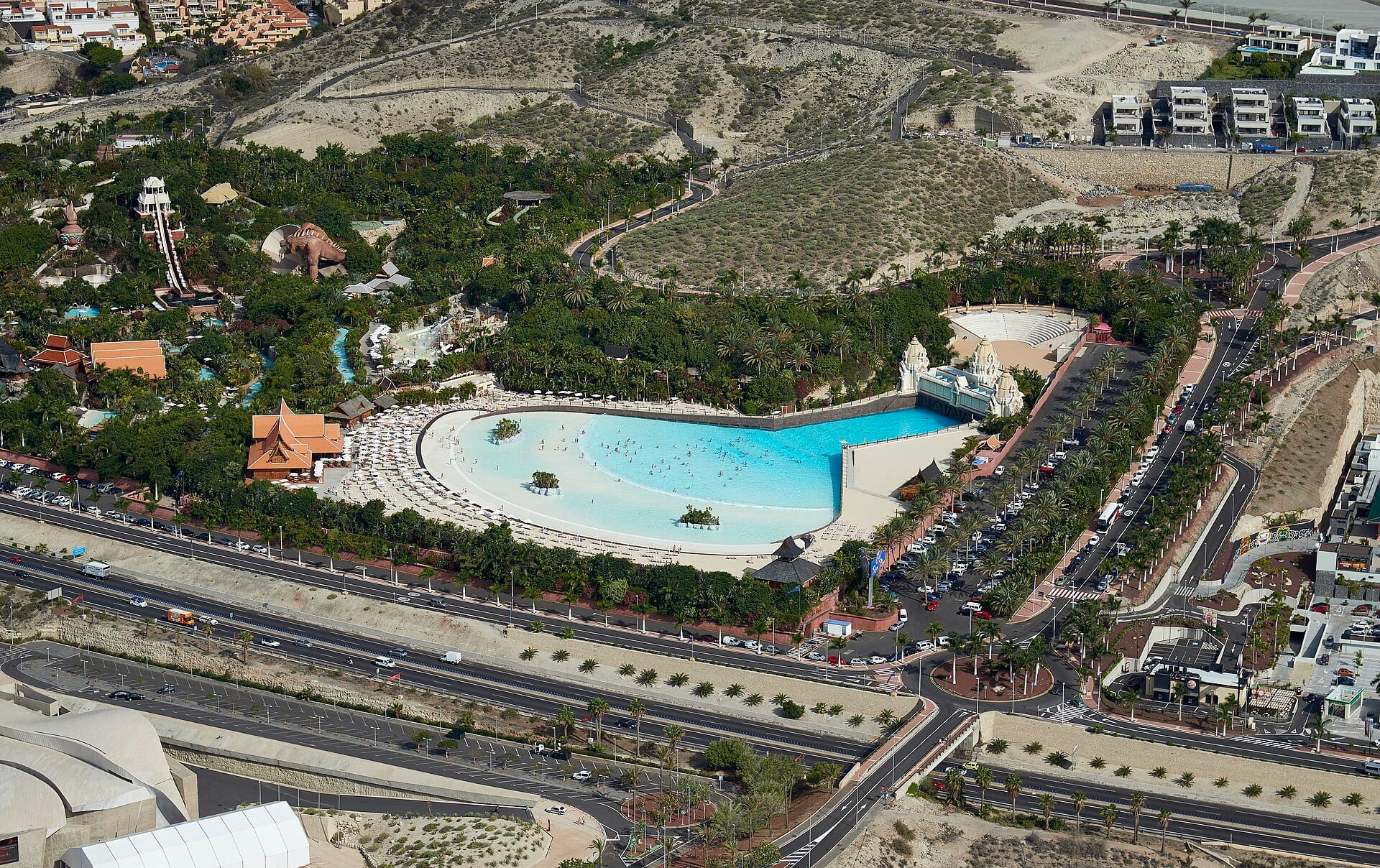
Siam Park
Tenerife, Canary Islands · 269km away →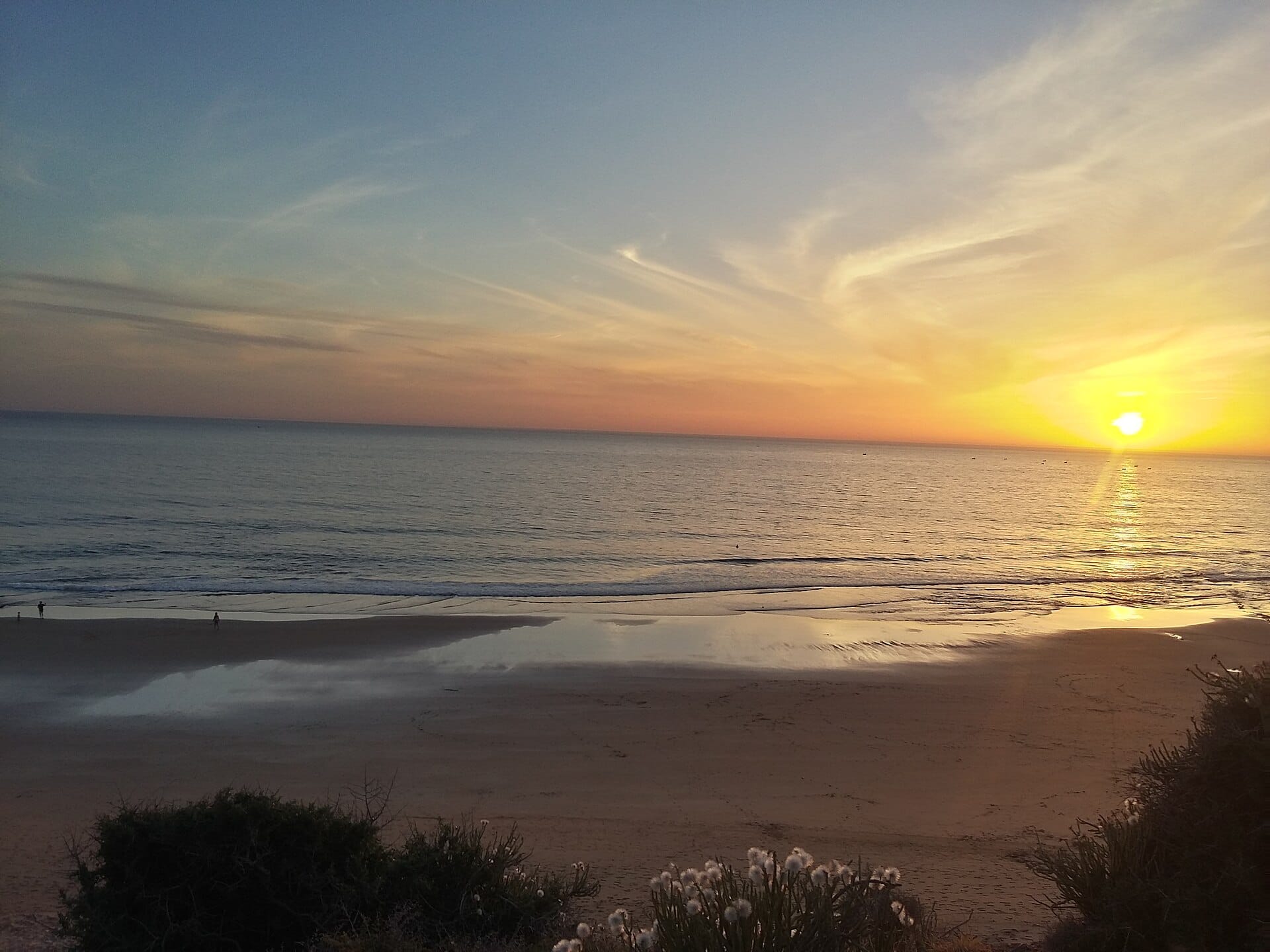
Taghazout
Morocco · 484km away →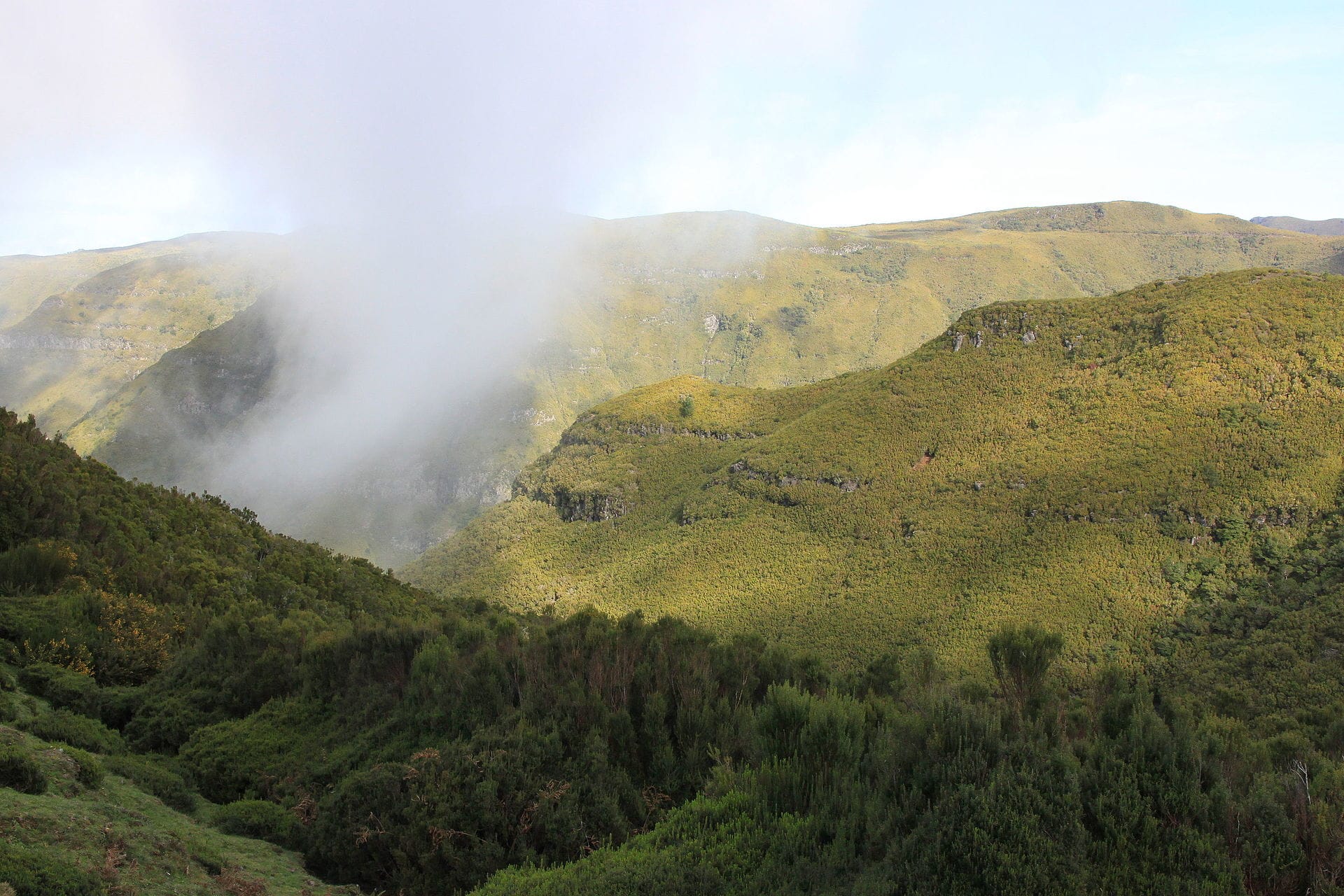
Madeira's levada walks
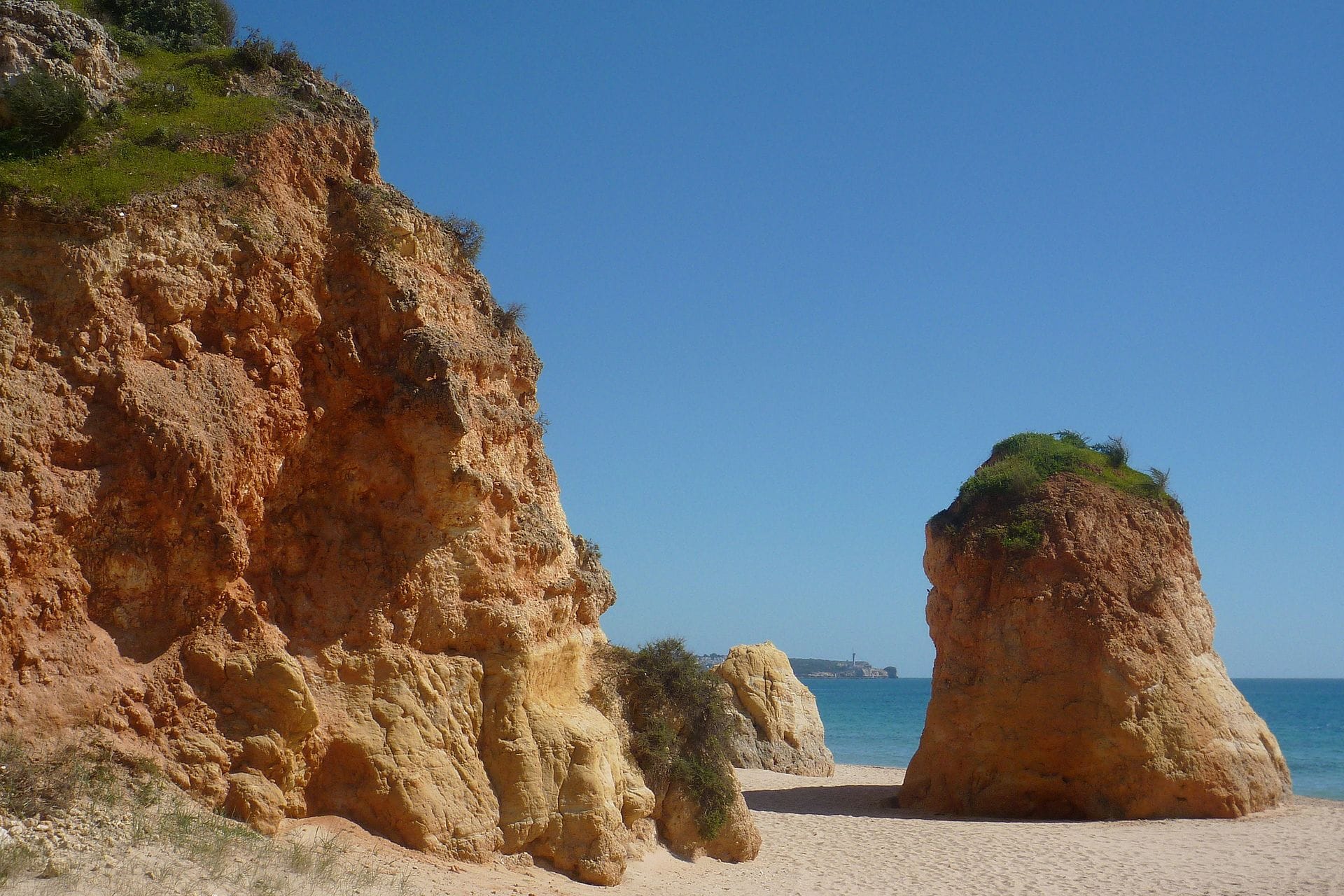
Portugal · 548km away →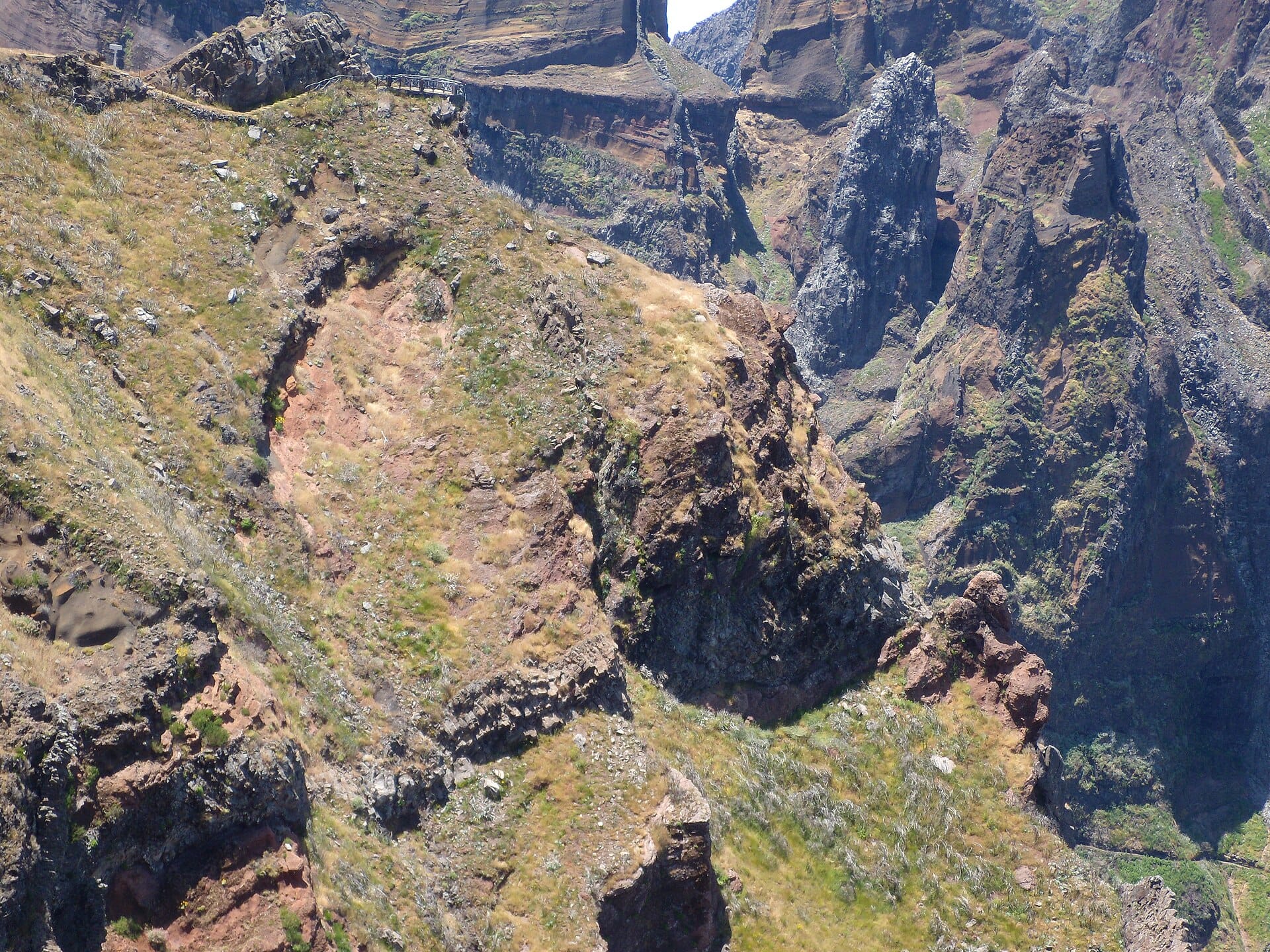
Canyoning
Madeira, Portugal · 561km away →Elsewhere in Spain
Related articles
Quick answers
When is the best time to visit Fuerteventura?
Daytime highs run from about 20°C in January to 28°C in August. Rain is rare in any month.
How long should I spend in Fuerteventura?
Our suggestion: a week.
How do I get to Fuerteventura?
About 40 minutes by car north from Fuerteventura airport (FUE) to Corralejo, or an hour on the island bus. Caleta de Fuste and the Jandia resorts in the south are 15 minutes and about an hour respectively.
Do I need a car in Fuerteventura?
Yes, a car makes a real difference here. Island buses link the main towns reliably enough, but they thin out badly for beaches and villages off the main roads.
What currency and language are used in Fuerteventura?
Currency: Euro (EUR). Language: Spanish. Plugs: type C and F.
Who is Fuerteventura best for?
Best for families, beach lovers and surfers. In a phrase: windswept, sandy, low-key volcanic.