
Formentera
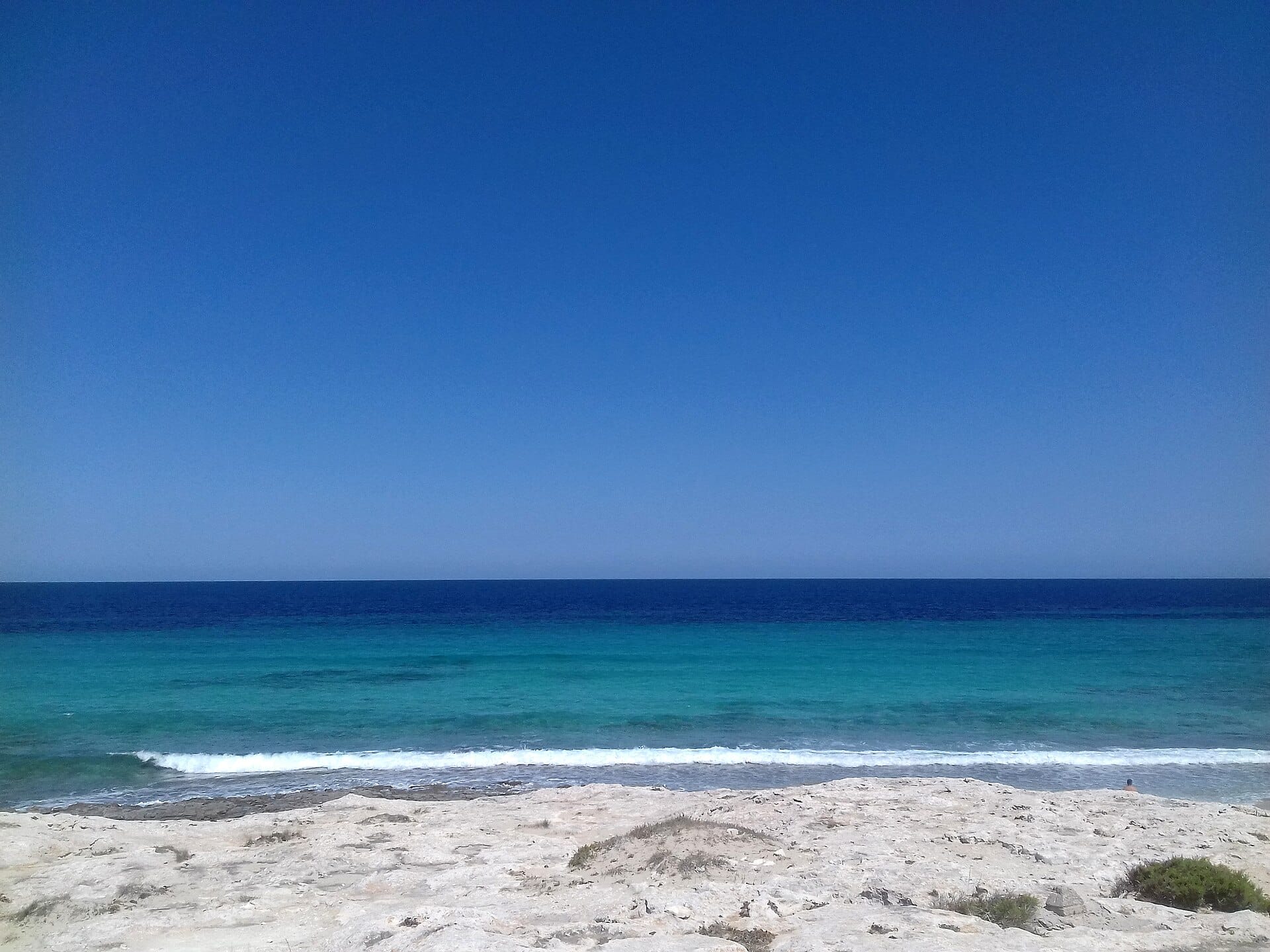
Ibiza's little sister has no airport, which keeps it honest: turquoise shallows at Ses Illetes that pass convincingly for the Caribbean, salt flats, and beach restaurants where lunch outlasts the afternoon.
- Best forCouples · Beach lovers · Honeymooners
- In February16°C · 3 rainy days
- Ideal stay3–5 nights
- Approx. flying time~12h 15m from Los Angeles
- CurrencyEUREuro
- LanguageSpanish
- Local time12:151h ahead of the UK
- PlugsType C / FBring an adapter
- Drive on theRightOpposite to the UK
- Dialling code+34
Why go
Twenty kilometres long and flat as a table, Formentera is the smallest inhabited Balearic and has no airport, so everyone arrives by boat from Ibiza. The shallows along the northern spit are the pale turquoise the photographs promise, kept clear by protected seagrass meadows offshore. Inland there are salt pans, fig trees pinned down against the wind, dry-stone walls and remarkably little else.
The island runs on day-trippers, and the difference between noon and eight in the evening is dramatic, which is the whole case for staying overnight. Ferries from Ibiza take about half an hour. June and late September give warm water and space; August is expensive and crowded, and much of the island closes down between November and April.
- Ideal stay
- 3–5 nights
- The vibe
- Flat, salt-bleached, barefoot
From our guides
Everyone gets around by scooter or bicycle along flat, rosemary-scented lanes. Come in June or late September when the Italian August crowd is elsewhere, and stay overnight for the evening emptying — the beaches at 7pm are yours, gin and tonic included.
Featured in Ten island hideaways built for two
Things to do
-
Ses Illetes
The sandbar beach on the northern spit, inside a natural park, with water shallow enough to wade a very long way out.
-
Cala Saona
A west-facing cove backed by low red cliffs, and the island's best place to be at sunset with a drink.
-
Ses Salines salt pans
Working and disused salt flats between here and Ibiza, good for flamingos during migration and an easy, flat cycle route.
-
La Mola lighthouse
The high eastern plateau ends at a lighthouse above sheer cliffs, with a craft market in the nearby village through the season.
-
Cycling the green routes
A network of signed, mostly flat tracks crosses the island through fig orchards and pine, covering distances that make a car pointless.
-
Migjorn beach
The long southern shore, several kilometres of sand and rock with considerably more space than the northern beaches ever have.
Getting there
-
Fly to
Ibiza (IBZ)
Nearest airport to Formentera, about 19km away as the crow flies.
-
Then
To Es Pujols
Fly to Ibiza (IBZ), then take a taxi to Ibiza town and the ferry across to La Savina, about half an hour by fast boat.
-
On the ground
Getting around
Hire a scooter or a bicycle at the port. The island is flat, small and strung along a single main road.
Public transport: A limited bus service links the villages and beaches, but scooters and bikes are how the island actually moves.
Flights
Los Angeles Formentera, Spain
Fly from anywhere — search 4,000+ airports worldwide.
Roughly 12h 15m in the air from Los Angeles (LAX), estimated from the distance — check for a direct route. Pick a month to see every available flight with live prices.
Check dates and prices
Pick your departure date, then your return.
Search flightsNot sure when? Compare fares across a whole month.
Flight times are estimates; prices open on Google Flights.
When to go
Daytime highs run from about 15°C in January to 29°C in August. Driest June to August; wettest in March, with rain on about 8 days.
The year at a glance — pick a month for detail
February16° · rain 3 daysCool and dry.
Monthly figures averaged from daily records for 2020–2024 at this location (ERA5 reanalysis). Highlighted months are warm and mostly dry — May to August and October. Live conditions from MET Norway, CC BY 4.0.
Where to stay
Small hotels, apartments and rented houses, plus a few agroturismo places inland. No large resorts, no chains and, in the absence of an airport, no package flights.
-
Best base overall
Es Pujols
The island's main resort village, with the widest choice of hotels, restaurants and bike hire, and a walkable beach. It is the busiest and least serene corner of Formentera.
Find stays in Es Pujols -
Best value
Sant Ferran and Sant Francesc
The inland villages, where rooms cost less and life is local, with an easy cycle to the coast. No sea view, and Sant Francesc is the administrative centre rather than a holiday town.
Find stays in Sant Ferran and Sant Francesc -
Quietest
Migjorn
The long south beach, with scattered small hotels and houses and no village at all. You will drive or cycle to everything, and the wind can be strong.
Find stays in Migjorn -
Best with children
Es Caló de Sant Agustí
A tiny fishing settlement on the north-east coast with calm water and a couple of good restaurants. Few beds, and it is a long way from the Ses Illetes end.
Find stays in Es Caló de Sant Agustí
Worth knowing before you book: Everything arrives via the Ibiza ferry, so book the crossing and the room together. July and August houses go the previous winter, usually a week minimum.
Search everything else in Es Pujols by budget. These are indicative budget bands in GBP per night for two people, not live quotes or guarantees of hotel type. Check your dates, guests, taxes and final price on Booking.com.
Good to know
- Getting there
- Ferries run frequently from Ibiza town and take about thirty minutes. There is no airport, and the last boats back leave in the evening.
- Driving
- Hire cars, scooters and bicycles book out in July and August. Parking at the popular beaches is limited and controlled inside the natural park.
- Cash or card
- Cards work almost everywhere, though a few beach kiosks and the market stalls at La Mola still prefer cash.
- Timing
- Day boats arrive around eleven and leave by six. The beaches empty out completely after that.
- Etiquette
- The seagrass meadows are protected and anchoring over them is restricted. Nudity is normal and unremarked on several beaches.
Similar places
Nearby destinations
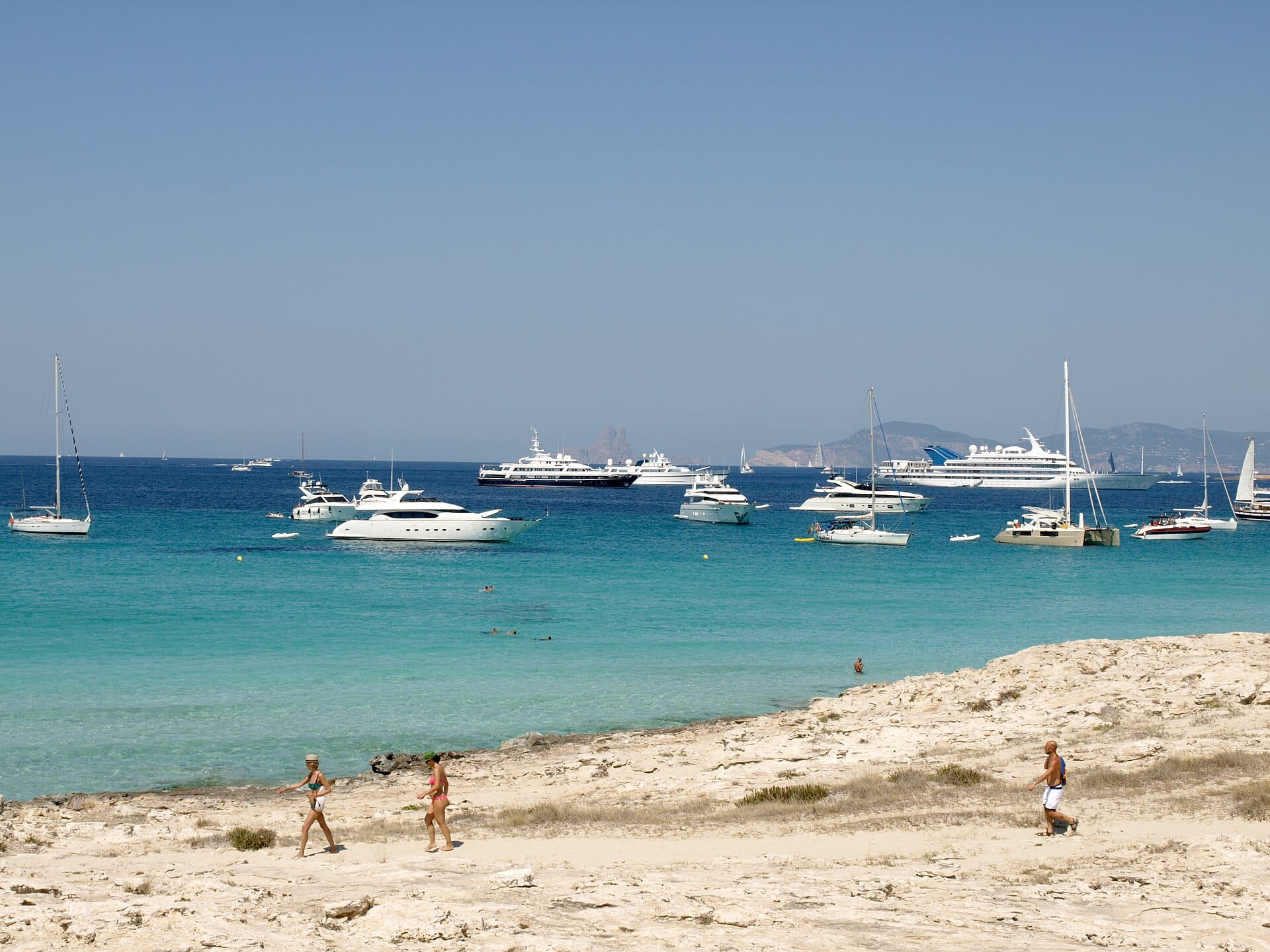
Ses Illetes
Formentera, Spain · 5km away →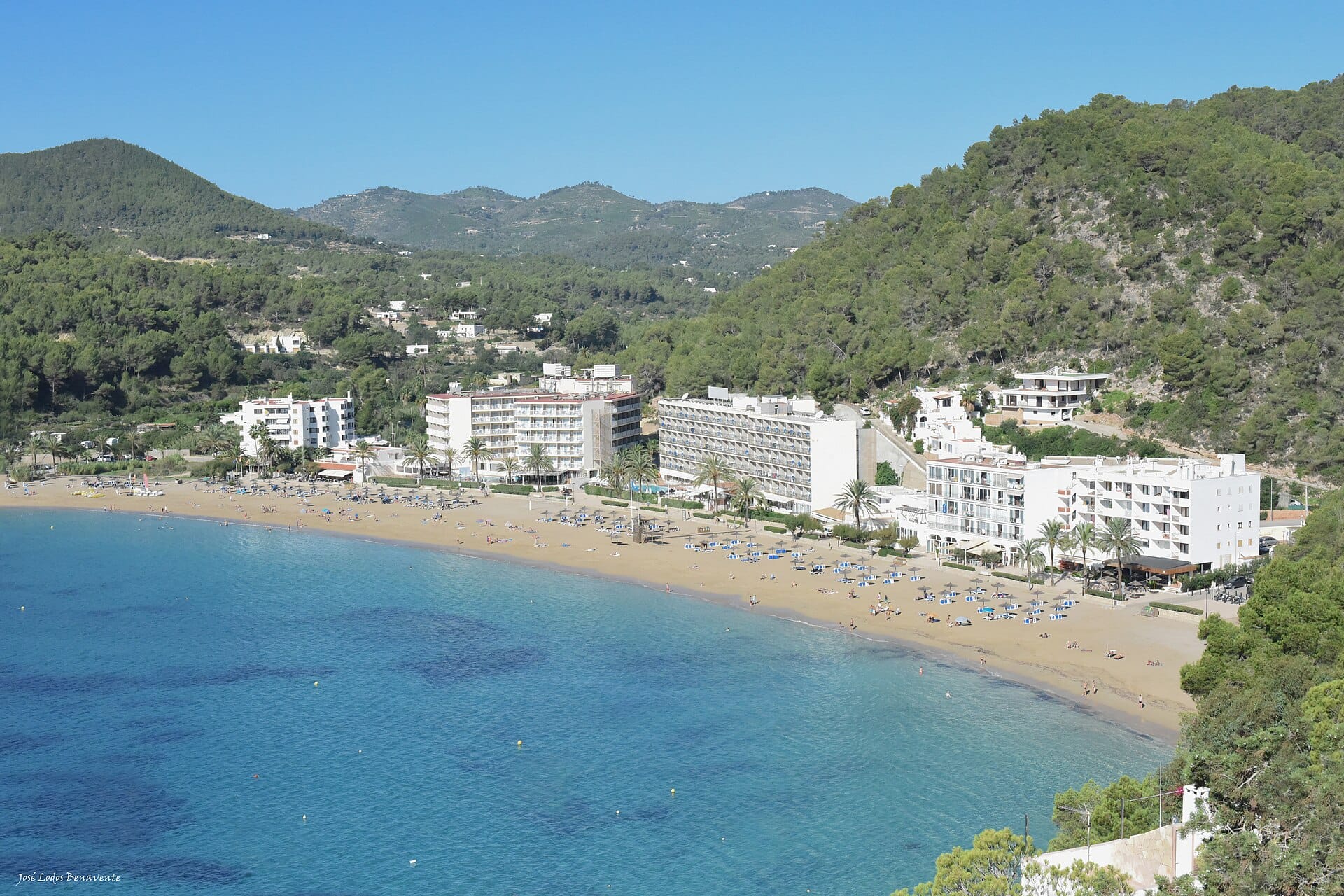
Ibiza
Spain · 30km away →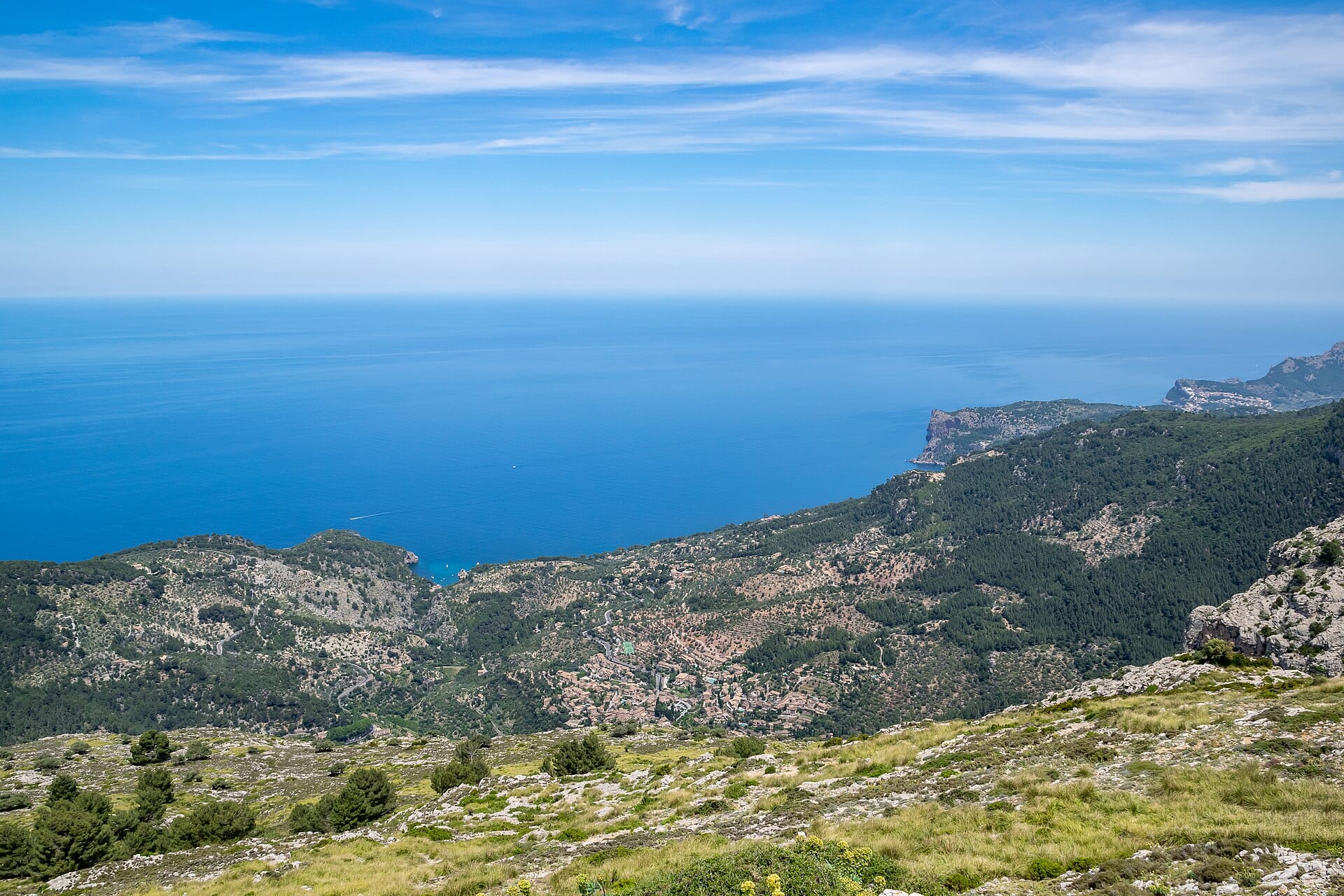
Deià
Mallorca, Spain · 145km away →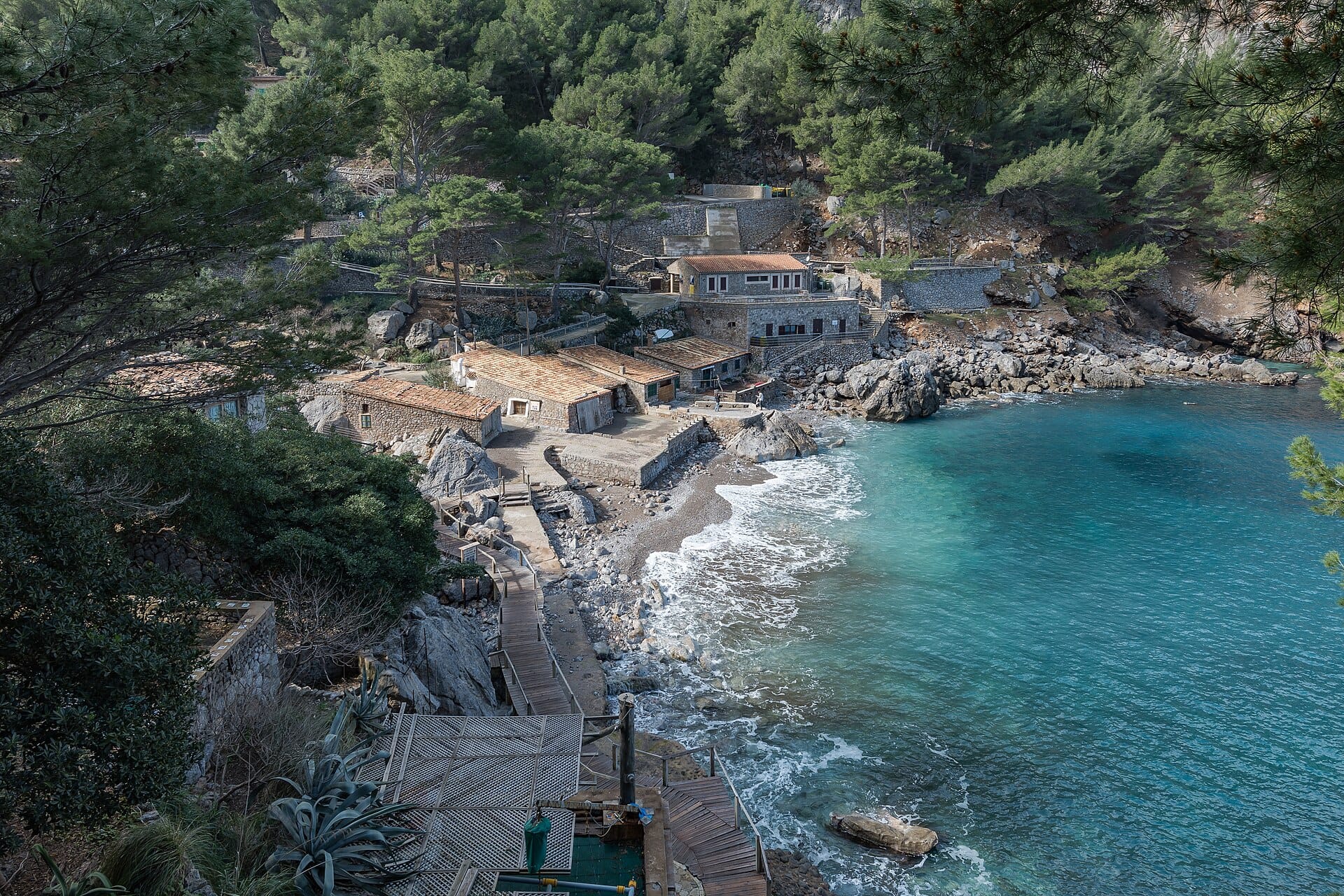
Sa Calobra
Mallorca, Spain · 146km away →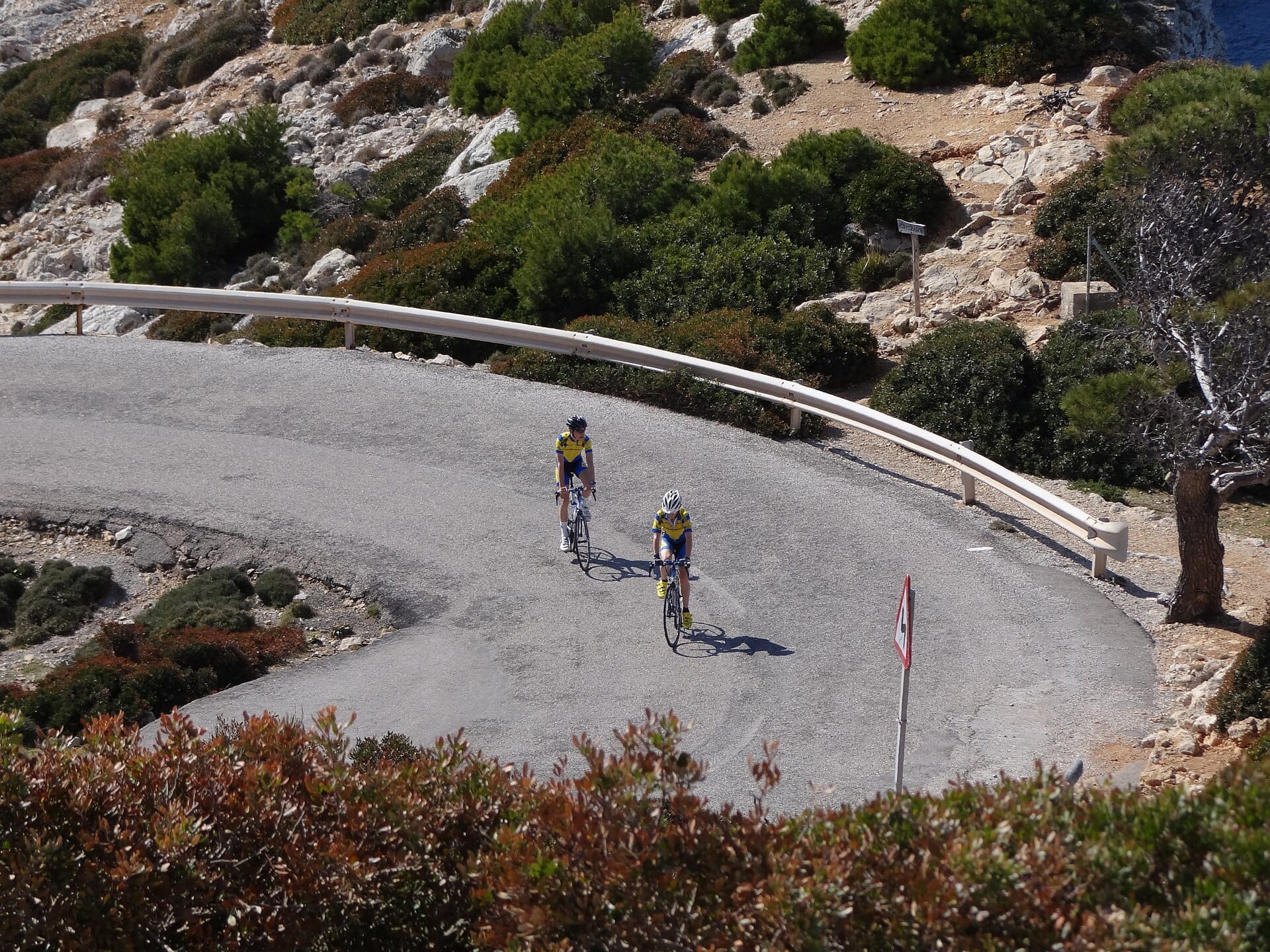
Mallorca
Spain · 161km away →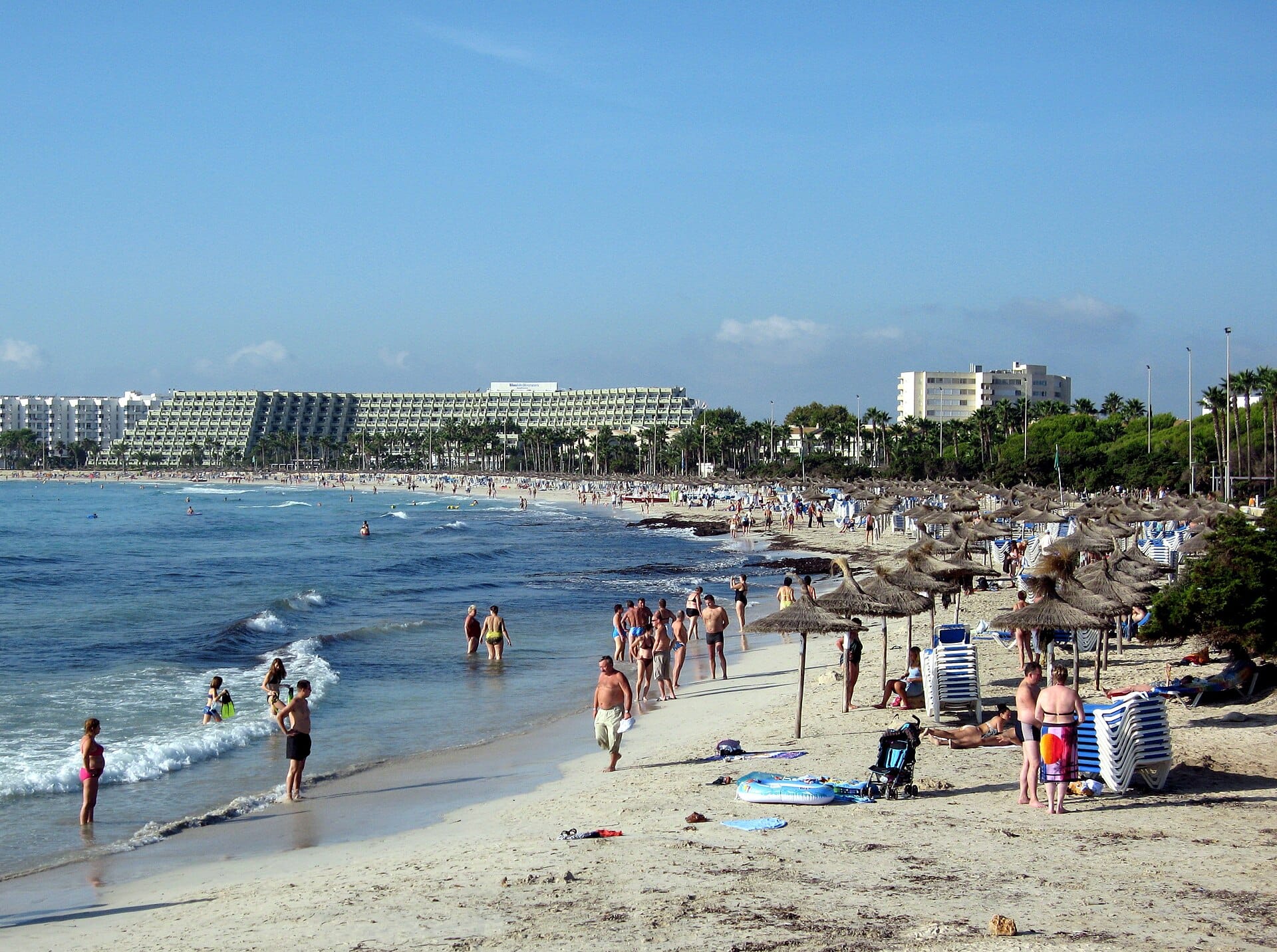
Sa Coma
Mallorca, Spain · 163km away →Elsewhere in Spain
Related articles
Quick answers
When is the best time to visit Formentera?
For warm, mostly dry days, May to August and October. That means highs of 20–34°C with rain on six days a month or fewer. Daytime highs run from about 15°C in January to 29°C in August. Driest June to August; wettest in March, with rain on about 8 days.
How long should I spend in Formentera?
Our suggestion: 3–5 nights.
How do I get to Formentera?
Fly to Ibiza (IBZ), then take a taxi to Ibiza town and the ferry across to La Savina, about half an hour by fast boat.
Do I need a car in Formentera?
No. A limited bus service links the villages and beaches, but scooters and bikes are how the island actually moves.
What currency and language are used in Formentera?
Currency: Euro (EUR). Language: Spanish. Plugs: type C and F.
Who is Formentera best for?
Best for couples, beach lovers and honeymooners. In a phrase: flat, salt-bleached, barefoot.