
Cascais
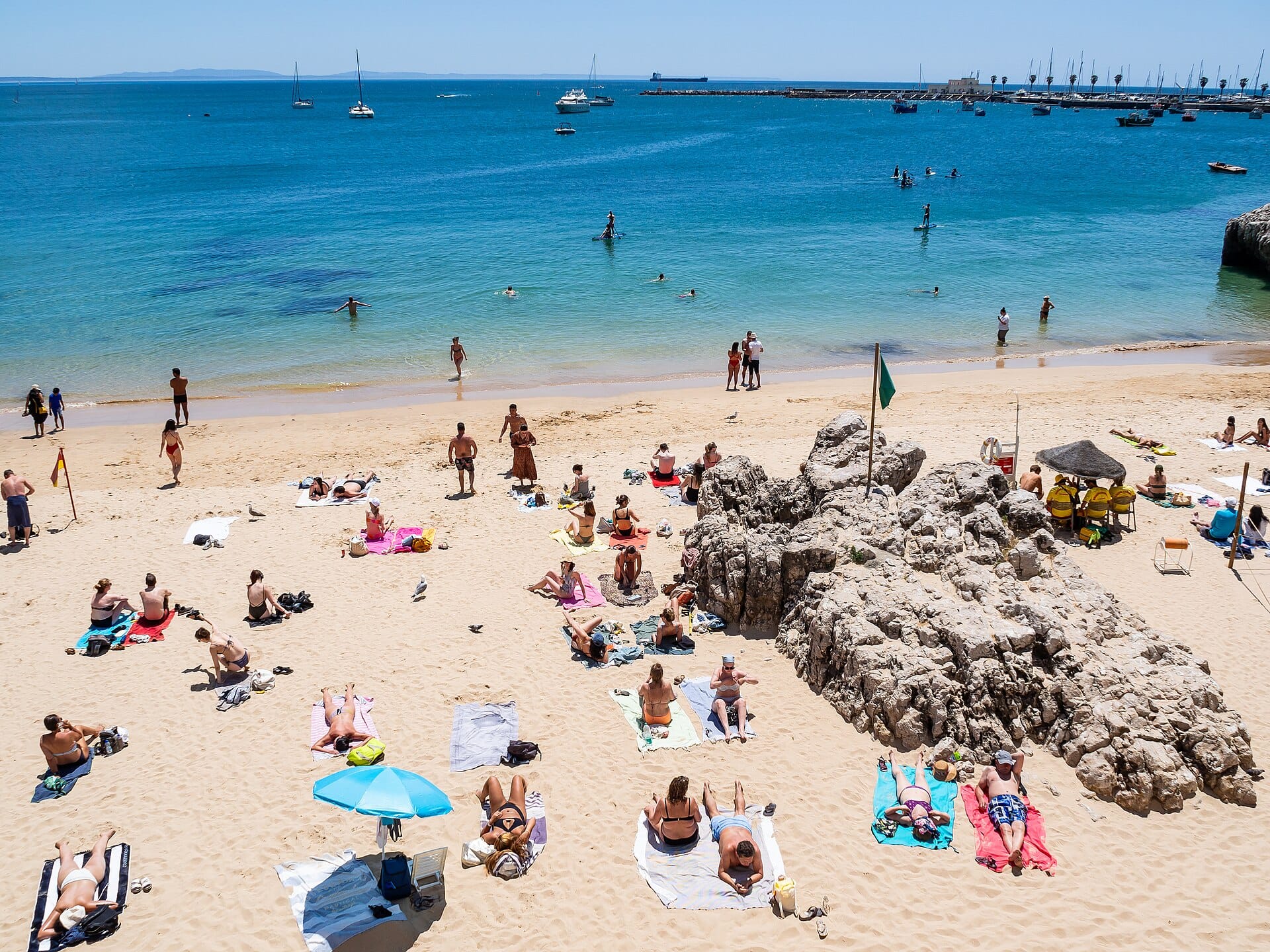
Forty minutes on a coastal train from Lisbon, Cascais was where Portuguese royalty went to swim, and it keeps a certain polish: sandy town beaches, a marina, a free bike scheme and ice-cream queues that move fast.
- Best forCouples · Families · Foodies
- In March17°C · 9 rainy days · sea 15°C
- Ideal stay3–4 nights, or a day trip from Lisbon
- Approx. flying time~11h 30m from Los Angeles
- CurrencyEUREuro
- LanguagePortuguese
- Local time12:11same time as the UK
- PlugsType C / FBring an adapter
- Drive on theRightOpposite to the UK
- Dialling code+351
Why go
A fishing town that became a royal summer retreat and then a commuter suburb, this stretch of coast has kept the good parts of all three. There is a working harbour, a museum quarter in old villas, small sheltered beaches right in the centre and a promenade that runs west towards the cliffs. It is calm, well kept and pleasantly unhurried, with the Atlantic doing the dramatic work just outside the bay.
Forty minutes by train from Lisbon means you can treat it as a day trip or, better, as a base with the capital on tap. Sintra is a short hop inland, Cabo da Roca marks the westernmost point of mainland Europe just up the road, and Guincho delivers proper surf and wind. Summer weekends are busy with Lisboetas; spring and autumn are mild, quiet and arguably nicer.
- Ideal stay
- 3–4 nights, or a day trip from Lisbon
- The vibe
- Polished, breezy, easygoing seaside
From our guides
Cycle the seafront path to the crashing Boca do Inferno, or bus out to Guincho for wild Atlantic surf. An easy, elegant first taste of Portugal's coast.
Featured in Ten lovely beach towns for lazy harbourside evenings
Things to do
-
Praia da Rainha
A small cove tucked below the town, framed by rock and reached down steps. It shrinks at high tide, which keeps it intimate rather than crowded.
-
Casa das Histórias Paula Rego
A museum of red pyramids by Eduardo Souto de Moura, built for the paintings of Paula Rego. Sharp, strange work in a very calm building.
-
Santa Marta lighthouse
A striped lighthouse on the point beyond the citadel, with a small museum and a terrace looking back along the coast towards Lisbon.
-
Parque Marechal Carmona
A shaded park of ponds, peacocks and old trees behind the museum quarter. The obvious place to sit out the hottest part of an afternoon.
-
Sintra
Twenty-five minutes inland, a hill town of romantic palaces, gardens and fog-damp forest. Go early; the road up to the palaces jams solid by mid-morning.
-
Cabo da Roca
Cliffs 140 metres above the Atlantic mark the western edge of mainland Europe. Windy, spare and worth the short drive north for sunset.
Getting there
-
Fly to
Lisbon (LIS)
Nearest airport to Cascais, about 26km away as the crow flies.
-
Then
To Cascais
Lisbon airport is about forty minutes by car or taxi. From central Lisbon, the coastal train from Cais do Sodré runs to Cascais in around forty minutes and is the pleasant way to arrive.
-
On the ground
Getting around
The town centre, marina and beaches are all walkable, and a free bike scheme covers the seafront path out to Boca do Inferno and Guincho. Buses run to Guincho and up to Sintra.
Public transport: Excellent: the Lisbon coastal line is frequent and cheap, and local buses handle the beaches and Sintra.
Flights
Los Angeles Cascais, Portugal
Fly from anywhere — search 4,000+ airports worldwide.
Roughly 11h 30m in the air from Los Angeles (LAX), estimated from the distance — check for a direct route. Pick a month to see every available flight with live prices.
Check dates and prices
Pick your departure date, then your return.
Search flightsNot sure when? Compare fares across a whole month.
Flight times are estimates; prices open on Google Flights.
When to go
Daytime highs run from about 15°C in January to 25°C in July. Driest in July and August; wettest in October, with rain on about 10 days. The sea is warmest in October at around 19°C, coolest at 15°C.
The year at a glance — pick a month for detail
March17° · rain 9 days · sea 15°Cool with rain most weeks.
Monthly figures averaged from daily records for 2020–2024 at this location (ERA5 reanalysis). Highlighted months are warm and mostly dry — May to September. Live conditions from MET Norway, CC BY 4.0.
Where to stay
Seafront hotels of every size, restored villas turned boutique hotels, holiday apartments and a couple of large resorts near Guincho. Hostels are limited but exist.
-
Best base overall
Cascais centre
The old town by the marina, walkable to the town beaches, restaurants and the station for Lisbon. It is the most expensive part of town and busy through the summer.
Find stays in Cascais centre -
Best value
Estoril
The next stop back along the coastal line, with a wide beach, the casino and hotels at gentler rates. It is a little faded and quieter in the evenings.
Find stays in Estoril -
Best with children
Monte Estoril and Sao Joao
Between the two towns, residential and calm, with the flat seafront promenade for scooters and bikes and a station in walking distance. Fewer restaurants on the doorstep.
Find stays in Monte Estoril and Sao Joao -
Quietest
Guincho and the Sintra hills
Wild Atlantic beach and pine woods a short drive out, with a handful of hotels and country houses. The sea here is rough and windy, and you will drive for everything.
Find stays in Guincho and the Sintra hills
Worth knowing before you book: July and August are peak, with Lisbon day trippers filling the trains at weekends. Parking is scarce and expensive in Cascais, so check whether your hotel charges for it.
Search everything else in Cascais by budget. These are indicative budget bands in GBP per night for two people, not live quotes or guarantees of hotel type. Check your dates, guests, taxes and final price on Booking.com.
Good to know
- Getting there
- Trains run from Lisbon's Cais do Sodré along the coast every twenty minutes or so, taking about forty minutes. Buy a rechargeable travel card at the station.
- Wind
- The nortada, a strong northerly, gets up on summer afternoons. Town beaches stay sheltered; Guincho becomes a kite and surf beach rather than a sunbathing one.
- Sea temperature
- The Atlantic here is bracing, around 17–20°C in summer. Fine for a swim, less so for lingering, and children may want wetsuits.
- Cycling
- A flat seafront path runs west out of town, and the local bike scheme makes it easy. Bikes go quickly on summer weekends.
- Book ahead
- Sintra's main palaces require timed tickets in high season, and the good seafood restaurants in Cascais fill by eight in the evening.
Similar places

Nearby destinations
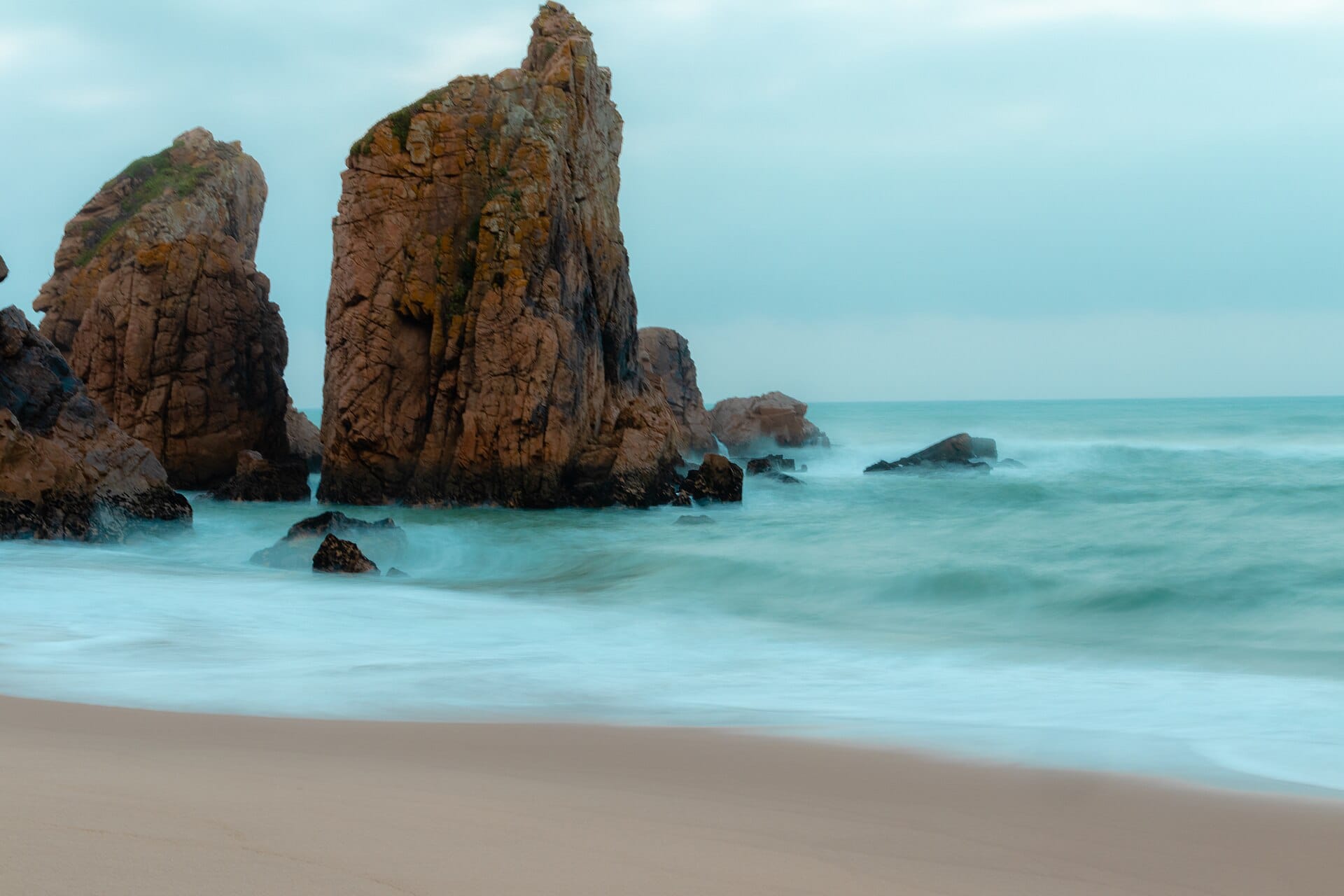
Praia da Ursa
Sintra, Portugal · 12km away →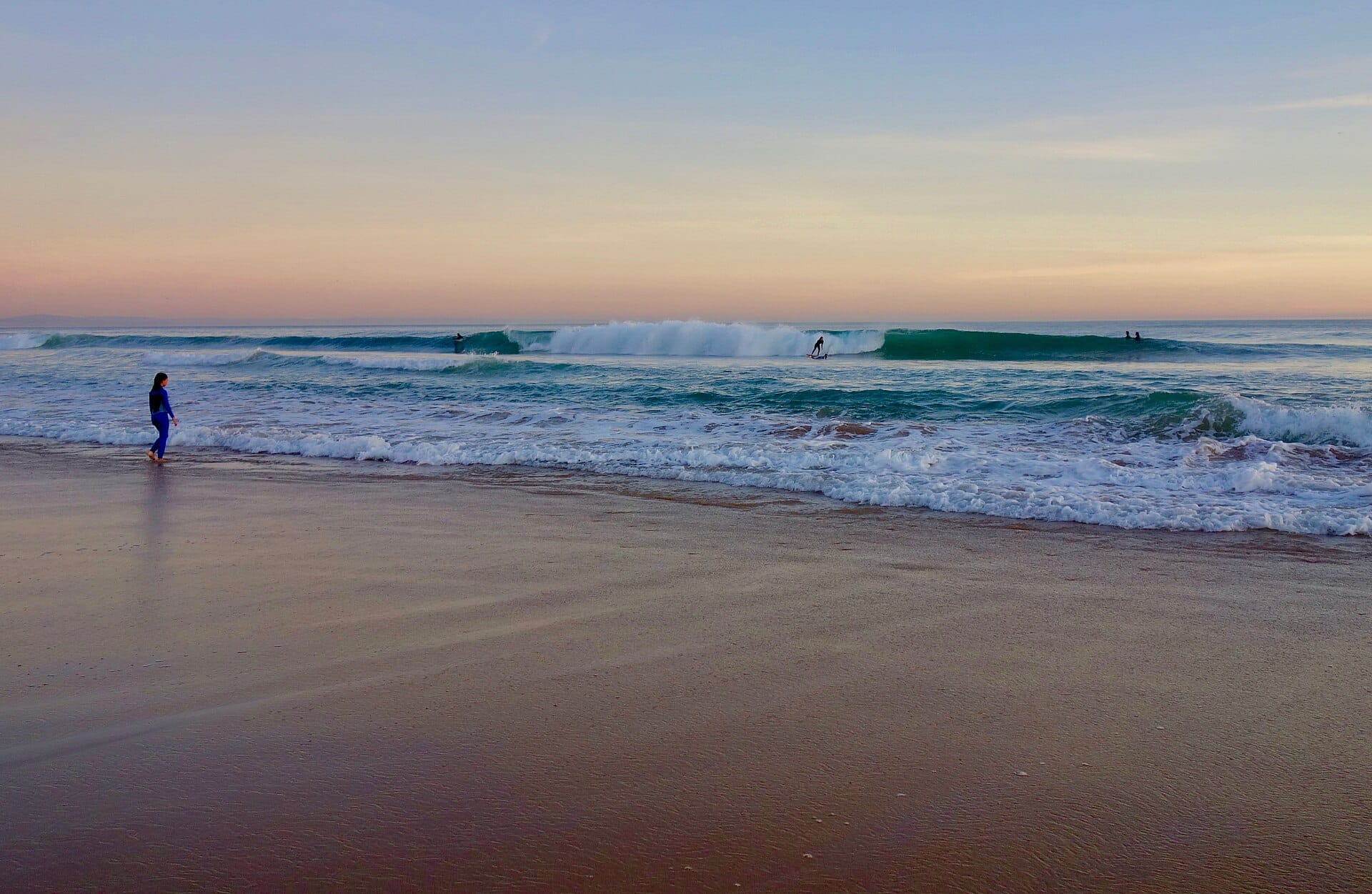
Lisbon
Portugal · 25km away →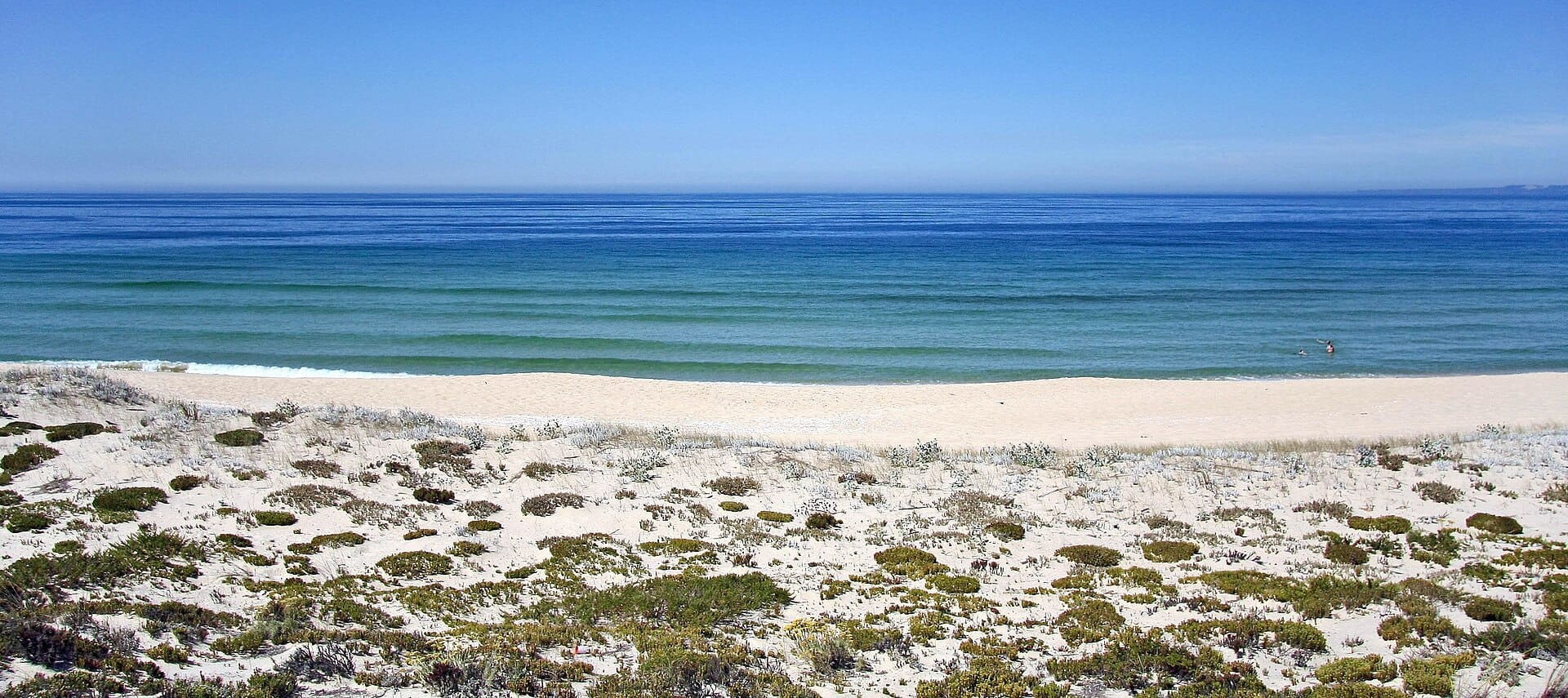
Comporta
Portugal · 65km away →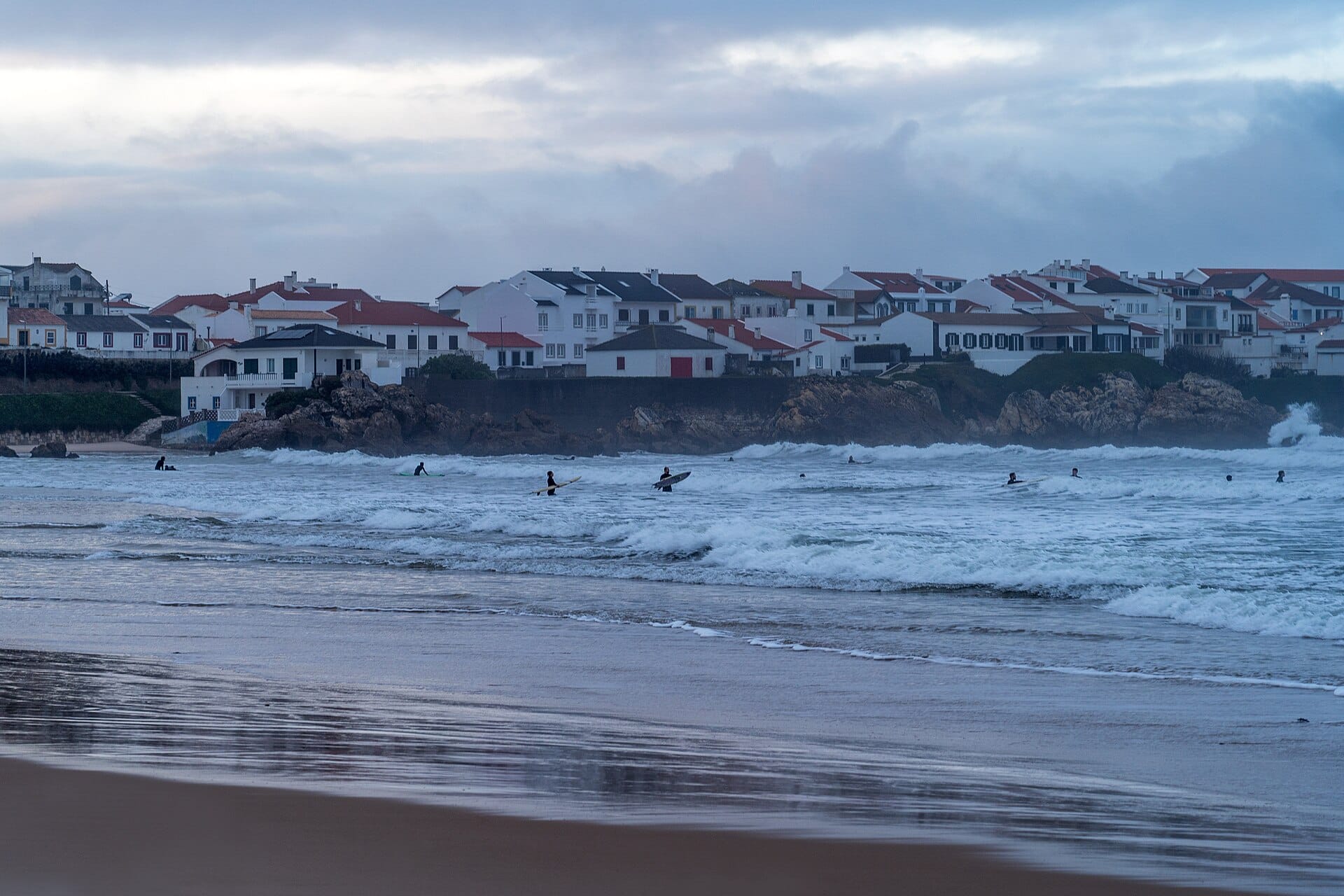
Baleal
Peniche, Portugal · 76km away →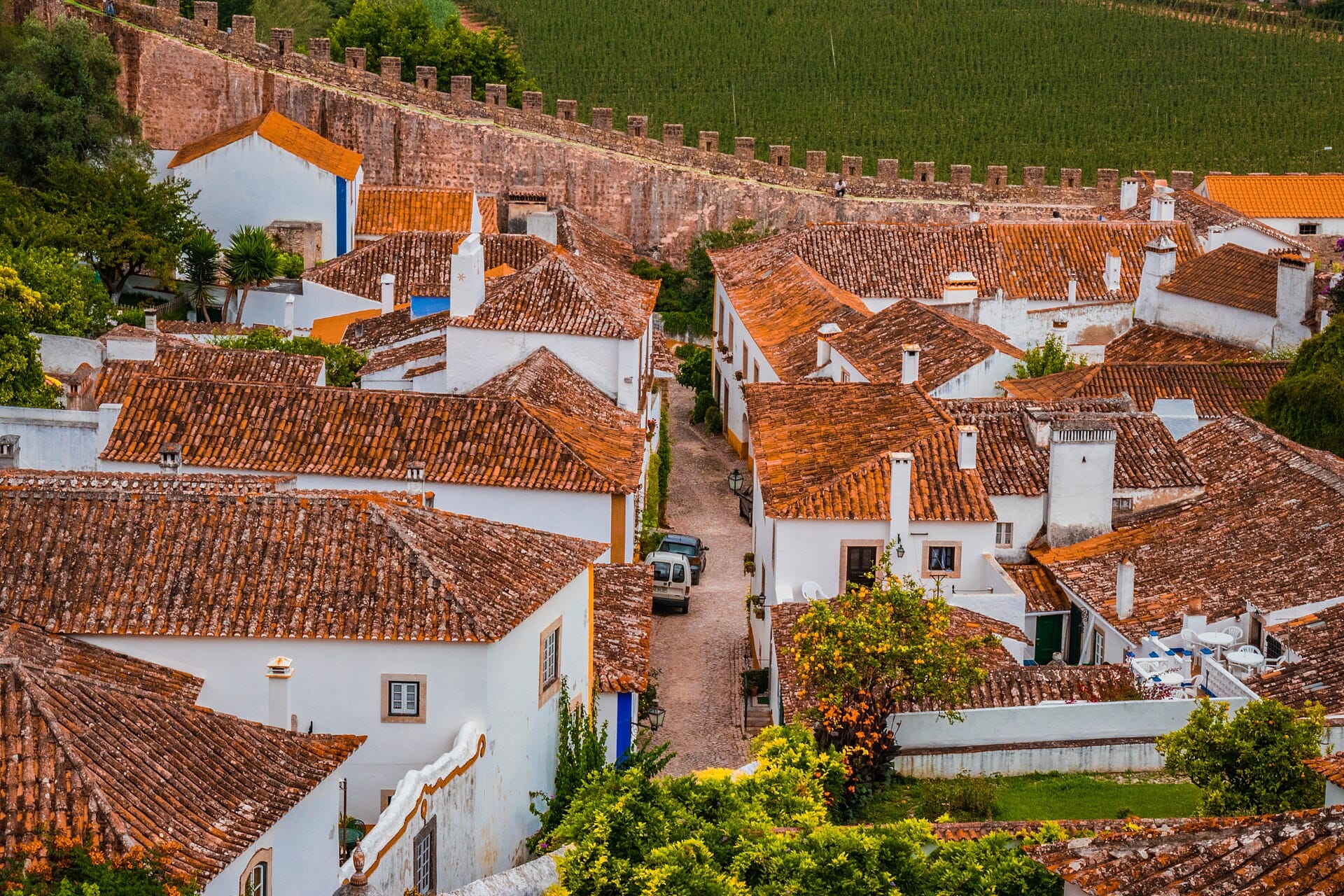
Óbidos
Portugal · 77km away →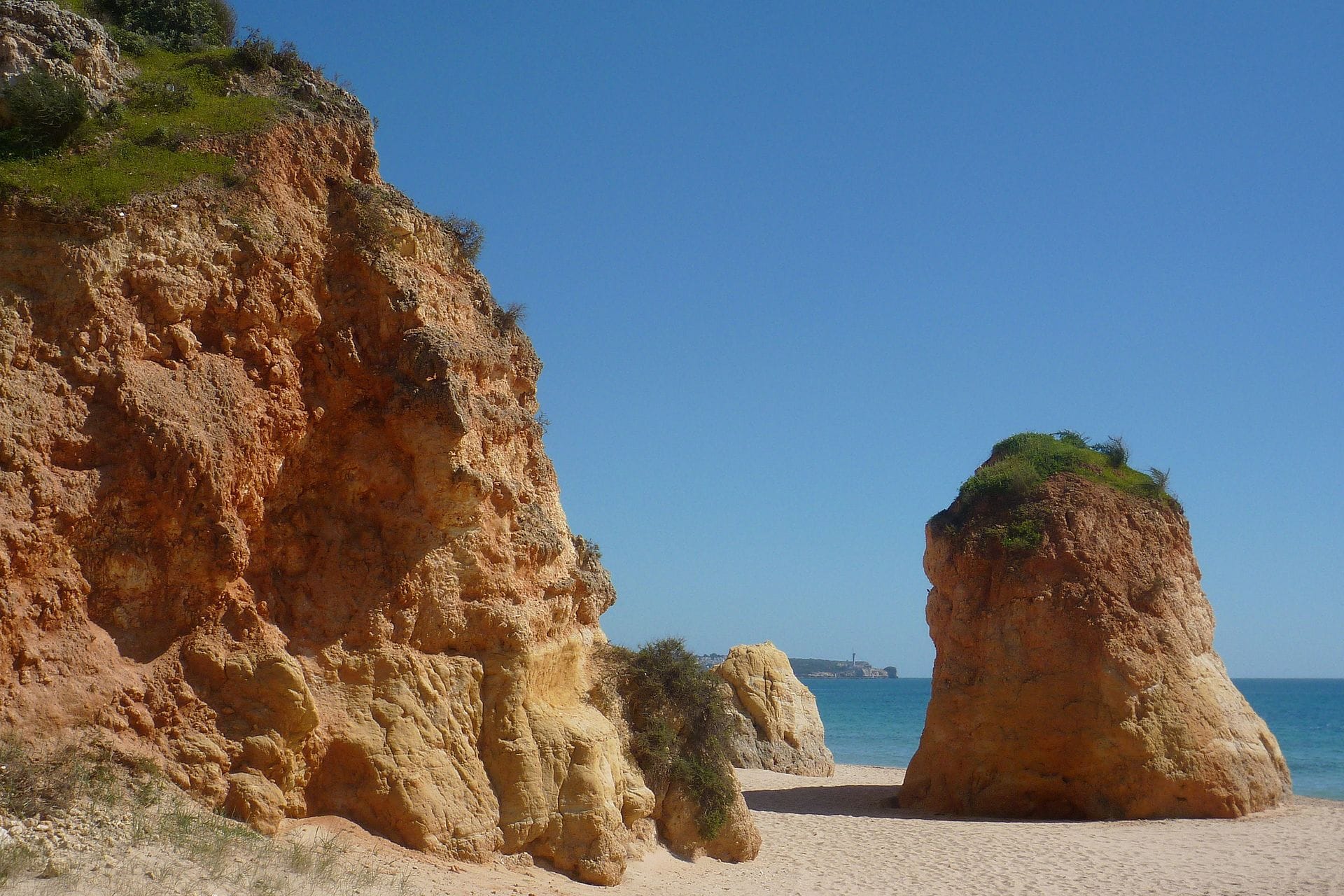
Alvor
the Algarve, Portugal · 189km away →Elsewhere in Portugal
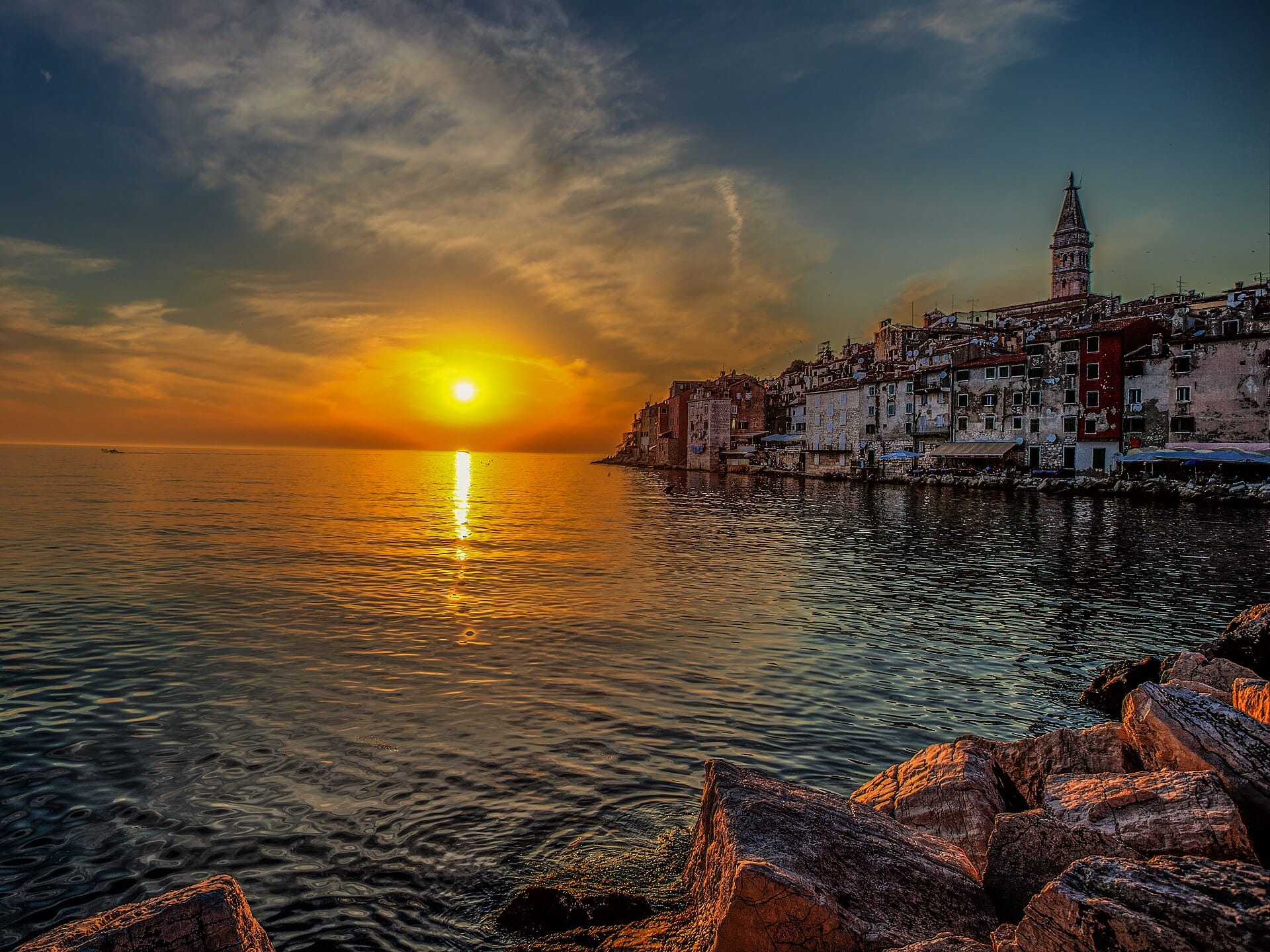
Related articles
Quick answers
When is the best time to visit Cascais?
For warm, mostly dry days, May to September. That means highs of 20–34°C with rain on six days a month or fewer. Daytime highs run from about 15°C in January to 25°C in July. Driest in July and August; wettest in October, with rain on about 10 days. The sea is warmest in October at around 19°C, coolest at 15°C.
How long should I spend in Cascais?
Our suggestion: 3–4 nights, or a day trip from Lisbon.
How do I get to Cascais?
Lisbon airport is about forty minutes by car or taxi. From central Lisbon, the coastal train from Cais do Sodré runs to Cascais in around forty minutes and is the pleasant way to arrive.
Do I need a car in Cascais?
No. Excellent: the Lisbon coastal line is frequent and cheap, and local buses handle the beaches and Sintra.
What currency and language are used in Cascais?
Currency: Euro (EUR). Language: Portuguese. Plugs: type C and F.
Who is Cascais best for?
Best for couples, families and foodies. In a phrase: polished, breezy, easygoing seaside.