
Cape Verde: Sal
An Atlantic archipelago off West Africa where the beaches, the wind and the music all deserve top billing.
- Best forBeach lovers · Couples · Surfers
- In January22°C · barely any rain · sea 24°C
- Ideal stay10–14 nights across two or three islands
- Approx. flying time~11h 50m from Los Angeles
- CurrencyCVECape Verdean escudo
- LanguagePortuguese
- Local time08:322h behind the UK
- PlugsType C / FBring an adapter
- Drive on theRightOpposite to the UK
- Dialling code+238
Why go
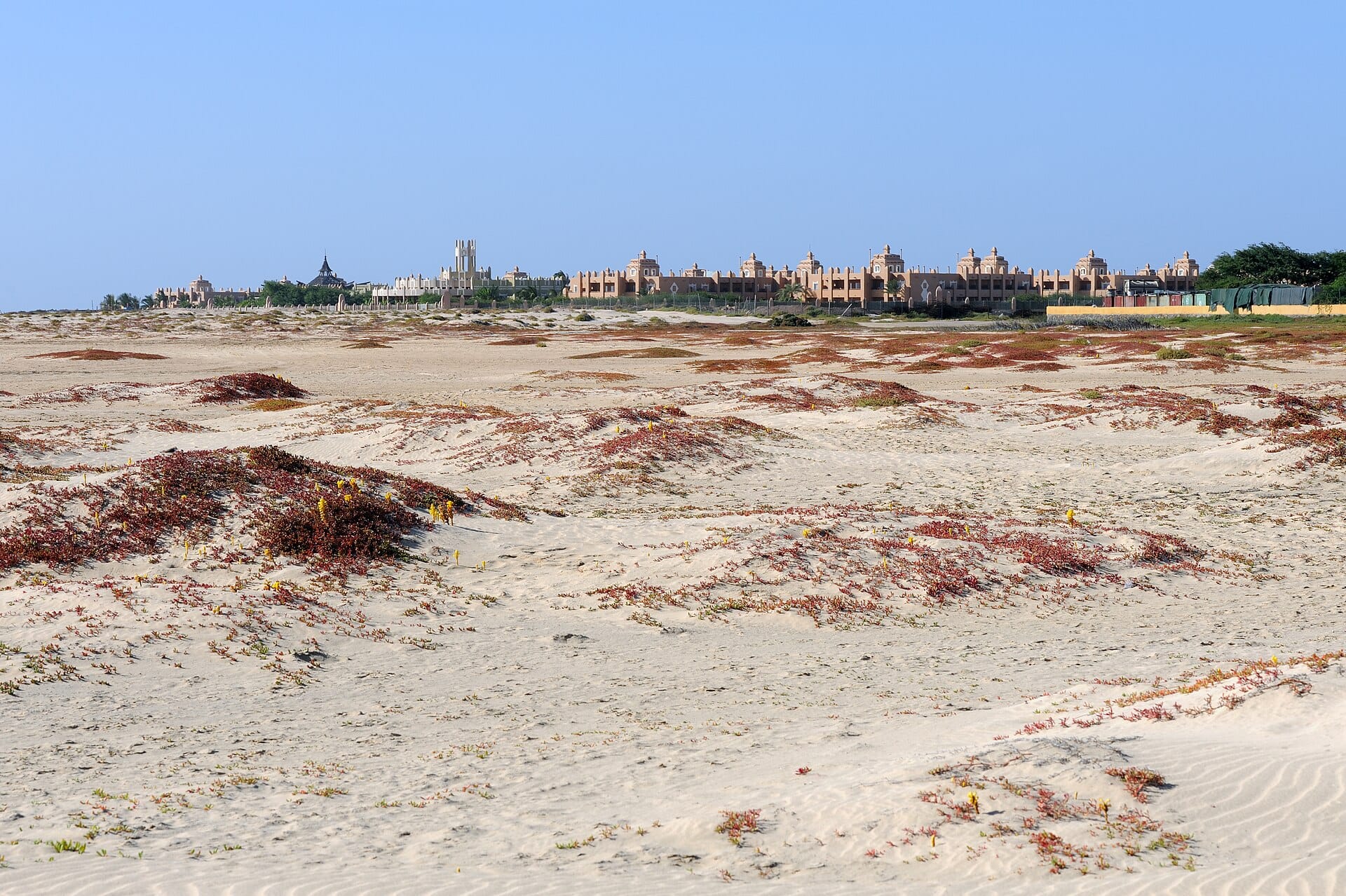
Ten volcanic islands sit in the Atlantic several hundred kilometres off Senegal, and the three that most visitors combine could not be more different in character. Sal is flat, sun-baked and geared to beach holidays; Boa Vista is mostly dune and empty shoreline; São Vicente is arid, hilly and given over almost entirely to music. The constant across all three is wind, salt and a Creole culture that has absorbed Africa, Portugal and Brazil.
Short internal flights and some ferry links make island-hopping straightforward, and a fortnight lets you give each one a few days. November to June is driest and windiest, which suits kitesurfers more than swimmers; late summer brings warmer water and occasional rain. Anyone expecting lush tropics will be disappointed, and those wanting nightlife should weight the trip towards São Vicente.
- Ideal stay
- 10–14 nights across two or three islands
- The vibe
- Windswept, musical, sun-bleached, unhurried
From our guides
Sal has the classic resort sands of Santa Maria and near-guaranteed sunshine; Boa Vista is essentially a desert island with fifty-five kilometres of beach and nesting turtles; São Vicente adds Mindelo's live-music bars for the final act. Short internal flights link the trio. November to June is driest — and do develop a taste for grogue, the local rum.
Featured in Ten island-hopping routes for the perfect beach fortnight
Things to do
-
Santa Maria, Sal
A long strip of pale sand with a working fishing pier at one end, where the day's catch is landed and cleaned in front of an audience of pelicans and onlookers.
-
Pedra de Lume
A salt crater inside an extinct volcano on Sal, reached through a tunnel, where you can float in brine far too dense to sink in. Rinse afterwards.
-
Praia de Santa Mónica
Boa Vista's great southern beach runs for kilometres with almost nothing on it. The current is strong, so it suits walkers more than swimmers.
-
Turtle nesting
Boa Vista hosts one of the Atlantic's larger loggerhead nesting populations, with guided night walks between roughly June and October run under strict rules.
-
Mindelo, São Vicente
A colonial port town around a natural harbour, with a market, a colourful main street and live music most nights of the week in small bars.
-
Santo Antão by ferry
An hour's crossing from Mindelo lands you on the archipelago's greenest island, where cobbled roads climb into ravines full of sugarcane and terraced fields.
Getting there
-
Fly to
Espargos (SID)
The airport is on the doorstep.
-
Then
To Santa Maria
Around twenty-five minutes by taxi or hotel shuttle from Sal (SID) at Espargos, south down the island to Santa Maria.
-
On the ground
Getting around
Santa Maria is small and walkable, with aluguer shared minibuses and taxis for trips up the island. Boa Vista and São Vicente are reached by short internal flights, with a ferry network that is cheap but unreliable.
Public transport: Shared aluguer vans link the main towns on each island; between islands it is internal flights, with ferries a slower and less dependable alternative.
Flights
Los Angeles Sal, Cape Verde
Fly from anywhere — search 4,000+ airports worldwide.
Roughly 11h 50m in the air from Los Angeles (LAX), estimated from the distance — check for a direct route. Pick a month to see every available flight with live prices.
Check dates and prices
Pick your departure date, then your return.
Search flightsNot sure when? Compare fares across a whole month.
Flight times are estimates; prices open on Google Flights.
When to go
Daytime highs run from about 21°C in March to 27°C in September. Driest October to July; wettest in September, with rain on about 6 days. The sea is warmest in October at around 28°C, coolest at 23°C.
The year at a glance — pick a month for detail
January22° · no rain · sea 24°Mild and dry.
Monthly figures averaged from daily records for 2020–2024 at this location (ERA5 reanalysis). Live conditions from MET Norway, CC BY 4.0.
Where to stay
Large all-inclusive resorts on Sal and Boa Vista, plus small hotels, guesthouses and apartments in the towns. Mindelo runs to boutique townhouses rather than beach resorts.
-
Best base overall
Santa Maria, Sal
The island's beach town, with the long sandy bay, restaurants, dive shops and the widest choice of hotels. It is the most developed part of the archipelago, which is either handy or disappointing.
Find stays in Santa Maria, Sal -
Quietest
Sal Rei, Boa Vista
A low-key town beside enormous empty beaches and turtle nesting sites, with guesthouses and a couple of big resorts outside it. There is little to do beyond the sand and the dunes.
Find stays in Sal Rei, Boa Vista -
Best for nightlife
Mindelo, Sao Vicente
The cultural capital, with live morna and funana in the bars most nights and a handsome colonial centre. The town beach is modest, so come here for music rather than swimming.
Find stays in Mindelo, Sao Vicente -
Best value
Espargos, Sal
The inland administrative town by the airport, where rooms cost a fraction of Santa Maria and the food is local. It is not a resort and you will travel to the beach.
Find stays in Espargos, Sal
Worth knowing before you book: Internal flights and ferries between islands are prone to change, so leave a buffer before your flight home rather than connecting the same day.
Search everything else in Santa Maria by budget. These are indicative budget bands in GBP per night for two people, not live quotes or guarantees of hotel type. Check your dates, guests, taxes and final price on Booking.com.
Good to know
- Getting there
- Sal and Boa Vista have the international airports and most charter flights. Internal hops are short but schedules change, so leave slack before a long-haul return.
- Wind
- The trade winds blow hardest from December to April. Excellent for kite and windsurfing, less so if you want a still afternoon on the sand.
- Cash
- The escudo is the local currency and cards are accepted in resorts but not always beyond them. Carry cash for markets, taxis and smaller islands.
- Sun and dust
- There is little natural shade, and Saharan dust can haze the sky for days. High-factor sun cream and sunglasses are not optional here.
- Water
- Drink bottled or filtered water; most supply is desalinated. Swimming conditions vary hugely between sheltered bays and open Atlantic beaches, so ask locally.
Similar places
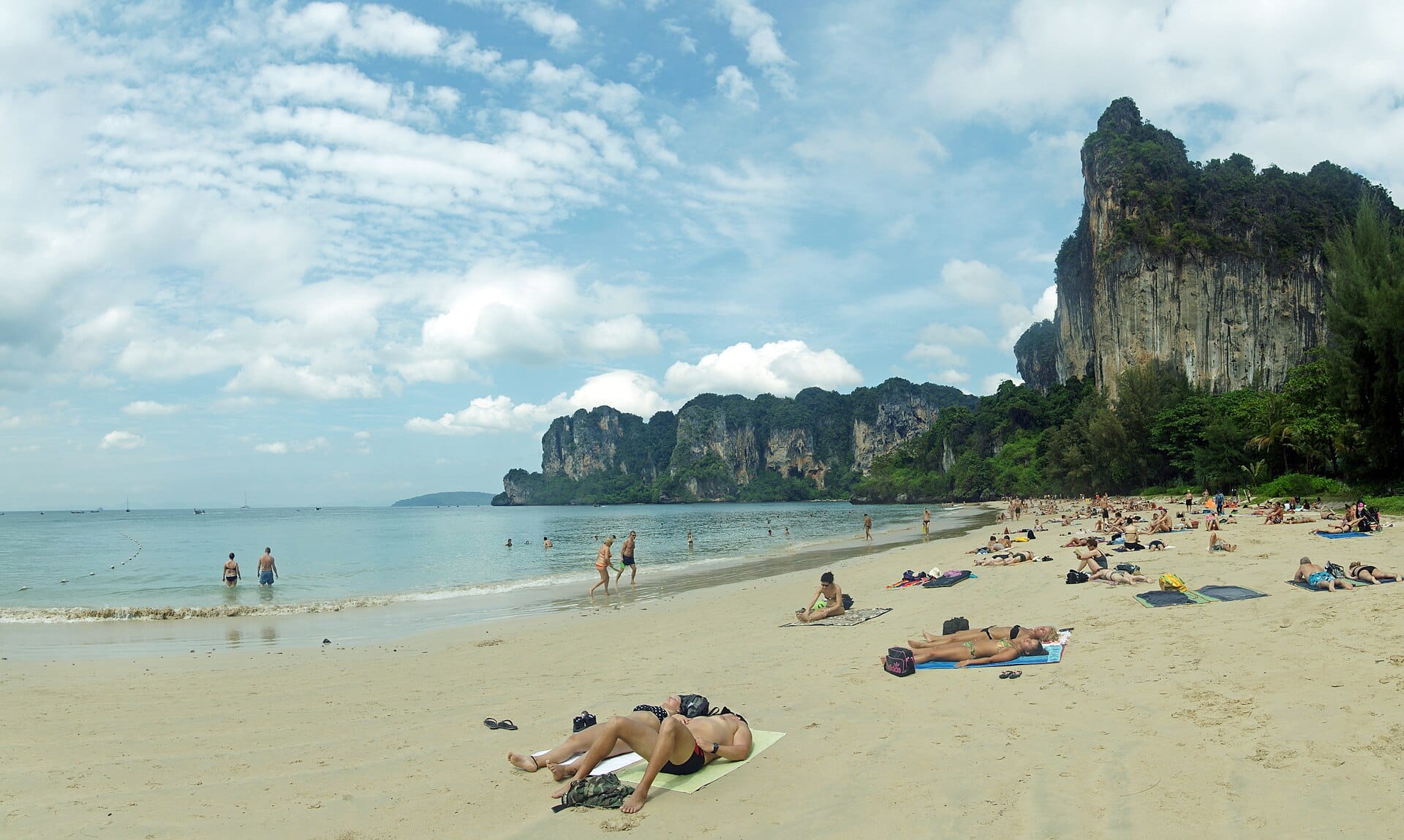
The Andaman Coast: Phuket
Ko Phi Phi and Ko Lanta, ThailandAlso for beach lovers and couples · 28°C in January (22°C here)
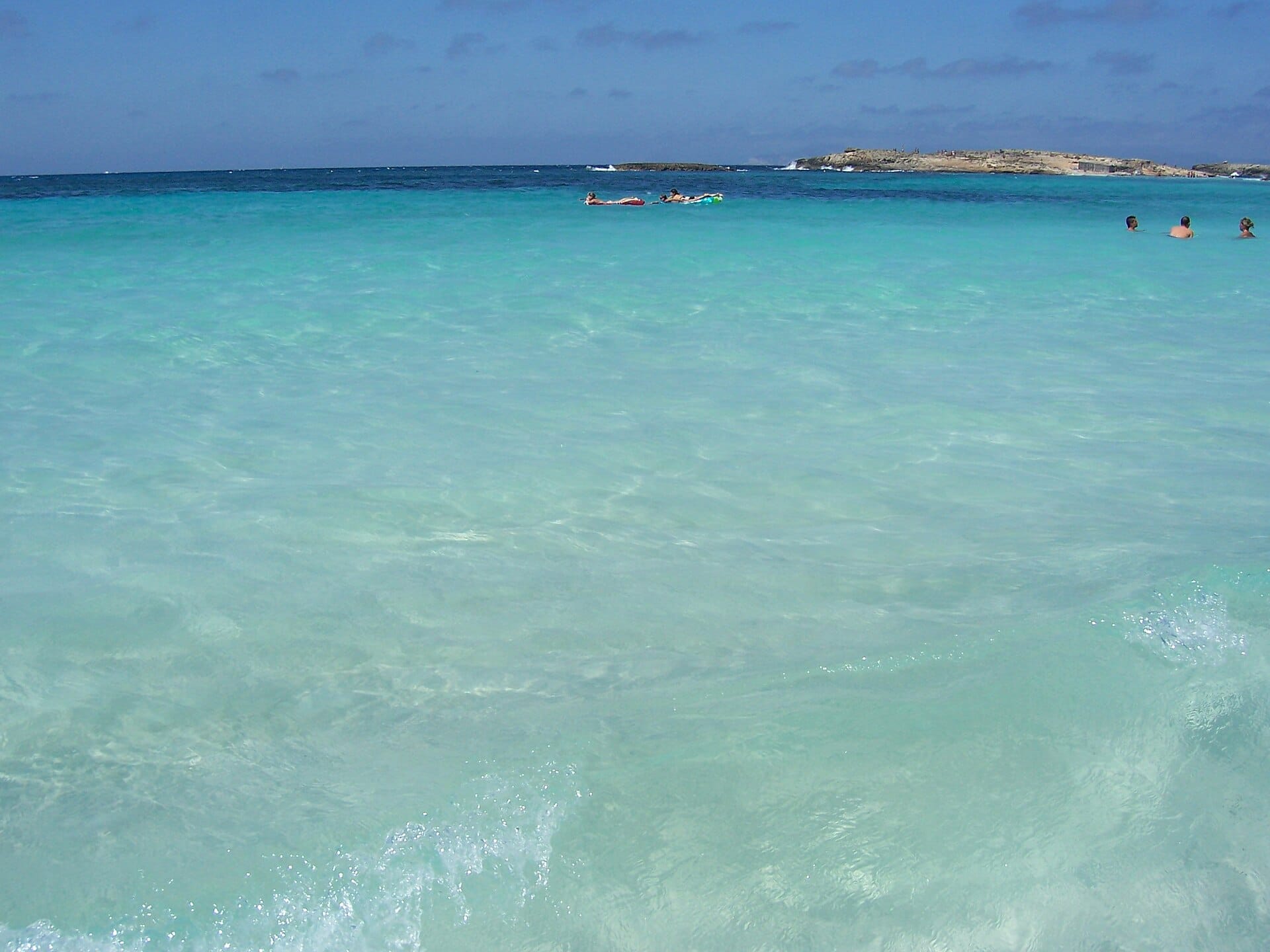
The Balearics: Mallorca
Menorca and Formentera, SpainAlso for beach lovers and couples · 15°C in January (22°C here)
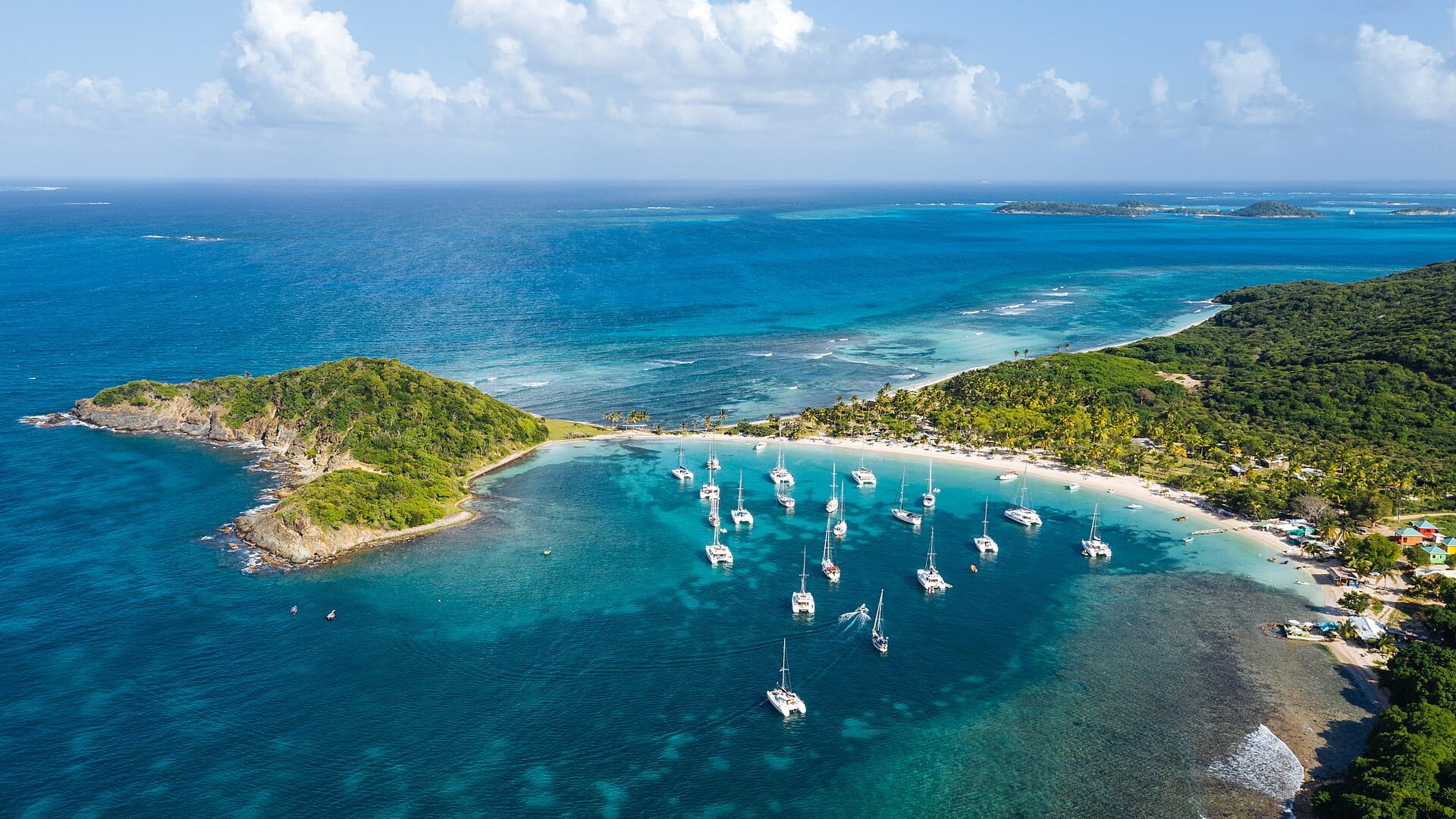
The Grenadines: Bequia
Mustique and the Tobago CaysAlso for beach lovers and couples · 26°C in January (22°C here)
Further afield
Related articles
Quick answers
When is the best time to visit Cape Verde: Sal?
Daytime highs run from about 21°C in March to 27°C in September. Driest October to July; wettest in September, with rain on about 6 days. The sea is warmest in October at around 28°C, coolest at 23°C.
How long should I spend in Cape Verde: Sal?
Our suggestion: 10–14 nights across two or three islands.
How do I get to Cape Verde: Sal?
Around twenty-five minutes by taxi or hotel shuttle from Sal (SID) at Espargos, south down the island to Santa Maria.
Do I need a car in Cape Verde: Sal?
No. Shared aluguer vans link the main towns on each island; between islands it is internal flights, with ferries a slower and less dependable alternative.
What currency and language are used in Cape Verde: Sal?
Currency: Cape Verdean escudo (CVE). Language: Portuguese. Plugs: type C and F.
Who is Cape Verde: Sal best for?
Best for beach lovers, couples and surfers. In a phrase: windswept, musical, sun-bleached, unhurried.